Which Is the Best Business Brochure Design Agency in Pune (Maharashtra)?
.jpg?timestamp=1758646972670)
In the digital age, businesses often focus on online marketing channels, but traditional print marketing still plays a powerful role in brand communication. Among these, brochures remain one of the most trusted and impactful tools. A well-crafted brochure does more than just provide information, it tells your story, builds credibility, and leaves a lasting impression. But to achieve this, you need the expertise of the best brochure design company in Pune that understands both creativity and strategy.
Whether you’re a startup, a growing enterprise, or an established brand, choosing professional business brochure design services in Pune ensures your message reaches clients in the most compelling way possible. Let’s explore why brochures matter, what makes them effective, and how to find the right brochure design company in Pune for your business.
Why Brochures Still Matter in Today’s Business World
In a world dominated by digital ads, social media, and websites, brochures continue to hold a unique value:
* Tangible Impact: Unlike digital content that can be easily forgotten, a brochure is something your client can hold, read, and revisit.
* Professionalism: A brochure instantly communicates seriousness and credibility.
* Direct Marketing Tool: Perfect for trade shows, corporate meetings, or face-to-face interactions.
* Versatility: From simple leaflets to detailed company profiles, brochures can be designed to suit different needs.
This is why businesses continue to rely on professional brochure design services in Pune to complement their marketing strategies.
Types of Brochure and Leaflet Design Services
When you connect with an agency offering brochure and leaflet design services, you’ll discover that brochures are not one-size-fits-all. Depending on your business goals, you can choose from:
* Corporate Brochures – To highlight your company’s vision, mission, and services.
* Product Catalogues – To showcase product details and specifications.
* Sales Brochures – Designed to attract and convert potential clients.
* Event Brochures & Leaflets – Perfect for conferences, exhibitions, and promotional events.
* Company Profiles – A professional narrative of your journey, achievements, and capabilities.
An expert agency offering custom brochure design services in Pune tailors the design, layout, and messaging to match your business identity.
The Importance of Professional Brochure Design
While anyone can create a brochure using templates, only experienced designers can craft one that truly resonates with your target audience. By hiring professional brochure design services in Pune, you ensure:
* Strong Visual Appeal – Eye-catching designs that grab attention.
* Effective Communication – Content that tells your brand story clearly.
* Brand Consistency – Aligning brochure design with your logo, colors, and overall brand identity.
* High-Quality Printing – Ready-to-print designs that maintain quality across formats.
Your brochure is often your first introduction to clients, it needs to reflect your brand’s professionalism and credibility.
Why Choose a Brochure Design Company in Pune?
Pune, being a major business and IT hub, is home to a diverse range of companies. From tech startups to manufacturing units, every industry has unique design requirements. A specialized brochure design company in Pune understands these local business dynamics and delivers designs tailored to different markets.
Unlike freelancers or generic design services, an established agency ensures a strategic approach, combining creativity, research, and branding expertise. This is why many businesses prefer working with dedicated agencies for business brochure design services in Pune.
Beyond Brochures: Profile Design Services in Pune
For companies aiming to build a stronger brand identity, brochures alone may not be enough. A well-crafted corporate profile serves as an extended introduction to potential clients, partners, and investors.
Agencies offering profile design services in Pune create professional documents that showcase your history, achievements, values, and services in a visually appealing format. These profiles are often paired with brochures for maximum impact during presentations, meetings, or pitches.
Many agencies also provide company profile design service in Pune, ensuring your brand’s story is consistent across all marketing materials.
Custom Brochure Design Services: Tailored for Your Brand
Generic designs may look good, but they rarely reflect the uniqueness of your brand. That’s why many businesses prefer custom brochure design services in Pune. With a tailored approach, you get:
* Personalized layouts that align with your brand voice.
* Content crafted to speak directly to your audience.
* Unique design elements that set you apart from competitors.
This ensures that your brochure isn’t just another printed document—it becomes a powerful brand asset.
Benefits of Hiring the Best Brochure Design Company in Pune
- Creative Expertise – Experienced designers who know what works.
- Strategic Thinking – Designs created with your target audience in mind.
- Time & Cost Efficiency – Professional services save you from trial and error.
- All-in-One Solutions – From brochures to profiles, agencies often provide complete branding services.
Partnering with a reputed agency ensures that your brochures and profiles are not just attractive, but also effective in achieving your business goals.
How to Choose the Right Brochure Design Agency
With so many options available, finding the best brochure design company in Pune requires careful consideration. Here are a few tips:
* Check Their Portfolio: Look at past work to gauge creativity and quality.
* Ask About Their Process: Do they involve you in discussions, revisions, and feedback?
* Look for Versatility: Can they handle brochures, profiles, and other branding materials?
* Read Client Reviews: Testimonials and case studies give insight into reliability.
The right agency should not only design brochures but also understand your brand vision and goals.
Final Thoughts
Brochures remain one of the most versatile and impactful marketing tools for businesses. Whether you need corporate brochures, sales leaflets, or detailed company profiles, partnering with the right agency can make all the difference. By choosing a professional brochure design company in Pune that offers comprehensive business brochure design services in Pune, you ensure that your brand is represented with creativity, clarity, and professionalism.
If you’re also looking for profile design services in Pune or a reliable company profile design service in Pune, working with an agency that provides end-to-end solutions will give your brand the edge it deserves.
At Designlab, we specialize in creating impactful brochures, custom designs, and professional company profiles that elevate your brand identity. With our expertise in brochure design services in Pune, we help businesses of all sizes tell their story in the most compelling way possible.
How to Find the Best Product Packing Label Design Agency in Pune (Maharashtra)?
.jpg?timestamp=1758632084757)
In today’s highly competitive market, first impressions matter more than ever. A customer may decide to pick up your product, or skip it altogether—based on how attractive and professional your packaging looks. This is where Product Packing Label Design Agencies in Pune play a vital role. Good packaging isn’t just about wrapping your product; it’s about telling your brand’s story, communicating quality, and building trust with customers at first glance.
If you are a business owner in Pune or Maharashtra, finding the right Label Design Agency in Pune can be the key to making your product stand out in a crowded marketplace. But with so many options available, how do you select the one that truly understands your needs? Let’s walk through the important steps and considerations.
Why Packaging and Labels Are More Than Just Design
Packaging isn’t only about aesthetics, it’s a marketing tool. From a supermarket shelf to an e-commerce website, your product competes with hundreds of others. The right product packaging design services in Pune ensure that your product looks appealing, clearly communicates its purpose, and creates a lasting impact.
Similarly, labels play a critical role. A well-crafted label gives customers information, highlights your brand’s uniqueness, and builds credibility. A reputed Product Label Design Company in Pune will not only design attractive visuals but also make sure the labels comply with legal and industry standards.
Key Qualities of a Good Label Design Agency in Pune
When looking for the best Packaging Design Services in Pune, here are a few essential qualities to consider:
- Creativity & Innovation – Your packaging should be unique and eye-catching. An agency with creative packaging design services in Pune can help your brand stand apart.
- Industry Experience – Agencies with experience in your product niche (food, cosmetics, electronics, etc.) understand market expectations and consumer psychology.
- Customization – Every business is different, so the agency must provide custom packaging and label design services in Pune tailored to your brand identity.
- Technical Expertise – A good agency knows printing, material selection, and finishing details so that the final product looks professional and durable.
- End-to-End Support – From concept to final printing, the agency should offer complete label design services in Pune without leaving you to manage multiple vendors.
Types of Packaging and Label Design Services in Pune
If you’re searching for an agency, you’ll notice that the best ones offer a wide range of services. Some of the most common include:
* Product Packaging Design Services in Pune: Ideal for creating boxes, cartons, and pouches that reflect your brand identity.
* Label Design Services in Pune: Professional label designs that are visually striking while carrying essential product details.
* Food Packaging Services in Pune: Food products need packaging that not only attracts attention but also meets safety standards.
* Gift Box Design Services in Pune: Special occasions and luxury products demand elegant and premium designs.
* Price Tag Design Services in Pune: Even something as small as a price tag can enhance brand perception when designed well.
* Catalogue Design Company in Pune: Alongside packaging, a catalogue is often needed to showcase your entire product line in a professional way.
When an agency provides all these solutions under one roof, you save time and ensure brand consistency.
Steps to Finding the Best Product Packing Label Design Agency in Pune
Now that you know what services to look for, let’s talk about how to find the right partner for your brand:
1. Research and Shortlist
Start by searching online for agencies offering Product Packaging Design Services in Pune and check their websites. Look at their portfolio to see if their design style aligns with your vision.
2. Check Reviews and Testimonials
Client feedback is a reliable way to judge the credibility of a Label Design Agency. Positive testimonials show consistency in quality and customer satisfaction.
3. Ask About Customization
Some agencies provide template-based designs, while others specialize in custom packaging and label design services in Pune. Always go with the latter for a unique and professional look.
4. Discuss Budget and Timelines
Pricing can vary greatly, so make sure you get clarity on what’s included. The best Product Label Design Company in Pune will be transparent about costs and delivery schedules.
5. Assess Communication and Understanding
A reliable agency will take the time to understand your brand story and goals. Good communication ensures the final design resonates with your vision.
Why Pune is Emerging as a Hub for Design Agencies
Pune has quickly become a hub for startups, manufacturing units, and FMCG companies. With this growth comes the need for strong branding and packaging solutions. Many companies now prefer hiring a Product Packing Label Design Agency in Pune because they can get high-quality, affordable, and innovative services locally, without having to outsource to larger metro cities.
The Role of Packaging in Brand Success
Think about top brands, often, their packaging is as memorable as the product itself. Whether it’s the sleek design of a smartphone box or the vibrant look of a food package, customers often associate quality with how well a product is presented. Partnering with the right Packaging Design Services in Pune ensures that your product doesn’t just compete, it stands out.
Final Thoughts
Choosing the right Product Label Design Company in Pune is not just about finding someone who can make your product look good. It’s about finding a partner who understands your brand identity, your target audience, and your long-term business goals.
Whether you are looking for Product Packaging Design Services in Pune, Label Design Services in Pune, or even a full-service Product Packing Label Design Agency in Pune, take your time to research and choose wisely. The right decision can transform your product into a customer favorite.
If you are searching for a trusted name that delivers creative, professional, and customized solutions, Designlab is one of the most reliable agencies you can count on. With their expertise in Label Design Services in Pune and Packaging Design Services in Pune, they have helped countless businesses create packaging that not only looks appealing but also drives sales.
Best Logo Design Agency in Pune, Maharashtra for Your Brand
In today’s competitive marketplace, first impressions matter more than ever. Your logo is not just a graphic, it’s the face of your brand, the first thing people notice, and often what they remember long after interacting with your business. That’s why choosing the right Logo Design Agency in Pune, Maharashtra can make all the difference in setting your brand apart.
From startups aiming to make a mark to established businesses looking to refresh their identity, a well-designed logo creates trust, builds recognition, and communicates professionalism. But what should you look for in a Logo Design company in Pune, and why are professional services worth the investment? Let’s dive deeper.
Why Your Business Needs a Professional Logo
Many businesses underestimate the power of a strong logo. They might opt for DIY designs or cheap templates, but such shortcuts rarely capture the essence of a brand. A professional logo is more than colors and shapes—it reflects your brand values, vision, and target audience.
When you invest in professional logo design services in Pune, you ensure that your logo is:
* Unique and memorable.
* Scalable across mediums—whether on a visiting card, website, or billboard.
* Strategically designed to align with your business goals.
A logo that is thoughtfully crafted instantly creates credibility and makes your brand stand out in a crowded marketplace.
Why Choose a Logo Design Company in Pune?
Pune is one of India’s fastest-growing business hubs, home to startups, IT firms, manufacturing companies, and creative industries. With such a diverse business environment, there’s a growing demand for expert logo design services in Pune that truly understand the local and global market.
A reputed Logo Design company in Pune not only brings design expertise but also understands the cultural and business nuances of the region. This ensures that the final design resonates with your audience while staying relevant in your industry.
Qualities of the Best Logo Design Agency in Pune, Maharashtra
When choosing a design partner, here’s what sets the best logo design agencies in Pune apart:
- Creative Expertise – A top agency combines artistic creativity with strategic thinking to create logos that connect emotionally and visually.
- Experience Across Industries – Whether it’s IT, healthcare, retail, or education, a good agency adapts its design style to suit different industries.
- Client-Centric Approach – The best agencies collaborate closely with clients, understanding their vision, values, and goals before starting the design process.
- Complete Branding Solutions – Beyond logos, agencies that also act as the best corporate profile designer company help in creating brochures, business profiles, and branding materials for a consistent identity.
Logo Design Services in Pune: What to Expect
Professional logo design services in Pune go far beyond creating a simple visual. Here’s what you can typically expect:
* Brand Discovery & Research: Understanding your business, audience, and competitors.
* Concept Development: Brainstorming creative ideas that align with your goals.
* Design Execution: Crafting multiple logo options with variations in style, typography, and color.
* Feedback & Revisions: Refining the chosen design to perfection.
* Final Delivery: Providing scalable formats for print, web, and digital use.
This structured approach ensures that your logo is not only visually appealing but also strategically designed.
The Role of Corporate Profile Design in Branding
While a logo is the face of your brand, your corporate profile is the story behind it. The best corporate profile designer company doesn’t just create brochures—it builds your brand narrative. A well-designed corporate profile highlights your achievements, services, and vision in a visually engaging manner.
When paired with a strong logo, a professional corporate profile enhances credibility, attracts clients, and makes your business look polished and trustworthy. Many logo design agencies in Pune, Maharashtra also specialize in corporate profiles, giving businesses a complete branding solution under one roof.
Benefits of Hiring Professional Logo Design Services in Pune
- Stand Out from Competitors: A unique design ensures your brand doesn’t get lost in the crowd.
- Save Time and Effort: Experienced designers understand design principles, saving you from costly mistakes.
- Get Long-Term Value: Unlike DIY designs, professional logos last for years without feeling outdated.
- Consistency Across Platforms: Your logo looks equally great on a website, packaging, or social media.
When you partner with a logo design company in Pune, you invest in long-term brand value rather than just a one-time design.
How to Choose the Right Logo Design Agency in Pune, Maharashtra
Finding the right agency can be overwhelming, but here are a few tips to make it easier:
* Check their portfolio: Do they have experience in your industry?
* Look for testimonials: What do past clients say about their work?
* Ask about the process: Do they involve you in brainstorming and revisions?
* Consider their range: Do they also offer branding or corporate profile design?
By choosing wisely, you ensure that your logo becomes a powerful business asset.
Final Thoughts
Your logo is more than just a design—it’s your brand identity. Partnering with the right Logo Design Agency in Pune, Maharashtra ensures that your brand is represented with creativity, strategy, and professionalism. From startups to established enterprises, every business can benefit from investing in professional logo design services in Pune that truly capture its vision.
And if you’re also looking for the best corporate profile designer company, working with an agency that provides end-to-end branding solutions will give your business the competitive edge it deserves.
At Designlab, we specialize in creating impactful logos, professional brand identities, and compelling corporate profiles that help businesses stand out. With our expertise and client-first approach, we make sure your brand tells its story in the most powerful and creative way possible.
Why Smart Brands Spend on Brochure & Leaflet Design Services?
You may think that in the digital age, brochures and leaflets are no longer relevant. But smart brands understand that they remain effective tools for establishing trust, conveying value, and making a lasting impression. In client presentations, exhibitions, or pitch meetings, brochures continue to cut it. Here’s why top businesses are investing in brochure and leaflet design services, especially from experts offering professional brochure design services in Pune.
Why Brochures Still Matter?
Unlike online ads or social media posts, brochures are tangible. They offer something a customer can hold, flip through, and even take home. That tangible experience creates a stronger memory and connection. A well-designed brochure does more than communicate information. It tells your brand's story, highlights your strengths, and presents your products or services professionally and attractively. That's why companies like to collaborate with a brochure design firm in Pune to achieve top-quality outcomes.
What Makes a Brochure Effective?
A good brochure is not necessarily about design; it's about smart communication. Savvy brands seek:
- Clear structure—simple to navigate with clear-cut sections
- Engaging graphics—crisp, high-quality pictures, icons, and designs
- Compelling text—short, concise, and audience-oriented copy
- Consistent identity—coordinated colours, fonts, and voice
- Call to Action (CTA) – Inviting the next action: call, visit, or purchase
That's why they choose for customised brochure design services in Pune instead of relying on pre-made templates.
Brochures vs. Leaflets: What's the Difference?
Both are worthwhile but have slightly different uses:
- Brochures are multi-page or folded printouts, best suited for extended product or company information.
- Leaflets are single-page and great for fast offers, event promotion, or notices.
- Smart companies tend to use both, depending on the campaign or target audience. That's where brochure and leaflet design services become useful.
Why Pune is a Hub for Brochure Design
Pune has a well-established design industry with seasoned professionals providing quality graphic design services in Pune. Here's why Pune businesses prefer local agencies:
Good knowledge of local markets
- Economical, high-quality designs
- Prompt collaboration and accelerated delivery
- Full branding assistance, including profile design service in Pune, and company profile design service
- From corporates to startups, most brands regard Designlab and others like it as the benchmark for effective brochures.
Types of Brochures Smart Brands Use
Every company has various requirements. The following are common brochure types:
- Bi-Fold & Tri-Fold Brochures – Brief and descriptive
- Company Profiles – Corporate presentations, funding proposals, and partnership discussions
- Product Catalogues – Highlight products with pictures and specifications
- Event Brochures – Conferences or exhibitions
To achieve the best, companies select business brochure design services in Pune that offer personalized designs according to their requirements.
Digital Brochures: Merging Offline with Online
Along with print, brochures are being utilized in digital formats nowadays—sent through email, WhatsApp, or websites. They may contain:
- Clickable CTAs
- Embedded videos or links
- QR codes for traffic drive
Brands require multipurpose assets, which is why they look to a brochure design company in Pune that specializes in digital design too.
Advantages of Getting a Professional Brochure Design Agency
- Brand Consistency
All your marketing materials from brochures to websites must have a consistent style. A professional brochure design firm in Pune guarantees your brand voice remains consistent.
- Improved Engagement
Personalized layouts, impactful visuals, and easy-to-read formats enhance engagement and retention.
- Improved ROI
An effectively designed brochure does more than communicate—it can inspire action and sales. Intelligent design provides improved response.
Intelligent Branding Exceeds Brochures Only
Most companies couple brochure creation with:
- Company profile design service in Pune
- Stationery design
- Brand identity packages
These bundled services provide an end-to-end branding solution. That is why most brands turn to agencies such as Designlab for graphic and profile design services in Pune.
Ask These Before You Hire
Before selecting a brochure design firm, ask:
- Do you offer print and digital copies?
- Can you assist with content as well as with the design?
- What is your revision process?
- Do you provide end-to-end branding packages?
A good agency will respond assertively and present corresponding previous work.
Have Designlab Tell Your Tale
Leaflets and brochures are still effective, particularly if well-designed. They enable you to make an impression, describe your services, and reach out to your audience in a manner that online advertisements cannot. If you’re searching for the best brochure design company in Pune, choose Designlab, a team known for creativity, strategy, and professionalism.
From custom brochure design services to complete company profile design, Designlab is the trusted name for brands ready to grow. Let your next brochure not just inform, but inspire.
Why Do Brands Need Corporate Profile Design Services Today?

In today’s ultra-competitive business landscape, first impressions matter more than ever. Whether you're pitching a proposal to a client, seeking investor funding, or simply introducing your business to a wider audience, your corporate profile plays a pivotal role. That’s where professional Corporate Profile Design Services come in—especially in a dynamic business hub like Pune, where companies are constantly reinventing themselves for the digital era.
This post delves into how and why big and small brands need to invest in corporate profile design by professionals and how a professionally written profile can distinguish them. We'll also discuss the main components of a powerful profile and why businesses such as DesignLab are the go-to company for businesses of all industries.
What Is a Corporate Profile and Why Does It Matter?
A corporate profile is an in-depth introduction to your business. It conveys your brand identity, mission, vision, products, services, and accomplishments in a beautiful and compelling way. Consider it your brand's business card—only more comprehensive and extensive.
In short, a professionally crafted corporate profile:
- Establishes credibility
- Improves brand reputation
- Gathers potential customers, partners, and investors
- Conveys professionalism and focus to detail
As online interaction is on the rise, the importance of having a beautiful and interactive corporate profile design is greater than ever.
Why Corporate Profile Design Services Are in Such Demand
First Impression is Everything
Even before your visitor meets your team or steps into your office, they probably view your profile. A cluttered, text-crammed, and poorly designed profile makes a wrong impression the moment they look at it. However, a crisp and contemporary profile sends a message of professionalism and confidence.
Clarity in Communication
Good design isn't all about looks—it's about clarity. A well-organized Corporate Guidelines Manual will see that your message is consistent and clear. This is particularly crucial for businesses with several departments or branches.
Improved Investor and Client Interaction
Potential customers and investors are interested in learning who you are and what sets you apart. A well-prepared profile tells them the answers quickly. It assists you in establishing trust at a fast pace and highlighting your strengths.
Enhances Brand Consistency
Consistent branding throughout all materials—brochures, websites, and profiles—establishes a solid brand identity. A well-designed corporate profile helps ensure that typography, color palettes, use of logos, and tone of voice are consistent.
Critical for Print & Digital Media
Your profile in today's mixed marketing scenario needs to be platform-compatible for both digital and print media. When you're sending out a PDF via email or delivering a hard copy booklet, Pune's expert corporate profile designers make sure the design is compatible across platforms.
What Should a Corporate Profile Have?
A good corporate profile needs to have the following components:
- Company Overview: A brief overview of who you are
- Vision & Mission: What you believe in and where you're going
- Core Values: Principles that guide your business
- Products/Services: What you do and how in detail
- Achievements & Milestones: Awards, recognitions, and milestone projects
- Team Introduction: Bios of main members
- Client Testimonials: Social proof from satisfied clients
- Contact Information: Conveniently accessible contact and location information
All of these should be written in a clean, cohesive, and compelling design that represents your brand.
Why Opt for Professional Corporate Profile Designing Services in Pune?
Pune is an emerging business hub with startups, SMEs, and large businesses. In such a competitive setup, one has to stand out.
Professionals guarantee:
- Strategic content planning
- Branded and original visuals
- Quality prints and digital outputs
- Professional tools for faster turnaround
- Latest knowledge of branding trends
Design experts understand how to combine visuals, storytelling, and brand strategy to deliver a document that speaks volumes—even before a word is read.
How DesignLab Sets the Standard
Among the best players providing Corporate Profile Design solutions in Pune, DesignLab is unique in its holistic and personalized process. If you are a new startup or an established business, DesignLab designs corporate profiles that best capture your brand's voice and vision.
Why DesignLab?
- Experience: Success story across industries
- Creative Expertise: Experienced designers and brand strategists
- Customization: No template—your profile is one-of-a-kind
- End-to-End Service: From content writing to final delivery
- Affordable Packages: Competitive pricing for every business size
DesignLab also assists brands in creating their Corporate Guidelines Manual, making brand visuals consistent across departments and touchpoints.
Common Blunders Brands Make Without a Professional
Steer clear of these traps:
- Overloading with Text: Readers lose interest quickly.
- Inconsistent Branding: Unmatched fonts, color, and tone can harm your reputation.
- Poor Layout: Cluttered content can be daunting.
- Generic Templates: Lack of personality and differentiation.
Professional designers cut out these problems by applying strategic design thinking and a focus on brand nuance.
Real-World Impact of Great Corporate Profiles
- Firms that invest in effective corporate profile design tend to find:
- Higher lead conversions in business presentations
- Improved media coverage
- Greater brand perception
- Increased investor interest
- Simplified internal communication
Your corporate profile isn't a document—it's a marketing tool, a branding asset, and a silent salesperson.
Final Thoughts
In a world where image is everything, standing out with a great corporate profile isn't something you can afford to skip—it's necessary. Whether you're attempting to close a deal, secure funding, or establish trust with your brand, a compelling profile can be the clincher.
So, if you want to build an unstoppable brand story that speaks volumes to your audience, now is the time to spend on high-quality Corporate Profile Design Services in Pune.
Let your profile talk for your brand before you do. Collaborate with DesignLab, the most superior corporate profile designer firm, and enhance your brand presence with confidence and creativity.
Call DesignLab Today
For visually impressive, professionally crafted, and strategically connected corporate profiles, count on DesignLab—where strategy meets design.
Top Benefits of Professional Product Packaging Design Services for Businesses

Today's competitive market isn't just about creating a fantastic product, it's about presenting it. The first impression that your customer gets isn't on the inside—it's from the package. From food products and cosmetics to electronics and high-end luxury goods, wise brands are seeking out expert product packaging design services to emerge as leaders.
So, what is it about packaging design that makes it so significant? Why are increasing numbers of companies putting money into packaging design services in Pune and elsewhere? Let's discuss the main advantages and why your company shouldn't dismiss this rich marketing tool.
1. First Impressions That Last
Whether on a shelf or in an online shop, your package is your initial handshake with the customer. A bland or uninteresting design is easily overlooked, but a striking one piques one's interest. Enter creative packaging design services in Pune. Good design shows your brand personality, captures attention, and encourages customers to reach for your product, or click 'Buy Now'.
2. Enhances Brand Identity
Your packaging isn’t just a wrapper; it’s your silent brand ambassador. Professional packaging design agencies understand how to incorporate your brand’s color palette, fonts, messaging, and logo into a cohesive design that reinforces brand recall. For growing businesses, this is a game-changer. If you’re based in or near Pune, working with a product label design company in Pune ensures local market relevance while delivering a global-standard look.
3. Categorically Clear with Labels & Tags
Consumers want to understand what they are purchasing. Ingredients, advantages, directions for use, expiration dates—these need to be communicated in clear terms by smart label design.
That is why businesses choose label design services in Pune and custom label design services that design clean, informative, and legally acceptable labels. And if you are selling clothes, accessories, or retail merchandise, don't overlook your price tag design services in Pune. Those little things count when purchasing decisions are made.
4. Shelf Impact Boost
Dozens of others probably surround your product in a retail shop. How do you differentiate yourself? An attention-grabbing packaging firm in Pune is aware of how to create packaging that captures the eye from a distance. Careful application of colour, texture, and design ensures your product doesn't merely fit in, but stands out.
5. Personalized Solutions for Various Types of Products
From skincare bottles to food jars, electronics boxes to apparel tags—every product needs tailored packaging. That's why businesses turn to product packaging design services in Pune that offer fully customizable packaging and label design solutions.
For example:
- A luxury chocolate box? You’ll need gift box design services in Pune
- A spice jar label? You’ll want bold fonts, nutrition info, and maybe a QR code
- A brochure of your products? Time to hire a catalogue design firm in Pune
6. Packaging That Sells Emotion
A clever package has a story to tell. Is your company premium or valuable? Playful or practical? Green or geeky? Strong packaging evokes emotion and reason, which drive purchase behavior. When customers engage on an emotional level with your company, they're more apt to purchase and come back.
A Pune-based local packaging design company can assist you in weaving that emotional narrative, prioritizing cultural sensitivity.
7. Safeguards the Product
Though looks matter, packaging also needs to fulfill its fundamental purpose: guard the product. A professional packaging company takes into account the durability, material, temperature requirements, and logistics while designing. For instance, food packaging agencies in Pune not only create attractive packaging but also provide food safety, hygiene, and shelf life assurance.
8. Industry Standards Compliance
Various industries have varied packaging regulations—particularly for consumables, cosmetics, and healthcare products. Having experts on board ensures your barcodes, labels, safety instructions, and disclaimers comply with industry and legal standards.
This is where customized label design services in Pune offer value addition—they know local regulations and create accordingly.
9. Enhanced Customer Experience
Unboxing has now entered the customer experience. Whether it's an online purchase or a gift box, the tactile experience of opening up a well-crafted package creates a thrill and fosters loyalty. For this reason, there are increasing numbers of eCommerce and D2C brands that are onboarding gift box design services in Pune to deliver top-notch experiences that create customer delight and social media engagement.
10. Improved Marketing ROI
Investing in quality packaging can pay for itself in the long term. Properly designed packaging:
- Reduces customer confusion
- Lowers product return rates
- Increases sales with visual appeal
- Builds brand advocates with memorable unboxing experiences
Consider packaging as your silent salesperson—working 24/7, wherever your product travels.
Let Your Packaging Speak with Designlab
Great packaging is a blend of creativity, functionality, and strategy. It’s not an afterthought—it’s an investment in your brand’s future. If you’re looking to elevate your product’s presence and give your brand the attention it deserves, choose a team that understands design with purpose.
Designlab is among the most reliable names providing product packaging design solutions in Pune. From bespoke label design, gift box, and catalogue design to food packaging services in Pune, Designlab provides innovative solutions that attract attention and are remembered.
Don't settle for the same old thing. Let your packaging do the talking, with Designlab.
Where Do Top Brands Get Their Logos Designed? Here's the Secret
Ever wondered where iconic logos like Apple’s bitten apple or Nike’s swoosh come from? These designs weren’t just randomly made; they are the result of deep research, creativity, and brand strategy. But the real question is, where do top brands get their logos designed? Is there a secret sauce? The answer is both simple and exciting. Let's enter this amazing realm of logo design and reveal how high-profile brands tackle expert logo design, and why Pune businesses are at the forefront.
Why a Logo Matters More Than You Think
A logo is not just a symbol. It's your brand's face, the initial impression your people have of you, and an unspoken conveyor of your values. A bad logo can mislead your audience or hurt your brand image, while a well-designed one can contribute to recognition, trust, and customer loyalty. Top brands are aware of this, which is why they don't settle for anything but the best logo design agency they can get.
The Secret: They Hire Professional Logo Design Agencies
Successful businesses don't take chances with their brand image. They go for professional logo design firms that bring to the table a mix of creativity, strategic thinking, and design prowess.
So if you are starting a startup, renaming your company, or just want to revamp your image, take a tip from the industry leaders. You need more than a freelance designer or a click-and-drag tool. You need a Creative Logo Design Company in Pune that is able to develop your brand by using smart and creative design.
Why Pune is Becoming the Hub for Logo Design in India
Pune has become a creative and technology-driven hub. From IT enterprises to successful startups, the city is filled with businesses that see the importance of design. That is the reason why logo design companies in Pune are in greater demand than ever before.
These design firms are not only adept at graphics, but they also add market research, trend analysis, and branding strategy to the equation. If you require a compelling logo, a corporate profile design, or even a full brand identity package, Pune offers it all.
What Do Top Brands Expect from a Logo Design Agency?
Top brands are finicky, and they should be. Here's what they look for while selecting a logo design agency in Pune:
- Professionalism and Experience
Brands seek a professional logo design firm in Pune with a successful portfolio. They don't only want gorgeous designs; they want meaningful ones that reflect their brand essence.
- Creative Vision
Innovation is essential. A creative logo design firm in Pune should be capable of looking beyond the box, developing memorable logos that cut through in competitive markets.
- End-to-End Services
It's not merely a logo. Brands tend to require an entire package consisting of:
- Stationery Design (business cards, letterheads, envelopes)
- Corporate Guidelines Manual
- Corporate Profile Design Services in Pune
- Brand refresh and rebranding assistance
Selecting an agency that provides it all from one place saves time and effort and guarantees consistency.
- Brand Identity Understanding
A fine logo is the result of having a rich understanding of the mission, audience, and personality of the company. It is here that a corporate profile designer company can assist in designing the story of the brand prior to commencing the visual identity.
How a Logo Can Make or Break a Brand?
Think about brands like Airbnb, Amazon, or Pepsi. Their logos evolved but never lost their essence. Each rebranding was backed by strategy, market trends, and customer feedback. This strategic approach is something you’ll find with the best logo designing companies in Pune.
A logo can even change how the public thinks about you. For instance, an old or messy logo might convey that your company is outdated or unprofessional. However, a clean, modern one reflects confidence, reliability, and currentness.
Beyond Logos: The Role of Corporate Profile Design
Your corporate profile is the resume of your brand. It presents who you are, what you do, and why someone should trust you. Top companies tend to couple their logo design with corporate profile design services in Pune for presenting a cohesive and professional face to stakeholders, investors, and customers.
The top corporate profile design company provides services like
- Company overview writing
- Team introductions
- Visual infographics
- Vision & mission page design
- Product and service showcases
If you want to impress investors and clients, combining a solid logo with a well-crafted corporate profile is the ticket.
Questions You Should Ask Before Hiring a Logo Design Company
Not all design firms are equal. Here are some questions to ask before sealing a deal:
- Can I see your past work in my sector?
- Do you give a brand guideline manual?
- What's your design process?
- How do you approach revisions and feedback?
- Do you provide stationary design and branding as well?
These are the questions that will assist you in selecting a professional logo design service in Pune that actually gets you.
The Power of a Well-Designed Logo
Leading brands don't leave their look to chance, and neither should yours. A fantastic logo isn't a piece of art, it's a strategic tool that amplifies your credibility, recognisability, and trust with customers.
So, if you’re searching for a Creative, Innovative, and Attractive Logo Design Company in Pune, or need comprehensive professional corporate profile design services, the answer is clear.
Let Designlab Bring Your Brand to Life
At the heart of Pune’s creative ecosystem is Designlab - a leading name in brand identity and visual storytelling. As the best logo designing company in Pune, Designlab brings a blend of innovation, aesthetics, and strategy to every project.
From corporate logo design services to stationery design, corporate profiles, and full branding solutions, Designlab is the end-to-end firm that leading businesses trust.
Whether you are a startup or an enterprise, go with Designlab—where your brand takes the first step to greatness.
How Consistent Branding Can Increase Your Revenue by 33%
In today’s competitive market, every detail matters—from your logo to the tone of your emails. But one factor often overlooked by small and medium-sized businesses is brand consistency. According to recent studies, businesses that present their brand consistently across all platforms can see an average revenue increase of 33%. That’s not just a number—it’s a powerful reason to pay close attention to how your brand shows up everywhere.
Let’s break down what brand consistency means, why it impacts your revenue, and how you can implement it effectively.
What is Brand Consistency?
Brand consistency means presenting your business in a uniform way across all customer touchpoints—whether it's your website, social media, email, ads, packaging, or even how your team answers calls. It's about making sure your logo, colors, voice, tone, messaging, and customer experience all feel like they come from the same place.
When done right, it makes your brand feel reliable, trustworthy, and professional—whether someone is visiting your Instagram page or walking into your store.
Why Does It Matter for Your Bottom Line?
Here’s why consistent branding can lead to a 33% revenue boost:
1. Builds Trust and Credibility
Customers are more likely to buy from brands they recognize and trust. When your brand looks and feels the same everywhere, people begin to trust that you’re reliable and know what you’re doing.
2. Improves Brand Recognition
The more consistent your visuals and messaging, the more memorable your brand becomes. Think of big brands like Apple or Nike—their look and message never change. That recognition drives repeat purchases and customer loyalty.
3. Enhances Marketing Effectiveness
When your branding is aligned across all channels, your marketing efforts reinforce each other. Every ad, post, or video becomes part of a cohesive message—leading to better engagement and conversion rates.
4. Strengthens Customer Experience
A consistent experience makes your business feel more organized and professional. Whether someone visits your website or receives a follow-up email, the tone, design, and message feel familiar and reassuring.
5. Boosts Employee Confidence and Alignment
When your internal team knows how to represent the brand consistently, they feel more confident in their roles. It also makes onboarding and communication smoother, reducing confusion and improving service quality.
Real Impact: The Numbers Don’t Lie
According to a Lucidpress report, brands that maintain consistent branding are 3.5 times more visible to their audience and can experience up to a 33% increase in revenue. In the digital age, where customers interact with your brand through multiple touchpoints, consistency builds the trust that leads to conversions.
How to Build Consistent Branding (Step-by-Step)
1. Create a Brand Style Guide
Include logo usage rules, color codes, typography, imagery guidelines, and examples of tone and messaging.
2. Align Your Brand Voice
Define your tone—whether it's professional, friendly, quirky, or bold—and apply it across all written and spoken content.
3. Audit All Brand Touchpoints
Review your website, social media, emails, packaging, and even invoices. Are they telling the same story? If not, it’s time to align.
4. Train Your Team
Make sure everyone in your business—from sales to support—understands and follows the brand guidelines.
5. Use Templates for Marketing Materials
Branded templates for presentations, social media posts, and email campaigns save time and ensure consistency.
Final Thoughts
Consistent branding is not just about looking good—it’s about being recognized, trusted, and remembered. In a crowded marketplace, it’s your key to standing out and creating long-term customer relationships.
Whether you’re just starting out or have an existing brand that needs refining, remember: consistency brings clarity, and clarity drives growth.
At [DESIGNLAB], we specialize in helping businesses like yours create consistent, high-performing brand identities. From brand strategy to design execution, we make sure your brand speaks the same language everywhere—so your audience listens, connects, and converts.
Bringing Your Brand to Life with the Perfect Logo
A logo isn’t just a symbol—it’s the first impression your audience gets of your business. It speaks without words, tells your story at a glance, and sets the tone for how people feel about your brand. A well-crafted logo can instantly communicate your values, your professionalism, and your personality.
In today’s visually driven world, having the perfect logo is not a luxury—it’s a necessity. Whether you're launching a startup or rebranding an existing business, your logo should bring your brand to life in a way that's memorable, meaningful, and market-ready.
Let’s dive into how a great logo can elevate your brand—and how you can create one that works hard for your business.
Why a Logo Matters More Than You Think
Your logo is the face of your brand. It appears on your website, business cards, social media profiles, packaging, signage, and more. Here’s what the right logo does:
• Creates Instant Recognition
Think of the golden arches of McDonald's or the swoosh of Nike—you recognize them instantly. A great logo helps your brand stand out and stay top-of-mind.
• Builds Trust and Credibility
A clean, professional logo tells customers you’re serious about what you do. It creates a sense of stability, even if you’re a new brand.
• Communicates Brand Personality
A fun, colorful logo says something very different than a sleek, minimal one. Your logo visually reflects who you are—whether you're bold, elegant, friendly, or tech-savvy.
• Supports Brand Consistency
A well-designed logo becomes the anchor for all your branding—colors, fonts, imagery, and design choices stem from it. It keeps everything visually aligned.
Elements of the Perfect Logo
A successful logo isn’t just pretty—it’s strategic and timeless. Here's what makes a logo effective:
1. Simplicity
Clean and uncluttered logos are easier to recognize and remember.
2. Relevance
Your logo should reflect your industry, audience, and brand message. A law firm’s logo should look very different from toy brands.
3. Scalability
It should look good on everything—from a small mobile screen to a large billboard.
4. Memorability
A unique logo leaves a lasting impression. Avoid generic icons or overused symbols.
5. Timelessness
A great logo should last for years without needing a redesign. Trends come and go, but timeless design stays strong.
The Process: From Concept to Creation
Creating the perfect logo isn’t just about artistic flair—it’s about strategy and understanding. Here's how we at DESIGNLAB approach it:
- Discovery: We start by understanding your brand—your mission, audience, values, and what sets you apart.
- Research: We study your industry and competitors to ensure your logo is original and market-relevant.
- Concept Design: Our creative team explores multiple visual directions based on your brand strategy.
- Refinement: We narrow down the best ideas and fine-tune the logo until it’s strong, clear, and memorable.
- Delivery: You get a professional logo package with all the formats you need—plus a guide on how to use it consistently.
Common Mistakes to Avoid
Even the best ideas can go wrong if these pitfalls aren’t avoided:
- Relying on clipart or free templates
- Using too many colors or complex designs
- Ignoring your audience’s preferences
- Not testing how the logo looks in real-world use (e.g., social media icons, print)
Final Thoughts
Your logo is more than a graphic—it’s the emotional and visual starting point of your brand. It should tell your story in a glance, build trust with your audience, and lay the foundation for everything you do visually.
If you're serious about building a strong brand, investing in a meaningful, strategic logo is one of the smartest decisions you can make.
At [DESIGNLAB], we don’t just design logos—we craft brand identities that work. Whether you're starting fresh or refreshing an outdated logo, we’re here to help bring your brand to life—beautifully, professionally, and powerfully.
Ready to create a logo that speaks volumes? Let’s bring your vision to life—with DESIGNLAB.
2025 Web Design Trends: What’s In and What’s Out
The digital world is evolving at lightning speed, and your website is often the first impression people get of your brand. In 2025, web design is all about function with feeling—a perfect blend of clean aesthetics, smart interactions, fast performance, and authentic brand storytelling.
Whether you’re designing a brand-new site or refreshing an old one, staying on top of the latest trends is essential for keeping users engaged and building trust. Let’s break down what’s trending in 2025—and what’s officially on its way out.
🔥 What’s IN for 2025
1. Humanized Minimalism
Minimalism is still big, but now it’s less “cold and sterile” and more “clean but personal.” Expect to see:
- Generous white space
- Soft color palettes
- Friendly, natural fonts
- Micro-interactions that feel organic
Why it works: It feels fresh, welcoming, and easy to navigate without overwhelming the user.
2. AI-Powered User Experiences
From AI chatbots to personalized content recommendations, websites in 2025 are using artificial intelligence to enhance usability and relevance.
Why it works: Smarter websites mean better experiences—visitors feel seen, understood, and guided.
3. Dark Mode with a Purpose
Dark mode isn’t just a trend—it’s becoming a standard. But in 2025, it’s used more strategically, creating contrast, elegance, and visual rest.
Why it works: It’s easier on the eyes and makes visual content pop.
4. Cinematic Visuals
Websites are taking a page from the world of film with high-resolution video banners, smooth animations, scroll-triggered motion, and immersive backgrounds.
Why it works: It adds emotion and depth, creating memorable experiences.
5. Custom Typography & Handcrafted Type
Fonts are getting personal. Brands are using custom or expressive fonts to stand out and reflect their personality.
Why it works: Typography tells a story. It builds brand recognition and creates visual impact.
6. Sustainable Design & Performance Optimization
Websites are being designed with the environment and speed in mind—lighter file sizes, efficient code, and carbon-conscious design choices.
Why it works: Faster load times + ethical branding = happier users and better SEO.
7. Inclusive Design Practices
Web accessibility is not optional anymore—it’s a priority. Designers are building with all users in mind, including those with visual, auditory, or mobility impairments.
Why it works: Accessibility builds trust and opens your brand to a wider audience.
8. Scroll-Telling (Scroll Storytelling)
Scrolling now triggers beautiful animations, text transitions, or background shifts—making users feel like they’re “reading” a story as they move through the site.
Why it works: It’s engaging and keeps people on your site longer.
❌ What’s OUT in 2025
1. Overused Templates
Cookie-cutter designs with no personality are fading fast. Users crave originality and authenticity.
Out: Sites that look like everyone else’s.
In: Custom design with a story.
2. Heavy Pop-ups & Interruptive Ads
Annoying pop-ups, especially ones that appear right after the page loads, are now a major turn-off.
Out: Disruption.
In: Subtle, well-timed calls-to-action.
3. Flat, Emotionless Design
Designs with no depth, movement, or character are no longer effective.
Out: Boring visuals.
In: Engaging, expressive interfaces.
4. Slow Load Times
People won’t wait more than a few seconds. Heavy videos, large images, or lazy coding are dealbreakers.
Out: Slow sites.
In: Fast, responsive experiences.
5. Ignoring Mobile Experience
A desktop-only mindset is outdated. In 2025, your mobile site is your website.
Out: Clunky mobile layouts.
In: Mobile-first design, seamless responsiveness.
Final Thoughts
In 2025, web design is no longer just about being “pretty”—it’s about being meaningful, fast, and user-first. The best websites blend beauty with brains, using smart design to tell powerful stories, connect with users, and drive results.
If your website still feels stuck in the past or lacks personality, now is the perfect time to refresh it.
At [DESIGNLAB], we specialize in modern, high-performing web design that doesn’t just follow trends—it sets them. Whether you need a full website redesign or just a strategic update, we bring your brand to life online with creative, consistent, and conversion-driven design.
Let your website work for you in 2025. Partner with DESIGNLAB and stand out with a digital experience that truly delivers.
Top 10 Mistakes Small Businesses Make with Branding – And How to Fix Them
Branding is more than just a logo or a color palette—it’s the heart and soul of how your business is perceived. For small businesses, especially, strong branding can be the difference between thriving and merely surviving. However, many small businesses unknowingly make critical branding mistakes that can cost them credibility, trust, and growth. Let’s break down the top 10 branding mistakes and, more importantly, how you can avoid or fix them.
1. Lack of Brand Strategy
The Mistake:
Many small businesses jump straight into creating a logo or website without first defining their brand's mission, values, audience, or positioning.
How to Fix It:
Start with a clear brand strategy. Ask yourself:
- Who is my target audience?
- What problems am I solving?
- What is my unique value proposition?
Build your brand identity after you’ve answered these.
2. Inconsistent Visual Identity
The Mistake:
Using different logos, colors, or fonts across platforms confuses your audience and weakens brand recognition.
How to Fix It:
Create a brand style guide that defines your logo usage, fonts, color palette, imagery, and tone of voice. Apply it consistently on your website, social media, business cards, and all marketing material.
3. Neglecting Brand Voice and Tone
The Mistake:
Talking in different tones—funny on Instagram, formal on your website, vague in emails—can confuse your audience.
How to Fix It:
Define your brand voice. Are you friendly, informative, bold, quirky, or authoritative? Stay consistent in every communication—whether you’re writing a blog, replying to a customer, or running an ad.
4. Trying to Please Everyone
The Mistake:
Many businesses try to speak to “everyone” instead of focusing on a niche, which results in a diluted message.
How to Fix It:
Narrow down your target market. Understand their pain points, desires, and how your brand fits into their life. Speak directly to them, not the whole world.
5. Copying Competitors
The Mistake:
Emulating what others in your industry are doing might make you blend in rather than stand out.
How to Fix It:
Study your competitors, but find your own voice. Highlight what sets you apart. Use your story, values, or customer experience as a unique edge.
6. Ignoring Emotional Connection
The Mistake:
Focusing only on features and pricing without building a human connection makes your brand forgettable.
How to Fix It:
Tell your story. Share your mission. Show behind-the-scenes, customer testimonials, and real-world impact. Emotional branding builds loyalty, not just sales.
7. Weak or Generic Logo Design
The Mistake:
Using free templates or poor-quality logos that don’t reflect your brand’s personality.
How to Fix It:
Invest in professional design. A strong logo is memorable, scalable, and meaningful. It should resonate with your audience and look good everywhere—from a website to a billboard.
8. Lack of Brand Experience
The Mistake:
Having a great brand online, but poor customer service, delivery, or packaging ruins the whole brand perception.
How to Fix It:
Ensure your brand promise is carried through every touchpoint. This includes how your staff interacts with customers, your product packaging, unboxing experience, delivery timelines, and more.
9. Underestimating the Power of Social Media
The Mistake:
Treating social media as an afterthought or just posting salesy content without engaging.
How to Fix It:
Use social media to build relationships. Post valuable, relatable content. Interact with your audience. Stay visually consistent and reinforce your brand message with every post.
10. Not Evolving with Time
The Mistake:
What worked five years ago may not work today. Many businesses fail to evolve and refresh their brand to stay relevant.
How to Fix It:
Revisit your brand regularly. Ask your audience for feedback. Refresh your branding to keep it modern, responsive, and aligned with changing market needs.
Final Thoughts
Branding is not a one-time task—it’s a continuous process of building trust, recognition, and connection with your audience. Every small business has the potential to build a memorable brand; it just takes the right strategy, consistency, and a little creativity.
If you feel your business is stuck or your brand doesn’t reflect who you are anymore, don’t worry—it’s never too late to fix it.
Let experts at [DESIGNLAB] help you create a brand that doesn’t just look good—but feels right, connects deeply, and performs across platforms. We specialize in bringing your brand vision to life, professionally and meaningfully.
What Makes a Packaging Design Truly Effective in 2025?
In the rapidly paced, brand-focused world of 2025, packaging design has evolved significantly from just a protective case to one of the most powerful means for storytelling, branding, and consumer engagement. With shelf after shelf of contending products and internet stores more saturated than ever, the question remains: what truly makes product packaging design succeed today? The answer lies in a reflective blend of creativity, functionality, marketplace trends, and emotional appeal.
In the rapidly paced, brand-focused world of 2025, packaging design has evolved significantly from just a protective case to one of the most powerful means for storytelling, branding, and consumer engagement. With shelf after shelf of contending products and internet stores more saturated than ever, the question remains: what truly makes product packaging design succeed today? The answer lies in a reflective blend of creativity, functionality, marketplace trends, and emotional appeal.
The New Role of Packaging in Consumer Choice
Today's consumers are not looking for a product anymore; they are buying a brand story, values, and experience. Whether for a nicely designed custom box of chocolates or cake box design for a bakery, the unboxing moment has become part of the product value.
Your packaging of food product, cosmetics, or gift products today has to safeguard less and do more — it needs to convince, enlighten, and entertain.
- Visual Identity That Speaks Volumes
In 2025, your packaging communicates visually what your brand stands for within seconds. A nicely crafted product label, box label design, or tags design differentiates your product and sets it apart on a cluttered shelf. Minimalism is also a trend, but with bold color contrasts, ecologically friendly materials, and sharply contrasted typography — most especially for FMCG packaging where two seconds of attention seals the deal. An eye-grabbing packaging agency doesn't necessarily design something good-looking – it designs an advertising vehicle that translates curiosity into buy.
- Personal Touch and Customization Count
People are more likely to believe and engage with packaging that is made out to be personal. An eye-catching custom gift box design combined with emotive messaging and unique color schemes can build emotional value in an instant. For dessert or gifting companies, a unique sweet custom box design or unique cake box design adds beauty and enhances repeat business, especially through social media sharing and unboxing experiences. Even the price tag design of packaging can make a difference — it is a reflection of attention to detail and brand consistency.
- Beautiful Functional Design
Good packaging is not just aesthetic; it must also be user-friendly and functional. An exquisite pouch with easy reseal functionality or a label featuring nutrition facts, QR codes, or environmental messaging lends credibility and value to the product.
This is particularly crucial for packaging food, where safety, cleanliness, and freshness take precedence as central issues. Partnership with a futuristic and innovative design company in Pune is guaranteed to transform your packaging into something visually breathtaking yet functional, sustainable, and regulation compliant.
- Sustainability Is No Longer Optional
Sustainable packaging solutions and materials are top of mind in customers' buying decisions. Recyclable boxes, biodegradable pouches, and plastic-free tags are no longer trends, they are the new normal. Today's consumers, especially Gen Z and millennials, make conscious choices because of sustainability. Sophisticated packaging on food products highlighting sustainability processes creates credibility and loyalty.
- Smart Use of Typography, Color, and Space
Your type should match your tone of brand. A funky, heavy face can work for a gourmet candy box packaging label design, but for a premium skincare pouch, a smooth serif can work. Color psychology also has a huge effect on product packaging design — from the earth tones applied to organic foods to the vibrant colors applied to party gift box design lines.
Spacing, order, and layout must guide the consumer's eye irresistibly from product name to advantages and on to legal or price details.
A well-designed price label, for example, may convey offers or premium status, persuading the purchaser in silence.
- Unified Brand Experience
Whether you're launching a new food item or rebroadcasting a lifestyle brand, every touchpoint of your packaging—from label design to tag designs—must speak the same visual language.
That means consistency across physical and digital touchpoints. When your social media, online listings, and in-store packs all align, you're establishing a cohesive, powerful brand message that inspires trust and recognition.
It is possible only by collaborating with a veteran and innovative and creative design firm in Pune that gets brand strategy, not merely design presentation.
- Emotional Connection Through Storytelling
The best packaging in 2025 doesn't only look cool — it has a story to tell. That could be as straightforward as text on the inside flap of a nice custom box design, or a QR code on your food packaging that will lead to a video about your chefs or farmers.
Good packaging builds emotional bonds. It turns customers into loyal advocates. It makes them feel good about their purchase — and proud to share it.
In 2025, product packaging design is no longer just an add-on; it’s a strategic business decision. Whether you’re selling cake, cosmetics, coffee, or clothing, your packaging defines your first impression — and your lasting one.
In order to stay relevant in customers' minds, partner with an appealing brand packaging firm that not only understands design but also people's behavior, trends in the marketplace, and psychology of a brand.
While box label design to pouch design does count, price tag design to tags designs count equally, but everything counts.
If you're ready to take your brand packaging to the next level, connect with a trusted, innovative and creative design house in Pune that narrates your product's story through design that not only attracts but converts.
Are You Ready to Make Packaging Your Brand's Best Marketing Tool?
The future belongs to brands who recognize design as strategy. Start by reimagining the way your packaging is speaking to the world.
The New Role of Packaging in Consumer Choice
Today's consumers are not looking for a product anymore; they are buying a brand story, values, and experience. Whether for a nicely designed custom box of chocolates or cake box design for a bakery, the unboxing moment has become part of the product value.
Your packaging of food product, cosmetics, or gift products today has to safeguard less and do more — it needs to convince, enlighten, and entertain.
Visual Identity That Speaks Volumes
In 2025, your packaging communicates visually what your brand stands for within seconds. A nicely crafted product label, box label design, or tags design differentiates your product and sets it apart on a cluttered shelf. Minimalism is also a trend, but with bold color contrasts, ecologically friendly materials, and sharply contrasted typography — most especially for FMCG packaging where two seconds of attention seals the deal. An eye-grabbing packaging agency doesn't necessarily design something good-looking – it designs an advertising vehicle that translates curiosity into buy.
Personal Touch and Customization Count
People are more likely to believe and engage with packaging that is made out to be personal. An eye-catching custom gift box design combined with emotive messaging and unique color schemes can build emotional value in an instant. For dessert or gifting companies, a unique sweet custom box design or unique cake box design adds beauty and enhances repeat business, especially through social media sharing and unboxing experiences. Even the price tag design of packaging can make a difference — it is a reflection of attention to detail and brand consistency.
Beautiful Functional Design
Good packaging is not just aesthetic; it must also be user-friendly and functional. An exquisite pouch with easy reseal functionality or a label featuring nutrition facts, QR codes, or environmental messaging lends credibility and value to the product.
This is particularly crucial for packaging food, where safety, cleanliness, and freshness take precedence as central issues. Partnership with a futuristic and innovative design company in Pune is guaranteed to transform your packaging into something visually breathtaking yet functional, sustainable, and regulation compliant.
Sustainability Is No Longer Optional
Sustainable packaging solutions and materials are top of mind in customers' buying decisions. Recyclable boxes, biodegradable pouches, and plastic-free tags are no longer trends, they are the new normal. Today's consumers, especially Gen Z and millennials, make conscious choices because of sustainability. Sophisticated packaging on food products highlighting sustainability processes creates credibility and loyalty.
Smart Use of Typography, Color, and Space
Your type should match your tone of brand. A funky, heavy face can work for a gourmet candy box packaging label design, but for a premium skincare pouch, a smooth serif can work. Color psychology also has a huge effect on product packaging design — from the earth tones applied to organic foods to the vibrant colors applied to party gift box design lines.
Spacing, order, and layout must guide the consumer's eye irresistibly from product name to advantages and on to legal or price details.
A well-designed price label, for example, may convey offers or premium status, persuading the purchaser in silence.
Unified Brand Experience
Whether you're launching a new food item or rebroadcasting a lifestyle brand, every touchpoint of your packaging—from label design to tag designs—must speak the same visual language.
That means consistency across physical and digital touchpoints. When your social media, online listings, and in-store packs all align, you're establishing a cohesive, powerful brand message that inspires trust and recognition.
It is possible only by collaborating with a veteran and innovative and creative design firm in Pune that gets brand strategy, not merely design presentation.
Emotional Connection Through Storytelling
The best packaging in 2025 doesn't only look cool — it has a story to tell. That could be as straightforward as text on the inside flap of a nice custom box design, or a QR code on your food packaging that will lead to a video about your chefs or farmers.
Good packaging builds emotional bonds. It turns customers into loyal advocates. It makes them feel good about their purchase — and proud to share it.
In 2025, product packaging design is no longer just an add-on; it’s a strategic business decision. Whether you’re selling cake, cosmetics, coffee, or clothing, your packaging defines your first impression — and your lasting one.
In order to stay relevant in customers' minds, partner with an appealing brand packaging firm that not only understands design but also people's behavior, trends in the marketplace, and psychology of a brand.
While box label design to pouch design does count, price tag design to tags designs count equally, but everything counts.
If you're ready to take your brand packaging to the next level, connect with a trusted, innovative and creative design house in Pune that narrates your product's story through design that not only attracts but converts.
Are You Ready to Make Packaging Your Brand's Best Marketing Tool?
The future belongs to brands who recognize design as strategy. Start by reimagining the way your packaging is speaking to the world.
How DesignLab’s Packaging Design Can Boost Your Brand Identity?
The packaging of your product is crucial in today's fast-paced market. Customers first lay eyes on your product through its packaging, and that initial glance may cause them to make a purchase.
At DesignLab, a creative and innovative packaging design company based in Pune, we assist companies in designing packaging that sparks interest, gains trust, and drives sales.

Why Good Packaging Design is Important?
Packaging is not a box or a wrapper. Packaging reflects what your brand stands for. It can:
Grab a customer's attention
Make your product stand out
Express your brand values
Establish trust
Make people remember your product
That's why effective product packaging design can make your business flourish.
Time to Update Your Packaging?
If your packaging appears old or is not aligned with your brand, you might want to refresh it. Dated designs can drive customers away.
We at DesignLab design fresh, clean, and innovative packaging that fits your brand and engages your customers. We offer our services for any kind of product, ranging from food packaging to FMCG packaging and beyond.
What Makes Our Packaging Stand Out?
Not only do we design gorgeous packaging. We design effective packaging.
Eye-Catching
We make bold use of color, uncluttered design, and innovative style that speaks volumes.
Brand-Aligned
Everything we create — from your product tag to your box label design — aligns with your brand's image and feel.
Customer-Friendly
Our designs are easy to grasp, pleasant to the touch, and crafted from materials your customers will adore.
Sales-Driven
We don't just look good — we ensure it sells your product.
Our Packaging Design Services
We provide various packaging design services to suit your requirements:
Cake Box Design – Elegant and personalized boxes making cakes even more special
Sweet Custom Box Design – Beautiful boxes for sweets and chocolates
Gift Box Design – Sophisticated boxes for all gift products
Product Labels & Tags Design – Expert labels, price tag design, and tags designs
Food Packaging – Functional and good-looking packaging for food items
FMCG Packaging – Intelligent designs that grab attention on supermarket shelves
Pouch Design – Sleek, trendy packaging for many types of products
Box Label Design – Simple and easy-to-read labels for your product boxes
Why Packaging Should Match Your Brand?
Each aspect of your packaging — color, font, shape, message — must convey your brand's story. When your packaging is consistent, your customers will know and trust your brand better.
At DesignLab, we ensure your packaging appears and feels exactly like your brand — strong, clear, and professional.
Why Choose DesignLab?
We are a Pune-based creative design firm
We design custom packaging for food, FMCG, gifts, and more
We specialize in designs that sell for you
Our staff is professional, quick, and pleasant to work with
We provide value pricing for top-quality work
Your packaging isn't just a box — it's your brand's first impression. Great packaging can drive sales, make you look good, and grow faster. At DesignLab, we assist you in building packaging that is not only beautiful but also impactful and effective. Looking to give your packaging a new and stylish makeover? Let's make something incredible together.
Get in touch with DesignLab—your expert in product packaging design, cake box design, sweet custom box design, food packaging, label design, and more expert.
DesignLab—Best Logo Design Company in Pune for Innovative Brand Identity
In the competitive business environment of today, a strong logo is not only an image— it's the identity of your company. If you're starting a new venture or revamping an existing one, getting a creative logo design that is in accordance with your vision and values is of paramount importance. If you are looking for professional logo design services in Pune, turn to DesignLab.
Why Your Brand Deserves a Professional Logo
A logo is more than a combination of colors and shapes — it reflects your brand personality, establishes trust, and assures immediate recognition. A creative logo design stands out in a crowded market and makes an impact. But developing a distinctive brand identity involves more than design — it involves experience, vision, and knowledge of market trends.
This is where DesignLab, the top logo design company in Pune, comes in.
Why DesignLab is the Top Logo Design Firm in Pune
- Strategic Design Thinking
At DesignLab, each logo is given birth to by research and intention. The team immerses itself in your business, target market, and sector to design something that's not only beautiful but strategic.
Whether for a technology startup, property business, fashion company, or school — DesignLab makes every logo feel bespoke.
- Innovative and Creative Logo Design
DesignLab stands out by placing great emphasis on creative and innovative logo design. Its expert designers always produce designs that are bold, unique, and in line with current trends — but classic in appeal.
From simple wordmarks to dynamic icons, DesignLab designs logos that grow with your brand.
- Full Corporate Identity Support
In addition to logos, DesignLab offers full branding solutions, including the development of a Corporate Guidelines Manual — a valuable tool for ensuring consistency in your brand communications.
This manual defines logo usage, color scheme, typography, tone of voice, and more — allowing your team and partners to use your brand visuals appropriately and professionally.
- Tailored Solutions for Each Client
No two companies are the same, and DesignLab is well aware of that. That is why they provide custom logo design in Pune for startups, SMEs, and large businesses as well. Whether you require a digital-focused logo or one that resizes beautifully on physical merchandise, DesignLab makes sure your identity shines everywhere.
What Clients Love About DesignLab?
Quick turnaround without sacrificing quality
Transparent pricing without any additional expenses
In-house team of enthusiastic and talented designers
Experience in various industries
Long-term rebranding and design refreshment support
The Future of Branding Begins with a Compelling Logo
Your logo is usually the first impression a customer gets of your brand — make it worthwhile. At DesignLab, you don't receive only a logo; you receive a visual identity that speaks, resonates, and inspires.
If you need a logo design firm in Pune that combines creativity with strategy, DesignLab is your solution. Be it startups or corporate organizations, they provide customized logo design solutions in Pune to cater to the distinctive branding requirements of each client.
Ready to Design a Logo That Truly Represents You?
Get in touch with DesignLab today—your go-to partner for innovative logo design in Pune. Find out how a well-designed logo can reinterpret your brand narrative as a visual experience.
Why DesignLab is Pune’s First Choice for Professional Logo Design Services?
A strong logo is the cornerstone of any successful brand. As a leading logo design company in Pune, DesignLab understands the power of a well-crafted emblem to communicate your business values, build trust, and leave a lasting impression. We’ll explore why DesignLab is Pune’s first choice for professional logo design services and how our team delivers innovative and creative logo design solutions that drive brand recognition and customer loyalty.

Why Choose DesignLab as Your Logo Designer?
Local Logo Design Expertise in Pune
We are aware of local market trends and audience behavior. As a dedicated Logo Design Company in Pune, DesignLab integrates international design practices with Pune's distinct cultural distinction to derive logos that will appeal to your target clients.
Remembering as the Best Logo Designing Company
Our portfolio showcases collaborations with startups, SMEs, and established enterprises. Clients consistently rank us as the Best Logo design company for our attention to detail, prompt delivery, and commitment to quality.
Versatile Stationery Design Company Services
Apart from logo designing, DesignLab is also a trusted Stationery Design Company. We ensure that every letterhead, business card, envelope, and other stationery bearing your new logo appears just right and presents consistency in all touchpoints.
Comprehensive Corporate Guidelines Manual
A Corporate Guidelines Manual is a must to maintain brand identity in the long run. DesignLab offers a comprehensive manual that explains logo usage, color scheme, typography guidelines, and image guidelines so your corporate identity looks consistent and professional on all platforms.
Our Logo Design Services
Custom and Professional Logo Design
Our group of skilled Logo Designers collaborates closely with you to achieve your vision. Whether you require a professional logo design or a custom logo design, we bring your ideas to life as a visual identity that embodies the personality of your brand.
Innovative Logo Design Concepts
Innovation drives our creative process. We test innovative color combinations, freehand illustrations, and innovative font combinations to bring an innovative logo design that distinguishes itself from the competitive marketplace.
Creative Logo Design for Every Industry
From technology startups to retail stores, DesignLab serves businesses of all industries. Our innovative logo design solutions are customized to meet your industry's needs so that your brand narrative is communicated effectively through each graphic element.
Corporate Profile Design
An effectively designed corporate profile not only showcases your services and products but also earns trust. Our Corporate Profile Design service incorporates your new logo into brochures, slides, and online profiles to provide a unified brand experience.
Our Proven Design Process
Discovery and Research
We start with an in-depth analysis of your business objectives, target market, and competition. This allows us to determine the most crucial elements your logo should represent.
Conceptualization and Sketching
Based on our research, our Logo Designers draft multiple logo design concepts. We focus on simplicity, versatility, and memorability, ensuring that each concept aligns with your brand identity.
Feedback and Refinement
We present the initial ideas and gather your feedback. Using your input, we refine the chosen concepts, fine-tune colors, adjust typography, and perfect every detail.
Finalization and Delivery
Once you approve the final design, we prepare your logo in all the necessary formats: vector files for scalability and website use web files for optimum online application; print-ready files for stationery and marketing materials; and supply your Corporate Guidelines Manual to guide consistent usage.
Why Professional Logo Design Matters
Builds Instant Recognition: A distinctive logo design helps customers identify your brand at a glance.
Establishes Trust: A polished logo signals professionalism and reliability.
Supports Marketing Initiatives: Across social media and print advertisements, an effective logo adds power to your campaigns.
Strengthens Corporate Brand: Through repeated usage of your logo and brand components by all media, there is a unified brand image.
Your company requires the appropriate designer for the logo, and that is what you will find here in DesignLab. As the Best Logo Designer and Logo Design Company in Pune, it has the city's vision, creative insight, and professionalism to get you the logo that you're worth. Whether it's a custom logo design or an entire Corporate Guidelines Manual, our services keep your corporate identity as unshakeable and consistent as can be.
Want to revolutionize the face of your brand with a new, creative logo design? Contact DesignLab today to book a complimentary consultation with Pune's premier logo designers. Let us assist you in standing out with a unique logo design that captures the spirit of your business.
Web Design Agency Tips for Creating a Stylish and Responsive Site
In today’s digital world, having a well-designed and responsive website is essential for any business to thrive. Having an online store or offering services makes your website crucial in shaping how potential customers perceive your brand. At DesignLab, a top Web design and development company located in Pune, we focus on building websites that offer both visual appeal and distinctive user engagement. In this article, we provide useful advice on how to design a visually appealing website that is user-friendly and yields positive outcomes.
What is Responsive Design?
A responsive design guarantees your website appears and functions effectively on various devices like desktops, tablets, and mobile phones. As more people use smartphones, having a mobile-responsive website is crucial. This entails that your website needs to adapt its design and functionalities to various screen sizes while still providing a good user experience.
Why a Stylish Website Matters
First impressions are crucial, and your website is often the first interaction a potential customer has with your brand. A stylish, well-designed website can capture attention and leave a lasting impression. On the other hand, a poorly designed website may turn visitors away. As a Website design expert, here are some essential elements to consider:
1. Visual Appeal
Your website should be visually appealing and consistent with your brand identity. Use colors, fonts, and graphics that reflect your business values. Make sure the overall design is clean, modern and uncluttered.
DesignLab, we use integrated CMS development tools to help you create visually appealing websites that are also easy to maintain.
2. User-Friendly Navigation
Good guidance is essential to a good experience. Make it easy for visitors to find what they’re looking for with clear, intuitive menus and buttons. Whether you’re on an online marketing website or a company blog, users can navigate your site effortlessly.
3. Fast Loading Time
No one wants to wait for a website to load. If your site takes too long to load, visitors may leave in search of other options. Optimize your images, reduce file size, and use fast and reliable hosting solutions to ensure fast delivery. For businesses using e-commerce websites, fast loading times are even more important to ensure customers don’t abandon their carts.
Key Features of A Responsive Website
Creating a mobile-friendly website takes more than just scaling down your desktop layout to fit smaller screens. Here are some best practices to ensure your website is automated:
1. Flexible Layouts
Your system should adjust itself to different screen sizes. Use a simple web design and make sure your website content is large enough.
2. Optimized Images and Media
Large images can slow down your site, especially on mobile devices. Make sure to use optimized images that maintain their quality without affecting the site’s speed. A responsive design will automatically resize images for different devices.
3. Touchscreen Compatibility
Since many users will be browsing your website on a smartphone or tablet, ensure that buttons, links, and forms are optimized for touchscreen interaction. Larger buttons and touch-friendly elements will make your site more user-friendly.
4. Cross-Browser Compatibility
Your website should function seamlessly across different browsers like Chrome, Firefox, Safari, and Edge. Testing your site on multiple browsers ensures a consistent experience for all users, regardless of their preferred browser.
Why Choose a CMS for Your Website?
Utilizing a CMS like WordPress or personalized .NET software development simplifies updating and managing websites, regardless of the need for extensive coding skills. Whether it's a WordPress site or a tailored solution, a CMS streamlines the process to ensure your website remains current.
Here are some reasons to choose a CMS for your website:
- Ease of Use: Content management systems are easy to use, enabling simple editing, image uploading, and blog post management.
- SEO-Friendly: The majority of CMS platforms include integrated SEO features to boost your website's visibility in search engine rankings.
- Scalability: Your website should expand as your business expands. CMS platforms have the capability to incorporate additional pages, functionalities, and plugins without requiring a complete overhaul.
The Importance of Website Maintenance
Designing an attractive and mobile-friendly website is only the first step. Consistent maintenance of your website is crucial to keep it functioning properly. This involves enhancing software, addressing bugs, enhancing website security, and incorporating new features.
DesignLab, we provide thorough website maintenance services to guarantee the safety, functionality, and current status of your website. We take care of everything from CMS updates to plugin management so that you can concentrate on your business operations.
E-Commerce Websites: Going Beyond Style
A well-crafted website is crucial for the success of businesses that depend on e-commerce platforms. In addition to aesthetics, an e-commerce site needs to be operational, easy to use, and safe. Your clients can enjoy a smooth shopping experience from start to finish, from browsing to finalizing the checkout process.
If you are looking to start or improve your eCommerce website, it is essential to incorporate fundamental elements like payment gateways, filters, and a user-friendly purchasing process. We have expertise in creating mobile-friendly and responsive designs specifically tailored for online stores, guaranteeing your customers a top-notch shopping experience across all devices.
Custom Development for Your Unique Needs
Every business has its own distinguishing characteristics, and your website should showcase those qualities. At DesignLab, we provide tailored .NET software development and vb.net application solutions to meet your individual requirements. We collaborate with you to develop a solution that aligns with your business objectives, whether it be a tailored eCommerce website or a corporate site.
Conclusion
Creating a stylish and responsive website is essential for any business in today’s competitive landscape. By focusing on key elements like responsive design, user-friendly navigation, and fast loading times, you can ensure that your website not only looks good but also functions perfectly across all devices.
DesignLab, a premier Web Development in Pune agency, specializes in delivering high-quality websites that help businesses thrive online. Whether you need a WordPress website, CMS development, or a fully custom solution, we’ve got you covered. Contact us today to get started on your next project and take your online presence to the next level.
For more information, visit our website: www.design-lab.co.in.
Top Packaging Design Trends for Attractive and Unique Branding
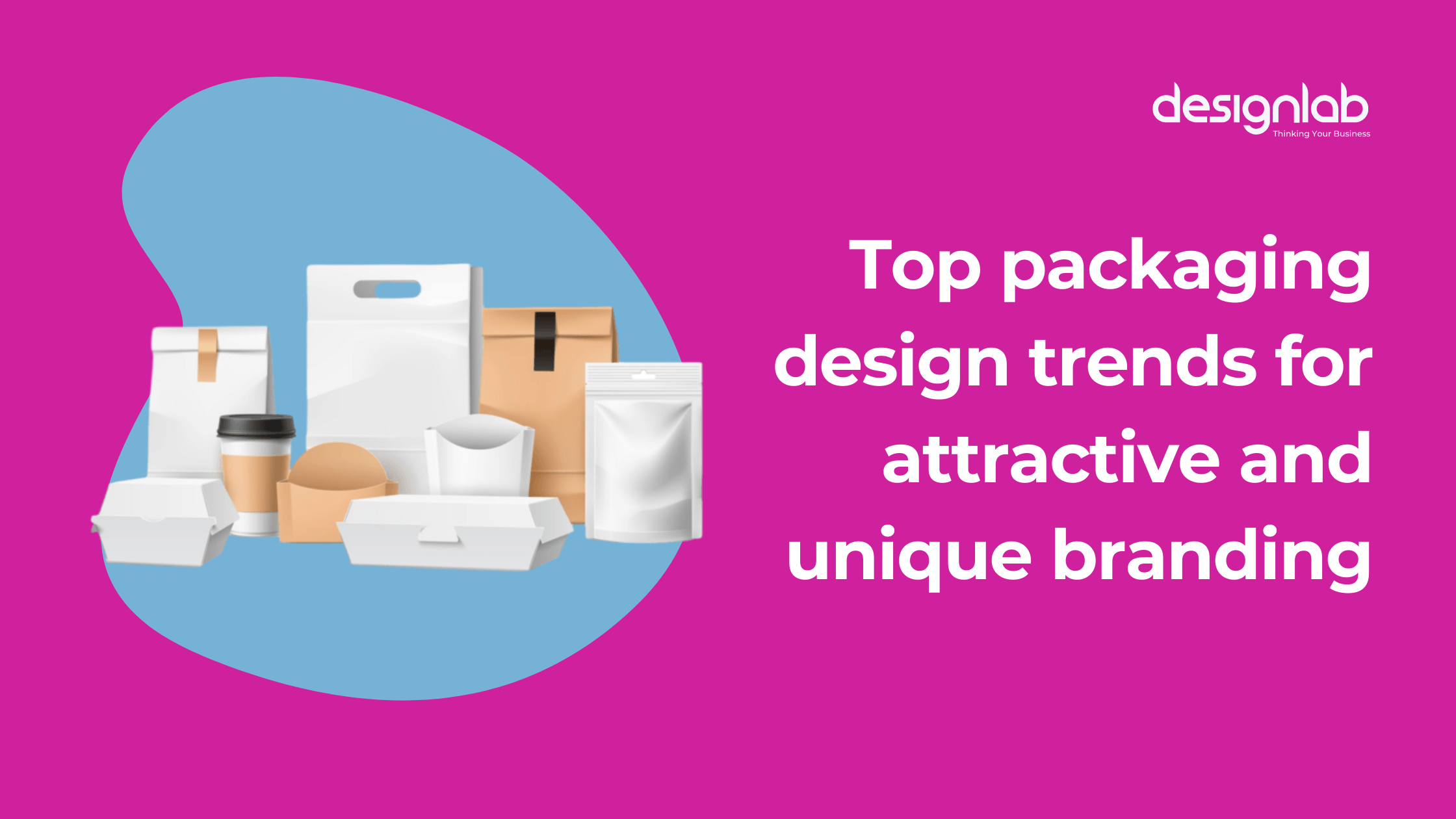
Packaging design is essential in the current competitive market to make products noticeable and appealing to consumers in stores. Packaging plays a large role in determining purchases for items such as food, pharmaceuticals, and industrial equipment. Modern businesses are realising the importance of innovative and well-thought-out Packaging Solutions that not only protect the product but also reflect the brand's identity and values.
In this blog, we’ll explore the top Packaging Design trends that can help create attractive and unique branding for your products.
Why is Packaging Design Important?
Packaging design goes beyond just safeguarding products; it offers customers a visual and tactile experience they interact with prior to using the product. Efficient packaging design conveys your brand's message, enhances credibility, and distinguishes you from competitors. Efficient packaging is crucial in marketing tactics, whether it's for food items, products, or accessories.
Top Packaging Design Trends for 2024
Here are some of the most impactful Packaging Design trends that businesses are embracing for attractive and unique branding:
1. Sustainable Packaging
With increased environmental awareness, sustainable packaging is more important than ever. Many companies are opting for environmentally friendly materials such as biodegradable or recyclable packaging to reduce their carbon footprint. The agricultural packaging and chemical packaging industries in particular are witnessing a major shift towards sustainability.
2. Minimalist Design
When it comes to modern packaging, less is often more. Clean and simple designs with a focus on essentials are increasingly popular in industries ranging from food packaging to industrial packaging. By cutting out unnecessary details, relatively simple images address obvious issues and let the object speak for itself.
3. Bold Text
Typography-driven packaging makes a statement in 2024. Bold and creative fonts help convey brand personality and make products more memorable. Whether you work in industrial packaging or label design, calligraphy can be a powerful tool to make a lasting impression on customers.
4. Personalized Packaging
Custom or personalized packaging continues to grow in popularity. Companies that offer a personal touch tend to create a stronger emotional connection with their customers. This trend is particularly common in packaging for specialty markets such as beauty or luxury goods but is also making waves in industries such as packaging manufacturing
5. Vintage-Inspired Packaging
Retro and vintage designs are making a comeback. Evoking this trend, classic packaging evokes sensuality and authenticity. It is particularly popular in food packaging and pharmaceutical packaging, where its vintage look can instil confidence and familiarity.
6. Interactive Packaging
As consumers engage more with digital media, interactive packaging has emerged as an innovative way to enhance the customer experience. Adding QR codes or augmented reality features allows consumers to interact with the packaging through their smartphones. This trend is particularly valuable in Engineering Packaging and Industrial Packaging, where providing detailed product information is crucial.
7. Transparent Packaging
Transparency, in both a literal and figurative sense, is becoming increasingly popular in packaging design. Transparent packaging enables customers to view the item before purchase, serving as an effective method for establishing trust. This pattern is prevalent in food packaging and is also being embraced in sectors like pharmaceutical packaging.
The Role of Label Design in Branding
Creating labels is a crucial aspect of designing packaging, particularly for packages that need to convey key information within a limited area. In both food packaging and agricultural packaging, consumers commonly look at the label first. A trend is developing towards using simple, strong, and clear fonts. High-contrast colours and clean fonts are employed to make labels both easily legible and visually appealing.
Packaging Solutions for Different Industries
Packaging solutions must be tailored to the specific needs of businesses. For example, manufactured and industrial packaging requires durability and functionality, while food packaging requires freshness and safety. At DesignLab, we specialize in creating custom packaging solutions for a wide range of industries, including:
Pharmaceutical packaging: Ensuring safety, compliance and packaging.
Agricultural Packaging: Focus on sustainability and protection of organic products.
Manufacturing Packaging: prioritize sustainability and efficient transportation solutions.
By combining innovative packaging designs with industry-specific requirements, we offer solutions that not only protect products but also enhance product identity.
Trends Shaping Packaging in Pune
For businesses in Pune, staying on top of these packaging trends is vital for success. Packaging Design in Pune is evolving rapidly, with companies embracing sustainability, minimalism, and technology to create packaging that resonates with the modern consumer. From Label Design to complete Packaging Solutions, the region is seeing a shift towards innovative and consumer-centric designs that ensure products are both functional and appealing.
Conclusion
In a world where consumer attention spans are shorter than ever, having eye-catching and innovative Packaging Design is crucial. By adopting trends like sustainability, minimalist design, and interactive elements, your brand can create packaging that not only attracts attention but also builds loyalty. Whether you are focusing on Food Packaging, Industrial Packaging, or Pharmaceutical Packaging, incorporating these trends into your branding strategy will ensure that your packaging stands out in a crowded marketplace.
If you are looking for expert Packaging Solutions that incorporate the latest design trends, reach out to DesignLab at www.design-lab.co.in. Our team of experienced designers will help you create packaging that elevates your brand and ensures your products leave a lasting impression.
Top Brochure Design Tips for Modern and Attractive Layouts
Creating a brochure in today's competitive market is crucial for effectively communicating your message and grabbing attention. Designing for a client, a travel agency, or a fashion brand can greatly benefit from the appropriate layout choice. In this blog, we will explore some essential tips for brochure design, how to create attractive layouts, and why it matters for your brand's success.
What is Brochure Design?
Brochure design involves creating a printed material that highlights your business, products, or services. These can be found in different formats like magazines, flyers, pamphlets, or product brochures. The design needs to look attractive, provide information, and represent your brand identity.
The significance of brochure design varies based on how adaptable it is. A well-crafted brochure can serve as a strong marketing tool for promoting a business, destination, or interior design project. It is useful for conveying intricate information in a straightforward and efficient manner, which is perfect for a range of fields, including real estate and construction.
Why Modern Brochure Design Matters
In a digital advertising and online content-driven world, brochures continue to maintain their significance. However, they must be contemporary, innovative, and skilled publishers in order to be distinguished. Brochure printing services and catalogue printing play a crucial role in guaranteeing the top quality of your marketing materials.
Modern brochures are designed with a focus on both aesthetics and functionality. They provide a combination of dazzling visuals, lovely graphics, and user-friendly designs. This is vital for sectors like corporate industry, fashion, architecture, and real estate markets, where top-notch design can enhance a brand.
Key Brochure Design Tips
Here are some essential tips for creating an effective brochure design:
1. Understand Your Audience
Before starting your brochure design, it’s essential to understand who your target audience is. Whether it's a corporate brochure or one for the fashion industry, the content and design should cater to the specific needs and preferences of the target demographic. For example, business brochures for real estate will have a different tone and layout compared to a fashion brochure.
2. Focus on Layout and Structure
The layout of your brochure plays a critical role in how your information is presented. A clean, organized structure is essential for keeping the reader engaged. Break up your text with images, headlines, and bullet points to make it more digestible.
- Use grids to align elements neatly and maintain balance.
- Limit the use of fonts to two or three styles to keep the design cohesive.
- Choose color schemes that align with the brand's identity. For example, interior brochure designs often use neutral tones for a sleek, modern feel.
3. Highlight Key Information
Your brochure should effectively highlight the essential information, whether it's a new product, a corporate service, or a real estate offering. Use bold fonts, icons, and infographics to emphasize important points. In product brochure designs, for instance, include high-quality images, key features, and clear pricing to help your audience make decisions quickly.
4. Use High-Quality Images and Graphics
The visual aspect of a brochure is perhaps the most important feature. Investing in high-quality graphics and professional graphics is key to creating a persuasive brochure. Including photos of completed projects or progress in progress for construction, publications will build trust in your work from the audience.
For fashion brochures, make sure the images are vibrant and match the overall packaging. Use lifestyle photography, product design, or even mental design to impress your target audience.
5. Keep the Content Clear and Concise
While images are important, content should not be overlooked. Whether you’re creating a travel brochure or a business brochure, your message needs to be clear, concise, and brand-relevant. Avoid big posts, but break them down into digestible chunks with headings and subheadings.
For marketing brochures, focus on the benefits of your product or service, and include calls-to-action that encourage the reader to engage further, such as visiting your website or contacting you.
6. Choose the Right Fold Style
The folds of your brochure are also an important design element. Common groups include:
- Double folding brochures: Suitable for corporate brochures and simple listings.
- Three-fold books: Great for details, often used in room brochures or travel brochures.
- Gatefold Brochures: Perfect for stunning images and storytelling, often used in fashion real estate brochures.
Benefits of Professional Brochure Printing Services
Once your brochure design is finalized, professional brochure printers ensure that your hard work translates into a high-quality and visible product. Whether you need catalogue printing or simple documents, working with a professional printing company provides the best results for your business.
Applications of Brochure Design Across Industries
Different companies use brochures to achieve specific marketing objectives. Here’s how brochure design handles locations.
- Corporate and career: Business brochures help convey professionalism and confidence, making them perfect for corporate meetings, product launches and company presentations.
- Travel: Travel brochures often use striking images and attractive information to entice consumers to explore new destinations.
- Fashion: Fashion brochures reflect new collections, upcoming trends and brand ethos through bold imagery and creative layouts.
- Construction and Real Estate: Construction brochures highlight completed projects and future developments, making them ideal for showcasing real estate and commercial space.
Conclusion
Effective brochure design is about more than just aesthetics; it’s about communicating your brand’s message clearly and compellingly. Whether you're in construction, real estate, or fashion, the right brochure can elevate your marketing strategy, helping you engage with your audience in a meaningful way.
DesignLab, we specialize in creating stunning brochure designs that align with your brand's identity. Our brochure printing services ensure that your marketing materials are produced to the highest standard, making a lasting impact on your audience.
Ready to elevate your marketing strategy? Contact us today for expert brochure design solutions that drive results.
Top 10 Trends to Look for in a Logo Design Agency
When selecting a logo design service, it's essential to stay up to date with the latest trends in the industry. A logo represents more than just your business; it embodies your brand, showcasing your company's beliefs, goals and character. Selecting the correct logo design agency can either enhance or harm your brand's image. This blog will examine the top 10 trends you should look for when considering a professional logo design service in 2024.
1. Minimalism is Here to Stay
In recent years, minimalistic logos have gained significant popularity. Basic and uncluttered designs with few characteristics are easily identifiable and suitable for various settings across multiple platforms. The professional logo design, together with minimalism, upholds professionalism and clarity. Search for a logo design agency that excels in creating minimalist designs that reflect your brand's essence while being highly creative.
2. 3D and Gradient Logos
While minimalism dominates, 3D logos and gradient designs are gaining traction for brands looking to stand out. A personalized logo can make a long-lasting impact due to its depth and size. Gradients bring momentum and vitality, enhancing the visual appeal and dynamism of logos. Brand new companies will effortlessly include these factors to design a contemporary, attention-grabbing logo.
3. Responsive Logos
A trend that is becoming essential is responsive logo design. A company's branding strategy needs to be able to grow to accommodate the various digital touchpoints such as mobile apps, websites, and social media. A logo design company with expertise will offer a flexible logo that appears attractive on a business card, billboard, or mobile screen. A well-thought-out design ensures that your logo maintains its effectiveness regardless of its size or placement.
4. Custom Typography
Unique and custom typography is a growing trend in logo branding. Instead of relying on overused fonts, many brands are opting for custom fonts that reflect their brand’s personality. A branding company that specializes in logo design can create a unique font that makes your business stand out. This bespoke typography is designed specifically for your brand, making your logo stand out in a competitive marketplace.
5. Retro and Vintage Styles
Nostalgia has a strong appeal, with creative brand agencies drawing inspiration from retro and vintage aesthetics. These programs tend to inspire a sense of trust, tradition, and trust. A retro-style logo is an excellent option for companies looking to communicate with a wider audience or convey a timeless personality. Look for a company that can blend modernity with an antique feel, ensuring your business logo design is fresh yet familiar.
6. Abstract and Geometric Shapes
Many logo designers experiment with abstract and geometric elements to create unique and versatile logos. Abstract logos offer creative freedom and flexibility, while geometric shapes provide structure and balance. Often, a newly designed logo will combine these elements into something unique and memorable. These logos are perfect for companies looking to push the envelope and stand out from traditional designs.
7. Monogram and Letter Mark Logos
Monograms, or letter signs, are common and permanent. A professional branding agency may recommend fonts for businesses with longer names, using initials to simplify the logo. These logos are clean, attractive, and work well in all media. A company that specializes in custom logo design can help create a monogram logo that effectively communicates your brand in a minimalist and stylish way
8. Hand-drawn and Artistic Logos
Signature branding is making a comeback for brands looking to convey creativity and uniqueness. These designs are perfect for brands who want to project authenticity and craftsmanship. A creative branding company that embraces this trend can design a corporate logo design that feels personal and artistic, adding a human touch to your brand.
9. Motion Graphics and Animated Logos
With the rise of digital technology and social media, graphic logos are becoming increasingly popular. A branding company offering an innovative branding strategy can incorporate compelling imagery into their offerings. Animated logos bring your brand to life, making it engaging and memorable on websites and social media platforms. Whether it’s subtle movement or full-blown animation, incorporating movement into your logo branding can set your brand apart from the competition.
10. Sustainable and Eco-friendly Logos
Sustainability is more than just a trend; it’s a movement. Many businesses are opting for eco-friendly logos that reflect their commitment to sustainability. Creative branding agencies can use natural shapes, colours and materials to create branding with environmentally conscious branding. Look for a company that understands your sustainability goals and can translate them into your business brand strategy.
Why Choose DesignLab for Your Logo Design Needs?
At DesignLab, we pride ourselves on being at the forefront of logo design trends. Our team of experts specialize in creating custom logos that resonate with your target audience while reflecting the latest trends in the industry. Whether you’re looking for a professional logo design, static design, or visiting card design, we offer customized solutions that elevate your brand. Here’s why businesses trust us.
- Innovative Designs: We bring innovative ideas to every project, ensuring that your brand stands out in the marketplace.
- Versatile Solutions: From minimalist to 3D and retro logos, we cater to a wide range of styles and projects.
- Attention to Detail: Each logo is carefully crafted, with custom fonts and design-considered elements.
- Expertise in Branding: Our experience extends beyond logo design. We are a full-service branding company offering a comprehensive approach to your brand recognition, including brand logos, static design and visiting card design.
Conclusion
Choosing the right logo design service is crucial to creating a strong brand identity. Whether you are drawn to minimalism, abstract shapes, or retro design, staying on top of the latest trends will improve your business logo design, you will remember At DesignLab we are dedicated to providing logo design solutions a stunning capture of the essence of your brand. Check out our website at DesignLab to see how we can help you create a professional logo design that sets your brand apart.
Make the smart choice and align your brand with the latest trends in logo design.
The Role of UX/UI Design in Modern Web Development
The importance of user experience (UX) and user interface (UI) design in web development has grown manifold. Whether building a new website or updating an existing one, UX/UI design plays a vital role in the success of modern web development. We will explore how UX/UI design enhances the web development process, why it is important for businesses, and how it leads to better user engagement and higher conversion rates.
Understanding UX and UI Design
Before diving into their roles in web development, it is important to understand what UX and UI design involve:
- UX (User Experience) Design: This involves designing websites that provide a seamless and satisfying user experience. The primary focus is on user needs, usability, and ensuring that the website’s structure makes it easy for visitors to navigate.
- UI (User Interface) Design: This aspect deals with the aesthetic elements of a website, such as typography, color schemes, icons, and buttons. UI designers ensure that the site looks attractive while maintaining functionality.
Together, UX and UI design form a complete package that determines how users interact with a website and how engaging it is.
Why UX/UI Design is Important in Modern Web Development
In the fast-paced digital world, just having an attractive website is not enough. The website must be user-centric, easy to navigate, and provide a seamless experience across all devices. Therefore, UX/UI design plays a vital role in modern web development by enhancing the following:
1. Better User Engagement
The main goal of UX/UI design is to keep users engaged. A well-structured website with intuitive navigation and engaging elements encourages visitors to stay longer, explore more, and potentially convert into customers.
Example:
Imagine you are visiting a website with confusing navigation, poorly placed buttons, and unattractive visuals. You will likely leave quickly, resulting in a higher bounce rate for the site. On the other hand, a clean and simple design keeps users engaged and makes them more likely to interact with the content.
2. Higher Conversion Rates
A well-designed website is not just about aesthetics. It is also about motivating users to take desired actions, whether it is making a purchase, filling out a form, or subscribing to a newsletter. By carefully structuring UX/UI design, businesses can significantly improve their conversion rates.
Example:
Clear call-to-action (CTA) buttons like “buy now” or “sign up” strategically placed within the user flow can make conversions easier for users. UI elements like color and placement directly impact how users understand and engage with a CTA.
3. Mobile Responsiveness
With the growing use of smartphones, it has become important to ensure that websites are responsive on all devices. Modern web development integrates UX/UI design with mobile-first principles to ensure that websites work flawlessly on different screen sizes.
A responsive website improves the user experience on mobile devices, ensuring that no important information is cut off and navigation remains simple. UX/UI design is indispensable in modern web development.
4. Consistency and Branding
A well-designed website reflects your brand identity. Through consistent use of colors, fonts, and design elements, UX/UI design helps create a brand image that resonates with the audience. Users trust and engage more with websites that are professionally designed and consistent.
For example, your business can make a lasting impression by maintaining a unified design across all pages. UI design should represent brand values and attract the target audience, while UX ensures that the website is user-friendly.
5. Improved SEO Performance
The design of a website also impacts search engine optimization (SEO). While traditional SEO strategies focus on keywords and content, modern SEO includes the importance of user experience. Search engines like Google give higher rankings to websites that provide users with a smooth and seamless experience.
By improving page load times, making navigation easier, and ensuring mobile responsiveness, UX/UI design indirectly boosts SEO performance.
6. Accessibility
Accessibility is another important factor in modern web development. UX/UI designers must create websites that are inclusive and can be accessed by all users, including those with disabilities. Accessible designs improve the user experience and increase the reach of a website to its audience.
The Role of UX/UI Design in Web Development Agencies
For web development agencies like Designlab, the integration of UX/UI design into modern web development services is indispensable. Whether building a website from scratch or redesigning an existing website, UX/UI design ensures that every touchpoint on the site is optimized for user interaction. As a web development agency, our priority is to provide clients with websites that are not only visually appealing but also offer a seamless user experience.
Designlab, we take a holistic approach to UX/UI design. Our modern web development services emphasise:
- Research-based design: Every design element is backed by research on user behaviour, ensuring that the website meets the needs and expectations of the audience.
- User-centric approach: We prioritize the user in every decision we make. Whether it’s button placement, navigation structure, or color schemes, user experience is at the center of our design process.
- Continuous improvement: The digital landscape is constantly evolving, and so must websites. Our team focuses on regular updates and improvements to ensure that websites remain relevant and user-friendly.
Key UX/UI design trends in modern web development
The world of web development is ever-changing, with new trends constantly emerging. Some of the key UX/UI design trends in modern web development include:
1. Minimalistic Design
Simplicity in web design is becoming more popular. Clean and clutter-free designs not only look modern but also enhance user experience by allowing users to focus on the essential content without any distractions.
2. Dark Mode
Dark mode has gained popularity in recent years. It offers users an alternative to the traditional light interface, reducing eye strain, especially in low-light environments.
3. Micro Interactions
Small animations and interactive elements increase user interaction and make a website more dynamic. These subtle design features can improve usability and provide real-time feedback to users.
4. Voice User Interface (VUI)
With the rise of voice search and smart devices, VUI is becoming a major trend in web design. Integrating voice functionality into a website is something UX/UI designers should consider to meet user expectations.
5. Personalization
Personalized experiences are becoming essential for websites to engage users effectively. Through AI and machine learning, UX/UI designers can create dynamic content that adjusts according to user behaviour and preferences.
Conclusion
The role of UX/UI design in modern web development is undeniable. It’s not just about creating a visually appealing website but about crafting an intuitive and engaging user experience. A well-designed website can have a significant impact on user engagement, conversion rates, and overall business success. At DesignLab, we specialise in delivering exceptional modern web development services by combining creativity and functionality that puts the user first.
Whether you’re a small business or a large enterprise, investing in professional UX/UI design can transform your online presence, boost SEO performance, and ultimately lead to better results for your business.
Innovative Print Media Solutions for Modern Businesses
Businesses often focus on online marketing strategies, but print media still holds significant value. For companies looking to stand out, innovative print media solutions offer unique ways to communicate with customers, build brand identity and provide tangible experiences that digital media cannot replicate. We will explore how modern businesses can effectively and creatively leverage print media through the innovative services offered by DesignLab.
What are Print Media Solutions?
Print media solutions encompass a wide range of products and services aimed at promoting businesses, products or services through physical printed materials. These solutions include:
- Brochures: Multi-page printed materials that provide detailed information about a company, product or service.
- Flyers and leaflets: Simple and cost-effective ways to promote special offers, events or new products.
- Business cards: An important networking tool that leaves a lasting impression on clients and partners.
- Posters: Large printed displays used to advertise events, products or services in high-visibility areas.
- Packaging design: Creative packaging can enhance a product's appeal and influence customer purchase decisions.
With advances in technology, print media has surpassed traditional forms, offering innovative ways to attract and engage customers.
Why Print Media Still Matters
Although digital marketing is dominant, print media remains relevant for several reasons:
1. Tangibility
Print materials offer a physical experience that digital ads cannot. A well-designed brochure or business card can leave a lasting impression on potential customers. Holding a printed product creates a sense of trust and legitimacy.
2. Brand Recall
Brand recall rates are higher in print media than digital ads. People are more likely to remember a brand after receiving a brochure or flyer. DesignLab specialises in creating engaging designs that ensure your brand stays top of mind.
3. Targeted Marketing
Print media allows businesses to target specific demographics and locations. For example, direct mail campaigns can be tailored to a specific audience, increasing the likelihood of engagement and conversions.
4. Credibility and Trust
A well-designed and printed material conveys a message of professionalism. Printed items such as brochures, catalogs or high-end business cards show customers that the business is established and trustworthy. At DesignLab, we emphasize the importance of quality printing to make a positive impression on your brand.
5. Complement Digital Marketing
Print and digital media are not mutually exclusive; they complement each other. A strategic marketing campaign can use print to direct customers to digital platforms, such as a website or social media page, using QR codes or special offers. DesignLab integrates print media with digital solutions for comprehensive campaigns.
Innovative Print Media Solutions by DesignLab
At DesignLab, we understand that businesses need more than traditional print services. We offer a number of innovative print media solutions that are creative, engaging, and designed to deliver results.
1. Personalized Print Campaigns
Gone are the days of generic flyers. Today’s customers expect personalization. We use variable data printing to personalise each piece of print material, from brochures to postcards. Personalized content increases engagement and conversion rates, as customers feel a deeper connection with the brand.
2. Interactive Print Media
DesignLab incorporates modern technology into print media, such as QR codes, AR (augmented reality), and NFC (near-field communication). These tools can connect print material to online content, videos, or special offers. Imagine scanning a brochure to see a 3D model of a product or access a special promotion. This blend of print and digital creates a unique customer experience.
3. Eco-Friendly Printing
Sustainability is a growing concern for many businesses and customers alike. At DesignLab, we provide eco-friendly print solutions using recycled paper, soy-based inks, and energy-efficient processes. These green options not only appeal to environmentally conscious consumers but also establish your business as a responsible brand.
4. Creative Packaging Solutions
In the modern retail environment, packaging is a powerful marketing tool. Innovative and eye-catching packaging designs can influence consumer purchasing decisions. We specialise in creating packaging solutions that stand out on the shelves and reflect the quality of the product inside.
5. Custom Business Stationery
Business stationery like letterheads, envelopes and business cards are important tools for branding. At DesignLab, we design unique and premium-quality stationery that reflects your brand identity. Whether it’s for everyday use or special occasions, we make sure your stationery leaves a lasting impression.
6. Limited-Edition Prints
For businesses launching a special product or celebrating an anniversary, limited-edition prints can create excitement and exclusivity. We offer high-end printing solutions that provide unique and collectible items like commemorative posters, limited-run brochures or special gift boxes.
7. Large-Format Printing
DesignLab offers large-format printing solutions for businesses that want to make a big impact. Whether it’s banners, posters or signs, we create visually appealing and durable materials that grab attention. These are perfect for trade shows, events or high-traffic locations.
How to Implement Print Media in Your Business Strategy
Now that we’ve discussed the benefits and innovations in print media, let’s look at how you can incorporate these solutions into your business strategy:
1. Define Your Audience
Understand who your target audience is. Print media works best when you know who you’re talking to. Whether it’s a flyer targeting local customers or a personalized postcard campaign for loyal customers, tailoring your message is key.
2. Integrate Print with Digital
Make sure your print media drives customers to your digital platforms. Use QR codes or special discount codes to drive traffic to your website or social media. This integration ensures that your print media campaign supports your overall marketing goals.
3. Invest in Quality Design
A well-designed piece of print media can make a huge difference. Invest in professional design services like those offered by DesignLab to ensure your materials are visually appealing, brand-consistent, and effective.
4. Monitor and Adjust
As with any marketing campaign, monitor the effectiveness of your print media strategy. Use metrics such as response rates from direct mail campaigns or website traffic driven by print materials. Based on this data, adjust your strategy for optimal results.
The Future of Print Media
While digital marketing continues to grow, print media will always have a place in the business world. Its tangibility, reliability, and creative potential offer businesses a unique way to connect with customers. As technology advances, print media will continue to evolve, providing even more innovative solutions for modern businesses.
DesignLab, we are committed to staying at the forefront of these trends. We provide cutting-edge print media solutions that combine creativity, technology, and sustainability to help businesses grow and succeed.
Conclusion
In a world dominated by digital content, print media remains a powerful tool for businesses that want to stand out. Whether it’s through personalized campaigns, interactive features or eco-friendly materials, print media offers endless opportunities for creativity and engagement. DesignLab, we specialise in delivering innovative print media solutions that not only meet the needs of modern businesses but also leave a lasting impression on customers.
Bring innovation into your brand’s marketing strategy today by embracing the power of print media with expert solutions from DesignLab.
How to Optimize Your SEO for Better Search Engine Rankings
Every business aims to build a strong online presence. With increasing competition, getting noticed online can be challenging. The solution is search engine optimization (SEO), which helps your website rank higher on search engines like Google. But how can you effectively optimize your SEO to get better search engine rankings?
We'll explore various strategies that will help you improve your SEO, as well as practical tips for implementing these tips. Whether you're a business owner or a marketing professional, this guide will provide you with valuable information on how you can increase your website's visibility and performance.
1. What is SEO and Why is it Important?
Search engine optimization (SEO) is the process of optimizing your website to rank higher on search engines like Google, Bing, and Yahoo. The higher your website ranks, the more visible it is to potential customers, resulting in increased traffic and conversions.
For businesses in competitive cities like Pune, hiring a professional SEO service in Pune ensures that your local audience can find your products and services more easily.
SEO is Important Because:
- It drives organic traffic, which is free and sustainable in the long run.
- It helps build brand credibility and trust.
- It improves user experience and website performance.
- It provides measurable results through analytics.
2. Keyword Research: The Foundation of SEO
Keyword research is the first and most important step to optimizing your website. Without proper keywords, search engines won’t know what your content is about. Here’s how you can perform effective keyword research:
- Identify key keywords: Use tools like Google Keyword Planner, Ahrefs or SEMrush to find relevant keywords related to your business. For example, if you provide digital marketing services, keywords like “best SEO service” or “digital marketing agency” would be highly relevant.
- Long-tail keywords: These are more specific and less competitive. While a general keyword like “SEO” is very competitive, something like “affordable SEO service in Pune” would have less competition and help you target a more focused audience.
- Keyword placement: Once you identify your keywords, make sure they are used naturally in your content. Place them in titles, headings, and meta descriptions. Avoid keyword stuffing, however, as it can hurt your rankings.
DesignLab, we help clients with in-depth keyword research, ensuring that the most relevant and high-ranking keywords are targeted.
3. On-page SEO Optimization
On-page SEO refers to the elements you can control on your website. These factors ensure that your website is optimized for both users and search engines. Here’s how you can improve on-page SEO:
- Title tag: Your title should clearly describe what your page is about and include your primary keyword. For example, “Best SEO Service in Pune – DesignLab” is a clear and keyword-rich title tag.
- Meta description: Meta descriptions provide a summary of your page’s content. Make sure to include your target keywords here to improve click-through rates (CTR). Keep them short and catchy.
- Internal linking: Link to other pages on your website so search engines can crawl your site better and improve navigation for users. Internal links distribute link equity (ranking power) throughout your website.
- Optimized URLs: Make sure your URLs are clean, short, and include keywords. For example, use “yourwebsite.com/seo-services-pune” instead of “yourwebsite.com/page123”.
By optimizing these factors, you will improve your website’s visibility, making it easier for search engines and users to find relevant information.
4. Content Quality: Create Engaging and Relevant Content
Content is one of the most important ranking factors in SEO. Search engines prioritize websites that provide value to users. Here’s how you can create high-quality content:
- Write for users first: While using keywords is important, your primary focus should be on creating content that solves your audience’s problems. If users find your content useful, they are more likely to engage with it, increasing your website’s overall performance.
- Use keywords naturally: Once you’ve done your keyword research, use targeted keywords naturally in your content. Avoid overloading the text with keywords, as this can negatively impact user experience.
- Regular updates: Fresh and updated content performs better in search engine rankings. You can maintain a blog that covers topics related to your industry, such as tips, guides, or case studies.
- Multimedia: Include images, infographics, and videos in your content to make it more engaging. Visual content helps retain visitors and reduces bounce rates.
DesignLab digital marketing services team focuses on creating high-quality content for businesses, ensuring it conforms to SEO best practices.
5. Technical SEO: Optimizing Website Structure
Technical SEO involves optimizing your website's backend structure so search engines can crawl and index it efficiently. Here's how you can improve your technical SEO:
- Mobile-friendly website: Most users browse from a mobile device, so having a responsive website is a must. Google's mobile-first indexing means it primarily uses the mobile version of your site for ranking.
- Website speed: Slow websites have higher bounce rates, which negatively impacts your rankings. Optimize your images, use caching, and take advantage of content delivery networks (CDNs) to make your website load faster.
- XML sitemap: An XML sitemap helps search engines understand your website’s structure and find all your pages. Make sure your sitemap is updated and submitted to Google Search Console.
- Secure website (HTTPS): Security is a ranking factor, and websites with HTTPS are preferred by search engines. If you haven’t done so yet, switch to HTTPS to improve your SEO.
DesignLab, we focus on both on-page and technical SEO to optimize our clients’ websites from every angle.
6. Off-page SEO: Build Authority with Backlinks
Off-page SEO involves activities outside of your website that improve your site’s authority and credibility. One of the most important off-page factors is building high-quality backlinks. Here’s how to do it:
- Guest blogging: Writing guest posts for other websites in your niche can help you get backlinks. This not only improves your authority but also drives traffic to your site.
- Influencer outreach: Connect with influencers and industry experts who can share your content or link to your website.
- Local citations: For local businesses, listing your business in local directories such as Google My Business, Yelp, and other local platforms is crucial for local SEO.
DesignLab, we implement effective link-building strategies to ensure our clients have a strong off-page SEO profile.
7. Local SEO: Optimize for Local Searches
If your business is in a specific area like Pune, local SEO is essential. Here’s how you can optimize for local searches:
- Google My Business: Make sure your business is listed on Google My Business with accurate information. This will improve your chances of appearing in local searches and Google Maps.
- Local keywords: Use location-specific keywords, such as “SEO services in Pune,” to attract local customers.
- Positive reviews: Encourage your customers to leave reviews on Google and other platforms. Positive reviews increase your business’s credibility and can improve your local SEO rankings.
For businesses in Pune, DesignLab offers specialized local SEO services to help you reach your local audience more effectively.
8. Monitoring and Analysis
SEO is an ongoing process, and monitoring your progress is the key to continuous improvement. Tools like Google Analytics and Search Console provide valuable information about your website’s performance. Here’s what to track:
- Keyword rankings: Monitor where your target keywords are ranking and adjust your strategy accordingly.
- Traffic sources: Analyze where your website traffic is coming from (organic search, social media, referrals) and focus on improving those areas.
- Bounce rates: A high bounce rate could mean your website isn’t providing users with the value they’re looking for. Reevaluate your content and user experience to reduce bounce rates.
- Conversion rates: Ultimately, your goal is to convert visitors into customers. Track how many visitors are taking action on your site (filling out a form, making a purchase).
DesignLab, we provide detailed analytics reports, ensuring our clients can see the impact of their SEO efforts.
Conclusion
SEO is a long-term investment that requires constant effort and updates. By focusing on keyword research, on-page and off-page optimization, content quality, and technical SEO, you can improve your website’s search engine rankings.
Whether you’re looking for the best SEO service or want to partner with a digital marketing agency like DesignLab, implementing the right strategies will help you achieve sustainable growth.
How to Create a User-Friendly Website: Best Practices for 2024
Having a user-friendly website is a must for any business. A well-designed website not only improves the user experience but also increases the visibility and credibility of your business. As we enter 2024, the standards for website design have become higher than ever. Users expect an intuitive and engaging experience, and businesses need to adapt to stay competitive.
We will explore the best ways to create a user-friendly website in 2024. Whether you are a business looking for a website design service in Pune or simply want to increase the usability of your website, these tips will guide you in the right direction.
1. Understand Your Target Audience
Before diving into the design process, it is important to understand who your target audience is. Different audiences have different expectations of a website. For example, a tech-savvy audience may appreciate advanced features, while a non-technical audience would prefer simplicity.
By clearly defining your target audience, you can optimize the user experience to meet their needs. This ensures that your website is engaging and easy to navigate for visitors.
2. Simplicity is Key
A cluttered website can confuse users and drive them away. In 2024, simplicity in design is more important than ever. Minimalism isn’t just a trend; it’s a necessity. Your website should focus on providing clear information without overwhelming visitors with too many elements.
Use plenty of white space, simple navigation menus, and concise content. A clean, minimalist design can make your website look more modern and accessible. This is something that Designlab, a website design agency, focuses on when designing user-friendly websites.
3. Mobile-First Design
With the growing use of smartphones for browsing, it’s important to design your website with mobile users in mind. A mobile-first approach ensures that your website looks great and works smoothly on all devices, be it a smartphone, tablet or desktop.
Responsive design is a must for any website in 2024. It ensures that the layout and content automatically adjust based on the screen size, providing a seamless experience across all platforms.
4. Fast Loading Speed
Nobody likes a slow website. If your website takes more than a few seconds to load, users are likely to leave it and look elsewhere. Page speed is an important factor not only for user experience but also for search engine rankings.
To improve your website’s loading time:
- Optimise images and videos.
- Use compressed files.
- Minimise the use of heavy animations and scripts.
Website design service in Pune, DesignLab, ensures that every website is optimised for speed, providing a seamless experience to users.
5. Intuitive Navigation
A website’s navigation is like a roadmap for users. If they can’t find what they’re looking for easily, they’ll leave. Keep your navigation menu simple and organised, with clear categories and subcategories. It’s best to limit the number of main menu items to five or six.
Breadcrumbs are another great feature to improve navigation, as they show users where they are on your website and how to get back.
6. Engaging and Relevant Content
Content is the heart of any website. While design is important, the information you provide should be engaging, relevant, and valuable to your users. Make sure your content is well organised, easy to read, and free of jargon.
Focus on creating clear and concise titles and subheadings, use bullet points for easy reading, and highlight key points. Use visuals like images, infographics, and videos to complement your content and keep users engaged.
DesignLab not only provides the best website design service but also focuses on content strategies that increase user engagement and boost conversions.
7. Accessibility for All Users
Accessibility ensures that your website can be used by people with different abilities, including those with disabilities. Including features like keyboard navigation, screen reader compatibility, and alternative text for images can make your website more inclusive.
By making your website accessible, you’re not only improving the user experience but also complying with legal standards and broadening your audience.
8. Call to Action (CTA) Buttons
A clear and engaging CTA can significantly impact user experience. Make sure your CTA buttons stand out and are easy to find. Use actionable words like “Sign up,” “Contact us,” or “Get started” to encourage users to take the next step.
Your CTAs should be placed strategically on your website without being intrusive. It’s important to strike a balance between guiding users and overwhelming them with too many options.
9. SEO-friendly Design
A user-friendly website isn’t just about looks; It’s also about performance in search engines. Search engine optimization (SEO) should be an integral part of your website design strategy. This includes:
- Using descriptive meta tags.
- Structuring your website with proper headings.
- Including keywords naturally in your content.
Known for its website design service, DesignLab ensures that every website is optimized for search engines, making it easier for users to find you online.
10. Regular Testing and Updates
A user-friendly website is never completely “finished.” To stay ahead of the competition, it’s essential to regularly test and update your website. This includes checking for broken links, updating outdated content, and making sure all features are working properly.
User behaviour can change over time, so it’s important to keep an eye on website analytics and make adjustments as needed. Regular A/B testing can also help you determine which design elements are working and which need improvement.
Conclusion
Creating a user-friendly website in 2024 is all about focusing on simplicity, speed, and the overall user experience. By following these best practices, you can ensure that your website not only looks great but also performs well across all devices and platforms.
Whether you are looking for a website design service in Pune or the best website design service to boost your online presence, partnering with a professional agency like DesignLab can make a huge difference. A well-designed, user-friendly website can help you attract more visitors, improve conversions, and stay ahead in today’s competitive digital landscape.
Why is Professional Website Design and Development Important?
Having a professional website for businesses is no longer an optional extra – it has become an absolute necessity. Your website forms the digital face of your business, often providing the first impression to potential customers.
The importance of a well-designed and professionally developed website cannot be overstated, especially for businesses in competitive markets like Pune. A professional website not only enhances your brand image but also plays a vital role in business growth and boosting customer engagement.
Professional website design and development involves a blend of aesthetic appeal and technical expertise. An attractive website that is also highly functional can significantly impact the user experience. Visitors are more likely to trust and engage with a business that has a great and professional online presence.
A well-designed website ensures that your business stands out in a crowded marketplace, helping to attract and retain customers. For instance, a company like DesignLab in Pune specialises in creating impressive digital experiences that ensure businesses take full advantage of their online presence.
A professionally developed website is crucial to ensuring the credibility of your business. At a time when consumers often turn to the Internet to find products and services, having a website that looks outdated or is difficult to navigate can seriously damage your reputation.
A modern, user-friendly website signals to customers that your business is current, reliable, and customer-focused. This trust and credibility can translate into customer loyalty and higher conversion rates, further strengthening the success of your business.
Another important aspect of responsive website design and development is incorporating the latest technologies and trends. This not only keeps your website relevant but also improves its functionality and user experience.
Features such as mobile responsiveness, fast loading times, and interactive elements are no longer optional – they are expected by users. A professional development company ensures that your website meets these expectations, giving your visitors a seamless and enjoyable experience.
Increasing the Credibility of Your Business
A professionally designed website builds trust and credibility among visitors. When potential customers land on a well-structured, visually appealing website, it creates a positive first impression. This is crucial in markets like Pune, where customers have many options to choose from.
A high-quality website shows that your business is legitimate and dedicated to providing the best services. The best website design and development services in Pune ensure that your site stands out, and leaves a lasting impression on visitors.
Improve User Experience
User experience (UX) is a key factor in retaining visitors and converting them into customers. A professional web design and development company in Pune understands the importance of UX and incorporates elements that make navigation seamless. This includes intuitive layouts, fast loading times, and mobile-friendly designs.
Mobile-friendly websites are especially important as more users access the internet via smartphones. Ensuring that your site is responsive on all devices can significantly increase user satisfaction and engagement.
Boosting Search Engine Rankings
Search engine optimization (SEO) is an integral part of digital marketing. Professional website design and development incorporates SEO best practices to improve your site’s visibility on search engines.
A web designing company in Pune ensures that your website is optimized for relevant keywords such as “website design and development in Pune” and “responsive website.” Higher search engine rankings increase organic traffic, which is essential for business growth.
Customization and Flexibility
Professional website design allows you to customise your site to suit your business needs. Whether you need a static website, which is ideal for businesses that need a simple online presence, or a dynamic website that allows for frequent updates and interactive features.
A skilled web development company in Pune can provide this. They offer tailored solutions that align with your brand identity and business goals.
Integrating Modern Technologies
The digital landscape is constantly evolving, and it’s important to keep up with the latest technologies. Professional web development companies in Pune specialise in integrating modern technologies into your website.
This includes PHP development to create dynamic and interactive web pages, as well as mobile app development to complement your web presence. Leveraging these technologies ensures that your website stays relevant and competitive.
Increasing Accessibility
A professionally designed website is accessible to a wider audience, including individuals with disabilities. Implementing accessibility features such as alternative text for images, keyboard navigation and readable font sizes ensures that all users can navigate your site with ease. This not only broadens your reach but also demonstrates your commitment to inclusivity.
Scalability for Future Growth
As your business grows, your website must be able to scale accordingly. Professional web development companies in Pune design websites with scalability in mind.
Whether you need to add new features, expand your product offerings or increase your site’s capacity to handle more traffic, a scalable website can adapt to your changing needs.
Strengthening Brand Identity
Your website is a reflection of your brand. A consistent, visually appealing design strengthens your brand identity and helps differentiate your business from competitors.
Professional web design ensures that your site’s colour scheme, typography, and overall aesthetics are consistent with your brand guidelines. This consistency builds brand recognition and loyalty among customers.
Security and Reliability
Cybersecurity is a major concern for businesses that operate online. A professional web development company in Pune prioritizes your website’s security by implementing strong security measures.
This includes SSL certificates, secure payment gateways, and regular updates to protect against cyber threats. A secure website boosts customer trust and assures them that their data is safe.
Streamlining Business Operations
A well-designed website can streamline various business operations. For example, integrating e-commerce functionalities allows for online sales and transactions, reducing the need for physical stores.
Additionally, features such as online booking systems, contact forms, and customer support chatbots improve efficiency and enhance customer service.
Conclusion
Investing in professional website design and development is crucial for Pune businesses looking to thrive in today’s digital age. From enhancing credibility and user experience to boosting SEO and integrating modern technologies, the benefits are manifold.
By partnering with the best website design and development companies in Pune, businesses can create a powerful online presence that drives growth and success.
Whether you need a mobile-friendly website, a dynamic website, or PHP development, professional web development services in Pune are ready to meet your needs and help your business stand out in a competitive market.
By understanding the profound impact of a well-designed and professionally developed website, businesses can make informed decisions about their digital strategies.
For instance, DesignLab is ready to assist businesses in Pune with all their website design and development needs, ensuring they achieve their full potential in the digital landscape.
What are the Advantages of Professional Brochure Design Services?
It has become more important than ever to stand out from the crowd. An effective way to achieve this is by using professionally designed brochures. Brochures are a solid representation of your business, providing potential customers with the information they need about your products or services.
A well-crafted brochure can grab anyone’s attention, clearly convey your message and leave a lasting impression. Professional brochure design services ensure that your brochures are not only visually appealing but also strategically designed to meet your business goals.
Professional brochure design services go far beyond simply arranging text and images on a page. They involve a comprehensive understanding of design principles, branding and marketing strategies. A professionally designed brochure reflects the quality and credibility of your business, helping you build trust with your audience.
Whether you need a simple pamphlet, a detailed product catalogue or an innovative corporate profile design, professional designers have the expertise to create engaging content that resonates with your target audience. Furthermore, the benefits of professional brochure design services extend to the technical aspects of design and printing.
Designers are skilled at creating high-resolution graphics, choosing the right paper quality and ensuring that colours and fonts are in line with your brand identity. This attention to detail ensures that the final product is polished and professional, making a positive impression on anyone who receives it.
In Pune, companies like DesignLab specialise in providing top-notch brochure design services that help businesses effectively communicate their message and achieve their marketing objectives. Apart from enhancing visual appeal and ensuring technical accuracy, professional brochure design services can significantly improve your marketing efforts.
A well-designed brochure can serve many purposes, from introducing your company to potential customers to providing detailed information about your products and services. By investing in professional design services, you can create versatile marketing tools that can be used in a variety of settings, such as trade shows, direct mail campaigns, and in-store displays.
This versatility allows you to reach a wider audience and maximize the impact of your marketing efforts. The primary benefit of professional brochure design services is that they offer superior visual appeal. A well-designed brochure captures the attention of potential customers and encourages them to read the content.
Professional designers understand the principles of design, including colour theory, typography, and layout, ensuring that your brochure is not only visually appealing but also communicates your message effectively. This is especially important for businesses in Pune that want to stand out in a competitive marketplace.
Consistent Brand Identity
Consistency is key to creating a strong brand identity. Professional brochure design services ensure that your brochure aligns with your overall brand image. This includes using your brand colours, fonts, and logo consistently.
Consistent branding helps create a memorable impression and strengthens your brand identity in the minds of your customers. Whether you are looking for pamphlets, leaflet designs, or corporate profile designs, maintaining brand consistency is key.
High-Quality Printing
A professionally designed brochure is optimized for high-quality printing. Professional designers understand the technical aspects of print design, such as resolution, colour modes, and bleed areas.
This ensures that the final printed product is of the highest quality, with sharp images and vibrant colours. High-quality printing increases the perceived value of your brochure and makes a positive impression on your business.
Customized Design
One of the key benefits of professional brochure design services is the ability to create customized designs to suit your specific needs. Whether you need an innovative brochure and product catalogue design or flyer design service in Pune, professional designers can create unique and customized designs that align with your business goals. Customized designs help differentiate your business from competitors and leave a lasting impression on your audience.
Effective Communication
A well-designed brochure effectively communicates your message to your target audience. Professional designers have the expertise to create brochures that are not only visually appealing but also informative and easy to read.
They use strategic placement of text and images to guide the reader’s eye and emphasise key points. This ensures that your brochure conveys the intended message clearly and concisely.
Time and Cost Efficiency
Hiring an attractive brochure design service can save you both time and money. Designing a brochure in-house can be time-consuming and may not yield the desired results if your team lacks the necessary skills and experience.
On the other hand, professional designers can complete the project efficiently and deliver high-quality results. Additionally, they can help you avoid costly mistakes associated with print design and production.
Access to Expertise and Creativity
Professional brochure design services provide access to a team of experienced designers with a wealth of expertise and creativity. They stay updated with the latest design trends and techniques, ensuring that your brochure is modern and innovative.
Whether you need an innovative leaflet design service provider agency in India or a creative and innovative brochure designing service in Pune, professional designers can bring fresh ideas and perspectives to your project.
Increased Engagement and Conversions
A professionally designed brochure can significantly increase customer engagement and conversion rates. By attracting the attention of potential customers and effectively communicating your message, a well-designed brochure can motivate readers to take action, whether it's visiting your website, making a purchase, or contacting your business. This is especially important for businesses that want to generate leads and increase sales.
Versatility in Marketing
Brochures are versatile marketing tools that can be used in a variety of settings, including trade shows, events, direct mail campaigns, and in-store displays. Best brochure design services can create brochures that suit a variety of marketing channels and objectives. This versatility allows you to reach a wider audience and maximize the impact of your marketing efforts.
Professionalism and Credibility
A professionally designed brochure enhances the professionalism and credibility of your business. It shows your commitment to quality and attention to detail, which can instil trust and confidence among potential customers. Conversely, a poorly designed brochure can create a negative impression and harm your brand’s reputation.
Conclusion
Professional brochure design services offer several benefits that can significantly enhance your marketing efforts. From improved visual appeal and consistent brand identity to high-quality printing and effective communication, there are many benefits of hiring professional designers.
By partnering with a professional design agency like DesignLab in Pune, businesses can ensure that their brochures effectively promote their business and increase engagement.
Investing in professional brochure design services is a strategic decision that can yield long-term benefits for your business. Whether you need a corporate profile design, pamphlets or product catalogues, professional designers can create customized solutions that align with your business goals and help you stand out in a competitive marketplace.
By leveraging the expertise and creativity of professional designers, you can create impressive brochures that appeal to your audience and promote business growth.
The importance of a well-designed brochure cannot be underestimated. As one of the most effective tools to communicate your message and build brand awareness, a professionally designed brochure can make a significant difference in your marketing success.
So, if you are looking to enhance your marketing efforts and achieve your business goals, consider investing in professional brochure design services today.
How to Choose the Best Digital Marketing Service Provider?
The success of a business largely depends on its online presence and best marketing. Digital marketing has become an indispensable tool for reaching a wider audience, increasing sales, and building brand identity. With so many digital marketing service providers available, choosing the right service provider can be a daunting task.
1) Understanding Digital Marketing in Simple Language
Digital marketing includes many strategies aimed at promoting products or services through digital channels. These channels include search engines, social media platforms, email, and websites.
The main components of digital marketing include search engine optimization (SEO), search engine marketing (SEM), social media marketing (SMM), and email marketing. Each of these components plays a vital role in increasing traffic, generating leads, and converting potential customers into customers.
- Search Engine Optimization (SEO)
SEO is the process of optimizing your website to rank higher in search engine results pages (SERPs). It includes on-page and off-page techniques that improve your website's visibility.
An effective SEO strategy can drive organic traffic to your site, increasing your chances of attracting potential customers.
- Search Engine Marketing (SEM)
SEM involves paid advertising strategies to increase visibility on search engines. Google Ads is a popular SEM tool that allows businesses to display ads on Google's search engine and its advertising network.
This method is also known as pay-per-click (PPC) management, where businesses pay a fee each time their ad is clicked.
- Social Media Marketing (SMM)
SMM uses social media platforms such as Facebook, Instagram, LinkedIn, and YouTube to promote products or services. It involves creating and sharing content on social media networks to achieve marketing and branding goals. Facebook ad services and other platform-specific advertising are part of SMM strategies.
- Email Marketing
Email marketing involves sending commercial messages to a group of people via email. It is one of the most cost-effective ways to promote products, build relationships with customers, and drive traffic to your website.
2) The Importance of Choosing the Right Digital Marketing Service Provider
Choosing the right digital marketing service provider is crucial to the success of your online marketing efforts. A reliable provider can help you develop a comprehensive digital marketing strategy that aligns with your business goals.
They can offer specialized services such as SEO consulting, PPC services, and social media marketing to boost your online presence. Here are some factors to consider when choosing a digital marketing service provider:
1. Expertise and Experience
The first thing to consider is the expertise and experience of the service provider. Look for a company that has a proven track record in digital marketing.
Those who choose should have experience handling various aspects of digital marketing, including SEO, SEM, SMM, and email marketing services. An experienced provider will have the knowledge and skills to develop effective strategies that can bring results.
2. Range of Services
A good digital marketing service provider should offer a wide range of services. This includes search engine optimization, search engine marketing, social media marketing, email marketing, and more.
Having all these services under one roof ensures that you have a coherent and integrated marketing strategy. It also makes it easier to manage your marketing efforts.
3. Customization
Every business is unique, and so are its marketing needs. The best digital marketing service providers offer customized solutions tailored to your specific needs. They should be able to develop a strategy that aligns with your business goals and targets your specific audience.
4. Reputation and Reviews
Check the reputation of the best digital marketing service provider. Look for reviews and testimonials from their previous clients. A company with a good reputation is likely to provide quality services. You can also ask for case studies or examples of their past work to see the results they have achieved for other businesses.
5. Transparency and Communication
Transparency and communication are important factors in any business relationship. Choose a service provider that is open about their processes and keeps you informed about the progress of your campaigns. They should provide regular reports and updates on the performance of your marketing efforts.
6. Pricing and ROI
While cost shouldn’t be the only deciding factor, it’s important to choose a service provider that offers good value for money. Look for a provider that can deliver a high return on investment (ROI). They should be able to demonstrate how their services can help you achieve your business goals and generate a positive ROI.
3) Evaluating Digital Marketing Service Providers
Now that you know what to look for in a digital marketing service provider, let’s discuss how to evaluate potential providers. Here are some steps you can follow:
1: Determine Your Goals
Before you start looking for a digital marketing service provider, determine your goals. What do you want to achieve with your digital marketing efforts? Do you want to increase brand awareness, drive more traffic to your website, generate leads, or increase sales? Having clear goals will help you find a provider that can meet your specific needs.
2: Research and Shortlist
Do some research and create a shortlist of potential digital marketing service providers. Look for providers that have experience in your industry and who offer the services you need. Check out their websites, read reviews and look at their case studies to better understand their capabilities.
3: Ask for Proposals
Contact the shortlisted providers and ask for proposals. A good proposal should outline their approach to digital marketing, the services they offer and how they can help you achieve your goals. It should also include pricing details and a timeline for achieving results.
4: Schedule a Consultation
Schedule a consultation with the shortlisted providers to discuss your needs in more detail. This is a good opportunity to ask questions, learn more about their processes and assess their expertise. Pay attention to how they communicate and whether they understand your business and goals.
5: Evaluate the Offers and Choose
Evaluate the offers and choose the provider that best meets your needs. Consider factors such as their expertise, range of services, customization options, reputation, communication, and pricing. Choose a provider you feel confident can deliver the results you want.
4) Common Digital Marketing Services and Their Benefits
Let's take a closer look at some common digital marketing services and their benefits:
- Search Engine Optimization (SEO)
SEO involves optimizing your website to rank higher in search engine results pages. The benefits of SEO include increased organic traffic, improved visibility, and higher credibility.
SEO can help you attract more potential customers and increase your chances of converting them into paying customers.
- Search Engine Marketing (SEM)
SEM involves paid advertising strategies to increase visibility on search engines. The benefits of SEM include immediate visibility, targeted advertising, and measurable results. SEM can help you reach a wider audience and drive more traffic to your website.
- Social Media Marketing (SMM)
SMM involves promoting your products or services on social media platforms. The benefits of SMM include increased brand awareness, better customer engagement, and higher conversion rates. SMM can help you build a loyal customer base and drive more sales.
- Email Marketing
Email marketing involves sending business messages to a group of people via email. The benefits of email marketing include cost-effectiveness, targeted messages, and high ROI. Email marketing can help you build relationships with your customers and drive more traffic to your website.
- Pay Per Click (PPC) Services
PPC involves paying a fee every time your ad is clicked. The benefits of PPC include instant visibility, targeted advertising, and measurable results. PPC can help you reach a wider audience and drive more traffic to your website.
Conclusion
Choosing the best digital marketing service provider is crucial to the success of your online marketing efforts. By considering factors such as expertise, range of services, customization, reputation, transparency, and pricing, you can find a provider that fits your needs and helps you achieve your business goals.
With the right digital marketing partner, you can grow your online presence, drive more traffic to your website, generate leads, and increase sales.
Digital marketing is an ongoing process that requires constant monitoring and optimization. By working with a reliable digital marketing service provider, you can ensure that your marketing efforts are always on track and deliver the best possible results.
When you partner with a reputable provider, you can leverage their expertise in SEO, SEM, SMM, and other digital marketing strategies to stay ahead of the competition.
Whether you want to improve your search engine rankings, connect with your audience on social media, or run effective email marketing campaigns, the right digital marketing service provider can make all the difference.
How Can a Logo Enhance Your Corporate Branding?
Establishing a strong corporate brand is essential for long-term success in a highly competitive business environment. Corporate branding is the practice of promoting the brand name of a corporate entity, not specific products or services.
It involves creating a unique identity and image for the company, which helps differentiate it from competitors and build a loyal/trustworthy customer base.
A well-crafted corporate brand communicates the company's values, mission, and vision, which resonates with customers, employees, and stakeholders alike.
Corporate branding is more than just a marketing strategy, it is a comprehensive approach to shaping the public perception of your company. It involves every aspect of your business, from the way you communicate with your audience to the design of your products and services.
A strong corporate brand helps create a consistent and coherent image that can be easily recognized and trusted by your target market.
One of the most important elements of corporate branding is the logo. A logo is not just a visual mark or symbol, it is the face of the company. It is the first thing people see and associate with the brand.
Logos have the power to convey a company’s identity, ethos, and promise in a single glance. Therefore, it is important to invest in a professional and creative logo design that accurately reflects the essence of the brand.
The importance of a logo in corporate branding cannot be underestimated. It is a foundational element that supports all other branding efforts. A well-designed logo creates a positive and lasting impression, strengthens brand identity, and enhances the overall brand experience.
It serves as a visual shorthand for the company’s values and standards, and it helps build trust and credibility with the audience.
For businesses looking to establish or revamp their corporate brand in Pune, DesignLab offers professional logo design services that can make a significant difference.
With expertise in creating innovative and engaging logos, DesignLab helps businesses stand out in the market and effectively connect with their target audience.
1) The Importance of Brand Logo in Corporate Branding
- First Impressions Matter
Your logo is often the first point of contact between your brand and potential customers. A well-designed logo creates a strong first impression and can attract customers right from the start.
It is important to have a logo that looks attractive, professional, and reflects your brand identity. A logo that appeals to the audience can spark their interest and encourage them to learn more about your business.
- Establishing Brand Identity
The logo is a fundamental component of your brand identity. It helps express your company’s personality, values, and mission. A creative, engaging, and innovative logo design can set your business apart from competitors and make a lasting impression on your audience.
It serves as a visual representation of your brand’s core values and helps establish a unique identity in the market.
- Building Brand Identity
Consistent use of a logo across various platforms and marketing materials helps build brand identity. When customers see your logo repeatedly, it creates a sense of familiarity and trust.
Over time, your logo becomes synonymous with your brand and its offerings, making it easier for customers to recognize and remember your business.
- Building a Professional Image
A professionally designed logo adds credibility to your business. It shows that you are serious about your brand and are willing to invest in its growth.
A well-crafted logo communicates professionalism and reliability, which can significantly impact how your brand is perceived by potential customers and partners.
For businesses in Pune, hiring the best logo designer in Pune, such as DesignLab, ensures that you get a logo that truly reflects your brand identity and values.
- Boosting Marketing Efforts
A strong logo can significantly boost your marketing efforts. Whether it’s on your website, social media, packaging, or physical products, a logo helps promote your brand effectively.
A consistent and recognizable logo makes your marketing materials more coherent and impactful, increasing the overall effectiveness of your marketing campaigns.
2) Key Elements of Successful Logo Design
- Simplicity
A simple logo is easy to recognize and remember. It should be straightforward and impactful without any unnecessary complexity. A minimalist approach often results in a more versatile and timeless logo design that can be easily adapted across different mediums and platforms.
- Relevance
Your logo should be relevant to your industry and target audience. It should reflect your business’s core values and mission. A relevant logo conveys the right message to your audience and ensures that your brand is understood correctly.
- Memorability
A memorable logo stays in consumers’ minds. It should be distinct and easily recognizable from other logos in the market. A memorable logo increases brand recall and helps customers quickly identify your brand in a crowded marketplace.
- Scalability
A good logo should be scalable, meaning it looks good at any size, from business cards to billboards. Scalability ensures that your logo maintains its visual integrity and impact regardless of size or application.
- Versatility
Your logo should work well across different mediums and platforms. It should look equally good in colour and black and white, and it should be adaptable for use in different contexts, such as print, digital, and merchandise.
- Timeless
A timeless logo stays effective and relevant for years. Avoid following trends that can quickly become outdated. Instead, focus on creating a classic and enduring design that will stand the test of time.
3) Choosing the Best Logo Designer in Pune
When it comes to logo design, hiring a professional designer can make a significant difference. The best logo designers in Pune, such as DesignLab, can provide expertise and creativity that can enhance your brand. Here are some reasons to consider hiring a professional:
- Expertise and Experience
Professional designers have the skills and experience to create a logo that perfectly represents your brand. They understand the principles of design and can create a logo that is both aesthetically pleasing and effective. Their expertise ensures that your logo aligns with your brand identity and conveys the right message to your audience.
- Unique and Custom Designs
A professional designer can provide unique custom logo designs for your brand. This ensures that your logo stands out in the marketplace and accurately reflects your business’s values and personality. Custom designs are tailored to your specific needs and objectives, resulting in a truly unique logo.
- Consistency
A professional designer will ensure that your logo is consistent with your brand’s overall aesthetic and messaging. This helps maintain a consistent brand identity across all platforms and marketing materials. Consistency is the key to building brand recognition and trust among your audience.
- Corporate Guidelines Manual
A professional designer can also help create a corporate guidelines manual. This document provides guidelines on how to use the logo and other branding elements consistently across different platforms. This ensures that your brand is presented consistently and professionally, increasing its overall impact and effectiveness.
4) Role of a Designing Company
A design company plays a vital role in the branding process. They offer a variety of services that can help enhance your corporate branding, including:
- Stationery Design
Stationery design is an essential aspect of corporate branding. A design company can create consistent and professional stationery that reflects your brand identity. This includes business cards, letterheads, envelopes, and other office supplies that carry your logo and branding elements.
- Branding and Marketing Materials
From brochures to business cards, a design company can create branding materials that align with your brand’s message. These materials help promote your brand and effectively communicate your values to your audience.
- Digital and Print Media
A design company can design digital and print media that effectively promote your brand. This includes social media graphics, website design, print ads, and other marketing collateral. Their expertise ensures that your brand is presented consistently and professionally across all platforms.
- Corporate Identity
A design company can help develop a strong corporate identity. This includes creating a consistent look and feel for all branding materials and ensuring that your brand is easily recognizable. A consistent corporate identity enhances brand recognition and builds trust with your audience.
5) Benefits of a Creative, Attractive, and Innovative Logo Design
There are many benefits of investing in a creative, attractive, and innovative logo design:
- Attracts Attention
An attractive-looking logo can attract attention and attract potential customers. It creates a positive first impression and encourages people to learn more about your brand.
- Builds Trust
A professional logo design builds trust and credibility with your audience. It shows that you are serious about your brand and committed to delivering quality products or services.
- Distinguishes Your Brand
A unique logo helps your brand stand out from competitors. It sets your business apart and makes it more memorable to your audience.
- Builds Emotional Connections
A well-designed logo can create an emotional connection with your audience, promoting loyalty and engagement. It evokes positive emotions and associations, which can lead to increased customer retention and satisfaction.
- Increases Brand Loyalty
A consistent and recognizable logo can increase brand loyalty. Customers are more likely to return to a brand they trust and recognize. A strong logo reinforces this trust and helps build a loyal customer base.
Conclusion
A logo is a powerful tool in corporate branding. It helps create a strong first impression, establish brand identity, build recognition, and enhance marketing efforts. Investing in a professional logo design from the best logo designers in Pune, such as DesignLab, can significantly enhance your brand.
Additionally, partnering with a design company for stationery design, branding materials, and corporate identity can further enhance your corporate branding efforts. Remember, a creative, attractive, and innovative logo design is not just a symbol, it is the face of your brand and a key element in building a successful business.
Why Digital Marketing Strategies are Essential for Business Growth in 2024
Digital marketing has become the cornerstone for companies that want to grow and succeed. As we approach 2024, the importance of strong digital marketing strategies cannot be underestimated. This blog will explore why digital marketing strategies are essential for business growth in 2024, providing actionable insights and future trends to help businesses effectively leverage these strategies.
The digital age has transformed the way businesses operate and interact with their customers. Traditional marketing methods are no longer sufficient to reach and engage modern consumers. Today, businesses must have a strong online presence to remain competitive.
Digital marketing offers unmatched opportunities to connect with customers, build brand awareness, and increase sales. As we look toward 2024, understanding and implementing effective digital marketing strategies will be critical for continued business growth.
A well-executed digital marketing strategy not only helps businesses reach a wider audience but also provides measurable results and insights that can foster continuous improvement. From search engine optimization (SEO) to social media marketing, content marketing, and email campaigns, digital marketing includes a variety of strategies designed to attract, engage, and convert customers.
The Importance of Digital Marketing for Business Growth
Digital marketing plays a vital role in driving business growth. Here’s why:
- Wider reach and audience engagement: Digital marketing allows businesses to reach a global audience. With the internet, businesses can connect with potential customers regardless of their geographic location. Social media platforms, search engines, and email marketing enable businesses to engage with their audience in real-time, building stronger relationships and increasing customer loyalty.
- Cost-effective marketing: Compared to traditional marketing methods, digital marketing is more cost-effective. Small businesses and startups can compete with larger companies without needing a substantial marketing budget. Techniques such as SEO, social media marketing, and content marketing provide a high return on investment (ROI) while keeping costs low.
- Measurable results and analytics: One of the significant benefits of digital marketing is the ability to accurately measure results. Analytics tools provide information about campaign performance, customer behaviour, and conversion rates. This data allows businesses to refine their strategies, optimize their marketing efforts, and achieve better results.
- Targeted marketing: Digital marketing enables precise targeting of specific demographics, interests, and behaviours. By better understanding their audience, businesses can tailor their marketing messages to resonate with potential customers, increasing the likelihood of conversion.
- Improved customer experience: Digital marketing focuses on creating a seamless and engaging customer experience. From personalized email campaigns to interactive social media content, businesses can provide value to their customers at every touchpoint, increasing satisfaction and loyalty.
Key Digital Marketing Strategies for 2024
To stay ahead of the competition and boost business growth in 2024, businesses need to adopt and implement effective digital marketing strategies. Here are some key strategies that should be considered:
Search Engine Optimization (SEO)
SEO is the foundation of any successful digital marketing strategy. It involves optimizing your website and content to rank higher in search engine results pages (SERPs). Here are some SEO trends and practices to consider in 2024:
- Voice Search Optimization: With the growing use of voice assistants like Siri, Alexa, and Google Assistant, optimizing for voice search is a must. This includes focusing on long-tail keywords and natural language queries.
- Mobile-First Indexing: Google’s mobile-first indexing means that the mobile version of your website is considered the primary version. Make sure your website is mobile-friendly and provides a seamless user experience on all devices.
- Quality content: High-quality, informative, and engaging content is essential to SEO success. Focus on creating content that answers your audience's questions and provides value.
Content Marketing
Content marketing involves creating and distributing valuable content to attract and engage your target audience. Effective content marketing strategies for 2024 include:
- Blogging: Regularly publishing blog posts on relevant topics helps establish your brand as an authority in your industry. It also improves your SEO by providing fresh content for search engines to index.
- Video Content: Video content continues to grow in popularity. Create engaging videos that tell your brand’s story, showcase products, or provide educational content.
- Infographics and Visual Content: Infographics and other visual content are highly shareable and can help explain complex topics in an easy-to-understand format.
Social Media Marketing
Social media platforms provide unmatched opportunities to connect with your audience and build brand awareness. Here are some social media marketing strategies for 2024:
- Platform diversification: While platforms like Facebook and Instagram remain popular, consider diversifying your social media presence to include emerging platforms like TikTok and LinkedIn.
- User-generated content: Encourage your audience to create and share content related to your brand. User-generated content builds trust and authenticity.
- Social commerce: Social media platforms are increasingly integrating shopping features. Use these features to sell products directly through your social media profile.
Email Marketing
Email marketing is one of the most effective ways to nurture leads and boost conversions. Here are some tips for successful email marketing in 2024:
- Segmentation and personalization: Segment your email list based on customer behaviour and preferences. Personalise your emails to address the specific needs and interests of each segment.
- Automation: Use email automation to send targeted messages at the right time. Automated workflows can help with lead nurturing, abandoned cart recovery, and post-purchase follow-up.
- Interactive emails: Incorporate interactive elements like surveys, polls, and quizzes to engage your audience and gain valuable feedback.
Pay-per-click (PPC) Advertising
PPC advertising allows businesses to advertise on search engines and social media platforms, paying only when a user clicks on an ad. Effective PPC strategies for 2024 include:
- Ad extensions: Use ad extensions to provide additional information and increase the visibility of your ads. Extensions can include site links, call buttons, and location information.
- Audience targeting: Take advantage of advanced targeting options to reach specific demographics, interests, and behaviours. This ensures your ads are shown to the most relevant audience.
- Remarketing: Implement remarketing campaigns to re-engage users who have previously interacted with your website or ads. Remarketing can significantly improve conversion rates.
Emerging Digital Marketing Trends for 2024 and Beyond
As we look to the future, several emerging trends are set to shape the digital marketing landscape in 2024 and beyond. Staying ahead of these trends will help businesses maintain a competitive edge:
Artificial Intelligence (AI) and Machine Learning
AI and machine learning are revolutionizing digital marketing. These technologies enable businesses to analyze large amounts of data, predict customer behavior, and personalize marketing efforts. For example, AI-powered chatbots can provide instant customer support and enhance the user experience.
Augmented Reality (AR) and Virtual Reality (VR)
AR and VR are quickly becoming popular in digital marketing. These technologies offer immersive experiences that can engage customers in new and exciting ways. For example, AR can allow customers to view products in their surroundings before making a purchase.
Influencer Marketing
Influencer marketing is evolving as a powerful strategy for reaching target audiences. Collaborating with influencers associated with your brand can help you reach their established follower base and build credibility.
Privacy and Data Security
With growing concerns about data privacy, businesses must prioritize data security and transparency. Implementing strong data security measures and being transparent about data use can build trust with your audience.
Sustainability and Ethical Marketing
Consumers are increasingly valuing sustainability and ethical practices. Brands that demonstrate a commitment to environmental and social responsibility will resonate more with modern consumers. Incorporating these values into your digital marketing strategies can enhance your brand’s reputation.
Practical Steps to Implement Effective Digital Marketing Strategies
To implement successful digital marketing strategies, businesses should follow these practical steps:
- Set clear goals: Set specific, measurable, achievable, relevant, and time-bound (SMART) goals for your digital marketing efforts. Clear goals will guide your strategy and help measure success.
- Understand your audience: Conduct in-depth market research to understand the demographics, preferences, and behaviours of your target audience. Use this information to craft your marketing messages and strategies.
- Create a content calendar: Plan and organize your content marketing efforts with a content calendar. This helps ensure consistent content production and timely delivery.
- Invest in analytical tools: Use analytical tools to track and measure the performance of your digital marketing campaigns. Analyzing data will reveal what is working and what needs improvement.
- Be agile and adaptable: The digital marketing landscape is constantly changing. Stay informed about the latest trends and be ready to adapt your strategies accordingly.
- Connect with your audience: Interact with your audience through social media, email, and other channels. Respond to comments, answer questions, and build relationships with your customers.
Conclusion
Digital marketing strategies are essential for business growth in 2024 and beyond. By leveraging SEO, content marketing, social media marketing, email marketing, and PPC advertising, businesses can reach a wider audience, connect with customers, and increase sales. Staying ahead of emerging trends like AI, AR, VR, influencer marketing, and ethical practices will help businesses maintain a competitive edge in a constantly evolving digital landscape.
Investing in digital marketing isn’t just about staying current, it’s about preparing your business for long-term success. As the digital world continues to change, businesses that embrace and adapt to these changes will be better equipped to meet the demands of modern consumers and achieve sustained growth.
Whether you are a small startup or a large enterprise, the strategies explained in this blog will help you navigate the complexities of digital marketing and leverage its full potential. By setting clear goals, understanding your audience, creating valuable content, and staying adaptable, you can build a strong online presence and lead your business to a prosperous future.
Top Website Design Trends to Enhance User Experience in 2024
The world of web design is evolving quickly due to technological advancements and changing user expectations. Enhancing user experience (UX) is at the forefront of these developments, as businesses recognize that a well-designed website can significantly impact customer satisfaction, engagement, and conversions.
We will explore the top website design trends for 2024 that are set to enhance user experience, providing actionable insights and strategies to help your business stay ahead of the curve.
A user-centric approach to web design is essential to creating an engaging online presence. Users today expect fast, intuitive, and seamless interactions with websites. As competition continues to grow, businesses must prioritize UX to engage and retain their audience.
From innovative layouts and interactive features to advanced technologies like artificial intelligence (AI) and augmented reality (AR), the trends for 2024 are focused on creating more personalized, immersive, and efficient web experiences.
The Importance of Improving User Experience
User experience is a critical factor in the success of any website. Positive UX leads to increased user satisfaction, increased engagement, and better conversion rates. Here’s why improving UX should be a priority:
- Increased user engagement: A well-designed website encourages users to interact more with your content, leading to longer visit durations and lower bounce rates.
- Higher conversion rates: A smooth and seamless user experience makes it easier for visitors to complete desired actions, such as making a purchase or signing up for a newsletter, leading to increased conversion rates.
- Improved customer satisfaction: A positive user experience builds trust and satisfaction, making users more likely to return to your website and recommend it to others.
- Competitive advantage: In a crowded online marketplace, a better user experience can set your website apart from competitors, attracting and retaining more users.
Top Website Design Trends for 2024
To improve user experience and stay competitive, consider incorporating these top website design trends into your strategy for 2024:
1. Minimal and Clean Design
Minimalist design continues to be a major trend in web design. A clean and uncluttered layout not only looks aesthetically pleasing but also improves usability. The main aspects of minimalist design include:
- Ample white space: White space, or negative space, helps reduce clutter and makes content more readable and visually appealing.
- Simple navigation: Streamlined navigation menus make it easier for users to find what they are looking for quickly.
- Focused content: Minimalist design emphasizes essential content, removing unnecessary elements that may distract users.
2. Dark Mode
Dark mode has gained popularity for its attractive and modern appearance as well as the benefits of reducing eye strain and saving battery life on the device. Incorporating dark mode into your website can improve user experience by:
- Reducing eye strain: Dark mode can be easier on the eyes, especially in low-light environments, reducing users’ eye fatigue.
- Improved visual hierarchy: Dark backgrounds can make other design elements, such as text and buttons, stand out more prominently.
- User preference: Many users prefer dark mode, and giving them this option can improve their overall experience.
3. Micro-interactions
Micro-interactions are subtle, often overlooked elements that provide feedback to users and improve the overall user experience. These small animations or visual cues can have a significant impact in the following ways:
- Providing feedback: Micro-interactions give users immediate feedback on their actions, such as button clicks or form submissions, improving usability.
- Increasing engagement: These interactions add a layer of interactivity and fun, making the user experience more enjoyable.
- Guiding users: Micro-interactions can guide users through a process, helping them understand what to do next and reducing confusion.
4. Advanced Scrolling Techniques
Innovative scrolling techniques are changing the way users navigate websites. These techniques can make browsing more engaging and intuitive, including:
- Parallax scrolling: Parallax scrolling creates a sense of depth by rotating background and foreground content at different speeds. This effect can add a dynamic and immersive element to your website.
- Infinite scrolling: Infinite scrolling automatically loads new content as users scroll down the page, creating a seamless browsing experience without the need for pagination.
- Scroll-triggered animations: Triggering animations as users scroll can improve storytelling and highlight important content.
5. Personalization
Personalization is becoming increasingly important as users expect a customized experience. Leveraging data to create personalized content can significantly improve user satisfaction and engagement. Strategies for personalization include:
- Dynamic content: Display content based on user preferences, behaviour, and demographics to create a more relevant experience.
- Personalized recommendations: Use algorithms to suggest products, articles, or services that are tailored to the user’s interests.
- Custom user interface: Allow users to customise your interface, such as choosing between light and dark mode or adjusting layout preferences.
6. Voice User Interface (VUI)
Voice search and voice commands are becoming more popular due to the growing popularity of voice assistants like Siri, Alexa, and Google Assistant. Integrating VUI into your website can improve accessibility and user experience:
- Voice search optimization: Optimize your website content for voice search to ensure it can be easily found via voice queries.
- Voice commands: Implement voice commands to allow users to navigate your website hands-free, improving accessibility for all users.
7. Augmented Reality (AR) and Virtual Reality (VR)
AR and VR technologies are creating immersive and interactive experiences that can engage users in new ways. Incorporating AR and VR into your web design can improve the user experience:
- Interactive product visualisation: Using AR, users can visualise products in their real environment, such as trying on virtual clothes or placing furniture in their home.
- Virtual tours: Offer VR tours of physical locations, such as real estate properties or event venues, providing a more immersive experience.
8. AI and Chatbots
Artificial intelligence (AI) and chatbots are revolutionizing customer service and user interactions on websites. Implementing AI and chatbots can improve the user experience:
- Instant support: Chatbots respond to user inquiries immediately, improving customer support and satisfaction.
- Personalized interactions: AI can provide personalized recommendations and support by analyzing user behaviour, making interactions more relevant.
- Automation: Automate routine tasks like booking an appointment or processing an order to streamline the user experience.
9. Responsive Design and Mobile Optimization
With the growing use of mobile devices, responsive design and mobile optimization have become more important than ever. Ensuring your website is mobile-friendly can improve the user experience:
- Seamless experience across devices: A responsive design adapts to different screen sizes, providing a consistent experience across desktops, tablets, and smartphones.
- Faster load times: Optimize your website for mobile to ensure faster load times, reduce bounce rates, and improve user satisfaction.
- Touch-friendly design: Design for touch interactions like larger buttons and intuitive gestures to enhance usability on mobile devices.
10. Data Visualization
Effective data visualisation can help users understand complex information quickly and easily. Incorporating data visualisation into your web design can improve the user experience:
- Interactive charts and graphs: Use interactive elements to make data exploration more engaging and informative.
- Infographics: Create engaging infographics to present data in an easy-to-understand format.
- Real-time data: Display real-time data such as live updates and dashboards to keep users informed and engaged.
Implementing These Trends in Your Website Design
To effectively implement these trends and improve the user experience, follow these practical steps:
- Conduct user research: Understand the needs, preferences, and behaviours of your target audience. Use surveys, interviews, and analytics to gather information that informs your design decisions.
- Create user personas: Develop detailed user personas to represent different segments of your audience. Use these personas to guide your design choices and ensure they align with user needs.
- Prototype and test: Create prototypes of your website design and conduct usability testing with real users. Collect feedback to identify any issues and make necessary adjustments.
- Focus on accessibility: Make sure your website is accessible to all users, including those with disabilities. Follow web accessibility guidelines and include features like alt text, keyboard navigation, and screen reader compatibility.
- Iterate and improve: Continuously monitor your website performance and user feedback. Use analytics to track user behaviour and identify areas of improvement. Update your design regularly to keep it fresh and align with the latest trends.
Conclusion
Enhancing user experience through innovative website design is crucial for business success in 2024 and beyond. By incorporating trends like minimalist design, dark mode, micro-interactions, advanced scrolling techniques, personalization, VUI, AR/VR, AI and chatbots, responsive design, and data visualisation, you can create a more engaging and intuitive user experience.
Investing in these trends not only improves user satisfaction but also increases engagement, conversion rates, and overall website performance. As the digital landscape continues to evolve, staying ahead of these trends will help your business stay competitive and meet the ever-changing expectations of modern users.
Whether you’re designing a new website or updating an existing one, the strategies discussed in this blog will help you create a user-centric design that will improve user experience and drive business growth. Start implementing these trends today to keep your website relevant, effective, and influential in 2024 and beyond.
The Importance of Mobile App Development for Business Success in 2024
Mobile app development has become a crucial aspect of business strategy in today's digital age. As we enter 2024, mobile applications are becoming increasingly important for business success, driven by rising smartphone usage, changing consumer behaviour, and technological advancements. This blog will discuss why mobile app development is essential for business success in 2024, providing actionable insights and future trends to help your business effectively leverage the power of mobile apps.
Mobile apps offer a unique way to connect with customers, streamline operations, and enhance overall business performance. They provide a direct channel to your audience, allowing personalized interactions, real-time updates, and convenient access to your products or services. As competition across industries continues to grow, businesses prioritising mobile app development will have a distinct advantage in reaching and retaining their target audience.
The Role of Mobile Apps in Business Success
Mobile apps play a vital role in the success of modern business. Here are some of the key reasons why mobile app development is essential:
- Improved Customer Engagement: Mobile apps provide businesses with a platform to connect directly with their customers. Businesses can keep their audience informed and engaged through push notifications, in-app messages, and personalized content.
- Improved Accessibility: Mobile apps make it easy for customers to access your products or services anytime, anywhere. This convenience increases customer satisfaction and loyalty.
- Streamlined Operations: Mobile apps can streamline various business processes, from order management and customer service to inventory control and employee communication. This efficiency can lead to cost savings and improved productivity.
- Data Collection and Insights: Mobile apps provide valuable customer behaviour and preference insights. Businesses can make informed decisions and tailor their strategies to meet customer needs by analyzing app usage data.
- Brand Visibility and Recognition: A well-designed mobile app enhances brand visibility and recognition. It constantly reminds you of your brand, keeping it top of mind with customers.
Key Benefits of Mobile App Development
To fully understand the importance of mobile app development, let’s look at the specific benefits it offers:
- Personalized User Experience
Mobile apps enable businesses to provide personalized user experiences. Companies can provide customized content, recommendations, and offers by leveraging data such as user preferences, location, and behaviour. Personalization enhances user satisfaction and increases the likelihood of conversion.
- Increased Customer Loyalty
Mobile apps can significantly increase customer loyalty by providing a convenient and engaging platform for interaction. Features such as loyalty programs, special offers, and personalized rewards can encourage repeat purchases and foster long-term relationships.
- Higher Conversion Rates
Mobile apps typically have higher conversion rates than mobile websites. The streamlined and intuitive interface of the app reduces friction in the shopping process, making it easier for users to complete transactions.
- Competitive Advantage
Having a mobile app can give your business a competitive edge. In a market where many companies still rely solely on websites, offering a mobile app can help you stand out and attract more customers.
- Improved Customer Support
Mobile apps can enhance customer support by offering features like live chat, in-app messaging, and self-service options. Quick and efficient customer support improves user satisfaction and builds trust in your brand.
Emerging Mobile App Development Trends for 2024
To stay ahead in the competitive landscape, businesses must keep up with the latest trends in mobile app development. Here are some of the key trends to watch out for in 2024:
- Artificial Intelligence (AI) and Machine Learning
AI and machine learning are revolutionizing mobile applications development. These technologies enable apps to learn from user behaviour and preferences, providing personalized experiences and predictive analytics. For example, AI-powered chatbots provide instant customer support and improve user interactions.
- Augmented Reality (AR) and Virtual Reality (VR)
AR and VR are becoming increasingly popular in mobile apps, providing immersive experiences that enhance user engagement. From virtual try-ons in fashion apps to interactive gaming experiences, AR and VR are changing the way users interact with mobile apps.
- Internet of Things (IoT) Integration
The integration of IoT with mobile apps allows seamless connectivity between devices. Businesses can leverage IoT to provide innovative solutions such as smart home automation, wearable technology, and connected healthcare services.
- 5G Technology
The rollout of 5G technology is set to revolutionise mobile app development. With faster speeds and lower latency, 5G will enable more complex and data-intensive applications, such as real-time gaming, augmented reality, and high-definition video streaming.
- Blockchain Technology
Blockchain technology is becoming popular in mobile app development, especially in industries such as finance, healthcare, and supply chain management. Blockchain offers improved security, transparency, and traceability, making it ideal for applications involving sensitive data and transactions.
- Progressive Web Apps (PWA)
Progressive web apps bring together the best features of a mobile app and a website, providing a seamless and fast user experience without the need for installation. PWAs are gaining popularity due to their ease of development and cross-platform compatibility.
- Voice User Interface (VUI)
Voice search and voice commands are becoming more prevalent due to the growing popularity of voice assistants such as Siri, Alexa, and Google Assistant. Integrating VUI into mobile apps can increase accessibility and provide a hands-free experience to the user.
- Mobile Payment Solutions
With the rise of mobile commerce, it is essential to integrate secure and convenient mobile payment solutions. Mobile wallets, payment gateways, and in-app purchases enhance the shopping experience and increase conversions.
Practical steps to develop successful mobile apps
To reap the benefits of mobile app development and keep up with the latest trends, businesses should follow these practical steps:
- Define Your Objectives
Clearly define the goals and objectives of your mobile app. Whether increasing sales, improving customer engagement or streamlining operations, having a clear objective will guide the development process.
- Understand Your Audience
Conduct in-depth market research to understand the needs, preferences, and behaviours of your target audience. Use this information to create a user-centric app that addresses specific pain points and delivers value.
- Choose the Right Development Approach
Decide whether to develop a native app, cross-platform app, or PWA. Each approach has its advantages and limitations, so choose the one that best aligns with your objectives and target audience.
- Focus on User Experience (UX) Design
Invest in user-friendly and intuitive UX design. Prioritize simplicity, ease of navigation, and visual appeal to ensure a positive user experience. Perform usability testing to identify and resolve any issues.
- Leverage Advanced Technologies
Incorporate advanced technologies such as AI, AR, IoT, and blockchain to enhance functionality and provide innovative features. Stay updated with the latest advancements to keep your app relevant and competitive.
- Ensure Security and Compliance
Implement strong security measures to protect user data and ensure compliance with relevant regulations. Use encryption, secure authentication, and regular security audits to protect your app.
- Plan Regular Updates
Regular updates are essential to keep your app running smoothly and address any bugs or issues. Plan continuous maintenance and improvements to enhance performance and user satisfaction.
- Promote Your App
Develop a comprehensive marketing strategy to promote your app and increase downloads. Use social media, email marketing, influencer partnerships, and app store optimization (ASO) to increase visibility and reach.
Real-World Examples of Successful Mobile App Development
To illustrate the impact of mobile app development on business success, let’s look at some real-world examples:
- Starbucks: The Starbucks app is a prime example of leveraging mobile app development to enhance customer engagement and loyalty. The app offers features like mobile ordering, payment, and a rewards program, providing a seamless and convenient customer experience.
- Uber: Uber’s mobile app revolutionized the transportation industry by offering a convenient and user-friendly platform for booking rides. The app’s success is attributed to its intuitive design, real-time tracking, and seamless payment options.
- Amazon: The Amazon app provides a comprehensive mobile shopping experience, featuring personalized recommendations, one-click ordering, and fast delivery options. The app’s user-centric design and advanced features contribute to its high conversion rates and customer satisfaction.
- Nike: The Nike app integrates advanced technologies like AI and AR to offer personalized workouts, product recommendations, and virtual try-ons. The app’s focus on personalization and innovation enhances user engagement and brand loyalty.
Looking Ahead: The Future of Mobile App Development
As we look towards the future, mobile app development will continue to evolve, driven by emerging technologies and changing user expectations. Here are some predictions for the future:
- Greater Emphasis on Personalization: Personalization will remain a key focus, with apps leveraging AI and machine learning to provide more tailored experiences based on user behaviour and preferences.
- Increased Use of AR and VR: AR and VR will become more integrated into everyday apps, offering immersive experiences in areas like shopping, education, and entertainment.
- Expansion of IoT Integration: The integration of IoT with mobile apps will continue to grow, enabling more connected and automated solutions in various industries.
- Advancements in AI and Machine Learning: AI and machine learning will drive further advancements in predictive analytics, natural language processing, and automation, enhancing app functionality and user experience.
- Focus on Sustainability: As environmental concerns grow, mobile apps will increasingly incorporate sustainable practices, such as optimizing energy usage and promoting eco-friendly behaviours.
Conclusion
Mobile app development is essential for business success in 2024 and beyond. By enhancing customer engagement, improving accessibility, streamlining operations, and leveraging advanced technologies, mobile apps offer numerous benefits that can drive growth and competitiveness.
Investing in mobile app development is not just about staying current with trends; it’s about creating a valuable and engaging platform for your customers. As the digital landscape continues to evolve, businesses that prioritize mobile app development and stay ahead of emerging trends will be better positioned to meet the demands of modern consumers and achieve sustained success.
Whether you’re developing a new mobile app or enhancing an existing one, the strategies outlined in this blog will help you create a user-centric app that delivers value, drives engagement, and supports your business goals. Start prioritizing mobile app development today to ensure your business remains relevant, competitive, and successful in 2024 and beyond.
Boost Your Brand with Corporate Branding Services in 2024
In today’s highly competitive business world, a strong and consistent brand identity is more important than ever. As we move towards 2024 and beyond, businesses should leverage corporate branding services to stand out in a crowded marketplace. Corporate branding is not just about having a memorable logo or catchy tagline, it encompasses the entire identity of a business and how it is viewed by its audience.
The importance of corporate branding cannot be underestimated. A well-defined brand helps build relationships with your audience, build trust, and foster loyalty. It shapes how your customers view your business and influences their purchasing decisions. In an era where consumers have countless choices, having a strong brand identity can be the key differentiator that sets your business apart from the competition.
A strong brand identity is essential for internal cohesion. It gives employees a sense of purpose and direction, aligning them with the company’s values and mission. This internal alignment not only enhances employee engagement but also boosts productivity and promotes a positive work culture.
The Vital Role of Corporate Branding
Corporate business branding serves as the cornerstone of your business identity. It reflects your company’s values, mission, and vision. A well-crafted brand identity not only differentiates your business from competitors but also builds customer trust and loyalty. Here’s why corporate branding is essential:
Enhanced Brand Identity: Consistent and well-designed branding elements such as logos, colour schemes, and typography make your brand easily recognizable. This consistency helps your audience quickly recognize and remember your brand.
Customer Loyalty and Trust: A strong brand promotes trust and loyalty. Customers are more likely to connect with and return to brands they recognize and trust. Consistent branding assures customers of the quality and reliability of your products or services.
Effective Market Positioning: Corporate branding helps your company position itself in the market. By clearly defining your unique selling proposition (USP), you can effectively communicate how you are different from competitors.
Internal Engagement: A strong brand identity also motivates employees, instilling in them a sense of pride and engagement. This internal engagement leads to higher productivity and a better work environment.
Emerging Corporate Branding Trends for 2024 and Beyond
As we look ahead, several key trends are shaping the future of corporate branding. Embracing these trends will help businesses stay relevant and competitive in 2024 and beyond.
Personalization and Customization: In an era where consumers expect customized experiences, personalization is key in branding. Brands that leverage data to deliver personalized interactions will build stronger relationships with their audiences.
Sustainability and Social Responsibility: Modern consumers are more environmentally conscious and socially aware. Brands prioritising sustainability and ethical practices will resonate more with their target audience.
Digital Transformation: The rapid growth of digital technologies is changing the way brands interact with consumers. Customer experience and engagement can be enhanced using AI, AR, VR, and other advanced technologies.
Authenticity and Transparency: Authenticity is the key to building trust. Brands that are transparent about their processes, values, and missions are more likely to gain customer loyalty.
Storytelling: Effective storytelling creates an emotional connection with the audience. Brands that tell compelling stories about their journey, values, and impact will stand out in a crowded marketplace.
Practical Strategies for Effective Corporate Branding
Implementing a successful corporate branding strategy involves several practical steps. Here are some actionable insights to help boost your brand:
Develop a Strong Brand Identity: Create a consistent brand identity that reflects your company's values and mission. This includes designing a memorable logo, choosing a consistent colour palette, and defining a unique voice and tone.
Create a Compelling Brand Story: Develop a narrative that tells your brand's story. Highlight your company's history, mission, and the value you bring to your customers. Use this story across all marketing channels to create a consistent and engaging brand image.
Leverage Digital Marketing: Use digital marketing strategies such as SEO, content marketing, and social media marketing to increase your brand's visibility. Engaging content and an optimized online presence will attract and retain customers.
Invest in the Customer Experience: Focus on providing excellent customer service and creating a positive experience at every touchpoint. Satisfied customers are more likely to become loyal advocates for your brand.
Monitor and Adapt: Continuously monitor your branding efforts and be prepared to adapt to changing market trends and consumer preferences. Use analytics and feedback to refine your strategies and improve your brand’s performance.
Real-World Examples of Successful Corporate Branding
To illustrate the power of corporate branding, let’s take a look at some real-world examples of brands that have successfully leveraged these strategies:
Nike: Nike’s branding is a textbook example of consistency and storytelling. Their “Just Do It” campaign and iconic swoosh logo are instantly recognizable and convey the brand’s message of empowerment and performance.
Apple: Apple’s minimalist design and focus on innovation have created a strong brand identity. Their commitment to quality and customer experience has created a loyal customer base and established Apple as a leader in technology.
TOMS Shoes: TOMS has successfully integrated social responsibility into its branding. Their “One for One” campaign, which donates a pair of shoes for every pair sold, resonates with socially conscious consumers and reinforces their brand values.
Looking Ahead: The Future of Corporate Branding
As we head towards 2025 and beyond, the landscape of corporate branding will continue to evolve. Here are some predictions for the future:
Increasing Integration of AI and Machine Learning: AI and machine learning will play a key role in personalizing customer interactions and optimizing branding strategies. These technologies will enable brands to deliver more relevant and engaging experiences.
More Focus on Diversity and Inclusion: Brands will prioritize diversity and inclusion in their messaging and practices. Reflecting diverse perspectives will be key to connecting with a wider audience.
Immersive Experiences with AR and VR: Augmented reality (AR) and virtual reality (VR) will become more prevalent in branding, delivering immersive experiences that drive customer engagement and loyalty.
Sustainability As A Core Value: Sustainability will become a core value for brands, influencing product development, marketing strategies, and overall brand identity. Brands that demonstrate a genuine commitment to sustainability will stand out.
Conclusion
Corporate branding services are essential for businesses looking to succeed in 2024 and beyond. By developing a strong and consistent brand identity, leveraging digital marketing strategies, and staying ahead of emerging trends, businesses can build lasting relationships with their audiences and achieve long-term success.
Investing in corporate branding isn’t just about creating a memorable logo or catchy tagline, it’s about crafting a holistic brand experience that resonates with customers and drives growth. As the branding landscape continues to evolve, it will be important to remain adaptable and innovative to maintain a competitive edge. Whether you’re just starting or looking to revamp your existing brand, the strategies outlined in this blog will help you boost your brand and secure a successful future.
What is the Role of Content Marketing in Digital Marketing?
In the fast-paced world of digital marketing where content marketing has emerged as a crucial strategy for businesses aiming to attract and retain customers. For DesignLab, which is at the forefront of innovative digital solutions, it is essential to understand the role of content marketing in the broader scope of digital marketing. This blog post discusses in depth the importance, strategies, and benefits of content marketing, showing how it integrates with and enhances digital marketing efforts.
The Essence of Content Marketing
Content marketing is a practice in which valuable and relevant content is created, published, and distributed to attract and engage a target audience. Unlike traditional advertising, which often interrupts the consumer experience, content marketing seeks to provide information or entertainment that the audience is already looking for. This approach builds trust, authority, and loyalty, which ultimately inspires profitable customer actions.
Key Elements of Content Marketing
Quality Content Creation: The foundation of content marketing lies in creating high-quality content that resonates with the audience. This includes blog posts, articles, videos, infographics, podcasts, and more.
Audience Understanding: Successful content marketing requires a deep understanding of the needs, preferences, and pain points of the target audience. This knowledge helps to create content that addresses specific challenges and interests.
SEO Integration: Search engine optimization (SEO) is crucial in content marketing. By incorporating relevant keywords and optimizing content for search engines, businesses can improve their visibility and attract organic traffic.
Consistency: Publishing content regularly helps maintain audience engagement and build a loyal following. Consistency also signals to search engines that your site is active and relevant.
Distribution Channels: Effective content marketing leverages multiple channels to distribute content, including social media, email newsletters, and partnerships with other websites or influencers.
The Role of Content Marketing in Digital Marketing
Digital marketing involves a number of strategies, including SEO, social media marketing, email marketing, and paid advertising. Content marketing connects with each of these areas, increasing their effectiveness and providing a coherent strategy for attracting customers.
Enhancing SEO
SEO and content marketing are intrinsically linked. High-quality content is a key factor in achieving high search engine rankings. By creating content that answers common questions, addresses customer problems, and uses relevant keywords, DesignLab can enhance its SEO efforts. Blog posts, how-to guides, and case studies are particularly effective in improving search engine visibility.
Building Brand Authority
Content marketing positions DesignLab as an industry authority. By sharing expert insights, industry trends, and innovative solutions, DesignLab can establish itself as a thought leader. This not only builds trust with potential customers, but also encourages other industry players to reference and share our content, further expanding our reach.
Boosting Social Media Engagement
Social media platforms thrive on content. Sharing valuable content on platforms like Facebook, Twitter, LinkedIn and Instagram increases engagement and promotes community building. Engaging posts, infographics, videos and live streams can engage audiences and motivate them to share content, thereby expanding DesignLab’s online presence.
Nurturing Leads Through Email Marketing
Content marketing plays a vital role in email marketing strategies. Sending targeted, valuable content to subscribers helps nurture leads and move them through the sales funnel. Newsletters, personalized recommendations and exclusive information keep our audience engaged and informed about DesignLab’s latest offerings and developments.
Supporting Paid Advertising Campaigns
Paid advertising campaigns can be significantly enhanced with strong content marketing. Well-crafted landing pages, informative articles and engaging calls-to-action (CTAs) can increase conversion rates. By aligning content with the intent of paid ads, DesignLab can ensure that users who click on ads find valuable and relevant information, improving overall campaign ROI.
Benefits of Content Marketing
Investing in content marketing offers many benefits that go beyond immediate marketing goals. Here are some of the key benefits of DesignLab:
Increased website traffic
Consistent content creation attracts more visitors to our website. By optimizing content for SEO and sharing it across various channels, DesignLab can drive substantial organic traffic. This increased visibility leads to more potential customers discovering our services.
Improved Customer Retention
Providing valuable content helps maintain customer interest and engagement over time. By regularly updating our audience with relevant information and insights, we can foster long-term relationships. Loyal customers are more likely to make repeat purchases and advocate for our brand.
Improved Customer Experience
Content marketing enhances the overall customer experience by providing helpful information at each stage of the buyer’s journey. From awareness to consideration and decision-making, optimized content ensures that our audience gets the information they need when they need it.
Cost-effective Marketing
Compared to traditional advertising methods, content marketing is cost-effective. While creating quality content requires time and effort, the long-term benefits outweigh the initial investment. Evergreen content, in particular, continues to attract and engage audiences long after it’s published.
Improved ROI
The combination of increased traffic, improved customer retention, and increased brand authority leads to a better return on investment (ROI). Content marketing’s ability to attract, engage, and convert customers makes it a valuable component of DesignLab’s digital marketing strategy.
Strategies for Effective Content Marketing
To maximize the impact of content marketing, DesignLab must take a strategic approach. Here are some key strategies to consider:
Develop a Content Plan
A well-structured content plan outlines the topics, formats, and distribution channels for our content. This plan should align with our overall marketing goals and ensure a constant flow of high-quality content. Regularly reviewing and updating the content plan keeps our strategy relevant and effective.
Focus on Quality Over Quantity
While frequent content updates are important, quality should never be compromised. High-quality content that provides real value to our audience will always perform better than large amounts of mediocre content. Investing in in-depth research, professional writing, and visual design increases the impact of our content.
Leverage Data and Analytics
Analyzing the performance of our content helps identify what works and what doesn’t. By tracking metrics like page views, engagement rates, and conversion rates, DesignLab can refine its content strategy. A/B testing different formats and topics can also help identify the most effective approaches.
Content Marketing
Content marketing is not a one-way street. Connecting with our audience through comments, social media interactions, and feedback forms builds a sense of community and fosters loyalty. Listening to our audience’s feedback and incorporating their suggestions can improve our content and strengthen customer relationships.
Repurpose Content
Repurposing content for different platforms and formats increases its reach and lifespan. For example, a blog post can be turned into a video, infographic or social media post. This approach ensures that we maximize the value of our content and reach different segments of our audience.
Collaborate With Influencers
Partnering with influencers and industry experts allows us to amplify our content marketing efforts. Influencers have established audiences that trust their recommendations. Collaborations can include guest posts, co-hosted webinars, and social media shoutouts, which help expand DesignLab’s reach and credibility.
Measuring Content Marketing Success
Measuring content marketing success is critical for continuous improvement. Key performance indicators (KPIs) help evaluate the effectiveness of our efforts. Here are some essential KPIs to track:
Traffic Metrics
Organic Traffic: The number of visitors who come to our website through search engines.
Referral Traffic: The number of visitors who come from other websites or social media platforms.
Direct Traffic: The number of visitors who enter our website URL directly.
Engagement Metrics
Time on Page: The average time a visitor spends on a particular page.
Bounce Rate: The percentage of visitors who leave our site after viewing only one page.
Pages Per Session: The average number of pages viewed during a session.
Conversion Metrics
Lead Generation: The number of leads captured via forms, downloads, or newsletter sign-ups.
Conversion Rate: The percentage of visitors who take a desired action, such as making a purchase or filling out a contact form.
Customer Acquisition Cost (CAC): The cost associated with acquiring new customers through content marketing efforts.
ROI Metrics
Revenue Generated: The total revenue generated from content marketing efforts.
Cost Savings: The reduction in costs achieved through effective content marketing compared to traditional marketing methods.
Conclusion
Content marketing is an essential component of digital marketing, offering a myriad of benefits ranging from increased website traffic to improved brand authority and improved ROI. For DesignLab, effectively leveraging content marketing means understanding your audience, creating high-quality content, and seamlessly integrating it with other digital marketing strategies. By doing so, we can build stronger relationships with our clients, establish ourselves as industry leaders and drive sustainable business growth.
As the digital landscape continues to evolve, staying ahead with innovative content marketing strategies will be crucial to DesignLab's success. Embracing the power of content not only helps us connect with our audience on a deeper level but also ensures we remain competitive in an ever-changing marketplace. Through continued effort, strategic planning and a commitment to excellence, content marketing will continue to play a vital role in our digital marketing efforts.
What is the Difference Between On-Page and Off-Page SEO?
In the ever-evolving world of digital marketing, search engine optimization (SEO) plays a key role in driving traffic, generating leads, and increasing sales. For businesses like DesignLab, understanding the intricacies of SEO is a must to get ahead of competitors and reach potential customers.
SEO is Broadly Classified into Two Main Areas: on-page SEO and off-page SEO. While both aim to improve a website’s visibility on search engines, they focus on different aspects.
We will discuss in depth the differences between on-page and off-page SEO and why mastering both is essential for your digital strategy.
On-page SEO: Optimizing in Your Digital Realm
On-page SEO refers to practices used to rank individual web pages higher and earn more relevant traffic in search engines. It includes a variety of techniques that can be controlled directly from your website. The primary goal of on-page SEO is to make your website as attractive as possible to both search engines and users.
- Main Components of On-Page SEO
Keyword Research and Optimization
Keywords are the backbone of SEO. Conducting in-depth keyword research helps identify the words and phrases that your target audience uses to search for products or services like yours. Once identified, these keywords should be strategically placed in your content, including titles, headings, meta descriptions, and body text. However, keyword stuffing should be avoided, as this can lead to penalties from search engines.
High-Quality Content
Content is the most important in the field of on-page SEO. Search engines prefer websites that provide valuable, relevant, and informative content. Ensuring that your content is well-written, original, and engaging not only helps with rankings but also enhances user experience. Including multimedia elements such as images, videos, and infographics can enrich your content and keep visitors engaged.
Title Tags and Meta Descriptions
Title tags and meta descriptions are important elements of on-page SEO. The title tag is an HTML element that specifies the title of a web page and is displayed on search engine results pages (SERPs) as the clickable title for a given result. Meta descriptions, on the other hand, provide a summary of the page content. Both should include relevant keywords and be crafted to entice users to click through to your site.
Header Tags
Using header tags (H1, H2, H3, etc.) helps organize content hierarchically and makes it easier for search engines to understand the structure of your web pages. Proper use of header tags improves readability and can positively impact your SEO.
URL Structure
Clean, descriptive URLs that include keywords can improve search engine rankings and user experience. Avoiding long, confusing strings of numbers and letters in URLs makes them more accessible and easier to remember.
Internal Linking
Internal linking involves linking to other pages within your website. This helps search engines crawl your site more effectively and establishes a clear hierarchy of content. Internal links also keep users on your site longer by guiding them to related content.
Image Optimization
Images enhance the visual appeal of your website, but if not properly optimized, they can also slow down page load times. Using descriptive file names, adding alt text, and compressing images can improve load times and make your site more accessible to search engines and visually impaired users.
Mobile-friendliness
With the growing use of mobile devices, it's important to have a mobile-friendly website. Responsive design ensures that your website adjusts seamlessly to different screen sizes, providing a better user experience and improving SEO rankings.
Page Speed
Fast-loading pages are important for user satisfaction and SEO. Search engines like Google consider page speed as a ranking factor. Reducing unnecessary code, taking advantage of browser caching, and using a content delivery network (CDN) are some techniques to increase page speed.
Benefits of On-Page SEO
Improved Search Engine Rankings: Properly optimized pages are more likely to rank higher in search engine results.
Improved User Experience: A well-structured, informative, and fast-loading website provides a better visitor experience.
Increased Engagement: High-quality content and internal linking keep users on your site longer, reducing bounce rates and increasing the likelihood of conversions.
Off-page SEO: Building Authority Beyond Your Website
Off-page SEO refers to actions taken outside of your website that affect your rankings in search engine results pages. It involves improving your website's authority and reputation in a variety of ways. The primary focus of off-page SEO is building links and generating social signals that point back to your site.
Key Components of Off-Page SEO
Backlinks
Backlinks, or inbound links, are links from other websites that point to your site. They are a major factor in determining your site’s authority and ranking potential. High-quality backlinks from reputable websites signal to search engines that your content is valuable and trustworthy. Earning backlinks can be achieved through strategies such as guest blogging, creating shareable content, and forming partnerships with other sites.
Social Media Marketing
Social media platforms are powerful tools for off-page SEO. Sharing your content on social media can drive traffic to your website and increase its visibility. Engaging with users, sharing relevant posts, and participating in discussions can boost your online presence and attract more visitors.
Reaching Out to Influencers
Collaborating with influencers in your industry can increase your reach and generate high-quality backlinks. Influencers have established audiences that trust their recommendations, making them valuable partners in promoting your content and brand.
Content Marketing
Creating and distributing valuable content across a variety of platforms can attract attention and generate backlinks. This includes writing guest posts, participating in forums, and submitting articles to directories. High-quality, informative content is more likely to be shared and linked to by others.
Online Reviews and Reputation Management
Positive reviews and a good online reputation can boost your credibility and attract more visitors. Encouraging satisfied customers to leave reviews on platforms like Google My Business, Yelp, and industry-specific review sites can boost your off-page SEO efforts.
Local SEO
For businesses with a physical presence, local SEO is essential. Optimizing your Google My Business profile, earning local citations, and engaging with the local community online can improve your visibility in local search results.
Benefits of Off-Page SEO
Increased Authority: High-quality backlinks and social signals increase your website’s authority, increasing its chances of ranking well in search engine results.
More Exposure: Off-page SEO strategies like social media marketing and influencer outreach can increase your brand’s visibility and reach a wider audience.
More Traffic: Effective off-page SEO drives more traffic to your website, increasing the chances of conversions and sales.
Balancing On-Page and Off-Page SEO
Both on-page and off-page SEO are important components of a successful digital marketing strategy. While on-page SEO ensures your website is optimized for search engines and users, off-page SEO builds your site’s authority and reputation in the broader digital landscape.
Integration Strategies
Content Creation and Promotion
Creating high-quality content is a must for both on-page and off-page SEO. Once you develop valuable content, promoting it through social media, email marketing, and outreach to influencers can generate backlinks and increase traffic.
Collaborative Campaigns
Partnering with other websites and influencers can provide guest blogging and content-sharing opportunities, which can benefit both your on-page content and off-page link-building efforts.
Continuous Monitoring and Adjustments
SEO is not a one-time effort. Regularly monitoring your website’s performance, analyzing traffic patterns, and adjusting your strategies based on the data can help maintain and improve your SEO efforts over time.
Case Study: DesignLab’s SEO Success
We have implemented a holistic SEO strategy that combines both on-page and off-page techniques to achieve remarkable results. By focusing on creating high-quality, keyword-optimized content and actively promoting it through various channels, we have seen significant improvements in our search engine rankings and overall online visibility.
For example, our blog features well-researched articles that provide valuable insights into web design trends and best practices. These articles are optimized with relevant keywords, structured with clear headings, and include internal links to other related content on our site. We also make sure our images are properly optimized, and our site is mobile-friendly and fast-loading.
In addition to our on-page efforts, we engage in off-page strategies such as guest blogging on reputable industry websites, participating in web design forums, and collaborating with influencers in the tech and design space. These efforts have resulted in numerous high-quality backlinks, boosting our domain authority and driving more organic traffic to our site.
Conclusion
Understanding the difference between on-page and off-page SEO is essential for any business looking to improve its online presence. On-page SEO focuses on optimizing elements within your website, while off-page SEO involves building your site’s authority and reputation through external efforts. Both are critical to achieving and maintaining high search engine rankings.
We recognize the importance of a balanced SEO strategy. By combining strong on-page optimization with effective off-page tactics, we’ve been able to increase our online visibility, attract more visitors, and ultimately grow our business. Whether you’re just getting started with SEO or looking to refine your existing strategy, mastering both on-page and off-page SEO is the key to digital marketing success.
What are the Latest Web Design Trends for 2024?
As the field of information technology evolves, web design trends are changing rapidly with user demands and advancements in technology. Staying updated with the latest trends is vital for any business that aims to maintain a strong online presence.
DesignLab, we are committed to delivering cutting-edge designs that not only look great but also provide a great user experience. Let’s take a look at the latest web design trends for 2024 that are shaping the future of the web.
1. Minimal Aesthetic With Maximum Functionality
Minimalism in web design has been a popular trend for many years, but in 2024, it is taking on a new dimension. The focus is on creating clean, uncluttered interfaces that emphasise functionality. This approach not only enhances visual appeal but also improves user navigation and engagement.
Key Elements:
White Space: The ample use of white space allows content to breathe, making it more readable and aesthetically pleasing.
Bold Typography: Attractive fonts draw attention to important information, ensuring clarity and emphasis. Simplified navigation: Streamlined menus and intuitive navigation paths reduce the cognitive load on users.
2. Dark Mode Dominance
Dark mode is becoming increasingly popular across various platforms, and in 2024, it is a must-have for web design. This trend not only provides a sleek and modern look but also reduces eye strain, especially in low-light environments.
Benefits:
Increased Readability: High contrast between text and background improves readability.
Energy Efficiency: Particularly beneficial for OLED and AMOLED screens, dark mode can save battery life.
Aesthetic Appeal: Creates a refined and contemporary user interface.
3. Micro-interactions For A Better User Experience
Micro-interactions are small, subtle animations that occur in response to user actions, providing immediate feedback and enhancing the overall user experience. In 2024, micro-interactions will be more sophisticated and seamlessly integrated into web design.
Examples:
Hover Effects: Subtle changes when hovering over a button or link can indicate interactivity.
Scroll Animations: Smooth animations triggered by scrolling keep users engaged and guide them through content.
Loading Animations: Creative loading animations reduce perceived wait time and keep users entertained.
4. Advanced Accessibility Features
Accessibility is no longer optional; it’s a necessity. Ensuring a website is accessible to all users, including those with disabilities, is a critical aspect of modern web design. In 2024, there’s a greater focus on creating inclusive digital experiences.
Strategies:
Keyboard Navigation: Ensuring all interactive elements are accessible via keyboard.
Screen Reader Compatibility: Appropriate use of ARIA (Accessible Rich Internet Applications) labels and roles.
Contrast and Text Size: Adjustable text size and high-contrast options to meet the needs of visually impaired users.
5. AI-powered Personalization
Artificial intelligence (AI) is transforming web design by enabling a highly personalized user experience. In 2024, websites are leveraging AI to dynamically adjust content based on user behaviour, preferences, and demographics.
Applications:
Content recommendations: Personalized suggestions for articles, products, or services based on user history.
Chatbots: AI-powered chatbots provide customer support in real time, increasing user satisfaction and engagement.
Dynamic Content: Customising homepage content to reflect user interests and past interactions.
6. Immersive 3D Elements
The use of 3D elements in web design is becoming more prevalent, providing a more immersive and engaging user experience. Advances in web technologies now allow for the seamless integration of 3D graphics without compromising site performance.
Implementations:
3D Illustrations: Adding depth and dimension to visual elements to make them more engaging.
Interactive 3D Models: Allowing users to interact with products in 3D space, providing a more detailed view.
Virtual Reality (VR) Experiences: Integrating VR elements for more immersive exploration of the content.
7. Voice User Interface (VUI)
With the growing trend of voice-activated devices, it is becoming increasingly important to incorporate voice user interfaces (VUI) in web design. VUI allows users to interact with websites using voice commands, giving them a hands-free browsing experience.
Benefits:
Accessibility: Provides an alternative interaction method for physically disabled users.
Convenience: Facilitates multitasking and browsing on the go.
Innovation: Presents the brand as forward-thinking and tech-savvy.
8. Sustainable and Eco-friendly Design
Sustainability is a growing concern across all industries, and web design is no exception. In 2024, there is a growing emphasis on creating eco-friendly websites that minimise the impact on the environment.
Practices:
Energy-efficient Hosting: Choosing web hosting providers that use renewable energy sources.
Optimized Performance: Minimising load times and data transfers to reduce energy consumption.
Sustainable Design Choices: Using dark colour schemes and efficient coding practices to save energy.
9. Bold Color Palettes
While minimalism reigns supreme, bold and vibrant colour palettes are making a statement in 2024. These palettes add personality and excitement to web designs, making them stand out and grab the user’s attention.
Trends:
Gradients: Smooth transitions between colours create a dynamic and modern look.
Neon Accents: Pops of neon can add a futuristic and energetic vibe.
Colour Blocking: Using contrasting blocks of colour to highlight different sections or elements.
10. Asymmetric Layouts
Breaking away from traditional grid structures, asymmetric layouts are gaining popularity. This trend allows for more creative and unconventional designs that grab attention and create a memorable user experience.
Characteristics:
Unconventional Grids: Using irregular grids to organize content in unique ways.
Layered Elements: Overlapping text, images, and graphics for a dynamic visual effect.
Intentional White Space: Balancing asymmetry with enough white space to maintain clarity and focus.
11. Motion Graphics and Cinemagraphs
Motion graphics and cinemagraphs bring life to web design by incorporating subtle animations and loops. These elements can make a website more engaging and engaging without annoying the user.
Uses:
Background Videos: Short, looping videos that add depth and interest to the background.
Animated Illustrations: Interactive graphics that react to the user's actions.
Cinemagraphs: Still images with slight repetitive movements to create a sense of motion.
12. Neumorphism
Neumorphism, a blend of new and skeuomorphism, will continue to evolve in 2024. This design trend uses soft, extruded shapes and subtle shadows to create an interface that looks tactile and three-dimensional.
Characteristics:
Soft Shadows: Creating a sense of depth without harsh contrast.
Protruded and Raised Elements: Buttons and inputs that look like they are pressed into the background or raised above the background.
Muted Colour Scheme: Soft, pastel colours that enhance the three-dimensional effect.
13. Augmented Reality (AR) Integration
Augmented Reality (AR) is becoming more accessible and is being integrated into web design to provide interactive and engaging experiences. AR can be used to showcase products, enhance storytelling, and create immersive user interactions.
Examples:
Virtual Try-On: Allowing users to virtually try out products such as glasses or clothing.
Interactive Product Previews: Providing a 3D view of products that users can interact with.
Enhanced Storytelling: Integrating AR elements into narratives for a more immersive experience.
14. Liquid and Organic Shapes
Moving away from rigid and geometric designs, liquid and organic shapes are making waves in 2024. These shapes create a sense of movement and flexibility, making web designs look more natural and engaging.
Implementation:
Backgrounds and Overlays: Using wavy, irregular shapes in backgrounds and overlays.
Section Dividers: Using organic shapes to separate different sections of content.
Buttons and Icons: Design interactive elements with rounded, flowing forms.
15. Inclusive design
Inclusivity is at the forefront of web design in 2024. Creating designs keeping in mind diverse audiences, including those of different cultural backgrounds, languages, and abilities, is essential for global accessibility.
Practices:
Multilingual Support: Offering content in multiple languages keeping a broad audience in mind.
Cultural Sensitivity: Designing around different cultural norms and preferences.
User Testing: Conducting usability testing with diverse user groups to ensure accessibility and inclusivity.
16. Data-driven Design
Leveraging data analytics to inform design decisions is becoming a standard practice. In 2024, the data-driven design ensures that websites are not only aesthetically pleasing but also effective in achieving business goals.
Applications:
A/B Testing: Experiment with different design elements to see what resonates best with users.
User Behaviour Analytics: Using data to understand how users interact with the site and optimize the experience.
Personalized Content: Tailoring content and design elements based on user data to increase engagement and conversions.
Conclusion
Staying ahead in web design requires constant optimization and innovation. DesignLab, we are dedicated to embracing these trends to create websites that not only look great but are also highly functional and user-friendly. By integrating the latest trends, from minimalistic aesthetics and dark mode to AI-powered personalization and augmented reality, we ensure that your website will stand out in the crowded digital landscape of 2024.
Whether you’re looking to revamp your existing site or build a new site from scratch, DesignLab is here to help you navigate the future of web design. Let's create something amazing together.
How to Choose the Right Platform for Your Mobile App Development
For mobile app development, choosing the right platform is one of the most important decisions you will make. Whether you are a startup with a groundbreaking idea or an established business looking to expand its digital footprint, the platform you choose will significantly impact the success of your app. At DesignLab, we understand that this decision can be tough to navigate. That’s why we created this comprehensive guide to help you make an informed choice.
Understanding the Mobile App Ecosystem
Before diving into the specifics of different platforms, it’s essential to understand the mobile app ecosystem. This ecosystem includes operating systems, development environments, app stores, and user bases. The primary mobile platforms are iOS and Android, each of which has its unique features, benefits, and challenges.
iOS
iOS is Apple’s proprietary operating system for iPhones, iPads, and iPods. Apps developed for iOS are distributed through the Apple App Store. Some of the key features of iOS include:
High-quality Standards: Apple is known for its strict app review process, which ensures that apps meet high standards of quality and security.
Consistent User Experience: With limited devices and screen sizes, iOS offers a more uniform user experience.
Loyal User Base: iOS users are often willing to pay more for apps and in-app purchases, making it an attractive market for developers.
Android
Android, developed by Google, is an open-source operating system used by many manufacturers including Samsung, Google, Huawei, and others. Apps for Android are distributed through the Google Play Store and other third-party app stores. The key features of Android include:
Wide Audience: With a large global market share, Android offers access to a diverse and wide user base.
Customization: The open-source nature of Android allows for greater customization and flexibility in app development.
Fragmentation: The diversity of devices and operating system versions can pose challenges in ensuring consistent performance for all users.
Factors to Consider When Choosing a Platform
Choosing the right platform for your mobile app involves considering several factors. Here are the key aspects to evaluate:
Target Audience
Understanding your target audience is of paramount importance. Demographics, geographic location, and user preferences can greatly influence your platform choice. For example:
Geographical Distribution: iOS dominates in markets such as North America, Western Europe, and Australia, while Android has a larger presence in Asia, Africa, and South America.
Demographics: Younger users and tech-savvy individuals often prefer iOS, while Android appeals to a wider age range and varying technical proficiency levels.
Development Costs and Time
Budget constraints and project timelines are important considerations. Developing apps simultaneously for iOS and Android can be costly and time-consuming. Evaluate the following:
Development Tools and Resources: iOS development uses Swift and Objective-C supported by Xcode, while Android development primarily uses Java and Kotlin supported by Android Studio.
Time to Market: iOS development cycles are typically faster due to their controlled environment, while Android's fragmentation can increase development times.
Revenue Potential
Monetization strategies and revenue potential can vary significantly between different platforms. Consider these factors:
App Pricing and Purchases: iOS users spend more on apps and in-app purchases. If your app relies on these revenue streams, iOS may be more profitable.
Advertising: Android users are more receptive to ads, making Android a better choice if your primary revenue model involves ad monetization.
Market Trends and Competition
Analyzing market trends and competitive strategies can provide valuable insights. Research:
Popular Apps in Your Niche: Identify which platforms are preferred by successful apps.
User Reviews and Feedback: Understanding user feedback on existing apps can help you identify gaps and opportunities.
Technical Requirements and Features
Your app’s technical requirements and desired features will influence your platform choice. Consider:
Hardware Integration: If your app requires integration with specific hardware features (e.g., AR capabilities, biometrics), make sure the platform supports these.
Performance and Security: Evaluate each platform’s ability to meet your performance and security needs.
Future Scalability
Think about your app’s scalability in the long term. As your user base grows, you’ll need a platform that can handle increased traffic and complexity. Consider:
Update Cycles: Both iOS and Android have regular update cycles. Make sure your development team keeps up with these updates.
Cross-platform Compatibility: If you plan to expand to other platforms in the future, consider using cross-platform development tools.
Platform-specific Development Considerations
Now that we’ve covered the general factors, let’s take a deeper look at platform-specific considerations for iOS and Android development.
iOS Development
Benefits
Unified Ecosystem: With a limited number of devices, iOS development ensures stability and minimises compatibility issues.
Higher Revenue Potential: iOS users have a higher propensity to spend on apps and in-app purchases.
Security: Apple’s stringent security measures protect user data, increasing trust in your app.
Challenges
Approval Process: Apple’s rigorous app review process can delay launches and requires strict adherence to guidelines.
Cost: iOS development tools and resources are more expensive, which affects your budget.
Android Development
Benefits
Wide Market Reach: Android’s broad global market share allows you to reach a diverse audience.
Flexibility: Android’s open-source nature offers more flexibility and customization options.
Variety of Distribution Channels: Beyond the Google Play Store, Android apps can be distributed through multiple channels, increasing visibility.
Challenges
Fragmentation: The wide range of devices and OS versions can complicate development and testing.
Security: Android's open ecosystem is more vulnerable to malware and security threats.
Cross-platform Development
If targeting both iOS and Android simultaneously, consider cross-platform development frameworks. These frameworks enable you to write code once and deploy it across multiple platforms, saving time and resources.
Popular Cross-platform Frameworks
React Native: Developed by Facebook, React Native allows developers to create mobile apps using JavaScript and React. It offers near-native performance and extensive community support.
Flutter: Developed by Google, Flutter uses the Dart language and provides a rich set of pre-designed widgets, enabling highly customizable and performant apps.
Xamarin: Owned by Microsoft, Xamarin uses C# and .NET, allowing developers to share code across iOS, Android, and Windows platforms.
Benefits of Cross-Platform Development
Cost-effective: Reduces development and maintenance costs by sharing code across platforms.
Faster Time to Market: Streamlines the development process, enabling quick deployment.
Consistency: Ensures a consistent user experience across different platforms.
Disadvantages of Cross-Platform Development
Performance: This may not match the performance of native apps, especially for resource-intensive applications.
Platform Limitations: Some platform-specific features may not be fully supported or may require additional workarounds.
Dependency on Frameworks: Dependency on third-party frameworks can introduce vulnerabilities and dependency risks.
Making a Final Decision
Choosing the right platform for your mobile app development involves a careful balance of various factors. Here are a few steps to help you make a final decision:
Perform Market Research
Thorough market research can provide invaluable information about user preferences, competitive strategies, and market trends. Use surveys, focus groups, and analytics tools to collect data on your target audience.
Set Clear Objectives
Outline your app’s goals, features, and desired outcomes. Having clear objectives will guide your platform choice and development strategy.
Evaluate Technical Expertise
Assess your development team’s expertise and experience with different platforms. Consider hiring platform-specific developers or partnering with a specialized agency like DesignLab to bridge any skills gaps.
Consider Long-term Goals
Think beyond the initial launch. Consider your app’s future scalability, potential updates, and expansion plans. Choose a platform that aligns with your long-term vision.
Budget and Resource Allocation
Determine your budget and allocate resources accordingly. Take into account development costs, marketing expenses, and ongoing maintenance.
Prototype and Test
Develop prototypes for both platforms and conduct usability testing with real users. Collect feedback to identify any potential issues and make informed decisions based on user experience.
Monitor and Optimize
After launching your app, continuously monitor performance metrics and user feedback. Be prepared to adapt and make necessary improvements to meet changing user needs and market demands.
Conclusion
Choosing the right platform for your mobile app development is a multifaceted decision that requires careful consideration of various factors. At DesignLab, we understand the complexities involved and are here to help you navigate this journey. By thoroughly evaluating your target audience, budget, technical requirements, and long-term goals, you can make an informed choice that sets your app up for success.
Whether you choose iOS, Android or a cross-platform approach, the key is to stay adaptive and responsive to market trends and user feedback. With the right platform and a well-executed development strategy, your mobile app can achieve its full potential and make a significant impact in the digital landscape.
Are you ready to bring your app idea to life? Contact DesignLab today, and let’s embark on this exciting journey together.
Pune's Best Website Design and Development Agency Strategies for Business Growth
Explore the dynamic world of web design and development with Pune's leading agency. Find out how expert strategies in website design, development and maintenance can take your business to new heights. From responsive design to cutting-edge e-commerce solutions, look at key strategies designed for business growth.
A strong online presence is indispensable for businesses aiming to thrive in the competitive market landscape. As Pune is emerging as a hub of technological innovation, it has become imperative for businesses seeking sustainable growth to utilize the expertise of a top-tier web design and development agency.
This article highlights the strategic approaches adopted by the best web design and development agencies in Pune for business expansion and success.
Understanding the Importance of Web Design and Development
A compelling website serves as the cornerstone of a brand's online identity. It not only showcases the products and services but also reflects the ethos and values of the business.
With the proliferation of online shopping and increasing reliance on mobile devices, it is paramount to have a website that is responsive, user-friendly, and aesthetically pleasing. Leading web design and development agencies in Pune recognize this importance and deploy comprehensive strategies to ensure optimal results for their clients.
Responsive Design: Suitable for Mobile Users
In an era dominated by smartphones and tablets, it is impossible to meet the needs of mobile users. Responsive design is a cornerstone of modern web development, ensuring that websites adapt seamlessly to different screen sizes and resolutions.
Leading agencies in Pune use cutting-edge technologies to create responsive websites that provide a consistent and engaging user experience across all devices. By prioritizing mobile-friendliness, businesses can expand their reach and take advantage of the growing number of mobile shoppers.
E-Commerce Solutions: Increasing Online Sales
The rise of e-commerce has changed the way businesses operate, providing unique opportunities for growth and expansion. Top web design and development agencies in Pune specialise in creating customized e-commerce solutions to suit the specific needs of each client.
From intuitive user interfaces to secure payment gateways, these agencies leverage the latest technologies to create a seamless online shopping experience. By harnessing the power of e-commerce, businesses can enter new markets, increase revenue streams and build lasting customer relationships.
Content Management System (CMS): Empowering Businesses
It is essential to manage website content efficiently to maintain relevance and attract visitors effectively. Content management systems (CMS) streamline the process of content creation, publishing, and updating, helping businesses stay active in an ever-evolving digital landscape.
Leading web development agencies in Pune excel in CMS development, offering tailor-made solutions powered by platforms like WordPress. By empowering businesses with user-friendly CMS interfaces, these agencies facilitate seamless content management and increase overall productivity.
Custom Software Development: Solutions Tailored to Business Needs
Apart from website design and development, top agencies in Pune specialise in custom software development to address specific business challenges and requirements. Be it developing Custom.NET software or building VB.NET applications, these agencies leverage their expertise to provide tailored solutions that promote efficiency, innovation, and growth. By investing in custom software development, businesses can gain a competitive edge, streamline operations, and open up new opportunities for success.
Website Maintenance: Ensuring Optimal Performance
Launching a website is the first step toward establishing a strong online presence. Ongoing maintenance and updates are necessary to ensure optimal performance, security, and reliability. Leading web design and development agencies in Pune provide comprehensive maintenance services to keep websites running smoothly and efficiently. From security patches to performance optimizations, these agencies provide proactive support to protect their clients' online properties and maintain their reputation.
Conclusion
The role of web design and development in driving business growth cannot be overstated. The best web design and development agencies in Pune play a vital role in helping businesses harness the full potential of the online sector.
By adopting responsive design, e-commerce solutions, CMS development, custom software, and diligent maintenance practices, these agencies empower businesses to thrive in today's competitive landscape. Partnering with a reputable web design and development agency is not just an investment; This is a strategic imperative for continued success in the digital age.
Promote Your Brand with Packaging Design Agencies in Pune

Packaging plays an important role in capturing consumer attention and promoting brand recognition. For businesses looking to enhance their brand presence in Pune, partnering with specialized packaging design agencies can be a game-changer.
We will explore the importance of packaging design and how collaborating with agencies in Pune can help businesses stand out in the market.
Understanding the Importance of Packaging Design
Packaging design goes beyond mere aesthetics, It serves as a powerful tool for brand communication and consumer engagement. Effective packaging not only protects the product but also conveys the brand values, personality and message to the target audience. Whether it's food packaging, product packaging, or industrial packaging, thoughtful design can make a lasting impression and influence purchasing decisions.
Why Choose Packaging Design Agencies in Pune?
Pune, known for its vibrant business scene, is home to many packaging design agencies with diverse expertise. By partnering with local agencies, businesses can leverage their knowledge of regional market dynamics, consumer preferences, and industry trends.
Additionally, collaborating with agencies in Pune offers the benefits of personalized services, quick turnaround times and cost-effectiveness.
Major Services Offered by Packaging Design Agencies
- Custom Packaging Solutions: Customized packaging designs that align with brand identity and product specifications.
- Label Design: Attractive labels that enhance shelf appeal and communicate essential product information.
- Food Packaging: Innovative packaging solutions for food products that ensure freshness, safety and convenience.
- Product Packaging: Creative packaging designs that differentiate products and create memorable brand experiences.
- Manufacturing Packaging: Strong packaging solutions for manufacturing industries prioritizing efficiency and sustainability.
- Engineering Packaging: Special packaging design for engineering components, optimizing safety during transit and storage.
- Industrial Packaging: Strong and reliable packaging solutions for industrial products, ensuring safe handling and transportation.
- Pharmaceutical Packaging: Compliance-driven packaging design for pharmaceutical products, maintaining integrity and regulatory standards.
- Agricultural Packaging: Sustainable packaging solutions for agricultural produce, promoting environmental responsibility and brand credibility.
Benefits of Collaborating With Packaging Design Agencies
- Expertise and Creativity: Take advantage of the expertise of experienced designers who can transform ideas into attractive packaging solutions.
- Brand Differentiation: Stand out from competitors with unique packaging designs that grab attention and leave a lasting impression.
- Cost-Effective Solutions: Maximize ROI with cost-effective packaging solutions tailored to meet specific budget constraints.
- Speed to Market: Accelerate product launch timelines with agile design processes and efficient project management.
- Consumer Engagement: Create packaging designs that resonate with target consumers, driving brand loyalty and repeat purchases.
- Regulatory Compliance: Ensure adherence to industry regulations and standards, reducing the risk of product recalls or legal issues.
Study the Matter
Highlight the success stories of businesses in Pune that have benefited from partnering with packaging design agencies. Show how innovative packaging designs have helped these brands achieve their marketing objectives and drive sales growth.
Conclusion
Investing in packaging design isn't just about wrapping products, It's about creating memorable brand experiences and building meaningful relationships with consumers.
By collaborating with packaging design agencies in Pune, businesses can unlock new opportunities for brand promotion, differentiation and growth. Embrace the power of packaging design to increase your brand visibility and leave a lasting impression in the minds of consumers.
Maximizing ROI: Finding the Best Digital Marketing Agency in Pune
A strong online presence is essential for businesses to thrive. However, achieving success in the digital sphere requires expertise and strategic implementation. This is where a reputable digital marketing agency can make all the difference.
If you own a business in Pune and want to maximize your return on investment (ROI) through digital marketing, finding the right agency is important. In this comprehensive guide, we will explore the key factors to consider when selecting the best digital marketing agency in Pune that suits your goals and budget.
Understanding Digital Marketing Services
Before diving into the process of finding the best digital marketing agency, it is essential to have a clear understanding of the different services they offer. Digital marketing encompasses a wide range of strategies aimed at enhancing a brand's online presence and increasing traffic, leads and conversions. Some of the major services provided by digital marketing agencies include:
- Search Engine Optimization (SEO): Increasing a website's visibility on search engines like Google through organic methods.
- Search Engine Marketing (SEM): Using paid advertising on search engines to increase website visibility.
- Social Media Marketing (SMM): Leveraging social media platforms such as Facebook, Instagram, Twitter, LinkedIn and others to connect with audiences and promote products/services.
- Email Marketing Services: Sending targeted emails to prospects and customers to increase leads and increase conversions.
- Pay Per Click (PPC) Management: Managing paid ad campaigns on platforms like Google Ads to drive quick traffic and conversions.
- Facebook Advertising Services: Creating and optimizing ads on Facebook to reach specific target audiences.
- Social Media Optimization (SMO): Optimizing social media profiles and content to increase visibility and engagement.
- Online Marketing: Applying various digital marketing strategies to promote products/services and generate leads.
- Google Ads: Creating and managing ads on Google's advertising platform to reach potential customers.
- YouTube, LinkedIn, and Instagram Advertising Services: Leveraging video and image-based advertising on popular platforms to effectively reach target audiences.
Factors to Consider When Choosing a Digital Marketing Agency
Finding the best digital marketing agency in Pune requires careful consideration of many factors to ensure that they deliver the results you want. Here are some key factors to keep in mind:
- Experience and Expertise: Look for agencies with a proven track record of success in providing digital marketing services. Check out their portfolio and client testimonials to assess their expertise in your industry.
- Range of Services: Make sure the agency offers a comprehensive suite of digital marketing services that suit your business objectives.
- Customization and Flexibility: Choose an agency that can tailor its services to meet your specific needs and budget constraints.
- Transparency and Communication: Select an agency that maintains open and transparent communication throughout the project period.
- Strategic Approach: Look for agencies that employ data-driven strategies and stay updated with the latest digital marketing trends and algorithms.
- ROI Focus: Prioritize agencies that prioritize maximizing ROI and delivering measurable results.
- Cost-effectiveness: While cost is an important factor, prioritize value over price alone. Consider long-term profit and ROI potential when evaluating pricing.
- Customer Support and Relationships: Choose an agency that provides excellent customer support and values long-term relationships.
Conclusion
Selecting the best digital marketing agency in Pune is an important decision that can have a significant impact on the success of your business in the online arena. By considering factors such as experience, range of services, customization, transparency, and ROI focus, you can identify an agency that meets your needs and helps you achieve your digital marketing goals.
Remember to do thorough research, ask relevant questions, and request proposals from multiple agencies before making a final decision. With the right partner by your side, you can maximize your ROI and take your business to new heights in the digital landscape.
Logo Design Agency in Pune: Your Gateway to Brand Excellence
Establishing a strong brand identity is a critical factor for organizational success. Beyond just products or services, your brand captures the essence of your company's ethos, values, and promises to consumers.
Enterprises in Pune are increasingly recognizing the important role played by professional logo design agencies in shaping their brand narratives. This article highlights how partnering with a logo design agency in Pune can enhance your brand value and propel you towards brand excellence.
Understanding the Essence of Branding
To understand the importance of logo design, one must first understand the broad spectrum of branding. Branding is the holistic process of shaping perceptions, emotions and associations around your organization. This includes everything from your company's mission and values to its personality and culture. A strong brand strategy not only differentiates you from competitors but also fosters trust and loyalty among consumers.
- Defining Brand Identity: Explore the multifaceted nature of brand identity encompassing visual elements, messaging and customer experience.
- The Importance of Brand Consistency: An in-depth examination of the impact of consistent branding on consumer trust and brand recall, citing examples of brands that have excelled in maintaining consistency across channels.
Unveiling the Power of Logos in Corporate Branding
At the forefront of branding is the logo – a visual cornerstone of your corporate identity. More than a mere graphic, a logo symbolizes your company's values, culture and aspirations. It serves as the primary point of contact between your brand and its audience, leaving a lasting impression that resonates long after the initial engagement. A carefully crafted logo communicates professionalism, reliability and trustworthiness, establishing a strong brand presence in the minds of consumers.
- The Evolution of Logo Design: Trace the evolution of logos from traditional design to modern minimalism, highlighting the changing trends and enduring principles of effective logo design.
- Psychology of Colour in Logos: Explore the psychological impact of colour choices in logo design, showing how different colours evoke specific consumer emotions and perceptions.
Using Creativity for Brand Success
Creative design is at the heart of creating a compelling brand identity. From colour psychology to the intricacies of typography, every design element plays a vital role in shaping brand perceptions. A logo design agency in Pune employs experienced designers skilled in understanding the nuances of effective branding. By leveraging creative skills, these agencies create eye-catching logos that capture your brand essence and resonate with your target audience.
- The Art of Typography: Explore the importance of typography in logo design, emphasizing the role of the font in conveying brand personality and establishing visual hierarchy.
- Symbolism and Iconography: Discuss the power of symbols and icons in logo design, examining how visual metaphors can communicate complex ideas and evoke strong emotional responses from consumers.
Enforcing Brand Consistency Through Guidelines
Consistency is the foundation on which lasting brands are built. Brand guidelines serve as a compass, ensuring consistency across all brand touchpoints. From marketing collateral to internal communications, following brand guidelines promotes a cohesive brand experience that strengthens consumer memory and loyalty.
- Creating Comprehensive Brand Guidelines: Provide insight into key components of brand guidelines, including logo usage rules, colour palette, typography guidelines, and tone of voice recommendations.
- Implementing Brand Governance Strategies: Explore strategies to enforce brand sustainability in decentralised organizations, such as employee training programs, brand monitoring tools, and centralised asset repositories.
The Relationship Between Brand Equity and Success
Brand equity serves as a barometer of a brand's value in the eyes of consumers. A brand with high equity commands premium pricing fosters customer loyalty and gains considerable competitive advantage. Business logo design is not just an investment in aesthetics, It's an investment in developing brand equity – a powerful driver of continued business success.
- Measuring Brand Equity: Discuss quantitative and qualitative metrics to assess brand equity, such as brand awareness, brand loyalty, perceived quality, and brand association.
- Building Brand Resilience: Highlight the role of brand resilience in the face of market fluctuations and crises, showing examples of brands that have successfully met challenges while maintaining consumer trust and loyalty.
Conclusion: Partnership for Brand Brilliance
Collaborating with a logo design agency in Pune is akin to opening the gateway to brand talent. By entrusting your brand identity to experienced professionals, you begin the journey towards enhanced brand value, strong corporate branding and unparalleled market success. Remember, your brand isn't just a symbol – it's the foundation of your organization's reputation and a catalyst for lasting consumer connections. Invest in it wisely and watch your brand reach unprecedented heights.
Pune's Choice for Digital Victory - Top Marketing Agency
The throbbing centre of India's tech insurgency where, Pune has changed into a developing city, driving businesses towards computerized development. As the request for cutting-edge digital marketing administrations is expanding, one office stands out as the apex of fabulousness – DesignLab.
A: Advancement of Digital Marketing in Pune
Pune's travel into the computerized age is not as it were a reflection of worldwide patterns, but a key adjustment to its part as a tech superpower. The city's advancement from an instructive and fabricating centre to a flourishing innovative center has introduced a modern time of commerce dynamism. As a result, embracing digital marketing techniques has ended up not being a fair alternative but a need for businesses in Pune.
The foundation of IT parks, the rise of new businesses and the expanding infiltration of web administrations have collectively contributed to the rise in digital marketing significance. Businesses presently recognize that a solid computerized nearness is essential to stay competitive and alluring to the tech-savvy statistic that characterizes Pune's customer landscape.
B: The Basic Require for Best Digital Marketing Services
The fast development of Pune's computerized scene requires a recalibration of showcasing techniques. This chapter diagrams the basic requirements for top-notch digital marketing administrations as businesses look to take advantage of the computerized boom. Designlab, with its finger on the beat of Pune's energetic showcase, gets the multifaceted nature of these services.
From optimizing websites for look motors to making locks in substance that interface with neighbourhood groups of onlookers, the scope of digital marketing administrations has extended quickly. Social media has ended up a powerhouse for brand permeability, and data-driven bits of knowledge are presently irreplaceable for key decision-making. The DesignLab approach goes past conventional strategies, leveraging imaginative arrangements that are custom-fitted to the one-of-a-kind needs of businesses in Pune.
C: DesignLab – Pune's Image of Digital Marketing Excellence
In the swarmed digital marketing scene, DesignLab Pune has developed as the undisputed winner. This chapter highlights the qualities that set DesignLab apart, emphasizing the agency's commitment to greatness and client victory. Designlab's journey to the beat has been stamped by a combination of vital considerations, a committed group of experts and a profound understanding of the advertisement flow of Pune.
With a demonstrated track record of conveying strong comes, DesignLab has gotten to be synonymous with digital marketing greatness. The agency's client-centric approach guarantees that each procedure is custom-made to the interesting challenges and openings displayed by Pune's assorted trade scene. DesignLab victory isn't fair, almost accomplishing showcasing objectives; It's almost cultivating enduring associations that drive proceeded development for customers.
D: Center Competencies That Set DesignLab Apart
Designlab dominance as the best digital marketing organization in Pune is based on its centre competencies. This chapter plunges more profound into the agency's vital approach, investigating how it combines cutting-edge innovations with an in-depth understanding of the subtleties of the Pune showcase. From comprehensive information examination to cautious campaign optimization, the DesignLab toolkit is planned to move businesses toward advanced victory.
Real-world case ponders outline the agency's ability to make particular arrangements. Whether it's boosting look motor rankings, coordinating fruitful social media campaigns, or making compelling substance, DesignLab centre competencies frame the establishment of its victory. Each extent embraced by DesignLab is not a fair task, This is a confirmation of the agency's commitment towards assembly client expectations.
E: Tributes and Victory Stories - DesignLab Impact
To evaluate the genuine effect of DesignLab administrations, this chapter compiles intriguing tributes and victory stories of businesses in Pune. From new businesses yearning for advanced impressions to built-up ventures looking for a digital renaissance, the DesignLab effect reverberates over all industries.
Clients review transformative encounters showing how DesignLab techniques not as it was met but surpassed their desires. The agency's capacity to get the one-of-a-kind challenges confronted by each trade and make arrangements that provide concrete comes about and reflects the profundity of DesignLab's effect on Pune's digital marketing landscape.
F: Handling Challenges with DesignLab
In an energetic city like Pune, businesses confront interesting challenges in the digital showcasing field. This chapter investigates common deterrents and explains how DesignLab productively meets these challenges. The agency's versatile procedures, showcase experiences and inventive problem-solving underline its part as a trusted accomplice for businesses looking to explore the complexities of Pune's advanced landscape.
Be it remaining ahead of quickly advancing innovation or tending to changes in the advertisement, Designlab's proactive approach guarantees that clients are well-prepared for the challenges posed by Pune's energetic trade environment. This chapter serves as a confirmation of DesignLab's versatility and capacity to turn challenges into openings for growth.
G: Future-Ahead with DesignLab – Estimating Trends
As Pune quickly moves towards a digital future, businesses collaborating with DesignLab are set to lead the way. This chapter gives a forward-looking viewpoint on the developing patterns that will shape Pune's advanced scene. From counterfeit intelligence-powered showcasing techniques to the developing part of expanded reality, DesignLab positions itself as a visionary direct, making a difference in clients exploring the advancing digital landscape.
By expecting and embracing these patterns, Designlab guarantees that its clients, not as it were, stay significant but remain ahead of the digital amusement. Pune businesses can rest assured that, with DesignLab as their digital accomplice, they are not as it were arranged for the challenges ahead, but moreover at the bleeding edge of advancement and success.
H: DesignLab All-encompassing Approach to Digital Marketing
At the heart of DesignLab's victory is its all-encompassing approach to digital marketing. This chapter highlights the agency's broader workings, emphasizing the interconnecting of different digital methodologies. From web plan and client encounter optimization to mail showcasing and online publicizing, DesignLab's all-encompassing approach guarantees that each viewpoint of a client's digital nearness is consistently coordinated and deliberately aligned.
Understanding that digital marketing is not a one-size-fits-all endeavour, DesignLab has made methodologies that consider each client's special objectives, target gathering of people, and industry scene. This chapter illustrates how DesignLab's all-encompassing approach goes past personal methodologies, making a synergistic digital biological system that maximizes effect and results for businesses in Pune.
I: Data-Driven Decision-Making in DesignLab
In a time overwhelmed by information, DesignLab stands for its commitment to data-driven decision-making. This chapter investigates how the organization saddles the control of analytics to pick up noteworthy experiences. By carefully analyzing client behaviour, campaign execution and showcase patterns, DesignLab guarantees that its techniques are not as if they were imaginative but moreover bolstered by experimental evidence.
The integration of data-driven decision-making into each perspective of organization operations sets DesignLab separated. From distinguishing developing patterns to refining continuous campaigns for ideal execution, the agency's capability in leveraging information cements its notoriety as a results-driven digital marketing powerhouse in Pune.
J: DesignLab Commitment to Pune's Startup Ecosystem
Pune's dynamic startup biological system has found a solid partner in DesignLab. This chapter clarifies how the organization effectively contributes to the development of new companies in the city. DesignLab customized techniques address the interesting challenges confronted by new companies, making a difference in them building up a solid digital nearness, drawing in speculators, and quickening their travel to success.
Through mentorship programs, workshops and collaborative activities, DesignLab not as it were gives digital marketing agency but also sustains the entrepreneurial soul inside Pune's startup community. The agency's advantageous relationship with new businesses reflects its commitment to cultivating development and economic development in Pune.
K: Maintainability in Digital Marketing – DesignLab Green Initiative
In a period where supportability is a worldwide need, DesignLab centres not as it were on digital victory but on natural obligation. This chapter investigates the agency's green activities and commitment to maintainable advanced showcasing homes. From eco-friendly office spaces to carbon-balanced programs, DesignLab endeavours to have a positive effect on both the advanced scene and the environment.
This chapter highlights how DesignLab supportability endeavours adjust with businesses in Pune that prioritize corporate social obligation. By combining digital marketing procedures with ecologically cognizant homes, DesignLab not as it were contributes to the victory of its clients but also champions a green future for Pune and beyond.
L: DesignLab Community – Collaborative Excellence
DesignLab victory expands distance past its client portfolio; This reflects the agency's commitment to collaborative greatness. This chapter clarifies how DesignLab cultivates a sense of community inside its group and with its clients. By empowering open communication, information sharing and persistent learning, DesignLab guarantees that its collective ability gets to be a shared asset for the advantage of all.
Through occasions, gatherings and collaborative ventures, DesignLab makes a flourishing environment where thoughts prosper, and development takes centre arrange. This chapter celebrates DesignLab's part not as it were as a digital marketing office but moreover as a center of collaborative greatness inside Pune's commerce community.
M: DesignLab Instructive Activity – Engaging the Following Generation
DesignLab recognizes the significance of knowledge-sharing in driving forward Pune's digital biological system. This chapter highlights the agency's instructive activities, counting workshops, webinars, and associations with instructive education. By enabling another era of advanced marketers, DesignLab contributes to the ability to improve Pune's workforce and reinforces the city's position as a centre of advanced excellence.
Through these activities, DesignLab not only offers its industry experiences, but also effectively takes an interest in forming the future of digital marketing in Pune. This chapter highlights that the agency's commitment to instruction is a venture in the proceeded development and advancement of the nearby advanced landscape.
Conclusion
The pulse of Pune's digital change, DesignLab has risen as an image of digital wins for businesses over all businesses. Through a comprehensive investigation of the city's digital marketing, the fundamental requirements for top-notch administrations and an in-depth examination of DesignLab centre competencies, this web journal post diagrams why businesses in Pune depend on their digital victory to this one-of-a-kind agency.
As Pune develops as a tech and entrepreneurial centre, DesignLab's part in forming the advanced predetermination of businesses and driving them to maintain victory in the digital circle has gotten progressively vital. From all-encompassing approaches to data-driven decision-making, maintainability activities and commitments to the startup biological system, DesignLab's multifaceted effect amplifies distance past the scope of digital marketing, cementing its position as Pune's best choice for digital wins.
Innovative Web Development - Pune's Best Agency Revealed
An extraordinary online nearness is imperative to the victory of any commerce. The nonstop advancement of innovation has expanded the request for imaginative web design and development arrangements. Pune, a bustling city in India, has risen as a major centre for mechanical advancement, facilitating numerous web improvement agencies.
A: The Advancement of Web Development
The advancement of web advancement is interesting travel that reflects the quick progression of innovation. From the early days of inactive HTML pages to the energetic, intuitive websites we see nowadays, the field has revolutionized. In the early stages, websites served basically as data stores, restricted in usefulness and aesthetics. Be that as it may, as the client desires advanced and businesses recognise the potential of the computerized space, web advancement embraced advancements such as CSS for styling, JavaScript for interactivity, and afterwards, server-side scripting languages.
As the request for more advanced web applications developed, the coming of substance administration frameworks (CMS) gave a system for less demanding site administration. Stages like WordPress, Joomla, and Drupal engaged clients to make and overhaul substance without broad coding information. The advancement proceeded with the rise of versatile gadgets, making the requirement for responsive web design that consistently adjusts to distinctive screen sizes.
Web improvement goes past conventional websites to incorporate web applications, dynamic web apps, and more. As improvements proceed, advances like counterfeit insights, machine learning, and the Web of Things are affecting the way we connect with the Web. Understanding this advancement is crucial for any web advancement organization, and DesignLab mastery lies in this comprehensive understanding of the sector's journey.
B: The Rise of Pune's Web Improvement Scene
Pune's rise as a tech centre in India has been nothing brief of surprising. The city's IT industry has pulled in ability and businesses alike, cultivating a dynamic environment for web improvement. In this bustling scene, DesignLab has developed as a front-runner, directing the competitive scene with a commitment to development and greatness. The city's different commerce scene, from new companies to set-up undertakings, has given DesignLab a wealth of embroidered artwork of challenges and openings, permitting the organization to sharpen its abilities and remain at the cutting edge of industry trends.
The collaborative soul of Pune's tech community has encouraged and fueled advancement. Organizing occasions, conferences and knowledge-sharing activities have made an environment where thoughts prosper and organizations thrive. DesignLab effectively partakes in this environment, contributing to and drawing motivation from the collective mastery of Pune's web advancement community. The city's rise as a tech powerhouse is inseparably connected with the victory stories of offices like DesignLab, displaying Pune's ability in the world of web development.
C: Divulging the Best of Pune - DesignLab
Designlab, a presumed website design and development company in Pune, has carved a speciality for itself through a history wealthy in advancement and a mission centred on client victory. Established on the standards of inventiveness, productivity and versatility, DesignLab has reliably conveyed exceptional results. The agency's commitment towards client fulfilment and capacity to receive rising advances makes it an extraordinary player in the competitive web advancement scene of Pune.
The DesignLab mission spins around creating advanced encounters that not as it were to meet but surpass client desires. The agency's centre values, counting collaboration, astuteness, and a centre on persistent advancement, reflect a commitment to greatness to each extent attempted. As we dive more profound into DesignLab hones, it becomes clear that this organization epitomizes the soul of Pune's tech advancement while setting modern guidelines for website design and development.
D: Inventive Web Design at DesignLab
Innovation in web design is the trademark of DesignLab's victory. The organization gets it that an appealing and user-friendly site is basic to capture and hold the consideration of guests. DesignLab approach to inventive web design goes past aesthetics; It joins client encounter standards, narrating components, and the most recent design patterns to make websites that are not as they were seen dazzling but to lock in and change over visitors.
One of DesignLab's key qualities lies in its capacity to make inventive designs to coordinate each client's one-of-a-kind character. The organization collaborates closely with clients, guaranteeing a profound understanding of their brand, values, and target group of onlookers. By consolidating this understanding into the design preparation, DesignLab makes websites that interface with clients on both a visual and enthusiastic level.
DesignLab case ponders inventive web design ventures highlighting the transformative effect they can have on businesses. From e-commerce stages to corporate websites, each extent is a confirmation of the agency's imaginative aptitudes and capacity to interpret client dreams into computerized masterpieces.
E: Responsive Web Design and Development Excellence
In the modern advanced scene, the multiplication of gadgets requests a responsive approach to web design and development. DesignLab recognizes this basic and has built up itself as a pioneer in responsive web design and development. The organization gets it that clients get to websites on an assortment of gadgets from smartphones to desktops and designs to give a consistent, steady encounter over all platforms.
DesignLab fabulousness in responsive design is established in a cautious handle that considers diverse screen sizes, resolutions, and interaction strategies. By leveraging adaptable lattices and formats with media inquiries and liquid pictures, the organization guarantees that websites not as it were look stylishly satisfying but also work ideally on any gadget. This commitment to input increments client fulfilment, diminishes bounce rates, and contributes to superior look motor rankings.
Through client victory stories and execution measurements, this chapter uncovers how DesignLab's accentuation on responsive web design has yielded unmistakable benefits for businesses, cementing the agency's position as a pioneer in the Pune web advancement landscape.
F: Custom Design and Development – Fitting Arrangements for Success
Recognizing that each commerce is special, DesignLab separates itself by advertising custom design and development arrangements. This chapter highlights the agency's technique for understanding client needs, making customized arrangements, and its quantifiable effect on client victory stories.
The DesignLab preparation starts with an in-depth interview, where the organization collaborates closely with clients to pick up a comprehensive understanding of their commerce targets, target gathering of people and interesting offering suggestions. Equipped with this information, DesignLab makes custom-fitted arrangements that fit the client's vision and goals.
The flexibility of DesignLab's custom design and development administrations is illustrated through a wide assortment of ventures. Whether building a complex e-commerce stage, creating a user-friendly substance administration framework, or planning a custom web application, the DesignLab approach is characterized by development, productivity, and sharp consideration of detail. By giving clients arrangements particularly custom-fitted to their needs, DesignLab not as it were meets desires but frequently surpasses them, contributing to the agency's stellar notoriety in the Pune web advancement landscape.
G: The Innovation Stack Behind DesignLab Success
In the energetic field of web development, the innovation stack utilized by an organization plays an imperative part in giving cutting-edge arrangements. This chapter gives an in-depth investigation of the instruments, systems, and innovations that frame the establishment of DesignLab's success.
DesignLab receives an innovation stack that is both vigorous and adaptable, permitting the organization to adjust to the interesting needs of each extent. From front-end development utilizing well-known systems like Respond and Precise to back-end development with dialects like Python and Node.js, DesignLab competencies span a wide range. The organization is well-versed in database innovations, cloud stages, and form control frameworks, guaranteeing a comprehensive and adaptable approach to web development.
A closer look at the DesignLab innovation stack uncovers a commitment to remaining at the bleeding edge of industry patterns. Standard upgrades, abilities development programs and a culture of nonstop learning contribute to the agency's capacity to take advantage of the most recent propels in innovation. This chapter gives an in-depth see of the specialized foundation controlling DesignLab's imaginative web development arrangements, giving knowledge into the agency's approach to remaining ahead of the curve.
H: Client Tributes and Victory Stories
The genuine confirmation of a web development agency's victory lies in the fulfilment of its clients. This chapter incorporates DesignLab client tributes and victory stories, giving first-hand accounts of the agency's effect on businesses in an assortment of industries.
DesignLab client connections expand distant past insignificant exchanges; They are associations built on belief, communication and shared victory. Through interviews with clients, this chapter investigates the collaborative handle between DesignLab and its accomplices. They appreciate the agency's capacity to decipher their vision into unmistakable computerized encounters, citing components such as imagination, polished skill and a client-centric approach as key drivers of client satisfaction.
Success stories from different segments, including e-commerce, fund, healthcare and others, highlight the flexibility of DesignLab arrangements. By exhibiting real-world cases of businesses that have flourished with the agency's web development ability, this chapter gives a captivating account of DesignLab's effect on Pune's commerce landscape.
I: Future Patterns in Web Development
In an energetic industry like web development, remaining ahead of future patterns is fundamental for proceeding to victory. This chapter investigates developing patterns in web development and analyzes how DesignLab is balanced to lead the appropriation of innovation.
The fast development of innovation presents unused conceivable outcomes and challenges for web development. DesignLab, as a visionary office, keeps a sharp eye on patterns like Manufactured Insights (AI), Dynamic Web Apps (PWAs), Voice Look Optimization, and others. By expecting the future needs of businesses and clients, DesignLab positions itself as a vital accomplice for clients looking to grasp another wave of computerized innovation.
Through interviews with industry specialists, experiences from DesignLab authority, and a comprehensive investigation of rising advances, this chapter gives peruses with a guide for the future of web development. DesignLab's commitment to remaining at the cutting edge of industry patterns guarantees that clients get arrangements that not as it were to meet current needs, but also guarantee their advanced nearness in the future.
J: Maintainable Web Development Practices
Sustainability is not a buzzword; This is a need. As businesses got to be progressively mindful of their natural effect, the request for maintainable web development phones is expanding. This chapter clarifies how DesignLab consolidates supportability into its web Development forms and the positive impacts it has for both businesses and the environment.
DesignLab gets it that each computerized interaction clears out an impression, from the vitality utilization of servers to the carbon outflows related to information transmission. As a mindful web development office, DesignLab takes steps to diminish vitality utilization such as optimizing site execution, lessening server stack through productive coding hones, and utilizing renewable vitality sources for facilitating at whatever point conceivable. Prioritizes supportability by utilizing practices.
The office too emphasizes the significance of maintainable design standards, such as moderation, proficient utilisation of assets, and decreasing advanced squander. By making lightweight, fast-loading and open websites, DesignLab not as it were decreases its natural effect but moreover upgrades the client encounter and progresses look motor rankings.
Through case considerations and real-world illustrations, this chapter illustrates DesignLab's commitment to feasible web development and the substantial benefits it brings to businesses and the planet. By choosing DesignLab as your web development accomplice, businesses can adjust their computerized nearness with their maintainability objectives, while remaining ahead of industry patterns.
K: Significance of Openness in Web Development
Inclusive design is not fair or has an ethical basis, This is a legitimate prerequisite. Availability guarantees that websites are usable by individuals of all capacities, counting individuals within capacities. This chapter investigates the DesignLab approach to openness in web development and the significance of designing for inclusivity.
DesignLab recognizes that openness is fundamental to making an impartial computerized encounter. The office follows web openness benchmarks such as the Web Substance Availability Rules (WCAG) to guarantee that websites are reasonable, operable, and reasonable for all clients. From applying alt content to pictures to giving console route choices, DesignLab consistently consolidates availability highlights into its web development process.
By prioritizing availability, DesignLab not as it were complies with legitimate prerequisites but also opens up openings for businesses to reach a more extensive group of onlookers. Making websites available benefits everybody, including individuals with inabilities, more seasoned grown-ups, and clients with brief capacities. DesignLab's commitment to inclusivity underscores its commitment to making computerized encounters that are really for everyone.
Through case considerations and best hones, this chapter illustrates how DesignLab coordinates availability into its web development ventures, engaging businesses to make a positive effect and cultivate a more comprehensive online community.
L: The Human Component of Web Development
Behind each line of code and pixel-perfect design, there is a human story. Web development is as much about understanding individuals as it is about innovation. This chapter highlights DesignLab's human-centred approach to web development and the significance of compassion, collaboration, and communication in making uncommon computerized experiences.
DesignLab emphasizes building significant connections with clients, understanding their particular needs, and adjusting to their objectives. The office cultivates a culture of collaboration, where clients are seen as accomplices or maybe fair clients. By tuning in carefully, communicating straightforwardly, and empathizing with the client's challenges, DesignLab guarantees that each extent is collaborative travel toward success.
The human component envelops the client's involvement past client intelligence. DesignLab conducts client inquiries about, convenience testing, and iterative design cycles to guarantee that websites reverberate with their expected group of onlookers. By putting clients at the centre of the design handle, DesignLab makes natural, user-friendly encounters that cultivate engagement and increment conversions.
Through accounts, tributes, and individual bits of knowledge, this chapter sheds light on the human stories behind DesignLab web development ventures. From the starting client assembly to the dispatch of the last item, each step of the journey is characterized by compassion, understanding and a shared commitment to excellence.
Conclusion
As we conclude our investigation of DesignLab's imaginative web development hones, it gets to be clear that the organization is much more than fair a computerized solution supplier; It is a catalyst for positive change. From grasping supportability and availability to prioritizing human association, DesignLab sets a modern standard for greatness in web development.
By choosing DesignLab as their web development accomplice, businesses not as it were picked to get to cutting-edge innovation and inventive mastery, but to relate themselves with a values-driven organization committed to contrasting. In the quickly developing computerized scene, DesignLab stands as an encapsulation of development, compassion and brilliance, forming the future of web development in Pune and the past.
Enhance Your Brand With the Top Packaging Design Agency in Pune
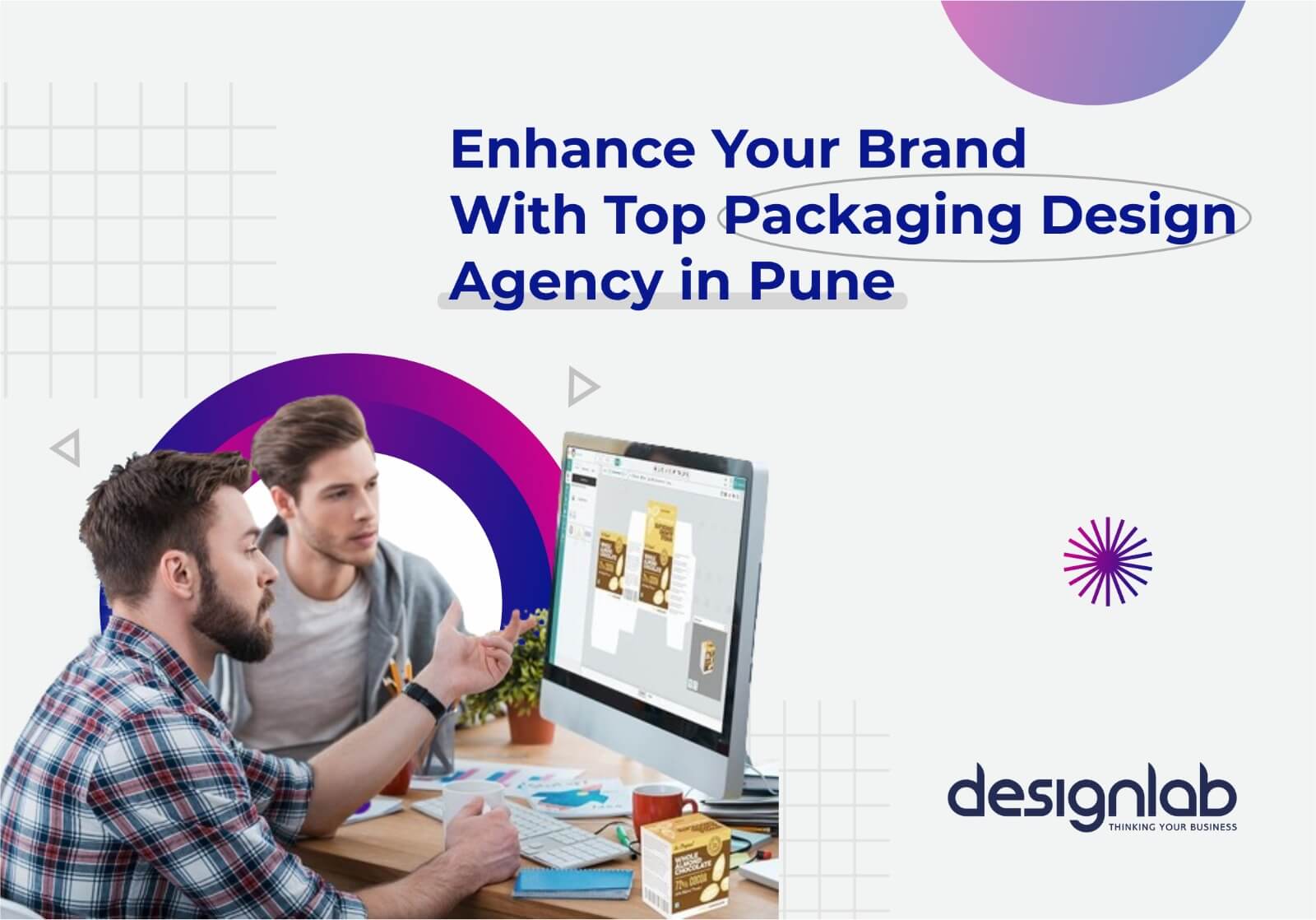
Where competition is furious, and shopper inclinations are always advancing, building up an unmistakable brand personality is basic. One of the key components that altogether contributes to brand character and customer requests is packaging design. In the bustling city of Pune or a fast-paced city with a rising commerce biological system, the part of a top-tier packaging design agency cannot be underestimated.
1. Substance of Packaging Design
Packaging design goes past simple aesthetics, it serves as a visual representation of a brand's ethos and values. A viable packaging design captures the substance of an item, communicates its special offering recommendation, and cultivates association with the target group of onlookers. From colour plans to typography, each component plays a crucial part in forming customer recognition and affecting acquiring decisions.
2. Disclosing the Flow of the Packaging Design Industry
Being a centre of different businesses, Pune has seen a rise in requests for imaginative packaging arrangements. This has given rise to a competitive showcase of packaging design agencies, each competing to give one-of-a-kind imagination and key knowledge. In this dynamic biological system, it becomes imperative for businesses looking to separate themselves through alluring packaging to distinguish the top packaging design agency in Pune.
3. Why select a select packaging design company in Pune?
- Skill and Industry Knowledge
A specialized packaging design company in Pune brings a rich mastery and industry information. Their experienced experts get it the subtleties of diverse showcase sections, empowering them to make plans custom-made to the target gathering of people. Utilizing this specialized information, businesses can guarantee that their packaging not as it were stands out, but too constantly adjusts with industry trends.
- Imaginative Innovation
Creativity and development are foremost in the ever-evolving scene of plan. A top-tier packaging design organization in Pune leverages cutting-edge plan strategies, joining inventive components that separate brands from the competition. This commitment to inventiveness guarantees that the packaging designs, not as they were drawn into consideration but take off an enduring impression on consumers.
- Vital Brand Alignment
Successful packaging design is not as it was outwardly engaging, it must moreover deliberately adjust with the brand personality and informing. A specialized packaging design company in Pune understands the significance of brand consistency and works closely with clients to guarantee that each plan reflects the brand's identity, values, and advertising positioning.
4. Case Considers: Illustrations of Victory Stories
To approve the effect of collaborating with a beat packaging design agency in Pune, we plunge into a real-world case ponder. By looking at fruitful collaborations, peruses pick up an understanding of how businesses have utilized vital and inventive packaging arrangements. This case serves as a concrete illustration of the transformative control of a well-executed packaging design strategy.
5. Rising Patterns in Packaging Design
The world of packaging design is not inactive, it advances in reaction to changing buyer behaviour, mechanical progress and natural contemplations. Our investigation amplifies the most recent patterns forming the packaging design scene. From maintainable packaging arrangements to intuitive and experiential plans, businesses can remain ahead by embracing these developing patterns.
6. Persistent Imperative
In a period of expanding natural mindfulness, supportability has ended up a foundation of capable trade hones. A driving packaging design company in Pune recognizes the significance of eco-friendly packaging arrangements. This area examines the methodologies received by such organizations to create plans that not only were offered to customers but also contributed to a more maintainable future.
7. Choosing the Right Packaging Design Agency: A Comprehensive Guide
Navigating the plenty of alternatives on the showcase requires an efficient approach. This area gives perusers a comprehensive direction to select the right packaging design organization in Pune. From assessing portfolios to understanding benefit offerings and estimating models, businesses pick up important bits of knowledge to make educated choices custom-fitted to their particular needs and goals.
8. The Collaborative Plan to Prepare: A Look Behind the Scenes
Understanding the collaborative plan to prepare is basic for businesses considering the administrations of a packaging design agency in Pune. This segment gives perusers an insider's see of how these organizations work with clients to bring their vision to life. From introductory conceptualizing sessions to concept advancement and refinement, a straightforward and collaborative approach guarantees that the last packaging design is a genuine reflection of the brand's character and objectives.
9. Effect of Color Brain Research in Packaging Design
Colours inspire feelings and impact recognition, making colour brain research an imperative angle of packaging design. A beat packaging design company in Pune consolidates a profound understanding of colour brain research into its plan procedure. This segment highlights the brain research behind distinctive colours and clarifies how deliberately chosen colour plans can inspire particular feelings, improve brand personality, and indeed impact obtaining behaviour.
10. Tapping Innovation: Increased Reality and Intelligently Packaging
In the advanced age, packaging design has spread past the physical domain. Increased reality (AR) and intelligent packaging have risen as imaginative techniques to lock in shoppers on a more profound level. A visionary packaging design agency in Pune consolidates these innovations into their plans, making an immersive and intuitive encounter. Discover how businesses can use AR and intelligently packaging to make important brands intuitive and boost shopper loyalty.
11. Measuring Victory: Key Execution Pointers in Packaging Design
Metrics are vital for assessing the victory of any promoting methodology, and packaging design is no special case. This area clarifies the key execution markers (KPIs) that businesses ought to track to evaluate the adequacy of their packaging design. From brand receivability and review to shopper engagement and change rates, the data-driven approach guarantees that businesses can persistently refine their packaging methodology for ideal results.
12. Future Situation: Counterfeit Insights in Packaging Design
Artificial Insights (AI) is revolutionizing different businesses, and packaging design is no special case. This area investigates the potential of AI in forming the future of packaging design. From prescient analytics to mechanized plan creation, businesses can pick up knowledge into how AI-powered apparatuses can streamline plan preparation, upgrade imagination, and provide personalized packaging arrangements at scale.
13. Collaborative Victory Stories: Client Testimonials
Real-world victory stories and client tributes give a strong show of a packaging design agency's capabilities. This area grandstands the encounters of businesses that have collaborated with a beat agency in Pune. By learning from the challenges experienced and arrangements executed, perusers can pick up profitable knowledge about what to anticipate from collaborating with a legitimate packaging design company.
14. Part of Packaging Design in E-Commerce
As e-commerce proceeds to overwhelm the retail scene, part of packaging design is taking on unused measurements. This segment clarifies how packaging design agencies in Pune are adjusting their procedures to meet the one-of-a-kind challenges and openings displayed by the e-commerce environment. From planning for shipping productivity to making unboxing encounters that reverberate with online customers, businesses pick up understanding into optimizing their packaging for the computerized marketplace.
Conclusion: Taking Your Brand to Unused Heights
The journey of raising your brand with a best packaging design agency in Pune is a vital venture that goes past aesthetics. It's a commitment to making an enduring effect, cultivating brand devotion and remaining ahead of industry patterns. By utilizing inventiveness, vital arrangement, maintainability and embracing cutting-edge innovations, businesses can set themselves up as showcase pioneers with appealing and eye-catching packaging design. As Pune is advancing as a centre of development and trade fabulousness, collaboration with a driving packaging design company has gotten to be not fair a choice, but a transformational step towards the feasible victory of a brand.
Creative Essence - Unmatched Pune Logo Design Agency
DesignLab Office positions incomparable as the encapsulation of plan ability in Pune. DesignLab is the brainchild of its executive Parikshit Labhassetwar, who is energetic about the method of creative communication. They have the desired skill, experience, and skill within the promoting industry and have the proper entrepreneurial disposition to effectively oversee the requests of the trade. As the title proposes, DesignLab is about the coming together of minds to design and enhance strategies of inventive and viable communication to the showcase that benefits sponsors. No two clients are alike, and thus their needs cannot be the same. We accept giving customized communication procedures and arrangements while moving forward and building on past assignments. We have the individuals, the assets, the know-how, the devices, the strategies, and most vitally, the will to demonstrate ourselves once more and again.
Making a Special Symbol Statement
At the centre of DesignLab development is their skill in making interesting symbol points of interest. Going past conventional realistic plans, their experienced artisans are enthusiastic about capturing the quintessence of each brand. DesignLab, gladly standing as the driving symbol creator in Pune, brags of a portfolio that looks like a display of appealing stories told through visual symbolism.
Best Symbol Designer in Pune: Brilliance by Interpreting DesignLab
The award of best symbol creator in Pune could be to DesignLab's faithful commitment to greatness. His approach goes past conventional plan standards, mixing key considerations and creative artfulness. Within the field of symbol planning, DesignLab reliably rises as the authority of advancement and advancement, pushing the boundaries of expectations.
Wide Planning Palette
DesignLab expands its control past logos, unleashing its ability on the broader canvas of plan. As a comprehensive planning company, their mastery expands to inactive design, which is regularly neglected. Each business card, letterhead, and envelope gets to be a canvas for advancement, fortifying DesignLab's commitment to all-encompassing brand representation.
Making A Corporate Personality: Past The Logo
Perplexing move of corporate character DesignLab develops as a maestro. Making a steady visual dialect that amplifies past the symbol, they create a corporate rule manual that serves as the North Star for brand consistency. This commitment to exactness and consistency sets them up not as they were as a planning company but as overseers of the visual astuteness of a brand.
The Speculative chemistry of Inventive, Locks and Imaginative Symbol Design
What sets DesignLab apart is the chemical mix of imagination, charm and advancement. Each symbol isn't fair a graphic, it may be a of components, carefully created to hit the notes of visual delight. DesignLab logos rise above the unremarkable, breathing life into brands with a charm that captivates and innovates.
Stationery Plan Company: Taking the Ordinary to Artistry
Stationery is frequently cleared out behind within the history of the plan. In any case, DesignLab rethinks this account. As a steady plan company, they lift the unremarkable to imitativeness, turning trade basics into brand resources. Their approach reflects their ethos – each detail and each touchpoint is an opportunity for visual brilliance.
Exploring the Corporate Rules Manual
A confirmation of DesignLab's commitment to accuracy is the corporate rules manual. This sacrosanct report isn't just a collection of rules, it may be for keeping up brand judgement. Inside its pages, rules rise that guarantee each emphasis of the brand echoes the same cohesive visual language.
Corporate Identity: A Ensemble of Visual Consistency
Making a corporate character isn't a single assignment, but a progressing collaboration. DesignLab mastery lies not fair within the starting creation, but too in curating a visual consistency that reverberates over distinctive mediums. They stand as overseers, guaranteeing that the brand's visual dialect remains cohesive.
The Substance of Imagination and Innovation
Past the unmistakable components lies the intangible pith of inventiveness and advancement. The DesignLab logic goes past aesthetics, into the domain of motivation and development. As they proceed to thrust the boundaries, their work gets to be a confirmation of the persevering soul of imagination that characterises Pune's design landscape.
Extending the Story: Pune's Plan Ecosystem
To genuinely appreciate DesignLab's ability, we ought to contextualise their work inside Pune's dynamic plan biological system. Pune, frequently recognized for its development centre and assorted businesses, serves as a perfect canvas for a planning office of this calibre. DesignLab's capacity to explore and contribute to this wealthy environment underlines its importance.
Inconsistency of Convention and Modernity
Pune, with its wealthy social legacy, consistently mixes convention with innovation. DesignLab, as a key player in this energetic city, reflects this crossing point through its plans. His capacity to join conventional components with modern aesthetics reflects his skill for striking a chord with Pune's differing group of onlookers.
Pune's Collaborative Soul of Creativity
DesignLab flourishes inside the collaborative inventive soul of Pune. The city cultivates an environment where differing thoughts meet, in this manner cultivating development. This collaborative ethos isn't fair scenery, but a fundamental portion of the DesignLab character, forming their approach to each extent with an embroidered artwork of collective creativity.
DesignLab Continuous Legacy
As we dive more profound into the DesignLab imaginative quintessence, it gets to be clear that their request isn't restricted to personal ventures, it is a progressing account. His impact resounds not as it were inside Pune's plan scene, but too over businesses, checking the persevering bequest of a plan organization committed to pushing the boundaries of creativity.
Unmatched Pune Symbol Plan Agency
DesignLab emerges as an unyielding chapter within the history of Pune's inventive embroidered artwork. His request isn't fair in making logos or planning stationery, it is in forming brands, telling stories and making a permanent stamp on the canvas of visual communication. As we conclude this investigation, DesignLab remains the unmatched Pune symbol plan office that epitomises the substance of inventiveness, charm, and innovation.
Pune's Design Heritage: An Embroidered Artwork of Innovation
Pune's bequest in design could be woven from the strings of advancement. As a city that's home to innovation centre points, instructive teaching and a dynamic social scene, Pune gives a ripe ground for imaginative tries. Settled inside this energetic biological system, DesignLab has ended up not just a plan organization but a pioneer of Pune's plan heritage.
Pune's Advancement Center: A Catalyst for Plan-Growth
Pune's notoriety as a development centre increases the significance of plan organizations inside its boundaries. DesignLab's proximity to innovative headway and dynamic businesses keeps them at the cutting edge of plan advancements. The agency's capacity to assimilate cutting-edge concepts and incorporate them into its plans reflects Pune's commitment towards innovation.
Instructive Teach: Sustaining Inventive Minds
Pune's character as an instructive centre plays an imperative part in forming the imaginative scene. DesignLab benefits from this environment, drawing in the ability of teachers that cultivate imagination and critical thinking. This amalgamation of the scholarly world and industry inside Pune contributes to the agency's pool of inventive thoughts and new viewpoints.
DesignLab Affect On Whole Industries
As we look at the DesignLab portfolio, it becomes clear that their impact amplifies past a single industry. His capability to create different brand stories sets him up as a flexible player in Pune's planned biological system. From innovation to neighbourliness, their plans adjust consistently, displaying a widespread request that resounds over different sectors.
Innovation Division: Combining Usefulness with Aesthetics
Within the technology-driven scene of Pune, the Designlab's capacity to mix usefulness with aesthetics is vital. His plans for tech-oriented businesses reflect a profound understanding of client involvement and interface plans. This marriage of innovation and plan places the DesignLab in an interesting position, contributing to Pune's notoriety as a tech-savvy city.
Neighborliness & Way of Life: Making Paramount Experiences
DesignLab raids into the neighbourhood and way of life segments underlines their flexibility. Pune's developing culinary and way of life scene finds a visual expression through the agency's plans. Each extent gets to be a canvas where they paint immersive encounters, contributing to Pune's notoriety as a city that increases in value with the better subtleties of aesthetics.
Healthcare and Development: Planning for Impact
The healthcare segment stands out as a vital segment in Pune's journey for advancement. DesignLab associations with healthcare brands reflect their commitment to planning for effect. From creating a compassionate visual character to creating instructive collateral, the office contributes to the city's interest in a solid and tastefully cognizant community.
Pune's Social Kaleidoscope: Effect on Plan Aesthetics
Pune's wealthy social heritage permeates each perspective of life within the city. The DesignLab, an item of Pune's social kaleidoscope, joins these impacts into its plans. From conventional themes to modern expressions, his plans ended up a reflection of Pune's social differing qualities, contributing to a visual dialect that reverberates with the city's residents.
Celebrations and Celebrations: Planning for Social Harmony
Pune's dynamic celebrations and celebrations have become an indispensable portion of the DesignLab plan account. His capacity to capture the pith of social occasions and interpret them into appealing plans advances a sense of social harmony. As the social envoy of Pune, DesignLab's work reflects the happy soul of the city.
Chronicled Motivations: A Plan Journey Through Pune's Past
Pune's chronicled locales and ancient stories serve as a source of motivation for the Designlab. The agency's plans regularly reflect the city's verifiable glory, paying homage to its legacy. This combination of ancient and unused makes a plain dialect that resounds with the inhabitants of Pune, interfacing them with their roots in a lock-in way.
DesignLab Community Engagement: Past Corporate Boundaries
DesignLab's effect expands past corporate collaboration, it leaks into the community texture of Pune. The office effectively locks in activities that contribute to the socio-cultural advancement of Pune. From collaborating with neighbourhood craftsmen to supporting community occasions, the DesignLab has become a necessary portion of Pune's social tapestry.
Collaboration with Neighborhood Artisans: A Mix of Convention and Modernity
In a city where convention and innovation co-exist agreeably, DesignLab's collaboration with neighbourhood artisans is a confirmation of their commitment to community engagement. These collaborations not as it bolstered neighbourhood ability, but imbued the agency's plans with a true Pune enhancement, making a visual account that reverberates with the community.
Supporting Social Activities: Plan for Social Impact
The DesignLab goes past the scope of the corporate plan by effectively supporting social activities inside Pune. His inclusion in campaigns, mindfulness campaigns and community-focused ventures reflects a fair approach towards the plan. By locking in with social causes, DesignLab has become an enabler of positive change in Pune.
Future Skylines: DesignLab and Pune's Ascent
As Pune moves forward on its way of advancement and development, the DesignLab stands as a symbol of plan fatuousness, motivating the city to rise on the worldwide organize. The agency's collaborative ethos, versatility, and commitment to tasteful accuracy reflect Pune's claim characteristics as a city that grasps advance while cherishing its social roots.
Pune Worldwide Desires: DesignLab As An Imaginative Ambassador
Pune's rise as a worldwide player network consistently with DesignLab's desires. As the organization takes its plans past nearby boundaries, it gets to be an inventive minister for Pune. The city's social subtleties, advancement centre and wealthy history discover expression on the worldwide arrangement through DesignLab striking creations.
Planning Pune's Tomorrow: An Advantageous Journey
Within the advantageous relationship between the DesignLab and Pune, the story of planning tomorrow unfurls. As the city envisions a future where plan plays a key part, DesignLab gets to be a basic accomplice in forming that account. Together, they set out on a journey where development, inventiveness and stylish accuracy ended up being the foundation of Pune's advancing identity.
DesignLab and Plan Journey of Pune
This expanded investigation points to diving more profound into the fundamental stories of the DesignLab and Pune's plan environment. Centring on the agency's effect on businesses, social effect, community engagement and a sea of long haul, we highlight the multifaceted relationship between the DesignLab and the dynamic city of Pune.
As Pune's plan legacy advances, DesignLab remains not just a witness but an energetic member, creating visual accounts that resound the pulse of the city. In this plan journey, the organization stands as a confirmation of Pune's inventive ability and commitment to making a visionary future.
This comprehensive investigation concludes our travel, capturing the beneficial interaction between the Designlab and Pune's plan tapestry. If there are particular zones you'd like advance elaboration on or in case there are extra focuses you'd like included, if it's not too much trouble, feel free to supply direction.
Exploring the Scene: Choosing the Correct Plan Agency
With the tremendous scope of plan offices out there, selecting the proper accomplice may be a step in guaranteeing the victory of your branding efforts. This section will guide you through the nuanced process of finding, evaluating, and ultimately choosing an agency that aligns seamlessly with and goals.
Defining Your Design Requirements
Before you start searching for a design agency, it is essential to clearly define your design needs. Whether you're seeking out a comprehensive branding overhaul, a unique logo design, or steady design expertise, an accurate understanding of your needs lays the foundation for a fruitful collaboration.
Inquiring about Potential Agencies
Begin your investigation by altogether investigating potential plan offices. Take advantage of online stages, portfolios, and client tributes to survey the profundity and quality of their work. Furthermore, dig more profound into industry-specific gatherings and communities to accumulate bits of knowledge and proposals from peers who have collaborated with plan agencies.
Portfolio Appraisal: The Heart of Plan Excellence
A plan agency's portfolio could be a verification of its capabilities. Check out their past ventures, note the diversity of businesses they have worked within, the inventiveness shown, and the consistency in their plan dialect. A solid portfolio is demonstrative of the agency's capacity to adjust to distinctive needs while keeping up a tall standard of quality.
Analyzing Client Tributes: Bits of Knowledge from the Trenches
Client tributes give a profitable understanding of an agency's polished skill, communication, and capacity to meet clients' desires. Search for designs in criticism, pay attention to how offices handle challenges, follow the due dates, and collaborate with clients. A history of positive tributes could be a pointer to a reliable plan partner.
A Look into the DesignLab Work Culture
It is critical to get it into the work culture of a planning office to guarantee concordant collaboration. This segment will grant a glimpse into how DesignLab workers work while cultivating an environment of imagination, advancement, and customer-focused collaboration.
Collaborative Thoughts: The Substance of DesignLab Creativity
The work culture of DesignLab revolves around a collaborative philosophy, where imagination prospers through collective conceptualising. The agency's group of architects, strategists, and creatives lock in an energetic trade of thoughts, guaranteeing that each extends benefits from different viewpoints and expertise.
Customer-centric Approach: Adjusting Together with Your
A customer-centric approach is at the centre of DesignLabs work culture. Their group is committed to understanding your brand, objectives, and goals. Normal discussion and open communication channels characterise their ethos, guaranteeing that your vision isn't as it were, recognized but unpredictably woven into the fabric of the planning process.
Iterative Plan to Prepare: Making Brilliance Through Refinement
The DesignLab adopts an iterative plan handle, cautious travel of drafts, criticism, and refinements. This commitment to emphasise guarantees that each plan advances naturally, adjusting to customer feedback and pushing the boundaries of inventiveness. The result isn't a fair plan, but a perfect work of art refined through a collaborative expressive dance of ideas.
Time and Asset Productivity: A Testament to Professionalism
Within the field of plan, time, and asset proficiency are priceless. The DesignLab work culture emphasizes these standards, guaranteeing that each venture follows to set up timelines and optimises accessible assets. This commitment is not as it were a confirmation of polished skill, but moreover a key approach to conveying uncommon results.
Investigating the Plan Scene: Past DesignLab Pune
Whereas the DesignLab stands as a symbol of plan ability in Pune, investigating the broader plan scene can give an all-encompassing viewpoint. This area will direct you in considering numerous offices, understanding their one-of-a-kind qualities, and making an educated decision.
Expansion Alternatives: Casting a Wide Net
Within the assorted world of plan offices, differentiating your choices permits you to cast a more extensive net and find organizations with one-of-a-kind qualities. If your venture permits, investigate organizations past Pune, considering both local and international players. Each agency brings a distinct flavour and perspective, enriching your understanding of design possibilities.
Industry-specific Expertise: Tailoring Designs to Your Needs
Different agencies often specialise in specific industries or design areas. Consider your industry and project needs when searching for agencies. Some agencies may excel in tech-oriented design, while others may have a stronger hold on lifestyle branding. Tailoring your choice to an agency's specific expertise ensures more seamless alignment, together with.
Comparison of Plan Approaches: Determination in Execution
In past portfolios, it is fundamental to compare plan approaches. Each organization includes a special signature within the way they approach plan challenges. A few may emphasise moderation, whereas others may grasp complex points of interest. Figuring out these subtleties makes a difference, you recognize an office whose plan logic matches your brand identity.
Budget Contemplations: Adjusting Fetched and Quality
Budgetary contemplations play a critical part in organization choice. Even though it is vital to keep costs in intellect, it is similarly imperative to allow priority to quality. The plan is an investment in your brand's visual personality, choosing an office that strikes the proper adjustment between fetch and quality guarantees a productive collaboration.
Trusted DesignLab Pune: Verification of Excellence
Belief is the establishment of any effective collaboration. In this segment, we'll see how DesignLab Pune gains and keeps up belief, giving understanding into their straightforwardness, client connections and commitment to giving interesting plan solutions.
Straightforward Communication: Cultivating Belief Through Openness
The DesignLab prioritises straightforward communication as a foundation of trust-building. From initial consultation to venture execution, the organization keeps clients educated approximately each step of the plan handled. This openness cultivates a sense of belief, giving clients certainty within the agency's commitment to their vision.
Client Victory Stories: A Portfolio of Trust
Client victory stories serve as a capable confirmation of an agency's validity. The DesignLab portfolio isn't a grandstand of plans but an exhibition of fruitful collaborations. By highlighting the effect of their plans on client brands, the office makes a story of belief, illustrating their capacity to convert their vision into substantial results.
Client-Agency Relationship Elements: Sustaining Long-Term Bonds
DesignLab approach to client connections expands past personal ventures; Its objective is to sustain long-term bonds. By understanding the advancing needs of clients and embracing industry patterns, the organization sets up itself as a trusted accomplice within the continuous travel of brand evolution.
Industry Acknowledgment and Grants: Validity Appreciated
DesignLab industry acknowledgement and grants contribute to their validity. Earned awards for plan greatness and development serve as outside approval of the agency's credibility. Industry acknowledgement not as it were upgrades the reputation of the DesignLab, but moreover gives clients with certainty in their capacity to provide extraordinary results.
Conclusion: A Comprehensive Direct-to-Plan Excellence
As we conclude this comprehensive direction, you presently have the apparatus to explore the complex scene of plan organizations, get their work culture, investigate different alternatives, and depend on the greatness of DesignLab Pune. Planning your brand's visual personality isn't just a collaboration; It's a key speculation within the future of your brand.
The proper plan organization isn't fair to a benefit supplier, it could be an in creating your brand story. With a sensible approach to office determination and a commitment to straightforward collaboration, you're prepared to set out on a design trip that surpasses desires and will take your brand to unused statues.
Mastering Digital Impact with a Top Marketing Agency
In the fast-paced arena of contemporary business, establishing a powerful digital footprint has become imperative for continued success. The ubiquity of online platforms has significantly changed consumer behaviour, forcing businesses to reevaluate and enhance their marketing strategies. Collaboration between enterprises and top-tier marketing agencies has emerged as a key strategy to master the profound impact of the digital landscape.
Digital mastery starts with a comprehensive understanding of the dynamic interplay between consumers and the online environment. Traditional marketing methods, although still valuable, are inadequate in a landscape dominated by the Internet, social media, and mobile technology. The introduction of a top marketing agency into this equation brings a wealth of expertise, offering businesses a strategic partnership to navigate and capitalise on the multifaceted aspects of digital marketing.
The role of a top marketing agency goes beyond the traditional boundaries of marketing. It serves as a catalyst for business transformation in the digital age, expanding its reach into various aspects of digital marketing, such as search engine optimization (SEO), social media management, content marketing, and pay-per-click (PPC) advertising. Uses efficiency. This amalgamation of specialized skills ensures a tailored approach to digital strategy, which aligns with the unique goals and demographics of each business.
The core of this digital transformation lies in the understanding that strategic digital marketing is not just about having an online presence, but about orchestrating a cohesive and purpose-driven strategy. Whether optimizing website content to rank higher in search engine results, creating engaging social media campaigns, or implementing data-driven advertising, a top marketing agency creates strategies where each digital element aligns with broader business objectives. Contributes synergistically. In short, it is about strategically leveraging each digital touchpoint to increase brand visibility, credibility and resonance with the target audience.
We'll take a deep dive into the specific components of mastering digital influence – from the intricacies of SEO and the power of social media to the vital role of content marketing and the accuracy of PPC advertising. By understanding and strategically implementing these elements, businesses can unlock the full potential of the digital sphere, underscoring the vital role played by top marketing agencies in navigating this complex landscape and ensuring continued relevance and success in the digital age.
The importance of a strong digital presence cannot be underestimated. As consumers increasingly turn to online platforms for information, entertainment, and commerce, businesses must adopt and leverage digital marketing strategies to remain competitive. Partnering with a top marketing agency to master digital influence is not only beneficial, but essential.
I. Digital Age and Business Transformation
The advent of the digital age has revolutionised the way businesses operate and interact with their target audiences. Traditional marketing methods, although still relevant, are no longer sufficient on their own. The ubiquity of the Internet, social media, and mobile devices has reshaped consumer behaviour, necessitating a shift toward a more dynamic and digitally driven marketing approach.
II. Understanding the Role of a Top Marketing Agency
A top marketing agency acts as a strategic partner for businesses aiming to tackle the complexities of the digital landscape. These agencies specialise in various aspects of digital marketing, including search engine optimization (SEO), social media management, content marketing, pay-per-click (PPC) advertising, and more. Using their knowledge and experience, businesses can create comprehensive digital strategies tailored to their unique goals and target audiences.
III. The Power of Strategic Digital Marketing
Digital marketing is not just about a website or social media presence. It's about creating a cohesive and strategic vision that is in line with the brand's objectives. A top marketing agency excels in developing and executing such strategies, ensuring that each digital touchpoint contributes to the overall business goals. This may include optimizing website content for search engines, creating engaging social media campaigns, or implementing data-driven advertising strategies.
IV. Search Engine Optimization (SEO): Increasing Visibility and Credibility
One of the cornerstones of digital marketing is SEO, a practice aimed at improving a website's visibility on search engine results pages. A top marketing agency employs SEO experts who delve deep into the intricacies of algorithms and keywords, ensuring that a business ranks high in relevant searches. This not only increases visibility but also increases brand credibility, as consumers trust websites that appear at the top of search results.
V. Social Media Management: Building Contacts and Brand Image
Social media has become a powerhouse in the digital sphere, offering businesses unique opportunities to connect with their audiences on a personal level. A top marketing agency understands the nuances of each social media platform and creates content accordingly. From engaging posts to strategic advertising, social media management becomes a tool to increase brand awareness, foster customer loyalty, and even increase sales.
VI. Content Marketing: Providing Value and Establishing Authority
Content is king in the digital landscape, and a top marketing agency recognizes the importance of providing valuable, relevant and consistent content to audiences. This can take the form of blog posts, articles, videos or infographics. Through content marketing, businesses not only provide value to their audiences but also establish themselves as authorities in their industry. This trust-building aspect is important for long-term success.
VII. Pay-Per-Click (PPC) Advertising: Targeted Campaigns for Quick Impact
PPC advertising allows businesses to advertise on search engines and other platforms, paying a fee only when their ad is clicked. A top marketing agency employs PPC experts who create targeted campaigns, ensuring that businesses reach their desired audiences. This approach provides quick results, making it an effective strategy for promoting specific products, services or promotions.
VIII. Data-Driven Decision Making: Maximizing ROI
One of the major benefits of digital marketing is the availability of data and analytics. A top marketing agency uses this data to make informed decisions and continuously optimize strategies for maximum return on investment (ROI). Through detailed analysis of metrics such as website traffic, conversion rates and social media engagement, businesses can refine their digital approach and stay ahead of the competition.
IX. Embracing Trends and Innovations
The digital landscape is dynamic, with trends and technologies evolving rapidly. A top marketing agency stays at the forefront of these changes, ensuring businesses are not only up and running but also ahead. From the integration of artificial intelligence in advertising to the rise of new social media platforms, it is important to adapt to maintain relevance and effectively reach target audiences.
Conclusion: Empowering Businesses in the Digital Age
The digital age demands a proactive and strategic approach to marketing, and partnering with a top marketing agency is the key to mastering digital influence. By harnessing the expertise of professionals well-versed in SEO, social media, content marketing, PPC advertising and data analytics, businesses can tackle the complexities of the digital landscape with confidence. By doing so, they not only increase their visibility and credibility but also set themselves up for continued success in an ever-evolving business environment. Embracing the digital age is not just a choice, It is a necessity for those who wish to grow and lead in the competitive market of the 21st century.
Increasing Brand Presence Through Strategic Design
In a dynamic and highly competitive business environment, it is more important than ever to establish a strong brand presence. Amidst the plethora of options, creating a brand that not only stands out but also resonates with consumers requires a thoughtful and strategic approach. One powerful way to achieve this is through the deliberate use of strategic design. This multidimensional approach encompasses not only visual elements but also messaging, user experience, and an overall brand narrative. We look at the subtle ways in which strategic design can enhance a brand's presence, foster customer engagement, and ultimately drive business success.
Understanding the Power of Design in Branding
At the core of strategic design lies the understanding that design is not just about aesthetics, it is a strategic tool that can communicate the values, personality, and uniqueness of a brand. A well-crafted design goes beyond superficial appeal, it tells a story and evokes emotions, creating a deeper connection with the audience. The visual elements of a brand, such as logos, color schemes, and typography, act as a visual language that consumers unconsciously interpret. Therefore, strategic design is about carefully crafting this language to convey the intended brand message.
Creating A Consistent Visual Identity
Consistency plays an important role when it comes to brand identity. Strategic design involves developing a cohesive visual identity that remains consistent across all brand touchpoints. From a company's website to social media profiles, packaging and advertising materials, a uniform visual language strengthens brand identity and creates a sense of familiarity among consumers. This consistency builds trust and credibility, which are important elements in today's discerning consumer market.
Creating A Memorable Logo
A brand's logo is often its most recognizable element, acting as a visual shorthand for the entire brand. Strategic logo design isn't just about creating a beautiful image, it's about translating the essence of the brand into a simple, memorable mark. Think of iconic logos like Apple or Nike; They succinctly express the brand's ethos, making them instantly recognizable and associated with certain values. Investing in a well-designed logo can have significant benefits in terms of brand recall and market differentiation.
Color Psychology and Brand Association
Strategic use of color in design can profoundly influence consumer perceptions. Different colors evoke different emotions and associations, and understanding this psychology is important for brand strategists. For example, blue often represents trust and reliability, while red can symbolise energy and passion. By connecting color choices to a brand's personality and values, designers can create a subconscious connection with the audience, enhancing brand recall and shaping consumer attitudes.
Typography As A Brand Voice
The choice of font and typography is a subtle but powerful aspect of design that contributes to the voice of a brand. Typography sets the tone for written communication, reflecting the personality of the brand. A luxury brand may choose elegant and sophisticated fonts, while a tech company may choose smooth, modern typography. Consistent use of typography across different channels strengthens brand identity and helps create a cohesive brand experience.
User-centric Design For An Enhanced Experience
Strategic design encompasses the overall user experience (UX) beyond visual elements. In an age where online interactions dominate, a brand's digital presence is often the first point of contact with consumers. User-centric design focuses on creating intuitive, delightful, and seamless experiences for users on digital platforms. From user-friendly website interfaces to streamlined mobile apps, prioritising UX design contributes to positive brand perceptions and customer satisfaction.
Storytelling Through Design Elements
Humans are wired to respond to stories, and strategic design provides a platform for brands to tell their story visually. From logo development to design elements on product packaging, every visual component can contribute to a brand narrative. Telling this story through design helps humanise the brand, making it relatable and fostering a deeper emotional connection with consumers.
Strategic Design in Marketing Collateral
Strategic design beyond digital platforms plays an important role in traditional marketing collateral. Brochures, business cards and promotional materials are tangible representations of a brand's identity. Consistency in the design of these materials strengthens brand identity and professionalism, leaving a lasting impression on potential customers. In a crowded market, a well-designed business card or brochure can be a differentiating factor that sets a brand apart.
The Role of Design in Brand Communication
Effective communication is at the core of brand building, and design serves as a powerful communication tool. From social media graphics to email newsletters, visual elements communicate brand messages in a way that resonates with the target audience. Strategic design ensures that these communications align with the brand voice and values, creating a consistent and compelling narrative across different channels.
Design Adaptability and Evolution
The business landscape is dynamic, and brands must evolve to remain relevant. Strategic design allows adaptability, enabling brands to refresh their image without losing their core identity. Whether it's a subtle logo change or a complete rebranding, design can be a strategic tool to signal evolution, innovation, or a change in brand positioning. This adaptability ensures that the brand remains contemporary and in line with changing consumer expectations.
Measuring the Impact of Strategic Design
While the impact of strategic design on brand presence is obvious, measuring its effectiveness requires a nuanced approach. Key performance indicators (KPIs) such as brand identity, customer engagement and conversion rates can provide insight into the success of design strategies. Surveys and feedback mechanisms can also measure consumers' perceptions and attitudes toward the brand, helping to refine design approaches for continuous improvement.
Success Stories in Strategic Design
Examining successful brands that leverage strategic design provides valuable insights. Companies like Apple, Coca-Cola, and Nike have not only invested in visually appealing designs, but also paired their design choices with a strong brand narrative. These case studies offer real-world examples of how strategic design can contribute to creating a powerful and lasting brand presence.
The future of branding through strategic design In a world full of choices, strategic design emerges as a beacon for brands that want to stand out and connect with their audiences. From visual identity to user experience, every design element contributes to the larger story told by a brand. As technology advances and consumer preferences evolve, the role of strategic design in shaping brand presence will continue to be important. Investing in a thoughtful, harmonious design strategy isn't just an aesthetic choice; This is a strategic imperative for brands aiming to thrive in the competitive marketplace of the future. With strategic design as the cornerstone, brands can not only survive, but truly thrive in the ever-changing business landscape, and leave an indelible mark on the hearts and minds of consumers.
Grow Digital Presence with Web Design Agency in Pune
The virtual sphere resonates as a strategic imperative for enterprises seeking significant impact. This preview explores the multifaceted aspects encapsulated within this phrase, highlighting the vital interconnectedness of web design and digital success. As we look at the dynamic landscape of Pune, a city brimming with entrepreneurial energy, one understands why businesses are turning to web design agencies as indispensable partners in creating not only websites but also engaging digital narratives.
The Essence of Digital Success: This phrase captures the essence of a transformational journey, emphasising the symbiotic relationship between web design and online conquest. Beyond aesthetics, it delves into the complex realm of user experience, revealing how a well-designed website is a powerful tool in making a lasting impact in a world with fleeting attention spans.
Strategic Partnership in Pune: In the bustling business ecosystem of Pune, the choice of a web design agency becomes a strategic decision. This phrase underscores the importance of a collaborative partnership, expanding beyond visual aesthetics to consider customization, scalability, and transparent communication. Learn why Pune businesses are actively looking for agencies that align with their unique brand identity.
Brand Description and User Engagement: Creating a unique brand identity is paramount, and this phrase emphasizes the role of a web design agency in this endeavor. It shows the impact on user engagement and retention, hinting at strategic placement of calls-to-action and intuitive navigation that keeps users captivated and promotes brand loyalty.
Mobile-first Design in Pune: As Pune embraces its tech-savvy identity, this phrase hints at the need for a mobile-first design approach. Learn how web design agencies in Pune prioritize mobile optimization, ensuring a seamless experience for users accessing websites via smartphones and tablets.
Future-Forward Outlook: “Growing a Digital Presence with a Web Design Agency” is not just about the present; This is a visionary approach. This preview touches on emerging trends ranging from visual and interactive elements to the integration of AI and chatbots. Learn why businesses in Pune are preparing themselves to not only meet but stay ahead of the evolving digital landscape.
Embark on a journey through the digital evolution of Pune's business landscape, where collaboration between businesses and web design agencies is not just a necessity but a dynamic force propelling them towards continued relevance and success in the ever-evolving future.
A strong online presence is non-negotiable for businesses in the ever-evolving landscape of the digital age. As a gateway to the Internet, your website serves as the first impression for potential customers. In Pune, a city known for its vibrant business ecosystem, it is imperative to leverage the expertise of a web design agency to develop a powerful digital identity.
Digital Age and Business Dynamics
A. Importance of web design in the digital landscape
In a world dominated by digital interactions, the design of your website can make or break your online success. A professional web design agency in Pune understands the nuances of user experience, creating visually appealing and functional websites that attract visitors. With attention spans shorter than ever, a well-designed website is your virtual storefront, enticing users to learn more.
B. Navigating the world of responsive design
One of the key elements that a reputable web design agency brings to the table is expertise in responsive design. With the proliferation of smartphones and tablets, a responsive website is essential to serve users of different devices. Pune businesses can benefit from a design that seamlessly adapts to different screen sizes, ensuring a consistent and enjoyable user experience, ultimately increasing conversion rates.
C. Optimization for search engines and user experience
Web design is not just about aesthetics; It plays an important role in search engine optimization (SEO). An efficient web design agency in Pune understands the synergy between design and SEO, implementing strategies that increase visibility on search engines. A well-optimized site not only attracts more organic traffic but also provides a user-friendly experience, which contributes to higher rankings.
Choosing the Right Web Design Agency in Pune
A. Research and Reputation
Pune boasts of a thriving business ecosystem, and choosing the right web design agency is important. Do thorough research, delve into portfolios, and evaluate customer testimonials. A reputable agency will have a track record of delivering innovative and effective solutions. Look at their expertise in different industries and their ability to create designs to meet specific business objectives.
B. Customization and Scalability
Every business is unique, and a one-size-fits-all approach doesn't work in web design. A reliable web design agency in Pune should provide customizable, tailor-made solutions to suit the client's brand identity and goals. Additionally, scalability is essential – the website must not only meet current needs, but also be flexible enough to accommodate future growth and changes in business needs.
C. Collaboration and Communication
Effective collaboration and communication are the cornerstone of a successful web design project. A Pune-based agency that values client input, actively seeks feedback, and keeps clients informed throughout the process is more likely to deliver a website that is in line with the client's vision and expectations.
Impact on Branding and User Engagement
A. Establishing Brand Identity
Your website is an extension of your brand. A professional web design agency in Pune can help businesses establish a strong and cohesive brand identity through thoughtful design elements, color schemes, and typography. Consistency across online platforms boosts brand recall, contributing to a more memorable and impactful digital presence.
B. Increase User Engagement and Retention
In addition to initial visits, user engagement and retention are important metrics. Pune businesses can benefit from web design strategies that include intuitive navigation, compelling content presentation, and strategically placed calls-to-action. A well-designed site not only attracts attention but also keeps visitors engaged, increasing the chances of conversion and repeat visits.
C. Mobile-first Design for A User-centric Experience
With the increase in mobile internet usage, a mobile-first design approach is paramount. A web design agency in Pune that prioritises mobile optimization ensures that users accessing the site through smartphones have a seamless and enjoyable experience. This user-centric approach increases satisfaction and encourages positive interactions with the brand.
Promoting E-Commerce Through Web Design
A. Role of E-commerce in Pune's Business Landscape
For businesses venturing into e-commerce in Pune, the importance of web design has increased. An effective e-commerce website is not just about showcasing products but creating an immersive online shopping experience. An exclusive web design agency in Pune can integrate user-friendly interfaces, secure payment gateways, and intuitive navigation to elevate the e-commerce journey for customers.
B. Streamlining the Customer Journey
From landing on a website to completing a purchase, the customer journey should be streamlined for maximum efficiency. A Pune based web design agency specialising in e-commerce understands the importance of a smooth and intuitive process. They customise shopping carts, simplify checkout processes, and implement features like product recommendations to enhance the overall shopping experience.
C. Security and Trust in E-commerce
Security is paramount in the e-commerce landscape. Pune businesses entrust sensitive customer information to their online platforms, and a professional web design agency ensures strong security measures. Implementing SSL certificates, secure payment gateways, and building trust signals through design elements contribute to a secure and trustworthy e-commerce environment.
The Future of Web Design: Emerging Trends
A. Embrace Visual and Interactive Elements
As technology advances, so do the possibilities in web design. Pune businesses can stay ahead by adopting visual and interactive elements. From immersive graphics to interactive animations, a visionary web design agency can take advantage of these trends to create memorable and engaging online experiences that resonate with the target audience.
B. Integration of AI and Chatbots for Personalization
Artificial Intelligence (AI) is revolutionizing the web design landscape. Pune businesses can benefit from personalized user experiences through the integration of AI-powered features. Chatbots powered by AI enhance customer interaction, provide quicker support and contribute to a more personalized and responsive website.
C. Accessibility and Inclusivity in Design
The future of web design, both in Pune and globally, emphasizes accessibility and inclusivity. A web design agency committed to creating websites that are accessible to users with disabilities ensures that businesses reach a wide audience. This is not only in line with ethical considerations, but also caters to a diverse customer base while contributing to a positive brand image.
Conclusion
In the dynamic business environment of Pune, strategic investment in web design is essential for growth in the digital sector. Collaboration with a reputable web design agency empowers businesses to create a distinctive online presence, increase user engagement, and stay ahead of emerging trends. As the digital landscape evolves, Pune businesses can leverage the expertise of web design professionals to navigate complexities and gain a competitive edge in the online arena.
Boost Your Corporate Brand with Effective Logo Design
Establishing a powerful corporate brand in the ever-evolving digital world of business is not just an option but a strategic imperative. The heart of this branding effort lies an often underestimated but highly effective element – the company logo. We highlight the intricacies of effective logo design and its vital role in promoting corporate brands. The journey begins with an extended introduction that highlights the importance of logos, exploring their role in creating lasting impressions, establishing brand identity and acting as a psychological bridge between businesses and consumers.
A business's first point of contact with its audience is typically its logo. This initial encounter sets the tone for the entire brand experience, making the importance of a well-crafted logo paramount. Beyond the visual representation, a logo embodies the essence of a brand, encapsulating its values, mission and unique identity. Making a lasting first impression isn't just about aesthetics, it's about building a connection with the audience. A memorable logo has the ability to establish itself in the minds of consumers, helping the brand to be remembered and recognized. This introductory section will shed light on the psychology behind first impressions, exploring how visual communication can be used to leave a lasting impression.
As we understand the intricacies of logo design, it becomes clear that these symbols are not arbitrary, they have been carefully crafted to convey a deeper meaning. Symbols and their significance play an important role in establishing the identity of a brand. From Nike's iconic Swoosh to Apple's minimalist apple, logos communicate much more than meets the eye. Understanding this symbolic language is important for businesses that aim to connect with their target audiences on a deeper level. Consistency across platforms is another cornerstone in the foundation of effective branding. A well-designed logo should appear seamlessly across a variety of mediums, from traditional print to digital platforms, maintaining its integrity and strengthening brand identity. This section will explore the ins and outs of creating a logo that is not only visually appealing but also adaptable to the ever-changing landscape of marketing and communications.
Logo design is an art, and like any art, it has its own principles and rules. Delving deeper into the psychology of logo design, we highlight the impact of colors, shapes, and typography. The color palette chosen for a logo can evoke specific emotions and influence consumer perceptions. The shapes and typography used contribute to the overall personality of the brand, determining how it is viewed by the audience. Building trust and credibility are essential components of effective branding. A professionally designed logo not only symbolizes the quality of a company's products or services but also instils a sense of trust in consumers. By exploring the relationship between a sophisticated logo and consumer trust, this section will outline the importance of professionalism in logo design.
Logos have the power to evoke positive emotions, creating a sense of attachment and loyalty among consumers. This emotional connection goes beyond mere transaction, fostering brand advocates who are likely to become repeat customers and enthusiastic brand ambassadors. Adaptability and timelessness are key considerations in the design process. While a logo must stand the test of time, it must also be flexible enough to adapt to emerging trends. Striking the right balance between classic elements and contemporary design ensures that the logo remains relevant and does not require frequent rebranding efforts.
To validate these discussions, case studies of successful logo designs will be presented. Analysis of iconic logos such as Nike's Swoosh and Apple's bitten apple will provide practical insight into the principles discussed earlier, showing how these elements contribute to the success of global brands. We'll explore the duality between do-it-yourself (DIY) logo design and professional design services. While DIY tools are accessible and budget-friendly, they often lack the finesse and strategic thinking that professional designers bring to the table. This section will evaluate the pros and cons, emphasising the long-term impact of investing in a professionally designed logo.
A well-crafted logo serves as the visual cornerstone of a brand, representing its identity and values. Explores the importance of effective logo design in enhancing corporate branding, highlighting the psychological and marketing aspects that make logos a powerful tool for businesses. From creating a memorable first impression to fostering brand loyalty, a strategically designed logo can contribute significantly to the overall success of a corporation.
A) The Power of First Impressions
- Visual Communication
A customer's first interaction with a brand is often through its logo. As a visual representation of a company, a logo is a powerful form of communication. It is essential to understand the importance of making a positive and lasting first impression in the business world.
- Memorable Design
An effective logo should be memorable, easily recognizable, and able to capture the essence of the brand. Memorable logos leave a lasting impression in consumers' minds, making them more likely to recall the brand when they encounter the logo again.
B) Establishing Brand Identity
- Symbolism and Meaning
A well-designed logo is not just a random combination of shapes and colors, but a carefully crafted symbol that reflects a brand's values, mission, and personality. Understanding the symbolism behind a logo is key to building a meaningful connection with the target audience.
- Consistency Across Platforms
Consistency in branding is important to create a strong corporate identity. A well-designed logo should be versatile enough to maintain its integrity across a variety of platforms, from business cards to digital ads, ensuring a unified brand image.
C) Psychology of Logo Design
- Color Psychology
Colors evoke specific feelings and perceptions, and a thoughtful selection of colors in a logo design can influence the perception of a brand. Exploring color psychology and its impact on consumer behaviour can guide businesses in creating logos that resonate with their target audience.
- Size and Typography
The shapes and typography used in a logo also play an important role in conveying the personality of the brand. Whether it's the boldness of a sans-serif font or the curvature of a unique symbol, it's important to understand the psychological implications of design elements.
D) Building Trust and Credibility
- Professionalism
A professionally designed logo not only reflects the quality of the products or services offered by the company but also instils a sense of trust and credibility in consumers. A polished and well-executed logo suggests that the brand takes its image seriously.
- Arousing Positive Emotions
Emotional connections are a driving force behind brand loyalty. A logo that resonates positively with consumers can evoke emotions that create a sense of attachment and loyalty, leading to repeat business and word-of-mouth recommendations.
E) Adaptability and Timelessness
- Adaptability to Trends
Although it is important for a logo to be timeless, it must also adapt to changing trends. Striking a balance between classic elements and contemporary design ensures that the logo remains relevant over time, preventing the need for frequent rebranding.
- Future-Proofing
It is important to anticipate future changes in the business landscape, technology, and consumer preferences when designing a logo. Future-proofing a logo includes considering its longevity and ability to adapt to evolving market needs.
F) Case Studies of Successful Logo Designs
- Nike
Analyzing the iconic Nike Swoosh and how its simplicity, in association with movement and speed, has contributed to the brand's global success.
- Apple
Examining the evolution of Apple's logo and how its minimalist design reflects the brand's commitment to innovation and simplicity.
G) DIY vs. Professional Logo Design
- Importance of Professionalism
When discussing the advantages of hiring professional graphic designers for logo creation, emphasis was placed on their expertise, creativity, and knowledge of the industry.
- DIY Disadvantages
Highlighting the potential drawbacks and limitations of using do-it-yourself logo design tools, such as lack of originality, poor execution, and potential damage to the brand image.
Conclusion
Effective logo design is a multidimensional endeavour that goes beyond aesthetics. A well-designed logo is a strategic asset that contributes to the overall success of a corporate brand by creating a memorable first impression, establishing brand identity, leveraging psychological elements, building trust and credibility, and ensuring adaptability and timelessness. Is. As businesses move forward in the competitive landscape, recognizing the importance of investing in a professionally designed logo becomes paramount to continued success and brand identity.
The Art of Storytelling: How to Use Storytelling Techniques in Sales and Marketing
In the rapidly evolving and constantly evolving areas of sales and marketing, businesses are constantly looking for innovative ways to capture the attention and loyalty of their audiences. One such transformative method that has gained prominence is the “art of telling a story.” At its essence, storytelling is a blend of storytelling and telling, a strategic fusion designed to engage customers emotionally, create connections, and ultimately increase sales.
Understanding the Art of Telling a Story
The traditional sales scenario has focused primarily on presenting features and benefits, often ignoring the emotional aspect of consumer decision-making. The art of storytelling acknowledges the inherent human inclination towards stories and leverages this affinity to create a deeper and lasting impact. By connecting narrative structure with sales objectives, businesses can communicate their messages in a way that resonates with their target audience on a deeper level.
The Power of Narrative in Human Psychology
Humans are naturally attracted to stories. From ancient oral traditions to modern multimedia platforms, narratives have been a fundamental aspect of human communication. In the context of storytelling, the power of a well-crafted narrative lies in its ability to engage, captivate, and leave a lasting impression. By presenting information in the form of a story, businesses can humanise their brand, making it relevant and memorable.
A compelling narrative structure includes the introduction of a protagonist (representing the customer), presentation of a conflict or challenge (reflecting the customer's pain points), and the solution (a product or service offered as a solution). This structure aligns with traditional storytelling styles, creating a journey that customers can connect with emotionally.
Emotional Resonance: The Heart of Telling a Story
A distinctive feature of storytelling is its ability to evoke emotions. Unlike traditional sales pitches that rely on logical persuasion, telling a story takes advantage of the emotional aspects of a product or service. By telling stories that evoke a feeling of joy, empathy or triumph, businesses can leave a lasting impression on their audiences, influencing their purchasing decisions.
Storytelling Techniques in Sales and Marketing
Know Your Audience: Crafting Stories That Resonate With Them
Before embarking on the journey of telling a story, businesses must have a comprehensive understanding of their target audience. Different demographics respond to different storytelling elements, and crafting a narrative that resonates requires a nuanced approach. This section will explore the importance of market segmentation, creating buyer personas, and crafting stories for specific customer segments.
Building a Compelling Narrative Structure: The Art of Story Development
The backbone of effective storytelling lies in a well-structured narrative. This section will highlight the elements of a compelling story structure, breaking the cycle of traditional storytelling and adapting it to a sales and marketing context. From introducing relatable heroes to resolving conflicts, it's important to understand the components of a captivating narrative.
Authenticity and Transparency: Building Trust Through Real Stories
In an age where consumers demand authenticity, businesses must incorporate truth in their storytelling. This section will discuss the importance of authenticity and transparency, exploring how real stories can build trust and credibility. Case studies of brands that have successfully embraced authenticity in their storytelling will be examined.
Use of Visuals and Multimedia: Enhancing the Storytelling Experience
In the digital age, visual elements play an important role in attracting attention. This section will explore the strategic integration of multimedia elements – videos, infographics and interactive content – to enhance the impact of storytelling. Businesses can learn how visuals enhance emotional connections and make stories more shareable across different platforms.
Incorporating Customer Stories: The Power of Social Proof
Real experiences from satisfied customers can be powerful storytelling tools. This section will discuss how businesses can collect and display customer testimonials and success stories, turning them into powerful forms of social proof. The impact of customer stories on potential buyers will be explored.
In a world of sales and marketing where competition is fierce, and consumer attention spans are fleeting, the ability to tell a compelling story can be the key to capturing hearts, minds, and ultimately sales. This is where the art of storytelling comes into play – a powerful approach that takes advantage of the timeless appeal of storytelling and connects with your audience on a deeper level. We'll dive deep into the essence of the art of storytelling, uncover its techniques, and highlight how businesses can use these methods to enhance their sales and marketing strategies.
I. Understanding the Art of Telling a Story
At its core, telling a story is a blend of telling and telling a story. It goes beyond traditional ways of presenting products or services and weaves a narrative that connects emotionally with the audience. This approach recognizes the innate human inclination toward narrative and uses it to create more memorable and impactful sales experiences.
1. Power of Story
Humans are wired for stories. From ancient cave paintings to modern-day blockbuster movies, storytelling has been an integral part of our communication. In the context of sales and marketing, a well-crafted story has the power to engage, inspire, and persuade. By presenting information in story form, brands can make their messages more relevant and memorable, creating a stronger connection with their audience.
2. Emotional Resonance
One of the key elements of effective storytelling is its ability to evoke emotions. Unlike traditional sales pitches that focus on features and benefits, a narrative approach focuses on the emotional aspects of a product or service. This emotional resonance helps create a lasting impression and influences the audience's decision-making process. We'll explore the psychology behind emotional storytelling and how it impacts consumer behaviour.
II. Storytelling Techniques in Sales and Marketing
1. Know Your Audience
Before crafting a compelling story, it's important to understand your audience. Different demographics respond to different storytelling elements, so it's essential to tailor your narrative to resonate with your target market. We'll take a deep dive into market segmentation, buyer personas, and the art of crafting stories that appeal to specific customer segments.
2. Create A Compelling Narrative Structure
A well-structured narrative is the backbone of successful storytelling. We'll explore the traditional storytelling style and how it can be adapted for sales and marketing. From introducing the hero (your customer) to presenting the conflict (their pain point) and solving it with your product or service as the solution, we'll break down the elements of a compelling story structure.
3. Authenticity and Transparency
In an age of growing skepticism, authenticity and transparency are paramount. Consumers are attracted to brands that share real stories and values. We'll discuss how businesses can bring authenticity to their storytelling, building trust and credibility among their audiences.
4. Use of Visuals and Multimedia
In the digital age, visuals play an important role in capturing attention. We will explore the integration of multimedia elements such as videos, infographics and interactive content to enhance the storytelling experience. Strategic use of visuals can heighten the emotional impact of a narrative and make it more shareable across different platforms.
5. Incorporating Customer Stories
Leveraging the experiences of satisfied customers is one of the most powerful forms of telling a story. We'll discuss the art of collecting and showcasing customer testimonials and success stories, demonstrating how these narratives can serve as powerful social proof and influence potential buyers.
III. Applying Storytelling Across Different Marketing Channels
1. Storytelling in Social Media
Social media platforms provide fertile ground for telling a story. We'll explore how brands can leverage a narrative approach across platforms like Instagram, Facebook and LinkedIn, tailoring their stories to suit the unique dynamics of each channel.
2. Storytelling in Email Marketing
Email marketing remains the cornerstone of digital communications. We'll discuss how businesses can use storytelling techniques to create engaging email campaigns that connect with customers, increasing engagement and conversions.
3. Storytelling in Content Marketing
Content is king, and storytelling is the crown jewel. We'll focus on how brands can use storytelling to create impactful content marketing strategies, from blog posts and articles to podcasts and webinars.
4. Telling the Story in Sales Presentations
Traditional sales presentations often follow a formulaic approach. We'll explore how incorporating storytelling into sales pitches can turn these presentations into memorable experiences, increasing the likelihood of closing deals.
IV. Measuring the Impact of Telling A Story
Measuring the success of telling a story requires a nuanced approach. We'll discuss key performance indicators (KPIs) that businesses can use to assess the impact of their storytelling efforts, from engagement metrics to conversion rates. Additionally, we'll explore tools and analytics platforms that can help track and analyze the effectiveness of Storytelling campaigns.
V. Case Studies: Real-World Examples of Telling a Success Story
To bring the principles of storytelling to life, we will analyze real-world case studies of businesses that have successfully implemented storytelling techniques into their sales and marketing strategies. These case studies will provide insight into different ways of telling a story across different industries and market segments.
VI. Challenges and Ethical Considerations in Telling A Story
Although telling a story can be a powerful tool, it is not without its challenges and ethical considerations. We'll explore potential pitfalls, such as the risk of misrepresentation and the need for transparency in storytelling. Addressing these challenges is important to maintain audience trust.
VII. The Future of Storytelling: Emerging Trends and Innovations
As technology evolves, so does the landscape of sales and marketing. We'll explore emerging trends and innovations in storytelling, from the use of virtual reality (VR) and augmented reality (AR) to the integration of artificial intelligence (AI) in crafting personalized and dynamic narratives.
Conclusion: Mastering the Art of Telling a Story
The art of storytelling represents a paradigm shift in the way businesses approach sales and marketing. By harnessing the innate human love for stories, brands can create a lasting impact on their audiences, fostering relationships beyond transactional relationships. This comprehensive guide aims to equip businesses with the knowledge and tools they need to master the art of storytelling, taking their sales and marketing efforts to new heights. As we navigate the dynamic landscape of the digital age, the ability to tell a compelling story may be the defining factor that separates successful brands from the competition.
Niche Marketing Mastery: Tailoring Your Approach for Specialized Audiences
Niche marketing involves targeting a specific and well-defined segment of the market that has unique needs or preferences. The idea is to tailor products, services, and marketing efforts to meet the specific demands of that area, rather than trying to appeal to a broad audience. Niche marketing can be an effective strategy for businesses that want to differentiate themselves and build a dedicated customer base.
If “Niche Marketing Mastery” has become a specific course, book, or program since my last update, I recommend checking out online resources, educational platforms, or business training programs for the latest information. Reviews and testimonials from individuals who have taken the course can provide insight into its effectiveness and content.
In the ever-evolving landscape of marketing, businesses are constantly looking for innovative strategies to stand out in a crowded marketplace. One approach that has gained significant traction is “niche marketing mastery”, a concept that involves tailoring marketing strategies to particular audiences. We'll dive deep into the essence of niche marketing mastery, exploring its definition, benefits, and the complexities involved in crafting targeted campaigns that resonate with specific consumer segments.
I. Understanding Niche Marketing Mastery
Niche marketing is a strategic approach that focuses on catering to a specific segment of the market with unique needs, preferences, and characteristics. Niche Marketing Mastery takes this concept a step further by emphasising an in-depth understanding of the chosen niche and crafting highly personalized and effective marketing strategies.
1. Defining Your Niche
The foundation of niche marketing mastery lies in identifying a well-defined niche. It involves conducting in-depth market research to pinpoint a segment with specific needs or interests. By narrowing your target audience, you can create tailored messages that resonate more effectively, fostering deeper connections with potential customers.
2. Benefits of Niche Marketing Mastery
A. Increased Relevance
Tailoring your marketing efforts to a specific region ensures that your message is relevant to your audience's needs and preferences. This relevance leads to higher engagement and conversion rates.
B. Lack of Competition
Niche markets are often less saturated than broader markets. By focusing on specific audiences, you can avoid direct competition with larger, more generalised businesses, giving you a unique advantage.
C. Improved Brand Loyalty
When consumers feel that a brand truly understands their needs, they are more likely to develop a sense of loyalty. Niche marketing mastery fosters a stronger connection with your audience, leading to repeat business and positive interactions.
II. Strategies for Specific Marketing Mastery
Mastering niche marketing involves deploying a variety of strategies that align with the unique characteristics of your chosen niche. Let's explore some effective approaches:
1. Extensive Market Research
Thorough market research is the cornerstone of specialized marketing skills. This involves analyzing the demographics, psychographics, and behaviour of your target audience. It is important to understand their pain points, desires, and motivations to develop compelling marketing messages.
2. Personality Development
Create detailed buyer personas to represent your ideal customers within the region. These personas should capture the unique characteristics, challenges, and aspirations of your target audience. Creating content and campaigns that speak directly to these individuals ensures a more personalized and resonant approach.
3. Tailored Content Creation
Content is king in the field of marketing, and for niche marketing mastery, it's important to produce content that speaks directly to the interests and concerns of your specific audience. Whether it's blog posts, social media content, or video marketing, the key is to create content that addresses the specific needs of your specific market segment.
4. Using Specific Platforms
Different regions often have specific forums where their members gather. These could be online forums, social media groups, or industry-specific events. By identifying and joining these platforms, you can connect directly with your specific audience, building trust and credibility within the community.
III. Case Studies: Success Examples of Specific Marketing Mastery
To illustrate the effectiveness of niche marketing mastery, we'll explore some case studies of businesses that have successfully implemented this approach.
1. Peloton
- Niche: Home fitness lovers.
- Strategy: Peloton identified a niche market of individuals who prefer to work out at home and enjoy the community aspect of group fitness classes. They tailored their marketing to emphasise the convenience and community of their at-home workout platform, which led to widespread adoption among their specific audience.
2. Yeti
- Niche: Outdoor Enthusiasts.
- Strategy: Yeti specialises in high-end, durable coolers and outdoor gear. Their marketing emphasizes the toughness and durability of their products, particularly for outdoor enthusiasts who demand reliable gear in challenging conditions.
3. Dollar Shave Club
- Niche: Men looking for affordable and convenient beauty solutions.
- Strategy: Dollar Shave Club disrupted the razor industry by targeting people who were tired of overpriced razor cartridges. Their marketing highlighted the simplicity, affordability, and convenience of their subscription service, which resonated with specific audiences and led to rapid growth.
IV. Overcoming Challenges in Specific Marketing Mastery
While niche marketing mastery offers many benefits, it is also not without challenges. Recognizing and addressing these barriers is important for continued success.
1. Limited Access
- Challenge: Niche markets are often small, which can limit the overall reach of your marketing efforts.
- Solution: Focus on building strong relationships within your region, and consider expanding into adjacent regions with overlapping interests to broaden your reach.
2. Changing Trends
- Challenge: Specific markets may experience changes in trends and preferences.
- Solution: Be agile and adapt your strategies based on changing market dynamics. Revisit your market research regularly to stay ahead of changing trends.
3. Risk of Over-saturation
- Challenge: As a field gains popularity, competition within that field may increase.
- Solution: Differentiate your brand by constantly innovating, maintaining a deep understanding of your audience, and consistently delivering value.
V. Future Trends in Specific Marketing Mastery
As technology evolves and consumer behaviour changes, the landscape of niche marketing mastery is likely to see new trends. Some possible developments include:
1. Advanced Personalization
Prediction: With advancements in AI and machine learning, marketers can expect more sophisticated personalization techniques, allowing hyper-targeted messaging and offers.
2. Integration of Emerging Technologies
Prediction: Virtual reality (VR) and augmented reality (AR) can deliver immersive experiences tailored to specific audiences, increasing engagement and brand loyalty.
3. The Rise of Micro-influencers
Prediction: As consumers seek more authentic connections, micro-influencers from specific communities may play a key role in endorsing products and services.
Conclusion
Niche marketing mastery represents a strategic shift in the way businesses reach their target audiences. By understanding the unique needs of specific markets and tailoring marketing efforts accordingly, businesses can build deeper relationships, foster brand loyalty and ultimately achieve long-term success. As we move into an increasingly competitive business landscape, mastering the art of niche marketing is not just an option but a necessity for those looking to create a distinct and impactful presence in the market.
Neuro-Marketing Insights: Understanding Consumer Behavior on a Deeper Level
Neuro-marketing, a dynamic and innovative approach to the field of marketing, seamlessly combines neuroscience, psychology, and marketing strategies to gain deeper insights into consumer behaviour. This interdisciplinary field focuses on understanding how the human brain processes information, makes decisions, and reacts to various stimuli encountered in the marketing environment. In this exploration, we will highlight the key theories, methods, and applications that define neuro-marketing, highlighting its transformative impact on the contemporary marketing landscape.
Neuro-marketing relies on leveraging advanced neuroscience techniques to understand the complexities of consumer decision-making. Traditional market research often involves obvious methods, such as surveys and focus groups, which rely on conscious responses from participants. Neuro-marketing delves into the subconscious, delving into the deeper layers of the brain to uncover the emotional and cognitive processes that influence consumer choices.
The methods employed in neuro-marketing research are diverse and sophisticated, using cutting-edge technologies to measure and analyze neural responses. Functional magnetic resonance imaging (fMRI) is a tool that allows researchers to observe changes in blood flow in specific brain regions, providing insight into the areas activated during exposure to marketing stimuli. Electroencephalography (EEG) measures electrical activity in the brain, providing real-time assessment of cognitive engagement. Eye-tracking devices monitor gaze patterns, revealing where attention is focused within visual stimuli. By integrating these methods, neuro-marketers can build a comprehensive understanding of how the brain responds to marketing messages at both a conscious and subconscious level.
Neuro-marketing finds applications in various aspects of the marketing landscape, each of which contributes to a more nuanced understanding of consumer behaviour.
1. Packaging and Design
The visual appeal of a product plays an important role in consumer decision-making. Neuro-marketing provides insight into how specific design elements and colors trigger emotional responses, which allows marketers to optimize product packaging for maximum impact. Understanding the neural underpinnings of design preferences helps create visually compelling and emotionally resonant packaging.
2. Advertising and Storytelling
Neuro-marketing in the field of advertising provides invaluable insights into creating compelling narratives. By identifying the neural responses associated with effective storytelling, marketers can tailor their messages to evoke specific emotions, increasing engagement and memorability. Neuroscientific principles guide the creation of advertisements that leave a lasting impact on audiences.
3. Pricing Strategies
Neuro-marketing exerts its influence on pricing strategies by studying how the brain perceives value. Insights gained from neuroscientific research help businesses optimize pricing models while considering emotional and cognitive factors that influence consumers' willingness to pay. It goes beyond traditional economic theories, including a deep understanding of the psychological aspects of pricing.
4. Consumer Experience
Creating a positive and memorable customer experience is a fundamental goal for businesses. Neuro-marketing insights contribute to refining touchpoints throughout the consumer journey. Whether in a physical retail environment or an online platform, understanding neural responses to different elements of the consumer experience helps businesses increase satisfaction and build brand loyalty.
Acknowledging and paying attention to ethical considerations is important in realizing the promising landscape of neuro-marketing. The use of advanced technologies to monitor brain activity raises privacy concerns, requiring transparent practices and robust mechanisms to protect consumer data. Ethical guidelines should be established to ensure responsible and respectful use of neuroscientific insights, preventing potential manipulation.
Neuro-marketing represents a paradigm shift in understanding and influencing consumer behaviour. By bridging the gap between neuroscience and marketing, businesses can unlock a deeper understanding of their audiences, leading to more effective and efficient strategies. As technology advances and ethical frameworks evolve, the integration of neuro-marketing into mainstream marketing practices is set to redefine how businesses connect with their consumers on a deeper level, reshaping the marketing landscape.
Businesses are constantly looking for new ways to understand and connect with their target audiences. One such area that has gained prominence in recent years is neuro-marketing. This cutting-edge approach goes beyond traditional marketing methods, delving into the realm of neuroscience to understand the complex workings of the consumer's brain. In this comprehensive exploration, we'll uncover the secrets of neuro-marketing, highlighting its principles, applications, and its profound impact on shaping consumer behaviour.
Neuro-marketing Unveiled
Foundation of Neuro-Marketing
Neuro-marketing is a multidisciplinary field that combines principles of neuroscience, psychology, and marketing to gain insight into consumer behaviour. At its core, it seeks to understand how the human brain reacts to different stimuli, enabling marketers to tailor their strategies for maximum impact. Traditional market research methods often rely on surveys, focus groups, and other conscious response mechanisms. Neuro-marketing, on the other hand, penetrates the subconscious mind, providing a more nuanced understanding of consumer preferences.
The Neuroscience Behind It
To understand neuro-marketing it is necessary to understand the basics of neuroscience. The brain, a complex organ, processes information through a network of neurons and synapses. Neuro-marketers use advanced technologies such as functional magnetic resonance imaging (fMRI), electroencephalography (EEG), and eye-tracking devices to monitor brain activity. These tools allow them to analyze reactions to stimuli in real time, providing invaluable data on how consumers perceive and respond to marketing messages.
Role of Neuro-marketing Research
Neuro-marketing research involves the scientific study of the brain's responses to marketing stimuli. Researchers use neuroimaging techniques such as fMRI to observe brain activity when individuals are exposed to advertisements, product packaging, or other marketing materials. By examining neural patterns, researchers can identify subconscious reactions, emotional triggers, and cognitive processes that influence consumer decision-making.
Cognitive Neuroscience and Consumer Behavior
Cognitive neuroscience plays an important role in understanding consumer behaviour. It explores how the brain processes information, makes decisions, and forms priorities. By integrating cognitive neuroscience principles into marketing strategies, businesses can design campaigns that align with the brain's natural cognitive processes, making their messages more engaging and memorable to consumers.
Delving Deeper: Applications of Neuro-Marketing
Packaging and Design
The visual appeal of a product can significantly influence consumer choice. Neuro-marketing studies have shown that specific design elements, colors, and packaging styles trigger particular emotional responses in the brain. By leveraging this knowledge, marketers can create packaging that resonates with the target audience on a subconscious level, thereby promoting positive perceptions of the product.
Advertising and Storytelling
Neuro-marketing extends its influence to the fields of advertising and storytelling. Through neuroscientific research, marketers can identify narrative structures and emotional triggers that captivate audiences. Understanding how the brain processes and retains information allows the creation of engaging advertisements that leave a lasting impression, ultimately promoting consumer engagement and brand loyalty.
Pricing Strategies
Neuro-marketing insights also play an important role in shaping pricing strategies. By studying how the brain perceives value and processes pricing information, marketers can adapt pricing models to appeal to the consumer's subconscious triggers. It goes beyond traditional economic theories, including a deeper understanding of the emotional and cognitive factors that influence purchasing decisions.
Consumer Experience
Creating a positive and memorable consumer experience is a major goal for businesses. Neuro-marketing aids this effort by studying how the brain reacts to different aspects of the consumer journey. From website design to in-store ambiance, understanding the neurological underpinnings of the consumer experience allows businesses to refine and enhance touchpoints, ensuring more satisfying interactions with brands.
Neuromarketing in the Digital Age
The advent of the digital age has opened up new frontiers for neuro-marketing. Online platforms provide abundant data that can be analysed to understand user behaviour, preferences, and engagement patterns. Social media, in particular, provides a unique opportunity to observe real-time reactions and sentiments, allowing marketers to improve their strategies based on immediate feedback from target audiences.
Personalized Marketing Strategies
As neuro-marketing continues to evolve, the focus is moving towards personalized marketing strategies. By analyzing individual neuro-profiles, businesses can tailor their marketing messages to resonate with specific preferences, behaviours and emotional triggers. This level of personalization increases the effectiveness of campaigns, increasing the likelihood of a positive response from consumers.
Challenges and Ethical Considerations
While the potential benefits of neuro-marketing are undeniable, it is important to address the challenges and ethical considerations associated with understanding the complexities of the human mind.
Privacy Concerns
The use of advanced technologies to monitor brain activity raises concerns about privacy. Since neuro-marketing depends on accessing personal and often sensitive data, it is imperative for businesses to adopt ethical practices and secure mechanisms to protect consumer privacy.
Manipulation and Transparency
The power to influence consumer behaviour at a subconscious level also raises ethical questions about manipulation. It is essential for marketers to prioritize transparency and ensure that consumers are aware of the methods adopted. Open communication builds trust and helps establish ethical boundaries in the field of neuro-marketing.
Cultural Sensitivity
Neuro-marketing findings may vary across different cultures and demographics. It is important to recognize the diversity of human experiences to avoid unintentionally excluding or marginalising certain groups. Businesses should approach neuro-marketing with cultural sensitivity, adopting strategies to connect with diverse audiences.
Balancing Scientific Rigour and Marketing Objectives
As businesses adopt neuro-marketing, it is essential to strike the right balance between scientific rigor and marketing objectives. While neuroscientific research provides valuable insights, marketers must interpret the findings in the context of their specific goals and industry specifics. Collaboration between neuroscientists and marketing professionals is important to ensure effective application of research findings in real-world marketing campaigns.
Ethical Guidelines and Industry Standards
As neuro-marketing takes hold, the need for ethical guidelines and industry standards is becoming increasingly apparent. Establishing a clear ethical framework ensures responsible practices and safeguards against misuse of neuroscientific insights. Collaboration between industry stakeholders, researchers, and policymakers can contribute to the development of guidelines that prioritize consumer welfare and privacy.
The Future of Neuro-Marketing
As technology advances, the future of neuro-marketing holds exciting possibilities. The integration of artificial intelligence (AI) and machine learning algorithms can increase the accuracy and predictive capabilities of neuro-marketing strategies. Personalized marketing campaigns based on individual neuro-profiles may become more common, allowing the effectiveness of promotional efforts to be even more tailored.
Advances in Neuroimaging Technologies
Ongoing advances in neuroimaging technologies are expanding the toolkit available to neuro-marketers. Smaller and more accessible devices can enable real-time monitoring of consumer reactions in a variety of settings, providing a more comprehensive understanding of how individuals interact with products and brands.
Ethical Guidelines and Industry Standards
To ensure responsible and ethical use of neuro-marketing, the industry is likely to develop comprehensive guidelines and standards. These guidelines will address privacy concerns, transparency, and the potential impact of neuro-marketing on vulnerable populations. A collaborative approach involving industry professionals, researchers and regulatory bodies will be important in shaping these ethical frameworks.
Integration of Virtual and Augmented Reality
The integration of virtual and augmented reality (VR and AR) technologies is set to revolutionise neuro-marketing. These immersive technologies can create highly engaging and realistic experiences for consumers. By monitoring brain responses in virtual environments, marketers can gain deeper insight into consumer preferences and behaviours, allowing for more targeted and impactful campaigns.
Neural Interfaces and Wearable Technology
Neural interfaces and wearable technology can become integral parts of neuro-marketing research. These tools can provide real-time data on consumers' neurological responses, allowing marketers to analyze responses in a variety of real-world scenarios. Adoption of such technologies will require careful consideration of privacy issues and informed consent from consumers.
Cross-Industry Collaboration
The future of neuro-marketing may include increased collaboration between various industries, including technology, health care, and entertainment. Shared insights and expertise from different sectors can contribute to a more holistic understanding of consumer behaviour. This collaborative approach could lead to innovative applications of neuro-marketing in areas such as health care communications, education, and entertainment.
Conclusion
Neuro-marketing represents an unprecedented frontier in understanding and influencing consumer behaviour. By delving deep into the human brain, marketers gain unique insights that overcome the limitations of traditional market research methods. As the field continues to evolve, it is essential for businesses to approach neuro-marketing ethically, recognizing the responsibility that comes with the power to shape perceptions and decisions. By combining scientific rigour with transparency, cultural sensitivity and a commitment to ethical considerations, businesses can unlock the full potential of neuro-marketing to build more resonating and meaningful relationships with their audiences.
Beyond Google: Exploring Alternative Search Engines for Diversified Visibility
Search Engine Power: Uses and Benefits Unveiled
Search engines have become central to the vast digital landscape, connecting users to the plethora of information available on the Internet. A search engine, at its essence, is a sophisticated software application designed to sift through vast amounts of online data and provide users with relevant results in response to their queries. The uses and benefits of search engines extend far beyond mere information retrieval, influencing how individuals, businesses, and society as a whole interact with the vast stores of knowledge accessible through the Web.
Understanding Search Engines
At the core of a search engine's functionality lies a complex algorithmic process. The primary function of a search engine is to index web pages, classify them based on content and relevance, and then retrieve and display results in response to user queries. Google, Bing, Yahoo, and other search engines use proprietary algorithms that consider factors such as keywords, relevance, and page authority to deliver accurate and timely results.
Use of Search Engines
1. Information Retrieval
The basic purpose of search engines is to facilitate information retrieval. Users can input queries ranging from simple questions to complex topics, and the search engine searches the Internet to return a list of relevant web pages, articles, images, videos, and other content.
2. Educational Objective
Search engines serve as invaluable tools for students, researchers, and teachers. They enable instant access to a wide range of academic resources, scholarly articles and educational materials, facilitating the learning process and supporting academic endeavours.
3. Business and E-commerce
For businesses, search engines play a vital role in online visibility. Search engine optimization (SEO) strategies aim to improve a website's ranking on search engine results pages, driving organic traffic and potential customers to businesses. E-commerce platforms rely heavily on search engines to connect buyers to products and services.
4. Navigation and Exploration
Search engines are not only about finding specific information, but also about navigating the Internet. Users can explore new topics, discover websites and delve into different areas of knowledge with a simple search query, driving curiosity and incidental discovery.
5. Search Local
Local search functionalities within search engines allow users to find businesses, restaurants, services, and other relevant information specific to their geographic location. This feature has changed the way individuals search and discover nearby establishments.
Benefits of Search Engines
1. Efficiency and Accessibility
Search engines provide instant access to vast pools of information, saving users time and effort. Whether finding quick answers or doing in-depth research, the efficiency of search engines increases access to information like never before.
2. Global Connectivity
Search engines break down geographical barriers, connecting users around the world to information, news, and viewpoints from diverse cultures and regions. This global connectivity fosters a sense of interconnectedness and promotes the exchange of ideas on a global scale.
3. Business Growth and Marketing
Businesses take advantage of search engines as powerful marketing tools. Achieving higher rankings on search engine results pages increases visibility, increases traffic and contributes to business growth. Paid advertising options further enhance promotional efforts.
4. Continuous Innovation
The competitive nature of the search engine industry drives constant innovation. Search engines are constantly evolving to improve algorithms, user interface, and features, providing users with an increasingly better and dynamic search experience.
5. Personalization
Search engines use personalization algorithms that consider user behaviour and preferences. It enhances the user experience by tailoring search results to individual interests, creating a more relevant and personalized browsing experience.
Search engines have become an integral part of our digital lives, changing the way we seek, access, and interact with information. Their use spans educational, business and personal spheres, contributing to efficiency, global connectivity, business growth and continuous innovation. The benefits of search engines extend beyond the digital realm, helping us learn, conduct business, and shape the ever-expanding landscape of online knowledge. As these powerful tools continue to evolve, their impact on society is becoming profound, which will further impact how we engage with the vast digital world at our fingertips.
Search engines stand as the gateway to unlimited information available on the Internet. Google, with its ubiquity and unparalleled dominance, has become synonymous with online search. However, the world of search is not limited to this tech giant. The purpose of this article is to navigate the diverse landscape of alternative search engines, highlighting their functionalities, unique features, and compelling reasons why users should consider venturing beyond Google's familiar territory.
Uncovering the Essence of Search Engines
Search engines, at their core, are complex software applications that have been carefully designed to navigate the complex web of data available on the Internet. Through the use of complex algorithms, these digital gatekeepers index web pages, rank them by relevance, and present users with the most relevant results to their queries.
While Google's dominance is undisputed, the concentration of search power in one entity raises concerns about the risk of diverse viewpoints, potential biases, and a skewed online experience. In this context, the discovery of alternative search engines becomes essential, offering users diverse visibility and the possibility of a rich online journey.
1. DuckDuckGo: Protecting Privacy in the Digital Age
Privacy concerns have become a focal point in the digital age, driving users to look for options that prioritize data security. DuckDuckGo stands out by taking a privacy-focused approach. Unlike Google, DuckDuckGo does not track users or collect personal information. Leveraging advanced encryption technologies, it assures users that no personally identifiable data is stored, providing a secure and anonymous searching experience.
Beyond privacy, DuckDuckGo differentiates itself through instant replies and a clutter-free interface. Users can enjoy a streamlined search experience without worrying about their digital footprint.
2. Bing: Microsoft's Aesthetic Challenger
Bing, the brainchild of Microsoft, has emerged as a strong alternative to Google. In addition to its functionality, Bing boasts an attractive interface, which integrates seamlessly with Microsoft products. The search engine's video search feature, daily changing background images, and a rewards program for users contribute to making Bing an attractive option for those who want to diversify their online experience.
Bing's visual appeal extends to its video search, where users can preview video results by hovering over them. Integration with Microsoft Rewards adds a gamified element, allowing users to earn points through searches that can be redeemed for various rewards.
3. Ecosia: Exploring with Purpose
Ecosia takes an innovative approach by linking its exploration activities with environmental initiatives. This unique search engine is committed to donating a significant portion of its advertising revenue to tree planting projects globally. Users connected to Ecosia actively contribute to reforestation efforts, adding an ethical dimension to the act of searching the web.
Ecosia's commitment to sustainability is reflected in a publicly available tree counter, which displays the number of trees planted through user searches. This transparency enhances the user's sense of contribution to a worthwhile cause.
4. StartPage: Privacy-Preserving Google Results
StartPage bridges the gap between Google's powerful search results and user privacy concerns. Acting as an intermediary, StartPage ensures that Google does not track users' IP addresses or save their search queries. For users who appreciate Google's search accuracy but have privacy concerns, StartPage emerges as a viable and reassuring alternative.
StartPage's “Anonymous Viewing” feature allows users to visit search results anonymously, providing an additional layer of privacy. This essentially provides the familiarity of Google's search results without compromising user data security.
5. Yandex: A Russian Perspective on Search
Originating from Russia, Yandex has carved a niche for itself and holds a dominant position in the Russian-speaking world. Integrating machine learning and artificial intelligence, Yandex enhances search results by tailoring them to their unique user base. For those seeking diverse cultural perspectives, Yandex offers an interesting alternative with its own specific algorithms and approach.
Yandex's Knowledge Graph, similar to Google's Knowledge Graph, provides comprehensive information directly in search results. It incorporates local nuances and preferences, making it a powerful tool for users within their cultural region.
Why Consider Diversifying Your Search Experience?
Privacy Concerns: Google's business model relies heavily on collecting and analyzing user data for targeted advertising. Users concerned about privacy may find solace in alternatives like DuckDuckGo and StartPage.
Diverse Search Algorithms: Different search engines use different algorithms, producing different search results. Exploring alternative search engines enables users to access different perspectives and information sources.
Ethical Considerations: Search engines like Ecosia add an ethical dimension to the act of searching by contributing to social or environmental causes. Users seeking positive impact through their online activities may be attracted to such options.
User Interface and Features: Every search engine comes with its own interface and unique features. Some users may find Bing's visually appealing background images or Yandex's customized services more appealing than Google's minimalist design.
Cultural Relevance: Regional search engines like Yandex cater to specific cultural contexts, providing users with content that is more relevant and tailored to their preferences.
Conclusion
While Google undoubtedly remains the undisputed giant in the search engine arena, the digital landscape is filled with options that cater to diverse needs and preferences. Searching beyond Google's boundaries can provide users with a more diverse online experience, enhanced privacy, ethical considerations, unique features, and cultural relevance. As the Internet continues to evolve, the adoption of alternative search engines has become a step toward a more dynamic, inclusive, and personalized digital future.
Video Marketing Mastery - Creating Engaging Content for Different Platforms
Video Marketing Mastery is a comprehensive approach to leveraging the power of video content to increase brand visibility, engage audiences, and drive business growth. Where attention spans are short and visual communication is paramount, mastering the art of video marketing is essential for both businesses and individuals. This multifaceted strategy involves the creation, optimization, and strategic distribution of video content across various platforms to effectively connect with the target audience.
Video Marketing Mastery covers the entire video production process, from conceptualising compelling ideas to executing high-quality production and optimizing content for maximum reach and impact. This includes understanding the nuances of different platforms, crafting content for specific audiences, and using analytics to refine strategies. Whether through social media, websites or other online channels, video marketing mastery empowers individuals and businesses to harness the storytelling and persuasive capabilities of video to achieve marketing objectives and stay ahead in the competitive digital landscape.
In the rapidly evolving landscape of digital marketing, video content has emerged as a powerful tool for brands and businesses to connect with their audiences. As attention spans diminish and competition for online visibility increases, it has become essential to master the art of video marketing. We'll discuss in detail strategies and techniques that can elevate your video marketing game, ensuring that your content stands out on different platforms.
I. Understanding the Dynamics of Video Marketing
A. The Rise of Video Content
In recent years, video content has experienced unprecedented growth in popularity. With video becoming a priority on platforms like YouTube, Instagram, TikTok and LinkedIn, businesses have a unique opportunity to connect with their target audiences in a more dynamic and immersive way.
B. Impact on Consumer Behavior
Learn how video content influences consumer behaviour and decision-making processes. Understand the psychology behind video engagement and why it has become a preferred medium for information consumption.
II. Creating Compelling Video Content
A. Defining Your Objectives
Before diving into video production, establish clear objectives for your marketing campaign. Whether it's brand awareness, lead generation, or sales conversion, align your content with specific goals to maximize its impact.
B. Identifying Your Target Audience
A deep understanding of your target audience is key to creating content that is relevant. Learn how to research audiences and tailor your videos to the needs, preferences, and pain points of your ideal audience.
C. Storytelling Techniques for Video
Explore the art of storytelling and how it can be applied to video marketing. Uncover narrative structures, emotional triggers, and visual storytelling elements that captivate your audience and keep them engaged from beginning to end.
III. Platform-Specific Strategies
A. YouTube: Long-Term Engagement
Learn the intricacies of YouTube, the second-largest search engine globally. Learn how to optimize video titles, descriptions, and thumbnails, and explore strategies to leverage YouTube's algorithms to increase visibility.
B. Instagram: Visual Appeal and Short-form Content
Instagram thrives on visual aesthetics and short-form content. Uncover the secrets of creating scroll-stopping content using IGTV, Reels, and Stories to create a visually cohesive brand presence.
C. TikTok: Riding The Wave of Short-form Virility
With its explosive growth, TikTok has become a powerhouse for short-form content. Understand TikTok's unique features, spot trends, and learn how to create content that resonates with its diverse user base.
D. LinkedIn: Professionalism and Thought Leadership
For B2B marketing and professional networking, LinkedIn is unparalleled. Learn how to leverage the platform's native video features to establish thought leadership, connect with professional audiences, and generate leads.
IV. Production and Editing Techniques
A. Choosing The Right Equipment
Explore the range of equipment available for video production, from smartphones to professional cameras. Understand the importance of audio quality, lighting, and framing in creating engaging videos.
B. Video Editing Tips and Tools
Discover essential video editing techniques using popular tools like Adobe Premiere Pro, Final Cut Pro, and free options like DaVinci Resolve. Learn how to enhance your videos with cuts, transitions, overlays, and music.
V. Measuring Success and Adaptation
A. Key Metrics for Video Marketing
Look at important metrics including views, watch time, engagement, and conversion rates. Understand how to interpret these metrics to measure the success of your video marketing campaigns.
B. A/B Testing and Iterative Improvement
Implement A/B testing strategies to continuously optimize your videos. Find ways to refine your content based on audience feedback and performance data, ensuring that your video marketing efforts evolve with changing trends.
VI. Staying Ahead of Trends
A. Emerging Technologies in Video Marketing
Explore the latest technologies shaping the future of video marketing, including virtual reality (VR), augmented reality (AR), and interactive video experiences. Understand how to integrate these innovations into your strategy for a competitive edge.
B. Effective Collaboration and Partnership
Influencer marketing remains a powerful medium for video promotion. Learn how to identify and collaborate with influencers related to your industry, and discover the dos and don'ts of influencer partnerships.
Conclusion
Mastering video marketing involves a combination of creativity, strategic planning, and adaptability to emerging trends. By understanding the dynamics of each platform, creating compelling content, employing effective production techniques, and measuring success through analytics, businesses can harness the full potential of video to attract audiences and drive results. Stay informed, be creative, and stay ahead in the ever-evolving world of mastering video marketing.
Interactive Content - The Key to Audience Engagement
Interactive content refers to digital materials that actively engage users in a dynamic and participatory experience rather than simply presenting information for passive consumption. This form of content is designed to engage users through various means such as quizzes, surveys, polls, games, and simulations. For example, interactive infographics enable users to click on different elements for additional insights, while interactive videos allow viewers to make choices that affect the story. Businesses often use interactive content in marketing strategies to learn user preferences and increase engagement. Whether through calculators, tools, or augmented reality experiences, the aim is to create a more personalized and immersive user experience, fostering a sense of connection and interest that goes beyond traditional static content.
In the ever-evolving landscape of digital content, one thing remains constant – the need for audience engagement. As attention spans diminish and competition for online visibility intensifies, content creators are constantly looking for new ways to engage their audiences. In this effort, interactive content has emerged as a powerful tool, reshaping the way we consume and interact with information online.
The Rise of Interactive Content
1. Understanding Interactive Content
Interactive content is a dynamic approach to communication that goes beyond traditional static content. It encourages active participation of the audience, transforming them from passive consumers to engaged participants. This can take a variety of forms, including quizzes, polls, surveys, calculators, and even augmented reality experiences.
2. Attraction of Conversation
The appeal of interactive content lies in its ability to create a two-way street between the creator and the audience. Unlike traditional content, interactive content invites users to contribute, share insights, and personalise their experience. This not only increases user engagement but also provides valuable data and feedback for content creators.
Types of Interactive Content
1. Quizzes and Polls: Beyond Entertainment
Quizzes and polls have long been popular on social media, but their potential goes beyond mere entertainment. Brands and manufacturers are leveraging quizzes to educate, segment their audiences, and gather valuable insights into consumer preferences. This type of interactive content not only entertains, but also informs.
2. Calculators and Estimates: Adding Value
Interactive calculators and assessments are growing in industries ranging from finance to healthcare. These tools allow users to input specific data and receive personalized results or recommendations. By providing value through practical insights, brands can establish themselves as authorities in their respective fields.
3. Virtual Tours and Augmented Reality: Immersive Experiences
With the advent of augmented reality (AR) technology, virtual tours and interactive experiences have become more accessible. From discovering a product in 3D to visiting a destination virtually, these immersive experiences create a memorable and engaging connection between viewers and content.
Impact on Marketing Strategies
1. Personalization and Targeting
Interactive content enables marketers to craft experiences based on user interactions. This level of personalization goes beyond traditional segmentation, allowing brands to connect with their audiences on a deeper level. As users engage in quizzes or surveys, marketers can collect valuable data to refine their targeting strategies.
2. Building Brand Loyalty
By actively involving users in the creation and consumption of content, brands can foster a sense of community and loyalty. Interactive elements create memorable experiences, and when users feel a personal connection with a brand, they are more likely to become long-term supporters and customers.
3. Measuring Engagement and ROI
One of the challenges in traditional content marketing is accurately measuring engagement and return on investment (ROI). However, interactive content provides clear metrics. Analyzing quiz completion rates, survey responses, and time spent by users interacting with content provides a comprehensive view of audience engagement and the effectiveness of the content strategy.
Challenges and Ideas
1. Technical Barriers
Implementing interactive content can be challenging, especially for small businesses with limited technical resources. Overcoming technical barriers and ensuring a seamless user experience are important considerations for successful implementation.
2. Balancing Entertainment and Information
While interactivity adds an entertaining element, it is essential to strike a balance between entertainment and information. Interactive content shouldn't sacrifice substance for engagement. Instead, it should enhance the overall value proposition to the audience.
3. Accessibility and Inclusivity
Not all users have the same level of access to technology or the ability to interact with certain types of content. Content creators need to consider accessibility and ensure that their interactive experiences are inclusive and available to diverse audiences.
Case Studies: Successful Interactive Content Campaigns
1. BuzzFeed's Tasty: Cooking Interactivity
Tasty, BuzzFeed's popular food network, incorporates interactive recipes and quizzes into its content. Users can customise recipes, take quizzes to find out their cooking style, and share their results on social media. This approach has not only boosted engagement but also increased the reach of the brand.
2. National Geographic's Virtual Expeditions
National Geographic uses virtual reality (VR) to provide users with immersive virtual expeditions. Through these interactive experiences, users can explore diverse environments and ecosystems. This innovative approach not only educates, but also aligns with National Geographic's mission to promote environmental awareness.
The Future of Interactive Content
1. Advances in Technology
As technology advances, the possibilities for interactive content are increasing. Augmented reality, virtual reality and artificial intelligence are likely to play a significant role in creating more sophisticated and immersive interactive experiences.
2. Integration With E-commerce
Interactive content is set to revolutionise the e-commerce landscape. Brands can integrate interactive elements like virtual try-ons, product customizers, and interactive shopping guides to enhance the online shopping experience and increase conversion rates.
3. User-Generated Interactive Content
The future of interactive content may involve more collaboration with the audience. User-generated interactive content, where users contribute to the creation of quizzes, polls, or other interactive content, may become a prevalent trend, further blurring the lines between creators and consumers.
Conclusion
Interactive content has proven itself to be a game-changer in the world of digital marketing and online engagement. As the demand for more meaningful and personalized interactions grows, content creators and marketers must continue to embrace and innovate interactive elements. Whether it's a quiz that educates, a virtual tour that immerses, or a calculator that adds value, the key to audience engagement lies in empowering users to actively participate in their online experience. As technology evolves and creative boundaries expand, the future holds exciting possibilities for the intersection of interactivity and content creation. It's not just about grabbing attention, it's about building lasting connections in a world where engagement is the currency of success.
Data-Driven Decision-Making - How Analytics Can Transform Your Marketing
In the dynamic landscape of modern business, where data has become the cornerstone of success. One of the areas where this is most evident is marketing. The era of gut feeling and intuition-driven decision-making is slowly coming to an end, making room for a more accurate and efficient approach – data-driven decision-making. We'll dive deep into the world of data analytics and find out how it can revolutionise your marketing strategy, helping you stay ahead in the competitive market.
I. Rise of Data-Driven Marketing
The journey towards data-driven decision-making in marketing has been a gradual but transformative process. We'll trace the evolution of marketing analytics from basic metrics to advanced predictive analytics and machine learning. By understanding this development, businesses can appreciate the power of data in shaping marketing strategies.
II. Key Components of Data-Driven Marketing
A. Customer Segmentation and Targeting:
We'll explore how businesses can leverage data to more effectively identify and segment their target audiences. Through analysis of customer behaviour, preferences, and demographics, marketers can tailor their campaigns for maximum impact.
B. Personalization and Customer Experience:
Data-driven marketing enables personalized interactions with customers, creating a more engaging and satisfying experience. We will discuss the importance of personalization and how it contributes to customer loyalty and brand advocacy.
C. Campaign Optimization:
Analyzing data allows marketers to optimize their campaigns in real time. We'll discuss the role of A/B testing, multivariate testing, and other optimization techniques in refining marketing strategies for better performance and ROI.
III. Tools and Technologies Shaping Data-Driven Marketing
A. Marketing Automation Platform:
Explore the role of marketing automation in streamlining repetitive tasks and orchestrating complex marketing campaigns. We'll discuss popular platforms and their features, emphasising how they empower marketers to focus on strategy rather than manual execution.
B. Customer Relationship Management (CRM) System:
An integrated CRM system is important for collecting, managing, and analyzing customer data. We will discuss how CRM systems play a vital role in aligning marketing and sales efforts, promoting an integrated approach towards customer engagement.
C. Predictive Analytics and Artificial Intelligence:
Investigate how predictive analytics and AI-powered insights can enhance marketing strategies. From predicting customer behaviour to recommending personalized content, we'll explore the transformative impact of these technologies.
IV. Overcoming Challenges in Data-Driven Marketing
Although the benefits of data-driven decision-making are substantial, challenges remain. We will discuss common hurdles such as data privacy concerns, the need for skilled personnel, and ensuring data accuracy. Strategies to overcome these challenges will be explored to help businesses navigate the path to successful implementation.
V. Case Studies: Real World Success Stories
Illustrative case studies will provide a solid understanding of how data-driven marketing has driven the success of various businesses. From startups to established enterprises, we'll showcase diverse examples that highlight the transformative power of analytics in driving marketing excellence.
VI. Future Trends in Data-Driven Marketing
The landscape of data-driven marketing is constantly evolving. We will explore emerging trends such as the rise of augmented analytics, the impact of voice search, and the integration of blockchain into marketing data security. Staying ahead of these trends will be important for businesses aiming to maintain a competitive edge.
Conclusion
Data-driven decision-making is no longer a luxury, it is a necessity for businesses attempting to thrive in today's competitive environment. By understanding the key principles, tools, and challenges associated with data-driven marketing, businesses can begin the journey toward more effective, personalized, and results-driven marketing strategies. Embrace the power of data, and transform your marketing approach to secure a brighter future for your business.
Customer Retention Strategies - Building Long-term Relationships
Customer retention strategies play a vital role in the continued success of businesses by focusing on building lasting relationships with existing customers. One of the fundamental pillars of effective customer retention is the delivery of personalized experiences. By customising interactions based on individual preferences, purchase history and behaviour, businesses can create a sense of connection that goes beyond transactional engagements. This capability is further enhanced by implementing customer relationship management (CRM) systems, allowing organizations to track and analyze customer data to inform their strategies.
Open and effective communication is another key element of customer retention. Regularly updating customers about new products, services, or promotions through various channels like email, social media and newsletters helps keep the brand on top of the news. Solicitation of feedback and prompt response to customer inquiries or concerns are equally important. This two-way communication not only resolves issues promptly, but also promotes a sense of transparency and customer-centricity.
Loyalty programs remain a leader in customer retention, offering solid rewards, discounts or special access to customers who consistently choose a particular brand. Tiered loyalty programs encourage repeat business by providing increased benefits. Quality customer service is integral to retaining customers, organizations invest in well-trained representatives who are able to resolve issues efficiently. Post-purchase engagement demonstrates a commitment to customer satisfaction beyond the point of sale, through follow-up and additional resources.
Surveys and feedback mechanisms are helpful in understanding customer needs and preferences. By actively seeking and incorporating feedback into their operations, businesses can make continuous improvements. Building a community around a brand, both online and offline, increases a sense of belonging among customers. The use of predictive analytics allows organizations to predict customer behaviour, enabling proactive measures to enhance the customer experience. Through these versatile strategies, businesses can not only retain existing customers, but also establish themselves as customer-centric entities, garnering positive reviews and word-of-mouth referrals that help them stand out in the competitive market. Contribute to continued success.
Acquiring new customers is undoubtedly important in the dynamic landscape of business, but retaining existing customers is equally important – if not more so. Customer retention strategies form the backbone of sustainable business growth, as they contribute not only to revenue stability but also to the establishment of lasting relationships. We highlight the importance of customer retention, explore the challenges associated with it, and present a comprehensive guide on effective strategies for building long-term relationships with your customers.
Essence of Customer Retention
Customer retention is the art of keeping your existing customers engaged, satisfied, and loyal to your brand over a long period of time. While attracting new customers is essential for business expansion, retaining existing customers is a powerful driver of profitability. According to research from Harvard Business Review, increasing customer retention rates by just 5% can increase profits by 25% to 95%.
Cost-effectiveness: Acquiring new customers generally costs more than retaining existing customers. Marketing efforts, advertising and promotional activities to new audiences demand substantial resources. In contrast, maintaining relationships with existing customers often involves lower costs.
Loyalty and Advocacy: Loyal customers are not just repeat buyers, they also become advocates for your brand. Satisfied customers are more likely to refer your products or services to others, contributing to organic growth and a positive brand image.
Stability in Revenue Streams: Businesses that focus on customer retention benefit from stable revenue streams. Loyal customers are more likely to make repeat purchases, providing an ongoing source of income that can withstand market ups and downs.
Challenges in Customer Retention
While the benefits of customer retention are obvious, it is not without its challenges. Understanding these barriers is the first step toward designing effective strategies to overcome them.
Intensity of Competition: In today's global market, customers have a myriad of choices. Competing for your attention and loyalty is challenging, especially when competitors are just a click away.
Changing Customer Expectations: Customer expectations are constantly evolving. As new technologies emerge and social norms change, businesses must adapt to meet the changing needs and preferences of customers.
Communication Overload: In the digital age, customers are bombarded with information from various channels. It can be difficult to cut through the noise to maintain meaningful communications with customers.
Quality Assurance: Providing consistently high quality products or services is essential to retaining customers. Any decline in quality may lead to dissatisfaction and motivate customers to look for alternatives.
Effective Customer Retention Strategies
To build long-term relationships with your customers, consider implementing the following strategies:
Personalized Customer Experience
The era of a one-size-fits-all approach is long gone. Customers these days want a personalized experience. Use data analytics to understand your customers' preferences, purchasing history and behaviour. Tailor your communications and offers accordingly. Personalization fosters a feeling of engagement and shows customers that you value their individual needs.
Effective Communication
Communication is the foundation of any relationship, including the one between businesses and customers. It is important to establish open, transparent and timely communication channels. Regularly update customers about new products, promotions or relevant information. Take advantage of multiple channels, including email, social media, and personalized messages, to effectively reach your audience.
Customer Loyalty Program
Loyalty programs are a powerful tool for customer retention. Offer rewards, discounts or special access to loyal customers. This not only encourages repeat purchases but also strengthens the emotional bond between the customer and the brand. Make sure your loyalty program is easy to understand and used to maximize its impact.
Quality Customer Service
Exceptional customer service is the cornerstone of customer retention. Respond to customer questions promptly and address concerns with empathy. Train your support team to provide a positive experience at every touchpoint. A satisfied customer who receives excellent service is more likely to remain loyal and recommend your brand to others.
Surveys and Feedback Loops
Get feedback from your customers regularly through surveys or feedback forms. Understand their needs, priorities, and pain points. Use this information to continually improve your products or services. Additionally, involving customers in the feedback process makes them feel valued and listened to.
Community Building
Create a sense of community around your brand. Encourage customer interaction on social media platforms or through dedicated forums. Customers who feel part of a community are more likely to remain loyal. This sense of belonging can be a powerful motivator for long-term engagement.
Consistent Branding
Consistency in branding builds trust. Make sure your brand messaging, values, and visual identity are consistent across all touchpoints. A cohesive brand image builds trust in customers and strengthens their decision to choose your products or services.
Have Hope and Exceed Expectations
Go above and beyond customer expectations. Anticipate their needs and provide solutions before they even realise they have a problem. Whether it's through personalized recommendations, surprise gifts or exceptional service, exceeding expectations creates memorable experiences that foster loyalty.
Data Security and Privacy
In an era where data breaches are a concern, prioritize the security and privacy of customer information. Clearly communicate your commitment to data security, comply with relevant regulations and give customers control over their data. Establishing trust in this area is essential to building lasting relationships.
Continuous Innovation
Stay on the cutting edge by continuously innovating your products, services, and customer experiences. Adopt emerging technologies that can enhance the customer journey. Staying at the forefront of innovation not only attracts new customers but also keeps existing customers excited and engaged.
Conclusion
Building long-term relationships with customers is a strategic imperative for any business aiming for sustained success. By prioritising customer retention through personalized experiences, effective communications, loyalty programs, excellent customer service, and continuous innovation, businesses can build a loyal customer base that serves as a foundation for growth and prosperity. In the ever-evolving landscape of commerce, the ability to build lasting relationships with customers is the hallmark of resilient and thriving enterprises.
Social Media Trends for 2024 - What Marketers Need to Know
Social media refers to online platforms and websites that enable users to create, share, and exchange information, ideas, and multimedia content in a virtual community. These platforms provide a place for individuals to connect with friends, family, and acquaintances, as well as connect with a broader audience. Users can post text, images, videos, and other forms of content, and interact with each other through likes, comments, and shares. Popular social media platforms include Facebook, Instagram, Twitter, LinkedIn, and TikTok, each offering unique features and catering to different interests. Social media has become a major aspect of modern communication, influencing the way people stay informed, express themselves, and form relationships in the digital age. However, it also raises concerns about privacy, misinformation, and the impact of online interactions on mental health.
Staying ahead of the curve is vital to success in the ever-evolving landscape of digital marketing. As we enter 2024, the social media landscape is shaping the way businesses connect with their audiences. Marketers have to adopt the latest trends to remain relevant and effective in their strategies. We'll explore the key social media trends for 2024 and provide insight on how marketers can leverage these trends to maximize their impact.
1. The Rise of The Meta Platform: Beyond Facebook
In 2024 the term “Meta” has become synonymous with the next frontier of the Internet. Facebook, now officially known as Meta, has transformed into a metaverse-focused company. This shift reflects a broader trend toward immersive online experiences, and marketers need to pay attention.
Implications for Marketers:
- Metaverse Marketing: Brands will explore opportunities within the metaverse, creating virtual spaces and experiences for their audiences.
- Augmented Reality (AR) Ads: AR ads are expected to increase, which allows users to interact with products in real time through their devices.
2. Short-form Video Dominance Continues
Short-form video has come to dominate social media in recent years, with platforms like TikTok at the forefront. This trend shows no signs of slowing down in 2024. The popularity of short, engaging content is reshaping the way audiences consume information.
Implications for Marketers:
- TikTok Marketing: Marketers should prioritize TikTok as a key platform to reach young audiences.
- Reels and Shorts: Instagram Reels, YouTube Shorts, and other short-form video features will become essential components of marketing strategies.
3. Transient Content Development
Ephemeral content, such as stories on platforms like Instagram and Snapchat, have become a staple in social media marketing. This trend is set to evolve in 2024 as users seek authentic and ephemeral content experiences.
Implications for Marketers:
- Focus on Storytelling: Brands should focus on authentic storytelling through ephemeral content to connect with their audiences on a personal level.
- Limited-Time Offers: Marketers can take advantage of the temporary nature of short-term content for flash sales and limited-time promotions.
4. AI-powered Personalization
Artificial intelligence (AI) is increasingly influencing social media strategies, especially in terms of personalization. In 2024, AI-powered algorithms will play a more important role in tailoring content according to individual user preferences.
Implications for Marketers:
- Dynamic Content: Marketers can use AI to create dynamic content that adapts to users' behaviour and preferences.
- Chatbots and Virtual Assistants: AI-powered chatbots will enhance customer service on social media, providing quick and personalized responses.
5. NFT and Social Media Integration
Non-Fungible Tokens (NFTs) have become a buzzword in the digital sphere, and social media platforms are integrating them into their ecosystems. In 2024, NFTs will provide new opportunities for both content creators and marketers.
Implications for Marketers:
- NFT Campaigns: Brands can explore NFT campaigns as a way to engage and reward their audiences.
- Exclusive Content Drops: Marketers can use NFTs to release exclusive content, creating a sense of exclusivity and ownership among followers.
6. Social Commerce Development
Social commerce is on the rise, with platforms integrating shopping features directly into the user experience. In 2024, this trend is evolving as users become more comfortable making purchases within social media apps.
Implications for Marketers:
- Shoppable Posts: Marketers should optimize their social media profiles for shoppable posts, making it easy for users to make a purchase.
- Live Shopping Experiences: Live video shopping experiences will gain popularity, allowing brands to showcase products and answer customer questions in real time.
7. Privacy Concerns and User Trust
Privacy concerns remain a hot topic, and social media platforms are responding by placing greater emphasis on user privacy features. In 2024, trust will be a key factor in users' interactions with brands on social media.
Implications for Marketers:
- Transparent Data Practices: Brands should be transparent about their data practices and reassure users about the security of their information.
- Authenticity Builds Trust: Authenticity in content and communication will be key to building and maintaining trust with the audience.
8. Green and Sustainable Initiatives
As environmental awareness increases, social media users are becoming more aware of the environmental impact of their digital activities. In 2024, brands are expected to incorporate green and sustainable initiatives into their social media strategies.
Implications for Marketers:
- Eco-Friendly Messaging: Brands can highlight their eco-friendly practices and initiatives on social media to connect with eco-conscious consumers.
- Virtual Events and Sustainability: Consider hosting virtual events and campaigns with a focus on sustainability, reducing the carbon footprint associated with physical events.
9. Micro-influencers take centre stage
While influencer marketing has been a staple for brands, the focus is shifting towards micro-influencers. These individuals, with small but highly engaged audiences, are proving to be valuable partners for authentic brand promotion.
Implications for Marketers:
- Authenticity Overreach: Micro-influencers often provide a more authentic connection with their followers, making them ideal for brands focused on building genuine relationships.
- Niche Markets: Brands can leverage micro-influencers to target specific niche markets and communities with specific messages.
10. Interactive Content and Gamification
Engagement is the key to success on social media, and in 2024, interactive content and gamification will be powerful tools to capture and retain audience attention.
Implications for Marketers:
- Polls, Quizzes, and Challenges: Brands should create interactive content like polls, quizzes, and challenges to encourage user participation.
- Branded Games: Developing simple and entertaining brand-related games can increase user engagement and enhance brand recall.
11. Audio-First Content and Podcasting
Audio-first platforms continue to grow in popularity, with podcasts leading the way. In 2024, marketers must recognize the potential of audio content in reaching audiences, especially during activities like travel or exercise.
Implications for Marketers:
- Branded Podcasts: Creating podcasts that align with the brand's values and target audience's interests can establish thought leadership.
- Audio Ads: Marketers can leverage audio ads on platforms like Spotify and other podcasting platforms to reach a diverse listener base.
12. Community Hall and Social Groups
Building communities within social media platforms has become increasingly important. In 2024, marketers should focus on fostering meaningful relationships by creating and participating in social groups.
Implications for Marketers:
- Branded Communities: Brands can create exclusive communities to encourage discussion, share insights, and gather feedback.
- User-Generated Content (UGC): Encouraging users to share their experiences and content within the community strengthens brand loyalty.
13. Dynamic Effective Collaboration
With the shift toward more dynamic and authentic collaboration, influencer marketing is evolving. In 2024, brands will focus on long-term partnerships with influencers who align with their values.
Implications for Marketers:
- Long-term Relationships: Establishing ongoing partnerships with influencers can lead to more authentic and impactful campaigns.
- Diversity Among Influencers: Brands should embrace influencers from diverse backgrounds to reach wider audiences and promote inclusivity.
14. Visual Search Integration
Visual search technology is gaining momentum, allowing users to search for products using images. Social media platforms are integrating visual search features, which are providing new opportunities for marketers.
Implications for Marketers:
- Optimizing Visual Content: Marketers should optimize images for visual search, ensuring products can be easily found.
- Shoppable Views: Integrating visual search into shoppable posts can enhance the user shopping experience.
15. Real-time Engagement and Live-streaming
Live-streaming has become a powerful tool to connect with audiences in real time. In 2024, brands must leverage live video to create authentic connections and engage directly with their audiences.
Implications for Marketers:
- Live Q&A sessions: Hosting live Q&A sessions allows brands to address questions and concerns in real time.
- Product Launch: Live streaming product launches builds anticipation and allows immediate feedback.
16. Cross-Platform Marketing Strategies
With users engaging on multiple platforms, marketers must adopt cross-platform strategies to ensure a consistent brand experience. In 2024, it will be essential to seamlessly integrate campaigns across different channels.
Implications for Marketers:
- Consistent Branding: Maintaining a cohesive brand message and visual identity across all platforms increases brand identity.
- Platform-specific Content: Creating content for each platform ensures relevancy and engagement, while maintaining continuity.
17. Emphasis on Mental Health and Well-being
Social media platforms are acknowledging the impact they have on users' mental health. In 2024, brands will focus on promoting positive experiences and providing resources for mental wellness.
Implications for Marketers:
- Authenticity in Messaging: Brands should adopt messaging that promotes positive well-being and authenticity.
- Wellness Campaigns: Integrating wellness campaigns and tips into content shows a commitment to users' overall health.
18. Blockchain Technology in Social Media
Blockchain technology is making its mark on social media and providing greater transparency and security. In 2024, marketers should explore the potential of blockchain for decentralised and secure interactions.
Implications for Marketers:
- Verified Authenticity: Using blockchain for authenticity verification of products and content increases trust.
- Cryptocurrency Integration: Exploring the integration of cryptocurrencies for transactions and rewards on social media.
19. Adaptive Social Strategies for Global Audiences
The global nature of social media requires marketers to adopt adaptive strategies that resonate with diverse audiences. Understanding cultural nuances and regional priorities will be paramount in 2024.
Implications for Marketers:
- Content Localization: Tailoring content to specific regions and languages ensures cultural relevance.
- Global Campaigns With Local Flair: Balancing global campaigns with local elements fosters a sense of engagement with diverse audiences.
20. Predictive Analytics and Data-Driven Insights
The use of predictive analytics and data-driven insights will become more sophisticated in 2024. Marketers can harness the power of data to predict trends, understand user behavior, and refine their strategies.
Implications for Marketers:
- AI-powered Analytics Tools: Leveraging AI-powered tools for predictive analytics provides a competitive edge.
- Personalized Campaigns: The use of data to personalise campaigns ensures that they are tailored to the specific interests and preferences of the target audience.
Conclusion: Focusing on the Future of Social Media Marketing
The social media landscape in 2024 is dynamic and multifaceted, requiring marketers to remain agile and informed. By adopting these trends, marketers can keep themselves at the forefront of innovation, creating compelling and impactful campaigns that capture the attention of their target audiences.
As technologies evolve and consumer behaviour changes, the most important thing for marketers is to remain adaptable and responsive to change. Social media, with its ever-growing reach and influence, offers limitless possibilities for brands that are willing to embrace innovation and connect with their audiences on a deeper level.
In the rapidly evolving world of social media, those who stay connected to emerging trends, prioritize authenticity and adapt their strategies accordingly will undoubtedly find success in driving the future of digital marketing. As we look ahead to 2024 and beyond, the journey promises to be both challenging and exciting, full of opportunities for those willing to explore the uncharted territories of the social media landscape.
Local SEO Tactics for Small Businesses - A Complete Guide
Local SEO, or local search engine optimization, is a digital marketing strategy that focuses on increasing a business's visibility in local search results. The primary objective is to attract customers to a specific geographic area by customising online elements. An important component of local SEO is the optimization of a business's Google My Business (GMB) listing, ensuring accurate and up-to-date information. Local keyword optimization, local citations in online directories, and managing online reviews are essential strategies. Building local backlinks, creating locally relevant content, and maintaining mobile-friendly websites also contribute to successful local SEO efforts. Businesses with multiple locations benefit from separate location pages, which provide details specific to each branch. Ultimately, local SEO helps businesses connect with their local audiences, increase online visibility, and drive traffic to physical locations by appearing prominently in local search results.
In this ever-evolving culture of digital marketing, local search engine optimization (SEO) has emerged as an essential strategy for small businesses looking to thrive in their communities. With more consumers turning to the Internet to find local products and services, optimizing your online presence for local searches has become paramount. We'll highlight the latest and most effective local SEO tips that small businesses can use to increase their visibility, attract local customers, and ultimately increase their revenue.
Understanding the Importance of Local SEO
Before we get into the strategy, it's important to understand why local SEO matters for small businesses. Local SEO is the process of optimizing your online presence to attract more business from relevant local searches. When potential customers in your area search for the products or services you offer, you want your business to appear prominently in the search results.
Mobile Dominance: With the rise of mobile devices, local searches have become more prevalent. Consumers often search for businesses, restaurants, or services on their smartphones, making local SEO an important aspect of a business's online strategy.
Google's Local Pack: Google's Local Pack, a set of three local business listings that appear at the top of search results, has become prime real estate for local businesses. Securing a spot in the Local Pack can significantly increase your visibility and attract more customers.
Trust and Credibility: Local SEO not only increases your visibility but also increases your credibility. When potential customers see your business listed at the top of local search results, they are more likely to trust and choose your services.
Latest Trends in Local SEO
The world of SEO is dynamic, and it's important for small businesses aiming to compete locally to stay up to date on the latest trends. Let's explore some of the latest trends in local SEO:
1. Google My Business Optimization
Google My Business (GMB) remains the cornerstone of local SEO. In recent times, Google has continued to enhance GMB features, making it more important than ever for small businesses.
Complete Your Profile: Make sure your GMB profile is fully optimized with accurate business information, including your business name, address, phone number, and business hours. Incomplete profiles may rank lower in local search results.
Use Google Posts: Take advantage of Google Posts to share updates, promotions, and events directly to your GMB profile. This not only keeps your customers informed, but also signals to Google that your business is up and active.
Collect and Respond to Reviews: Encourage satisfied customers to leave positive reviews on your GMB profile. Respond promptly to both positive and negative reviews, demonstrating your commitment to customer satisfaction. Google considers reviews a ranking factor, so creating a positive review profile is essential.
2. Local Keyword Optimization
Understanding and targeting the right keywords is fundamental to local SEO success. Recent trends emphasise the need for a nuanced approach to local keyword optimization.
Long-tail Keywords: Focus on long-tail keywords that include location-specific terms. For example, instead of targeting “plumbers,” optimize for “emergency plumbers in [your city].” This helps you capture the intent of users looking for specific local services.
Natural Language Processing (NLP): With the advancement of NLP, search engines understand conversational queries better. Optimize your content for natural, conversational language that reflects the way people speak when searching for local businesses.
Localize Content: Create content that is tailored to your local audience. This may include blog posts, articles, or videos that address local concerns, events, or news. This not only increases your relevance but also provides valuable information to your community.
3. Voice Search Optimization
The increasing prevalence of voice-activated devices has led to an increase in voice searches. Small businesses need to adapt their local SEO strategies to accommodate this change in consumer behaviour.
Interactive Content: Voice searches are more interactive in nature. Tailor your content to match the way people speak, incorporating natural language and question-based questions.
Local FAQ Pages: Anticipate and answer local questions on your website. Create FAQ pages that address common questions related to your business, services, and area. This can increase the chances of appearing in voice search results.
Mobile Optimization: Since many voice searches occur on mobile devices, make sure your website is mobile-friendly. Google prioritises mobile-friendly websites in its rankings, making it essential for local SEO success.
4. Local Link Building
Link building remains an important aspect of SEO, and for local businesses, it is important to get high quality local links.
Local Citations: Make sure your business information is consistent across online directories and citation sites. Local citations, which are mentions of your business name, address, and phone number, contribute to your local SEO authority.
Collaborate With Local Businesses: Build relationships with other local businesses and look for collaboration opportunities. This could include co-hosting events, cross-promoting each other, or even guest blogging on each other's websites. These collaborations can yield valuable local backlinks.
Create Local Content for Link Building: Develop content that is shareable within your local community. This could include infographics, guides, or local event coverage. When local websites link to your content, it strengthens your local SEO profile.
5. Local Schema Markup
Schema markup is a form of structured data that provides additional information to search engines. Implementing local schema markup can have significant benefits for local businesses.
Local Business Schema: Use local business schema markup to provide search engines with detailed information about your business, including your address, phone number, business hours, and accepted payment methods. It helps search engines to display accurate and rich information in search results.
Event Schema: If your business hosts events or promotions, use event schema markup to highlight these details. This can increase your event's visibility in search results, thereby attracting local attendees.
Review Schema: Apply review schema markup to display star ratings and review snippets in search results. This not only makes your listing more attractive, but also increases your credibility.
6. Mobile-First Approach
With the majority of local searches occurring on mobile devices, it is imperative for small businesses to take a mobile-first approach.
Responsive Design: Make sure your website is responsive and offers a seamless experience on different devices. Google prioritises mobile-friendly websites in its rankings, making responsive design essential for local SEO.
Page Speed Optimization: Optimize your website's loading speed for mobile users. Pages that load slowly can have a high bounce rate, which can negatively impact your search rankings. Compress images, take advantage of browser caching, and minimise unnecessary code to increase page speed.
Local Mobile SEO: Tailor your mobile SEO strategy to local search behaviour. Optimize for “near me” searches and make sure your business information is easily accessible on mobile devices.
7. Social Media Signals
While social media signals are not a direct ranking factor, they do play a role in local SEO by influencing online visibility and engagement.
Consistent NAP Across Social Platforms: Make sure your business name, address, and phone number (NAP) are consistent across all social media platforms. Consistency reinforces the legitimacy of your business in the eyes of both users and search engines.
Localised Social Content: Create social media content that is specific to your local audience. Share updates about local events, promotions, and community involvement. This not only resonates with your local audience, but can also increase visibility.
Encourage Social Sharing: Make your content shareable on social media by including social sharing buttons on your website. When users share your content, it increases their reach and can result in greater local visibility.
8. User Experience (UX) and Local SEO
A positive user experience is important for retaining visitors and improving your local SEO performance.
Local Landing Pages: Create dedicated landing pages for the different locations you serve. This allows you to tailor your content to specific communities and increase your chances of ranking for local searches in those areas.
Clear Calls-to-action (CTA): Make sure you have clear and compelling calls-to-action on your website. Whether it's directing users to contact you, make a purchase, or visit your physical location, a well-designed and prominent CTA can improve user engagement.
Mobile-friendly Navigation: Streamline your website's navigation, especially for mobile users. A user-friendly interface encourages visitors to explore your site further, reduces bounce rates, and signals to search engines that your site provides valuable information.
9. Video Content For Local Engagement
Video content continues to gain popularity, and integrating it into your local SEO strategy can provide significant benefits.
Local Video Optimization: Create videos that showcase your business, products, or services with a local focus. This could include a behind-the-scenes look, customer testimonials, or tutorials related to your community.
Optimize Video Titles and Descriptions: Use local keywords in your video titles and descriptions to improve discoverability in local searches. Make sure your videos provide value and are relevant to your target audience.
Take Advantage of Local Platforms: Share your videos on local platforms and community websites. Connect with your audience through comments and encourage viewers to share the video within the local community.
10. Regular Monitoring and Optimization
Local SEO is an ongoing process that requires regular monitoring and optimization to remain effective.
Analytics and Reporting: Use analytics tools to track your website performance, including organic traffic, user behaviour, and conversion rates. Review this analyzes regularly to identify trends and areas for improvement.
Algorithm Updates: Stay informed about search engine algorithm updates, especially updates related to local search. Search engines constantly refine their algorithms, and staying ahead of these changes ensures that your local SEO strategies remain effective.
Competitor Analysis: Monitor the online presence of your local competitors. Analyze their strategies and identify opportunities to differentiate your business. This may include targeting specific keywords they may have overlooked or exploring new platforms for local engagement.
Conclusion
Mastering local SEO is essential for small businesses aiming to thrive in their communities. By implementing the latest and most effective strategies outlined in this comprehensive guide, you can increase your online visibility, attract local customers, and outperform your competitors. Keep in mind that local SEO is a dynamic field, and staying informed about the latest trends and algorithm updates is vital to continued success. As you begin your local SEO journey, remember that consistency, relevancy, and a user-centric approach are key to achieving lasting results in an ever-evolving digital landscape.
Managing Stress in the Digital Age - Using Mindfulness Apps and Techniques
In today's fast-paced and technology-driven world, stress management has become an important aspect of our daily lives. The digital age has brought us many conveniences and opportunities, but it has also introduced new sources of stress and anxiety. Constant connectivity, information overload, and the pressure to keep up with the ever-evolving digital landscape can take a toll on our mental and physical well-being. Fortunately, technology can also be part of the solution. We'll explore the role of mindfulness apps and techniques in helping to manage stress in the digital age.
The Digital Age and Stress: A Complex Relationship
The digital age, characterised by the widespread use of smartphones, social media and constant connectivity, has changed the way we live and work. Although these technologies have undoubtedly brought us closer to each other and provided many benefits, they have also given rise to a variety of stressors that can affect our mental health.
Constant Connectivity: With smartphones and the Internet, we are always connected to work, social networks, and news. The pressure of being available 24/7 can cause burnout and stress.
Information Overload: We are bombarded with enormous amounts of information every day. The constant flow of news, emails, and information can lead to cognitive overload and stress.
Social Media Comparison: Social media platforms can promote unrealistic comparisons, which can lead to feelings of inadequacy and stress.
Digital Distractions: The digital world is full of distractions, from online games to streaming services. These distractions can hinder productivity and increase our stress levels.
Cyberbullying and Online Harassment: The anonymity provided by the digital world can lead to cyberbullying and online harassment, causing significant stress and anxiety.
Privacy Concerns: Concerns about online privacy and data security can also contribute to stress, as individuals are concerned about misuse of their personal information.
In the face of these stressors, it is essential to find effective strategies to manage stress and maintain our well-being in the digital age.
Mindfulness As A Solution
Mindfulness, a practice rooted in ancient traditions such as Buddhism, has gained significant popularity in recent years as a solution to managing stress and enhancing overall well-being. At its core, mindfulness involves paying intentional and non-judgmental attention to the present moment. This practice can help us break ruminating cycles, reduce anxiety, and increase our resilience to stress.
The application of mindfulness in the digital age is a timely response to the unique challenges presented by our technologically driven lives. Mindfulness techniques and apps can be powerful tools for reducing stress and promoting mental health in the digital age. Let's look at how mindfulness can help, and explore the best apps and techniques available.
Benefits of Mindfulness in the Digital Age
Before we explore mindfulness apps and techniques, it's important to understand the many benefits of incorporating mindfulness into your daily life in the digital age:
1. Stress Reduction
Mindfulness techniques can help us manage stress by promoting relaxation and reducing the body's stress response. Regular exercise can reduce cortisol levels and keep the mind calm and balanced.
2. Better Focus and Productivity
In a world full of distractions, mindfulness can increase our ability to focus and be more productive. It helps us free ourselves from the constant desire to multitask and engage fully in our tasks.
3. Emotional Regulation
Mindfulness enables us to better understand and manage our emotions. It teaches us to respond rather than react, reducing impulsive behaviour and emotional outbursts.
4. Increased Self-Awareness
Mindfulness encourages self-reflection and self-awareness. It helps us understand our thought patterns and behavioural tendencies, which leads to personal growth and progress.
5. Better Relationships
By being fully present in our conversations, we can improve the quality of our relationships. Mindfulness promotes active listening and empathy, leading to more meaningful relationships with others.
6. Better Sleep
Digital devices, especially screens, can disrupt our sleep patterns. Mindfulness can aid in better sleep by promoting relaxation and reducing the racing thoughts that often keep us awake.
7. Reduction in Anxiety and Depression
Many studies have shown that mindfulness can significantly reduce the symptoms of anxiety and depression. It provides a valuable tool for managing the negative mental health impacts of the digital age.
Mindfulness Apps: A Convenient Path to Well-Being
In a world dominated by technology, it is only fitting that we take advantage of digital tools to bring awareness to our lives. Mindfulness apps have made it easier than ever to access guided meditations, relaxation exercises, and mindfulness practices. Here are some top mindfulness apps to help you manage stress and embrace mindfulness in the digital age:
- Headspace: Headspace is one of the most popular mindfulness apps, known for its user-friendly interface and a wide range of guided meditation sessions. It covers a variety of topics including stress reduction, improving sleep, and increasing focus. The app also offers "Mindful Moments", which are brief guided exercises you can do throughout the day.
- Calm: Calm is another highly rated mindfulness app that offers a wide selection of guided meditations, sleep stories, and relaxation techniques. Narrated by famous voices like Matthew McConaughey and Stephen Fry, Calm's Sleep Stories have received widespread praise for their effectiveness in improving sleep.
- Insight Timer: Insight Timer offers an extensive library of free guided meditations, making it an excellent choice for those looking for a cost-effective mindfulness solution. The app also includes a timer feature for self-guided meditations and a supportive community of meditators.
- 10% Happier: Created by ABC News anchor Dan Harris, 10% Happier is designed for sceptics and those who may be wary of the spiritual aspects of mindfulness. The app includes a variety of practical, science-backed mindfulness techniques and insights from experts.
- Breathe: Breathe is a straightforward mindfulness app that focuses on the fundamentals of relaxation and meditation. It offers guided breathing exercises and visualisations to help users manage stress and anxiety effectively.
- MyLife (formerly Stop, Breathe and Think): MyLife is known for its personalized approach to mindfulness. The app asks users to examine their feelings and sensations before recommending guided meditations and mindfulness practices tailored to their current mental state.
- Aura: Aura is an AI-powered mindfulness app that customises meditation sessions based on the user's preferences and needs. It also offers a variety of content, including mindfulness exercises, sleep stories, and life coaching.
- Waking Up: Created by neuroscientist and philosopher Sam Harris, Waking Up highlights the philosophical and scientific aspects of mindfulness. The app offers daily lessons and meditations designed to deepen your understanding of consciousness and well-being.
These apps offer a variety of features and approaches to mindfulness, making it easy to find an app that suits your preferences and needs. Many of them offer free versions with the option to unlock additional content with a subscription.
Mindfulness Techniques For The Digital Age
In addition to using mindfulness apps, there are various techniques and practices you can incorporate into your daily routine to manage stress in the digital age:
- Breathing Exercises: Simple breathing exercises can be incredibly effective at reducing stress and anxiety. Try deep breathing, box breathing, or the 4-7-8 technique to calm your mind and body.
- Body Scan Meditation: This technique involves mentally scanning your body from head to toe, paying attention to any stress or discomfort. It is a great way to relieve physical and mental stress.
- Mindful Walking: Take short breaks during the day to engage in mindful walking. Pay attention to the feel of each step and your surroundings, even if it's just a short walk around your work area.
- Digital Detox: Disconnect from your digital devices sometimes. Specify specific times when you will not check your email or social media. Unplugging for a while can help reduce digital stress.
- Gratitude Journaling: In the digital age, it's easy to focus on what we lack rather than what we have. Maintaining a gratitude journal can change your perspective and reduce stress by focusing on the positive aspects of your life.
- Mindful Eating: Practise mindful eating instead of multitasking during meals. Pay attention to the taste, texture, and smell of your food. This not only reduces stress but also promotes healthy eating habits.
- Progressive Muscle Relaxation: This technique involves tensing and relaxing each muscle group in your body. It is an effective way to relieve physical stress and promote relaxation.
- Visualisation: Use your imagination to create a mental oasis. When you're feeling stressed, imagine a peaceful place in your mind where you can escape to.
- Use Technology Thoughtfully: Be intentional with your technology use. Set limits on screen time and consider using apps that track your usage to help you maintain a healthy digital balance.
- Mindful Silence: Embrace moments of silence and solitude. In a world full of noise and constant stimulation, silence can be a powerful tool to reduce stress and reconnect with your inner self.
Incorporating Mindfulness into Your Digital Life
To truly manage stress in the digital age, it's important to integrate mindfulness into your daily routine and digital habits:
- Set Boundaries: Establish boundaries for your digital interactions. Set specific times when you will disconnect from technology, such as during meals or before bed.
- Practise Conscious Consumption: Be conscious of what you consume online. Follow accounts and websites that promote positivity and well-being. Unfollow or mute content that triggers stress or negative emotions.
- Mindful Notifications: Adjust your notification settings to reduce the constant interruption of alerts. Allow only essential notifications and disable the rest.
- Digital Sabbaticals: Plan regular digital sabbaticals where you completely disconnect from technology for a set period of time, whether it's a day, a weekend, or longer.
- Careful Use of Social Media: Limit your time on social media platforms and include content in your feed that inspires and excites you.
- Mindful Multitasking: Avoid multitasking when it comes to digital tasks. Focus on one task at a time to improve productivity and reduce stress.
- Mindful Content Creation: If you are a content creator or actively engage in digital communications, be conscious of the impact of your message on others. Encourage positive and constructive discussions.
- Mindful Digital Declutter: Declutter your digital life by organizing your files, emails, and apps on a regular basis. A clutter-free digital environment can help reduce stress.
- Community Engagement: Join online communities that align with your interests and values. Connecting with like-minded individuals can provide a sense of belonging and reduce feelings of isolation.
- Teach Mindfulness to Others: If you find mindfulness helpful, share your knowledge with friends, family, or coworkers. Teaching others can strengthen your own mindfulness practice.
Overcoming Common Challenges
While the benefits of mindfulness in the digital age are substantial, there are some common challenges that individuals may face:
- Consistency: Maintaining a regular mindfulness practice can be challenging due to busy digital lives. To overcome this, set aside a specific time each day for your exercise and make it an inevitable part of your daily routine.
- Overcoming Doubt: Some people may doubt the effectiveness of mindfulness. To address this, start with short practices and gradually increase the duration as you experience visible benefits.
- Digital Addiction: If you find it challenging to disconnect from technology, you may be struggling with digital addiction. Seek support from friends or professionals to help you develop a healthy relationship with technology.
- Impatience: It is common to expect immediate results from mindfulness. However, benefits often come slowly. Be patient with yourself and trust the process.
- Lack of Guidance: For people who are new to mindfulness, it can be challenging to know where to start. Start with a reputable mindfulness app, or seek guidance from experienced practitioners or teachers.
Conclusion
The digital age has introduced unique challenges to our lives, including stress and anxiety related to constant connectivity and information overload. However, it has also provided us with powerful tools to manage these stressors, including mindfulness techniques and apps.
Mindfulness, the practice of being present and non-judgmental, offers a variety of benefits that are especially relevant in the digital age. By incorporating mindfulness into your daily life, using mindfulness apps, and practising various techniques, you can reduce stress, increase your well-being, and gain control over your digital interactions.
Remember that mindfulness is not a one-size-fits-all solution. Find the technologies and apps that suit you and make them an integral part of your daily routine. With mindfulness, you can navigate the digital age more effectively, reduce stress, and achieve a better sense of balance and peace in your life.
DesignLab Agency is an Agency that provides design and development services for websites and web applications. The company is based in Pune, India and offers a range of services including website design, web development, e-commerce solutions and digital marketing services. The website features a portfolio of their past work and provides detailed information about their services and pricing. They also have a blog section where they share useful tips and insights about website design and development. Visitors to the website can request a quotation or contact the company through their contact form.
Influencer Marketing - A Guide for Successful Campaigns
In the ever-evolving landscape of marketing, influencer marketing has emerged as a key and effective strategy for businesses and brands that want to connect with their target audience. Individuals with influential online presences and loyal followers have become instrumental in shaping consumer behaviour and driving brand success. We'll explore the in and out of influencer marketing, from understanding its different aspects to developing and executing successful influencer marketing campaigns. Additionally, we will highlight the role of influencer marketing agencies and shed light on the influencer marketing landscape in Pune, India.
What is Influencer Marketing?
Influencer marketing is a dynamic and influential form of marketing that utilizes the influence of dedicated and engaged individuals on social media and other digital platforms. These individuals, known as influencers, have the ability to influence the purchasing decisions of their audiences, making them invaluable partners for businesses looking to expand their reach and connect with potential customers. Influencer marketing involves collaborating with these influencers to promote a brand, product, or service to their followers in an authentic and compelling way.
Power of Influencer Marketing
The importance of influencer marketing is underlined by several key factors:
Audience Trust: Audiences deeply trust the influencers they follow, viewing their recommendations as authentic and unbiased. This trust translates into increased brand credibility.
Targeted Reach: Brands can strategically partner with influencers whose followers are closely aligned with their target audience, increasing their chances of reaching potential customers who are actually interested in what they have to offer.
Content Diversity: Influencer marketing enables brands to diversify their content, by incorporating authentic and engaging posts into their overall marketing strategy.
Brand Awareness: Collaboration with influencers can increase brand visibility, which can ultimately contribute to brand growth and recognition.
Measurable Results: Influencer marketing campaigns are eminently trackable, facilitating the evaluation of their return on investment (ROI) and enabling data-driven decision-making for future campaigns.
With the increasing prominence of influencer marketing, it is essential to explore its various aspects, strategies and best practices to ensure the success of your campaigns.
Types of Influencers
Influencers come in different categories, each offering unique benefits for different campaign goals. Identifying the right type of influencer for your campaign is a fundamental decision.
Micro-Influencer
Micro-influencers typically have a modest following, ranging from a few thousand to nearly 100,000 followers. Despite their small reach, they have highly engaged and dedicated followers who trust their recommendations. Micro-influencers are often niche-focused, making them an ideal choice for brands targeting specific demographics or interests.
Macro-Influencer
Macro-influencers have many followers, usually within the range of 100,000 to one million followers. They offer a wider reach and are suitable for brands looking for a more broad and diverse audience. However, engagement rates may be different compared to micro-influencers.
Mega-Influencer
Mega-influencers, often called celebrity influencers, have massive followings, often exceeding one million followers. They are famous public figures, such as actors, athletes, or musicians. Collaborations with mega-influencers can provide broader exposure but are generally associated with higher costs.
Nano-Effector
Nano-Influencers have the smallest number of followers, frequently having less than 1,000 followers. Their influence is mainly local and highly specific. Nano-Influencers are renowned for their authentic and deep connections with their followers, making them ideal for hyper-local and grassroots campaigns.
Understanding the differences between these influencer categories is key to crafting effective influencer marketing strategies that resonate with your target audience and campaign objectives.
Influencer Marketing Campaign Process
A successful influencer marketing campaign follows a structured process. Let's explore each step in detail:
Setting Clear Objectives
Before launching an influencer marketing campaign, it is essential to establish clear and measurable objectives. Is your goal to increase brand awareness, increase website traffic, increase sales, or achieve other specific goals? Defining these objectives will serve as the foundation of your campaign strategy.
Identifying Your Target Audience
A thorough understanding of your target audience is paramount. Familiarise yourself with their demographics, interests, online behaviour and preferences. This information will guide you in selecting influencers who can effectively connect with your audience.
Finding the Right Influencers
To identify the most suitable influencers, you can take advantage of specialised tools and platforms designed for discovering influencers. Factors to consider include the influencer's location, content style, engagement rates, and authenticity. Matching your brand's values and goals with an influencer's online personality is important for a successful collaboration.
Building Authentic Relationships
Real and lasting relationships with influencers are the foundation of successful campaigns. Collaborations are more likely to happen when there is an authentic alignment between the influencer and the brand. Open and transparent communication, along with trust, plays a vital role in nurturing these relationships.
Campaign Execution
Work closely with influencers to create engaging and on-brand content. Develop a comprehensive content strategy, posting schedule, and promotion plan. Ensure that all legal and ethical considerations, including disclosure and transparency, are met throughout the campaign.
Performance Analysis and Optimization
It is essential to evaluate the performance of the campaign after it ends. Conduct an in-depth review of key performance indicators (KPIs), such as engagement rates, website traffic, conversion metrics, and social media metrics. Use the data collected to assess campaign success and gain valuable insights for future campaigns.
This structured approach to influencer marketing campaign management sets the stage for effective collaboration and solid results. The success of your campaigns depends on the strategic alignment of your objectives, target audience, influencers, and content.
Creating Engaging Content
In the field of influencer marketing, content is the pivot of success. To maximize the impact of your collaboration, focus on the following aspects:
Alignment With Brand Values
Make sure the content seamlessly aligns with your brand's core values and message. Influencer posts should smoothly integrate your product or service into their regular content while maintaining authenticity.
Authenticity and Trust
Influencers must maintain their authenticity when promoting your brand. Listeners appreciate genuine recommendations and can easily identify inauthentic endorsements. Authenticity fosters trust, which is fundamental to a successful influencer marketing campaign.
Diverse Content Formats
Consider a diverse range of content formats, including images, videos, stories, live streams, and more. Diversifying content formats allows you to engage a broader and more diverse audience while keeping your campaigns fresh and engaging.
Creating compelling and authentic content in collaboration with influencers is at the core of effective influencer marketing. This content should seamlessly integrate with your brand while being tailored to the influencer's unique style and their audience's preferences.
Legal and Ethical Considerations
Influencer marketing is subject to legal and ethical regulations to ensure transparency and fairness in marketing practices. Key ideas include:
Disclosure and Transparency
In many countries, including India, influencers are required to disclose paid partnerships. It is essential to ensure that influencers clearly and clearly disclose their relationship with your brand in their posts. Transparency not only ensures compliance with legal requirements but also builds trust among the audience.
Contracts and Agreements
Draft clear and comprehensive contracts that outline expectations, deliverables, compensation, and legal obligations of both parties. Contracts are important to establish mutual understanding and protect the interests of both brands and influencers.
Sponsored Content Alignment
Work closely with influencers to ensure that sponsored content seamlessly aligns with your brand's image, values, and messaging. Regular review and feedback cycles help maintain consistency in content and adherence to campaign goals.
By following these legal and ethical considerations, you ensure a transparent and ethical influencer marketing campaign that protects your brand's reputation and credibility.
Measuring The Success of Influencer Marketing Campaigns
Measuring the success of influencer marketing campaigns is integral to understanding their effectiveness. Key performance indicators (KPIs) and data-driven analytics are the cornerstone of success measurement:
Key Performance Indicators (KPIs)
Engagement Rates: Evaluate likes, comments, shares, and other interactions on influencer posts to measure audience engagement levels.
Website Traffic: Analyze the increase in website traffic directly due to an influencer marketing campaign.
Conversion Metrics: Track the number of leads, sales or other conversions generated through influencer-driven campaigns to assess their impact on the sales funnel.
Social Media Metrics: Monitor follower growth, reach, impressions, and other social media-specific metrics to assess campaign reach and impact.
Calculating ROI
To assess the return on investment (ROI) of your influencer marketing campaign, compare the cost of the campaign to the revenue it generates. The formula to calculate ROI is (net profit/campaign cost) x 100.
Tools For Analytics
There are many tools and platforms available to help track and analyze influencer marketing campaigns. Widely used options include Google Analytics, Hootsuite, and specialised influencer marketing platforms like AspireIQ. These tools provide the data and insights needed to comprehensively evaluate the impact of your campaigns.
By diligently measuring the success of your influencer marketing campaigns, you can refine your strategies, optimize your approach, and make data-driven decisions to enhance your future campaigns.
Influencer Marketing Agencies: Their Role and Benefits
Influencer marketing agencies play a vital role in streamlining and enhancing influencer marketing campaigns. Let's learn about their work and the benefits of collaborating with them:
What are Influencer Marketing Agencies?
Influencer marketing agencies are specialised companies dedicated to connecting brands with suitable influencers. These agencies provide end-to-end services including influencer identification, campaign strategy, content creation, legal compliance and performance analytics. They act as intermediaries that facilitate and streamline influencer marketing collaboration.
How to Choose the Right Agency?
Selecting the most suitable influencer marketing agency is an important decision. Consider the following factors when making your selection:
Experience: Look for agencies with a proven track record of successfully executing influencer marketing campaigns.
Specific Expertise: Choose an agency that is well-versed in your industry or sector, ensuring they have a deep understanding of your target audience.
Influencer Network: Assess the agency's network of influencers, their reach, and their diversity. A strong influencer network increases your options and potential for successful collaboration.
Transparency: Make sure the agency is transparent about its fees, contract terms, communication processes, and reporting practices.
Advantages and Disadvantages of Using Influencer Marketing Agencies
Professional:
Expertise: Influencer marketing agencies bring a wealth of experience and knowledge and often take advantage of industry best practices and trends.
Time Saving: Agencies handle the entire campaign process, saving brands significant time and resources.
Access to Diverse Influencers: Agencies have access to a variety of influencers, expanding the potential for diverse and effective collaboration.
Shortcoming:
Cost: Collaborating with an influencer marketing agency involves additional costs, usually in the form of agency fees.
Lack of Direct Control: Brands may have less direct control over influencer selection and content creation when working through an agency. Effective communication and collaboration are important to bridge this potential gap.
Incorporating an influencer marketing agency into your campaign strategy can be beneficial, especially when looking for expertise, time efficiency, and a wide network of influencer partnerships. These benefits need to be weighed against the associated costs and the possibility of less direct control.
Influencer Marketing in Pune: A Local Perspective
Growing Trend
Influencer marketing is growing significantly in Pune, India, reflecting global trends in the marketing landscape. Pune's vibrant social media community and the presence of various influencers have contributed to the increase in influencer marketing activity within the city.
Impressive Landscape of Pune
Pune boasts of a diverse influencer scene, featuring a variety of influencers across travel, food, fashion, technology and more. This diversity creates excellent opportunities for brands to connect with local audiences that resonate with their offerings.
Success Stories from Pune
Many Pune-based brands have successfully used influencer marketing to grow their presence and connect with local customers. Examples include restaurants partnering with food influencers to promote their dishes, and fashion brands collaborating with local style influencers to showcase their collections. These success stories underline the effectiveness of influencer marketing in the dynamic environment of Pune.
Challenges and Threats
While influencer marketing offers many benefits, it also comes with challenges and potential pitfalls. It is important to be aware of these challenges for effective campaign management:
Fraud and Fake Influencer
The rise in influencer marketing has given rise to fraudulent practices, including the creation of fake influencers who artificially inflate their follower counts and engagement metrics. Vigilance and thorough investigation is necessary to avoid becoming a victim of fraudulent influencers.
Negative Publicity
If influencers engage in controversial or negative behaviour that reflects poorly on the brands they promote, influencer marketing campaigns can backfire. Brands must be prepared to respond swiftly and decisively to differentiate themselves from such situations.
Oversaturation
The influencer marketing landscape is becoming increasingly crowded, making it challenging to stand out and maintain engagement with your audience. Innovative and creative approaches are essential to break through the noise and capture the audience's attention.
Awareness of these challenges enables brands to proactively address them in their influencer marketing strategies, leading to successful campaigns that tackle potential pitfalls.
Future Trends in Influencer Marketing
Influencer marketing is a constantly evolving field, and staying ahead of the trends is essential for long-term success. Several future trends are shaping the influencer marketing landscape:
Long-Term Partnerships: Brands are forming long-term partnerships with influencers to create consistent, authentic content that their audiences love.
Dominance of Video Content: Video content, especially on platforms like YouTube, TikTok, and Instagram Reels, is gaining more prominence in influencer marketing due to its engaging and shareable nature.
AI and Data Analytics: The use of artificial intelligence (AI) for influencer selection and data analysis is increasing, enabling more data-driven decisions and accurate influencer matching.
Sustainability and Ethical Influence: Influencers promoting sustainability, ethical practices and social responsibility will gain traction as consumer values evolve.
Virtual Influencers: The emergence of virtual influencers, created through AI and CGI technologies, presents a new concept that is generating interest in influencer marketing circles.
The influencer marketing landscape is constantly evolving, and brands that stay connected to these trends can use them to create innovative and effective campaigns.
Conclusion
Influencer marketing is an essential tool for modern businesses that want to connect authentically with their target audience. By following the steps outlined in this guide, you can create and execute successful influencer marketing campaigns that drive brand awareness, engagement, and conversions. Whether you choose to work directly with influencers or collaborate with influencer marketing agencies, the key is to build authentic relationships, prioritize transparency, and create content that resonates with your audience.
As influencer marketing continues to evolve, it will be important to stay up to date with the latest trends and best practices to achieve lasting success in this dynamic field. And for businesses and brands in Pune, India, the local influencer marketing scene presents exciting opportunities to connect with the vibrant and engaged community in the city. Adopting influencer marketing as a part of your overall marketing strategy can open new doors and help you reach your business goals in the digital age.
DesignLab is a website that provides design and development services for websites and web applications. The company is based in Pune, India and offers a range of services including website design, web development, e-commerce solutions and digital marketing services. The website features a portfolio of their past work and provides detailed information about their services and pricing. They also have a blog section where they share useful tips and insights about website design and development. Visitors to the website can request a quotation or contact the company through their contact form.
Branding Essentials - Creating a Memorable and Consistent Brand Identity
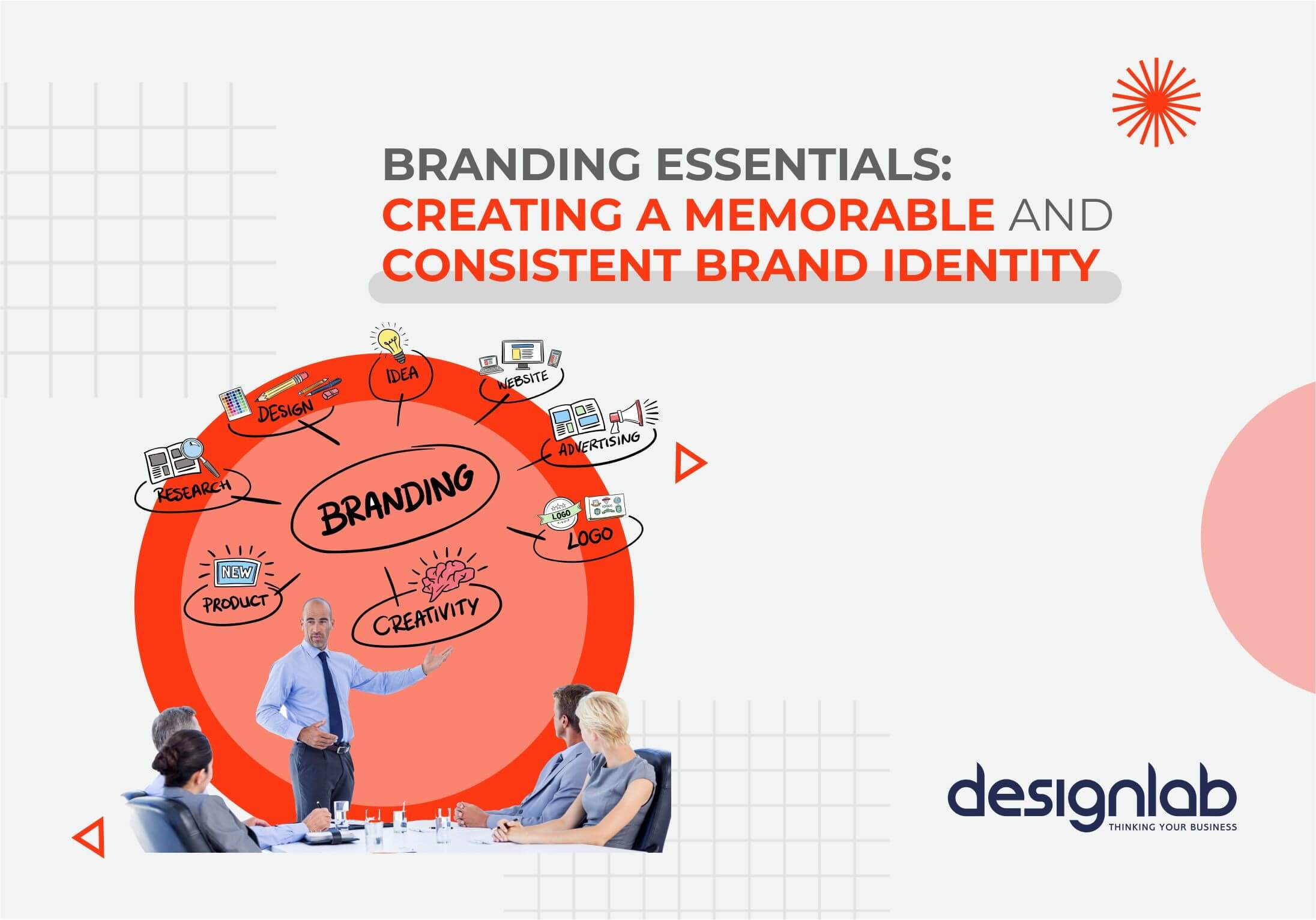
In a crowded marketplace where consumers are constantly bombarded with information and choices, creating a memorable and consistent brand identity is essential to the success of any business. Your brand isn't just a logo or name, it's the essence of your business, the promise you make to your customers, and the emotional connection you establish with them. We'll explore the essential components of branding and provide a comprehensive guide on how to create a memorable and consistent brand identity that sets you apart from the competition.
Understanding Branding
A. What is Branding?
Branding is the process of creating a unique and recognizable image for your business, product, or service in the minds of your target audience. It involves more than just designing a logo or choosing a color scheme. Effective branding includes your business's values, personality, and the way you communicate with customers. It's about creating a unique identity that sets your brand apart from the competition and connects with your customers on a deep, emotional level.
B. Importance of Branding
Branding plays an important role in the success of any business. It fosters trust, encourages customer loyalty, and motivates purchasing decisions. A strong brand can command higher prices for products and services, as customers are often willing to pay more for a brand they trust. Furthermore, it simplifies marketing efforts, as a well-established brand can speak volumes, making it easier to connect with your target audience.
C. Elements of Branding
Effective branding involves several interrelated elements, including:
Logo and Visual Identity: A symbol or design that represents your brand and is usually the first thing people pay attention to.
Color Palette: A set of colors that are associated with your brand and used consistently across all materials.
Typography: A specific set of fonts and typefaces that are used in your branding materials.
Imagery and Photography: The style of images and photography that reflects your brand identity.
Voice and Tone: The way your brand communicates, including the language, style, and tone used in messaging.
Mission and Vision: The purpose and goals of your business.
Values and Culture: The principles and beliefs that your brand stands for.
Target Audience: Your brand is aiming to reach a specific group of people.
Unique Selling Proposition (USP): What differentiates your brand from competitors.
These elements work together to create a cohesive brand identity that connects with your audience and differentiates your business.
Defining Your Brand
Before you can create a memorable and consistent brand identity, you need to clearly define your brand. This includes understanding your mission and vision, values and culture, target audience and unique selling proposition (USP).
A. Mission and Vision
Your brand's mission and vision are the fundamental principles that guide your business. Your mission statement should explain why your business exists, its purpose, and the value it brings to its customers. Your vision statement outlines your long-term goals and the impact you want to make in the future. These statements should be clear, concise, and inspiring.
B. Values and Culture
Your brand values represent the principles and beliefs that drive your business. They should be reflected in every aspect of your brand, from how you treat customers and employees to the products and services you offer. Your brand culture is the shared vision, behaviour, and work ethic that defines your organization. A strong brand culture can create a sense of belonging and purpose among your employees, which is, in turn, reflected in your customer interactions.
C. Target Audience
Understanding your target audience is important for effective branding. Your brand identity should resonate with the people you want to reach. Create detailed customer personas that include demographic information, preferences, pain points, and aspirations. This will help you tailor your branding efforts to your ideal customers.
D. Unique Selling Proposition (USP)
Your USP is what differentiates your brand from the competition. It could be a unique product feature, exceptional customer service, a niche market niche, or anything else that makes your brand unique. Knowing your USP is essential to creating a brand identity that reflects your competitive advantage.
Building a Strong Brand Identity
Once you have a clear understanding of your brand, it's time to create a strong brand identity that resonates with your target audience. This identity will include your logo, color palette, typography, imagery, and voice and tone.
A. Logo and Visual Identity
Your logo is often the first thing people associate with your brand. It should be unique, memorable, and reflective of your brand's personality. A well-designed logo can make a lasting impression and convey your brand's values and culture. When creating or redesigning a logo, consider working with a professional designer who can capture the essence of your brand in a visual symbol.
B. Color Palette
Colors have a powerful psychological impact and play an important role in branding. Choose a color palette that matches your brand's personality and values. Different colors evoke different emotions and associations. For example, blue is regularly associated with trust and reliability, while red can express passion and energy. Make sure your chosen colors are used consistently across all brand materials.
C. Typography
Typography refers to the fonts and typefaces used in your branding material. The right typography can enhance your brand's personality and message. For example, a playful, handwritten font might be appropriate for a brand targeting children, while a sophisticated, serif font might work well for a luxury brand. Maintain consistency in font usage across your marketing collateral.
D. Imagery and Photography
The style of images and photography used in your branding materials should be consistent with your brand identity. Whether it's minimalistic, vibrant, vintage, or modern, your choice of imagery can create a consistent visual language for your brand. Consider creating guidelines for photography and image selection to ensure consistency.
I. Voice and Tone
The voice and tone of your brand dictates how you communicate with your audience. Are you formal and professional, or casual and friendly? Your voice should reflect your brand's personality, while the tone can vary depending on the situation. Create a style guide that outlines the language and communication style to be used in different contexts.
Consistency in Branding
Consistency is a key component of effective branding. This ensures that your brand identity is clear and recognizable across all touchpoints and materials.
A. Brand Guidelines
Brand guidelines serve as a roadmap to maintain consistency in your branding efforts. These guidelines should include instructions on logo usage, color codes, typography rules, imagery guidelines, and voice and tone recommendations. Make sure your team and any external partners follow these guidelines to maintain a cohesive brand identity.
B. Content and Messaging
Your brand's content and messaging should be consistent with its values, culture, and target audience. Create a content strategy that reflects these elements, and consistently apply your brand voice and tone across all marketing materials, from social media posts to blog articles and ads.
C. Customer Experience
Every customer interaction with your brand is an opportunity to strengthen your brand identity. This includes everything from the design of your website to the behaviour of your customer support team. Make sure the customer experience is consistent with your brand's values and culture and leaves a positive impression.
Building Brand Loyalty
Creating a memorable and consistent brand identity goes beyond aesthetics, it's about creating a deep emotional connection with your audience.
A. Emotional Branding
Emotional branding is the practice of connecting with customers on an emotional level. By taking advantage of emotions like happiness, trust, or nostalgia, you can create a stronger bond between your brand and your customers. This can be achieved through storytelling, relatable content and marketing campaigns that evoke emotion.
B. Story
Effective storytelling can differentiate your brand from the competition. Share your brand journey, values and mission with your audience. Use stories to humanise your brand and make it relevant. Customers are more likely to engage with a brand that has a compelling story.
C. Engagement and Community Building
Connecting with your audience and building a community around your brand can strengthen the emotional connection. Use social media, email marketing, and other channels to interact with your customers, hear their feedback, and make them feel like they're part of your brand's journey. Community building can create a sense of belonging and loyalty.
Measuring Brand Success
Measuring brand success is essential to ensure that your branding efforts are succeeding. This includes tracking key performance indicators (KPIs), collecting customer feedback, and conducting brand audits.
A. Key Performance Indicators (KPIs)
KPIs are metrics that help you evaluate the effectiveness of your branding efforts. Some common branding KPIs include brand awareness, brand loyalty, customer satisfaction, and brand equity. Monitor these KPIs regularly to assess your brand's performance and make necessary adjustments.
B. Survey and Feedback
Collecting feedback from your customers is invaluable. Surveys and customer reviews can provide insight into how your audience perceives your brand and where improvements can be made. Pay attention to both quantitative data (ratings and scores) and qualitative feedback (comments and suggestions).
C. Brand Audit
Periodic brand audits can help you assess the consistency of your brand identity and its alignment with your brand's mission and values. These audits can highlight areas where your branding efforts may need improvement or enhancement.
Study the matter
A. Successful Branding Examples
Let's explore some case studies of successful branding:
Apple: Apple's brand is known for its simplicity, innovation, and a loyal customer base. Its sleek logo, minimalist design and consistent messaging reflect the brand's commitment to quality and cutting-edge technology.
Nike: Nike's “Just Do It” slogan, along with its iconic Swoosh logo, has established the brand as a symbol of inspiration and athleticism. It continuously reinforces this message through its marketing campaigns and product offerings.
Coca-Cola: The brand identity of Coca-Cola is synonymous with happiness and togetherness. The brand has successfully created an emotional connection with its audience through heart-touching advertisements and universally recognized logos.
B. Branding Mistakes to Avoid
Learning from the mistakes of others can be just as valuable as studying successful branding. Some common branding mistakes to avoid:
- Inconsistent branding across platforms and content, causing confusion and weakening brand identity.
- Ignoring the importance of a strong online presence and social media engagement in the digital age.
- Failing to adapt and evolve with changing consumer preferences and market trends.
- Ignoring the power of storytelling and emotional branding has resulted in a lack of engagement with the audience.
Conclusion
Creating a memorable and consistent brand identity is an ongoing process that requires dedication, strategic planning, and a deep understanding of your brand's mission, values, and target audience. It's more than just visual elements; It's about establishing a deep emotional connection with your customers. Effective branding can increase brand loyalty, trust and recognition, which will increase customer retention and provide a competitive edge in the market.
Remember that branding is not a one-time effort, This is an ongoing commitment to maintain stability and relevance in an ever-evolving market. By defining your brand, developing a strong brand identity, and staying true to your values, you can create a brand that connects with your audience and stands the test of time.
Design Lab is a website that provides design and development services for websites and web applications. The company is based in Pune, India and offers a range of services including website design, web development, e-commerce solutions and digital marketing services. The website features a portfolio of their past work and provides detailed information about their services and pricing. They also have a blog section where they share useful tips and insights about website design and development. Visitors to the website can request a quotation or contact the company through their contact form.
How to Leverage the Power of Social Media to Boost Sales on Diwali
Diwali, also known as Deepawali, is a popular and widely celebrated Hindu festival that typically lasts for five days and usually falls in October or November, depending on the lunar calendar. It is one of the most important and auspicious festivals in Hinduism and is celebrated by millions of people in India and Hindus around the world. Diwali has various regional and cultural variations, but its central theme is the victory of light over darkness and good over evil.
This festival is known as the “Festival of Lights” as it involves lighting of oil lamps, candles and colourful decorative lights, which are installed in and around homes, temples and public places. It is believed that the light of these lamps symbolizes the victory of light over darkness and the removal of ignorance and the triumph of knowledge.
It is a festival when people come together to share happiness, exchange gifts and illuminate their homes with the warm glow of lamps and candles. For businesses, especially in the retail and e-commerce sectors, Diwali presents an important opportunity to boost sales and connect with a wider audience. In today's time, the power of social media in achieving these goals cannot be underestimated. We will explore various strategies and tips that businesses can use to harness the potential of social media and increase their sales during the Diwali season. We will delve deeper into the scope of social media marketing to provide a comprehensive understanding of its key aspects.
Understanding the Importance of Diwali in India
Before considering strategies, it is important for us to understand the profound significance of Diwali in India. Diwali is not just a festival, it symbolizes the victory of light over darkness, victory of good over evil and knowledge over ignorance. It is celebrated with great enthusiasm throughout the country and has deep cultural and religious significance. Families come together, exchange gifts and decorate their homes with lights, rangoli and colourful decorations. It is time to spread happiness and positivity.
From a business perspective, Diwali is a festival when consumer spending reaches its peak. People shop for new clothes, jewellery, electronics, home decor and more. Gifting is an integral part of celebrations, leading to increased sales of various industries. Taking advantage of this festive spirit through social media can help businesses reach their target audience and significantly increase their sales.
Social Media Marketing: Diwali Special
To truly harness the power of social media for a Diwali sale or any other marketing campaign, it is essential to understand the fundamental concepts of social media marketing. Social media marketing is a subset of digital marketing that involves creating and sharing content on social media platforms to achieve marketing and branding goals. Here are some key aspects of social media marketing:
Platform Selection: Different social media platforms cater to different demographics and user behaviour. The choice of platform depends on your target audience. Some popular platforms include Facebook, Instagram, Twitter, LinkedIn, Pinterest, and TikTok. Platforms like Facebook, Instagram, and Twitter are often preferred for Diwali marketing in India.
Content Strategy: A well-thought-out content strategy is important. Content can include text, images, videos, infographics, and more. For Diwali, visuals play an important role and the content should be in line with the theme of the celebration.
Audience Engagement: Building and engaging with an audience is at the core of social media marketing. Responding quickly to comments, messages, and feedback is essential to growing a community around your brand.
Hashtags and Trends: Strategic use of hashtags can increase the reach of your content. Keep an eye on trending hashtags related to Diwali and include them in your posts. Due to which you will see benefits in the trend.
Advertising: Social media advertising is a paid aspect of social media marketing. Platforms like Facebook and Instagram offer robust advertising options for targeting specific demographics and interests.
Now, let's explore specific strategies to leverage the power of social media for Diwali sales, keeping these key aspects of social media marketing in mind.
Start Early: Create Hype and Anticipation
The key to successful Diwali sales through social media is to start early. Plan your marketing campaigns at least a month or two in advance. Build anticipation among your viewers by inspiring them with sneak peeks, behind-the-scenes content, and countdowns. Use popular social media platforms like Facebook, Instagram, Twitter, and Pinterest to share engaging posts, stories, and videos about your upcoming Diwali offers and promotions.
Starting early can help you establish a strong presence in the minds of your target audience even before the Diwali season begins. This is important because during the festival there is a flood of advertisements and promotions. By starting your campaign early, you can break through the noise and stand out.
Design of Engaging Visual Content
Visual content is king on social media. Create engaging and visually appealing graphics, videos, and banners that capture the festive spirit of Diwali. Use vibrant colors, traditional motifs, and Diwali-themed imagery to capture your audience's attention. Make sure your visual content is mobile-friendly, as a large portion of users access social media on their mobile devices.
The visual appeal of your content can make or break your Diwali campaign. Use professional designers or graphic design software to ensure that your visuals are attractive and in line with the Diwali theme.
Run Diwali-Themed Contests and Giveaways
Contests and giveaways during the Diwali season are a great way to engage your audience and generate excitement around your brand. Organize Diwali-themed contests on social media platforms with attractive prizes like gift vouchers, special discounts, or even free products. Encourage user-generated content by asking participants to share their Diwali decorations, creative ways to celebrate the festival with your products, or their Diwali memories.
Contests can foster a sense of community and engagement with your brand. Users enjoy participating in such activities, and when they do, their friends and followers see it, naturally increasing your brand's reach.
Create Effective Collaboration
Influencer marketing has emerged as a powerful strategy in recent years. Collaborate with social media influencers who align with your brand and target audience. Influencers have established trust and rapport with their followers, and their support can be of vital importance. They can authentically promote your Diwali sales through their channels, by providing reliable and relevant content.
When collaborating with influencers, it is important to select individuals who match your brand values and the spirit of Diwali. Make sure their posts reflect the mood and aesthetic of the festival. Influencers have the ability to significantly increase your reach and engagement.
Use Relevant Hashtags
Hashtags play an important role in increasing the visibility of your content on social media. Create and use Diwali-specific hashtags that are relevant to your products and offers. Popular Diwali hashtags, like #DiwaliSale, #FestiveShopping, and #DiwaliDeals can help users find your posts and promotions. Use these hashtags consistently across your various social media platforms.
Hashtags make your content discoverable for users who are searching for Diwali related content. They can also help your posts trend, further increasing their visibility. However, don't overdo it, use a few selectively relevant hashtags to avoid cluttering your caption.
Offer Special Diwali Discounts and Deals
To attract customers, offer special Diwali discounts and deals. Communicate these offers clearly through your social media channels. Use catchy phrases like “Diwali mega sale,” “limited time offer,” and “biggest Diwali discount” to create a sense of urgency and excitement. Highlight the value proposition of your products and services to encourage purchases.
Diwali is a time when consumers actively look for discounts and deals. If they feel like they're getting a special, limited-time offer, they're more likely to engage with your brand.
Display Product Gifting Ideas
Diwali is all about gifting, and people are constantly searching for unique and thoughtful gift ideas. Use your social media platforms to showcase your products as the best Diwali gifts. Create curated gift guides for different budget ranges and recipient categories (e.g., gifts for family, friends, coworkers). Share engaging stories and images of your products in the context of gifting.
Gifting ideas provide value to your audience, helping them make informed purchasing decisions. It also helps position your products as thoughtful and ideal gifts for the festive season.
Personalise Customer Interactions
Connect with your audience on a personal level. Respond quickly to comments, messages, and feedback. Acknowledge and appreciate your customers for their loyalty. Personalization and the human touch can go a long way in building stronger customer relationships and increasing sales.
Personalized interactions make customers feel valued and appreciated. This helps retain existing customers and can even drive word-of-mouth recommendations.
Implement Social Media Advertising
Consider allocating a portion of your marketing budget to social media advertising during the Diwali season. Platforms like Facebook and Instagram offer robust advertising options for targeting specific demographics and interests. Promote your Diwali sales through sponsored posts and ads to reach a wider audience and get more conversions.
Social media advertising allows you to reach users who are not following your brand's social media accounts. It's a valuable tool for expanding your reach and attracting new customers.
Measure and Analyze Performance
After implementing your Diwali social media strategies, it is essential to measure and analyze the performance of your campaigns. Most social media platforms provide analytics tools to track engagement, reach, conversion rates, and other important metrics. Use this data to evaluate what worked and what didn't, and make necessary adjustments for future campaigns.
Analytics and optimization are critical to the success of your Diwali campaigns. By understanding what your audience liked and what didn't, you can refine your strategies for the upcoming Diwali season.
Conclusion
Leveraging the power of social media to increase sales during Diwali can be a game-changer for your business. With the right strategies and a well-planned approach, you can tap into the festive spirit and connect with your target audience. Get started early, create engaging visual content, run contests, collaborate with influencers, and offer special deals to entice customers. Remember to use relevant hashtags, showcase your products as ideal gifts, and personalise customer interactions.
Social media advertising can further expand your reach, and by measuring and analyzing your performance, you can refine your strategies for future Diwali campaigns. Diwali is a time of celebration and gift-giving, and by effectively leveraging social media, your business can join in the festivities and enjoy increased sales and success. Social media marketing is a powerful tool that, when used strategically, can help you achieve your marketing goals, including increasing sales during festive seasons like Diwali.
ROI Unveiled: How a Marketing Agency Can Supercharge Your Business
In the fast-paced and competitive world of business, every company strives for one thing above all else: success. Success in business often depends on one key metric – return on investment (ROI). Maximizing ROI is the ultimate goal for any business owner or marketer. It is a measure of how effectively you are using your resources to generate profits. Marketing in the digital age plays an important role in achieving this goal.
Marketing isn't just about spreading the word about your business, it's about doing so efficiently, cost-effectively, and with measurable impact. This is where a marketing agency can be your secret weapon. In this extended blog post, we'll explore how a marketing agency can supercharge your business by revealing the secrets of ROI and providing you with the tools and strategies to maximize it.
Understanding ROI in Marketing
Before knowing the benefits of hiring a marketing agency, it is important to have a clear understanding of ROI in the context of marketing.
ROI is a financial metric used to evaluate the return on investment from a particular activity. ROI in marketing measures the profitability of your marketing campaigns and activities. It helps you answer the fundamental question: “Is the money I'm investing in marketing generating more revenue than it costs me?”
The formula to calculate ROI in marketing is:
ROI Formula
Where:
Return on investment refers to the revenue generated from your marketing efforts.
Cost of investment represents the total cost of your marketing activities, including advertising, marketing agency fees and other related expenses.
A positive ROI indicates that your marketing efforts are succeeding, while a negative ROI indicates that you are spending more money than you are earning from your marketing campaigns.
Now, let's learn how a marketing agency can help you not only get positive ROI but also boost the growth of your business.
1. Expertise and Experience
One of the most important benefits of hiring a marketing agency is getting access to a team of experts with years of experience in the field. These professionals have worked on numerous campaigns across various industries and have honed their skills to perfection.
Marketing agencies employ experts in areas such as SEO, social media marketing, content creation, pay-per-click (PPC) advertising, email marketing, etc. These experts understand the intricacies of their respective domains and know how to create and execute strategies that deliver results.
By taking advantage of the expertise and experience of a marketing agency, you can avoid costly mistakes and ensure that your marketing efforts are optimized for maximum ROI. Their insights and knowledge can help you navigate the ever-changing landscape of digital marketing while staying ahead of the competition.
2. Cost Efficiency
Running an in-house marketing team can be expensive. You need to hire and train employees, provide office space, invest in software and tools, and cover employee benefits and salaries. On the other hand, when you hire a marketing agency, you pay for their services on a contract basis, which can often be more cost-effective.
Marketing agencies have already made the necessary investments in technology, software, and personnel. They can spread these costs across multiple customers, making their services more affordable for individual businesses. This cost-efficiency is especially beneficial for small and medium-sized enterprises (SMEs) that want to compete with larger competitors without breaking the bank.
3. Access to State-Of-The-Art Equipment and Technology
The digital marketing landscape is rapidly evolving, with new tools and technologies emerging regularly. Keeping up to date with the latest trends and technologies can be overwhelming for businesses trying to handle marketing in-house. However, marketing agencies make it their business to stay at the forefront of industry trends and tools.
When you hire a marketing agency, you get access to cutting-edge marketing tools and technologies that can streamline your campaigns and improve your ROI. These tools can range from advanced analytics platforms to marketing automation software that allow you to make data-driven decisions and execute highly targeted campaigns.
4. Scalability and Flexibility
Businesses experience fluctuations in marketing needs throughout the year. During peak seasons, you may need more marketing efforts to capitalise on increased demand, while during slow periods, you may want to reduce your marketing activities to reduce costs. Marketing agencies provide flexibility to suit your changing needs.
They can quickly scale up or down your marketing efforts, adjusting strategies and budget as needed. This scalability ensures you're getting the most from your marketing budget, whether you're looking to maximize ROI during the busy holiday season or maintain a steady presence year-round.
5. Data-Driven Decision-Making
Data is at the heart of modern marketing. To maximize ROI, you need to understand your audience, track the performance of your campaigns, and make data-driven decisions. Marketing agencies excel at data analysis, helping you gain valuable insights that can inform your marketing strategies.
They use tools like Google Analytics, social media analytics, and CRM systems to gather data on customer behaviour, engagement, and conversion rates. With this data, they can improve your campaigns, optimize ad spend and target the right audience with the right message at the right time.
6. Creative And Strategic Thinking
Marketing is not just about crunching numbers, it is also about creativity and strategic thinking. Marketing agencies bring a fresh perspective to your business and can develop creative campaigns that resonate with your target audience.
Their creative teams can craft compelling ad copy, design engaging visuals, and create engaging content that grabs the attention of potential customers. Additionally, they can develop a comprehensive marketing strategy that aligns with your business goals and ensures a consistent brand image across all channels.
7. Time Saving
There are many responsibilities involved in running a business, and managing your marketing efforts can be time-consuming. When you hire a marketing agency, you save your valuable time, which you can allocate to other important aspects of your business.
With an agency handling the daily tasks of planning, executing, and monitoring marketing campaigns, you can focus on core business activities like product development, customer service, and strategic planning. This not only increases your overall efficiency but also allows you to make maximum use of your time and resources.
8. Measurable Results and Accountability
Marketing agencies are well aware of the importance of ROI, and they understand that clients expect measurable results. They use various tracking tools and metrics to monitor the performance of your campaigns and provide you with regular reports.
This transparency and accountability is essential to ensure that your marketing efforts are on the right track to deliver a positive ROI. If a campaign is not performing as expected, the agency can quickly adjust strategies to improve results, ensuring that your marketing budget is spent wisely.
9. Access to The Full Marketing Stack
To achieve a comprehensive marketing strategy you often need a combination of different tactics, such as SEO, content marketing, social media advertising, email marketing, and more. A marketing agency typically provides a full stack of marketing services, allowing you to benefit from an integrated approach.
This means that your marketing efforts are synchronized across different channels to create a cohesive brand presence. An integrated marketing strategy ensures that your message is consistent, and your audience has a seamless experience, ultimately leading to better ROI.
10. Competitive Advantage
Having a marketing agency in your corner can give you a significant advantage in today's competitive business landscape. Marketing agencies bring to the table industry insight, competitive analysis, and a deep understanding of market trends.
They can help you identify gaps in your marketing strategy, take advantage of emerging opportunities, and stay ahead of your competitors. By leveraging their expertise, you can position your business as an industry leader and gain a competitive edge that translates into higher ROI.
Conclusion
Marketing is not an option in this digital age, it is a necessity for business success. However, achieving positive ROI from your marketing efforts can be challenging without the right expertise, resources, and strategies. This is where a marketing agency comes in handy.
By hiring a marketing agency, you gain access to a team of experts with abundant experience and knowledge in the field. They bring cost-efficiency, scalability, creativity, and accountability to your marketing efforts, which are critical to maximizing ROI.
Ultimately, it's not just about investing in marketing, it's about investing wisely to ensure that every dollar spent generates a significant return. A marketing agency can help you unlock the full potential of your marketing campaigns and boost the growth of your business. So if you want to take your business to the next level and achieve higher ROI, consider partnering with a marketing agency today. The success of your business may depend on it.
Navigating the Digital Marketing Landscape: Tips from the Pros
In the fast-paced and ever-evolving digital landscape, staying ahead of the curve in digital marketing services can be a daunting task. Strategies that worked yesterday may not be as effective tomorrow, and new trends and technologies are constantly emerging. To help you navigate this dynamic terrain, we've gathered insights and tips from industry experts and professionals who have successfully made their way through the digital marketing jungle.
1: Understanding The Digital Marketing Landscape
Before considering tips and strategies, let's start by gaining a solid understanding of the digital marketing landscape.
A. Development of Digital Marketing
Digital marketing has come a long way since its inception. From basic websites and banner ads, it has evolved into a multifaceted field that includes social media marketing, content marketing, search engine optimization (SEO), email marketing, and more. Understanding this development is important for success.
B. Importance of Data
Data is the lifeblood of digital marketing. It drives decision-making, enables personalization, and provides insight into your audience's behaviour. Invest in data collection and analysis tools to make informed marketing decisions.
C. Multi-Platform Marketing
Your audience is spread across different digital platforms. Effective marketing requires a multi-platform approach including social media, email, content marketing and paid advertising to reach your audience and engage them right there.
2: Creating a Winning Content Strategy
Content is at the heart of digital marketing. Here's how professionals approach content strategy.
A. High Quality, Valuable Ingredients
Create content that provides real value to your audience. High quality content builds trust, authority, and brand loyalty.
B. Consistency is Key
Consistency in content creation and posting schedule helps maintain audience engagement and keeps your brand top of mind.
C. Embrace Video Content
Video is a powerful medium to attract audiences. Incorporate video content into your strategy, whether it's on social media, YouTube, or your website.
3: Mastering Social Media Marketing
Social media is a dynamic field that requires constant adaptation. Here's how professionals excel in this field.
A. Audience Research
Deeply understand your target audience, including their preferences, behaviour, and pain points. Tailor your social media content to them.
B. Telling a Story
Use storytelling techniques to create compelling narratives that engage your audience emotionally. Stories are memorable and shareable.
C. Consistent Branding
Maintain a consistent brand voice, visual identity and messaging across all social media platforms to build brand identity and trust.
4: Optimization for Search Engines (SEO)
SEO is the cornerstone of digital marketing. Learn how experts maximise their SEO efforts.
A. Keyword Research
In-depth keyword research is essential. Understand what keywords your audience uses and optimize your content accordingly.
B. User Experience
A user-friendly website and mobile experience improves rankings and reduces bounce rates. Ensure fast loading times and mobile responsiveness.
C. Backlink Building
Quality backlinks from reputable websites signal authority to search engines. Focus on building natural and relevant backlinks.
5: Harnessing the Power of Email Marketing
Email marketing remains a highly effective tool. Here's how the pros get the most out of it.
A. Partition
Segment your email list to send personalized, relevant content to different audience segments. Personalization drives engagement and conversion.
B. Automation
Use email marketing automation to send targeted messages at the right time, improving efficiency and effectiveness.
C. A/B Testing
Constantly test different elements of your emails, like the subject line, content, and CTAs, to optimize open rates and conversions.
6: Paid Advertising Strategies
Paid advertising can deliver quick results when done correctly. Learn how professionals approach paid advertising.
A. Audience Targeting
Take advantage of the wide audience targeting options offered by platforms like Google Ads and Facebook Ads to deliver your ads to the right people.
B. Ad Copy and Design
Create compelling ad copy and visually appealing designs that capture attention and drive clicks.
C. Conversion Tracking
Implement conversion tracking to measure the ROI of your ad campaigns. This data helps refine your strategy and allocate budget effectively.
7: Analytics and Data-Driven Decision-Making
Data is the compass that guides digital marketing success. Learn how professionals use data.
A. Goal Setting
Set clear, measurable goals for your digital marketing campaigns. Goals provide you with standards for success.
B. Routine Analysis
Continually analyze campaign data to identify what is working and what needs improvement. Adjust your strategies accordingly.
C. Testing and Optimization
A/B testing and continuous optimization are essential to improving campaign performance over time.
8: Staying Ahead of Emerging Trends
The digital marketing landscape is always evolving. Keep your finger on the pulse with these tips.
A. Continuous Learning
Invest in ongoing education to stay updated on the latest trends, tools, and techniques in digital marketing.
B. Adaptability
Be prepared to change your strategy if necessary. Adaptability is important when unexpected changes occur.
C. Collaboration
Collaborate with peers and industry experts to exchange ideas and stay informed about emerging trends.
9: Case Studies from Digital Marketing Professionals
Real-world examples show how to implement these tips and strategies. Find success stories and get inspired.
A: The Triumph of Social Media
Learn how one small startup used creative social media marketing to grow its loyal following and achieve rapid growth.
B: SEO Mastery
Learn how one local business harnessed the power of SEO to dominate search engine rankings and attract a flood of organic traffic.
C: Email Marketing Excellence
Learn how a well-crafted email marketing campaign caused an e-commerce store's sales to skyrocket.
10: Putting It All Together
In the final chapter, we provide a step-by-step guide to creating a comprehensive digital marketing strategy that includes all the tips and strategies from the professionals.
11: Leveraging Influencer Marketing
Influencer marketing is a strategy that is steadily gaining popularity in the digital marketing landscape. Here's how the pros make the most of it.
A. Identifying The Right Influencers
Select influencers whose audience aligns with your target demographic. Do thorough research to ensure authenticity and relevance.
B. Authentic Partnerships
Encourage influencers to create original content that resonates with their audience. Authenticity builds trust and credibility.
C. Measuring ROI
Use tracking links, discount codes or unique landing pages to measure the impact of influencer campaigns. Analyze data to refine future partnerships.
12: Mobile-First Marketing
Mobile devices have become an integral part of our lives, and marketing has to adapt accordingly.
A. Mobile-Responsive Design
Make sure your website and emails are optimized for mobile devices. A poor mobile experience can drive users away.
B. Mobile Apps
Consider developing a mobile app to connect with your audience more directly. Apps can provide exclusive content and personalized experiences.
C. Geolocation Targeting
Leverage geolocation data to provide users with location-specific offers and content that will increase relevance.
13: Storytelling in Marketing
Storytelling is a powerful tool for creating an emotional connection with your audience.
A. Creating a Compelling Narrative
Tell stories that align with your brand's values and your audience's aspirations. Incorporate emotion to make a lasting impact.
B. Visual Storytelling
Incorporate visual elements like images, videos, and infographics to enhance your storytelling efforts.
C. User-Generated Content
Encourage your customers to share their stories and experiences with your brand. User-generated content adds authenticity to your narrative.
14: Building Trust and Credibility
Trust is an important currency in digital marketing. Learn how professionals install and maintain it.
A. Transparency
Be transparent about your products, services, and business practices. Openness builds trust with your audience.
B. Reviews and Testimonials
Encourage satisfied customers to leave reviews and testimonials. Positive feedback can influence potential customers.
C. Authority Positioning
Establish yourself as an authority in your industry through thought leadership, educational content, and expert contributions.
15: International and Multilingual Marketing
Expanding our reach to international markets requires a thoughtful approach.
A. Market Research
Do thorough research on the cultural and linguistic nuances of your target markets. Tailor your marketing efforts accordingly.
B. Localization
Localize your content, websites, and marketing campaigns to connect with local audiences.
C. Multilingual SEO
Implement multilingual SEO strategies to improve your visibility in search engines in different languages and regions.
16: Crisis Management in the Digital Age
In the age of social media, crises can escalate rapidly. Professionals are well-prepared to deal with such situations.
A. Quick Response
Create a crisis management plan. Respond quickly and transparently to resolve issues and minimise damage.
B. Social Listening
Monitor social media channels and news outlets to stay ahead of potential crises. Early detection can prevent the condition from progressing.
C. Post-crisis analysis
After resolving a crisis, conduct a thorough analysis to understand what went wrong and how to prevent similar problems in the future.
17: Measuring ROI and KPIs
Effective measurement is essential to assessing the success of your digital marketing efforts.
A. Key Performance Indicators (KPIs)
Identify and track KPIs that align with your goals, such as website traffic, conversion rates, and revenue generated.
B. Analytics Tools
Use powerful analytics tools like Google Analytics, Facebook Insights, and email marketing analytics to gain insight into your campaigns.
C. Attribution Modelling
Apply attribution models to understand the contribution of each marketing channel to conversions and ROI.
18: Future Trends in Digital Marketing
As we look ahead, it is essential to stay informed about the emerging trends that will shape the future of digital marketing.
A. Artificial Intelligence (AI)
AI-powered marketing automation, chatbots, and personalization will continue to revolutionise digital marketing.
B. Voice Search
Optimize your content for voice search as more users turn to voice-activated devices like smart speakers and virtual assistants.
C. Augmented Reality (AR) and Virtual Reality (VR)
Find out how AR and VR can deliver immersive marketing experiences, especially in e-commerce and retail.
19: Maintaining Success
Achieving success in digital marketing is an important milestone, but maintaining it requires sustained effort.
A. Adaptation
Remain adaptable and responsive to changes in the digital landscape. Be prepared to move around if necessary.
B. Continuous Learning
Invest in your team's skills and knowledge through training and education programs.
C. Networking
Build and nurture professional relationships within the industry. Networking can lead to collaboration and new insights.
Conclusion
Navigating the digital marketing landscape is an ongoing journey. By following the advice of industry experts and professionals, you can arm yourself with the tools and strategies needed to thrive in this ever-evolving field. Remember that success in digital marketing often comes from a combination of creativity, data-driven decision-making, and a deep understanding of your audience. As you apply these tips and strategies to your digital marketing efforts, stay curious, stay agile, and embrace the exciting opportunities that the digital world is constantly offering.
From Data to Dollars - Navigating the Marketing Landscape with Our Agency
In today's hyper-competitive business landscape, marketing has evolved into a data-driven science more than ever. Every digital footprint, every click, every social media interaction generates a wealth of information that savvy marketers can use to drive results. As a leading marketing agency, we understand the transformative power of data, and we are here to guide you in the journey from data to dollars.
Data Revolution in Marketing
Marketing used to rely heavily on intuition and creativity. While these elements still play an important role, they are now based on a deeper understanding of the data. The digital age has ushered in an abundance of information that can be used to create highly targeted and effective marketing campaigns.
Rise of Big Data
Big data has become the backbone of modern marketing. The term refers to the vast amounts of structured and unstructured data generated every day. This includes customer interactions on websites, social media posts, emails, and more. Using this data can provide valuable insights into customer behaviour and preferences.
Marketing Automation
Marketing automation tools have made it easier than ever to collect, analyze, and act on data. These tools enable businesses to streamline their marketing efforts, sending personalized messages to the right audience at the right time.
Personalization and Customer Journey Mapping
Data allows marketers to create highly personalized experiences for customers. By understanding the customer journey, from awareness to conversion, marketers can optimize their messaging and content at each stage, increasing the likelihood of conversion.
Our Data-Driven Approach
At our agency, data is at the core of everything we do. We have developed a comprehensive approach that takes clients from data analysis to actionable insights and ultimately to increased revenue.
Data Collection
The first step in our process is data collection. We work with our clients to identify all available data sources, from website analytics to CRM systems. We ensure that data is collected in a structured and systematic manner to facilitate analysis.
Data Analysis
Once the data is collected, our team of data analysts gets to work. We use advanced analytics techniques to uncover hidden insights like customer segmentation, purchasing patterns and conversion funnels.
Strategy Development
With a deep understanding of data, we develop data-driven marketing strategies tailored to each client's goals. This strategy involves specific tactics and campaigns designed to drive results.
Execution
Once the strategy is created, our marketing team executes the campaigns. We use marketing automation tools to deliver personalized messages to the right audience at the right time. Our team constantly monitors and adjusts campaigns to ensure they are delivering the desired results.
Measurement and Optimization
The data doesn't stop at the implementation stage. We continue to collect and analyze data throughout the campaign lifecycle. This allows us to make adjustments in real-time to optimize performance and maximize ROI.
Case Study: How Data Driven Dollars
To illustrate the power of our data-driven approach, let's take a look at a real-world case study.
Customer Background
Our client, a medium-sized e-commerce retailer, was struggling to compete in a crowded marketplace. They had a loyal customer base but were looking to expand their reach and increase revenue.
Data Analysis
We started by analyzing existing customer data. This included website traffic, customer purchase history, and email marketing performance. Our analysis revealed several key insights:
Customer Segmentation: We identified different customer segments based on their purchasing behaviour and demographics.
Abandoned Carts: We discovered a high rate of abandoned shopping carts on the website.
Email Engagement: We found that some email campaigns were performing better than others in terms of click-through and conversion rates.
Strategy Development
Armed with these insights, we developed a data-driven strategy:
Customer Segmentation: We created highly targeted email campaigns for each customer segment, tailoring product recommendations and messages to their preferences.
Cart Recovery: We've implemented an automated cart recovery email series to remind customers of their abandoned carts and encourage them to complete their purchase.
Email Optimization: We optimized email content and timing based on our data analysis, increasing engagement and conversion rates.
Execution
We executed the strategy for several months, continuously monitoring performance and making adjustments based on real-time data.
Result
The results were impressive:
Revenue Growth: The client saw a 30% increase in revenue during the campaign.
Cart Recovery: The cart recovery email series led to a 20% reduction in abandoned carts and a 15% increase in cart conversions.
Email Engagement: Email engagement rates improved by 25%, which increased conversion rates.
This case study explains how data can be leveraged to achieve tangible results. By understanding customer behaviour and tailoring marketing efforts accordingly, our agency was able to convert data into dollars for our client.
Importance of Data Privacy
Although data is a powerful tool in marketing, it must be handled responsibly. Data privacy is an important issue, with consumers concerned about how their data is collected and used.
Compliance With Regulations
Our agency takes data privacy seriously and ensures compliance with all relevant regulations such as GDPR and CCPA. We work closely with our customers to establish transparent data collection and use policies.
Ethical Data Use
Ethical data use is not just a legal requirement; It is also a moral imperative. We are committed to using data in ways that respect the privacy and rights of individuals.
Transparency With Customers
We believe in transparency with customers regarding data collection and use. Building trust is essential in today's digital age, and being open about data practices is an important step in that direction.
The Future of Data-Driven Marketing
The world of data-driven marketing is constantly evolving. As technology advances and consumer behaviour changes, marketers must adapt and innovate to stay ahead. Here are some of the key trends shaping the future of data-driven marketing:
Artificial Intelligence and Machine Learning
AI and machine learning are revolutionizing marketing. These technologies can analyze large amounts of data in real time, making more accurate predictions and personalized marketing efforts possible.
Predictive Analytics
Predictive analytics uses historical data to predict future trends and behaviours. This allows marketers to be proactive rather than reactive and adapt their strategies based on predictive insights.
Customer Experience
Customer experience is becoming the central focus of data-driven marketing. By understanding every touchpoint in the customer journey, marketers can create seamless and personalized experiences that drive loyalty and revenue.
Privacy-First Marketing
As concerns about data privacy grow, marketers will need to adopt a privacy-first approach. This means giving consumers more control over their data and being transparent about how it is used.
Integration of Offline and Online Data
The lines between offline and online data are blurring. Marketers will need to integrate data from both sources to create a holistic view of the customer.
Conclusion
In today's marketing landscape, data is the currency that drives success. From understanding customer behaviour to optimizing campaigns in real-time, data is at the heart of everything we do at our agency. We've seen firsthand how data can be turned into dollars, and we're committed to helping our clients navigate the data-driven marketing landscape to achieve their goals. If you're ready to harness the power of data and take your marketing efforts to the next level, contact us today. Together, we will turn data into dollars and propel your business into the digital age.
Email Marketing Essentials: How to Connect with Your Audience
In an age where social media, chat apps, and other communication channels dominate, email marketing may seem like a relic of the past. However, this couldn't be further from the truth. Email marketing is one of the most powerful tools in a marketer's arsenal, providing a direct line of communication to your audience. When done correctly, email marketing can help you connect with your audience in a meaningful way, increase engagement, build relationships, and ultimately increase your profits.
We'll explore the essential elements of email marketing that can help you connect with your audience effectively. From building your email list to creating engaging content and measuring your success, we'll cover it all. By the end of this post, you'll have a clear understanding of how to leverage email marketing to foster connections that drive business growth.
1. Building a High Quality Email List
A. Understanding Your Target Audience
The foundation of effective email marketing lies in understanding your audience. Before you can connect with them, you need to know who they are, what they're interested in, and what problems they're trying to solve. Conduct thorough audience research to create buyer personas that represent your ideal customers. This will help you tailor your email content to their needs and preferences.
B. Create Opt-in Opportunities
Spamming people's inboxes with unwanted emails is a surefire way to alienate potential customers. Instead, focus on creating opt-in opportunities. Encourage website visitors to subscribe to your emails by offering valuable incentives like e-books, discounts, or special access to content. Make sure your subscription forms are easy to find and use, and be transparent about what customers can expect to receive.
C. Implementing Segmentation Strategies
Not all email subscribers are the same, so don't treat them that way. Implement segmentation strategies to break your email list into smaller, more targeted groups based on factors like demographics, behaviour, and interests. This allows you to send highly relevant content to each segment, increasing the likelihood of engagement and conversion.
D. Maintain Inventory Cleanliness
Over time, your email list may accumulate inactive or invalid email addresses. It is important to keep your list clean to maintain high deliverability rates and avoid spam complaints. Clean up your list regularly by removing bounce emails and unsubscribing. Additionally, use email validation tools to identify and remove invalid addresses.
2. Creating Compelling Email Content
A. Power of Personalization
Personalization is one of the most effective ways to connect with your audience. When customers receive emails tailored to their interests and preferences, they are more likely to engage with your content. Use data from your email list, such as purchase history and browsing behaviour, to personalise your emails. Address customers by name and create content that speaks directly to their needs.
B. Writing Catchy Subject Lines
Your email subject line is the first thing customers see, and it plays a key role in whether they open your email or send it straight to the trash. Create compelling subject lines that pique curiosity, create urgency, or offer a solution to a problem. A/B test different subject lines to find out what your audience likes the most.
C. Mastering Email Copywriting
Effective email copywriting is an art that involves delivering a clear and persuasive message within a limited space. Keep your emails concise, use a conversational tone, and focus on the benefits of your product or service. Use storytelling to engage your audience and make them feel connected to your brand.
D. Taking Advantage of Multimedia
Don't limit your emails to plain text. Include multimedia elements like images, videos, and GIFs to make your emails more attractive and engaging. Visual content can convey information more effectively and capture customers' attention.
E. Mobile Optimization
Since most emails are opened on mobile devices, it is important to optimize your emails for mobile users. Make sure your emails are responsive, and the content is easy to read and interact with on small screens. Test your emails on different mobile devices and email clients to ensure compatibility.
3. Designing Visually Appealing Emails
A. Choosing the Right Email Template
The design of your emails should reflect your brand identity and be consistent with your website and other marketing materials. Choose email templates that match your brand's colors, fonts, and style. Most email marketing platforms offer customizable templates that make it easy to create professional-looking emails.
B. Brand Consistency
Consistency in branding helps build recognition and trust among your audience. Make sure your emails are consistent with your other marketing channels in design, tone, and messaging. Use your logo and brand colors prominently, and maintain a consistent voice throughout your emails.
C. Attractive Images and Graphics
Visual elements can make your emails more appealing and help communicate your message effectively. Use high quality images and graphics that are relevant to your content. Avoid using too many images, as this can slow down load times and lead to a cluttered appearance.
D. Responsive Design
As mentioned earlier, responsive design is essential to ensuring that your emails look good and work well on mobile devices. Test your emails on different screen sizes and orientations to make sure they adapt seamlessly to different devices.
E. Accessibility Considerations
Email accessibility is often overlooked, but it is important to ensure that all recipients can access and understand your content. Use alt text for images, provide clear and concise text descriptions for links, and use legible fonts and font sizes. Make sure your emails can be navigated and understood using a screen reader.
4. Effective Email Automation
A. Welcome Series
A well-crafted welcome email series is an excellent opportunity to make a positive first impression and establish relationships with new customers. Use automation to send a series of emails that introduce your brand, provide value, and guide customers through their journey with your company.
B. Drip Campaign
Drip campaigns allow you to send a series of targeted emails over time, nurturing leads and guiding them through the sales funnel. Segment your audience and create drip campaigns that deliver relevant content and offers based on each recipient's stage in the customer journey.
C. Abandoned Cart Email
Cart abandonment is a common challenge for e-commerce businesses. Automate abandoned cart email sequences to remind potential customers of the items they left and provide incentives to complete their purchase.
D. Re-Engagement Campaign
Over time, some customers may become disengaged or inactive. Implement re-engagement campaigns to win back these customers by offering special promotions or asking for feedback. If they don't respond, consider removing them from your list to maintain list quality.
E. Behavior Trigger Email
Take advantage of behavioural triggers to send automated emails based on specific actions or interactions with your brand. For example, you can send thank-you emails after a purchase, ask for reviews, or provide personalized product recommendations based on browsing history.
5. Measuring Success and Adaptation
A. Key Email Marketing Metrics
To assess the effectiveness of your email marketing efforts, you need to track key metrics. Some essential metrics include open rate, click-through rate, conversion rate, bounce rate, and unsubscribe rate. Analyze these metrics to understand how your emails are performing and identify areas for improvement.
B. A/B Testing
A/B testing involves sending two versions of an email to different segments of your audience to determine which one performs better. Test different elements, such as subject lines, email copy, images, and calls to action, to continually optimize your email campaigns.
C. Email Performance Analysis
Regularly review and analyze the performance of your email campaigns. Look for patterns and trends in your data and use these insights to refine your email marketing strategy. Identify what type of content resonates most with your audience and adjust your future campaigns accordingly.
D. Continuous Improvement
Email marketing is a continuous process of improvement. Use the data collected to refine your strategies, experiment with new approaches, and adapt to changing consumer behaviour and preferences. The more you learn from your email campaigns, the better you will be able to connect with your audience.
E. Compliance and Data Privacy
Make sure your email marketing practices comply with relevant regulations, such as the General Data Protection Regulation (GDPR) and the CAN-SPAM Act. Get clear consent from customers, provide clear opt-out options, and handle personal data securely. Non-compliance can lead to legal consequences and damage your brand's reputation.
Conclusion
Email marketing remains a powerful tool for connecting with your audience in today's digital landscape. By building a high-quality email list, creating compelling content, designing visually appealing emails, implementing effective automation, and continually measuring and optimizing your campaigns, you can foster meaningful relationships with your subscribers. Remember that email marketing isn't just about selling; It's about building relationships, providing value, and earning the trust of your audience. When done right, email marketing can be the cornerstone of your marketing strategy, driving engagement, loyalty, and growth for your business.
The Evolution of Logo Design Trends - Past Present and Future
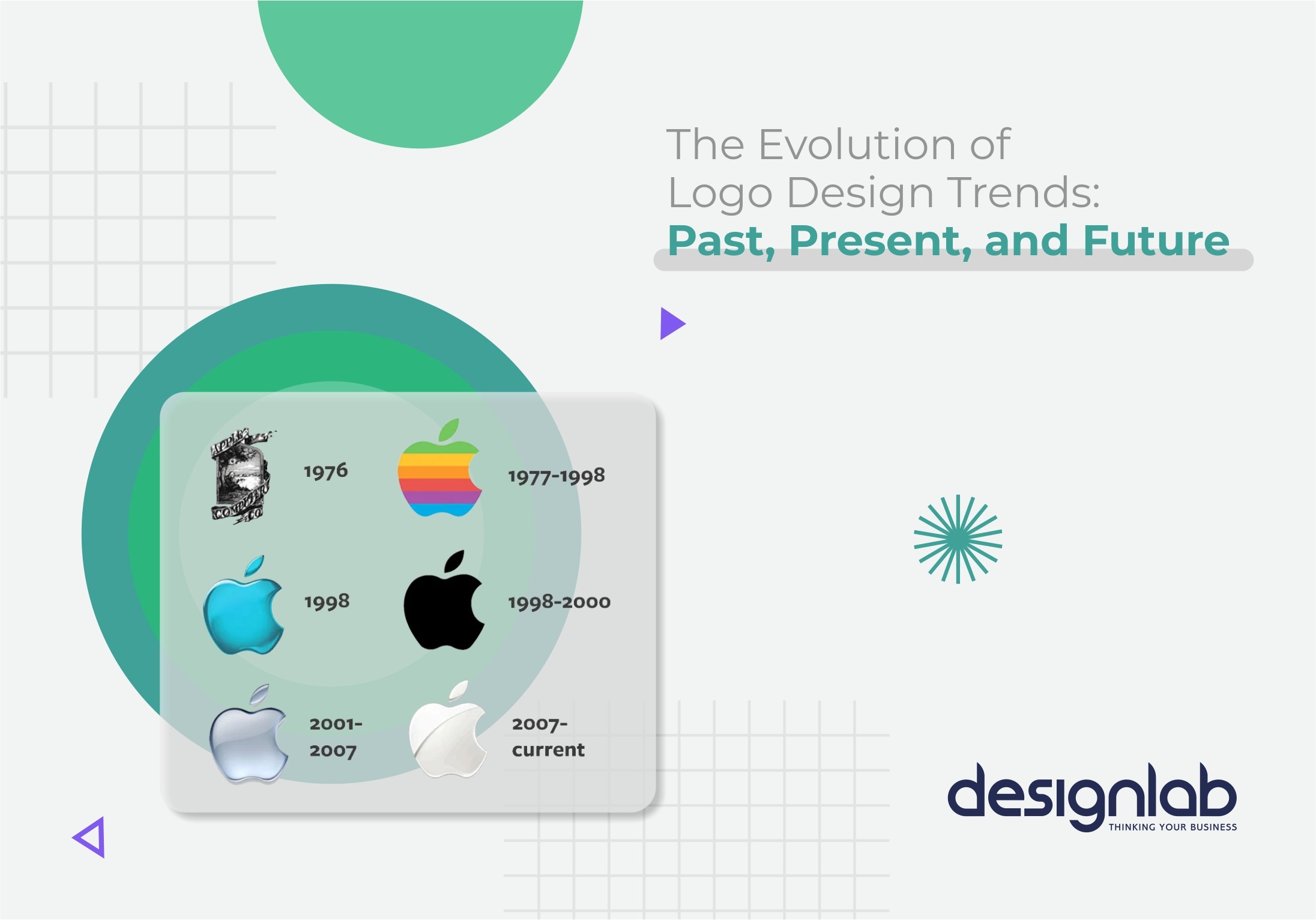
The logo design trend has come a long way since its inception. We'll delve into the fascinating journey of logo design trends, from their humble beginnings to where they are today, and even what the future holds. Whether you are a business owner, a designer, or simply curious about design development.
Logo design is the process of creating a visual representation that uniquely identifies a brand, company, product, or organization. It is an important aspect of branding and marketing, as a logo serves as a visual symbol that helps consumers and the general public to recognize and remember a specific entity. A well-designed logo can express the essence of a brand, evoke certain emotions and differentiate it from competitors. It is essentially the "face" of the brand in the visual world.
A) Past: Simplicity and identity
Logo Opening Day
Logos, in their simplest forms, began as mere symbols representing businesses and their merchandise. Ancient civilizations used pictorial representations to represent their services or products. These early logos were basic, often relying on symbols that were easily recognizable and closely associated with the business.
Rise of Typography
As society evolved, so did logo design. The Industrial Revolution gave rise to the use of typography, which helped businesses to display their names prominently. Brands such as Coca-Cola began using distinctive typography to build brand identity.
Birth of Modernism
The early 20th century saw the birth of modernism, a design movement that embraced simplicity and minimalism. Logos became cleaner, leaving out unnecessary details and focusing on geometric shapes and thick lines. Companies such as IBM adopted this approach, setting the stage for the minimalist design revolution.
B) Present: Versatility and the Art of Storytelling
Minimalism Meets Versatility
Contemporary logo design trends embrace minimalism, but with a twist. Versatility has become important as the logo needs to adapt to different platforms and sizes. Logos like Apple are instantly recognizable, whether on a tiny smartphone screen or a large billboard.
Storytelling Through Symbols
Today's logos are often complex narratives summarized in a single image. Companies use symbols and signs to tell stories about their values, mission and products. Think of the Amazon logo, where the arrow points from "A" to "Z", indicating their huge product range.
Color Psychology and Emotional Appeal
Color plays an important role in modern logo design services. Brands carefully select colors based on psychological research to evoke specific emotions. Green symbolizes nature and health, while red is associated with energy and passion. The color palette adds an extra layer of meaning to the logo.
C) Future: Dynamic and Interactive
Dynamic Logo for The Digital Age
With the rise of digital platforms, logos are becoming more dynamic. Imagine a logo that changes its appearance based on user interaction or seasonal changes. Dynamic logos create memorable experiences, fostering deeper connections with consumers.
AI and The Impact of Generative Design
Artificial intelligence is set to revolutionise logo design. AI algorithms can analyze a company's brand identity and create a logo that matches its essence. This personalized touch ensures exclusivity while saving time and resources.
Interactive Branding in Virtual Realities
As virtual reality becomes more mainstream, logo design will expand to a wider range of environments. Brands can create interactive logos that users can manipulate in the virtual space, making branding a truly engaging experience.
Conclusion
The evolution of logo design trends has been a captivating journey through time. From simple symbols to complex narratives, logos have turned into powerful tools for brand communication. As technology progresses, we can only look forward to more exciting changes in the field of logo design.
If you are also looking for an agency for your company's logo design, then DesignLab is the best logo design agency in Pune, which gives you a logo design according to your brand. Visit our website today for a free consultation from us.
Exploring the Role of AI in Enhancing Digital Services
Artificial Intelligence (AI) plays an important role in enhancing digital services. Through AI, technology mimics human intelligence, leading to personalized user experience, streamlined operations, and improved efficiency across various sectors. AI-powered chatbots enhance customer support by providing instant solutions 24/7. In e-commerce, AI analyzes user preferences, making the shopping experience more engaging and customized. Data security is boosted by AI's ability to detect breaches, while healthcare benefits from remote diagnosis and personalized treatment plans. AI assists in content creation and learning, providing a tailored learning experience. However, ethical considerations such as bias and transparency must be taken into account. AI is revolutionizing digital services, reshaping industries and improving user interactions.
In a world where technology is developing at an astonishing pace, the digital services sector has undergone a remarkable transformation. One of the most important contributors to this development is Artificial Intelligence (AI). In this article, we will discuss the fascinating role AI can play in enhancing digital services, revolutionizing the way we interact with technology, and improving our daily lives. Let's embark on this journey of discovery and discover the incredible ways AI is shaping our digital world.
1. Introduction to AI and Digital Services
You open your favorite app, and it seems to understand your preferences better than your closest friend. This magic is powered by AI, a technology that enables computers to mimic human intelligence. The integration of AI into digital services has ushered in a new era of convenience and efficiency in how we interact with technology on a daily basis.
2. How AI personalised user experiences
Have you ever wondered how streaming platforms recommend movies that suit your tastes? AI analyzes your past preferences to create a personalized playlist. This level of personalization is a game-changer for businesses as well. AI examines user behaviour, patterns and preferences, allowing companies to deliver personalized experiences ranging from product recommendations to targeted ads.
3. AI-Powered Automation: Streamlining Operations
Remember the days of waiting in long lines? AI has revolutionised the way businesses operate. Through automation, routine tasks are handled seamlessly, freeing up human resources to focus on creative and strategic efforts. It not only enhances efficiency but also paves the way for innovation that differentiates businesses in today's competitive landscape.
4. Enhancing Customer Support with AI
"Hello, how may I help you today?" That friendly chat window on a website just might be AI-powered. AI-powered chatbots can provide quick responses and solutions, increasing customer support efficiency. They are available 24/7, ensuring that customer queries never go unanswered. This results in happier customers and more streamlined support processes.
5. AI in E-Commerce: The Future of Shopping
The online shopping experience has changed with AI. It analyzes your preferences and behaviour to recommend products that suit your preferences. Virtual try-ons, personalized ads and even AI-generated fashion designs are pushing the limits of our online shopping, making it more engaging and enjoyable.
6. Data Security and Privacy in the AI Age
As our lives become more intertwined with AI, concerns about data security and privacy are natural. AI itself is playing a role in addressing these concerns by detecting anomalies and potential breaches faster than any human can. Striking a balance between the benefits of AI and the security of sensitive data is a challenge that requires continuous innovation.
7. Transforming Healthcare: AI in Telemedicine
Imagine consulting a doctor without leaving your home. AI is making this a reality through telemedicine. It enables remote diagnosis, personalized treatment plans and even predicts disease outbreaks based on data patterns. AI is expanding healthcare access beyond geographic boundaries, bringing medical expertise to your fingertips.
8. AI and Content Creation: A Creative Collaboration
Can AI be creative? The answer is a resounding yes. AI algorithms are now capable of generating content ranging from articles to musical compositions. While AI-assisted content creation is on the rise, it is important to remember that human creativity remains unique. AI complements our creativity, helping us achieve more and explore new horizons.
9. AI in Education: A Customized Learning Experience
Education is going through a revolution with AI. Personalized learning paths, adaptive quizzes, and intelligent tutoring systems tailor education to the needs of the individual student. AI empowers teachers by providing insight into student progress, enabling them to fine-tune their teaching methods for optimal results.
10. Ethical Implications of AI in Digital Services
With great power comes great responsibility. The integration of AI into digital services raises ethical questions. How do we ensure transparency in decision-making algorithms? Can AI perpetuate favouritism? Tackling these ethical dilemmas requires collaboration between technologists, policy makers and society at large to ensure that AI benefits everyone.
Conclusion: The Future of AI and Digital Services
In the grand tapestry of technological progress, AI emerges as a major thread weaving through the landscape of digital services. Its ability to personalise experiences, streamline operations and revolutionise various sectors is reshaping our world. As we look to the future, embracing the possibilities of AI while addressing its challenges will determine how we harness its power for the good of humanity.
The role of AI in enhancing digital services is a journey that opens up new possibilities every day. As technology advances, our partnership with AI promises a future where convenience, personalization and efficiency come together to redefine the way we experience the digital world.
FAQs About AI and Digital Services
Q1: What exactly is AI, and how does it relate to digital services?
Answer: AI, or Artificial Intelligence, refers to the simulation of human intelligence in computers. Its integration into digital services enhances user experiences, personalised interactions, and automates various tasks.
Q2: Can AI replace human creativity in content creation?
Answer: While AI can assist in content creation, human creativity remains irreplaceable. AI complements human creativity by generating ideas and content, but the human touch adds uniqueness and emotional depth.
Q3: Is AI secure for handling sensitive data in digital services?
Answer: AI can enhance data security by detecting anomalies and potential breaches. However, maintaining security also requires strong encryption practices and adherence to privacy regulations.
Q4: How is AI influencing the healthcare sector?
Answer: AI is transforming healthcare through telemedicine, remote diagnosis, predictive analytics, and personalized treatment plans. It extends medical expertise beyond traditional boundaries.
Q5: What are the key challenges in integrating AI ethically?
Answer: Ethical challenges include transparency in AI decision-making, addressing biases in algorithms, and ensuring that AI benefits all segments of society without causing harm.
Digital Marketing is Ethical or Not
In the era of technology-driven communication and commerce, digital marketing has emerged as a powerful tool for businesses to connect with their target audiences and drive growth. However, with its undeniable benefits, a controversial question arises whether digital marketing is ethical? The digital landscape is fraught with complexities that challenge traditional ethical norms and demand critical scrutiny of its practices. This article throws light upon the multifaceted dimensions of digital marketing ethics, exploring its positive aspects as well as potential pitfalls that raise ethical concerns.
1. Positive Aspects of Digital Marketing Ethics
Digital marketing, when practised responsibly, can yield positive results that are consistent with ethical standards:
A. Transparency and Honesty:
Effective digital marketing depends on open communication and transparency. Ethical marketers provide accurate information about products and services, thereby increasing customer confidence. Transparency develops long-term relationships and has a positive impact on brand reputation.
B. Targeted Advertising:
Precise audience targeting reduces wasted resources and enhances user experience. Customized ads present products and services that exactly meet users' needs, reducing annoyance and promoting greater ethical engagement.
C. Accessibility and Inclusivity:
Digital platforms provide businesses with an opportunity to reach a wider audience, including persons with disabilities. Ethical digital marketing involves creating accessible content and ensuring inclusivity, enabling equal access for all.
2. The Gray Area: Balancing Profits and Ethics
While digital marketing offers potential benefits, there are also areas where ethical considerations become more complex:
A. Data Privacy and Consent:
The collection and use of user data raises ethical concerns. Marketers must walk the fine line between personalization and privacy infringement. Respecting users' consent and protecting their data is critical to maintaining ethical integrity.
B. Manipulative Techniques:
Some digital marketing practices, such as clickbait and persuasive design, border on manipulation. Although these tactics may provide short-term benefits, they can erode trust and damage a brand's reputation in the long run.
C. Cultural Sensitivity:
In a global digital landscape, cultural nuances must be considered to avoid unintentional offence or insensitivity. Ethical marketers engage in cross-cultural research and adapt their strategies to respect diverse beliefs and values.
3. The Dark Side: Unveiling Unethical Digital Marketing
Despite the potential for positive impact, digital marketing is not devoid of unethical practices:
A. Misleading Advertising:
False promises, misleading claims and fake reviews undermine consumer trust. Unethical advertisers prioritize immediate profit over long-term customer relationships, ultimately damaging the credibility of both individuals and the industry.
B. Exploitation of Vulnerable Audience:
Unethical marketers may target vulnerable groups, such as children or persons with drug tendencies. Exploiting these vulnerabilities for profit ignores the well-being of these audiences.
C. Cyberbullying and Harassment:
The anonymity of digital platforms sometimes fosters cyberbullying and harassment. Ethical digital marketing opposes online abuse of any kind and promotes a safe online environment.
4. Striving for Ethical Excellence in Digital Marketing
Tackling the ethical complexities of digital marketing requires a commitment to responsible practices:
A. Education and Training:
Marketers should invest in ongoing education to stay updated on emerging digital trends and ethical considerations. A well informed marketer is better equipped to make ethical choices.
B. Industry Regulation and Guidelines:
Governments and industry associations are increasingly setting up rules and guidelines to curb unethical practices. Adhering to these standards helps maintain ethical integrity.
C. Accountability and Transparency:
Brands and marketers must take responsibility for their actions, admit mistakes, and communicate transparently with their audiences. It fosters trust and demonstrates a commitment to ethical conduct.
Conclusion
The ethical dimensions of digital marketing are complex and multifaceted. While it offers immense potential for positive impact, it also calls for vigilance to avoid pitfalls that can harm individuals and erode trust. Ethical digital marketing requires transparency, respect for privacy, and a genuine concern for user well-being. As the digital landscape continues to evolve, marketers' ethical guidelines must remain constant, ensuring that their strategies align with the larger interest of both consumers and the industry as a whole.
As the digital world continues to evolve at an astonishing rate, ethical considerations related to digital marketing have become more important than ever. Adopting the ethical dimensions of this field is not just a moral imperative; This is a strategic advantage. Brands that prioritize ethical digital marketing are poised to build stronger relationships with consumers, develop lasting brand loyalty, and contribute to a positive online environment.
In pursuit of ethical excellence, marketers must collaborate with multidisciplinary teams that include legal, creative and ethical perspectives. This interdisciplinary approach ensures that all aspects of a digital marketing campaign are in line with ethical standards and legal requirements. By actively seeking diverse perspectives, brands can reduce blind spots and create strategies that are both effective and ethical.
Technological advancements are reshaping the digital marketing landscape. From artificial intelligence to augmented reality, new tools offer new ways to connect with audiences. However, ethical questions often come with these innovations. For example, the use of AI in personalization raises concerns about data privacy and algorithmic bias. Ethical marketers should be at the forefront of these discussions, advocating for responsible implementation and protection of users' rights.
The question of whether digital marketing is ethical or not is a nuanced one. It is not a simple binary choice but a spectrum of considerations that must be weighed in each campaign and strategy. Ethical digital marketing requires a commitment to transparency, respect for user privacy, and a genuine intent to enhance the user experience. As the digital landscape continues to evolve, so will the ethical challenges it presents. By being alert, informed and ethically aware, marketers can meet these challenges and contribute to a digital world that is not only profitable but also ethically responsible.
Ultimately, we believe that the ethical implications of digital marketing are shaped by the choices we make today. By adopting ethics as an integral part of the digital marketing equation, we can collectively create an online ecosystem that respects individuals, fosters trust and propels the industry towards a more ethically enlightened future.
Branding for Small Businesses - Strategies for Success
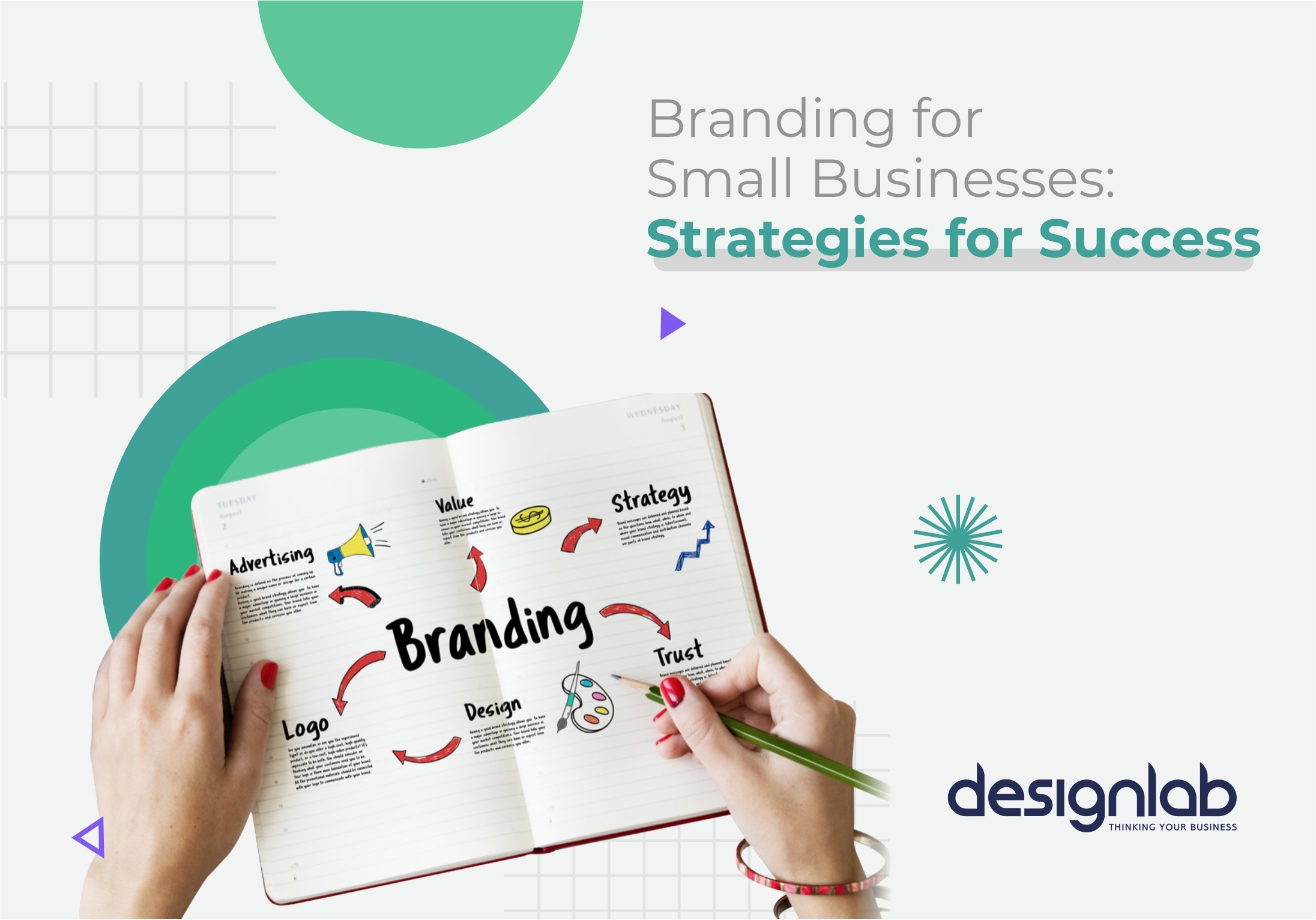
In the vast and ever-evolving landscape of business, where giant towers and conglomerates dominate, small businesses are like hidden gems waiting to be discovered. But how can these small players stand out in such a crowded market? The answer lies in the power of branding design. In this article, we will delve into the strategies that can help small businesses create a strong and memorable brand identity, captivating the hearts of customers and carving a niche for themselves.
Branding plays a vital role in the success of any business, irrespective of its size. For small businesses in particular, branding can be a game-changer that sets them apart in a competitive market. But what exactly is branding, and how can small businesses harness its power to thrive? In this comprehensive guide, we'll delve deep into the world of branding for small businesses, exploring the strategies that can propel them to success.
Your brand identity is like the DNA of your business. This makes you instantly recognizable and helps your customers make an emotional connection with your offerings. Think of iconic brands like Apple or Coca-Cola – their logos, colors and messages are so ingrained in our brains that we can recognize them in an instant. Small businesses can achieve a similar level of recognition by nurturing a strong brand identity.
1. What is Branding Design?
At its core, branding design is the art of shaping the image and reputation of a business. This includes the visual elements, messages and feelings that people associate with a company. Branding design goes far beyond just a logo. It's about creating an immersive experience that resonates with your target audience.
2. Essence of Brand Identity
Your brand identity is the soul of your business. It sets you apart from your competitors and makes you memorable. A strong brand identity not only helps potential customers recognize you instantly but also fosters trust and credibility.
3. Defining Your Brand Personality
Imagine your brand as a person - what kind of personality would it have? Defining your brand personality helps humanise your business. Are you playful and creative or professional and serious? This personality should be reflected in every interaction, from your social media posts to customer service interactions.
4. Creating a Compelling Brand Story
Stories have a unique power to bind and connect. A well-crafted brand story can create an emotional bond with your audience. Share your journey, challenges and victories. This personal touch can create a sense of relatability and authenticity.
5. The Art of Cohesive Visuals
Consistency is important in branding. Your logo, font, and colors should be consistent across platforms. This uniformity creates a sense of credibility and professionalism. When customers see your visuals, they should immediately think of your brand.
6. Colors and Their Psychological Impact
Colors have a profound effect on human emotions and perceptions. Choose colors that match your brand's personality and message. Warm colors like red and orange evoke energy and passion, while cool colors like blue and green convey peace and trust.
7. Build Brand Loyalty
Loyalty is the holy grail of branding. Strengthen relationships with your customers by providing consistent value and exceptional service. Loyalty programs, personalized offers and excellent customer support can foster a stronger bond between your brand and its customers.
8. Social Media: The Voice of Your Brand
Social media is a powerful tool for brand building in today's digital age. It is not just about promoting products; It's about connecting with your audience, sharing your brand story, and addressing their concerns. Find your unique voice and use it to connect authentically.
9. Website Design: Where Branding Comes To Life
Your website is your virtual storefront, and its design should reflect your brand identity. It is often the first point of contact for customers. A user-friendly and visually appealing website enhances the overall brand experience.
10. Incorporating Branding into the Customer Experience
Every touchpoint is an opportunity to strengthen your brand. From the moment customers visit your website to the thank you email after purchase, make sure your branding elements are seamlessly integrated into the customer journey.
11. Measuring Branding Success
How do you know if your branding efforts are succeeding? Metrics such as brand awareness, customer loyalty and engagement rates can provide valuable insights. Analyze these metrics regularly to assess the effectiveness of your branding strategies.
12. Budget-Friendly Branding Strategies
Effective branding doesn't have to break the bank. There are budget-friendly strategies like leveraging user-generated content, collaborating with micro-influencers, and focusing on a specific niche to maximise your resources.
13. Adoption of Changing Market Trends
The business landscape is constantly evolving, and so are consumer preferences. Stay alert to market trends and be ready to adapt your branding strategies. Flexibility can help your brand stay relevant and attractive.
14. Growth Without Losing Brand Identity
As your small business grows, you may need to make changes. However, growth shouldn't mean losing sight of your core brand identity. Whether you're introducing new products or expanding your reach, make sure your brand essence remains intact.
15. Path to a Lasting Brand Legacy
Brand building is a journey, not a destination. Focus on the long-term impact of your branding efforts. A strong brand legacy is built on consistency, innovation and a deep understanding of your audience.
Conclusion
In the dynamic world of small businesses, where competition is fierce and attention spans are short, effective branding design can be the differentiating factor. By understanding your brand identity, crafting compelling stories, maintaining a consistent visual, and adapting to changing trends, you can create a brand that connects with your audience and stands the test of time. To learn more about how DesignLab can help you build a brand, visit our website and contact us for a free consultant.
FAQs
1. Can branding design really impact the success of a small business?
Absolutely! Branding design shapes how your audience perceives your business. It helps establish trust, recognition, and emotional connections.
2. Is branding only about a logo and color scheme?
No, branding goes beyond visuals. It encompasses your messaging, customer experience, and overall reputation.
3. How can I make my brand's personality come through in social media?
Use a consistent tone, engage with your audience authentically, and share content that aligns with your brand values.
4. What if my small business can't afford elaborate branding strategies?
There are plenty of cost-effective options, like focusing on a specific niche, utilizing social media, and leveraging user-generated content.
5. Should my branding strategies change as my business evolves?
Yes, but the core essence of your brand should remain consistent. Adaptation is essential, but not at the cost of losing your brand's identity.
Transform your brand with our logo design service
In today's fast-paced and competitive business landscape, a well-crafted logo is no longer just a visual element – it embodies your brand identity and values. A logo is often the first impression customers have about your company, making it an important asset in establishing brand recognition and trust. Whether you are a startup, a small business, or a well-established enterprise, our logo design service is here to help you create an engaging and memorable logo that truly reflects your brand essence.
Role of Logo in Branding
A logo goes beyond being just a visual identifier, it serves as a vital element in your branding strategy. It is the face of your business that welcomes potential customers even before they engage with your products or services. An effective logo can create emotion, establish a connection and convey the essence of your brand promise. Whether you're a fledgling startup or a seasoned player looking to rebrand, The DesignLab logo design service can play a vital role in boosting your branding efforts.
Understanding The Power of People
A logo is not just a combination of shapes, colours and fonts, it is a storytelling tool. It communicates your brand's personality, values and mission in a single glance. A well-designed logo can instantly convey professionalism, creativity and trustworthiness, giving your audience a reason to connect with your brand. As the saying goes, "a picture is worth a thousand words," and a thoughtfully designed logo can say a lot about your business.
Create a Unique Identity
Our logo design service specialises in creating unique and impactful logos that stand out in a crowded marketplace. We understand that every business is unique, and your logo should reflect that personality. Our team of experienced designers takes the time to understand your brand story, target audience and industry trends to create a logo that resonates with your customers.
Process of Creating An Attractive Logo
Search: Our logo design process begins with an in-depth search phase. We collaborate with you to gather information about your brand, its values and its mission. This helps us lay a strong foundation for the design process.
Concept: Armed with aggregated insights, our creative team brainstorms ideas to translate the essence of your brand into visual elements. We explore a variety of concepts, ensuring that each aligns with your brand's unique identity.
Design Development: Once a concept has been selected, we move into the design phase. Our designers carefully craft a logo, choosing colors, fonts, and sizes that reflect the personality of your brand. We believe in a balance between simplicity and creativity, ensuring that your logo is visually appealing and easily recognizable.
Feedback and Refinement: We value your input during the design process. Your feedback helps us to further improve the logo, ensuring that it matches perfectly with your vision. This collaborative approach guarantees a logo you're not only satisfied with, but excited about.
Finalisation: Once the logo design is approved by you, we finalise it in various formats suitable for both print and digital platforms. We offer you a comprehensive logo package that enables you to effectively use your new logo across a variety of media.
Thoughtfully designed logo effect
Memorability: A well-designed logo stays in the mind of your customers, making it easy for them to remember and recognize your brand.
Professionalism: A professionally designed logo communicates credibility and establishes a sense of professionalism, which sets you apart from the competition.
Brand Recognition: Consistent use of your logo across all platforms boosts brand recognition, helping you build a strong brand presence.
Versatility: Our logos are designed with versatility in mind, ensuring they look equally impressive on business cards, websites, social media profiles, merchandise and more.
Building Trust: A thoughtfully designed logo resonates with your target audience, fostering a sense of trust and familiarity that can lead to long-term customer relationships.
Conclusion
Your logo is the visual cornerstone of your brand. It is a representation of your company's values, culture and identity. Our logo design service is dedicated to helping you transform your brand through creative and strategic logo design. Let us partner with you to create a logo that tells your brand story, engages your audience, and sets you on the road to success in the dynamic world of business. Contact us today to begin the journey of brand transformation through the power of a well-designed logo.
Packaging That Sells - Pune's Trusted Design Agency for Your Business
In the fast-paced world of business, packaging has evolved from a mere protective cover for products to a powerful marketing tool that can make or break a brand. In Pune, a city known for its vibrant culture and thriving businesses, a design agency is making waves with its extraordinary packaging design that grabs the attention of consumers and drives sales. DesignLab, Pune's trusted design agency that specialises in creating innovative and compelling packaging designs for various industries.
The Art and Science of Packaging Design
Packaging design is a delicate balance between art and science. This involves not only creating an aesthetically pleasing design, but also considering functional aspects of packaging, such as protection, storage and transportation. A well-designed package should not only attract attention but also provide a seamless experience to the consumer.
DesignLab understands this delicate balance and takes it a step further by incorporating creativity and strategy into every design we create. Be it product packaging design, food packaging design, or FMCG packaging design, their team of skilled designers and strategists work in harmony to create packaging that tells a story and connects with the target audience.
Unveiling a World of Possibilities
Food packaging design is a topic that needs extra attention. The team at DesignLab recognizes that consumers taste not only with their mouths but also with their eyes. Visually appealing food packaging can create an immediate craving and desire for the product inside. From snack packaging design to salty pouch design, and from cookies packaging design to creative food packaging for savoucookiery products, the agency covers the entire spectrum.
Imagine walking down an aisle of a supermarket. What tempts you to stop and pick up a product? Mostly it's the packaging. The agency's expertise in box package design and pouch packaging design ensures that your product stands out on the shelves, enticing potential buyers to reach out and take a closer look.
Creativity That Knows No Bounds
When it comes to creativity, DesignLab knows no limits. Their team of skilled designers strives to push the envelope and create packaging designs out of the ordinary. Creative packaging design doesn't just mean standing out; It's about evoking emotion, telling a story and leaving a lasting impression.
Toy packaging design requires a special kind of creativity. It should appeal to both children and adults, striking a balance between entertaining and informative. The agency has successfully worked with toy manufacturers to develop packaging that not only protects the product but also transforms it into a unique gift.
According To Perfection
One of DesignLab standout features is its ability to tailor designs to each brand's unique identity. Every business has its own story to tell and value to tell. The agency works closely with clients to understand their brand essence and create packaging tailored to their target audience.
FMCG packaging design demands a deep understanding of market trends and consumer behaviour. Keeping its finger on the pulse, the agency creates packaging that captures the essence of the brand and is in sync with the current market demands. Be it a juice packaging design that exudes freshness or a snack packaging design that delivers joy, each design is a masterpiece in itself.
Package That Speaks
In the modern business scenario, packaging doesn't just mean wrapping a product - it's about making a statement. DesignLab is not just a design agency; It is a partner in your brand journey. Their designs speak volumes, and convey messages that touch consumers on a deep level.
So, if you're looking for a package designer that goes beyond the ordinary, look no further than DesignLab. With a portfolio spanning diverse industries and a satisfied client base, they are Pune's trusted choice for merchandise packaging design. Experience the power of creative packaging - it's not just a design; It's an experience.
Navigating Trends in Packaging
The world of packaging design is dynamic and constantly evolving. What may be considered cutting edge today may be out of date tomorrow. DesignLab stays ahead of the curve by following trends closely and incorporating them into its designs.
In recent years, sustainability has taken centre stage in packaging design. Consumers are becoming increasingly aware of the environmental impact of their choices, and this extends to the products they buy. Eco-friendly creative food packaging has become a priority for many businesses. The agency excels in creating designs that not only look good but are also in line with sustainable practices.
For example, juice packaging design has seen a shift towards eco-friendly materials and minimalist designs that showcase the natural goodness of the product. Packaging That Sell understands the importance of staying relevant in this age of conscious consumerism, and their designs reflect this understanding.
Collaborative Journey of Design
A successful packaging design is not a one-size-fits-all solution. It is the result of a collaborative journey between the client and the design agency. DesignLab takes this journey seriously, valuing the input and insights of its customers. They believe that the best designs come to life when creative minds come together.
From initial concept to the final product, the agency keeps the client involved every step of the way. This collaborative approach ensures that the packaging design is a true reflection of the brand's vision and matches the intended audience. Whether it is toy packaging design that needs to capture the essence of childhood wonder or pouch packaging design that requires the right balance of aesthetics and functionality, the agency's designers work hand in hand with clients to bring ideas to fruition.
Impact on Business
It's no secret that packaging design can have a significant impact on a business's bottom line. A well-designed package can create a strong first impression, which will lead to increased sales and brand recognition. DesignLab understands this influence and takes it as a driving force behind its creative endeavours.
For startups and small businesses, standing out in a competitive market can be a daunting challenge. However, with the right packaging design, even a newcomer can make a memorable entrance. The agency has worked with several startups to create box package designs that tell a unique story and establish a distinctive brand identity.
In the world of FMCG, where countless products compete for attention, packaging design can be the differentiator. A well-executed FMCG packaging design can elevate a product from just another item on the shelf to a coveted item. The agency's expertise in this area has contributed to the success stories of several brands.
Creating Stories Through Design
At its core, packaging design is about storytelling. It is about capturing the essence of a brand and conveying it to consumers through visuals, colours and shapes. DesignLab excels at crafting these stories, which use design as a medium to resonate with the message.
Consider snack packaging design. A bag of chips isn't just a snack; It is a moment of enjoyment, a gift that brightens up the whole day. The agency's designers understand this storytelling potential and harness it to create packaging that ignites longing before the bag is even opened.
Likewise, cookie packaging design isn't just about containing cookies - it's about creating warmth, comfort and the joy of sharing. The agency's designs capture these emotions and translate them into visuals that connect with consumers on a personal level.
Future of Packaging
As technology advances and consumer preferences continue to evolve, the future of packaging design holds exciting possibilities. Augmented reality (AR) and interactive packaging are on the horizon, offering new avenues to engage consumers and create immersive experiences. DesignLab is ready to embrace these changes while maintaining its commitment to innovative and impactful designs.
Based in the heart of Pune, DesignLab continues to be a leader in the world of packaging design. His portfolio speaks volumes about his creativity, versatility and dedication towards his craft. From juice packaging design that refreshes the senses to toy packaging design that sparks the imagination, the agency's designs are a testimony to their undying passion.
Packaging is no longer just a functional element – it is a canvas for creativity, a messenger of brand values and a catalyst for consumer engagement. DesignLab understands this evolution and has established itself as Pune's go-to design agency for packaging that not only designs but also leaves a lasting impression. If you're ready to elevate your brand through exceptional packaging design, look no further - your journey starts here.
Finding The Best Digital Marketing Agency To Grow Your Business
In today's fast-paced digital landscape, a strong online presence is essential for the growth and success of any business. As more consumers turn to the Internet to find products and services, businesses need to implement effective digital marketing strategies to stay ahead of the competition. An important aspect of digital marketing is Search Engine Optimization (SEO), which plays a vital role in driving organic traffic to your website and increasing your brand visibility. Partnering with the right digital marketing agency can make all the difference in harnessing the power of SEO for your business.
Understanding the Importance of SEO
Before delving deeper into the process of finding the right digital marketing agency, let us understand the importance of SEO in today's digital landscape. Search engine optimization is the process of optimizing your website to rank higher in search engine result pages (SERPs) for relevant keywords. This organic approach to attracting website visitors not only increases your online visibility but also enhances the credibility and trustworthiness of your website.
SEO Has Two Main Components:
On-Page Optimization: This involves customising elements of your website to make it more search-engine-friendly. This includes optimizing meta tags, titles, content, images, and improving the overall user experience.
Off-Page Optimization: Off-page SEO focuses on building the authority and reputation of your website through external factors such as backlink building, social media engagement, and influential outreach.
Staying Ahead with Effective SEO Strategies
As you embark on your journey to find the perfect digital marketing agency, it's essential to stay informed about some effective SEO strategies that can contribute to your business growth. The world of SEO is constantly evolving, and understanding these strategies will not only help you in evaluating potential agencies but also enable you to have meaningful conversations with them:
1. Content is King
Content lies at the heart of any successful SEO strategy. High-quality, relevant, and engaging content not only attracts users but also earns valuable backlinks. Ask potential agencies about their content creation process, how they ensure it aligns with your brand's voice, and whether they incorporate keywords effectively.
2. Embrace Local SEO
If your business has a physical presence, local SEO can be a game-changer. It involves optimizing your online presence to attract local customers. This includes setting up a Google My Business profile, garnering positive reviews, and ensuring your NAP (Name, Address, Phone Number) details are consistent across all platforms.
3. Mobile-Friendly Optimization
With the majority of internet users accessing content through mobile devices, having a mobile-friendly website is essential. Google's algorithms also prioritize mobile responsiveness. Inquire about how the agency ensures your website is optimized for various devices.
4. Technical SEO
Technical SEO involves optimizing the technical aspects of your website to enhance its crawlability and indexing by search engines. Elements like site speed, structured data, XML sitemaps, and schema markup play a crucial role. A reliable agency should have expertise in addressing these technical aspects.
5. Backlink Building
Off-page optimization, especially building high-quality backlinks, remains a cornerstone of effective SEO. Inquire about the agency's approach to backlink building. Ethical and white-hat techniques are essential to avoid penalties from search engines.
6. Analysing and Adapting
SEO is not a set-it-and-forget-it process. It requires constant analysis of performance metrics and adapting strategies based on the data. Ask potential agencies how they approach data analysis and make necessary adjustments to ensure optimal results.
7. Social Media Integration
Social signals are becoming increasingly relevant to SEO. Social media engagement can indirectly impact your search engine rankings. Inquire about how the agency integrates social media into your overall SEO strategy.
8. Voice Search Optimization
With the rise of voice-activated devices, optimizing your content for voice search is gaining significance. Ask agencies about their approach to voice search optimization and how they consider long-tail conversational keywords.
Role of Digital Marketing Agency
A reputable digital marketing agency can be a valuable partner in designing and implementing a successful SEO strategy. These agencies specialise in various aspects of digital marketing, including SEO, and can provide the expertise, resources, and experience you need to grow your online presence.
Here's How a Digital Marketing Agency Can Help:
Expertise: A professional agency brings together a team of skilled experts who understand the ever-changing landscape of SEO. They stay updated with the latest algorithmic changes and industry trends to ensure that your strategies remain effective.
Resources: Digital marketing agencies have access to premium tools and resources that can assist with keyword research, competitor analysis, and performance tracking, providing you with data-driven insights.
Time Efficiency: SEO is a time-consuming endeavour. Outsourcing it to an agency allows you to focus on core business activities while experts handle your online visibility.
Customization: A reliable agency tailors its approach to your specific business needs. They create a customized strategy that suits your goals and target audience.
Choosing the Right Digital Marketing Agency
Now that we have established the importance of SEO and the role of a digital marketing agency, let us look at the steps to find the best agency to grow your business:
1. Define Your Goals
Before searching for an agency, outline your digital marketing and SEO goals. Determine whether your goal is to increase website traffic, improve lead generation, increase sales, or increase brand awareness. Clear goals will help you find the agency with the right expertise for your needs.
2. Do Extensive Research
Use search engines to find potential agencies. Pay attention to agencies that rank well for keywords like "seo services," "digital marketing agency," and related terms. Explore their websites, case studies and customer testimonials to assess their credibility and track record.
3. Evaluate Experience and Expertise
Look for agencies that have a proven track record of providing successful SEO campaigns. Experience matters in the ever-evolving field of digital marketing. Check if they have worked with businesses in your industry or a similar field.
4. Check Transparency
Transparency is important in any business partnership. A credible agency should be open about their strategies, pricing and the techniques they use. Avoid agencies that promise instant results or use unethical practices.
5. Request a Customized Strategy
A reputed agency will provide a customized SEO strategy based on your goals and target audience. Be wary of agencies that offer a one-size-fits-all approach. A personalized strategy indicates a deep understanding of your business needs.
6. Inquire About Reporting
Regular reporting and performance tracking are vital to measuring the success of your SEO campaigns. Ask potential agencies about the type of reports they provide and the frequency of updates.
7. Consider Communication
Effective communication is the key to a successful agency-client relationship. Make sure the agency has a clear communication process and is responsive to your questions.
8. Budget Considerations
Although cost should not be the only deciding factor, it is important to consider your budget. Remember that quality SEO services require a reasonable investment because of the expertise and resources involved.
Conclusion
A strong online presence cannot be compromised for business success in this digital age. Investing in SEO through a reputed digital marketing agency can take your brand to new heights. By understanding the intricacies of SEO, recognizing the role of digital marketing agencies, and following the steps outlined in this guide, you are on your way to finding the best agency to fuel your business growth through effective search engine optimization. Take your time, do thorough research and make an informed decision that is in line with your business goals.
Unleash the full potential of your business with our cutting-edge digital marketing services. In today's fast-paced digital landscape, a strategic online presence is not only an option but also a necessity. We at DesignLab specialise in creating digital marketing solutions that take businesses to new heights of success. At DesignLab Agency, our team of experienced professionals is dedicated to understanding your unique brand identity, goals and target audience. Whether you're looking to boost your social media engagement, redesign your website for better conversions, or increase your overall online visibility, we've got you covered. Let us be your partner in this digital journey. Contact DesignLab Agency today and let's turn your ideas into digital success.
Find Top Agency for Website Design in Pune
A well-designed and functional website is vital for any business looking to establish a strong online presence in today's digital age. Whether you are a startup, small business, or established enterprise, a professionally designed website can make all the difference in attracting and engaging potential customers. This is where the expertise of a top-notch web design and development agency comes in handy. If you are in Pune and looking for the right agency to bring your digital vision to life, then you are at the right place. In this article, we will guide you through the process of finding the best website design and development agency in Pune that suits your goals and budget.
Importance of Web Design and Development
Before looking into the intricacies of choosing a web design agency, let us briefly highlight why web design and development are so essential to your business.
First Impressions Matter: Your website is often a potential customer's first interaction with your brand. A well-designed website can create a positive first impression and encourage users to learn more.
User Experience: A user-friendly and intuitive website enhances the user experience, thereby prolonging the visit and increasing the chances of conversion.
Mobile Responsiveness: Since most internet users access websites via mobile devices, responsive design is no longer an option – it is a necessity.
SEO Benefits: A professionally developed website is more likely to be optimized for search engines, thereby improving its chances of ranking higher in search results.
Brand Credibility: An attractive and functional website instils credibility and trust among users, making them more likely to engage with your brand.
Competitive Edge: In a crowded online marketplace, an excellent website sets you apart from competitors and establishes your brand as a leader.
Choosing the Right Web Design and Development Agency
Now that we have understood the importance of web design and development, let us look at the key factors to consider while choosing the right agency for your project.
Portfolio and Expertise: Review their portfolio to assess the agency's design style, versatility, and ability to handle projects similar to yours. A diverse portfolio indicates a complete skill set.
Customer Reviews and Testimonials: Check customer feedback and testimonials to assess the reputation and customer satisfaction level of the agency.
Services Offered: Make sure the agency offers a wide range of services including both web design and development. This holistic approach ensures seamless project execution.
Technology and Tools: Inquire about the technologies and tools used by the agency for website development. The agency should be updated with the latest trends and techniques.
Communication: Effective communication is critical throughout the project lifecycle. Choose an agency that maintains clear and open lines of communication.
Project Timeline: Discuss the timeline of the project and ensure that the agency can complete the work within your required time frame.
Budget: While cost should not be the only deciding factor, it is important to find an agency that provides quality services within your budget range.
Scalability: If you are planning to expand your website in future, choose an agency that can meet your future needs.
Once you have chosen the right agency for your website design and development project, it is important to be aware of the best practices that will contribute to a successful outcome:
Clear Branding: Make sure your brand identity, including logo, colors and typography, is displayed consistently throughout your website.
Intuitive Navigation: Design a user-friendly navigation structure that allows visitors to find information quickly and easily.
Engaging Content: Include high-quality content including engaging visuals and well-written copy to engage visitors.
Mobile Optimization: Prioritize mobile response to meet the needs of users accessing your website from different devices.
Call to Action (CTA): Strategically place CTAs to guide users to desired actions, whether it's making a purchase or filling out a contact form.
SEO Integration: Optimize your website for search engines by applying relevant keywords, meta tags, and optimizing images.
Website Development Cost and Factors
As you begin your journey of finding the best website design and development agency in Pune, it is important to have a realistic understanding of the costs involved. The cost of website development can vary widely depending on factors such as the complexity of the project, the number of pages, features and functionalities required, and the level of customization.
Basic Websites: If you are a small business or startup and all you need is a simple informational website, the cost can be relatively low. Basic websites usually have a few pages, minimal custom features, and a straightforward design.
Ecommerce Websites: For businesses looking to set up an online store, ecommerce website development involves more complexities such as product listings, shopping carts, payment gateways, and inventory management. As a result, these projects tend to be more involved and may require a higher budget.
Customization and Features: If you require specific features such as a membership portal, booking system, interactive maps, or integration with third-party tools, the development cost will increase accordingly.
Responsive Design: In today's mobile-driven landscape, responsive design is crucial. Additional development effort is required to ensure that your website works seamlessly on different devices, which affects the overall cost.
Content Management System (CMS): Websites built on user-friendly CMS platforms such as WordPress, Joomla or Drupal enable you to manage content easily. However, customising these platforms or integrating plugins can impact the cost.
Ongoing Maintenance: Don't forget to consider ongoing maintenance costs including security updates, bug fixes, and content updates. Many agencies offer maintenance packages for a monthly or annual fee.
Conclusion
Your website is a digital storefront that can have a significant impact on the success of your business. While searching for a website design and development agency in Pune, remember to consider factors such as portfolio, expertise, client reviews, services offered and budget. By incorporating the right keywords and understanding best practices, you're on your way to creating an engaging online presence that leaves a lasting impression on your target audience.
Our agency understands the needs of the clients, allowing them to get effective website design and management for their business. To contact DesignLab, please visit our website today.
Why is digital marketing important for businesses?
The practice of promoting goods, services, or brands through digital channels and technologies is known as digital marketing. It includes a variety of marketing initiatives that make use of digital platforms like the web, mobile devices, social media, search engines, email, and other digital channels to connect with and engage a target audience. Different strategies and tactics are used in digital marketing to raise awareness, increase traffic, generate leads, and convert customers.
This subject has gained a lot of attention in recent days, and this article is all about digital marketing. We will explore different terms and other things related to it before jumping into why it is so important for your business.
How is digital marketing used?
- Businesses: Businesses of all sizes and in a variety of sectors use digital marketing extensively. They are able to market their goods and services, connect with their target market, increase website traffic and lead generation, and boost sales. Digital marketing is a key tool for any company's marketing strategies, whether they are large multinational corporations or small local businesses.
- E-commerce Businesses: To draw visitors to their websites, highlight their products, and encourage conversions, online retailers heavily rely on digital marketing. To boost online sales, they employ a variety of digital marketing strategies, including search engine optimisation (SEO), pay-per-click (PPC) advertising, social media marketing, and email marketing.
- Digital Agencies: Companies in need of help with their online marketing initiatives can turn to agencies that specialise in digital marketing for assistance. In order to achieve the desired results, these agencies work with clients to create and implement digital marketing strategies, manage advertising campaigns, optimise websites, and conduct data analysis.
- Nonprofit Organisations: To increase public awareness, engage supporters, and encourage donations, nonprofit organisations also use digital marketing. To effectively tell their story, advance their cause, and interact with their target audience, they make use of digital channels.
- Influencers and Individuals: Digital marketing isn't just for companies and organisations. Digital marketing strategies are used by people, such as influencers, bloggers, and content producers, to build their personal brands, interact with their followers, and monetize their online presence through collaborations and sponsorships.
- Governmental Organisations: To interact with the public, promote initiatives, and deliver public services, governments use digital marketing techniques. To disseminate information, solicit feedback, and interact with the public, they may use websites, social media channels, and email campaigns.
- Educational Institutions: To draw in new students, advertise courses and programmes, and interact with alumni and current students, schools, colleges, and universities use digital marketing. To distribute educational materials, manage online admissions, and establish a strong online presence, they make use of digital platforms.
- Healthcare Providers: To reach and educate patients, promote services, and build credibility, healthcare providers must increasingly rely on digital marketing. They may use digital channels to offer appointment scheduling, provide health information, and establish telemedicine connections with patients.
How did digital marketing recently make such a leap?
A sizable audience and market for digital marketing have been created as a result of high-speed internet becoming more widely available and an increase in internet users worldwide. Online platforms are now more widely accessible, giving businesses new ways to connect with and engage with their target markets.
Digital marketing has undergone a revolution thanks to the widespread use of smartphones and other mobile devices. Many people now access the internet primarily through mobile devices, which has changed consumer behaviour and necessitated the use of mobile-optimised marketing strategies. Digital marketing campaigns now include mobile apps, mobile advertising, and responsive web design as essential elements.
What various forms of digital marketing are there?
- SEO (search engine optimisation): A website must be optimised for SEO in order to appear more prominently on search engine results pages. It uses a variety of strategies, including technical optimisation, link building, technical optimisation, and keyword research, to improve search engine rankings and increase organic traffic to the website.
- Search Engine Marketing (SEM): Paid advertising campaigns on search engines are referred to as SEM. When users search for pertinent terms, it involves bidding on keywords and creating text or display ads that show up in search engine results. The most popular SEM software is Google Ads.
- Social Media Marketing: Utilising social media sites like Facebook, Instagram, Twitter, LinkedIn, and others to market goods and services, interact with the target market, and raise brand awareness is known as social media marketing. It consists of community involvement, paid advertising, influencer partnerships, and organic posting.
- Content Marketing: Content marketing is concerned with producing and disseminating worthwhile content that appeals to and engages the target audience. This can include articles, blog posts, books, podcasts, infographics, videos, and more. Providing helpful information, establishing thought leadership, and increasing audience engagement are the objectives.
- Email Marketing: Email marketing entails sending subscribers or customers targeted and personalised emails in order to nurture leads, create connections, and advertise goods or services. Newsletters, advertising emails, automated email sequences, and customer retention are some examples.
- Influencer Marketing: Influencer marketing entails working with social media influencers or other influential people who have a sizable following and sway over their audience. Businesses collaborate with influencers to market their goods or services to their followers, taking advantage of the influencer's credibility and reach. This is one of the reasons why digital marketing is important for businesses, especially those that generate income from social media through collaborations.
- Affiliate Marketing: Partnering with affiliates to market a company's goods or services on their platforms is known as "affiliate marketing." Each referred sale or lead that an affiliate generates results in a commission payment. Through a network of affiliates, this performance-based marketing strategy enables companies to reach a wider audience.
- Display Marketing: Visual advertisements that appear on websites, mobile apps, or social media platforms are referred to as "display advertising." It consists of interactive ads, pop-up ads, video ads, and banner ads.
- Mobile Marketing: Reaching users on their mobile devices, such as smartphones and tablets, is the focus of mobile marketing. It consists of mobile apps, SMS marketing, push notifications, location-based advertising, and website design that is mobile-responsive.
- Video Marketing: To engage the target audience, video marketing involves producing and disseminating videos. It can be used for testimonials, brand storytelling, product demonstrations, and more. Websites, social media sites, YouTube, and other channels all allow for the sharing of video content.
Why is digital marketing important for Businesses?
- Online Presence and Visibility: Online presence and visibility are essential for a business to be found by their target market because the majority of consumers turn to the internet to find goods, services, and information. Search engines, social media platforms, websites, and online directories are just a few of the online channels that digital marketing enables businesses to create and maintain a visible presence across.
- Reach a Global Audience: Digital marketing enables companies to reach a global audience, in contrast to traditional marketing strategies that have geographic restrictions. Businesses can reach beyond local boundaries and enter new markets with the right strategies and targeting, expanding their customer base and potential for growth.
- Targeted Marketing: Digital marketing enables businesses to precisely target their marketing initiatives. Businesses can more effectively reach their ideal customers using a variety of techniques like demographic targeting, keyword targeting, interest-based targeting, and behaviour targeting. This increases the likelihood that leads will become customers, increasing the return on investment.
- Cost-Effectiveness: When compared to conventional marketing strategies, digital marketing frequently provides a more affordable solution. For small businesses with tight marketing budgets, digital platforms like search engines and social media may offer more affordable advertising options. Digital marketing also makes it possible to track campaigns in real-time and better manage budgets, ensuring that marketing resources are used effectively.
- Results that are Measurable: One of the major benefits of digital marketing is the ability to gauge and monitor the outcomes of advertising campaigns. Tools for digital analytics offer insightful data on a variety of metrics, including website traffic, conversions, engagement rates, and consumer behaviour. Businesses can use this data to assess the success of their marketing initiatives and optimise their campaigns for increased performance.
- Customer Engagement and Interaction: Digital marketing gives companies the opportunity to engage and communicate with their target market in real time. Businesses can interact directly with customers through social media platforms, email marketing, and other digital channels to respond to questions, offer individualised experiences, and foster relationships. This interaction promotes brand advocacy and customer loyalty.
- Flexibility and Adaptability: Digital marketing allows marketers to modify their marketing strategies in response to customer preferences, market trends, and the success of their campaigns. Businesses can quickly modify their campaigns, experiment with various strategies, and optimise their marketing efforts in real time. In a fast-paced digital environment, this agility helps businesses stay competitive and relevant.
- Competitive Advantage: In today's digitally driven economy, companies that use digital marketing effectively have an advantage over rivals who only use conventional advertising techniques. Digital marketing enables companies to stand out, set themselves apart from the competition, and connect with customers at various touchpoints, resulting in a distinctive brand experience.
Conclusion
In the current digital era, digital marketing is essential to a company's success. Numerous advantages are provided, such as improved online visibility and presence, the capacity to reach a global audience, targeted marketing, cost-effectiveness, quantifiable results, customer engagement, flexibility, adaptability, and a competitive advantage. Businesses can build their brands online, connect with their target market, and encourage significant engagement and conversions through digital marketing. Businesses can effectively compete in the digital landscape, increase their reach, and accomplish their marketing objectives by utilising digital channels and strategies. In an increasingly digitally driven world, adopting digital marketing is not only necessary but also imperative for businesses to succeed and maintain a competitive edge.
You may contact us in case of any query related to this subject.
Why does your business need an online presence?
In the current digital age, having an online presence is essential for the development and expansion of any company. Having an online presence enables your business to reach a wider audience and tap into new markets, as the majority of consumers are turning to the internet for information, goods, and services.
A platform for showcasing your goods or services, an online presence gives potential customers access to information about your offerings whenever they want. It acts as a 24/7 virtual storefront for customers, making it convenient and accessible. Being accessible online allows you to draw clients from various time zones and meet their needs at their convenience, thereby growing your clientele and boosting sales.
The importance of an online presence for a business
It is impossible to overstate the value of a company's online presence. The internet has developed into a major information source and a venue for conducting business in the current digital era. Here are some major arguments in favour of the necessity of an online presence:
- Reach and Visibility: By having an online presence, your company can reach a global clientele. Search engines, social media sites, online directories, and other online channels can help prospective customers find your goods or services. With billions of users worldwide, the internet offers an unmatched opportunity to connect and interact with a wide audience.
- 24/7 Accessibility: Unlike conventional brick-and-mortar stores with set business hours, an online presence allows your company to be reachable round-the-clock. Customers can visit your website at their convenience, look through your offerings, buy from you, or get in touch with you. With this flexibility, you can increase customer satisfaction and generate sales even after regular business hours.
- Establishing Credibility and Trust: With prospective customers, a web presence aids in establishing credibility and trust. Positive online reviews, active social media accounts, and a professionally designed website give off a good impression of your company's legitimacy and dependability. Businesses with a strong online presence are more likely to gain the trust of and engage with their customers.
- Marketing and Branding: An online presence gives you a stage on which to present your brand's personality, core beliefs, and differentiators. You can develop a consistent brand image, share relevant content, and interact with your target audience through your website, social media platforms, blog, and other digital channels. Search engine optimization (SEO), content marketing, email marketing, and social media advertising are all examples of online marketing techniques that help you further your brand's message and attract potential customers.
- Customer Engagement and Relationship Building: Building relationships with customers and fostering customer engagement are made possible by online platforms. You can engage in conversations, respond to customer inquiries, offer support, and collect feedback through social media interactions, blog comments, email newsletters, and online communities. Through this engagement, you can develop enduring relationships with customers, reward their loyalty, and gather insightful feedback for enhancing your goods and services.
- Competitiveness and Adaptability: In the cutthroat business environment of today, maintaining a competitive edge and adapting to shifting consumer trends both require an online presence. Nowadays, a lot of consumers prefer the convenience of doing their research and making their purchases online. You can exceed customer expectations, outperform rivals, and profit from new digital trends by creating an online presence.
What benefits do online businesses provide when COVID-19 is a problem?
- Operations Continuity: An online business enables you to carry on operations and provide remote customer service when physical stores and businesses are forced to close their doors or face other restrictions during a crisis. Through your website, email, social media, and other online platforms, you can maintain contact, handle orders, and offer support. This continuity ensures that you can continue to make money while reducing the impact on your company.
- Reach a Larger Audience: People heavily rely on the internet for information, goods, and services when a crisis strikes. You can reach a larger audience outside of your immediate area by running an online business. Customers from various regions can access your goods or services, giving you the opportunity to expand your customer base and potentially mitigate the effects of reduced foot traffic in physical locations.
- Flexibility and Adaptability: An online business gives you the freedom to respond quickly to changing conditions. During a crisis, you can modify operations, update product offerings, and modify marketing strategies to meet changing customer needs. To adapt to changing customer preferences, you could, for instance, offer online promotions, create new delivery or pickup options, or introduce virtual consultations or services.
- Reduced Dependence on Face-to-Face Contact: An online business reduces the need for face-to-face contact in circumstances like the COVID-19 pandemic, where physical interactions and gatherings may be prohibited. Customers can browse and buy goods and services online, doing away with the danger of face-to-face transactions. This not only guarantees the security of your clients but also aids in public health initiatives by encouraging social distancing.
- Resilience and Diversification: Running an online business lets you diversify and lessen your reliance on a single source of income. An online business can help you explore new opportunities and change your business model to adapt to changing market demands during a crisis where specific industries or sectors may be severely impacted. By diversifying your business, you increase its resilience and lessen the vulnerability that comes with relying only on conventional brick-and-mortar operations.
- Cost-Effectiveness: Operating an online business frequently involves less expense than keeping up a physical office or store. You can reduce costs for things like rent, utilities, and staffing by having an online presence. When businesses are facing financial difficulties and need to maximise their resources, a crisis can be a great time to take advantage of this cost-effectiveness.
How can DesignLab help you build an online presence for your business?
DesignLab Pune expertise in a range of design and digital marketing services can help you establish an online presence for your company. The following are some ways DesignLab can help you:
- Website design and development: We can make your company's website aesthetically pleasing and user-friendly. They will collaborate closely with you to comprehend your brand, objectives, and target market before creating a unique website that accurately represents your identity and effectively conveys your message. The website will be mobile-friendly, providing a seamless user experience on a variety of screen sizes.
- Branding and Visual Identity: We can assist you in creating a strong and recognisable brand identity for your online presence. They can develop your logo, choose suitable colour schemes, and produce eye-catching graphics and images that complement your brand. It will be easier to build a unified and memorable brand image if your website and other digital platforms use consistent branding.
- User Experience (UX) Design: We are committed to giving website visitors a satisfying experience. To make sure that users can quickly find the information they need and take the desired actions, they will carefully consider the user journey, navigation, and usability of your website. We can increase user engagement and boost conversions by creating user-friendly interfaces and streamlining user flow.
- Search Engine Optimisation (SEO): We can help you with search engine optimisation (SEO), which will increase your website's visibility online and help you rank higher in organic search results. They will carry out keyword research, improve on-page components, and create an SEO plan specifically for your company. DesignLab can help you increase your online presence and drive targeted traffic to your website by putting good SEO practises into practice.
- Digital Marketing Collateral: We can create a variety of digital marketing collateral to support your online presence, including banners, social media graphics, email templates, and digital ads. You can effectively promote your company using these visually appealing and expertly designed assets across various digital channels.
- Continuous Support and Upkeep: We can offer continuous support and upkeep services to make sure that your online presence is kept current and optimised. To make sure your website runs smoothly and offers a good user experience, they can help with regular website updates, security monitoring, and performance optimization.
Conclusion
To sum up, in today's digital environment, having an online presence for a business is no longer just a choice; it has become essential. A strong online presence has many advantages, including increased customer engagement, 24/7 accessibility, credibility, branding opportunities, and crisis-ready adaptability. Businesses can connect with a global audience, continue operating during disruptions, and access new markets by creating an online presence. It enables efficient marketing, the development of client relationships, and the diversification of revenue sources. Businesses can maintain their competitiveness, adjust to shifting consumer trends, and seize new growth opportunities by embracing an online presence. The foundation for success in the digital age is thus provided by investing in an online presence for businesses of all sizes and industries.
You may contact us to learn more about our services.
What is Agile Methodology in Project Management?

Agile methodology in project management is an iterative, adaptable approach that emphasises providing value to customers through small-scale, teamwork-based work. Agile methodologies embrace change and put the needs of the customer first, in contrast to traditional project management techniques that take a linear and predictive approach. In order to develop, test, and deliver a subset of features or functionality, projects are broken up into short iterations, or sprints. The importance of close customer and stakeholder collaboration is highlighted, and their feedback is actively sought out and taken into account throughout the development process. Cross-functional and self-organising agile teams have the freedom to decide together. Continuous integration and testing guarantee quality and facilitate the early detection of problems.
What project management agile methodologies are there?
Agile methodology in project management refers to a set of guiding principles and techniques that place a focus on adaptability, teamwork, and ongoing improvement. The challenges of complex and uncertain projects, where requirements may change over time, are specifically addressed by agile methods.
- Iterative and Incremental Approach: Agile projects are broken down into manageable iterations or sprints, with each iteration producing a functioning increment of the project. This iterative method enables frequent feedback and aids in the efficient management of changing requirements.
- Customer Collaboration: Agile methodologies place a strong emphasis on regular and substantive customer, end-user, and other stakeholder collaboration. Participation from the client early on in the project ensures that the finished product lives up to their expectations and delivers value.
- Adaptive Planning: Agile projects use adaptive planning techniques, which give them the flexibility to change the project's scope, priorities, and timelines in response to shifting customer demands or market conditions. Agile teams put more emphasis on planning for the near future while incorporating learning and feedback from each iteration, as opposed to attempting to create a detailed plan in advance.
- Cross-Functional Teams: Self-organising, cross-functional teams made up of members with a variety of skill sets carry out agile projects. To accomplish the project's objectives, these teams collaborate, delegating tasks and coming to decisions as a group.
- Continuous Improvement: Agile project management techniques promote ongoing learning and development. At the conclusion of each iteration, retrospectives are conducted to assess what went well, what could be improved, and to put changes into place to improve performance and delivery.
- Value Delivery Priority: Agile methods place a premium on providing customers with value quickly and frequently. Agile projects deliver measurable results and enable prompt feedback and course correction by focusing on delivering working increments at the end of each iteration.
What benefits does agile project management methodology provide?
The ability to adapt to change is a key component of agile project management. They enable flexibility in responding to changing needs, market circumstances, or client feedback. This adaptability raises the likelihood that the project will produce a successful result by ensuring that it remains in line with stakeholder needs.
- Faster Time-to-Market: Agile methods enable quicker delivery of working increments by breaking projects into smaller iterations or sprints. This iterative approach enables frequent feedback and validation, cutting down on the amount of time needed for development and speeding up the delivery of useful features or functionality to customers.
- Increased Customer Satisfaction: Agile project management practises place a high priority on close customer and stakeholder collaboration. Agile projects are better able to meet customer expectations because they involve them in the process, ask for their feedback, and deliver working increments on a regular basis. This leads to higher satisfaction and more solidified relationships.
- Transparency and Communication: Transparency and communication are encouraged by agile methods among team members, stakeholders, and clients. Regular meetings allow for frequent and clear communication of progress, issues, and priorities. Examples include daily standups and sprint reviews. This openness promotes trust, prompt problem-solving, and information sharing among all parties.
- Collaboration within Teams is Improved: Agile methodologies support self-organising and multi-functional teams. Agile promotes team members' sense of ownership and accountability by promoting cooperation and group decision-making. Communication, creativity, and problem-solving skills are improved in this collaborative environment, which produces better results and a more motivated team.
- Early Issue and Risk Identification and Mitigation: Agile methods place a strong emphasis on the regular integration and testing of developed features, which enables early issue and risk identification. Agile projects can proactively mitigate risks and guarantee higher-quality deliverables by taking care of these problems from the beginning.
- Improved Project Visibility and Control: Using visual boards, burn-down charts, and other tracking tools, agile methods improve project visibility. Project managers and other stakeholders can now see more information about the project's status, identify any bottlenecks, and make data-driven decisions.
What are the four pillars of the agile project management methodology?
- Scrum: Scrum is an incremental and iterative Agile framework that focuses on producing value in manageable increments known as sprints. Self-organising teams, close coordination with stakeholders, and regular feedback are highlighted. To ensure transparency, adaptability, and continuous improvement, Scrum employs a set of specialised roles (such as Scrum Master and Product Owner) and rituals (such as daily stand-ups and sprint reviews).
- Kanban: A Kanban board is used to visualise work using the Agile methodology of Kanban. Typically, columns are used to represent the various stages of the workflow. It seeks to reduce work in progress (WIP) and improve the workflow. Kanban encourages continuous delivery and places a strong emphasis on visualising and managing the workflow, finding bottlenecks, and increasing productivity.
- Lean: The lean methodology seeks to reduce waste and boost productivity. It is influenced by the Toyota Production System. Value delivery, shorter cycle times, and higher customer satisfaction are its main goals. Lean places a strong emphasis on constant improvement, respect for people, and a relentless pursuit of getting rid of activities that don't add value.
- Crystal: Crystal is an Agile methodology that adjusts its strategy based on the specifics of the project and the dynamics of the team. It places a strong emphasis on regular delivery, close cooperation, and reflective improvement. With a focus on finding the ideal harmony between processes, roles, and practises for each particular project, Crystal methodologies are flexible and lightweight.
What, specifically, is the agile methodology?
Project management using the agile methodology is iterative, adaptable, and focuses on delivering value in a socially responsible way. It entails breaking a project down into smaller iterations, incorporating client feedback, and making necessary plan adjustments. Here is an illustration of how the Agile methodology is put to use:
Let's take a look at a Scrum-based Agile software development project to create a mobile application for a transportation company.
The development team meets at the start of the project with a Scrum Master and a Product Owner to establish the project goals and develop a product backlog. A prioritised list of features and user stories that need to be created can be found in the backlog.
The team then goes on to plan the first sprint, choosing a portion of the product backlog's items that they commit to finishing in two weeks. The team meets every morning during the sprint to discuss the day's goals, obstacles, and progress. They collaborate while utilising Agile techniques like test-driven development and pair programming.
The team presents the finished work to stakeholders, such as the Product Owner and important users, during the sprint review. On the basis of the input received, the product backlog is revised as necessary. Feedback is collected.
How can DesignLab help with agile methodology for project management?
We can help with Agile project management in a number of ways.
- Agile Training and Workshops: Agile workshops and training sessions are available from DesignLab to assist teams and project managers in comprehending the concepts, procedures, and methods of the Agile methodology. Topics like Scrum, Kanban, agile project planning, and agile team collaboration may be covered in these sessions.
- Agile Process and Tool Selection: We can assist organisations in choosing and implementing Agile processes and tools that meet their project management requirements. To effectively support Agile project management practises, this may involve recommending project management software, collaboration tools, or Agile-specific tools.
- Agile Coaching and Consultation: Agile coaching and consultation are services that DesignLab can provide to teams and project managers. This can entail collaborating closely with the team to make sure they comprehend and adhere to Agile practices, giving advice on managing Agile projects, and addressing particular difficulties or obstacles that came up when implementing the Agile methodology.
- Agile Project Management Support: Support for Agile Project Management is a service that we can offer. This might entail helping with sprint execution, backlog management, project planning, and leading Agile rituals like daily stand-ups, sprint reviews, and retrospectives. Teams can track progress, find and fix problems, and ensure effective communication and collaboration throughout the project with the aid of our services.
You can contact us for further details.
5 Things to Keep in Mind While Developing a Mobile Application
A mobile application requires a number of steps to be developed before it is fully functional. Usually, the process starts with defining the app's goals and identifying the target market. By identifying customer needs and rival products, market research enables you to develop a distinctive value proposition.
Planning the app's features and functionality is the next step after the objectives have been made clear. This entails prioritising and generating ideas for the fundamental features that will offer users the most benefit. It's crucial to concentrate on developing a Minimum Viable Product (MVP) that can be quickly released in order to collect user feedback and iterate on the development of the app.
In this article, we will be talking about everything related to mobile applications and things to keep in mind while designing them.
Why is it important to have a mobile app?
In today's digital environment, mobile applications have gained significance for a number of reasons. They provide businesses with a direct and tailored way to interact with their target audience. Due to the widespread use of smartphones and tablets, businesses can now connect with their customers anywhere and at any time.
In comparison to mobile websites, mobile applications offer improved user experiences. They were created with mobile devices in mind, making use of features like touch screens, camera functionality, GPS, and push notifications. As a result, the user experience and engagement are improved through a seamless and user-friendly interface.
What are the crucial elements in creating a mobile application?
- Clear goals and the intended audience: It is essential to establish precise objectives and determine the target market. Recognise the app's goal, the issue it seeks to solve, and the particular requirements of the intended audience. The development process is shaped by this clarity, which also guarantees that the app achieves its objectives. This is one of the most important elements to keep in mind while developing a mobile application.
- User-Centric Design: Design with the end-users in mind, or user-centric. To fully understand users' preferences, behaviours, and pain points, conduct extensive user research. Design an interface that is simple to use and provides a seamless, enjoyable experience. Utilise user input throughout the design process to hone and enhance the usability of the app.
- Platform Compatibility: Think about the platforms that your app is intended to run on, such as iOS, Android, or both. Each platform has unique technical specifications and design guidelines that must be followed. Make sure the app is tuned for the selected platforms in terms of responsiveness, performance, and compatibility.
- Performance and optimisation: Users on mobile devices anticipate quick and seamless interactions. Code optimisation, network request reduction, and resource management that is effective all contribute to improving the performance of the app. To find and fix performance issues, test the app on various hardware and network configurations.
- Security and privacy: Sensitive user data is frequently handled by mobile apps. To safeguard data privacy and protect user information, implement strong security measures. Use secure authentication procedures and encryption techniques, and follow industry standards for data transmission and storage. Follow pertinent data protection laws and keep the app's security patches up to date.
- Regular testing and quality control: Throughout the app's development, thoroughly test it. To find and fix any problems or bugs, perform functional testing, usability testing, and performance testing. To make sure there is compatibility and a consistent user experience, test on various devices, screen sizes, and operating systems.
- App Store Guidelines and Submission: Learn about the submission requirements and guidelines for the app stores (such as the Apple App Store and Google Play Store) where you intend to publish your app. Make sure your app complies with their requirements and meets the necessary standards for submission.
- Updates and Continuous Improvement: Starting the app is just the first step. Analyse user comments and analytics to learn more and spot areas that could use improvement. To keep users interested and satisfied, update the app frequently with new features, bug fixes, and performance improvements.
What procedures are involved in developing a mobile application?
- Define Goals and a Strategy: Establish the goals of your mobile application first. Determine the issue it seeks to solve, the intended audience, and the desired attributes. Schedule the development process, taking into account deadlines, resource allocation, and financial constraints.
- Conduct Thorough Market Research: To understand user needs, competitor offerings, and market trends, conduct thorough market research. The concept of your app is improved, unique selling points are found, and the demand for your app is confirmed thanks to this research.
- Design Mockups and Wireframes: Create wireframes, which are simple visual representations of the app's structure and layout. Create mockups that demonstrate the UI/UX design of the app using design software. To ensure an improved design, iterate on the concepts and get input from key stakeholders.
- Create a Working Prototype: Create a working prototype of your app to showcase its key functions and user interface. Before moving forward with full-scale development, this enables you to test the user experience, gather feedback, and make the necessary adjustments.
- Develop Your First App: Start working on the mobile application itself. Depending on whether you're targeting iOS, Android, or both platforms, choose the right technology stack. Create the code, put the features into practice, and incorporate any third-party services or APIs that are required.
- Test Your App Thoroughly: Test your app rigorously to ensure its performance, usability, and functionality. Perform usability testing to evaluate the user experience of the app, functional testing to ensure that all features operate as intended, and performance testing to enhance the app's speed and responsiveness. Fix any problems or bugs found during the testing stage.
- Prepare for Deployment: Create the necessary developer accounts with the relevant app stores (such as the Apple App Store and Google Play Store) to prepare your app for deployment. Be sure to adhere to the standards and specifications set forth by the app stores, which may include submitting app descriptions, screenshots, icons, and other pertinent assets.
- Release and Monitor: Make your app available to users by deploying it to the app stores. Track user comments, opinions, and reviews to learn more and find areas that could use improvement. Update your app frequently with bug fixes, performance upgrades, and fresh features based on consumer feedback and industry trends.
- Marketing and Promotion: Create a marketing plan to promote the app and draw users. Promote your app using a variety of channels, including social media, app store optimisation, advertising, and public relations.
- Gather User Analytics and Iterate: Track user behaviour, engagement, and conversion metrics using analytics tools, then iterate. Obtain knowledge from the data and use it to inspire ongoing advancements. To ensure long-term success, iterate on your app based on user feedback, industry trends, and shifting user needs.
5 Things to Keep in Mind While Developing a Mobile Application
- User-Centric Approach: Put the user at the centre of your development process with a user-centric approach. Recognise the needs, preferences, and behaviours of your target demographic. Create a user-friendly, intuitive interface that offers a seamless experience. To continuously enhance the user experience, take user feedback into account and make changes to your app.
- Platform Compatibility: Make sure your app runs without any issues on various platforms, including iOS and Android. Use platform-specific best practices and guidelines when creating your app. To ensure compatibility and reliable performance, thoroughly test your app across a range of platforms, screen sizes, and OS versions.
- Enhance Performance: Users of mobile devices have a low threshold for sluggish or jerky apps. Reduce loading times, improve the code, and effectively manage resources to improve the performance of your app. To improve performance, compress images and other media files, minimise network requests, and use caching techniques. To provide a seamless and responsive user experience, regularly evaluate and improve the performance of your app.
- Put Security First; Sensitive user data is frequently handled by mobile apps. Put security precautions first at all stages of the development process. Encrypt sensitive data, use secure authentication and authorization mechanisms, and adhere to industry best practices when storing and sending data. Update your app frequently to fix any security flaws and stay current with modern security procedures.
- Feedback and Iteration: During and after the development process, collect user feedback. Improve your app's features, functionality, and user experience by incorporating user feedback. Create a feedback mechanism for your app to encourage users to contribute their ideas. Release updates frequently to address user feedback, correct bugs, and add new features.
Bottom Line
To ensure a mobile application's success and user satisfaction, a number of factors must be carefully taken into account when developing it. Developers can produce high-calibre apps that appeal to their target market by adhering to key principles like a user-centric approach, platform compatibility, performance optimisation, security, and feedback iteration.
User experience is given top priority, and feedback is gathered continuously throughout the development process to help meet user needs. While performance optimization improves user engagement and retention, ensuring platform compatibility helps the app reach a wider audience.
We, at DesignLab, take care of all the requirements of the client while providing our services. You may contact us for more information about the same.
UX/UI Design - Bridging the Gap Between User Needs and Interface Design
Designing for user experience focuses on how customers will see and interact with the finished product. Usability, aesthetics, and how users "feel" when using a product are the main components of the user experience (UX). A strong user experience (UX) will improve the customer experience (CX), which will encourage customers to use it again, fostering loyalty and establishing trust.
Through this article, let us understand the concept of bridging the gap between user needs and interface design.
Important Components of User Experience Design
Let us examine the product development life cycle to better comprehend the necessity of a good user experience design for any product.
A product goes through the following stages to make sure it is well received by customers and meets expectations:
- a) Customer Study: In-depth user research is carried out to identify user needs, behaviour, spending patterns, online (or offline) history, and user challenges in order to ascertain user expectations and requirements.
- b) Data Collection and Analysis: To gain an understanding of the end user (customer), data is gathered from various sources across touchpoints and channels. This aids in assessing a product's usability and guiding design decisions to produce a seamless user experience.
- c) Product Design and Prototyping: To design the product, the design teams brainstorm, deciding on the product's attributes, appearance (look, touch, and feel), and user interface. A product prototype may be created in order to validate the concept, assess viability, determine cost and effort, and determine user interest and pain points.
- d) User Experience Testing: The usability, interface, and aesthetics of the prototype or finished product are evaluated. The problems that an end-user might encounter are fixed with the help of user (or customer) feedback.
How should interface designers respond to user expectations?
1) User-friendly and intuitive design: Users anticipate that interface designers will produce user interfaces that are simple to comprehend and use. Users should be able to complete their tasks without difficulty or needless effort thanks to an intuitive design.
2) Clear and concise communication: Users expect designers to communicate information clearly and succinctly through the interface. Using appropriate typography, visual hierarchy, and carefully crafted labels, instructions, and error messages are examples of how to do this. Users can better understand the state of the system and how to interact with it when communication is clear.
3) Consistency: Users value interface design that is consistent across platforms and devices as well as within the system itself. Utilising visual cues, interaction styles, and terminology consistently encourages users to create mental models and eases cognitive load when switching between various parts of the interface.
4) Speed and responsiveness: Users expect interfaces to react quickly and give them immediate feedback on their actions. Interfaces that are sluggish or unresponsive can make users frustrated and have a bad experience. Designers should ensure fluid interactions and optimise interface performance, particularly for interactions involving data loading or processing tasks.
5) Accessibility: People with disabilities and a wide range of other people are expected to be able to use interfaces with ease. To make sure that people with visual, hearing, motor, or cognitive impairments can use the interface, designers should take accessibility guidelines and standards into account. Among other things, this might entail offering alternative text for images, keyboard navigation options, and suitable colour contrasts.
6) Mobile-friendliness: User expectations for interfaces to be mobile-friendly have increased with the use of mobile devices. Making sure that the interface adapts well to various screen sizes and orientations requires designers to take responsive design principles into account.
7) Error prevention and recovery: Users value user interfaces that help them recover from errors and prevent them from happening in the first place. To reduce the likelihood and severity of errors, designers should use strategies like validation checks, confirmation dialogues, and undo functionality.
8) Visual aesthetics: Users anticipate appealing interfaces in terms of visual appeal. A well-designed interface that includes visual harmony, appropriate colour use, and attractive visual elements can improve the user experience overall, even though aesthetics alone do not guarantee usability.
9) Relevance in context: Users anticipate relevant, customised experiences from interfaces. In order to customise the interface content and interactions to the user's unique needs and objectives, designers can take into account user preferences, historical data, and contextual information.
10) Learnability: Users value interfaces that are simple to understand, particularly for new users. Designers should make an effort to produce user interfaces that enable users to grasp how to interact with the system quickly and gradually gain proficiency over time.
Bringing marketers, developers, and customers together
1) In all phases of product development, from gathering requirements to identifying customer pain points, coordinating with developers, and obtaining end-user UX feedback, marketers contribute to the design of the user experience.
2) Despite coming in during the design stage, developers must work with marketers to comprehend the needs before laying out the product design. During the user experience testing phase, they might also need to communicate with customers to identify any UX problems they may be having with the product. The role of developers in UX design also becomes constant if product development is iterative, with improvements and new features being added at later stages.
3) Customers provide insightful information about how they "feel" about using the product, challenges and areas for improvement, and expectations through their data, feedback, and reviews.
How can DesignLab help bridge the gap between user needs and interface design?
1) User Research: Conduct in-depth user research to comprehend the target audience's objectives, tastes, and pain points. Techniques like user observations, surveys, interviews, and usability testing may be used in this. During the interface design process, designers can make wise decisions by gaining insight into user needs.
2) User Personas: Create user personas, which are fictitious depictions of various user types based on research findings. Personas aid designers in understanding users' needs, motivations, and behaviours and in designing specifically for them. Specific personas can be considered when making design choices, ensuring that the interface meets their individual needs.
3) User-Centred Design Techniques: Make use of user-centred design strategies like wireframes, prototypes, and user flows. With the aid of these techniques, designers can plan user journeys, specify interface interactions, and visualise design ideas prior to development. This aids in early usability issue detection and resolution during the design phase.
4) Collaboration and Communication: Encourage efficient communication and collaboration among stakeholders, developers, and designers. All necessary parties should be included at every stage of the design process so that designers can gather various viewpoints, align goals, and guarantee user needs are taken into account.
5) Considerations for Accessibility: Include accessibility factors from the very beginning of the interface design. Among other accessibility requirements, this entails following accessibility guidelines, offering alternative text for images, implementing keyboard navigation, and taking colour contrasts into account. Designers can ensure inclusivity and serve a wider range of users by keeping accessibility in mind when creating designs.
6) Data-Driven Design: Make use of user feedback and data analytics to gain an understanding of user behaviour and preferences. Finding patterns, user flows, and areas where the interface might need improvement are all possible benefits of analysing user data. User needs and design choices can be more closely aligned when design decisions are data-driven.
Over to you
A product is only as good as how a customer perceives it and feels about it, so user experience is crucial to your customer experience strategy.
Therefore, before creating the user experience, extensive research and communication must be done. Before the user experience design is set in stone, marketers and developers must work together to identify key features, difficulties, and interface problems. You can create outstanding user experiences by inviting customers to talk about their expectations, test the product, and share their ideas, feedback, and reviews.
The Psychology of Web Design - Understanding User Behaviour
Finding out how users interact with your product requires a thorough understanding of user behaviour. Specifically, how long do they use it for? What do they most frequently click on? When do users decide to bounce? Where in the user journey? You can find the answers to these questions and continue to improve your product by analysing the behaviour of your users.
Understanding user behaviour is actually the cornerstone of creating a fantastic product and a sign of a well-run business. Additionally, in addition to giving you a competitive edge, raising customer retention rates, ensuring that you meet customer needs, and eliminating the element of guesswork in UX design, it offers insightful information about your product.
Let us learn about the psychology of web design and how it interacts with the user.
User Behaviour: What Is It?
User behaviour, put simply, is how customers behave when interacting with a specific product. You must set up various user metrics to gauge usability and intuitive design in order to analyse user behaviour. You can track and examine a plethora of UX metrics, including clicks, navigation, session duration, and conversion rates in order to understand the psychology of web design.
Let's say, for illustration purposes, that your conversion rate this month is 30% higher than it was the month before. How can the cause of such a marked improvement be determined?
These are your two choices:
1) You could venture a wild guess.
2) You can assess the past two months' worth of user activity and compare how users have interacted with your product during that time.
Determine the design elements that might have impacted the shifts in user behaviour. Have you, for example, added new colours, experimented with button positioning, or started using a new CTA?
Learning the reasons behind user behaviour is the ultimate goal of gathering data on user behaviour. What precipitates their behaviour, and why? Or why are they acting in this way? These questions and others can be answered by looking at and comprehending user behaviour.
Understanding User Behaviour
1. Look for intentional, purposeful behaviour
People love to believe that their decisions are intentional. They make a plan and carry it out. Why is it that so frequently in practice, you can't predict user behaviour with up to 100% accuracy, despite the fact that the majority of customers' life and product engagement decisions are consciously driven?
It turns out that things are not as straightforward as that. The way people behave has evolutionary roots. In the past, they were mainly driven by urgent cues to survive in a dangerous environment.
The actions of today are much more consciously thought out. There are numerous examples showing how repetitive actions can be used to change behaviour and bring conscious processes into the subconscious, from Pavlovian dogs to top-performing athletes.
2. Recognise recurring patterns
It's possible that some of your clients' reptilian brains have survived. They are sparked by underlying emotions. They are not, however, helpless victims of instinct. They do make deliberate, planned, and careful decisions. When they interact with your products, they do so on purpose.
Finding a way to thoroughly map their journey, analysing interaction insights, and using them to predict user behaviour are your top priorities in this meaningful interaction because doing so will help you direct your users towards mutually beneficial decisions.
3. Overlay insights on the user experience
Users are often unaware of the reasons behind their fascination with a product, but they are aware of their reactions when they do.
They may not always be aware of the reasons behind their feelings, but they are typically aware of them thanks to their responses and reactions to your product.
Put the interactions on a user journey map to convert the unconscious processes into actions.
4. Adjust the user's advantages
Users won't care about your product unless it offers them one of these three major advantages:
- Fix a dilemma.
- Fulfil a need.
- Make an effort to lift their spirits.
When creating customer journey maps, it's important to consider what customers really want—even if your product is already ready, on the market, or about to arrive in stores.
How do you meet those fundamental needs?
Make a user journey map with many touchpoints. Maintain it throughout the entire design process, from the beginning to the development of finer functionalities.
There are countless inquiries you can make about the experiences of your users while they are travelling. By connecting each query to a user's needs, you can gain knowledge you can use to further your business objectives.
Of course, you are limited in how much you can learn and inquire about. When it's time to take action, you must have organised records and insights that you can transform into a smooth product flow and useful features. You need technology for that.
5. Use tools for automation
The "whys" behind user behaviour are brought on by unconscious, instinctive processes. The "hows" presented as external actions and events on your user journey map might pique your interest more. Leave the work to the UX tools.
Software for behaviour analytics uses sophisticated algorithms to look at intricate relationships between touchpoints. It generates metrics that, if you had relied solely on looking into those relationships yourself, you might not have known about. Although it is worthwhile, using pen and paper or Excel to complete the process manually will always be less effective or "intelligent" than using software.
Make your software tools the beginning and end of the analytical process to stay on top of all that overwhelming customer behaviour.
6. Refine
Never undervalue the importance of feedback. For example, feedback from software platforms or from in-app interactions contains a wealth of information that can be used to cut through the "hows" and get to the "whys."
Use these resource banks to improve your products, rethink your business objectives, and adjust your journey maps.
7. Don't assume; Verify
Never forget that your user's perception counts more than your own. Always examine KPIs and observations that are motivated by emotions. However, you must pay attention to how the user sees the product you believe you have delivered and determine whether your perceptions are accurate.
A portion of the solution involves gaining profound insights into the connections between unconscious and intentional behaviour and performing surgically precise user journey mapping. You won't need to spend as much time focusing on the "whys" of user behaviour when such deeper insights into the product design process are supported by effective analytics software. These seven steps can assist you in sorting through user data to find the valuable information you need to increase conversion rates.
User Behaviour Influence
After discussing how to understand user behaviour, we can move on to the next step. Understanding by itself is certainly fascinating, but as product designers, our main objective is to persuade users to get the most out of your product.
How can one accomplish that? Let's begin by determining what drives users to take any action at all in the first place.
How do I modify user behaviour?
How can you affect — and ultimately change — user behaviour now that you know there is an entire science devoted to the study of motivation?
There are countless ways to influence user behaviour, some of which are more popular than others. You've probably experienced a few firsthand.
1. Put consistency first
To influence how users interact with your product, your design must be consistent. The very DNA of good UX design contains it. Users can use your product intuitively and without hesitation with the help of a consistent design. It encourages familiarity and helps establish trust.
Concentrate on standardising various elements in order to achieve a cohesive design. Users should, for instance, be able to infer from the appearance of various design elements how they will behave. Therefore, identical-looking buttons ought to have identical behaviour.
2. Experiment with scarcity
Our brain values things more highly that will soon be out of reach for us and less highly than things that are more readily available and in greater abundance.
You can change user behaviour by fiddling with the ideas of scarcity and urgency.
Additionally, in addition to serving as a trigger, this feeling of urgency and scarcity increases the user's motivation to take action. For instance, if you inform a user that an offer expires in 12 hours, they will be more motivated to act quickly than if they were given unlimited time to act. This is due to the fact that users are encouraged to behave in such circumstances.
3. Use social proof
Have you ever been in a position where you had to base your choice on the opinions of others? You probably have, whether you're aware of it or not.
Consider the scenario where you are looking for a nice restaurant for dinner. Two restaurants are visible. While the other is empty, the first has a long queue of people waiting to enter. Which eatery do you frequent? The option with the most people is the one you should pick.
Why? The first restaurant must have really great food if there is a queue of patrons patiently waiting for a table. Similar to this, if the other restaurant is empty, the food muslineely be poor. Of course you'd choose the former, even though your assumptions may be incorrect.
4. Follow the Peak-End Rule
Daniel Kahneman, a psychologist who won the Nobel Prize, created the peak-end rule as a psychological heuristic. Every person, in Kahneman's opinion, has two selves:
- a) The experiencing self is a quick, instinctive, unconscious way of thinking and being that is concentrated on moments as they are happening right now. Rarely does the experiencer turn experiences into memories.
- b) Intense moments become memories thanks to the slow, logical, conscious thinking of the remembering self. The decision-making process is then influenced by these memories.
The peak-end rule is a psychological heuristic that examines how people remember an experience, to put it simply. According to this theory, people tend to remember an experience's "peaks" and "ends" rather than the experience as a whole. The end refers to the closing seconds of an experience, whereas the peaks of an experience are typically the most emotionally intense points of an experience, whether positive or negative.
5. Attempt giving
- a) Improve brand recognition: Giving away something for free to your users, like a free trial or e-book, actually helps you market your business and create buzz.
- b) Encourage customers to try out new products. Giving away free samples of your new product will encourage users to try it. Users can test out an approach before committing. If they enjoy the free item, they are more likely to investigate your other offerings.
- c) Improve relationships with customers: Giving gifts to your users is a good way to establish a connection with them because it builds trust and loyalty. Additionally, customers who receive freebies are more inclined to pay for your products or spread the word about them.
The conclusion
User information is crucial. No matter how we promote our websites, we all need it.
Nothing is worse than realising that you missed out on sales or profits because a form wasn't optimised or customers weren't successfully led through the buying process.
Understanding and influencing user behaviour is no easy task. It necessitates careful consideration and well-considered decisions. However, we hope that by providing you with this article, we have at least somewhat simplified your task.
Designlab - The Ultimate Guide to Building Better Websites and Apps
In today's fiercely competitive market, it has become crucial to seize market segments through user experience optimization. One of the best ways to do this is to use fully customizable web applications that let customers contact you directly from a web browser on any device. Web applications include online shops, social networks, learning tools, text, video, and photo editors, games, and reservation services. They are more intricate than typical informational websites, and they allow users to engage with the company as active participants in processes rather than just as passive readers.
You can inform the user about your business through an informational website, but you can't solicit feedback or offer any practical services. That is, not all of these options are available when creating a website for a business without interactivity. Additionally, interactivity makes it possible to add gamification, offer commenting options, and interact with users. All of this promotes brand loyalty and helps build a community around the business.
Designlab is here with the ultimate guide to building better websites and apps in order to better reach your audience.
Describe a Web Application
Let's begin with a definition before talking about how to create a web application. An application programme known as a web app is one that is kept on a remote server and is accessed using a browser interface. These are programmes, as opposed to standard applications, that are fully functional even without installation on the device. The main characteristic that sets web applications apart from other types of applications is the ease with which a computer, tablet, or smartphone can access data online without the user having to install anything on the device.
Describe a Website
A website with a single domain name is made up of a number of globally accessible, interconnected web pages. It can be created and maintained by a person, a company, or an institution. The website has a lot of applications.
A website may be hosted on a single web server or several. Access is possible through a network, such as the Internet or a private local area network, thanks to IP addresses.
Examples include a restaurant's website, where you can see the menu, the hours of operation, customer reviews, etc.
The ultimate guide to building better websites
1. Choose a Goal for Your Website
You must specify exactly what you need your website to do before you can begin designing it. Are you primarily looking for a convenient information source where people can learn about your business, or are you trying to figure out how to sell products and services directly to customers? the two?
Be as specific as you can when describing your objectives. For instance, you might want to:
- a) Sell products or services, both physical and digital.
- b) Have a location where local clients can go to learn about your company's hours, prices, or other details.
- c) Disseminate the identity and message of your brand.
- d) Post updates and announcements.
- e) Display customer feedback and endorsements.
- f) Leads should be moved through your sales funnel.
How will your website achieve, for instance, the goal of advancing leads to purchase if that is one of your main objectives? Will you publish information about your products and services, including explainer videos, so that people can learn more before speaking with a salesperson? Are you aiming to generate an initial flutter of interest and target top-of-funnel leads? Or will each of these lead types have its own section?
The more specific you can be, the simpler it will be for you to decide how to construct your website.
2. Select a Unique Domain
Your website needs a domain name as its first requirement. Your domain serves as both your online base of operations and a way for people to find you. Imagine it as your storefront on the internet.
a) Choosing a Domain Name
People will enter your domain name into their web browsers to find you. You want it to be both distinctive and memorable while also making sense for your company. Don't worry; creating one is simpler than it seems.
Find out if the custom domain name you have in mind for your business is already taken. If not, see if adding a location would be beneficial.
b) Domain Extension Selection
You must pick an extension in addition to your domain. People typically type.com at the end of websites by default, so unless you're a non-profit, the traditional.com should be your first choice.
Other domain extensions include:
.net for tech companies
.org for nonprofits
.info for information-only sites
club for interest groups
c) Purchasing or Linking Your Domain
A domain can be easily found and purchased using DesignLab. You can register and make payments through the website, then use our drag-and-drop website builder to begin creating your custom website.
3. Select a Host
Any website must have a web host. A host is a business that rents out or sells server space for data storage. That area becomes the physical location of your website and houses all the data for each page you create. If it helps, think of your hosting provider as an online property manager. Hosting companies provide two different types of hosting. As follows:
shared hosting, where several websites share a single server's storage space. Information from each site is kept secure on the server because each site has its own section.
Dedicated hosting allots a whole server to one website. Extremely large websites with thousands of users, like Google and Amazon, frequently use this type of hosting.
4. Select a Website Designer
In keeping with the real estate analogy, at this point you have selected an address (your domain) and purchased the land (a host). Building your website is the next step. Similar to constructing a physical structure, a strong framework will improve the appearance and functionality of your website. One option is to pay a specialist to create and design your website. DesignLab steps in to help you find the website that is best suited to your needs in this situation.
In this case, you pay for a variety of things, including the design and coding expertise required to build a website. Consider the fictitious building once more. To build the foundation for a website design from scratch, just as it takes Web professional-level expertise.
The distinction is that you don't have to start from scratch when building a website. You don't need any technical knowledge to use the drag-and-drop website builder that Mailchimp provides as part of its free website creation and publishing services. DesignLab takes over as the platform for your website and handles all the coding. You just need to decide on your web design, and Mailchimp can assist you with that as well.
5. Layout a Site Map
The layout of your website is crucial. Your website functions like a family tree, with the parents at the top (your home page) and the children (different pages) branching out from them. As a result, you must understand how to direct website visitors from one page to another. Site maps are also essential for the designer, who must understand the depth and organisation of the website. Once the site map is created, the designers can make adjustments and ensure that the navigation is clear.
Site mapping can take a lot of time, but it's crucial for creating a smart website that's simple to use and that your customers will enjoy visiting.
In any case, it's a smart idea to have a home page and a "contact us" page. Beyond that, your site map will depend on the goals that you identified earlier in the process.
6. Pick a Web Layout that Complements Your Brand
One of the best resources you have for building your brand is your website. It emphasises each of the key components of brand identity:
- Logos
- Typography
- Colour
- Packaging
- Written content
Yes, packaging is incorporated into the design of your website as long as it has a page dedicated to your products or services that includes images. They exhibit your brand's personality as a whole.
When starting a new business and developing your brand, it's especially important to maintain consistency with your identity. A consistent aesthetic can help your brand attract new clients. People are drawn to various brand aesthetics, including the colour scheme and graphic design. Depending on whether your brand is formal or informal, contemporary or classic, etc., you may even connect with different types of people.
You can choose from a huge selection of template designs, designer-approved fonts, and colour schemes when you create your website using DesignLab. The font and colour scheme can be changed to fit your brand's aesthetic.
7. Construct Your Pages
Once your aesthetic is decided, you can create different landing pages. When using a drag-and-drop website builder, this is one of the most enjoyable aspects of website creation. Anyone can use Mailchimp's editor, regardless of coding or design expertise. Simply find the page you want to create and begin playing around with the drag-and-drop site builder.
The website should primarily be intuitive, simple to use, and representative of your company. Create your navigation menu to make it easy for visitors to access the pages they need. Make use of dropdowns to prevent overcrowding at the bar. If you have a "services" dropdown heading, for instance, nest them under that.
8. Join Your Credit Card Processor
It's time to proceed to the next step once you've finished mapping, built your pages, and are satisfied with how the site looks and feels. Those who operate an online store must select a payment processor. Anyone conducting business online ought to be able to accept a variety of payment methods.
Even though the process only lasts a few minutes, a lot happens during that time. All information passes through a secure gateway during the processing of an e-commerce payment, keeping the information secure. Make sure to conduct thorough research before establishing contact with a payment processor in order to avoid the risk of your customers' financial information getting into the wrong hands.
9. Search Engine Optimisation
Every website owner for a business needs to consider SEO, or search engine optimization. It's the process of developing and refining your content to resonate with the way that your potential customers use search engines to find your goods or services.
Although each search engine has a unique algorithm, since Google processes 92% of all searches, optimising for Google is the best option. When someone searches, Google will display the web pages that it considers to be the most reliable and pertinent to that search. To make your content search-friendly, you must produce content that Google wants to display to all users. Although SEO guidelines are constantly evolving, quality content and keywords remain crucial.
10. Examine Your Links and Give Your Website a Look
Check out your website. Your internal links ought to come first. These links are how both your users and Google's site crawlers find the various sections of your website; if they are broken, neither your users nor Google may be aware that those other pages exist.
Check any links that lead to websites you own, like your Facebook page or Instagram bio, next. Ensure that any links to other websites point to live pages as well. Links that don't work can give your website a less professional appearance and negatively impact the user experience. If you can, ask a friend or family member to browse your website and make a few clicks so you can get a second opinion on how well it functions.
11. Make Your Website Public
Your new website is now ready for the public if you followed the above instructions!
Although the procedures for various providers vary slightly, publishing your website with DesignLab is incredibly simple.
Bottom Line
In conclusion, improving websites and apps is essential in the current digital environment. To create impactful digital experiences, it is crucial to prioritise user experience, functionality, and design. Websites and apps can engage users, increase conversion rates, and foster business expansion by putting an emphasis on responsive design, easy navigation, and effective performance. Data protection and user confidence are guaranteed by implementing strong security measures and following industry standards.
To stay current, competitive, and in line with changing user needs, websites and apps must undergo regular updates, testing, and optimisation. Businesses can establish a strong online presence, foster customer loyalty, and accomplish their strategic goals in the digital sphere by investing in creating better websites and apps.
We have tried our best at explaining the ultimate guide to building better websites and apps from our side. If you have any queries or doubts, you may contact us anytime.
10 Important Benefits of Using OpenAI in Web App Development
Modern technology known as OpenAI is revolutionising the field of creating mobile applications. The term "OpenAI" describes the use of open and available to developer’s artificial intelligence algorithms and models. This technology can be used to increase user engagement, enhance the usability of mobile apps, and improve user experience.
Leading artificial intelligence research organisation OpenAI has created a number of potent natural language processing models, including GPT-3, which can produce text that resembles that of a human. OpenAI's tools and models can be used in a wide range of applications, including mobile app development services and web app development, even though its primary focus is on developing AI technology.
Using OpenAI for Web App Development Has Many Advantages
1. Use Smart Interactions to Enhance the Customer Experience
Programmers can use OpenAI to build chatbots and virtual assistants that are more intelligent and have a user interface that resembles a human. AI-enhanced software is capable of deciphering user intent, writing in a natural tone, researching particular subjects, and conversing effectively with users.
OpenAI Web App Development models that learn from the user's input might direct the conversation. This fluid conversational flow will make the user's experience with the chatbot more natural.
2. Uses AI-driven chatbots to streamline customer support
By handling large volumes of inquiries and relieving pressure on human support staff, chatbots increase customer satisfaction. For a better user experience, these AI-powered chatbots can be seamlessly incorporated into current web-based support systems.
OpenAI Web App Development Chatbots may be a very useful addition to web-based customer service solutions. Thanks to this connection, users may receive assistance without leaving the website or using a different app or service.
Consider how a travel booking website might use a chatbot powered by the OpenAI app to enhance customer service. Customers can use the built-in chatbot on the website to get assistance. The chatbot may respond to a user's questions about hotel reservations by giving information like room availability, price, and refund policies.
During the booking process, the chatbot walks customers through troubleshooting steps or escalates technical issues to human support. The AI-powered chatbot improves the travel platform's user experience by offering prompt, accurate, and tailored advice.
3. Uses cutting-edge AI algorithms to customise the experience for each user
OpenAI ChatGPT applications look at data such as user demographics, interests, and previous browsing behaviour to customise each user's experience. By personalising information, offers, and interactions for each user using cutting-edge AI algorithms and natural language processing, you can increase engagement, retention, and conversion rates.
OpenAI web app development algorithms create dynamic recommendations to guarantee that users are always presented with the most pertinent content. These personalised recommendations may keep users interested, prolong their visit to the website, and increase sales.
4. Including AI insights in the development of new products and services
OpenAI's API can handle and analyse consumer input from various sources to better understand user preferences. You can produce products and services that are more in line with what customers want from you by paying attention to their feedback.
AI-generated insights may help product and service development move towards a more data-driven approach. Adopting a data-driven strategy may enhance outcomes, streamline processes, and increase bottom-line outcomes.
5. Lowers operational costs by automating tedious tasks
The OpenAI API can carry out orders in addition to taking data inputs and managing content. By automating these processes, you can increase operational effectiveness, save time, and ensure fewer mistakes.
In actuality, you'll be able to refocus your efforts on areas like strategic initiatives where they'll be most beneficial. You can devote more time and effort to creating new features and increasing customer interest if you have more time and resources available.
One of the main advantages of automation is the ability to reduce labour costs and correct errors made by people. Strategic initiatives like advertising, R&D, and hiring new employees may be supported by these savings.
6. Uses AI-driven tools to improve business operations at scale
Your web-based operations can grow with the aid of process automation, data-driven insights, and efficient resource allocation provided by OpenAI's API. AI application development services that are powered by AI aid in business expansion by handling more website visitors, speeding up page loads, and quickly adapting to shifting market conditions.
The sophisticated web app development model permits the automation of a number of web-based tasks, including the creation of website content and the extraction of online data. Automation can be used to control the increasing volume of online activity and website visitors.
7. Recognises fraudulent behaviour
OpenAI can identify and stop fraudulent activity by identifying patterns that are suspicious. With the help of OpenAI Web App Development, businesses can protect their assets, maintain the trust of their clients, and lower the costs associated with fraud.
Technology to prevent fraud Powered by OpenAI, AI-based models can learn from new data and adjust to evolving fraud tactics. With this flexibility, you can protect user information, stop security breaches, and maintain a strong line of defence against fraud.
8. Aids talent acquisition and human resource management
The search for potential candidates, the assessment of their applications, and the coordination of their interviews may all be streamlined using OpenAI Web App Development models. You can save time, get rid of human error, and focus on the most qualified candidates by automating these procedures.
The effectiveness of candidates' profiles, skills, and experiences in relation to particular job openings may be assessed by the OpenAI Web Application. By using this matching and rating process to find the best candidates, employers may save time.
Candidates are rated according to how well they match particular job openings using OpenAI models that analyse their profiles, skills, and experiences. Utilising this method, you may quickly find the most qualified applicants.
9. Supports multilingual expansion and global expansion
With the help of web app development models like GPT, automated translation of online text, product descriptions, and user-generated content is now possible. By enhancing the usability of their online apps across a wider range of language groups with this feature, businesses may be able to reach a larger demographic.
If you offer customer support in multiple languages, you can better connect with your international clientele and give them a better overall experience. Additionally, because AI models are language- and culture-neutral, they may learn important details about the behaviour of users from different racial and cultural backgrounds. By taking these cultural differences into account, businesses may be able to better serve a global customer base.
10. Delivers AI solutions tailored to specific industries
Massive amounts of industry-specific data are handled and analysed by OpenAI models, producing insights that businesses can use to inform their long-term strategy. If you are familiar with the particular trends, patterns, and issues of their industry, you may be able to make wiser decisions regarding their web apps and online strategies.
To offer their users AI-driven tools and features like industry-specific chatbots, recommendation engines, and predictive analytics, web apps may use OpenAI models. Businesses may gain a competitive edge in the market by implementing these specialised solutions to handle the unique issues and opportunities faced by their industry.
Bottom Line
In conclusion, integrating OpenAI into the creation of web apps has a number of significant advantages. The ability to process natural language through OpenAI's technology enables the development of web applications with improved user interfaces, allowing for more interactive and tailored interactions. OpenAI models' efficiency and automation streamline the development process, giving developers more time to work on challenging projects. Additionally, OpenAI enables language localization and translation, enabling web apps to successfully target international audiences.
The ability of OpenAI models to generate and curate content helps produce interesting and pertinent content for users, and sentiment analysis offers useful insights into user preferences and feedback. Overall, utilising OpenAI in web app development enables developers to create potent, perceptive, and intuitive applications that satisfy the needs of.
How can colour theory and psychology change the way consumers look at your website?
The colours you choose for your branding and marketing are fundamental. You should not take these decisions lightly because you will use them to create your logo, website, ads, and so much more. Instead, you should strategically select the colours you intend to use for your branding and marketing. How? Understanding colour psychology and making use of the theory is crucial.
What is the study of colours?
The idea behind colour psychology is that certain hues can cause a physical or emotional response, which can then affect how people behave. This is nearly as straightforward as seeing red and becoming angry or seeing blue and feeling at ease. According to scientific research, the colours red and blue are correlated with different changes in blood pressure.
Your brand and your marketing strategies will be similarly impacted by the psychology of colours, which brings us to the next section.
Why is colour psychology important in marketing?
Whether you pay attention to colour in marketing or not, it can have a significant impact. Whether they are aware of it or not, the colours you use in your branding, including your logo and other marketing materials, elicit an emotional response in your audience. Additionally, we make decisions based on emotion rather than logic, as mentioned in our marketing psychology guide.
The bottom line is that when developing your brand and designing your campaigns, you must take colour psychology into account.
Learn the fundamentals of colour psychology.
1. Understanding the fundamentals
It will help you use colour psychology in your marketing efforts. Red can cause increased alertness or anxiety, as we discussed earlier, while blue can have an unfavourable calming effect. Consider the following additional basic colour associations when creating emotional ads:
Red: excitement, passion, anger, danger, action, anxiety, power.
Orange: playfulness, friendliness, creativity, warmth, enthusiasm
Yellow: happiness, optimism, warning, joy, originality, enthusiasm
Green: youth, vibrancy, vigour, nature, growth, stability
Blue: calm, stability, depth, peacefulness, trust
Purple: Royalty, luxury, romance, introspection, calm.
2. Commence with the feeling
Starting with the emotion you want your audience to feel is essential when choosing a colour scheme for new advertisements or revising your brand's existing colours. Should they react with dread? Curiosity? Confidence? Take some ideas from these examples of moving advertising copy.
Make sure to pick the appropriate colour once you are aware of the desired result.
3. Study other brands for inspiration
The best way to improve your use of colour psychology is to pay attention to branding, websites, and advertisements and how the colours affect you.
4. Continue to adhere to your branding
In a study on logo recognition conducted by the SEO firm Reboot, 78% of participants were able to recall the logo's main colour, while only 43% could recall the business name.
Make sure the colour is consistent and present everywhere if your target market associates your brand with a specific colour. Because of this, maintaining colour harmony with your branding is crucial, and the most successful brands understand this.
5. Construct a brand colour scheme
You want to avoid being one-note in your marketing, but you also want to keep the colours consistent. Even worse, this might appear spammy. Having a colour scheme to work with that allows for some variety but establishes some standards is the solution.
If you don't already have one, it's time to create one.
Here are a few examples of typical colour schemes:
Analogous: colours situated next to one another on the colour wheel
Complementary: Contrasting colours that work well together are complementary.
Monochromatic: Consisting of various tints or shades of a single primary colour
6. Consider the cultural context
Not everyone perceives colour the same way. In fact, according to MIT researchers, the words we have and employ to describe colour differ depending on the language. Before even getting into individual colours, there is a significant range in colour categories, with some communities having only three and others having up to twelve.
It follows that not everyone shares the same perception of colour. Because of this, it's critical to consider cultural context when developing your branding and marketing.
7. Try incorporating blue
Don't worry if you've reached this point and think it's overwhelming and impossible to keep track of cultural context, stick to a colour scheme, and rely on the fundamentals of colour psychology. It will take some time and practise to become knowledgeable about colour psychology fundamentals and incorporate them into your marketing workflow. But in the interim, here's a quick guideline: Add a little blue if you're unsure.
It appears that blue is the most widely used and preferred colour in the world. That could be one of the explanations for why the logos of some of the most popular brands in the world feature the colour blue. It goes on and on: Facebook, Twitter, Vimeo, American Express, IBM, etc.
8. Test colours on your audience
This may seem to contradict everything I've said so far. However, in practice, it's not always possible to anticipate how your audience will react to a specific colour, let alone specific shades, tones, or tints in your colour scheme. A/B testing can be used in this situation. See which colour your audience prefers by experimenting with two backgrounds for your website's buttons or ads.
Example of colour psychology
1) Red
Red is a strong colour that inspires a range of emotions, including elation, passion, love, safety, and power. The majority of the sale announcements, advertisements, and call-to-action buttons are red because it fosters a sense of urgency.
This colour is used in the branding of Pizza Hut, KFC, Coca-Cola, Netflix, YouTube, and CNN.
2) Blue
It is the most widely used colour worldwide. It exudes confidence, calm, and security. If you paint your store blue, potential customers are more likely to choose you over your rivals because it fosters a sense of loyalty and trust.
These brands include Facebook, Dell, IBM, Intel, and Nivea, to name a few.
3) Yellow
It stirs up a range of feelings, including joy, optimism, clarity, and warmth. Newborn babies first respond to this colour. Because of this, a lot of toys and baby products are yellow.
It piques the interest of your audience and stimulates thought. Due to its strong emotional appeal, this colour can also evoke unfavourable emotions like fear and anxiety. Make sure to use it in the appropriate ratio if you're using it for branding.
This colour is used by McDonald's, Lay's, Subway, and Snapchat for branding and marketing.
4) Green
Green is a vibrant colour that frequently symbolises nature. It inspires emotions like radiance, serenity, and relaxation. This colour is used by many well-known food brands to denote the freshness and healthfulness of their products. This colour is also used by brands that want to appeal to environmentally conscious consumers.
This vibrant hue is used in the logos and products of Animal Planet, Spotify, 7 Up, and Sprite.
5) Purple
According to colour psychology, purple fosters feelings of wisdom, success, and superiority. Brands primarily use it for their high-end goods and services. It is the most popular colour in the creative sector because it also stands for creativity and mystery.
For their branding, FedEx, Cadbury, Hallmark, and Urban Decay all use the colour purple.
6) Orange
This vibrant colour evokes a variety of uplifting emotions, including enthusiasm, cosiness, bravery, and passion. If there is too much orange in a product or a logo, it can, however, cause annoyance. Given that orange has an aggressive vibe, marketers often use it to draw in impulsive shoppers or instil a sense of urgency during sales.
Orange is used as a marketing tool by companies like Fanta, Gulf Oil, Harley Davidson, and Amazon.
The Colour Wheel: The Marketer's Key
The secret to mastering colour psychology in marketing is to use colour to enhance your already-existing brand personality rather than creating your brand persona based solely on the colour associations you want to use. Even if you are marketing for insurance, using vivid yellows all over your branding won't suddenly make people feel upbeat about your company. You can't make a candy company look green and convince people that their sugary treats are healthy, and you can't make your company's logo lipstick red and expect people to get excited about your effective but unattractive accounting software.
The brands that select the appropriate colours to further communicate who they already are are those that benefit from the psychological effects of colour. Dell computers are trustworthy. Lowe's caters to customers who value independence. It works in blue. Luxurious chocolate from Cadbury is well known. As a gift for royalty, Crown Royal Canadian Whisky was developed. It works in purple.
The Ultimate Guide to Building Better Websites and App
In today's fiercely competitive market, it has become crucial to seize market segments through user experience optimization. One of the best ways to do this is to use fully customizable web applications that let customers contact you directly from a web browser on any device. Web applications include online shops, social networks, learning tools, text, video, and photo editors, games, and reservation services. They are more intricate than typical informational websites, and they allow users to engage with the company as active participants in processes rather than just as passive readers.
An appealing and well-designed website increases engagement, enhances the user experience, and makes a favourable first impression on visitors. Therefore, we will investigate what aspects of a website, from its fundamental structure to its sophisticated functionality, constitute good design.
For a better understanding of how to create an interesting and user-friendly website, we'll also provide 15 common traits of excellent websites.
1) Design
The way users interact with the content on a website is determined by its design, which makes an important first impression. Because of this, more companies are hiring qualified web designers to improve the look of their websites so that they can stand out from their rivals and draw in more customers.
- a) Utilise eye-catching colour schemes
Colours in website design elicit feelings from viewers, add visual interest, and grab their attention. Learn the fundamental principles, themes, and guidelines of colour theory so you can create a colour scheme that supports the objectives of your brand's identity.
- b) Select the correct fonts
The usability and accessibility of a site can suffer from poor font choices. To ensure the typography is compatible with various devices and web browsers, it is best to use web-safe fonts like Arial, Times, and Helvetica.
To increase readability and make the text more visually appealing, choose the proper font sizes and spacing.
- c) Establish a visible hierarchy
Plan the placement of all website components so that users can quickly find and navigate to the important pages.
There are many ways to create a visual hierarchy on your website, such as using grids and whitespace to organise the layout or using colour, proportion, and contrast to emphasise particular elements.
2) Functionality
Every website has a different function. For instance, eCommerce websites are created to offer users a seamless online shopping experience. On the other hand, the primary objective of a business website is to present details about the company and its goods or services in a professional and user-friendly manner in order to increase sales and revenue.
Determining a website's goals and purpose before it is actually built is crucial for this reason. To do this, decide who your target audience is and what kind of features and content they require. Website owners can make sure that the design and development of the website are focused on helping the business and its users by clearly defining the objectives.
3) Features
- To increase usability: Every contemporary website should have these crucial features:
- A headline that is clear and compelling: The website's headline should describe its content and entice visitors to look around.
- Hero photo or movie: The website's message or theme should be supported by the hero image or video, which should be a standout component.
- Menu for Navigating: The navigation menu should be easily accessible, prominently displayed, and clearly label each section and page.
- CTA (call to action) buttons: These buttons should be prominently displayed in order to entice users to perform certain actions, like making a purchase or subscribing to a newsletter.
- Social evidence: To increase credibility and trust, social proof components can be added, such as client testimonials or partner badges.
- Concise and clear content: The writing should be simple to read and comprehend, with consistent and clear messaging.
- Videos and pictures: Images and videos that help break up text and provide additional information should be included on a good website.
4) SEO
In addition to offering a good website design, search engine optimization (SEO) should be used to raise the ranking of your website on search engines.
Following these best practises will help you create websites that are search engine-friendly:
- Research on keywords: A successful SEO strategy depends on choosing the appropriate keywords to target. A website can make sure that the right people see it by conducting research and choosing the appropriate keywords.
- Technical improvement. Technical optimization makes sure a website is set up correctly for search engine indexing. This includes making sure the website loads quickly, has no broken links, and is responsive to mobile devices. In order to track website performance, technical optimisation also entails setting up and configuring web analytics.
- Build high-quality backlinks: Building trustworthy backlinks from other websites helps to increase the authority and ranking of the website.
- Content improvement: This includes developing keyword-rich content with words and ideas that are conceptually related. Making sure that content is well-structured, using heading tags and other HTML components to make it simpler for search engines to crawl and index the page, is another aspect of content optimization.
5) User Experience
The process of designing a website with users' needs and preferences in mind is known as user experience (UX). It entails comprehending the objectives, problems, and behaviours of your target audience and using that knowledge to create a user-friendly website.
Customers will stay engaged and believe their journey is simple if the UX design is effective. By utilising design principles like clear visuals, concise copy, and logical navigation, businesses can guarantee that their clients will have a positive experience and move forward in the sales process.
6) Good page speed
Another crucial factor for ranking web pages in search results is page load time. A quick website increases user satisfaction, boosts search engine rankings, and lowers bounce rates.
Here are some pointers for improving website speed:
- Enhance the images: Utilise image optimisation by selecting the appropriate file format and reducing its size without sacrificing the image's quality.
- Minify the code: gzip should be used to compress web files before sending them to the browser. This can significantly decrease the amount of data that needs to be transferred and speed up page loads.
- The application of a content delivery network (CDN): By connecting users to multiple servers around the world, a CDN helps decrease load times by storing copies of website resources.
7) Adaptive Design
A web design strategy known as responsive design enables your website to adapt its layout depending on the device being used to view it.
This guarantees that the website looks fantastic and performs properly on all devices, including desktops, laptops, and mobile phones. The user experience can be enhanced by responsive and mobile-friendly design because users can easily interact with the content on any device.
8) Organised Data
Website owners can provide pertinent information about content, such as site categories, publication dates, and metadata, by using structured data. Search engines can quickly understand the context of content when a website contains structured data, which can increase search traffic to your website.
For instance, if a website contains structured data for a recipe, the website is qualified to display content-rich snippets in the SERP that can include information like the recipe's rating, cooking time, and serving size. Structured data can also be used in other ways, like the Google Knowledge Graph or voice assistants, to help users learn more about your company.
9) Easy inquiry and checkout procedures
This step is crucial, especially if you're building an online store. To guarantee a simple checkout process for your online store, take the following actions:
- Make the checkout process simple: Keep the checkout process simple by reducing the steps and fields needed.
- Pricing and shipping options for displays: Make sure customers are aware of exactly what they are purchasing and the expected delivery date.
- Give directions that are precise and brief: A customer's needs should be clarified at each stage of the checkout process.
- Checkout should be secure: To safeguard the private and financial information of customers, use a secure server and SSL encryption.
- Provide customer service: To assist customers with any problems they might encounter during the checkout process, provide customer service and support.
10) Current Content
To ensure a positive user experience, a great website must remain current. A website's user experience and potential security holes will both be improved by routine updates.
A website that is frequently updated lets users know about new features, which encourages them to come back. Additionally, it guarantees that the users' data is secure and that it is compatible with the most recent devices and web browser versions.
11) Clearly state the value
The best websites frequently present a distinct value proposition to help you stand out from the competition and win over the trust and credibility of potential customers. List the advantages of your goods or services and how they address the problems of your target market in order to create a clear value proposition.
Include compelling justifications for why your offering is superior to that of the opposition, and draw attention to the distinctive elements and features of your website. This could be something unique about your website, like a customised customer service experience or a wide range of goods.
12) Adequate Content
For a website to attract and keep users, relevant content creation is essential. Prospective customers are more likely to trust, respect, and believe in you when you have quality content.
To do this, content marketing is fantastic. It entails creating and disseminating high-quality content that is educational, practical, and interesting for users.
You can try the following content marketing techniques:
- Creating and posting blog entries on a regular basis: To a website in order to attract visitors and offer useful information.
- Infographics: Putting complex data or information into a format that is simple to understand
- eBooks: Providing free eBooks on a particular subject to increase your subscriber base
- Webinars: Hosting webinars, either live or recorded, to inform the public and respond to inquiries
13) Excellent visuals
The majority of outstanding websites use good graphics to enhance the site's overall appearance and user experience. Avoid using stock photos, as they will make your website appear unimpressive and amateurish.
Instead, website owners ought to use unique, premium images that are pertinent to their online presence and are consistent with their branding and messaging.
14) Keep visitors engaged
Google Analytics assists in tracking visitor behaviour, including how long they stay on your site and the most popular pages they visit. Utilise this data to optimise the website for the highest level of interaction.
15) Obtain high-quality leads
A top-notch website will enable lead segmentation, which can assist businesses in better understanding the needs and preferences of various groups and customising their communications.
Conclusion
Design, navigation, search engine optimization, and user experience are just a few of the many aspects that need to be carefully taken into account when building a good website.
These suggestions will assist you in developing an efficient and interesting website for your audience, regardless of whether you are an experienced web developer or a first-time website creator.
In conclusion, keep in mind that a website should be simple to use, aesthetically pleasing, and offer users useful content to be considered a good website. If you have any questions, please get in touch with DesignLab.
Insights and Strategies for Effective Marketing: Strategies for Success
We think that in order to capitalise on the expanding digital marketing opportunities for attracting and retaining customers—and thus increasing sales—marketers must adopt an omnichannel marketing strategy. For the strong arguments supporting the need for a dedicated strategy to prioritise your investments in digital communications, see our article on 10 reasons you need a digital marketing strategy.
An efficient digital strategy requires a clear process to outline the steps of developing and putting the plan into action, just like other types of marketing strategies. In order to "cover all the bases" of the various digital marketing strategies required to maintain constant visibility through always-on marketing activities using channels like the web, search, social media, and email marketing, it also needs a clear framework of digital marketing activities.
A) Educating through your content
Building trust, demonstrating expertise, and attracting potential customers can all be accomplished by educating people through content. Creating educational content for marketing requires taking into account the following factors:
- Identify Your Target Audience: Knowing who your target audience is and the information they are looking for will help you identify them. By doing this, you can better adapt your content to meet their particular needs and interests.
- Focus on producing valuable content that helps your audience: It should address their problems or queries. Instead of just promoting your goods or services, try to inform and educate your audience.
- Pick Relevant Subjects: Find pertinent topics by conducting research and matching them to your audience's interests and business goals. Think about market trends, frequently asked questions, or forthcoming difficulties.
B) Personalise your marketing messages
Utilising the particular needs and preferences of your audience is one of the best ways to personalise your marketing messages. Utilising the information you have gathered, you can create messages that speak to specific people and leave them feeling heard and valued. Personalization gives your marketing efforts a more human touch, whether it's using customers' names in emails, suggesting products based on their past purchases, or creating content for particular segments.
You can establish a stronger bond with your audience, increase engagement, and ultimately increase conversions by going beyond generic messaging and distributing pertinent, targeted content. Keep in mind that personalization entails more than just using a person's name; it also entails knowing their preferences, foreseeing their needs, and providing a tailored experience.
C) Let the data inspire your imagination
The effectiveness of your campaigns can be greatly increased by utilising data to drive your creative marketing efforts. You can make wise decisions and produce content that appeals to your target audience by utilising data-driven insights. Here's how to use data to inspire your imagination:
- Analyse Customer Data: Look closely at your customer's information to learn about their characteristics, habits, preferences, and past purchases. Find trends, recognise patterns, and glean important insights that can guide your creative approach.
- Identify Challenges and Desires: Use data analysis to identify the problems, obstacles, and goals of your target market. Determine their desires, needs, and motivations, then tailor your creative messaging to meet those needs or address those particular pain points.
D) Spend money on original research
- Unique Insights: By conducting original research, you can find fresh, insightful ideas that haven't been researched before. As a result, you gain a competitive edge and establish your brand as a leader in your sector.
- Thought Leadership: You become a thought leader in your field by producing your own research. This strengthens your credibility and can draw in a devoted following of clients and business people who value your knowledge.
- Differentiation: Conducting original research sets you apart from rivals who might rely on data or information that is already available. It demonstrates your dedication to innovation and offers a new viewpoint, strengthening the recognition and differentiation of your brand.
- Research findings are a valuable source of content: It can be repurposed for use in a variety of marketing channels. You can create blog posts, whitepapers, infographics, videos, or webinars based on your research, attracting and engaging your target audience.
E) Revisit your material
- Digital Marketing: New platforms, technologies, and consumer behaviours are constantly emerging as the online environment changes quickly. Keep up with the most recent social media platforms for marketing, like TikTok or Clubhouse, and investigate new developments in influencer marketing, AI-driven personalization, and immersive experiences.
- Data-Driven Marketing: The value of making decisions based on data in marketing has increased. New opportunities to gain insights, comprehend consumer behaviour, and improve marketing campaigns are made possible by advancements in analytics, AI, and machine learning. Keep abreast of laws governing data privacy, such as the California Consumer Privacy Act (CCPA) and the General Data Protection Regulation (GDPR), and adjust your strategies as necessary.
F) How to Adjust Your Digital Marketing Strategy Given the Evolution of SEO
When SEO first appeared, it seemed to revolve entirely around making your website Google-friendly, and that was pretty much the end of it. Although SEO (search engine optimization) continues to play a significant role in digital marketing strategies, it has undoubtedly evolved.
Today, digital marketers are expanding their reach and incorporating Bing and other alternative search engines into their SEO strategies. Not to mention, tailoring content to social media platforms is also becoming more prevalent. Small- and medium-sized business marketers have a variety of new opportunities as a result of these changes.
G) Best Practises for Creating Customer Loyalty
Any business that wants to succeed over the long haul must cultivate customer loyalty. Here are a few strategies that work well for building customer loyalty:
- Build personal connections: Create individualised experiences by addressing customers by name and having conversations that genuinely reflect an interest in their needs. Track preferences and purchase history using customer relationship management (CRM) systems to enable personalised interactions.
- Provide loyalty programmes: Set up a programme that rewards patrons for their recurring purchases. This could entail providing special deals, freebies, or point-based programmes where customers can accumulate rewards over time.
- Solicit and act on customer feedback: Encourage customers to provide feedback through surveys, reviews, or other channels and then take action on it. Actively hear what they have to say, then make changes based on it. Actively listen to their input and make improvements based on their suggestions. This shows that you value their opinions and are committed to providing the best experience.
H) Livestream
Live Streaming has emerged as a popular and successful marketing tactic for companies looking to interact in real time with their audience.
- Product launches and demonstrations: Livestreams offer a fantastic venue for showcasing your goods or services. Live product demonstrations give viewers the chance to see your offerings in action and ask questions in the present. Live Streams can also be used to introduce and launch new products, creating interest and engagement.
- Expert interviews and Q&A sessions: Live Streaming enables you to interact with your audience directly and respond to their queries and issues. Hold Q&A sessions where viewers can ask questions and instantly get answers. In order to gain insightful perspectives, you can also invite influential people from the industry to participate in interviews or panel discussions.
I) Join or host a podcast
- Establish your authority: By hosting a podcast, you can establish yourself as an authority in your field or specialised area. You can share your expertise and establish credibility with your audience by sharing your knowledge, perceptions, and experiences.
- Content creation and control: You have creative control over the content and structure of each episode as the podcast host. The episodes can be made specifically for your brand and target audience, covering interesting and pertinent subjects.
- Brand exposure: Hosting a podcast gives you the chance to improve the exposure of your brand. Each episode serves as brand promotion for your company and, if done well, can draw a devoted audience. It may also result in alliances and partnerships with other thought leaders or influencers in the industry.
J) Create automatic email marketing campaigns
Establish your objectives and target market. Establish the precise objectives you want your email campaigns to accomplish, such as boosting sales, promoting a new product, or nurturing leads. Decide who your target market is, then categorise them according to their interests, behaviours, or demographics.
Select a platform for email marketing: Choose a trustworthy email marketing platform that meets your requirements. Popular choices include ConvertKit, Constant Contact, and MailChimp. Think about attributes like analytics, list management, analytics, and automation capabilities.
Create an email list. Obtain the email addresses of customers, followers on social media, and website visitors. Encourage sign-ups by using opt-in forms, lead magnets, or gated content. Ensure that all applicable data protection and privacy laws are followed.
Conclusion
In conclusion, marketing is a crucial activity for companies looking to expand, build their brand, and engage with customers. It entails comprehending and relating to the target market, providing worthwhile goods or services, and clearly articulating the brand's value proposition. Digital marketing, content creation, social media, and other tactics are all included in the broad category of marketing. Traditional advertising and public relations are also included.
A customer-centric mindset, where the needs and preferences of the target audience are prioritised, is necessary for a successful marketing strategy. Businesses can effectively reach their audience through various touchpoints and provide a consistent brand experience by adopting a multichannel and integrated approach.
Building Apps and Websites: A Step-by-Step Guide
Using a browser interface, a web application (web app) is an application programme that is kept on a remote server and made accessible over the Internet. Although many websites use web applications, not all do; by definition, web services are web applications.
Web applications can be created for a wide range of purposes and used by anyone, whether an individual or an organisation, for a wide range of purposes. Online calculators, web-based email, and online stores are examples of web applications that are frequently used. While some of them might only be available through a specific browser, the majority are accessible without it. DesignLab brings you this article, explaining how to build apps and websites step by step.
Benefits of web applications over mobile devices
1) The flexibility of responsive designs can help you reach users on any device.
2) Being browser-based, web apps don't require downloading. Web apps don't take up any space on the device as a result.
3) With shared code and no need for native app development, they are less expensive to develop and maintain.
4) Reduced development time and the ability to reach users on Android and Apple result in a quicker time to market. Even if cross-platform development is possible, each app needs to be packaged and launched separately. With a web app, there is only one task to complete. Everyone can use a web app once it has been launched.
13 steps for building a web application in 2023
1) Ideation Stage
The first stage of new product development (NPD) is always the transformation of an idea into a viable product. Being user-centric, focused, enthusiastic, and flexible during the ideation phase of the product delivery lifecycle can help create the conditions for creating the ideal product. We will develop ideas, research them, and then develop the core functionality of what your app will do and how it will stand out from the competition during the ideation stage.
- a) Cite a source
This stage involves more than just coming up with ideas that are ready for implementation. Instead, concentrate on brainstorming sessions that prioritise solving customer problems, producing untested, unpolished ideas that can be shortlisted later.
- b) Examine your competition and target market
User research is the crucial first step for any product. The team needs to have a thorough understanding of the user, the user problem, the problem's size (how many people are affected), and the alternatives that are currently available for solving the problem.
2) Do some market and competition research
User research is the crucial first step for any product. The team needs to have a thorough understanding of the user, the user problem, the problem's size (how many people are affected), and the alternatives that are currently available for solving the problem. Understanding the user and the competition during the market research phase will help guide the technical development of the web app.
3) UX and UI Design Stage
Understanding user interface (UI) and user experience (UX), as well as how they relate to one another and how they each affect design decisions at this stage of web app development, is the first step in designing a web application.
The user interface (UI) of a web application deals with design issues like colour schemes, font selection, content placement, and overall layout. The goal of UI design is to create a UI that is visually appealing to the user.
By comprehending what a user wants and feels, the user experience (UX) manages how a user interacts with the app. UX design is open-ended; at each stage, it inquires into the potential needs, wants, and feelings of the user as well as ways to improve those feelings and lessen friction. UI design components include being useful, desirable, accessible, credible, findable, usable, and valuable.
4) Create a user journey map
The user journey map shows how users interact with a web application over time. It highlights the user's experience and prioritises the needs of the customer. The user (or customer) journey can be mapped out step by step so that the motivations, needs, and challenges users face can be better understood and how better UX design can get around these roadblocks.
5) The app's wireframes
Wireframes are streamlined, digital visual concepts for a future app. They describe the product's hierarchy, structure, and relationships between its constituent parts. Consider the wireframe as the "draught" or "plans" for the app, which include the front and back ends and describe how the mobile app will look and function.
To have a visual workflow to refer to when coding, the back-end database may be graphically designed as part of the wireframe section. It might also consist of testing certain code segments to see how they work.
6) Create an interactive prototype
The created wireframes can be made more interactive to create a prototype that looks and functions more like a real web app. Before the full development process begins, this prototype can be seen and experienced with enhanced UX elements that simulate the user experience and provide valuable feedback on functionality, design, and the user experience.
7) Visual style
A vital method of experience design that concentrates on a site's or application's aesthetics is visual design. At this stage, UI designers create mock-ups to demonstrate how the app will appear, selecting UI components like fonts, colour schemes, icons, shapes, buttons, sizes and proportions of screen elements, illustrations, and more. This will also, as appropriate, include animations and screen transitions as part of the motion design.
However, more so than the "look and feel" element, the design is primarily influenced by the "usability and functionality" element of UX, aiming for a pleasurable and beneficial user experience.
8) Pick your technology stack
A tech stack combines the frameworks, languages, and services used in the backend (how it functions) and frontend (how it looks).
All of the components that make up the visual representation are found on the front end (client side), including the use of the three programming languages HTML, CSS, and JavaScript.
The workings or foundation of the web app, also known as the back-end (server-side), are all located on the server.
9) Construct back-end APIs
The database (described above), the server, and the web application's logic (code) are all included in backend development. Although there are many options here, the back end starts with picking one of the following:
Multiple Page Application: A traditional web application known as a "multiple page application" (MPA) requests a new page from the server to display each time data is sent back and forth.
Single Page Application: Instead of downloading brand-new pages from a server, a single page application (SPA) continuously interacts with the user by dynamically rewriting the current page. Single-page applications, which have grown to be the most common choice for web apps, call for an API-only framework.
Numerous frameworks can aid development because the back end is complicated (see above). The tech stack decision (if using a framework) influences the framework selection in part.
10) Sync up front- and back-end APIs
To enable data exchange, API integration links the front-end and back-end APIs. Take eCommerce as an example. Every step of the customer journey, including user login, product inventory, and payment processing, requires API integration between the front and back ends.
11) Test and refine your web application
Testing, which should be a seamless and iterative part of the development process, is the defining characteristic of agile development. Positive and negative testing both help to make sure the app can handle unforeseen circumstances.
Unit, component, and integration tests serve as the starting point for testing, which continues through development towards the user experience, where testing then entails specific user feedback.
12) Host your web application
Application hosting enables the web application to be accessible through the cloud, enabling immediate access to the web application from any location in the world. Your decision on your tech stack may or may not influence how you choose a server. Google Cloud, Microsoft Azure, and Amazon are a few well-known cloud hosting companies.
13) Launch your web application
The web application must be transferred from source control to the aforementioned cloud hosting company in this final step. There are tools to support this process of development, such as GitLab, Bitbucket, and Jenkins.
Although deployment is always the end goal of any product development, Agile and DevOps principles suggest that deployment is not a one-time event but rather the beginning of a continuous feedback, improvement, and delivery process to guarantee the constant release of new features and improvements.
Conclusion
The web, mobile apps, and social media are all expected to provide superior omnichannel online experiences for modern businesses. Time-to-market is a key consideration when creating a new web app or turning an already-existing product into a more efficient web app.
DesignLab can assist if you're looking for a seasoned full-stack design and web development agency to shorten your time to market.
Are you ready for the latest trends and strategies in marketing?
In the world of marketing, there is always something new happening: a change to Google's ranking algorithm, a feature that transforms a well-known social media platform and gives it a new lease on life, or a brand-new method of interacting with clients. You may find it challenging to keep up in the hectic world of marketing.
Therefore, it's critical to keep a close eye on new marketing trends. You can gain an advantage over rivals by experimenting with the newest marketing strategies and putting different types of campaigns into action.
What patterns exist in marketing?
Marketing trends are actions or tactics that businesses use to stay current in their sector. Trends help brands stay current while experimenting by being inspired by the newest technology or the shifting needs of consumers.
How significant are marketing trends?
As a result, brands are able to play to their strengths and continue to be relevant to their target audience because marketing trends frequently align closely with consumer wants and needs. Brands can establish credibility and expertise by keeping up with 2023's digital marketing trends because it demonstrates that they are aware of what the future of their sector looks like.
Brands can learn new methods, find resources, and ultimately find new ways to connect with customers by experimenting with new marketing approaches.
1) Artificial Intelligence (AI)
ChatGPT, a popular free AI tool that can produce a variety of written content, is an advanced text-based solution. ChatGPT is a very impressive tool that can improve your digital marketing strategy. It can be used for everything from making jokes to creating scenarios for short films.
What exactly will the AI grow into, and how will that affect marketing? We still need to solve the problem. One thing is for sure: it will undoubtedly rank among the most important digital marketing trends in 2023.
2) The most recent influencer marketing trend
Influencer marketing was once very easy to understand. You locate a profile with a sizable following, pay them to advertise your goods, and then you wait for the results.
It's no longer that easy. Users of social media are aware of influencer marketing and no longer blindly believe everything they see in their feeds.
Social media influencers have become a way of life. You need a lot of specialised knowledge and the ability to generate engagement in order to be a great influencer.
3) Individualised advertising
Do you know how many advertisements you view each day on the Internet? Too many businesses are vying for your attention and trying to push their newest goods. You now need to be a more cunning marketer. It is insufficient to simply advertise your service or product to a large audience and wait for feedback. Your potential customers' problems must be addressed, and you must provide solutions.
You most likely receive a lot of spam messages from salespeople trying to sell you their goods if you have a LinkedIn account. Unfortunately, a lot of these messages are overly general and fail to address any potential issues you may have.
Despite declining in popularity, Facebook still has a large number of active groups where users communicate. It's an opportunity for your brand to reduce the distance between it and its customers. You can also use LinkedIn groups to strengthen your digital marketing initiatives.
4) Brevity in video content
In the previous year, TikTok videos were without a doubt the most widely consumed type of social media content. They were so popular that a number of other significant social media platforms adopted the format. In recent years, we've seen the emergence of Instagram Reels (later copied by Facebook), YouTube Shorts, and even Twitter trying their hand at Fleets (removed in 2021).
Our attention span is getting shorter, that much is certain. Although there are still a lot of interesting videos on YouTube, short-form video content is entirely different. You can simply use TikTok as a time filler while driving to work or before going to bed.
5) Marketing on multiple social media platforms
Until a few years ago, Facebook was the only social media platform that really mattered. Everything happened there while everyone was present. not in 2023, though. Although Facebook isn't yet going away, there are many other platforms you need to keep up with if you want to be a good social media marketer.
TikTok has recently received the most attention among platforms. Due to its recent surge in popularity, brands are now realising the enormous potential of TikTok marketing.
The TikTok story demonstrates the need for us to be ready for any new platforms that might enter the market. Millennials (Gen Z and the next generation) are particularly likely to jump ship to the new thing and never look back.
6) LinkedIn
Even though LinkedIn isn't a young company, its user base is expanding annually, and in 2023, you can expect to find a lot of potential customers there.
Consider it this way: 39% of all LinkedIn users still choose to pay for LinkedIn Premium, despite the fact that it is one of the most expensive social media subscription plans. What a fantastic outcome! The figures are self-evident. LinkedIn is an essential component of your 2023 marketing plan. It's still applicable and the ideal place to begin social selling.
7) SEO
The most recent Google updates demonstrate that the days of keyword-stuffed SEO are quickly coming to an end. Search engine AI algorithms are becoming more sophisticated and can now tell with great clarity whether a landing page or article was created by a real person with a genuine desire to assist the reader or if it was the product of an outdated SEO who simply paraphrased other content and added more keywords.
Don't misunderstand me—SEO is still important, and keywords are still important. All you have to do is alter your viewpoint. Instead of rewarding websites with the most backlinks and the exact keyword in the meta title, Google and other search engines favour those that provide comprehensive answers to users' queries.
8) Consumer encounter
The customer experience has become even more crucial to business strategy as we migrate more and more to the digital world. Nowadays, you can quickly find reviews and opinions on almost anything. When a business provides a poor customer experience, word gets around quickly. Quickly, customers will start to steer clear of their offerings and seek alternatives.
In 2023, there will simply be no justification for subpar customer service. Your digital marketing strategy should prioritise providing the best experience possible for your customers. Your website should load quickly and be simple to use. Don't withhold important data from users. Improve the site's organisation. Make it simple for customers to contact you by using chatbots or other tools.
9) Digital marketing ethics
Unethical marketing techniques have no place in 2023. The trend is towards conscious decisions. Ethics and morality are now more influential than ever on your potential and current customers. Consumers are aware of global warming and how mindless capitalism contributes to it.
You must therefore be sincere in your communications. If they are not your primary target audience, don't be afraid to lose them. In some cases, it is preferable to admit that you are not the best option for them and avoid their disappointment (as well as unfavourable reviews). Users will value your openness and keep in mind your helpful advice.
Companies are pursuing CRM (cause-related marketing) in greater numbers. They advertise philanthropy and similar behaviours using their social media platforms and other marketing materials. Yes, corporate donations are frequently made solely for tax deductions, but they also have a positive environmental impact.
The bottom line is that your digital marketing strategy must always be ethical. Otherwise, once they realise your bluff, even your most devoted customers will start to turn against you.
10) Comprehensive marketing
With increased awareness, inclusive marketing is receiving much more attention. The days when companies ignore minorities in their marketing messages are long gone.
This article's points 3, 8, and 9 are all closely related to this digital marketing trend.
Please keep inclusivity in mind as you develop your marketing messaging. Adapt your website for users with poor vision if you run a SaaS or other online business. If you have a physical store, make the area accessible to those who need it.
To sum up
It is best to modify your marketing plan as soon as possible. Analyse which digital marketing trends will most likely benefit your brand in 2023 and get your team ready for the shifts.
We believe that in 2023, machine learning and AI will have a major impact. You should keep a close eye on what's going on, even if you don't yet have any ideas for how to use it in your 2023 marketing strategies.
We invite you to save this article so you can come back at the end of the year to see which trends held true and which ones didn't. You can reach us. For any inquiries regarding this blog, contact DesignLab.
The Journey of Building Apps and Websites
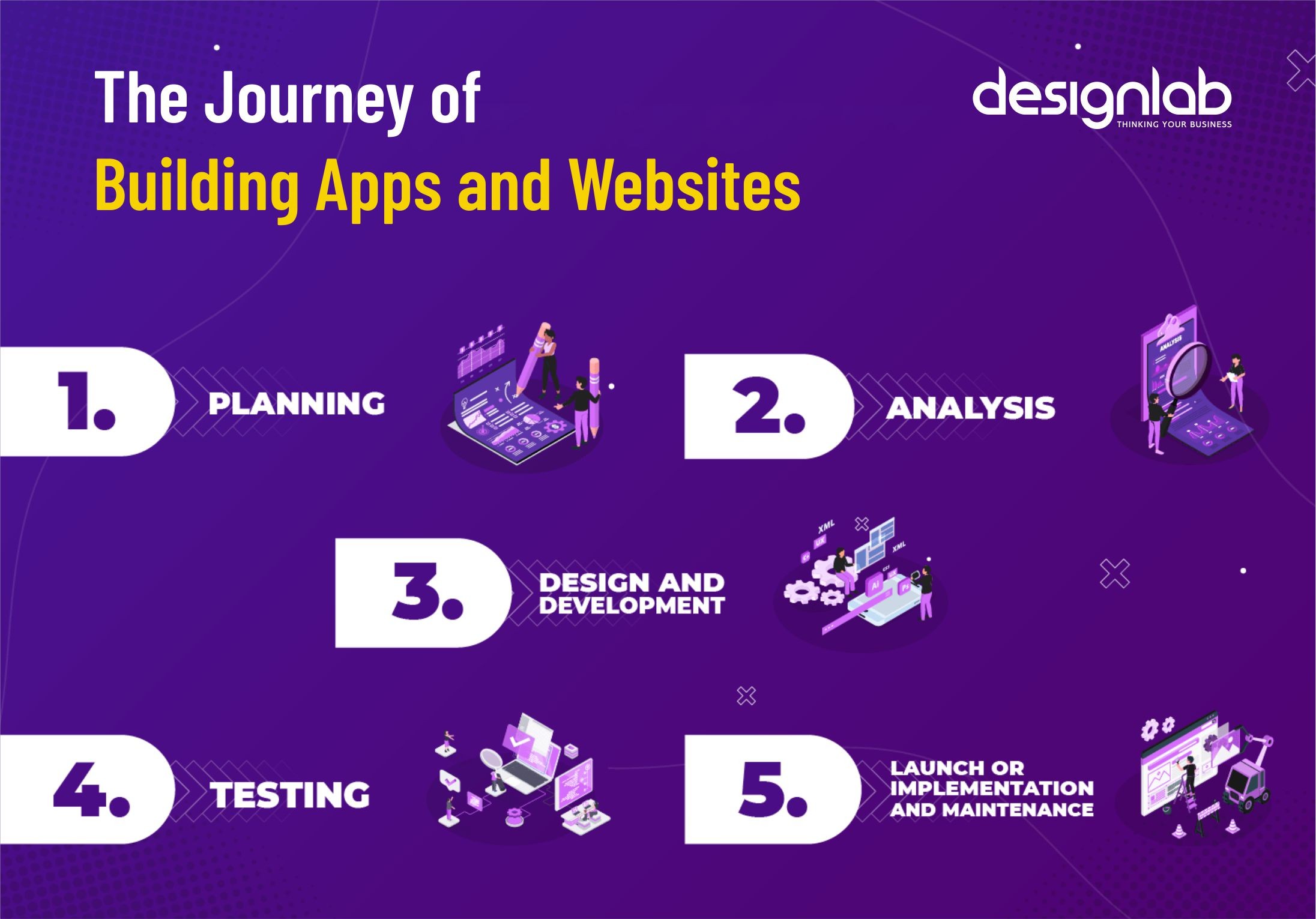
It can be intimidating to begin your own app development journey for your company. Making an innovative app for your company involves many steps. This manual will show you step-by-step how to begin developing apps for your company. Once you get going, you will learn what steps you should take before contacting a developer and what to keep in mind! How can an app benefit your company?
You might be asking, what value does an application add to my business?
Apps that are both internal and external will significantly impact your company. In a nutshell, an app for your company will boost productivity and simplify your life. Apps can also improve customer engagement and interaction with your company. Through features that aren't present in web browsers, apps have the power to attract the attention of both current and potential customers. A useful app enables you to:
- Boost output and reduce the paper trail in your company.
- Increase brand recognition.
- Promote a brand's loyalty.
- Boost customer involvement.
- Offers should be direct and specific.
- Faster customer service and assistance
It's a good idea to identify a problem first if you don't yet have an app idea but are confident that an app will benefit your company. You can develop an app that addresses a problem or issue within your company by identifying it. This implies that the app you develop for your company will be valuable and a good investment. The following are some typical issues that an app can assist you in resolving for your business:
- Distribution of information and customer service
- Corporate internal tool
- Supervision of employee work.
- Monitoring the operations of your business processes
- Introducing fresh goods and services to the marketplace
- Data as needed.
- Collecting and processing useful data
- Customer interaction.
- Faster customer service and assistance
- Maintain a competitive edge in your sector.
How exactly do we create a mobile application?
1) Strategy, planning, and analytics are the first steps
Analytics is a stage that is of utmost importance. It is not necessary to stop working on it and begin the project specified in the terms of reference. We learn who is in the market, who to target, and the best way to avoid doing this during the analysis process. Business analysts lay out the specifications for a mobile application, present methods for implementation, and develop user interface (UI) wireframes that serve as the application's foundation.
- Examining and surveying business procedures
- An explanation of both functional and non-functional requirements in detail.
- Deciding on the future mobile application's data direction.
- Creating potential user interaction scenarios.
- Technical specifications for creation
- Preparing and outlining the application's requirements (such as having a server for data processing or storage, having an admin panel, having the option to edit content, etc.).
Determine the objectives of the company, research your audience and communication methods, and examine your competitors to help you find the best positioning. Focus groups, peer reviews, and executive and client interviews are frequently included in analytics.
Such planning will assist in gathering all the requirements and organising them into comprehensible visual models, such as mind maps, business process diagrams, and user journeys, before deciding on the foundation for development and moving on to the prototype.
Consider the monetization plan at the bank to be taken into account when creating the application as another way to increase profits.
2) Stages in UI/UX design creation:
- Choosing stylistics that are appropriate for the customer's roles, standing, and reputation
- Development of the application's design concept.
- Design components are listed on the drawing screen.
- Creation of graphic content, such as icons, illustrations, and photos.
The application's design objective is to offer a seamless, uncomplicated, and visually appealing user experience. DesignLab will make sure to create a unique design for your product because it's important to stand out and maintain your brand's identity.
For the majority of users, the design must be practical, straightforward, and understandable; however, this is harder to accomplish than it might first appear. UI and UX are typically built from scratch. Drawing on-screen maps, creating graphical elements, and developing software prototypes for various use cases are all used here.
A fundamental design principle is consistency. This dispels the uncertainty. It is crucial to keep the application's overall appearance and feel consistent. The procedure, when used in a mobile application, means the following:
- Visual coherence
The application must use the same fonts, buttons, and labels throughout.
- Functionality Sequence
The functionality of interactive elements should be consistent throughout your application.
- External Consistency
For a variety of products, the design must be uniform. In order to use another product, the user can apply previously acquired knowledge.
3) Prototyping
Separate static from interactive prototypes. The designer creates prototypes, which are the trial versions of the programme's layouts. The latter includes buttons for transitions and controls.
When prototyping, an analyst considers the application's flow and the user interface's navigational structure. The original concept might need to be modified for the target market and the tasks that must be accomplished using the mobile application.
The customer and the prototype are in agreement after development. If modifications are required, they are made, and the project is given to the designer. The latter decides on the application's style. This makes use of the dimensions, padding, and animation elements from the Material Design Guidelines and the iOS Human Interface Guidelines.
Figma is a recommended online tool for interactive prototyping. You can view the mobile application as though it were already prepared and set up on the device by clicking the link. It is okay to navigate between pages, use control buttons, etc.
Both the client and the contractor benefit from interactive prototypes. The latter will be able to spot mistakes and act swiftly to correct them.
4) App creation
First, these platforms' development is complete:-
- Nearly 95% of the market for mobile devices is dominated by Android and iOS.
- Linux, Windows, Symbian, and other platforms receive the balance.
Tablets, wearable technology like electronic watches and fitness trackers, wearable gadgets with AR, and smart TVs should also be taken into account in addition to apps for smartphones. By the way, the number of them increases yearly.
The applications for these gadgets, which frequently use our two flagship platforms, fall under the umbrella of mobile development.
There are two stages involved in creating a service code:
- Back end
- Front end
The client-side of the app's development, including the interface and business logic, is called the frontend. Native and cross-platform applications are the two different categories.
5) Testing Phase
Product testing involves looking for mistakes in a recently developed mobile service. Clients frequently make the mistake of underestimating the value of the testing phase and their desire to launch the project as quickly as possible in order to eliminate any potential bugs "on the fly."
It will eventually be necessary to fix mistakes, but doing so will cost more money this way. Application testing is done throughout the entire development process. They examine the ease of use, level of security, speed, and responsiveness of the user interface. This enables prompt error correction and the delivery of a normally functioning final product.
Mobile developers are advised to perform regression testing in addition to basic testing. Its purpose is to ensure that after some errors are fixed, no new ones appear and that the portions of the code that were unaffected continue to run successfully. Although the testing phase requires a lot of money and time, it is not worthwhile to turn it into a savings item.
Phases for the following aspects of the phone platform:
- Registration, authorization, and payment for purchases
- Various hardware options and support for various operating systems
- Under a range of loads, from minimal to maximal, performance and service work are performed. At this point, the data transfer rate between the server and external interface is assessed.
- Because they are insecure, users occasionally remove mobile platforms. Therefore, a requirement ensures that private information won't be accessible to outsiders.
6) Release
The last step in creating a mobile service is to submit it to an app store, such as Google Play or the App Store.
If everything goes according to plan, it will be accessible for download in a few days. The Google Play Store and Apple App Store guidelines must be carefully reviewed prior to launch, and page screenshots, a marketing release strategy, and a description must be ready. After downloading, the stores review all the data regarding the project's applicability and make a decision regarding whether or not to publish the application. Post-release assistance is also crucial, though.
The server needs to be tested to make sure it can handle the load, handle errors quickly, and has enough disc space available. It is advised to conduct research to enhance the application: study customer reviews and refine them based on them. release updates and expand functionality.
Making an app versus creating a website
An app is a software programme that runs on a device, such as a smartphone or tablet, whereas a website is a collection of web pages accessed via the internet. While apps are installed on a device and run natively, websites are typically made to be viewed in a web browser.
Both websites and apps use different building technologies. Apps are typically created using programming languages like Java, Swift, or Kotlin, whereas websites are typically created using web technologies like HTML, CSS, and JavaScript. While app development entails designing for particular device resolutions and screen sizes, web development typically entails creating a responsive design that adjusts to various screen sizes.
To Sum Up
In conclusion, creating websites and apps can be a difficult but rewarding process. Both involve developing digital experiences that cater to the needs of users, but they call for different methodologies and technologies.
Making a collection of web pages that can be accessed online is the process of building a website. Websites must be created with responsiveness in mind, which means they must adjust to various screen sizes and be mobile-friendly. Typically, web technologies like HTML, CSS, and JavaScript are used to build websites.
An application that runs natively on a device, such as a smartphone or tablet, is created by building an app. Apps must be made to function properly on a variety of screen sizes and resolutions of devices. You may contact us, DesignLab, in case of any queries related to our services.
New Trends and Strategies in Marketing
We reserve the task of foretelling the future for clairvoyants, but we can already examine and assess recent and forthcoming trends in digital marketing. Are you enquiring?
Some of the upcoming digital marketing trends for 2023 have been selected by DesignLab to help you grow your company and outperform the competition. Remember that these forecasts are based on current marketing trends. The timeless, tried-and-true golden rules are something you should never lose sight of.
However, the new trends offer a fantastic chance to distinguish your brand and remain competitive. The earlier you catch on, the better your chance of being discovered.
1. The use of influencers in marketing will become more widespread
In 2022, influencer marketing really took off, and we forecast that this trend will continue into 2023. Why? 89% of marketers who use influencer marketing will increase or keep their investment in it in the upcoming year. Additionally, 17% of marketers intend to make their first investment in it the following year.
Promoters on social media with a smaller audience are known as micro-influencers, typically with thousands to tens of thousands of followers. Despite having fewer followers, they frequently post more powerful content because there is more engagement. These influencers have also discovered a niche in their industry, which is why they have begun to contribute more to the conversion of leads, audience engagement, and brand awareness.
Contrary to difficult-to-reach celebrities, audiences of micro-influencers are actually more likely to trust their advice because they are still regarded as "everyday" people.
2. Content will be kept brief by video marketers
Short-form video has revolutionised the marketing industry, and we believe it will continue to do so in 2023. A startling 90% of marketers who currently use short-form video plan to increase or maintain their investment in it in the upcoming year, and 1 in 5 marketers expect to use it for the first time in 2023.
While long-form videos can give audiences a lot of detail and information about a product, brand, or service, B2C and B2B marketers have discovered that short-form videos are actually much more effective at getting to the point.
In addition to using less bandwidth, short-form videos are better suited to online audiences' quick attention spans across a range of demographics. It is probably for this reason that platforms like TikTok, Reels, and, in the past, Snapchat, have seen rapid growth and marketing interest.
3. Social media will be used as a tool for customer support
Although using social media as a tool for customer service is still relatively new, this trend is picking up speed quickly. So much so that 15% of marketers plan to try it for the first time in 2023, and more than a quarter of marketers already use direct messages (DMs) to provide customer support.
This trend's emergence coincides with the expansion of e-commerce features on many social media platforms, including Facebook and Instagram. Customer service on these platforms will therefore become even more important.
It's also important to note that customers, especially Millennials and Gen Z, prefer to communicate with brands via direct messages. In the past three months, 20% of Gen Zers and almost 25% of Millennials, according to HubSpot's 2022 Consumer Trends Survey, have contacted a brand on social media for customer service.
4. More companies will use SEO to increase search traffic
As marketers, it is our responsibility to make sure that both our websites and content can be found, particularly on Google, which can generate both long-term and short-term traffic returns. Even though SEO is not a new concept, contemporary marketing strategies are increasingly incorporating its tactics.
SEO comes in third place, behind influencer marketing and short-form video, when it comes to the trend that marketers will spend the most money on in 2023. Additionally, with a slight increase from the previous year (84%), 88% of marketers who have an SEO strategy will boost or maintain their investment in 2023.
All opportunities for search optimization increase in importance and demand as a result of SEO strategies. As Google's algorithms have developed, SEO has grown to be much more than just producing straightforward posts that respond to straightforward search queries. Brands are now spending money on SEO specialists who can assist them with everything from search insight reports to multimedia optimisation.
5. The importance of mobile optimisation will increase
Customers are using mobile devices for an increasing amount of time. In fact, mobile devices, including tablets, account for more than half of all yearly website traffic.
Mobile-optimized digital experiences will be even more important to take into account as a business owner who markets to these fast-paced, highly connected generations as millennials and Gen Z audiences continue to increase their purchasing power.
Additionally, mobile experiences are crucial for other important marketing strategies in addition to brand websites. For instance, 56% of email-using marketers are concerned with providing subscribers with mobile email experiences.
6. More businesses will give social responsibility a higher priority
For instance, 40% of Millennials and 50% of Gen Z'ers want businesses to take a position on social issues like climate change, LGBTQ+ rights, gender inequality, and racial justice. Companies' purchasing choices are significantly impacted when they speak out about these issues.
In light of all of this, businesses have started to change their social media strategies to concentrate more on inclusive initiatives, promotions, and offerings while also highlighting causes or missions they support. Even though it might not result in immediate sales, being socially conscious is still considerate and productive.
7. Sales and marketing teams that work together will succeed
The need for collaboration between the sales and marketing teams grows as 2023 approaches. When these teams are working together, marketers are better able to understand their customers' interests, pastimes, and demographics. However, when it doesn't, it causes a flurry of issues for all parties concerned. Most significantly, it's more difficult to share and access data across teams, which affects 1 in 5 marketers today.
Uncomfortably, only 31% of marketers claim that their sales and marketing teams work well together. It should come as no surprise that nearly half of marketers will change their 2023 goals to emphasise sales and marketing alignment.
8. Experience-based advertising may return
Audiences can enter an immersive experience through experiential marketing campaigns, which are frequently offered in-person or through AR and VR platforms.
Immersive experiences like these were entertaining, effective, and very shareable on social media, but they encountered difficulties in 2020 and 2021 as a result of the global pandemic, which forced businesses, public places, and entire nations to close their doors to the public.
Additionally, fewer small brands have made investments in digital experiential marketing because creating a branded AR or VR experience is a high-budget wager that can also depend on audiences having tools like AR or VR headsets or the most recent smartphone technology to access the content.
9. For expanding brands, inbound marketing will continue to be a best practise
It is incredibly wise to embrace inbound marketing in this era of digital transformation. Due to the unprecedented change that has occurred in the last two years, outbound marketing strategies are now even less successful at attracting prospects and leads.
Inbound marketing has emerged as one of the most effective strategies as work-from-home (WFH) business practises transition from in-person to hybrid models. For instance, the COVID-19 mandate has led to a sharp increase in virtual events as marketers scramble to pique consumers' interest.
10. The marketing industry will adopt virtual reality (VR) and augmented reality (AR) slowly
In the beginning, we had high expectations for VR and AR in the marketing sector. 35% of marketers used AR or VR in their strategies back in 2021, and of those marketers, almost half intended to increase their investment the following year. It might, however, drop down the list in 2023 as fewer marketers are expected to spend money on it. Over a quarter (27%) of marketers say they won't be using VR and AR in the upcoming year.
Due to expensive equipment and bulky headsets, marketers have generally been slower to adopt this trend. However, this might change as more people have access to VR headsets and AR applications.
11. More companies will try native advertising
You invest in native advertising when your brand pays to have content featured on a website owned by a different party. Native advertising is intended to blend in and spread awareness of your brand to a new audience, as opposed to traditional advertising, which is made to interrupt and stand out.
Consumers are more likely to consume native ads because they don't "feel" like traditional advertisements; in fact, native ads are viewed over 50% more frequently than banner ads.
Examples of native advertising can be found in search engine results, social media, content recommendation systems (those links to various other content you can click at the bottom of the page to read more on or related to the topic), or in campaigns.
12. The best marketing content format will continue to be video
In 2022, video dominated the marketing sector; we anticipate that trend will continue in 2023. Why? because marketers intend to spend more money on short-form video than any other trend in 2019. Additionally, a staggering 90% of marketers who use short-form video now plan to increase or maintain their investment in 2023.
Due to expensive resources and production, video creation and marketing strategies in the past were constrained. It's much easier to access now. Video is now easier to integrate into your marketing strategies thanks to lowered cost barriers.
A smartphone, like an iPhone, and reasonably priced editing software are all you need; you don't even need to hire a production team or marketing agency.
Make Better Progress Using Marketing Trends
You're current—for the time being. Your company won't lag behind as long as you keep an eye on current marketing trends and are always open to change.
Don't worry if the thought of keeping up with all these insights makes you feel overwhelmed. In the upcoming months, DesignLab will regularly release marketing strategy research articles with information from hundreds of marketing professionals, and we'll keep updating this post as new trends appear. You can get in touch with us if you have questions about our services.
Insights and Strategies for Effective Marketing
In the long run, marketing has been the true essence in the uplifting of any Organisation. While there are many other factors that help a business grow, marketing has been proven to be its foundation because it gives it the awareness and global reach it needs.
An effective marketing plan can act as a crucial road map for any company, whether it is a large MNC or a small start-up. Organizations can market their companies, target the right kinds of customers, and allocate their resources effectively by creating a cogent and well-thought-out marketing strategy while also preserving the company's reputation.
1. Use your content to educate
Using content to educate entails giving your audience useful and educational information that can advance their knowledge of a subject or enable them to learn something new. A variety of content, such as blog posts, articles, videos, podcasts, and social media updates, can accomplish this.
It's crucial to think about your audience and their level of subject knowledge when creating educational content. Using simple language and examples, your content should be accessible and easy to understand for your audience.
Building trust with your audience through educational content can help you establish your authority and expertise in your field, increase website traffic, and increase sales for your company.
2. Customise your marketing communications
Making your communication more specific to your audience's needs and preferences is known as personalising your marketing messages. This can be accomplished using a variety of strategies, including audience segmentation, personalised messaging, and the use of dynamic content.
By separating your target market into distinct groups according to demographic, behavioural, or other traits, you can segment your audience. You can create marketing messages that resonate with your audience by being more targeted and relevant and by understanding the particular requirements and preferences of each group.
By addressing your audience by name and using language and messaging that are specifically tailored to them, you can use personalised messaging. This can help create a more personalised and engaging experience for your audience, which can lead to higher engagement and conversions.
3. Let the data inspire your imagination
Letting data drive your creativity involves using data to inform and optimise your creative strategies and campaigns. This may entail looking at metrics like customer behaviour, conversion rates, and engagement rates to spot trends and gain insights that can guide your creative choices.
Instead of relying on conjecture or assumptions, you can make decisions that are well-informed and supported by data by using data to guide your creativity. This can assist you in developing campaigns that are more compelling to your audience and produce results.
Start by determining the key metrics and KPIs that are most crucial to your business if you want data to drive your creativity. This may involve statistics like click-through rates, conversion rates, or earnings.
4. Spend money on an original study
Investing in original research entails creating your own studies and surveys to collect particular information on your target market or industry. This can assist you in gathering fresh, insightful data that you can use to guide your marketing and business strategies.
By conducting original research, you can position yourself as a thought leader in your industry, build credibility and trust with your audience, and create valuable content that can be used for marketing and PR purposes.
Selecting a subject or issue that is pertinent to your field or intended audience is the first step in investing in original research. This might be an issue that has not yet been resolved or a subject that has not yet been thoroughly investigated.
5. Publish new content
Updating your content involves regularly reviewing and refreshing your existing content to ensure that it remains accurate, relevant, and valuable to your audience. This can involve revising statistics, updating out-of-date data, and improving content for both users and search engines.
You can enhance your content's functionality and visibility in search engine results by updating it. By giving your audience the most recent data and insights, it can also help you better engage with them.
Start by conducting a content audit to determine which pieces of content need to be updated before you update any existing content. This can apply to product descriptions, landing pages, and blog posts. After that, go through each piece of content and make any necessary updates.
6. Increase the number of guest blog posts you accept
Reaching out to other websites and blogs to write content as a guest author will increase your opportunities for guest blogging. This can help you become more visible, connect with new audiences, and position yourself as a leader in your field.
Start by identifying websites and blogs that are pertinent to your industry or target market in order to increase your guest blogging opportunities. Look for websites that are well-liked and frequently interact with their visitors. After that, get in touch with the website's owner or editor and propose a guest post.
When writing your pitch, be sure to emphasise your area of expertise and give a brief summary of the subject you plan to write about.
7. Streaming
Through a platform like Facebook, Instagram, or YouTube, live streaming entails providing your audience with real-time access to live video content. Live Streaming is a potent marketing tool that can help you connect with your viewers, increase brand recognition, and generate leads for your website or company.
You must select a platform that is appropriate for both your audience and your business before you can begin live streaming. Popular platforms with built-in livestreaming tools include Facebook, Instagram, and YouTube. You must set up your livestream and advertise it to your audience after selecting a platform.
Make sure to select a topic for your livestream that will be interesting and relevant to your audience.
8. Join or host a podcast
Creating or taking part in audio or video content for distribution on websites like Apple Podcasts, Spotify, or YouTube constitutes hosting or joining a podcast. Using podcasts as a marketing tool can help you connect with your audience, increase brand recognition, and position yourself as an authority in your field.
You must pick a subject that interests and is relevant to your audience before you can begin hosting your own podcast. You might want to think about interviewing subject-matter specialists, covering recent news or trends, or offering educational material. You must decide on a format and set up your recording equipment after selecting a topic.
9. Set up automated email marketing campaigns
A series of pre-written emails that are automatically sent to your subscribers based on their behaviour or actions is what setting up automated email marketing campaigns entails. This can speed up manual email marketing efforts, increase conversions, and help you forge stronger bonds with your audience.
You must select an email marketing platform with automation features in order to set up automated email campaigns. Once you've decided on a platform, you must write a series of emails that are pertinent to and interesting to your audience. You might want to think about sending welcome emails, follow-up emails after purchases, or reminders for abandoned carts.
10. Consider voice technology now
Optimizing your website and content for voice-enabled devices like Amazon's Alexa, Google Home, or Apple's Siri is one aspect of getting ready for voice technology. A wider audience can be reached by optimising your content for voice search as more and more people use voice assistants to conduct informational searches and make purchases.
You must take into account the distinctive features of voice search in order to get ready for voice technology. Voice search is typically more conversational and question-based than text-based search. You will therefore need to produce content that is optimised for both long-tail keywords and natural language.
Finally, the channels and activities you include in your marketing mix should be determined by your marketing strategy in order to reach your target audience. Print, radio, and television are examples of traditional media, as are digital media like social media and mobile apps. You can get in touch with DesignLab to have your marketing needs catered to.
Building Better Websites and Apps with DesignLab
The guidelines for developing mobile applications have changed significantly in recent years. New features have emerged with the newest mobile app trends, from AR to machine learning to IoT attributes, from design simplicity to AR.
While some mobile application features are quite dull and redundant, others are helpful, simple, and entertaining. Given the abundance of mobile applications available on the market, DesignLab brings to you the distinctive features and flawless design elements that set the best apart from the rest.
1. Include Push Notifications
Superior to emails and more successful than any other notification methods. Push notifications give you the opportunity to interact directly with your audience and provide them with the features they want to use in your app. Push notifications can be anything the users prefer—a brief, sweet text message, a graphic, or a combination of the two. The best feature is the ability to customise push notifications for each user. If your app serves the food industry, for instance, you could send a push notification that combines elements of users' preferred foods.
2. Excellent image resolution
Your app must run more quickly, but it must also have high-quality image resolution. If your app doesn't have the required image resolution, there's a good chance that it will discourage users from using it, which will eventually cost you customers. Therefore, high-quality image resolution should always be the first and most important requirement.
3. Adding a Search Feature
Add an advanced search function so that users of mobile apps can find and browse the content they need. This has a significant impact, especially if the app has a large content database; it soon becomes difficult for users to access without difficulty. Top-tier apps enable users to conduct keyword and phrase searches for pertinent content using the advanced search feature and the search box. All users can access the app's content thanks to the search feature.
4. Include the Use of Social Media
Sharing on social media is no longer just for photos. The majority of apps now integrate social media so that users can communicate and work with others whether or not they are using the same app. Since more users sharing their content will increase their reach and growth, app owners also benefit from integrating social media into their apps. The key is to make social media integration seamless, and each app page has social sharing buttons right on the side.
5. Utilisation of Responsive App Design
It is quite robust to design mobile apps for every screen size and resolution. This issue is solved by responsive app design, which enables the app to adapt to any screen size and resolution of small smartphones as well as larger tablets. Additionally, some smartphones have screens that are roughly the size of tablets. Look at the most recent iPhones and their rivals; they are big enough to be referred to as mini-tablets. Users will have the best possible app experience regardless of the device they are using by incorporating responsive app design during app development.
6. A straightforward layout with uncluttered components
The design of mobile apps has evolved into a clever aesthetic exercise where effective use of white space is crucial. No matter how complicated the app's logic may be, the user experience design should be simple and clutter-free, with each element given the right amount of space, context, and size. Users of mobile apps are constantly looking for apps that are simple to use and navigate. Here, a straightforward UI/UX design can assist businesses in succinctly describing the app's navigation structure, workflow, and guiding principles to their target market.
7. Observance of GDPR Requirements
The General Data Protection Regulations, or GDPR, are designed to safeguard the personal information of EU citizens. Therefore, it is advised to make your app GDPR compliant if it is intended for users who reside in EU member states. To comply with legal requirements, all software must process personal user data in a manner that is both private and secure. Any app feature or solution that might obstruct compliance measures should be removed.
8. Use attributes from machine learning
Data science is now widely used in a variety of business sectors. By incorporating data science models into business apps, it would be possible to meet the demand for precise demographic targeting and timely predictions, both of which are necessary for boosting sales. Additionally, by incorporating machine learning attributes, you will be able to examine the behaviour patterns of your target users, which will assist you in creating a successful outcome for your app. In essence, if you're planning to create an e-commerce application, this feature could be very useful for you.
9. Multisystem Integration of Augmented Reality
In recent years, augmented reality has left a lasting impression on the audience. Mobile users want to experience augmented reality (AR) in a variety of avatars and applications, so developers are constantly exploring new ways to use ARKit for iOS and ARCore for Android to achieve this. The blending of the real and virtual worlds is advantageous for various industries that are attempting to offer users with high expectations new experiences.
10. Broad Cross-Platform Support
Working with cutting-edge cross-platform app development frameworks that guarantee the best possible use of development time for the two most popular platforms is advised for all mobile app development companies. The code-sharing is perfectly suited to both of them, and cross-platform app development ensures native performance for each of the two platforms. Because of this, developing cross-platform apps for multiple mobile platforms can be more affordable.
11. Strong security issues
The creation of mobile apps for a variety of industries, including the HIPAA-protected healthcare sector, depends on strict data integrity and confidentiality requirements. Every mobile app must include strict security and data integrity measures due to the massive compliance requirements for data security and the recent IoT trends. Each of these apps must have secure customization and communication features, which are significant both now and in the near future.
12. Incorporating More Powerful, Robust Ecosystems
If a mobile app is part of a larger ecosystem, it can contribute to a wider world and serve more purposes than it could on its own. This maxim serves as the foundation for the Internet of Things, which seamlessly integrates various types of hardware and software. Mobile apps play their intended role and assist in playing a larger role in the ecosystem by being integrated with various systems that are a part of a larger ecosystem. In particular, with the aid of beacon and BLE technology, alignment with modern technologies, standards, and protocols aids in establishing interoperability through mobile apps.
13. Numerous touch features on mobile screens
Each and every mobile user wants to be able to conduct their business without using a keyboard and mouse. Mobile devices are operated by touch, so it is advantageous for businesses to concentrate on developing apps that enhance the touch interface through taps, swipes, and gestures. For maximum interactivity and the success of the app, mobile app designs must be focused on the touch experience itself.
14. Include Provisions for User Feedback
Most users of mobile apps are eager to share their opinions and provide feedback on their experiences with the app. Giving mobile app users the option to submit instant feedback removes the need for technical support and any other delays in getting their feedback to you.
15. Make it possible for apps to function offline
Make it possible for your mobile app to function without an Internet connection. In addition, one must address the issue of data security at the same time. Even though sensitive information shouldn't be stored on mobile devices, some work should be able to be done offline. Depending on the needs and goals of the app, developers and engineers must decide where to store data and functionality.
By experimenting with features, app flows, and other UI-based changes in DesignLab testing, you can gradually improve your in-app user experience while increasing your engagement, conversion, and retention rates. Consequently, while having a fully functional mobile app is undoubtedly the first step in engaging with a completely new audience segment, ongoing optimisation will help you drive real improvements in your key business metrics. DesignLab is a powerful mobile experimentation platform that equips you to create compelling user experiences and launch world-class features while minimising risk. If you're unsure, get in touch with us to learn how you can use our resources to improve your app or website.
Want to go to the shark tank? You need innovative branding
Today's businesses face much greater challenges than they did even five years ago. Business trends are constantly evolving, affecting everything from consumer preferences to industry standards. As a result, both big and small brands must adapt to the shifting competitive landscape. To survive and compete with rivals, one must not only concentrate on offering high-quality goods or services but also run effective branding campaigns.
In the current market environment, branding your company can be challenging. With our list of creative branding tips, we aim to make it simpler for you. But first, let's take a brief look at what branding entails and how the idea has evolved over time.
Top Creative Branding Advice for the Achiever
The act of giving a company a specific design or symbol in order to advertise its goods and services is referred to as branding in the dictionary. While this used to be a fairly accurate definition of the term "branding," it is no longer appropriate. Many people still only care about a brand's visual identity, such as its name, logo, packaging, etc. Although they remain a crucial component of any branding strategy, the concept has significantly changed over time.
Today, branding encompasses the entire process of identifying, developing, and coordinating the accumulative traits and deeds that influence stakeholders' perceptions of a brand. The goal is to market your company in a way that sets it apart from the competition. Even though it may seem straightforward, developing a modern, cutting-edge branding strategy calls for solid market knowledge and expertise. Here are some practical tips for doing it.
1. Maximise social media usage
Our lives have become so much more exciting, fun, and eventful as a result of social media. In addition to uniting people on a global scale and fostering a sense of community, it provides a powerful platform for businesses to advertise. Instant communication with the audience is made possible, and social media influencers, who are frequently available for brand collaborations, were born as a result. There are many ways to maximise social media for your brand, from running a referral programme to sharing stories on Instagram. Try one or more of these creative branding ideas.
2. Consider a referral scheme
A referral programme is a word-of-mouth marketing technique that rewards your current and past customers for referring your goods and services to others. Whether the offer is a freebie, a limited-time discount, or a free item with every purchase, if it is compelling enough, people will promote your brand.
3. Work with a different brand or account
Working together with a company or account that is similar to yours but isn't a direct rival can be beneficial. A larger and broader audience, increased social media buzz, increased brand value, and (occasionally) shared resources are some of the biggest advantages of brand partnerships. Start a joint project or simply share relevant posts on your social media accounts to promote each other.
4. Make original videos
Try making creative videos instead of your usual static Facebook and Instagram posts. Video not only conveys your message more effectively and more engagingly, but it also gives you more time and room for creative expression. They not only make your content more interesting and engaging than static content, but they also help your audience learn more about your goods and services and increase brand awareness.
As viewers discover and find value in your videos, they'll also share them on social media, boosting web traffic and engagement rates. You can always seek the aid of a reputable branding agency if you find it difficult to produce creative video content.
5. Check out Facebook Live
Thanks to their high rate of engagement, ability to hold viewers' attention, and improved SEO rankings, videos have unquestionably come of age in this generation. Users can share live streaming videos using their smartphones or other mobile devices with Facebook Live Videos. All Facebook users who have an active profile or page can use this feature. Facebook has introduced an algorithm that elevates videos in the news feed so they are visible naturally, taking into account that viewers are more interested in watching videos than images.
Additionally, consumers can interact with your brand in real-time with live videos (unlike images), building brand loyalty and trust. Live Facebook videos are spontaneous and unrehearsed in contrast to your regular product or service videos, which provide tidy and detailed information about your company. They foster a more personal connection and improve client retention. Facebook is unquestionably the best platform for going live and promoting your business, with more than 2.2 billion monthly active users and 8 billion video views each day.
6. Consult chatbots on Messenger
Client communication must be prompt when it comes to business sales, marketing, and support. Furthermore, chances are that if you take too long to respond to customers (for whatever reason), they will lose trust in you, become impatient, and switch to another company. This is precisely the situation where AI-powered chatbots are helpful because they can automate customer communication and greatly enhance the support process.
Studies show that 35% of consumers want to see more companies use chatbots to improve customer service. Instant response, consistent responses, one-on-one client conversations, multilingual chat, and 24/7 accessibility are some of the biggest benefits of using chatbots. Use your chatbot to provide informative content about your business to your followers, or switch it into a personal shopping assistant with personalised product and service suggestions.
7. Choose "YouTube Marketing"
There are many different channels and platforms available for digital branding. While it's fun to explore Facebook, Instagram, and Pinterest, having a YouTube channel is the best way to market your videos and boost user engagement. Everyone enjoys watching videos. Videos are a compelling aspect of our lives, from movies and Facebook videos to subscription-based streaming shows. Videos should be a part of your creative branding strategy given their rising popularity. The following are some of the main advantages of YouTube marketing.
8. Adhere to minimalist styles
Forget the times when company logos, banners, and brochures needed to be colourful and have ornate lettering. Nearly all well-known brands, from Puma to KFC, are implementing clear, straightforward designs for both their print and digital promotions. Even startups are following in their footsteps and swearing by a simple, universally appealing brand image. It enables you to present your goods and services to the audience without being excessive. The term "minimalism" describes the use of only the most fundamental visual components, such as a straightforward sans-serif font and a limited colour palette.
For instance, Burger King's rebranding strategy now takes on a more understated tone. While the previous logo was louder and more colourful, the revised version uses only two colours (red and orange) with a simple design.
9. Create an instant tweet
With the help of the unique tool known as Twitter Moments, you can make slideshows, or "Moments," from various tweets. This feature is mostly used to tell stories, disseminate news, or compile a list of favourite Tweets. Use customer testimonials in your branding tweets or include links to blogs that discuss your goods or services to boost credibility and influence. Additionally, you should make a Twitter Moment to show your followers what is happening at an event you are hosting or at a seminar you are attending. This will pique their interest and make it easier for them to relate to your brand.
For instance, you could make a demonstration video of your goods or services and save it through Twitter Moments so that anyone visiting your profile can easily see it. Be sure to incorporate answers to the frequently asked questions about your brand or product and also include some client testimonials.
10. Launch a TikTok contest
TikTok, a well-known social networking platform where users can share and edit videos, was introduced in 2018. Short comedic videos, lip-synching videos, and trending parodies are some of the most well-liked types of video content on this platform. A video can be optimised and made more searchable by adding a pertinent title, description, and hashtags after it has been created and posted.
The social media platform now uses hashtags in its "Challenges" feature, which invites users to participate in hot debates. You increase the likelihood that your video will be shared twofold when you take part in a challenge and post a pertinent video.
11. Use a listicle video to publicise content
Listicles are articles with a bulleted or numbered list that are usually organised around a single theme. List and article are combined to form the name "listicles." Videos with the list displayed as a slideshow with upbeat music playing in the background are referred to as video listicles in this context. Even though many may find this branding format to be stale and tiresome, it's still beneficial to use it in your company's digital marketing strategy.
For greater social exposure, convert your standard post into a listicle video and place it at the top of your blog section. You gain two advantages from a single branding strategy because well-known search engines like Google prioritise pages with embedded videos higher in search results than those without. Given that these videos are typically brief, viewers will be encouraged to click on them and perhaps even share them because they won't need to devote a lot of time to them.
12. Order a customised hashtag emoji
Although this approach isn't for everyone and is a bit pricey, the outcomes are unquestionably impressive. You want people to start talking about something big when you're announcing or launching it. Having a branded emoji appear in your posts is a great branding strategy, especially when used with the hashtag of your choice. When custom-branded emojis are used in advertisements, consumer attention increases by almost 10%. Consumer interest and emotional connection are increased by six times when combined with a promotional video.
13. Make use of TikTok advertisements
There aren't many ads on TikTok yet because the platform's ad feature is still relatively new. Less advertising means less irritability for viewers and a lower likelihood of "skip ad" clicks from TikTok users. Users are more likely to trust the opinion of a person they like and follow than a typical brand endorsement, which is a surefire advantage of this type of branding. TikTok is known for only displaying real, authentic content, which is another reason why this platform is effective for influencer marketing.
Business branding ideas have undergone a great evolution, just as everything does with time and changing environments. The marketing techniques that were effective even a few years ago may have lost their effectiveness today.
14. Set priorities
Prioritising the innovations that will help them maximise and expand their brand portfolio is the next behaviour brand innovators should incorporate into their strategy. Instead of getting sidetracked by microtrends that don't represent enough sales volume to make a significant difference, concentrate on brand-led innovation. Instead, brand innovators should pinpoint and concentrate on the bigger, "white space" opportunities, paying close attention to the size of the opportunity and the competitive environment. Consumers don't think in categories, so neither should your brand; keep that in mind. New entrants to the market may end up being your direct competitors due to adjacencies and other unforeseen circumstances.
15. Build
Now that you've anticipated customer needs and identified the most important growth opportunities, it's time to develop concrete ideas that capitalise on the opportunity and are consistent with your brand. Keep in mind that not all trends and movements suit all brands.
Concentrate on concepts that push the boundaries of categories while remaining pertinent. Avoid being "safe and simple" by developing and expanding your brand's product line using the frustrations of your target market as guidelines. Your brand innovations and initiatives should be distinctive from the competition.
Conclusion
Maintaining the identity of the brand (its essence, promise, and raison d'être) at all times, as well as consistency in the quality and in the codes of communication and style, is essential when putting an emphasis on innovation and market adaptation (although the message changes over the years).
For brands to keep their promise to customers, innovation is necessary. Innovation requires that brands have a purpose and meaning. The marketing department and the innovation department are linked by a brand. To connect the organization's strengths with the desires and needs of customers, innovation needs the brand as a compass. You may contact DesignLab for more information or any query.
The importance of packaging design in product marketing

How many times did the packaging of a product cause you to pause and check it out? Did the visual appeal of two comparable products affect your decision when you had to make one? Even though we should make every effort to avoid doing so, the truth is that we tend to place a lot of importance on first impressions. And in a world like this, the aesthetics of a product's packaging are just as important as the actual product. Because poor packaging design will hurt sales regardless of how great your product is.
When selecting a product's packaging, there are many factors to take into account. It must provide protection for the contents, enable simple storage, display product details, and draw customers' attention when placed on a shelf. So how do you create eye-catching product packaging that is also useful?
Product marketing and packaging are related
Product marketing and packaging are two critical facets of branding that are crucial to a product's success. These are their differences:
Product Marketing: The process of promoting and selling a product to potential customers is known as product marketing. It entails determining the target market, developing a messaging strategy, and coming up with strategies to reach and persuade customers. In order to position the product successfully in the market, product marketing also includes competitive analysis and market research to better understand customer needs and preferences.
Packaging: Packaging describes the layout and aesthetics of the actual box or wrapping that a product is delivered in. Packaging serves a variety of functions, including safeguarding the product, making transportation and storage easier, and informing the consumer. However, branding and marketing a product also heavily rely on packaging. It can convey the brand's personality, values, and positioning and also affect how customers view the worth and quality of the product.
It's critical to think about how product marketing and packaging interact with one another in order to have successful campaigns. The packaging should appeal to the target market and be consistent with the brand's positioning and messaging. Additionally, it should make it simple for customers to comprehend how to use and enjoy the product and offer important information about the product, such as its features and advantages. In the end, successful product marketing and packaging can support an increase in sales, customer engagement, and brand awareness.
The significance of branding
Customers can learn more about your brand and your beliefs by looking at your packaging. The product packaging cannot scream "Buy me!" at the consumer. It must be captivating, elicit a feeling, and range through a range of emotions. It is essential that it prompts the consumer to consider the brand's values outside of its product. Is it modern and vivacious or steeped in tradition and history? Does the company use environmentally friendly practices? What are its overarching core values?
Consider packaging as a channel for communication as well. Some retail businesses use labels and stickers to inform customers about the product or to direct them to social media sites.
Typical uses for product packaging
1) Protection: The main goal of product packaging is to keep the contents safe from harm while the product is in transit, being stored, or being displayed on store shelves. To prevent tampering with the product, product packaging must be dependable and robust.
2) Attraction: Your products must be eye-catching enough to draw customers' attention when they are displayed on store shelves. Useful and eye-catching custom boxes with specific colour schemes and intricate designs can achieve this.
3) Information: Product information, such as usage instructions, ingredient lists, and expiration dates, must be included on the packaging. Customers can use this information to decide whether or not they want to buy your product without having to speak to a store assistant.
4) Differentiation: Packaging can help brands distinguish their goods from competing ones by using distinctive logos, colours, or shapes. Your product will stand out and draw customers with innovative designs.
Why does the look of packaging matter?
Above all else, product packaging is a useful tool, but it also means much more to the product and brand it represents. Through its design, the packaging persuades a customer to buy a product or not. There are many reasons why packaging design is important, but the following are the ones we consider to be most crucial:
1) Makes a good initial impression
First impressions are important, as we've already established, especially when your product needs to stand out in a crowded market of competing goods. Your product will stand out from competitors on the market, whether it is on store shelves or the pages of an e-commerce website, thanks to attractive packaging design. Take full advantage of your first opportunity to win over customers and introduce them to your brand.
2) Establishes and maintains brand identity
Your company has a history and an identity that you have worked hard to develop. What more effective way is there to highlight brand identity than packaging design? In the end, it's what customers notice first. Make sure your company logo is prominently displayed, and use fonts, colours, and brand-specific trademarks to ensure packaging design accurately represents your company. Customers will be able to recognise your products wherever they are if you do this.
3) Interacts with clients
No matter how creatively you design a package, keep in mind that it must also provide information. To persuade customers of the value of the product inside, it must communicate with them and provide all the information they require. The following questions must be addressed by good packaging design:
- For whom was this product designed?
- What is the purpose of this item?
- Where can I find out more information about the maker?
- When does it end? When?
- How can this product make my life better?
How to make visually appealing product packaging
The first step in creating effective product packaging is to ascertain a few factors. The following three queries will assist the designer in producing something that speaks to the principles and reputation of your company:
1) What kind of goods do you sell?
This question is meant to assist you in understanding how the packaging works, not to be challenging or tricky. The size and sturdiness of the packaging will depend on the kind, size, and material of the product you are selling.
2) Who will purchase your product?
Knowing your audience can help you improve your ability to appeal to them. Your ideal customer should be kept in mind as you design the product packaging.
3) What is the look of my brand?
You must instruct the designer on the aesthetics to be used if you want the packaging design to accurately represent your brand. This includes the use of colours, fonts, logos, and, if applicable, imagery.
Once the aforementioned elements have been decided, it is time to start working on the packaging design. Here. To create a design that speaks to your audience, represents your brand, and is functional, the designer will consider the product itself, the competition, and your budget.
Once the design is complete, you must assess it using the following standards:
Simple to understand: Will customers be able to identify your product's features and functions just by looking at it? Confusion among your audience is the last thing you want.
Honesty: Does your product's packaging accurately depict it? Make sure the graphics or images used on the packaging are as accurate as you can. Naturally, you should use your best photos, but be careful that they don't overstate the value of your offering.
Versatility: Even though you might only currently offer one product for sale, you might decide to expand in the future. When the need arises, make sure the packaging design is flexible enough to accommodate additional products.
The ultimate goal is to experience the unboxing
When a customer picks up a box and begins to remove the product's packaging from it, they are having an "unboxing experience," which is a range of feelings. Everything that happens from the time of purchase until the customer opens the box should be memorable and unique.
Packaging serves much more purposes than merely safeguarding a product. It is a crucial marketing tool that promotes branding, highlights the best qualities of the product, and gives customers an unforgettable experience. It's a doorway that can take your company and product to new heights.
Allow DesignLab to assist you in having this wonderful experience each time you see your goods packaged perfectly.
Mobile Application Development: Top 10 Factors to Consider
The creation of a mobile application for a business is more than just a technological advance. To create a user-friendly application, you need business expertise. In this blog, we'll highlight a few crucial ideas that every business owner, app developer, and service provider should bear in mind before creating a mobile app.
It is a very proactive and sensible choice that, taking into account business standards, could mark a turning point for your company. The logical follow-up question is: what else needs to be taken into account before hiring an app development company? Consider the following factors when looking for the ideal app development company for your project: These elements will make it easier to choose a top-notch app development company that will wow customers and generate income with flawless results.
What exactly are corporate identity and branding?
In essence, a brand's corporate identity is represented by all of the information and communications you encounter when interacting with it. Despite the fact that logo design falls under corporate identity, the term actually encompasses a much wider range of graphic design elements, including typography, illustrations, colours, photography, and animations.
Examples of corporate identity can be found everywhere, including social media posts, billboard advertisements, letterhead, staff uniforms, product packaging, and app profiles.
Top ten criteria to consider when choosing the best mobile app development company to build your ideal app
1. Recognize their credentials and principles
What should you do as soon as you decide to hire an app development company? You should pick the IT company that best meets your needs because each one demonstrates its own level of expertise. It is crucial to have the assurance that they possess the expertise necessary to produce the outcomes you require.
Searching for industry experience is another thing you can do while you are conducting your research. It is critical to understand the company's history in the field and how they have handled different challenges.
2. Portfolio & References
The confirmation that you are on the right track comes from your portfolio and testimonials. Check out the company's website to see examples of their work and customer reviews. Unsurprisingly, a seasoned business will have a strong portfolio that highlights its accomplishments. Additionally, reading through the portfolio section enables you to determine if they have experience in the industry you are searching for, and customer reviews will increase your faith in the business.
You shouldn't limit yourself as a decision-maker to just the links and case studies of their works. It is not made public. Ask the development team about their methods for approaching various projects and their chosen approaches.
3. Get in touch to talk about the project and idea
It takes careful research and background checking to find a mobile app development company that can handle your project with ease. Once you have completed this stage, be sure to contact the business and go over your project with them. You cannot ignore the possibility that the project will require frequent changes while it is still in the development stage.
In order to ensure that the developers are available and flexible, please check with the company. You must definitely take this important point into account.
4. Go over the project's completion schedule
Make sure the business has the resources to handle your project before granting it. Additionally, because a company works on multiple projects at once, make sure there are enough developers there to meet the deadline for your project.
Make sure the delivery schedule for the mobile app is agreed upon by both you and the mobile app development company before hiring the business.
5. Carefully read the proposal
Any company can be requested to give you the proposal prior to onboarding. The proposal can assist you in selecting the business and determining how they will approach the project. The team behind the proposal's development will be described in a perfect project proposal. It's unprofessional when the sales team sends out proposals without first consulting the technical team.
A perfect proposal would emphasise the functionality, timeline, budget, and features. It should be developed following consultation with the sales team and technical staff.
6. Maintaining the idea for the app in confidence
Any business leader's worst nightmare is their app idea being leaked or stolen. Before the real app was released on the market, there have been instances where copies of under-construction apps were pushed onto app stores.
These are the subpar actions that the malicious actors have taken as a result of the poor security.
By agreeing to a non-disclosure agreement with the business you join, you can stop this from happening. An NDA can protect the idea and concept for the app while allowing for ownership of the app and its code.
7. Speak with the developer(s) or developer team(s) who will work on the project
A mobile device is meant to benefit your company. Period. Investing in a team of inexperienced developers is pointless. Simply put, both parties are wasting their time and resources.
One should recognise when Skin is in the game as the business leader, and it is preferable to speak with the development team directly. The ideal situation would be if you felt secure enough to entrust the company with the app development project.
8. Obtain the code's source
Never ever agree to a contract with a firm that creates apps without getting the source code first. Keep the source code safe with you at all times because it will save your life in the event of future changes and authorities.
9. Recognize the procedure for creating apps
Having a great app idea is insufficient. To provide the best user experience, it should be properly projected in the form of an application. Talk about the development and construction strategies to decide how they should move forward. This is an important factor that must be taken into account in order to get lasting results.
10. The app's upkeep and testing
The maintenance and testing of the app after it has been created are the most frequent problems encountered when hiring a mobile app development company. If they have a small team, there is a good chance that they won't have much time or money to support testing and maintenance.
It is obvious that there may be bugs and technical problems with the application, which is why a top-notch testing team is necessary. After the app is released, maintenance is a crucial component that cannot be ignored. To add new features, your app will need to be updated. It is crucial to confirm that the development firm you choose offers these services.
About us: DesignLab
UX/UI design, product design, graphic design, and other areas of design are all covered by courses and programmes on the online learning platform designlab.com. The courses are flexible and accessible, with a focus on hands-on, project-based learning, and they are taught by professionals in the industry.
To assist students and professionals in advancing their design careers, Designlab additionally provides mentoring and career support. Through the mentorship programme, students are put in touch with seasoned designers who offer advice, direction, and support throughout the course or programme. The career support team offers materials and tools to help students and recent graduates create their portfolios, network with potential employers, and get ready for job interviews. You may contact us to inquire about our services.
How can a well-designed logo create your brand's identity and recognition?
Over the past 15 years, our team, DesignLab, has worked with thousands of start-ups, small businesses, and agencies to develop and enhance their visual identities. We frequently write and speak about brand identity on our blog and at conferences, and we have keynoted a number of conferences and webinars on the topic. This guide offers the practical knowledge, advice, best practices, and experience we've gained from assisting more than 100,000 of the most well-known brands in the world.
Knowledge of brand identity
In many ways, a brand's visual (symbol or illustration) aspect is its brand identity. Consider the Nike "swoosh" or the Apple "apple" as two examples of brand identities that are tied to symbols or other visual elements. A powerful visual image is essential for creating brand identity and connecting the brand. Various branding components come together to form a brand identity. When you combine them, the identity resembles your brand's mascot in many ways. It is the way a business expresses and identifies itself through the visuals on its promotional materials, the brand's colours, and the way it uses social media to market itself. An organization's popularity and presence in a crowded market are strengthened by a strong brand identity.
Making a brand identity
The steps a business should take to develop a powerful, consistent, and unified brand identity will vary, but the following are the ones that are generally true for most:
1) Analyze the business and the industry. A thorough SWOT analysis that considers the entire company, looking at its strengths, weaknesses, opportunities, and threats, is a tried-and-true method for aiding managers in understanding their situation and determining their goals and the steps necessary to achieve them.
2) Establish important company objectives. To achieve these objectives, the brand identity should be used. For instance, an automaker's advertisements should be designed to appeal to the luxury market it is pursuing. They should be broadcast on programmes and websites that prospective customers are likely to visit.
3) Identify the firm's clients. A business can identify its target market by running surveys, holding focus groups, and conducting one-on-one interviews.
4) Establish the tone and message it wants to convey. Instead of attempting to combine every conceivable positive trait—utility, affordability, quality, nostalgia, modernity, luxury, flash, taste, and class—a company needs to establish a consistent perception. The copy, imagery, cultural allusions, and colour schemes that make up a brand should all work together to convey a single message.
How do you pick the right components for a brand identity design?
Memorability: The elements of your brand identity that you select should be memorable and noticeable so that consumers will remember and recognise them.
Meaningfulness: It's essential that the components you pick effectively communicate your brand identity. Elements of your brand identity should inform consumers about your company, service, or product line in a way that supports their positioning and perception.
Likeability: Does the aspect of the brand's identity appeal to consumers? Is it enjoyable, likeable, and likeable? Things that leave a good impression are what you want.
Transferability: Can the element be used on business cards, social media graphics, websites, and other platforms across all market segments? Does it translate well across national and linguistic boundaries? Avoid using brand identity components that are only applicable to certain platforms (such as mobile or print) or those that don’t translate well across your customers’ languages and cultures.
How to Increase Brand Recognition with Your Logo
The process of associating a business or product with a specific image or identity is known as brand recognition. It entails developing a brand that clients will quickly recognise and remember. Using a logo is among the best ways to accomplish this. A logo is used to represent a company's identity visually and aid in brand recognition. Numerous applications exist for logos. They can be used on social media accounts, websites, business cards, and more.
They can also be used to make an impression on a customer that will likely last long after the initial contact. This is why developing a distinctive and memorable logo is crucial.
Advantages Of a Logo In Brand Recognition
Making your brand more recognisable, boosting client loyalty, and boosting sales are just a few advantages of using a logo to establish brand recognition.
Your brand becomes more recognisable with a logo. Instant logo recognition can be advantageous in a competitive market. Customers may remember your brand more easily, and it will stand out from the competition if it has a recognised logo. Customer loyalty can rise as a result of using a logo to increase brand recognition. People are more likely to make a purchase from a brand they are familiar with and confident in. Customers are more likely to buy from you when they are familiar with your logo and see it frequently and prominently.
Sales can be boosted by using a logo to increase brand recognition. Having a recognisable logo can help turn potential customers into paying customers because people are more likely to buy from a brand they recognise and trust. Customers are more likely to refer to a company they are familiar with and confident in, which can increase your audience.
Selecting the Best Logo for Your Brand
You should select a logo that is straightforward, instantly recognisable, and classic. A straightforward logo will be easier to remember and recognise. It should stand out from competing logos and be simple to recognise. Regarding timeless design, make sure your logo won't appear dated in a few years when fashions change.
The colours you plan to use should be taken into account when choosing a logo. Select colours that will best represent your brand because they can be used to evoke specific emotions and feelings. Additionally, you want to make sure that your logo is adaptable and can be used in a variety of settings, including print and the web.
Additionally, you must guarantee that your logo is scalable. In order to use your logo in a variety of contexts, make sure it looks good in both small and large sizes.
Additionally, make sure your logo is original. Make sure there aren't any competing logos by conducting some research. This will make you stand out and help people remember your brand.
How To Build Brand Recognition with A Logo
Make sure your logo is distinctive and memorable because it is frequently the first thing customers see when they discover your company. You can increase brand recognition and set your company apart from the competition by creatively utilising your logo.
Including your logo in all of your marketing materials is one of the best ways to use it to increase brand recognition. Business cards, emails, websites, and any other marketing materials you distribute fall under this category. Customers will more easily recognise your brand if it has a consistent logo across all of your materials.
Utilize your logo on social media as well. People will be able to identify your company when they see it on various social media platforms if your logo is consistent across all of them. To get the most out of your logo, use it in all of your posts, profile pictures, and banners.
Making merchandise with your logo is another way to increase brand recognition. T-shirts, mugs, hats, and any other item you can think of could be included in this. Having merchandise with your logo on it will make it easier for people to recognise your brand.
Developing a Uniform Logo for All Platforms
Making a master logo is the best way to guarantee a consistent logo across all platforms. The official version of your logo should only be used in this context. It should be created to satisfy the specific needs of your brand, including the demands for size and colour.
Once you've established a master logo, you can begin designing specialised iterations for various platforms. You might want to design a logo with a transparent background for print materials so that it can be placed on any background. You can design a logo for digital platforms that is responsive to various screen sizes.
It's crucial to keep the end goal of creating a consistent logo across all platforms in mind when designing a logo. It is best to keep your logo's font, colours, and design components consistent across all of its iterations. This makes it more likely that, wherever it appears, people will recognise your logo.
Conclusion
You can leave a lasting impression on your customers and potential customers by using your logo to increase brand recognition. Your logo can give your brand credibility and brand loyalty, giving you an advantage in the marketplace. You can position your company as a market leader in your industry with a strong logo design, which will help you stand out from the competition and grow your business. To get assistance creating the most memorable logo for you, get in touch with DesignLab.
Why is Website Development beneficial to your company in 2023?
Every brand and company needs a website in the current digital era. Given how much time users spend on websites and social media, designers have started to move their businesses online to take advantage of digital marketing.
You can create a store on your website to sell your products in a specific online market. Being one of about a million results in a Google search can make you feel a little insignificant as a designer. Don't let this discourage you, though. A company that doesn't have a website is missing out on numerous customer opportunities. It takes time and effort to make your company and website stand out, but the rewards you will get in the form of conversions will be worth the effort.
1. A website contributes to greater brand awareness
Your brand is promoted to your target market via the website. The most crucial thing you must do to stand out from your competitors in the market is to make it clear who you are, what you stand for, and precisely what purpose you are serving.
Through your brand awareness, you can explain to your customers how and where you differ from your rivals. Customers learn about you as a result, and they are then more likely to make purchases from you. It can be challenging to inform the audience about trustworthy products and services without a website. As a result, one of the primary justifications for why your company needs a website is to raise brand awareness.
2. Your brand's official face
For new design brands, having a platform that accurately represents your brand is essential. The history and brand story of your business will be presented on this website. Many prospective customers are interested in the history of the brand and the products. Your website will humanise the company and make it easier for your customers to relate to you.
3. Websites demonstrate web presence
If you don't have a website, how will customers know you're a real business? Is a company with a website more likely to entice you to make a purchase than one without? The solution is obvious. So, you should make this online investment if you want your brand to succeed.
A website is required to demonstrate your online presence and strengthen the credibility of your brand. It shows potential clients that you take your work seriously and have something to offer each client. Furthermore, if you don't have a website, you are only partially effective. Customers expect businesses to have websites where they can educate themselves about their offerings, respond to customer feedback, and find testimonials from satisfied clients. A website is the ideal online marketing tool for attracting new customers and providing social proof.
4. Take control of the Story
Although you don't have much control over how other people see you, telling your story online can help build your brand's reputation. A website is a much more effective marketing tool for brands when it comes to communicating their voice, goal, and mission than print advertisements or emails. It makes sense that you would want to influence how the client views you. This is only possible with a well-designed website. You have the ability to influence the story and general aesthetic of your brand.
Many things about you could be said about you in the age of social media without your knowledge. However, if you run the website for your business, you write your own narrative. It will also be useful for damage control.
5. Increases ROI
Increasing return on investment (ROI) is undoubtedly one of your top priorities if your brand is successful. Having a website will help you because there are many ways to make sure it is improving and giving you the best return on investment. The following are some examples:
- Spend a lot of money on SEO (search engine optimization) to increase the visibility of your website on SERPs.
- When developing your website, be sure to take the target audience into account. People are more likely to click on your website if it is positioned higher in the search results. Additionally, you have a better chance of turning them into customers or clients after they visit your website.
- Use calls to action (CTAs) wisely on your website. Using a call to action (CTA), you can instruct website users on what they should do next.
6. Enables more helpful conversations
All too frequently, conversations devolve into pointless debates. This happens because you have to express your ideas clearly and succinctly. However, if you have a website, you can avoid these issues by taking part in more constructive discussions. A website is a tool for expressing your ideas to a global audience. You can have more fruitful conversations with your clients, guests, and co-workers because of a website.
Making a purposeful website will give you the opportunity to engage in more beneficial conversations. It offers a central location for all of your brand's data. You aren't as dependent on jumbled up documents and emails.
It is also simpler to distribute information when there is a website. You can publish content like articles that anyone with an internet connection can read. This makes it simple to hold interesting conversations about crucial issues.
7. Compete with other industry titans
You can compete with the leading companies in your field if you have a website. A website that has been optimised will be much more noticeable and appear at the appropriate time.
A website levels the playing field, enabling small businesses to flourish in the competitive marketplace of today. The biggest benefit is that it allows you to compete against a few other industry titans who have significantly more financial resources than you do. You can sell your goods and services online and reach a larger audience thanks to a website.
8. Your offers can be displayed on a website
It is one of the primary justifications for why your company requires a website. Your target audience's first encounter with your brand is through your website. So, it is entirely up to you how to position your company online. Through your website, you can express yourself.
Online presence for your company is guaranteed by websites. It serves as a channel for communicating the most recent updates to your customers through posts. As a result, you can regularly update the catalogue with everything you are doing. A company website would make it simpler for you to quickly update information for your customers, whether it's about a sale promotion or the launch of a new product.
You can offer short video tutorials or downloadable PDF instructions through your website in addition to showcasing your products. By emphasising your accolades and accomplishments, you can convince customers that you are superior to the competition. Displaying all of these on your website demonstrates your industry knowledge, increases customer engagement, and may persuade visitors to get in touch with you.
9. Better customer service is offered by websites
Customers typically call businesses to ask straightforward questions about location and business hours. If you don't answer any of the calls, the customer will be dissatisfied with your service. Calls made while employees are at work also cause them to lose concentration while working on current projects for the business.
The only way to reduce calls and boost overall productivity is with a website. In order to avoid the need for calls from customers and to ultimately offer a great user experience, the website must assist users in finding all relevant information. Customers can get quick answers to their questions by using the contact us form or other website forms. These days the live chatbot option is also trending.
10. You can prominently feature your best testimonials and reviews on your website
For the purpose of establishing social proof, prominently display customer endorsements and reviews on your website. It is also the main justification for why your company requires a website. You can highlight publications about your business that have been published in reputable blogs or in newspapers on your website. Customers check whether the information provided on the website is trustworthy and authenticated by reading reviews and customer feedback. Even if a third party later deletes the reviews, you can still access them permanently on your website. If your business is service-based, you can create a separate section of client testimonials and reviews.
To sum up
We hope that this blog post explains why, in 2023 or in the future, your company will need a website. Once your website goes live, you begin to experience a number of additional advantages that vary from domain to domain. An eCommerce website, for instance, can bring in the same amount of money or more during emergencies like pandemics, and a doctor's appointment website offers the ability to manage more patients with fewer staff members and aids in keeping effective patient records.
These are just a few instances, but in today's digital age, every industry can benefit from having a website. Reach out to an experienced website development company and request a consultation if you intend to launch an appealing, feature-rich website on an online platform. This will help you better understand the entire website development procedure. We sincerely hope you found this blog to be educational; if you still have any questions, please get in touch. We are pleased to add to our website development guide.
What significant role does UX/UI play in customer engagement?
Everyone wants to experience the best technology in the 21st century, but they don't want to spend too much time or strain their already-busy minds doing it. The same is true when using mobile applications or websites for browsing—the quicker and more effectively these tools respond, the better results they produce. In a nutshell, it concerns modern consumers! And most technology companies focus on the user interface (UI) and user experience design (UX) of the applications when it comes to user satisfaction with mobile applications or websites (UX). However, the terms UI and UX are frequently used interchangeably. Consequently, our goal is to explain the meaning behind UI and UX design.
UI design: what is it?
The process of enhancing the presentation and interactivity of a web or mobile application is known as the user interface (UI). It concentrates on the appearance of the app and engages with users. The user interface of an application is represented by each screen, page, button, and other visual component you encounter while using that application.
UX design: what is it?
The process of improving the overall interaction between users and an application or website in order to maximise customer satisfaction is known as user experience (UX) design. It constructs the fundamental framework of any application while keeping customers in mind. It primarily focuses on wireframing an application and properly organising all of its parts and components to create the user flow.
The significance of UI/UX design
Any business's main objective is to boost sales and accelerate business expansion. UX/UI design is crucial to achieving this objective. The application's UI/UI Design improves customer satisfaction and user experience, which ultimately helps to increase the number of users of the specific application.
Given the numerous options and alternatives users have for the goods and/or services you are providing them, you have a limited amount of time to capture their attention, so you need to hit the mark quickly.
By giving customers the experience they want, your application or website will gain their trust and be used more frequently. The success of excellent UI and UX can be determined by the number of users who visit your website or application. Since first impressions last a long time and good UI and UX design can make or break brand recognition, UI and UX design become even more important for start-ups and small businesses.
UI/UX design's essential elements include:
1) Information Architecture
Information architecture, or IA, focuses on achieving business objectives by planning the information structure of an application or website. Regardless of the browser they are using, the IA's main responsibility is to offer its users simple navigation. To create the best top-level navigation menu, the most permutations and combinations are used.
2) Design for Interaction
The goal of interaction design is to develop the conceptual framework through which users will interact with a given product or application. Numerous elements, including aesthetics, colour, font, icons, images, motion, sound, space, graphics, etc., are used in this interaction.
3) Usability
The terms "usability" and "user-friendliness" are interchangeable. Along with determining whether users receive the information they seek when using the app or visiting the website for the first time and whether it is simple to navigate, usability also considers how to deal with errors.
4) Wireframing
Creating a sample of the application to test its features, appearance, and usability before it is actually launched is known as "wireframing." It is an inexpensive way to test functionality and determine whether the application accomplishes its goals.
5) Graphic Design
The visual design of the website or application is similar to defining the company's brand. The visual design is the most crucial part of the UI design because it can influence users' behaviour. Visual design includes not only choosing the best icons, colours, and fonts but also recognising how an application's appearance affects user interaction.
Motives for Having an Effective UX/UI Design for Your App
For the most part, creating an effective UX/UI design for an app is a top priority. In order to understand the needs of your users and the issue you intend to solve with your app, this requires extensive research and advance planning. Whatever your requirements, you will need to create a design that is functional.
1) It increases customer satisfaction, which leads to a higher ROI
Your customers will enjoy the engaging content and simple navigation provided by a great design. This increases the customer's satisfaction with your application's services. Customers who are happy will always tell others about your app. Customers grow as a result of this. Additionally, they will develop brand loyalty and become repeat customers, boosting your company's return on investment.
2) Improves audience comprehension
You must be aware of your clients' needs before developing an UL or UX. This implies that your design was produced with your target audience in mind. Your app will draw the users you intended. Additionally, Ul/UX enables audience segmentation, which is essential to comprehending the preferences of each audience. Understanding your audience makes it simple to turn potential customers into devoted ones, boosting actual sales.
3) Strengthens your brand
Investing in an effective UX/UI design increases customer satisfaction, leading to satisfied customers. Working with brands that make people happy is popular. They will be more apt to suggest features that you can upgrade to, which will encourage you to spend money on enhancing your application. As a result, clients are more likely to develop positive relationships with your business and brand. As a result, the value of your company and brand name will increase.
4) Saves money and time
There is very little chance that your clients will find any issues with your application if you invest in a great UX/UI design. A perfect product will not require frequent upgrades, saving you the money and time necessary to create an update. A financial and time commitment is necessary for upgrading. Your company will suffer losses as a result.
How effective is your mobile app's UX/UI design?
Users of mobile apps prefer those that are more engaging and simple to use. The most popular apps, like WhatsApp, have consistently provided their users with a user-friendly interface and seamless navigation. The first step in creating a successful application is creating one that has an effective UX/UI design. This is so because most app users prefer a user-friendly, aesthetically pleasing app to one that has great functionality but a less appealing design.
When using your app, users get a realistic feeling thanks to a great interface. Additionally, it offers them a steady stream of useful information. Your app will continue to attract users as their interest grows, naturally increasing traffic. This will increase conversion rates, which will help your brand name grow. Therefore, it is crucial to work with a skilled UX/UI designer who will make sure that your mobile app is engaging for users.
Which aspect of UI/UX design is more crucial?
Since the two elements are crucial for both website development and ongoing performance optimization, there is a big difference between UI and UX. Without one or the other, your website may skew toward one of the following situations:
- A visually appealing website that is challenging to navigate and find content and call-to-actions.
- A user-friendly website with poor visuals that detracts from the user experience and brand positioning.
It is clear from the aforementioned scenarios that a website must be optimised for both UI and UX. The ultimate objective is to provide a wonderful visitor experience, and what
Why is UI/UX design important for business expansion?
Since UI and UX development primarily focuses on the users' satisfaction and enjoyment, it is crucial to the success of the business. From a business's perspective, it is crucial to emphasise user satisfaction in order to develop the company's reputation and brand value. As a highly competitive industry, IT requires UI/UX design services to attract customers and increase sales of the company's goods. It is your and your UI/UX developers' duty to steer users toward their intended destination in the most effective manner, whether they are utilising your applications or browsing one of your websites. UI and UX development has thus grown to be a significant industry.
Conclusion
A very important component of your mobile application is the UI and UX. Your app must have a fantastic user interface and user experience if you want it to be successful. You can make your app more interactive and engaging by being aware of the needs and preferences of your target audience.
Please feel free to get in touch with DesignLab at any time if you have any questions or if you want our assistance in designing the UI and UX for your mobile application. We would be delighted to assist you.
Roles played by the aesthetics and functions of a website
Does it really matter how you appear on the outside, or are your mental processes more important? The age-old debate between form and function has been discussed endlessly.
Web design is not exempt as a profession. Since the conception of the website in the early 1990s, discussions on the significance of both aspects have been going on. How could you, as a site owner, strike a balance between the two? What are the inquiries that you ought to be asking yourself? What part do both play, and how significant are they to the audience of today?
But do the same "aesthetics first" guidelines apply when it comes to the design of your website, or do users care more about what's going on behind the curtain? We thought it was time to enter the debate on function vs. form with a thorough analysis of the advantages and disadvantages of each strategy before coming to our own conclusions about the relative importance of form and function in web design.
Aesthetics
"Good design is about how something works, not about how it looks or feels," the late Steve Jobs once said. Although the majority of us are unlikely to disagree with the man who built the most valuable brand in the world on the strength of good design, this hasn't stopped a lot of website designers from attempting to win over their audience by prioritising aesthetics over functionality. And it has had some success in this oh-so-superficial age in which we live. So what are the advantages of this strategy?
The Benefits
1) Attract attention right away
It's crucial that your website design sparks immediate interest given the number of websites vying for the same customers. Users decide whether to stay on your website and form an opinion in just 50 milliseconds, or 0.05 seconds if you're counting. All they have to go on during that time is the appearance of your website. Therefore, highly noticeable, high-quality images that leave a lasting impression on your visitors can persuade them to stay.
2) Be distinct from the crowd
The customer will undoubtedly value a functional website, but it won't help set your company apart from the competition. To stand out, you'll need to rely on other elements of your branding strategy or marketing mix. An attractive website will help you stand out in the field and establish an online presence that is memorable for the right reasons.
3) Make connections
Having a website that is visually appealing can help you build relationships with your visitors. You're one step closer to a sale if website visitors find something on your site that they like and can relate to. We all like to use our sense of fashion, pastimes, and interests to define who we are. A website that appeals to these choices can be very persuasive.
4) Incite a feeling
The saying "a picture is worth a thousand words" is one that we've all heard, and it holds especially true online. We don't want to waste time reading while browsing the web. We want to be able to quickly decide based on what we observe without doing any work. A visually appealing website really shines in this situation. A user can be stopped in their tracks by a website that uses visual elements to convey complex emotions like happiness, delight, sadness, and even pity.
The Drawbacks
1) Slow loading times can cause issues
Users are happier on faster websites. That is true. Numerous studies have shown that visitors will stay on a website for a shorter period of time if it responds slowly. Users may leave websites that rely heavily on videos or high-resolution images simply because they take longer to load.
2) You might complicate matters too much
The assumption made by website designers that all users have the same level of computer literacy is unfounded. You run the risk of alienating specific customer groups, especially older users, by incorporating elements into your website that are not commonly used.
Functionality
Websites that prioritise functionality over aesthetics can sometimes provide advantages over more intricate, aesthetically pleasing websites. While intricate designs may look the part, there are definite benefits functionality can offer if your goal is to make your website discoverable, usable, and accessible.
The Benefits
1) Conversions come first
Maintaining simplicity is the key to designing a website that converts effectively. Less design elements make it easier to direct the user's attention to the most important component of the page, which is most likely your call to action.
2) Easy to use
In order to understand how your website functions, your users don't have time to look past your eye-catching images, animations, and designs. A well-designed navigation system makes it simple, quick, and seamless for users to access the information they need, guiding them from their initial visit to the conversion.
3) Quick loading times
The user experience is critically dependent on how quickly a website loads. Twenty percent of visitors will leave your website in the first four to five seconds if it takes that long for it to load. Faster load times also help websites rank higher in search results. Reducing the number of graphics, images, and complex layouts on your website will increase its visibility.
4) Mobile-friendly
Your website must function just as well on a smartphone as it does on a desktop device because the majority of web traffic now comes from mobile devices. A simple, functional design will work better on smaller screens than one that is visually complex.
The Drawbacks
1) There isn't a lot of wow
Websites that are solely functional run the risk of being classified as "just another corporate website." It can be advantageous to incorporate a few stylistic design elements if you want to draw in younger users.
2) There is only one more name left in the crowd
Playing it safe with your website design is a waste of an excellent opportunity to distinguish yourself from competitors in your industry. You’ll need to consider alternative strategies to distinguish your company if you're not going to be bold with the design of your website.
Which is more important: aesthetics or function?
It would be simple to claim that functionality is the most crucial element. Without the impact of aesthetic usability, functionality could win out. But this effect is too strong to ignore, and it only applies in rare circumstances. You should definitely consider aesthetics when creating a new website or app. Your users might disregard your company if it doesn't have a well-designed layout.
Recall what we said at the beginning when we talked about the aesthetic usability effect? When it comes to functionality, aesthetic appeal has the ability to mask flaws.
Finding a balance between design and functionality is advised, though. It is not a good idea to give one up for the other, especially when you are first starting out. You should keep in mind your objectives, such as engagement, metrics, traffic, user experience, and other aspects, as you design the layout.
Do Form and Function Always Follow Each Other?
For decades, the infamous adage "Form always follows function" by American architect Louis Sullivan has been celebrated in the design community. In essence, this is still true: a visually appealing website that doesn't fulfil its intended purpose won't be of much use to users.
How Much Aesthetics Is Too Much?
Form and aesthetics have consolidated their status as deciding elements in consumers' purchasing decisions in the visual and digital age. Digital products' branding and packaging may occasionally take precedence over their technical specifications; sales and revenue are evidence of this consumer behaviour. You can overdo the importance of design in the fiercely competitive world of design.
The pressure to be minimal and to repeat the maxim "less is more" can lead to the removal of crucial and essential functionalities from your site. Consider an e-commerce site that is intended to detail each product in great detail from every angle and in numerous shots. Although this website might have a lot of photos and be visually appealing, it might lack a crucial feature that a user would need to compare prices on products before making a purchase. The last thing you want is for your users to experience your gorgeous website negatively.
Make a choice that is in line with your brand
The balance is the key when weighing functionality vs. aesthetics. Of course, depending on your branding, you can choose to give one more importance than the other. Users understand there is no harm in positioning oneself as more inclined to provide form or functionality. But how would you know when to begin changing your course away from where you are going?
DesignLab specialises in user interface websites and website design services. It is time to tell us about your project or have a conversation with us about what we can do if you or your client is interested in developing a website. You may contact us anytime in case of any query.
Relevance of Web Design for Corporate Investment
For businesses, poor website design can result in a number of difficulties. Low conversion rates, low engagement rates, and other issues are among them. The problems with bad web design are numerous. A website with poor web design may be challenging to navigate and understand. A bad user experience can result from a website's poor web design, which can also make it challenging to use. The ability of the business to reach its target audience or customers can also be hampered by poor web design. Your website might not be mobile-device optimised, making it less usable and accessible than it could be.
The business's overall success is impacted by poor web design because it prevents it from expanding in terms of both size and reputation. Therefore, companies should increase their web design spending.
What is web development and design?
Let's define proper web design and development before determining their significance. Web design and development create user-friendly, aesthetically pleasing, and device-accessible websites and applications.
The visual component of a website or application is called web design. It covers every aspect of the website, including the typography, colours, graphics, and images. These elements must be designed by web developers. Prior to launch, a web developer will also create a site map for the website or application. Here is a useful manual on how to locate web developers for your company.
A website or application is first made to function through web development. Database management, server configuration, programming scripts, and more are all included. It's not necessary for web developers to be graphic design experts. However, they must learn how to design a user interface that is responsive on a variety of gadgets, including desktop computers, tablets, and smartphones.
Web flow development is a fantastic alternative that enables designers to create websites visually without programming knowledge. While the developer can build the site using a visual system, Web flow creates a professional-quality site in its own semantic code.
Things to keep in mind when choosing your website's design
The answer to this question about web design will depend on your individual requirements and long- and short-term goals. Businesses of all sizes use their websites to highlight their goods and services and to interact more effectively with clients and potential clients throughout the entire buying cycle. Customers and potential customers will interact with you online more than ever before, so businesses need to be aware of the techniques and tactics that will "click" with their target audiences.
Web design's importance for corporate investment
1. Increased sales
A successful website depends on both web design and web development. Your business will experience sales growth and improve with a well-designed website. This is an important consideration, whether you decide to hire a professional or learn how to create a website on your own.
The process of creating a website, including its interface and visual appeal, is known as web design. In web development, a functional layout is designed and coded for your website while ensuring that it is accessible from all browsers, mobile devices, and other devices. Your business will experience sales growth and improve with a well-designed website. You can achieve this by increasing the number of visitors to your website through sound web design and development techniques, such as the use of compelling headlines that prompt clicks.
2. SEO competition
The internet has become a crucial component of how we conduct business. We must contend with the best of them in a public arena. And among the most important elements in your company's online success are web design and web development. A website that is up to date with all of the most recent trends, simple to use, and visually appealing is essential for having a competitive SEO. But it's not as simple as it seems.
When designing or developing your website, you must take a variety of factors into account, including how quickly it loads, how much data it consumes, whether or not it is mobile-friendly, and whether or not the content is pertinent to and interesting to your target audience. Your website can become more SEO-friendly with the aid of technical SEO, which is derived from web development and design.
3. An accessible website
A user-friendly website can encourage visitors to stay on your page for longer, according to Sytian Productions Web Design Philippines. Any business that wants to succeed in the current digital environment needs a website as its most important marketing tool. It is the first thing prospective customers see, and it will determine whether or not they choose to do business with you.
Your customers will find it challenging to navigate your website, find what they're looking for, and complete a purchase if it is not user-friendly. However, to simplify things for you, think about using the best figma mock-up plugin to quickly edit and enhance your designs.
4. Consistently maintained quality
The fields of web design and web development are distinct. One is concerned with how your website looks, and the other is concerned with how it works. These two areas are intertwined because a website that performs poorly won't attract a lot of visitors. Additionally, few people will frequent a website that looks unappealing.
Both web development and design work to keep your company's brand consistent across all platforms.
5. Fosters long-term relationships with customers
Because it gives you a platform to interact with your customers, web design and development can assist you in establishing lasting customer relationships. You won't be able to develop the kind of long-lasting relationships with your clients that you need without a good website.
What distinguishes your company from other companies in your industry is the design and development of your website. No matter how great your product or service is, customers won't become paying customers if they can't find it on your website.
6. Reaching broader audiences
People can find information on the internet. However, occasionally the website's interface may be difficult to use, or the text on the screen may be difficult to read. You may need to work with a web developer and a web designer if you want your website to be accessible to more people.
For people with disabilities like blindness or low vision, hearing loss or deafness, learning disabilities, issues with limited movement or dexterity (like arthritis), speech impairments, or combinations of these, web design and development can help make websites more accessible. This implies that there are numerous ways in which they can help you connect with larger audiences.
7. Modern marketing techniques
The two fundamental pillars of any marketing strategy are web development and design. Web development is a science that can keep you up to date on the most recent marketing trends, whereas web design is an art that can make or break your marketing.
A website is similar to a business card. To draw in potential customers, it needs to be thoughtfully designed and developed. A website is another way to advertise your goods and services, which will aid in your ability to make money.
8. Genuine brand identity
The first impression potential customers have of your company is its website. It reflects the character and professionalism of your business. Your website's development and design have a significant impact on how authentic your brand is.
While web development focuses on the website's features, web design is concerned with the way it looks. A good user experience can be achieved with simple layouts and designs, which web designers should keep in mind. To ensure data security, web developers should instead take into account security features like encryption and backups.
You can build the website of your dreams with the aid of DesignLab
Thus, it is clear from the foregoing that there are numerous factors to take into account when deciding how to design your website. Investing in web design is essential because all of the aforementioned factors will improve and increase the effectiveness of your website as a point of contact with customers.
The effectiveness of your online marketing campaign is greatly influenced by the design of your website. Investing in creating a website that encourages people to learn more about your company will help you achieve the best results for your business.
We are a full-service digital marketing firm with a focus on creating unique websites. Your campaign will benefit from the knowledge and experience of our team of experts. We can assist you in building a website you'll love because we understand how important web design is.
Things you should know about Progressive Web Applications (PWAs)
.jpg?timestamp=1674304194143)
Since the release of Progressive Web Apps in 2015, numerous businesses have greatly benefited from this technology. They can reach out to new audiences while still providing incredibly engaging user experiences. Twitter, Trivago, Alibaba, and Walmart have reported doubled conversion rates and faster-growing revenues than ever before, making them the most notable use cases.
Different small and mid-sized businesses are logically drawn to the PWA success stories of these corporate behemoths. A must-have technology for companies of all sizes, Progressive Web Apps allow merchants to offer the same high-converting, app-like experience of a native app to a much larger audience on the mobile web.
A progressive web application: what is it?
A Progressive Web App (PWA) is a web application that primarily uses modern web technologies to give users an experience similar to that of a native app. Technology will replace both with a single instance and bring consistency between web and native apps.
In the past, native apps offered a richer user experience than the mobile web, which led to high user engagement. A website that behaves and looks like a native app is known as a progressive web application (PWA). PWAs are incredibly fast, can be added to a smartphone's home screen, send push notifications, and even function offline.
Benefits and Features
A paradigm shift in how we interact with the web has been brought about by the rise of PWA, which has brought with it a variety of features that range from subtle to radical but all improve the user experience.
The features that DesignLab is most looking forward to are listed below because a full list would be far too long:
1) Loading Time Calculator
53 percent of website visitors will leave if it takes longer than three seconds to load. Additionally, a local app helps to eliminate any lag and clunkiness while browsing, which is crucial for customer satisfaction. PWAs employ a different technique known as client-side rendering, or CSR. This method employs JavaScript to render content in the client's browser.
The user is only receiving a tiny string of data with the JavaScript file, which will request and render the necessary parts of the page in the client's browser rather than receiving an entire HTML document from the server every time. This results in a noticeably faster website page load time.
2) Offline Browsing
"Offline mode" does not provide a true offline environment. Custom rules can override the default browser caching management, and cache storage is independent of the remote server. Consider browsing your favourite store while riding the London Underground or in a remote area with spotty coverage if your connection goes down.
When you click the Back button, instead of a 404 error, a cached page containing the previously retrieved information is delivered and displayed.Even offline checkout is an option. The order would be processed after the connection was made again, though.
3) Push Notifications
PWAs provide support for push notifications in order to keep current users engaged and re-engage users who have visited the store but left with their cart partially checked out. If implemented properly, this feature will increase users' desire to open and use the app, guaranteeing up to a 2-fold increase in time spent there and a 4-fold boost in conversion rates.
It's a unique communication channel that can assist your brand in becoming a part of your users' daily lives by launching marketing campaigns, providing order status updates, and sharing news.
4) App and play store ready
It is advantageous to have your app listed in app stores.It's one of the factors that encourages many companies to spend money on iOS and Android native app development. PWAs can get around that requirement. Without having to create a native app from scratch, it can then be released to both the Apple App Store and Google Play Store.
5) Home-screen save
Your logo will be prominently displayed and your website will be easily accessible if you are present on the user's home screen, which is essentially the most valuable digital real estate. Over both apps and websites, Progressive Web Apps have a significant advantage in that users can add your PWA to their home screen directly from the browser. They are much easier to deploy as a result.
PWA enables users to forego both bookmarking their website and searching through the Play and App Stores for and downloading their application. This entails developing a complete native app experience without having to go through the arduous coding and review procedures that would be necessary for a regular app. Once the web app is added, your customers won't even need a browser because PWAs resemble native apps.
6) Platform Agnosticism
You are left with the unpleasant task of getting around platform-specific restrictions because every platform has advantages and disadvantages. Instead of creating and maintaining separate native apps for the web, iOS, and Android, platform-agnostic apps are a more effective option. No matter what platform a user interacts with your app on, you can give them the same experience with a PWA.
Implications of PWA
Let's take a step back and consider the impact that PWA technology is intended to have on the web industry now that we have a firm grasp on the key features that can be revealed with PWA.
1) Performance-Based
First impressions are crucial. Furthermore, neither the design nor the content of your website are what visitors see when they first arrive. The load time for the page If you can't get your visitors to the starting line, even the most well-designed user journey is meaningless. Around 53% of mobile users leave a page that takes longer than three seconds to load.
PWAs reduce the volume of data requests to a tiny portion of what it is now. PWA adopters frequently mention performance improvements of up to 300%.
PWAs assist with first-page load even without integrating accelerated mobile pages by giving priority to the first meaningful paragraph and serving a light shell document with inclined resources.
2) About accessibility
PWA's quick load times support accessibility for businesses that operate in developing markets or must always offer users dependable site access. For instance, Uber's quick expansion into new markets necessitated the development of a quick, device-independent ride-hailing application that functioned well wherever it was used. As a result, they chose a PWA. Requests were only 50 kb, which allowed the PWA to load on 2G networks in under 3 seconds!
3) Concerning the user's experience
In terms of user engagement, native apps have traditionally outperformed mobile websites. With features that were previously exclusive to native apps, such as no reload when switching between pages, Progressive Web Apps can close that gap.
In some situations, PWAs even outperformed native apps. Examples include reducing web-to-app install drop-offs and removing obstacles to app installation.
Countering Misleading Information
After considering everything, it is understandable if you still feel unsure about whether or not you have warmed up to the idea of implementing PWA. The technology's many advantages make it appear very lucrative; they include a promising increase in traffic and profits, higher levels of engagement and user satisfaction, and a competitive advantage thanks to a platform that is future-proof.
You might be thinking, "But what about the drawbacks?" "Am I willing to put up with the logistics of implementation in order to achieve the desired results?"
Does your business need a PWA?
A PWA would be advantageous for any online retailer. 90% more users will leave a mobile page after it loads in five seconds instead of one. The sale is in jeopardy when customers are delayed during the checkout process. A customer can complete their desired task quickly and effectively with a progressive web app thanks to the improved user experience and quick page speeds. PWAs ensure that hard-earned users stay engaged and convert by providing two- to four-times faster page speeds.
Of course, it's difficult to predict whether a Progressive Web App will cause an ecommerce site's conversion rate to double. One thing is certain: thanks to this new technology, businesses can now offer their much larger mobile web audience the same highly effective, app-like experience as a native app. Early adopters demonstrate how Progressive Web Apps have actually altered their industry.
Advantages of PWAs
Many businesses, both public and private, are converting to PWAs because of their lower development costs and higher engagement levels.
Here is a brief summary of the advantages of a PWA:
- They are responsive and adaptable to different screen sizes.
- They operate exactly like typical native apps.
- You don't need to go to the Play Store to get an update because they are independent updates.
- They were created using standard web technologies.
- They move quickly and are light.
- Like other websites, they function offline.
- They can be found using a search engine.
- They are simple to install.
- Low cost of maintenance.
Final Thoughts: What to Do Next
Mobile devices are deeply ingrained in almost every aspect of our lives, and this is fundamentally altering how we shop. Our need for better, more engaging user interfaces, quick page loads, quick information access, and network independence is expanding quickly.
As business owners, we can't ignore the impact that PWAs are having on our ability to access the internet and the immersive user experience that native apps offer. Progressive Web Apps should not be put off any longer; they should be implemented right away.
Adopting a PWA strategy should be a top priority for any type of business, big or small, whether you decide to go fully PWA or take small steps by beginning with, for example, Push Notifications and "add to home screen" first. Anyone can start to drastically change the experience they provide to their audience today with the bare minimum of investments and a lightning-fast time-to-market, increasing conversion rates and ultimately enhancing bottom-line results.
The Importance of Android App Development and React Native in the Present Era
Recent years have seen an unprecedented increase in the number of mobile users worldwide. With billions of people now owning smartphones and smartphone penetration rising, a large number of mobile apps have been developed. Android mobile phones from Google are selling like hotcakes; as a result of the operating system's advancements, changes in how it handles problems, and compatibility across multiple devices, the number of users is likely to increase.
Additionally, the creation of Android apps has become crucial to business strategies. Apps created by Android app development companies are the icing on the cake for Android smartphones or the Android OS.
Therefore, it is essential to check the download status before it starts, even though most users choose Android over iOS. In the digital era, it is preferred due to its comfort and ease. The creation of mobile apps helps your company continuously reach a global marketer most users choose Android over iOS. In the digital era, it is preferred due to its comfort and ease. The creation of mobile apps helps your company continuously reach a global market. It is crucial to select the appropriate platform for your company or clients. Android is the ideal platform to capture a significant portion of the expanding mobile market in the world of apps.
Sundar Pichai, CEO of Google and Alphabet, aptly stated that the rate of Android innovation has never been higher. Global smartphone adoption is accelerating, and Android has been a major player in this market. Here are the main arguments for learning Android development:
1. It uses open-source software
Android is an open-source operating system. It is a mobile operating system built on the Linux platform, and anyone can use it for free. The GPL applies to the Linux kernel that powers Android. When a binary (a piece of software that has been compiled and is ready for use) is made available to the public, it means that any changes made to the source code must also be made available. Because it makes it simple for developers to modify and adapt the programming codes, it gives them a lot of freedom.
2. Huge market share for devices
The last ten years have seen Android become the most popular mobile operating system worldwide. However, it is no longer just an OS for smartphones. It also powers numerous other devices, including Google Glass, Android TV, Android Wear, and e-readers. Since Android powers each of these devices, the fundamentals of development are essentially the same for all of them.
3. Easier Market Entry
You only need to create your APK (Android Package Kit) and submit it to the Android mobile application development platform in order to create an Android app. The registration process for the iOS platform is much more complicated than this one. Who knows why? Well, because it takes many steps and is much more difficult to obtain Apple's approval.
Typically, Android apps are approved and released within a day. On the other hand, using the Apple App Store to complete the same task takes time.
4. The apps' huge market share
Large corporations are actively seeking Android developers as a result of the expanding market share of Android apps, which has led to Android development's current status as the most sought-after professional career path. You can make your Android apps available to millions of users worldwide once you learn Android development and begin creating apps.
5. Several Job Opportunities to Choose From
The demand for Android developers is growing in tandem with the market's rapid expansion. Therefore, if you choose to pursue a career in Android development, it will be simple for you to obtain a competitive compensation package.
Android specialists hold a variety of different job titles. You may be eligible for a number of in-demand positions thanks to your specialised knowledge of mobile development, including those of mobile architect, mobile application developer, android developer, android engineer, and mobile embedded software engineer. There has never been a better time to hone your Android skills and begin your job search, regardless of your level of experience with the platform.
6. Autonomy
You can work from any location you want if you choose to pursue a career in Android development. A 9-to-5 job is not required of every Android developer. Once you start working in this field, you have the option of working for the organisation you have joined or working independently from home as a freelancer. Nowadays, many well-known companies allow their employees to work remotely. Simply make sure that your experience and skills stand out in your job applications.
7. Easily Learnable
Java programming language expertise is primarily needed for Android development. Many developers' first exposure to the concepts of object-oriented design was through Java, which is regarded as one of the simplest coding languages to learn. You can easily make successful Android applications if you have a basic understanding of Java.
Other languages like Kotlin, C++, Python, and C# can also be used to develop Android apps. No language can be said to be the best language for developing Android apps, so Android developers must decide which language to use for each project based on their goals and preferences.
React Native: What is it?
Facebook developed the open-source React Native framework. The performance of cross-platform apps can be enhanced by using JavaScript as the primary programming language.
Typically, Java is used to programme mobile apps for Android, while Swift/Objective C is required for iOS. You can avoid these requirements with the aid of React Native, which enables you to quickly create fully functional apps for both the Android and iOS platforms using a single code base.
These days, many businesses prefer to use React Native to build their apps because it enables them to deploy those apps across both platforms with just one piece of code. Additionally, this eliminates the need to hire two separate development teams to maintain two different code bases.
You can find many solutions with React Native that you can't with other frameworks. Here are some benefits that come with mobile app development.
1. Cross-platform support
"The use of one codebase" is one of the React Native framework's key benefits. As a result, cross-platform apps perform on par with native apps. The foundation of a single application that can run on both the iOS and Android platforms is written using React JS in conjunction with a native UI library and native APIs.
In order to create a better mobile application with all the native functionalities, we can reuse the state management, component logic, and React hooks from a web app that uses React JS.
2. Prebuilt components and reusable code
Cross-platform mobile app development is based on the idea that written code can be reused for both iOS and Android apps. The same idea underlies React Native. It adheres to the principle of "write once, publish everywhere."
This gives developers more convenience. They don't have to create unique designs for various platforms. Additionally, if a business already has a web app, it can use the majority of its code to create a mobile app.
3. Using a well-known programming language to code
If your developers are already proficient in JavaScript, they won't need to learn additional languages or coding syntaxes in order to create your app using React Native.
If the developer is already familiar with JavaScript or React, learning React Native will be simple. It's crucial that they are aware of which web components correspond to which mobile components. After completing this, your developer can begin creating mobile apps for you using React Native.
4. Reputable
Facebook created a mobile app to test the viability of the platform before React Native was created and released. It enabled their programmers to create an incredible mobile application for the social media platform.
Everyone uses the Facebook mobile app today, and it has the same feel as a native mobile app. Since React Native became open-source, more businesses have begun utilising it to create their mobile applications. Examples include Walmart, Skype, Instagram, and other services.
5. Create reliable and efficient apps
For its codebase, React Native employs a more straightforward binding strategy. As a result, before applying updates, you must change the state of one object. Compared to other cross-platform development techniques, this will assist you in creating an application that is more stable and reliable.
React Native is a great choice when creating a new mobile app from the ground up. However, it also works well for enhancing current native applications with a single view or user flow. You can easily add new React Native-based features, views, screens, etc. by following a few simple steps.
6. Support for external plugins
React Native provides support for third-party plugins. Native modules and JavaScript modules are the two types of plugins that can be used. As a result, you can link to any plugin with a native or third-party module using React Native, for example, if you want to add Google Calendar or Google Maps to your basic app.
7. Constant expansion
React Native is constantly being improved by Facebook and its large community. That says it can't always be the same if React Native can't give you a solution to a problem right now. It might be different a few months from now.
8. Live-Fire Reloading
React Native's core functionality is hot and live reloading.The developers can use this feature to work with the code changes in real-time and make corrections while the application is loading. The live feature automatically reloads the entire application after changes are made, in contrast to hot reloading, which only reloads the modified area. Testing and development are made easier as a result.
Conclusion
In conclusion, React Native offers a variety of distinctive advantages. It is easier to create, provides better quality, simulates a native app's functionality without having to create one, etc. However, the technology stack you choose will largely depend on the needs of your business.
In conclusion, React Native offers a variety of distinctive advantages. It is easier to create, provides better quality, simulates a native app's functionality without having to create one, etc. However, the technology stack you choose will largely depend on the needs of your business.
DesignLab, a reputable provider of mobile app development services, employs a skilled group of React Native programmers. Therefore, we can provide you with top-tier cross-platform mobile apps based on your business needs.
Additionally, our obligation doesn't end when we deliver your app. Your company's needs will evolve, and we'll be there to adapt to those needs. We pledge to deliver all changes related to development that you request without fail and without hassle.
Let us examine the distinction between MEAN and MERN stacks
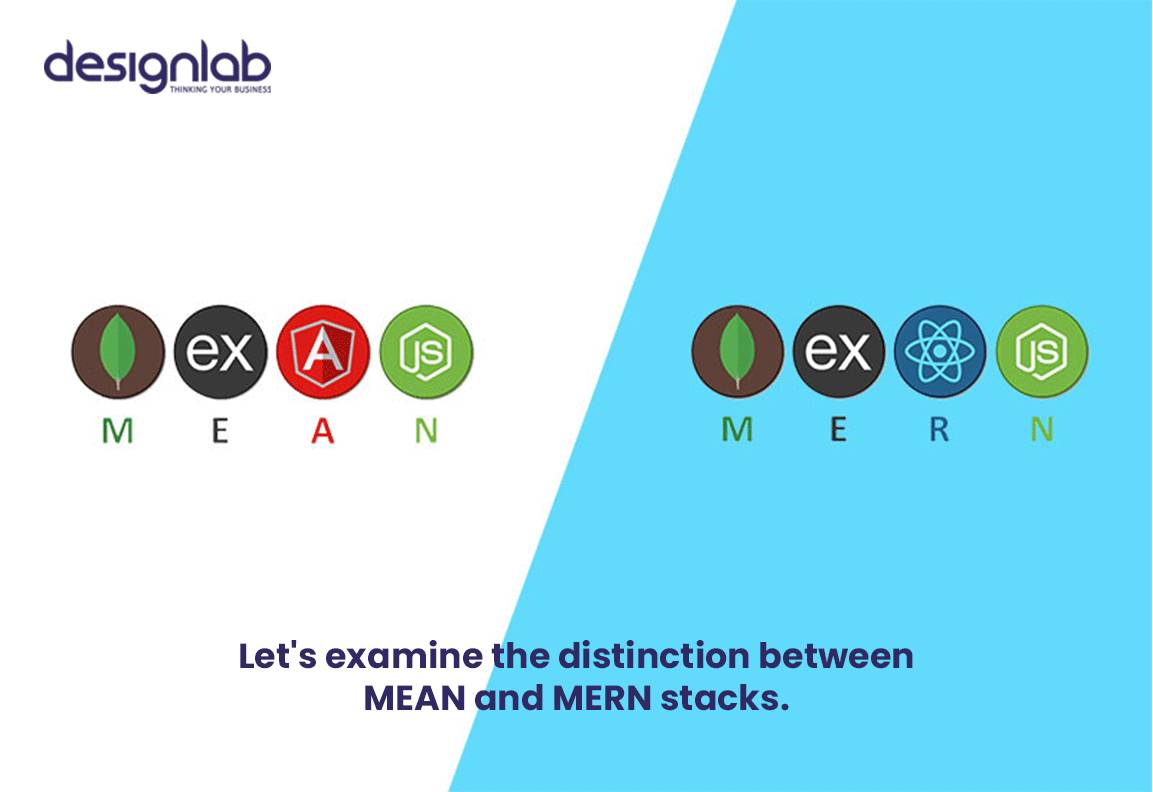
A great way to fully comprehend full-stack development is to build a custom web application. The distinction between a mean stack and a mean stack must be understood when deciding which technology stack is best for a web development project.
Furthermore, big data advancements have thrust agile methodologies into the spotlight. The infrastructure of modern software programmes must be strong in order to adapt to the dynamic business environment. The stack that maximises flexibility, scalability, and performance while remaining cost-effective must therefore be chosen by developers. They should be fully informed of the advantages and disadvantages of each option before making their choice. But first, let's give beginners an introduction to full-stack development.
Full-stack development: What is it?
In the context of web development, "full stack" refers to the front-end, back-end, testing, and mobile app software systems. Traditionally, businesses hired people with expertise in any of these fields. However, there is a high demand for qualified candidates in ancillary technologies as the needs of modern workplaces change.
Mean Stack vs. Mern Stack
Due to the fact that both frameworks provide trustworthy abstraction at the UI level, the competition between the MEAN and MERN stacks is quite close. While Mern Stack uses the ReactJS library, a Facebook product, Mean Stack makes use of AngularJS, which is supported by Google Inc. By using JavaScript as the main programming language, code switching is avoided, and new developers are given the tools necessary to materialise their concepts.
Both options offer a fantastic set of tools that can be used to create software products that work well. Therefore, selecting the appropriate stack for their applications can be overwhelming for newcomers. Let us examine their advantages more closely and contrast how well they perform in various scenarios.
What is Mean Stack and why should you use it?
One of the rapidly expanding open-source development frameworks, Mean Stack, enables programmers to quickly and easily create complex web applications. The phrase "mean stack" refers to a collection of JavaScript-based frameworks used to create sophisticated web applications. A combination of MEAN Stack technologies, including MongoDB, Express.JS, Angular, and Node.JS, is used in mobile and web applications.
The need for technology has given developers the green light to work on the front-end, back-end, and much more. Today's developers are capable of understanding and resolving issues in a variety of software development streams. Software development firms are now cautiously looking to hire "mean stack" developers who can completely build the website or application from scratch without stopping.
Recent years have seen an exponential growth in web development technologies. Front-end technologies like AngularJS, Node JS, React JS, and others have replaced back-end development technologies like Java, PHP, and others. These technologies have undergone continuous development since their inception in order to increase coding effectiveness and decrease code size. One such group of tools that has significantly cut down on development time is the MEAN stack.
The primary advantage of using the MEAN stack is that all of the coding is JavaScript-based. This shortens the amount of time a novice developer must spend learning. A lightweight application architecture and a quick turnaround time have also become essential due to the global boom in the start-up culture. MEAN Stack aids in meeting this requirement. The JavaScript engine used by the entire programme, including the web application server, is based on Chrome. This decreases the overall amount of memory needed and speeds up web response time.
In addition to the advantages listed above, the MEAN stack has lower development costs. Additionally, MEAN.JS is completely open source and free to use, as is its extensive ecosystem. Because of its sharing capabilities, which make extensive code reuse and sharing within the stack possible and lower overall costs. It might be one of the main advantages of using MEAN for business. The development time can be shortened, resulting in a lower development cost, thanks to its unified and flexible offerings.
The MEAN stack also aids in scalability and quick MVP development. A productive platform for creating scalable software products is the MEAN stack. The stack contains a sizable number of additional frameworks, libraries, and reusable modules that enable businesses to accelerate development more effectively. Therefore, MEAN stack can be a great option for start-ups due to its shorter development cycles and lower development costs by helping to deliver modern and ready-made solutions, which can significantly save time while making development less strenuous.
Here is a brief description of the mean stack components:
- AngularJS is the front-end framework that runs the code in the user's browser.
- NodeJS is a runtime system that implements JavaScript on the backend of a web application.
- ExpressJS is the back-end application that runs on top of NodeJS.
- MongoDB: It is used to store the data of back-end applications as JSON files.
MERN: Why?
The MERN stack's main selling point is that it is a platform that offers businesses and enterprises the agility, performance, and intelligence they require to advance their operations. JavaScript is at the core of many technologies that enable developers to build and deliver websites with rich experiences similar to desktop and mobile apps because all web users today demand high levels of performance and interactivity.
JavaScript has evolved into a web interface. It has changed significantly over the years. Today, JavaScript is used for much more than just adding visual effects to websites; it also aids in the implementation of application logic and database access.
Due to a few benefits, MERN Stack is also securing a small place in the world of the software developer. There is no need for context switching because every line of code is written in JavaScript. In traditional tech stacks, the challenge for developers was figuring out how to integrate different programming languages into one another in order to turn their ideas into usable products. But compared to earlier times, the present is a significant departure. As the JavaScript stack has improved, things are now more balanced. Developers can only use JavaScript and JSON when using the JavaScript stack (JavaScript Object Notation). Additionally, this stack excels at creating highly effective web applications.
No templates exist for the language. React is a popular programming language despite not being one of the hottest or most in-demand ones because it lacks templates. React is sometimes more frequently used by web developers than other languages because it eliminates the need to learn and practise a templating language in order to automate the process of creating repetitive HTML or DOM elements. React creates repetitive or conditional DOM elements with the help of a fully featured programming language, which is none other than the internet's ancestor technologies. Indeed, JavaScript.
Therefore, it is obvious from the aforementioned shifting trends that the world of web development is a dynamic one. Although selecting the most renowned and ideal frameworks, technologies, or, should we say, the stack, may be challenging, we can always try to select the stack that best meets your company's needs.
The following elements make up the Mern stack:
- ReactJS is a library that facilitates creating the user interface components of single-page web applications.
- NodeJS is a runtime environment capable of running JavaScript on a machine.
- ExpressJS is a layered framework built on top of NodeJS that takes care of the website’s back-end functionality and structure.
- MongoDB is a document-oriented NoSQL data store.
MEAN vs. MERN stack: A tight race
Because of its MVC architecture, the AngularJS framework is already well known among AngularJS developers. MVC architecture, however, might not always be necessary for a web application. Some web applications might only require a UI layer abstraction to optimise the component rendering code. A library that fills this need is React JS.
The use of the AngularJS framework and the React JS library, respectively, is the primary distinction between the MEAN and MERN stacks. Making a decision between MEAN and MERN can be difficult because both frameworks are focused on delivering UI-level abstraction. React JS is a creation of Facebook Inc., whereas Angular JS is supported by Google Inc. As a result, each of them has the support of influential business people. The process of selecting the best technology stack for your needs is covered in detail in the following section.
A conclusion
This article's conclusion follows the discussion of mean stack vs. mean stack. To summarise, we learned about full-stack development before learning the difference between mean stack and mean stack. In this overview, we focused on the benefits of using each technology stack before recommending the best choice in a variety of situations.
How could blockchain development boost your sales?
In recent years, the business world has experienced a constant influx of new trends and developments. Businesses are searching for new technologies that are crucial to their survival in the digital age. By utilising market-disrupting technologies, digital transformation for businesses enables them to make strategic decisions, streamline business processes, and implement new business models.
One of the major technologies accelerating business transformation is blockchain. Despite the fact that blockchain has significantly increased in popularity in the context of cryptocurrencies like bitcoin, terminology confusion persists. They continue to equate blockchain with bitcoin and frequently use the two terms interchangeably.
As a result, whenever they consider what blockchain technology means for business, they also consider the scope of cryptocurrencies. Blockchain for business, on the other hand, is based on a distributed ledger technology that is allowed to spread among vetted partners. Its peer-to-peer topology increases transaction transparency, data resilience, and security while lowering additional operating costs.
Business Strategy
Blockchain technology offers businesses a number of benefits and opens up fresh avenues for modernising current business models while lowering costs, cutting down on the time intermediaries spend on administrative tasks, and fostering greater ecosystem trust. Here are 10 ways that companies can use blockchain to advance their digital transformation.
1. Smart Contracts
Smart contracts are the main way that blockchain is being used to transform business. Smart contracts are a type of self-executing contract in which all of the terms and conditions from both parties are written in the form of codes.Then, to make them unchangeable, these codes are kept on a decentralised blockchain network.
As a result, the associated conditions are fulfilled whenever the codes are written. The services or products are returned to the other party if one of the parties decides to ignore the terms. In this way, the use of smart contracts encourages businesses to take legal action without enlisting the help of a regulating attorney, a representative of the government, or other middlemen who charge a fee to resolve disputes.
2. Payment Simplicity
One of the obvious uses for decentralised blockchain networks is the integration of blockchain and electronic payments. Blockchain has also made it easier for startups and businesses to manage their cash flow by removing the need for third parties and related documents like billing statements and invoices. I'll use an example to further explain.
Let's say you oversee a healthcare organization. If both parties are on the same platform, you can submit a claim to the patient's insurance company by utilising the power of blockchain. Who knows how? The insurance company will be aware of how frequently a patient visits your medical facility while connected to the same blockchain network and will have access to all payment information. The company will be able to respond to your claim right away thanks to the transparent environment this will foster. Patients receive thorough information about the co-payment at the same time, even before they leave your office.
3. Supply chain administration
When discussing the role of blockchain in the supply chain, it is important to note that the technology enables SMEs to track their goods and services at every stage of the process, from production to delivery to the customer. The process gains transparency and immutability, allowing businesses to combat counterfeiting, product delivery delays, and robust security.
For instance, Walmart, a global retailer, has incorporated blockchain technology into its food supply chain to increase transparency in the ecosystem of decentralised food supply. The company can now track the provenance and condition of its pork products imported from China thanks to the implementation of blockchain. Additionally, it can now monitor any problems in the batches from a specific location.
4. Improved Hiring
It is also becoming clearer how important blockchain is to the business world's hiring practises.
The technology prevents applicants from creating fake but impressive documents using Photoshop or other similar tools. By reducing the amount of time needed to verify all the documents and hire a candidate, this benefits organisations as well. As a result, businesses are working hard to connect with reputable blockchain development firms and find various blockchain applications to use in their operations.
5. Successful marketing initiatives
Focusing on the blockchain's effects on the business economy also helps marketing initiatives. Blockchain business models give marketers the ability to monitor customer behaviour and client data in real-time, enabling them to develop campaigns that are effective and generate a higher return on investment.
Additionally, the team can authenticate real-world traffic when using blockchain in business, which helps them get more value out of every dollar they spend on the venture.
6. Powerful Security
The introduction of strong security measures in the environment is another significant function of blockchain in business.
The technology's decentralisation and transparency capabilities encourage network users to store and verify some or all of the data that is stored there. The main distinction between conventional and blockchain databases is their decentralisation. Additionally, the blockchain network's increased complexity and security measures reduce the likelihood of cyberattacks.
Additionally, the functionality for users to protect and maintain their identity as well as see how they can access and use their information for any purpose is made possible by the use of blockchain in business for digital identity.
7. Customer Interaction
Blockchain technology also helps businesses find new ways to engage with a larger target market.
The combination of blockchain technology and customer engagement opens up a number of possibilities and benefits. By picking the top blockchain-as-a-service provider, these can be accomplished. This entails giving users the power to manage their personal information, incorporating transparency into business models, encouraging quick transactions, and assisting business owners and marketers in recognising and cultivating a loyal following. For instance, Walimai, a mobile application powered by blockchain, handles fake goods to combat milk fraud.
8. Increased efficiency and speed
One of the main advantages of blockchain technology is that it automates labor-intensive processes to increase efficiency. Additionally, with the aid of automation, human-caused errors are eliminated. Blockchains can sometimes complete a transaction in a matter of seconds or less. For instance, Walmart was able to quickly identify the source of sliced mangoes using blockchain business development technology, a task that had previously required seven days.
9. Financial Administration
Businesses currently spend a lot of money managing and enhancing their current system. They anticipate investing in something that lowers costs or enhances their current procedures because of this. With the help of industry blockchain adoption, organisations can save significantly on third-party vendor costs. Due to the absence of a central player in the blockchain, there are no vendor costs to be paid. Additionally, validating a transaction requires less interaction, which further reduces the need to spend money or time on simple tasks. Blockchain is crucial to the industry because of this.
10. Fund Raising
Industry adoption of blockchain offers company owners an alternative to raising capital through initial token offerings (ITOs). ITOs are tokens that can be traded freely on exchanges. In a typical company, these tokens would be equivalent to equity or a revenue share. In the event that enough people are interested, the company will issue new blockchain-based tokens to them. This token might be useful when using the good or service that the business is providing, or it might just be a stake in the business or project. ITOs are now a viable alternative for raising capital for companies of all sizes as a result of their growing recognition.
What role will blockchain play in the business world?
Blockchain technology has the unmatched potential to change the way things are done in the future by bringing new ideas and concepts into existence, integrating those that are already there, and making sense of everything that is currently happening in the market. Blockchain, for instance, is revolutionising the real estate sector by removing middlemen and enabling stakeholders to conduct transactions in a secure manner.
Similar to Silicon Valley, the technology holds promise and is only limited by the creativity and efforts of the entrepreneurs and application developers who already exist or enter this field. This suggests that how much we utilise blockchain's potential in our business economy will determine how important it is for both small and large business applications.
How can we get ready for a business world driven by Blockchain?
It is always advised to get in touch with the top blockchain app development company when it comes to leveraging the power of blockchain to improve your current business or launch a new start-up. This is because the technology is still in its infancy and may present a number of hidden obstacles and challenges that may be challenging to overcome without prior experience. implying that without the assistance of experts, it can be difficult to investigate the significance of blockchain technology in business processes. Don't ignore this fact, then.
What business transformation assistance is available from DesignLab?
Enterprise software development company DesignLab has a strong history of providing cutting-edge solutions supported by game-changing technologies like blockchain to businesses all over the world. The business has assisted a number of clients with creating unique blockchain applications that satisfy the needs of business stakeholders both now and in the future. Early adopters of disruptive technologies, the skilled team at DesignLab has a broad clientele from a variety of business sectors.
The Untold Truth About Packaging Design Importance

How many times have you stopped to look at a product because the packaging caught your eye? Did the appearance of two similar products influence your decision when you had to choose between them? While we should try not to judge things based on their appearance, the truth is that we care a lot about first impressions. In a world like this, the appearance of a product's packaging is just as important as the product itself. Because, no matter how good your product is, poor packaging design will reduce sales.
There are numerous factors to consider when selecting a product's packaging. It must protect what is inside, allow for easy storage, and display information about the contents.
What Is the Value of Design?
The design of your package is critical to your success. It has the potential to entice customers to purchase your product. Looks are important in today's world. That is why so many companies invest heavily in product packaging design. They have no qualms about hiring the best package designers they can find.
Furthermore, through the use of unique designs, on-brand colour palettes, and font choices, well-executed design plays an important role in brand association.
Packaging design is important for a variety of reasons, but we believe the following are the most important:
1) Creates a favourable first impression
As previously stated, first impressions are extremely important, especially when your product needs to stand out in a sea of similar products. An eye-catching packaging design will set your product apart from the crowd, whether it's on store shelves or the pages of an eCommerce website. This is your first chance to win over customers and introduce them to your brand, so make the most of it.
2) Creates and sustains brand identity
Your brand has a backstory as well as an identity that you have worked hard to develop. What better way to highlight brand identity than through packaging design? After all, it is what customers notice first. Make sure your packaging design clearly displays your company logo and uses fonts, colors, and trademarks associated with your company to ensure it tells an accurate story about your brand. Your customers will be able to recognise your products no matter where they are.
3) Customer communication
Whatever you do with packaging design, keep in mind that it must also be informative. It must communicate with customers and inform them of everything they need to know in order to convince them of the product on the inside. The following questions must be answered by good packaging design:
- Who is this product aimed at?
- What is the purpose of this product?
- Where can I find out more about the company?
- Is it going to expire? When?
- How will this product make my life better?
4) Standing Out from the Crowd
You can help differentiate yourself from other brands with similar products by using a unique colour palette and having an eye-catching logo on your packaging. You could even create an interactive package, as using innovative designs can create buzz, attract customers, and help you stand out in a crowd.
How to Make Appealing Product Packaging?
To design good product packaging, you must first determine a few factors. These three questions will assist the designer in creating something that speaks to your brand's values and image:
- What exactly are you selling?
This is not meant to be a difficult or tricky question, but rather one that will assist you in determining the functionality of the packaging. The packaging's strength and size will be determined by the material, size, and type of product you're selling.
- Who will purchase your product?
Knowing your audience will help you learn how to appeal to them. When designing the product packaging, keep your ideal customer in mind.
- What is the aesthetic of my brand?
Because packaging design must represent your brand, you must inform the designer of the aesthetics to be used. This includes colors, fonts, logos, and, if applicable, imagery.
After you've determined the above factors, it's time to start working on the packaging design. Here. To create a design that speaks to your audience, represents your brand, and is functional, the designer will consider the product itself, the competition, and your budget.
Once the design is complete, it must be evaluated using the following criteria:
- Simple to understand: Will customers be able to tell what your product is and what it does just by looking at it? You don't want to confuse your customers.
- Sincerity: Does your product's packaging accurately represent it? Make sure that the images or graphics on the packaging are as realistic as possible. Of course, you should use your best images, but make sure they don't make your product appear more expensive than it is.
- Versatility: Even if you only have one product for sale right now, you may want to expand in the future. Make sure the packaging design is adaptable enough to accommodate additional products as needed.
The following are some of the most recent packaging design trends:
1) Illustrations and collages are used
One of the most popular trends in packaging design is the use of hand-drawn elements.
2) Gradients are being used more frequently
Gradients are a quick and easy way to add colour and texture to plain designs. The use of gradients in packaging design is a major industry trend.
3) Unusual typography is used
Typography is an art form in and of itself. Choosing the right font for brand communication is critical. The use of unconventional typography in packaging design is on the rise, with unique fonts and experimental, stylized text giving your packaging an edgy and powerful appearance.
4) Handmade and handcrafted designs are used
In the world of packaging design, the 'Handcrafted Look' is popular. Customers are increasingly preferring brown craft paper with plain white or black printing. Shiny packaging is losing favour, and the world of the slightly unpolished 'Handcrafted Look' has arrived.
5) Introduction of environmentally friendly packaging
Many businesses are emphasising the use of sustainable, reusable, and recyclable packaging as people become more aware of the environmental impact of packaging. Fewer plastics and other non-biodegradable materials are being used, with a greater emphasis on environmentally friendly packaging.
6) Value-engineered packaging deployment
This trend entails making the most of a product's packaging by minimising waste, maximising space, and designing functional packaging. This trend is all about maximising the functionality of a product's packaging, whether for storage and shipping, repurposing and reusability, or advertising your brand.
7) The introduction of personalised packaging
As personalised marketing has dominated the digital space, it has also become a popular trend in packaging design. Many businesses are now personalising colours, graphics, and even special messages for customers in packaging design.
The Consequences of Unappealing Packaging
Face it: the same product is more appealing when packaged neatly and attractively than when packaged in unappealing packaging. And, in an age when some product categories must consider how their product packaging appears in YouTube unboxing videos and Instagram photos, aesthetics simply cannot be overlooked.
And it isn't easy. Not only must your food packaging design make an impact to catch the shopper's attention, but it must also avoid being garish or tacky. Graphics, colours, fonts, and which information to include on which packaging panel are all important considerations. While the packaging design of your product must attract attention, it must also transfer existing, positive consumer attitudes to your packaging. A package design must be many things, but it must not be ugly.
Occasionally, the packaging is more recognisable than the product itself.
CPG packaging must convey both what your brand stands for and how it will benefit the customer's life. Most consumers are bombarded with branding messages and lack the time and desire to compare and contrast all of their options. As a result, they resort to shortcuts, which are frequently manifested in their reaction to a product's packaging.
Packaging tells your customers why your brand is superior, and in some cases, packaging can say the equivalent of thousands of words with the bare minimum of text. For example, we all know what the Tiffany blue jewellery box represents, even if most of us would struggle to identify a piece of jewellery outside of its packaging as a Tiffany.
Such iconic design is difficult, but not impossible, in the CPG space. If, for example, a popular brand of cream cheese begins producing and selling butter, it stands to reason that the butter packaging should reflect the same qualities that customers appreciate in their cream cheese packaging. Brands that are easily recognised across a variety of products have a competitive advantage over those that are not.
Conclusion
Packaging design is one of the most powerful marketing mediums, yet it is often overlooked by businesses. It can be your 24-hour, 365-day advertising medium on retail shelves. Though it is encouraging to see that companies have recently recognised the importance of packaging design, it remains a low priority for many brands. Packaging design is critical in the branding process, especially when it comes to new product launches. The packaging design and materials used in the packaging work together to create a perception of product quality in the minds of consumers.
Allow DesignLab to assist you in selecting the best package design for your products in order to make them look visually appealing. Please contact us if you have any questions.
In a Nutshell: Web Design and Development Trends
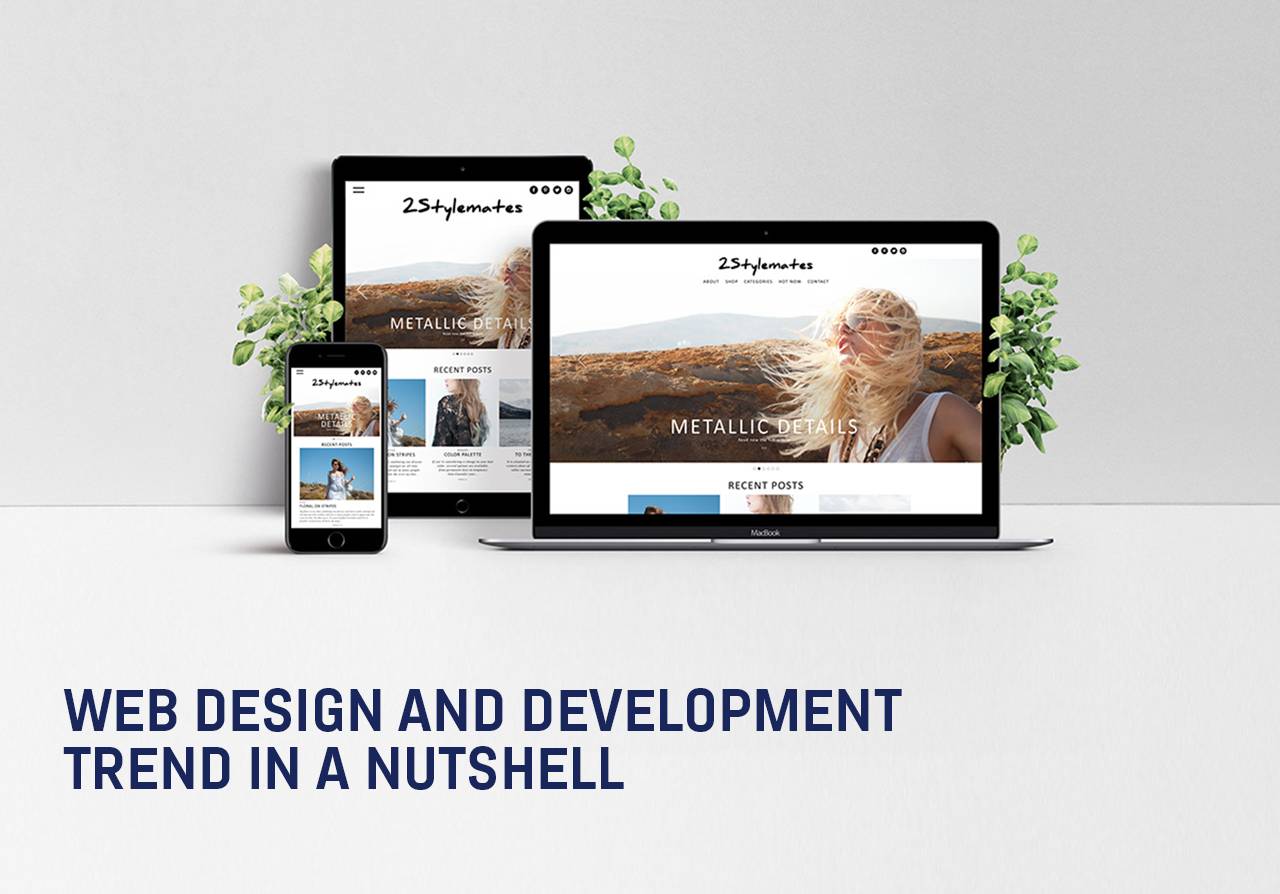
There will always be aspects of web design that will never go away, such as user-friendly navigation, data security, and fast load times. You can, however, keep your site at the forefront of design and search engine optimization by incorporating some of these innovative website features and elements that are expected to be popular in 2023.
1. Parallax scrolling
Parallax scrolling is a popular web effect for making sections of a website more dynamic. It is most commonly used in full-width applications with image, video, or texture imagery to add depth to a page. As the user scrolls past the image or video, the scrolling behaviour appears to place the image behind the neighbouring sections. This subtle behaviour improves the content's engagement.
2. Page speed and website load time reign supreme
Ultra-fast load time is one of the most important web design standards. For years, quick loading times have been critical factors in UX and SEO, and they remain a top priority for websites that want to rank well and convert better.
According to studies, more than half of internet browsers expect a website to load quickly and within two seconds of clicking a link. If it takes more than three seconds for your site to load, your visitors will most likely leave, never to return!
3. Cursors That Move
Another enjoyable way to personalise your website's user experience is to design how they interact with your web elements, including their cursor! This 2023 web design trend is surprising users with its subtlety. Visitors can interact with different scrolling behaviours or on-click commands by changing the shape of the cursor or implementing cursor-triggered animations.
4. Intelligent content loading
Many of us may be guilty of having resource-intensive websites with a lot of graphical elements and third-party integrations that slow down our sites. Fortunately, there are numerous approaches to developing smart websites that download only the content that you see and require.
Lazy loading and infinite scrolling are not novel concepts. For years, the top social networks have used this, particularly when it comes to infinity scrolls. This method is also popular with long (one-page) websites. All websites should think about how implementing one or two technological approaches can help them outrank or outperform their competitors.
5. Browser-Based Content and Geolocation
Perhaps you've visited a website and returned a few hours or days later to find that the content has changed. When you open it on your phone or another browser for the first time, you see the same content you saw the first time you visited the website.
It's no secret that most sophisticated websites track your browsing history and know where you are. However, forward-thinking web agencies will advise their clients to display dynamic content, which is content based on past user behaviour or what we know about a user. Not generic content designed to appeal to everyone.
6. Grid System
In 2023, modern website designers will favour an asymmetric design. CSS Grid Layout is widely used to extend the power of print layout to the web. Grid Layout is a 2D grid layout method that uses cascading style sheets.Grids enable website designers to create complex responsive web design layouts. It also gives websites a clean appearance.
7. Linked Progressive Lead Nurturing Forms to Your CRM Tool
One of the most important components of a marketing website is its online lead generation forms. We want to learn a lot about our website visitors, but we can't ask too many questions at once. On the landing pages, we use progressive/dynamic contact forms that display fields based on the lead's journey.
We don't want to display too many fields in a form, but we can always adjust the form fields based on the information we already have about our leads. We could ask for the name, company, and email address at the first conversion and then the phone number, title, company size, and company revenue fields at the second conversion.
8. Voice-Activated User Interface
We no longer type into Google to find information; instead, we ask a question or make a demand. This means that web design is evolving to keep up with the growing popularity of voice chatbots and virtual assistants. While voice-activated interfaces aren't common on most websites, this emerging trend isn't going away anytime soon.
We can expect to see more websites incorporate voice search as an alternative to traditional text search.
9. Conversational interfaces
Chatbots are another feature that has been popular in recent years and will remain so in 2023. We expect chatbots to become the norm for simple customer service requests and "personal shopping" as artificial intelligence and machine learning become more sophisticated.
10. Availability and accessibility
Inclusivity and accessibility are more than a passing fad, but there is an increasing need for web design to consider the needs of people with disabilities. Having a site that every visitor can navigate and interact with is more than just part of providing excellent customer service. It can help you increase conversions, improve your SEO, and reach a larger audience.
Elements that improve accessibility include:
- Creating a strong colour contrast between text and backgrounds;
- Adding focus indicators, such as the rectangular outline that shows up around links when using keyboard navigation;
- Using labels and instructions with form fields rather than low-context placeholder text;
- Using functional alt tags for images;
11. Interactive
Including interactive sections on your website is an excellent way to provide value to visitors, encourage them to interact with your site, and learn more about them. Assume you're a realtor who has a mortgage calculator on his website. You're providing value to your visitors while also learning more about them thanks to the information you entered into your calculator.
Interactive marketing examples include:
- Quizzes are examples of assessments
- Surveys and polls
- Calculators
- Contests
12. Virtual reality (VR)
VR experiences on websites will become more prevalent in the coming years. Consider sites like Airbnb, which allow you to tour a rental before making a reservation. Or the furniture retailer IKEA's ability to show how a sofa would look in your space.
VR can be a powerful tool for a website in terms of serving useful, meaningful content to visitors and assisting them in making purchasing decisions.
13. Micro-Interactions
Micro-interactions are small animations that provide users with subtle feedback on a website. Seeing a link change colours when a user mouses over it is one of the most common micro-interactions. With the emphasis on microinteractions, the same experience may be given more attention in order to stand out. Consider a gradient that gradually shifts hues as you scroll down a page or a splash of colour that explodes from your mouse after you click an element. These are prime examples of elevated micro-interactions, which will become more prevalent.
14. Art Deco Inspiration
Art Deco is expected to be popular in website design aesthetics in 2023. Art Deco makes extensive use of symmetrical and geometric shapes. This design is frequently patterned, decorative, and ornamental. Geometric shapes will aid in the reduction of visual stress.
15. Micro-Animation
Micro Animations, as you might have guessed from their name, are small animations. However, in this case, "small" does not imply "insignificant." When it comes to guiding users through their interactions with your website, micro animations are extremely useful.
16. Organic Forms
Geometric shapes were a popular website design trend in 2020, but organic shapes will take over in 2023. Anything that does not involve straight lines is considered organic or fluid. Consider the shapes that occur in nature, such as hills and edges.
17. Mobile Navigation with Thumbs
Responsive design is no longer sufficient. Your website should be functional and user-friendly on all mobile devices, regardless of size! However, in 2023, web design will continue to be focused on creating thumb-friendly websites.
We're discussing how we use our phones. Look at how you're holding your phone right now if you're reading this on it. Your fingers are most likely wrapped around the back of your phone (or around a phone grip), leaving your thumb to do the majority of the work. Not at all. Most of us use our smartphones in this manner, which is why thumb-friendly navigation is critical. Placing the navigation bar, menu, and even contact buttons where your thumb can reach (the centre of the screen)
18. Intelligent Video
Video has long been touted as an essential feature for websites. People enjoy watching videos! The video is interesting! It is the most powerful online marketing tool!
While the video is fantastic, it must be carefully planned. That is what smart video is all about: purposeful and meaningful video. The days of embedding a YouTube video on your website just to have one are over. One well-planned, high-quality video is preferable to a dozen haphazardly assembled ones.
19. Material Design
Material Design is a design language that Google introduced in 2014. Traditional web design appears to be flat. Color and shadow are used to mimic the physical world and its textures in material design. The shadows on the Gmail envelope and calendar are particularly effective examples of material design. It's subtle, but it helps to make the icons appear three-dimensional. In 2023, we can expect to see a lot more material design!
20. Only Text Hero Images
To increase sales, newspapers always place the most eye-catching, important information "above the fold." The website equivalent of this is the "hero section," which appears at the top of a page. To capture the attention of internet users, who are bombarded with different web pages every day, a current trend is to remove the typical background image in the hero section and replace it with eye-catching typography. A bold, one-of-a-kind font could be just what you need to capture a user's attention quickly.
Conclusion
The world of software development changes every year, making it difficult for some businesses to thrive in this digital age. As a result, businesses must keep up with web development trends in order to remain competitive. To maintain your position in this competitive digital market, you must have a strong web or mobile product.
Failure to keep up with current trends can have serious consequences for the performance and user experience of your product. You run the risk of falling behind your competitors and losing users to websites that offer better user experiences. The best way to stay competitive in your industry is to create or update your application based on current trends. We, at DesignLab, hope you find this blog useful, and you are welcome to contact us if you have any questions.
Digital Marketing Strategies: The Easy Way
A digital marketing strategy is a plan for establishing an online presence through online channels such as organic search, social media, paid advertisements, and other web-based mediums such as your website. The goal of digital marketing strategies is to raise brand awareness and attract new customers.
Digital marketing campaigns are the building blocks and actions that comprise your digital marketing strategy and lead you to a specific end goal.
For example, if your overall goal for your digital marketing strategy is to generate more leads through social media, you could run a digital marketing campaign on Twitter.
What role does digital marketing play?
Since 2015, marketing professionals have reported spending an increasing proportion of their budgets on digital marketing methods while decreasing their spending on traditional marketing channels. This is due to the increasing presence of consumers on online channels, which provides businesses with more opportunities to reach their ideal customers all day, every day.
With the increased use of technology, digital marketing platforms have become indispensable in the world of digital marketing. AI and machine learning provide marketers with the marketing technology they need to reach consumers on digital devices at just the right time, as opposed to traditional marketing methods, which must be planned and placed well in advance.
10 Different Types of Digital Marketing Platforms and Their Strategies
1. Platforms for social media marketing
Social media platforms such as Instagram, Facebook, Tik Tok, LinkedIn, and Snapchat are heavily used by today's consumers. This is why it is critical for brands to be present on multiple social media platforms. Consider the following statistics:
- Consumers have an average of eight social media accounts.
- The average adult spends 2 hours and 22 minutes per day on social media—that's nearly 2 and a half hours per day for businesses to interact with and convert customers.
Marketers can reach their prospects through social media platforms in a variety of ways.To begin, marketing departments can use these channels to distribute paid advertisements and sponsored content. Each platform allows marketing teams to create paid ad campaigns and segment users so that these ads appear in the feeds of members of the target audience. While each platform is unique, most allow marketing teams to place ads based on location, job title, interests, age, and other factors to ensure that a company's social media posts reach the right audience for maximum conversion potential.
2. Marketing Through Influencers
Influencer marketing is another effective way to use digital marketing channels to reach out to specific audiences. Brands can collaborate with celebrities, websites, or others who are thought to be experts in their field and share similar values. Brands can then reach out to the followers of these influencers with branded content and offers. Many marketers have found success with influencer marketing, with nine out of 10 saying it is as good as or better than other channels.
Furthermore, one in every two women made a purchase decision based on a recommendation from an influencer. With nearly half of social media users relying on brand recommendations from influencers, influencer marketing could be an extremely effective way for your business to increase engagement—and sales.
3. Email Promotion
Email marketing campaigns enable businesses to stay in touch with prospects and customers by sending them personalised newsletters or offers based on previous purchases or brand engagements. If a person has interacted with a few of your brand touchpoints, such as an email offering 10% off the items they've been considering or free shipping, that little extra incentive could easily tip the scales from "abandoned cart" to "completed purchase."
Almost 60% of consumers say email influences their purchasing decisions. Furthermore, transactional emails (emails that assist a customer in doing something, such as completing a purchase or resetting a password), are more likely to be opened by subscribers.
4. Content Promotion
Content marketing enables marketing teams to be proactive in educating consumers about current and new products in a relaxed and unhurried manner, as well as in responding to their users' questions. Throughout the three stages of the buyer's journey, digital marketing teams create written content, videos, and other marketing assets to answer questions or provide context to consumers.
- The buyer realises they have a need during the awareness stage.
- The buyer decides on a course of action to meet this need during the consideration stage.
- The decision stage: The buyer chooses a product or service to meet a need.
For example, a customer may realise they require new gym shoes. A running shoe's digital marketing team may create a piece about what features you need from a running shoe, as opposed to what features you need if you focus on strength training. Based on this information, the buyer determines that they require a pair of running shoes that meet the criteria. Another piece of content could show the most popular running shoes as well as their prices. They make their decision after being educated on these factors.
5. Marketing through Search Engine Optimization (SEO)
Search engine optimization, or "SEO," is frequently associated with content marketing. Content created by the company for their website, blog, or other digital marketing platforms can be written and posted online in such a way that prospective buyers searching for information on a specific topic are more likely to see it than similar content created by their competitors. Because the customer is using a search engine, such as Google, to find information about a product or service, this writing and posting strategy, along with all the techniques and considerations it entails, is known as SEO, or "search engine optimization."
When done correctly, SEO can be a very effective part of a company's marketing strategy. In fact, 53% of consumers say they use a search engine to research potential purchases before making a purchase decision, and 51% of smartphone users have discovered a new product or service through a search engine on their phones.
6. Pay-per-click advertising (PPC)
Pay-per-click (PPC) advertising is a type of paid advertising that allows marketing teams to buy traffic to their website. Marketers place advertisements on websites or search engines like Google and Microsoft Bing and pay a fee each time their ad is clicked. These ads typically appear at the top of the search results page and are determined by bids on specific keywords, whereas banner ads on websites typically have set prices.
Using the consumer buying athletic shoes as an example, if the shoe company had used a PPC ad campaign as part of their digital marketing strategy, the potential customer could have just as easily clicked on the company's ad on the first page of Google instead of the company's website.
7. Affiliate Promotion
Affiliate marketing is similar to referral programmes in that it involves working with outside individuals or companies in exchange for a commission on each sale that can be attributed to their efforts. This is a cost-effective way to outsource some of the heavy lifting of promotion; however, you are entrusting your brand's reputation to someone else, so this type of marketing often necessitates more extensive monitoring and tracking.
Affiliate marketing has proven to be so effective at attracting customers and increasing sales that, in a survey, 90% of businesses that run an affiliate programme said it was an important part of their digital marketing strategy.
8. Mobile Marketing
Many of the digital marketing strategies mentioned above can be included in mobile marketing initiatives, which typically use a combination of text messages, social media, email, push notifications, and mobile applications. Mobile marketing is becoming increasingly important, with the number of mobile shoppers expected to reach 187.5 million by 2024. With the clear shift to mobile, digital marketers must consider how to optimise their current marketing efforts for mobile in order to provide a seamless and user-friendly experience.
Consider the coffee alternative purchase we mentioned earlier; chances are that it was made on a mobile device. In fact, statistics show that a mobile device, such as a cell phone or tablet, accounts for nearly 75% of total funds spent on online purchases. This means that if your company isn't already optimising all of its digital marketing methods for use on mobile devices, now is a great time to start.
9. Platforms for Marketing Automation
Platforms for marketing automation can be extremely beneficial to any digital marketing strategy. Marketing automation, like so many other digital marketing strategies, can be "stacked" on top of other digital marketing platforms to multiply and increase their effects.
To put it simply, marketing automation platforms are software that can perform routine marketing actions on behalf of a business without the need for human intervention. This lack of reliance on human intervention is a key advantage of marketing automation platforms, as it allows the platform to essentially "run" parts of a company's marketing strategy on its own without increasing staff requirements or payroll costs.
10. Platforms for Marketing Analytics
Marketing analytics platforms enable businesses to collect and analyse data from their digital marketing campaigns in order to determine how effective their campaigns have been, what ROI they can expect from them, and what can be done in the future to increase revenue from their marketing.
The value of marketing analytics platforms to a company is analogous to the utility of a report card to a student: if you don't know what results your digital marketing campaigns are producing, you won't know how to improve them in the future. In fact, 21% of businesses cite marketing analytics as the single most effective way to gain and keep a competitive advantage over competitors.
Conclusion
A strong digital marketing strategy is critical to organisational success in the modern age of business and technology. Companies that thrive in the digital world typically invest heavily in developing digital marketing strategies. As a result, organisations can reach customers across multiple digital platforms, resulting in increased revenue and lower conversion rates.
A digital marketing strategy entails assessing specific goals that can be achieved through online channels. A well-executed digital marketing strategy can be critical to organisational success in an era when many consumers transact business on their mobile devices. If you have any questions, please contact DesignLab.
How Can You Improve Your Corporate Branding Activities?
Branding is one of the most important activities that your company can undertake. Building a strong, recognizable brand will assist you in connecting with current customers, selling to new ones, and encouraging loyalty and recognition. However, successful branding, like any other business task, necessitates careful planning and a sound strategy.
This informative article from DesignLab will help you improve your corporate branding activities.
Why is it critical to enhance your corporate branding efforts?
To remain relevant, organisations of all sizes, regardless of size, must invest in branding. If you're still wondering why, you should brand your company, consider the following advantages:
1) Make your company stand out from the crowd
With so many companies offering similar services or products, it can be difficult to stand out. This is where branding comes into play. Your values, story, brand promise, and other assets allow you to demonstrate your uniqueness. Using these to create a point of difference could help you stand out from the crowd.
2) Increase your visibility
Another advantage of investing in consistent branding is that it makes your brand more memorable. Customers become more familiar with your company when they can identify it based on physical, visual, and auditory cues. This builds trust, which 81% of customers rely on when making a purchasing decision. Customers' recall and engagement with your content, emails, or advertisements may also be influenced by brand recognition.
3) Increase customer loyalty
Powerful brands frequently have a devoted following, but this does not happen by chance. It stems from providing unique experiences and messaging to their audiences that they can relate to in order to form a bond. You will have more customers who will support your business and share their positive experiences as a result of this emotional connection. This advantage may result in repeat business.
4) Attract and keep employees
According to LinkedIn, companies with a strong employer brand will attract 50% more qualified candidates 1-2 times faster than others.They will also recruit at a 50% lower cost per hire. Moving down the line, your current and former employees' experiences, as well as how they spread the word, have an impact on your workplace reputation and employee retention rates.
Actively managing your brand is not an option if you want to hire skilled developers and other specialists or keep your best talent away from competitors. It is a requirement.
Steps to Branding Your Business
So, how do you go about establishing a consistent personality and style for your company? Let's divide it into seven steps.
1. Determine your target audience
The first step in branding your business is to identify who your potential customers are.This procedure consists of several steps.
- Examine your current clientele
Existing customers are a goldmine of information because they know what makes your brand stand out and what it lacks. Find out what their interests and needs are.
- What is their most pressing issue?
- Which companies do they buy from and trust?
- What do they want to see from your brand?
- Conduct market research
Market research can assist you in identifying industry trends, opportunities, customer preferences, purchasing habits, and discussions about your brand or others'. It's also an efficient way to gather information about your competitors. Take note of who their customers are, preferred channels, interests, and so on. Start your research with relevant social media channels, review sites, industry forums, or Q&A sites like Reddit.
- Develop buyer personas
Customers should be grouped into personas based on patterns or common traits discovered. Incorporate demographic, psychographic, behavioural, and geographic information.
2. Develop your value proposition
Your brand promise is your value proposition. It is more than a catchphrase or a slogan. A UVP describes how your solution is better than competitors' at solving the problems of your ideal customers. Consider the following when developing a strong value proposition:
- What does your ideal customer truly desire?
- How does your product or service address their issue(s)?
- What factors influence their purchasing decisions?
- Why do your current customers prefer your company to your competitors?
Using the voice of your customers, create a unique selling proposition based on the answers to these questions. Benefits, what you intend to deliver, and why they should choose you over competitors should all be communicated. Stick to the facts and avoid unnecessary embellishment.
3. Determine your mission statement and core values
What is the purpose of your company? This question is addressed by your mission. To create an effective mission statement, describe your company's purpose, who your customers are, the products or services you provide, and how you do it. To make it memorable, summarise it in a few words.
Your core values come next. They are the guiding principles for your goals, mission, and vision. These beliefs shape your company culture, which in turn influences the perceptions of stakeholders. Using generic words that do not define what your company stands for will result in a conflicting brand image. Instead, be specific, use your own words, and ensure that these principles are shared throughout the organisation.
4. Identify your brand's personality
Your brand's personality, like that of an individual, is a collection of qualities that your company possesses. Ideally, these characteristics will attract customers and shape their perceptions of your company. As a result, having a personality that connects with your customers can help you build an emotional connection and differentiate yourself from competitors.
Consider the qualities you want your brand to be associated with. Do you want to be known for your vision, competence, or charisma? Choose your characteristics and the voice with which you will communicate. If your brand personality is rugged, for example, your brand voice could be confident and strong.
5) Outline the key features and benefits your brand provides
The key to developing a strong brand is to emphasise the key qualities and benefits that your company provides to customers. There will almost certainly be larger brands in your industry than yours, which is why your primary goal should be to differentiate your business and brand from the competition.
If you can identify aspects of your products or services that no other company in your industry provides, you should be able to begin developing a memorable brand. Perhaps your company offers a more affordable product than others or is known for providing excellent customer service. Avoid making a simple list of the features that your services or products offer to customers.
6) Think about who your customers are
If you want your brand to succeed, it's critical that your target audience finds it appealing. It is recommended that you revisit who your customers are by conducting extensive customer research to ensure that you create the right brand. After completing this research, you should have a better understanding of your customers and what they want.
If your primary audience consists of young adults who have recently graduated from college and are entering the job market, they will most likely want a brand that is modern, bold, and takes a stand, which can range from being at the forefront of sustainability to combating income inequality. Create buyer personas to identify your target audience. These personas can help you learn more about your customers and their points of view. Buyer personas should identify customer goals, challenges, and likes based on the data you've gathered.
7) Increase the visibility of your website in search results
After you've created a strong and memorable logo, as well as other branding elements, it's critical that prospective and current customers see and become familiar with your branding. It is recommended that you improve your site's visibility in search results to accomplish this. Approximately 75% of internet users will never look past the first page of search engine results. If you want to attract visitors to your website, you must improve your ranking in relevant search results.
If you can get your website to appear among the first three results for relevant queries, you should notice a significant increase in the number of visitors to your website. You can increase the visibility of your website by implementing search engine optimization throughout it. You can increase site traffic and organic traffic by increasing the speed of your site and incorporating keywords into blog articles.
8) Multi-Channel Marketing Can Help You Build Your Brand Online
Multi-channel marketing, which involves reaching potential customers through a variety of online channels, is an excellent way to build your brand digitally. Social media, email marketing, and display ads are the most common online marketing platforms.
It's critical to understand that some social media platforms differ significantly from one another when marketing on them. Certain channels may be more effective than others at reaching customers at the beginning of the buyer's journey. While Instagram and Facebook serve very similar markets, being in multiple locations will almost always allow you to reach a larger number of customers.
It is recommended that you create company profiles on the major social media platforms, such as Facebook, Twitter, LinkedIn, and Instagram, to get started with multi-channel marketing. Following the creation of these accounts, you should conduct extensive research on each platform to determine what users typically look for. Before you begin, it is critical that you understand how to communicate with customers via social media platforms. If you can successfully build your brand digitally, you should begin to see significant returns on your investment.
9) Create a brand style guide
Consider developing a written style guide for your brand, which can be addressed in the future and distributed to your employees. This document can assist you in aligning your future digital branding strategies. A style guide is most likely required.
Your colour palette, font sizes, font styles, logo, slogans, outreach channels, patterns and backgrounds, a standard call to action, animation and video styles, and language style should all be included in this guide. This style guide can be used to ensure consistency in your branding across all digital materials and future marketing campaigns. If you can't refer back to this guide, you might find yourself straying from consistent branding too often.
10) Include Your Brand
After you've fully established your brand, it's critical to begin incorporating it into all aspects of business. When customers read, hear, or see something about your company, your brand should be prominent. For example, any video you post on Facebook or YouTube should clearly display your logo and other distinguishing brand elements.
The same is true for any social media profiles you create on sites like Twitter and Facebook. Your logo and company name should appear on business cards, packaging, and physical products.
Defining and Developing Your Brand for Commercial Success
The brand you create should encompass everything about your company. Once you've established your brand and begun to incorporate it into everything your company does, you'll be able to influence how people perceive your company. A strong brand is one that customers remember even when they aren't looking at your marketing materials. There are numerous effective ways to build and improve a brand, ranging from creating branded content to designing a brand logo.
While following each of the aforementioned steps for building a strong brand can take time, it will pay dividends and should help you increase customer conversion rates as well as overall profits. If you've recently begun to grow your brand through financing and product development, building a brand will be critical to your future success. We hope you learned something new from this blog, and please contact DesignLab if you have any concerns.
The most significant trends in website design and development this year
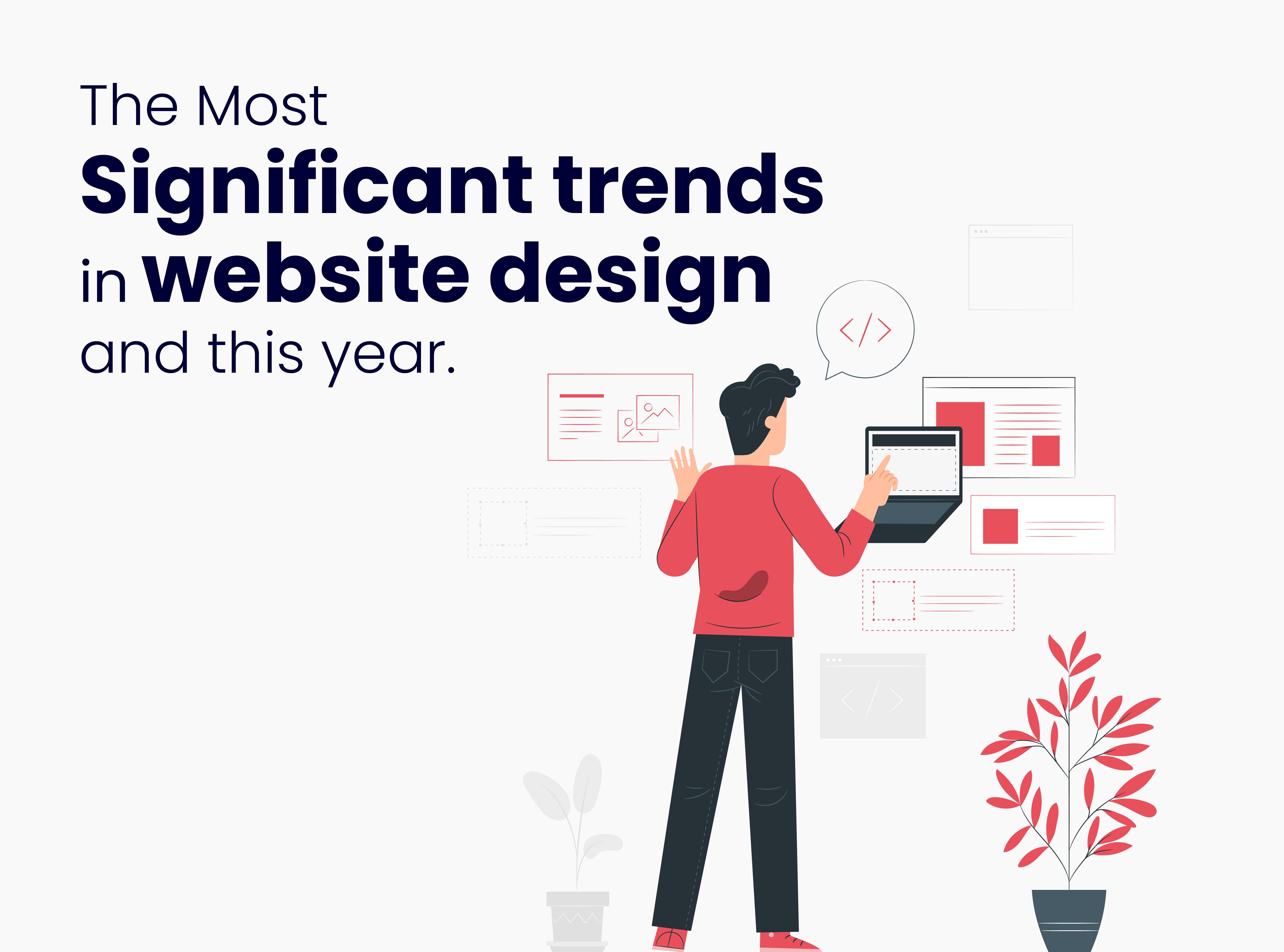
Failure to keep up with new trends can have serious consequences for the performance and user experience of your website. You risk falling behind your competitors and losing traffic to websites that provide better user experiences.
The best way to stay competitive in your business niche is to develop and maintain your website in accordance with current trends.
1) THE BEST PERFORMANCE WEB APPS (PWA)
Progressive web apps (or PWAs) are not a new phenomenon. However, the technology drew the attention of modern developers and investors due to its ability to provide a high-quality user experience comparable to that of a native app.
In 2019, mobile devices accounted for 65% of online shopping orders placed through the website. PWA's rising website trend allows users to view their favourite websites on a mobile web browser or desktop without the need to download special apps or computer programs. PWAs will be written in HTML and CSS, JavaScript, React, or Angular in 2021. In addition to providing a great user experience and eliminating the need for programs, a PWA could send push notifications and provide users with offline access to cached content.
2) BOTS AND ARTIFICIAL INTELLIGENCE
How will web development evolve in the future? Many people believe that next year, bots will become more self-learning and will be able to easily match specific user needs and behaviours. That means that 24/7-operational bots will be able to replace support managers, saving many businesses money.
Official-page chatbots inside Facebook Messenger, WhatsApp, and Skype are just a few examples of how large B2C companies are already using the technology to serve their customers. A bot could also be integrated into a PWA, regular website, professional or household equipment, or any commercially developed Internet-connected app. The rise of bots will have an impact on web design trends, particularly UX trends.
3) IMPROVED MOBILE PAGES (AMP)
Another web development trend is Accelerated Mobile Pages (or AMP). The idea is to improve page performance and reduce the likelihood of a user leaving it. AMP technology is similar to PWA technology. The difference is that pages are now accelerated thanks to an open-source plugin developed recently by Twitter and Google.
When compared to full-scope web products, AMPs are optimised pages that can operate quickly and have a simplified, yet convenient, design with only basic features. These pages are also mobile-friendly, with always-readable content. New web design trends, such as AMP development, demonstrate that the Internet is becoming more user-friendly.
4) SINGLE-PAGE APPLICATION (SPA)
SINGLE-PAGE APPLICATION (SPA) With today's high-speed Internet standards, there's no need to be stuck on an approach in which every action on the page, such as clicking on various buttons, leads to another web page being downloaded from a server.
SPAs are becoming more popular as JavaScript frameworks gain popularity. Working with them entails intercepting specific browser events and requesting JSON, which appears to be working with a web application. Google pages such as Gmail, Google Drive, and Google Maps, as well as social networking platforms such as Facebook, fall into this category. Current web trends indicate that most functional websites will be built as SPAs in the future.
5) VOICE SEARCH OPTIMIZATION
The future of web development appears to be less textual and more vocal, and it isn't just about virtual multifunctional home assistants like Siri, Google Home, or Amazon's Alexa. By 2021, more than half of all smart and IoT devices will be able to hear and respond to voice commands. Furthermore, they will be able to recognise different people's voices and provide a personalised AI-based experience for everyone.
Voice search is just one of the most notable examples of technology that was introduced more than a decade ago. People would prefer to spend less time typing commands in 2021 because devices could clearly understand them. As a result, most businesses are now perplexed about how to optimise their physical and digital products.
6) UI FOR MOTION
Innovation Web design is another popular trend in the digital world. Startups are increasingly focusing on the user experience and investing fewer resources in aesthetics. Beautifully designed websites and apps, on the other hand, have a higher chance of being noticed by potential users and going viral. In this context, visual design becomes a matter of marketing strategy rather than engineering.
MVPs will most likely remain minimalistic in 2021. At the same time, experts predict a surge in demand for novel design approaches such as motion UI. Although motion user interface design has been popular since 2018, it is only now that SASS library technology has made it widely available to all device users.
7) AUTOMATION TESTING
Most emerging web technologies aim to reduce development costs while providing the best possible user experience. The tool for achieving the first goal is development-stage automation. Machine learning and AI approaches enable us to build complex projects with a small team or fewer development experts, while product test automation assists us in determining whether or not our product is ready for deployment.
The approach also assists the development team in collecting and learning from test cases, lowering development costs (up to 20%), and shortening the test cycle time in general. In other words, test automation allows you to produce a higher-quality end product while spending less money.
8) JAVASCRIPT FRAMEWORKS
Although JavaScript was not invented yesterday, it is now one of the most widely used programming languages in the world, making any innovation in this area highly debated. New website trends in 2022 will include the rise and development of JavaScript frameworks.
Technically, JavaScript frameworks are still application frameworks built with the JavaScript programming language and based on the integration of libraries (both visual and functional). This web trend has numerous advantages. Immediate feedback to users without page reloads, high efficiency and fast performance, and coding simplicity are just a few examples.
9). ARCHITECTURE AND APPLICATIONS WITHOUT SERVERS
What does the future of web development look like? Serverless technology arose as a result of the search for a way to avoid system overloading, data loss, and costly development. Serverless algorithms, which are supported by major vendors such as AWS, were recently developed as a cloud computing execution model. Regular servers, according to the concept, could be replaced by clouds that manage machine resource consumption.
Current web trends in serverless app architecture aid in the reduction of development and ongoing support budgets, the strengthening of apps with flexibility potential, and the sustainability of the Internet environment. The technology is based on the use of "function as a service" (FaaS).
10). BLOCKCHAIN TECHNOLOGY
Cryptocurrencies are not the most cutting-edge web development technology. They first appeared in 2004, and the crypto trading market (based on blockchain technology) was explored with investments three years ago. What can we anticipate in 2021? Many people believe that the official authorities cannot ignore blockchain currency trading. Within the last decade, their use has grown significantly, and major payment systems have decided to accept Bitcoin and other currencies.
In 2019, over 34 million blockchain wallets are in use worldwide. Blockchain technology also necessitates hardware and software support, legal oversight, and trading infrastructure. As a result, emerging web technologies are likely to cover those aspects next year. Blockchain operations must be secure and free of hacker attacks and technical errors.
Bottom Line
To meet the needs and expectations of online consumers, web development is constantly evolving. Many of these trends are focused on improving the mobile user experience; others may be focused on improving the UX for smart wearables or other devices we haven't seen yet. Keeping up with web development trends can help you ensure that your website consistently attracts and delights visitors.
Choosing a reputable web development company is one of the most important prerequisites for implementing one of these key web development technologies to achieve your business objectives. Please contact DesignLab if you have any questions about this blog.
Everything you've ever wanted to know about branding for businesses
Small businesses, non-profits, and start-ups are among our clients. We make our living by bringing the branding and marketing tools and tricks used by big brands and Fortune 500 companies to organisations that cannot normally afford them.
Unfortunately, many people who work with small businesses, non-profits, and start-ups don't seem to understand the principles of branding, and those who do tend to chase money and target big brands and Fortune 500 companies.
Another notable difference I see between marketing professionals who work with big brands and Fortune 500 companies and those who work
Step 1: Research your competitors
Discover what they do well and what they do badly. You need to know what they do well because you want to be at least as good as them. You must understand what they do poorly because this represents an opportunity.
This is referred to as "landscape analysis." It is an understanding of the competitive landscape.
Step 2: After learning about your competitors, articulate what you do differently and better
It's as simple as that. If you can do this, it's just a matter of getting your brand in front of as many people as possible, and there have never been more people or more places to do this in history.
But don't mix up simple and easy. This is similar to the game of Go in that it takes a second to explain but a lifetime to master. This is known as a "value proposition." People will want to work with you, buy your products, or join your organisation because of it.
Step 3: Make it plausible
This is where your story enters the picture. Explain to others why you do things differently and better. However, be cautious: while focusing solely on the story may be interesting and pleasant, if it does not support your value proposition, people will remember you but not buy your products or services or join your organisation.
Most agencies refer to this as a "brand story." That term irritates me because the acronym is BS. We prefer "organisational story" because, when done correctly,
Step 4: Make your name do some of the heavy lifting
Naming is one of the most difficult tasks we face because everyone tries to make it personal. They want the name of their organisation to be meaningful to them. And yes, you can use a personal name. Personal names have certainly been used successfully by organisations such as Walmart and McDonald's, but it's much easier if you make your name meaningful to your customers, as Apple, Nike, and Tesla do.
Step 5: Apply the "different and better" filter to your slogan
A good rule of thumb is that your name is what people remember you by, and your slogan is what sells you. "Think Different," a slogan created by TBWA/Chiat/Day for Apple, is my all-time favourite.
Step 6: Put your logo through it as well
I am not saying a logo isn't necessary. A great logo has the potential to become iconic. It is not your brand, but rather an expression of it. It bears your seal of approval. And when you run the logo through the "different and better" filter, you get something truly unique. Take, for example, the Nike swoosh. When asked what the now-famous swoosh means, Nike co-founder Phil Knight replied, "It's the sound of someone going past you."
Step 7: Create a fantastic website
People frequently ask me why we build websites, and my response is always the same: Because it is frequently the first point of contact people have with your brand, your website is the most important communication tool your organisation has. If you get this wrong, the first six steps are meaningless.
One of the most common mistakes that businesses make with their websites is to use the valuable real estate above the fold to explain what they do or why they are needed.
Treating your website as an infomercial for your brand is an extremely effective strategy. To save space, have the menu at the top tell people what you do, and then use the banner and headline to communicate what you do differently and better. Then, as they scroll down the page, have the next section give another reason why you are different and better, and so on and so forth.
Step 9: Increase your visibility
Another advantage of investing in consistent branding is that it makes your brand more memorable. Customers become more familiar with your company when they can identify it based on physical, visual, and auditory cues. This builds trust, which 81% of customers rely on when making a purchasing decision. Customers' recall and engagement with your content, emails, or advertisements may also be influenced by brand recognition.
Step 10: Employee recruitment and retention
According to LinkedIn, companies with a strong employer brand will attract 50% more qualified candidates 1-2 times faster than others.They will also recruit at a 50% lower cost per hire. Moving down the line, your current and former employees' experiences, as well as how they spread the word, have an impact on your workplace reputation and employee retention rates.
Actively managing your brand is not an option if you want to hire skilled developers and other specialists or keep your best talent away from competitors. It is a
Conclusion
The importance of relatable content cannot be overstated. Understand your target audience and create engaging content that can elicit emotions and help you build a relationship with them.
As you can see, developing your brand does not have to be difficult or expensive. The majority of these suggestions are free or low-cost. You can begin with a small budget and gradually increase your branding efforts as your company grows. To brand your company, follow these seven simple steps:
- Determine your intended audience.
- Develop your value proposition.
- Choose your mission.
- Define the personality of your brand.
- Create brand assets.
- Integrate them into all your channels.
- Maintain consistency.
Brands should be "refreshed" every five years or so, according to marketing industry standards, and your messaging, marketing campaigns, and overall goals will change as your company does. Developing a strong brand, even if it takes time, implies that your target audience can grow and change with you. Please contact DesignLab if you require any additional information or wish to learn more about our services.
How can digital marketing help you grow your company?
What does a company mean by "digital marketing"?
At this point, digital marketing is critical for your company and brand awareness. Every other brand appears to have a website. And if not, they have a social media presence or a digital ad strategy. Consumers now expect and rely on digital content and marketing to learn about brands. You can get creative and experiment with a variety of marketing tactics on a budget because digital marketing has so many options and strategies.
Digital marketing is all about using numerous digital tactics and channels to connect with customers where they spend most of their time: online.
What is the significance of digital marketing?
- You can target only the prospects who are most likely to buy your product or service.
- It is less expensive than outbound marketing methods.
- Digital marketing levels the playing field in your industry, allowing you to compete with larger brands.
- Digital marketing can be measured.
- A digital marketing strategy is easier to adapt and change.
- Digital marketing can boost your conversion rate and lead quality.
- With digital marketing, you can engage audiences at every stage.
Let us get started now
- You can concentrate your efforts on prospects who are most likely to buy your product or service.
You have little control over who sees your advertisement if you place it on TV, in a magazine, or on a billboard. Of course, certain demographics can be measured, such as the magazine's typical readership or the demographics of a specific neighbourhood, but it's still largely a guessing game.
In contrast, digital marketing allows you to identify and target a highly specific audience, as well as send that audience personalized, high-converting marketing messages.
- It is less expensive than outbound marketing methods.
Digital marketing allows you to track campaigns on a daily basis and reduce your spending on a specific channel if it isn't delivering a high ROI. Traditional forms of advertising are not the same. It makes no difference how well your billboard performsilit costs the same whether it converts or not.
Furthermore, with digital marketing, you have complete control over where your money is spent. Instead of paying for PPC campaigns, you could invest in design software to create highly converting Instagram content. A digital marketing strategy enables you to pivot on the fly, ensuring you never waste money on channels that don't perform well.
- Digital marketing levels the playing field in your industry, allowing you to compete with larger brands.
If you work for a small business, you will almost certainly find it difficult to compete with the major brands in your industry, many of which have millions of dollars to invest in television commercials or national campaigns. Fortunately, strategic digital marketing initiatives provide numerous opportunities to outrank the big players.
For example, you could identify long-tail keywords related to your product or service and create high-quality content to help you rank in search engine results for those keywords. Search engines don't care which brand is the most popular; instead, they prioritise content that resonates most with the target audience.
- Digital marketing can be tracked.
Digital marketing can provide you with a comprehensive, end-to-end view of all the metrics that are important to your business, such as impressions, shares, views, clicks, and time on page. This is one of the most significant advantages of digital marketing. While traditional advertising can be useful for certain purposes, its main limitation is its lack of measurability.
Digital marketing, unlike most offline marketing efforts, allows marketers to see accurate results in real time. If you've ever placed an ad in a newspaper, you know how difficult it is to estimate how many people actually flipped to that page and read your ad. There's no way to know for sure if that ad was responsible for any sales at all.
- A digital marketing strategy is easier to adapt and change.
A marketing strategy requires a significant amount of effort to develop. In general, you will carry out that strategy until it is completed, allow it to take effect, and then evaluate its results. However, things do not always go as planned. You may discover halfway through that a calculation was incorrect, an assumption was incorrect, or the audience did not react as expected. Being able to pivot or adjust your strategy along the way is extremely beneficial because it keeps you from having to start from scratch.
The ability to easily change your strategy is a significant advantage of digital marketing. Adapting a digital marketing strategy is much easier than other, more traditional methods.
- Digital marketing can boost your conversion rate and lead quality.
Because digital marketing makes it easier to measure your marketing efforts, improving your conversion rate is also easier. The ability to measure the effectiveness of each tactic aids in the development of better strategies. Continuously improving your methods will increase your conversion rate. Investing in online marketing ensures that everything is optimised for the highest conversions possible.
Furthermore, not all leads are created equal for your company. Digital marketing allows you to target a specific audience, resulting in higher-quality leads that are more likely to become customers. Connecting your company with the most valuable leads will directly improve your conversion rate.
- Digital marketing allows you to engage audiences at every stage.
It is critical to start engaging your audience as soon as possible. Making a connection at the beginning of the buyer's journey aids in moving the lead through the customer funnel. Using digital marketing allows you to do so from beginning to end and at every stage in between.
Online channels enable you to track your customers' entire purchasing journey. Understanding and analysing how customers move and behave is critical for converting leads. You can track them through the process using digital marketing. Even if they do not convert in the early stages, it ensures they have made a connection with your company.
- Respond to the Mobile Consumer
The average American spends nearly 71% of their time on the internet via a mobile device. If you don't cater to mobile devices, you're passing up a huge opportunity. This is especially true in highly competitive niches.
You don't have to create an outlandish advertising campaign using AI and other buzzwords anymore. Sometimes it's just a matter of simple targeting with eye-catching graphics.
- Optimal Transition to the Internet of Things
Many small businesses are still discussing the Internet of Things (IoT). However, that is the next step in marketing. and many brands are quickly adopting it.
Scriptr, for example, used IoT to create Saepio. Saepio is a set of physical devices and cloud-based apps that assist you in maintaining social distance. During the COVID-19 pandemic, it was the ideal solution for quarantine management and social distancing.
- Obtain Options for Granular Targeting
True, your advertisement may only appeal to a specific target audience. But whether they buy from you or not, everyone will see it. This is a significant issue because advertising in a high-traffic area will be more expensive.
Consider the following: If you place an advertisement in the heart of Times Square in New York City, it will be seen by a large number of people. However, because that is how outdoor advertisements are priced, it will be very expensive. The more people who see it, the more expensive it becomes.
In conclusion
If you're still debating whether or not to invest in digital marketing, We are committed to assisting small and medium-sized businesses in developing an online presence. We assist our clients in leveraging the Internet's broad reach by designing and developing web solutions that will assist them in marketing their products to a larger audience.
Any interaction with your target audience is an opportunity to convert a lead or gain a customer. Digital marketing creates a plethora of new opportunities by allowing you to reach out to prospective buyers through a variety of channels. It is a fantastic tool for marketing your company, service, or product via social media platforms, websites, text messaging, or any other online medium.
DesignLab - The Complete Guide to Web Design and Development
What is web design?
Web design is the process of planning, conceptualising, and organising content for use on the internet. Today, website design extends beyond aesthetics to include the overall functionality of the website. Web design also includes the creation of web apps, mobile apps, and user interfaces.
Did you know that web design has a significant impact on your ranking in search engines like Google? This article will provide you with useful information on how to create a website that not only looks good but also functions properly and ranks well in search engines.
Web Design Elements
When designing a website, it is critical to consider both the site's appearance and functionality. Integrating these elements will improve the site's overall usability and performance. The usability of your site includes elements such as an easy-to-navigate interface, appropriate use of graphics and images, well-written and well-placed text, and a colour scheme. The performance of your website refers to its speed, ranking, searchability, and ability to capture your target audience.
1) Visual Components
Here is a quick rundown of the elements you should think about when designing your website to ensure everything works properly. Each section will give you pointers and tricks to get you started.
- Written version
Fundamentally, the appearance and text of your website go hand in hand. It is critical that your content writers and designers collaborate to create a cohesive design with balanced elements. Focus on creating text chunks (via text blocks) to complement your graphics and images.
- Fonts
Choose a font that complements the rest of your design. Fonts should complement your colour scheme, graphics, and images and should help to strengthen the overall tone of your website. Canva's Font Combinator, for example, can assist you in finding the perfect match for your font.
- Colours
When designing a website, one of the most important factors to consider is color. Keep in mind that there are many misconceptions about colour psychology, and it's more important to focus on colours that complement your overall website design and tone. Match your colour scheme to your brand and the messages you want to send to your target audience.
- Layout
The way you organise your content will have a significant impact on the usability and functionality of your site. There are no specific rules to follow when selecting a layout, but there are a few key principles to remember. Consider your target audience's needs and avoid using an overstimulating layout that may detract.
- Shapes
The use of graphic elements in web design can help to seamlessly integrate text and images, as well as improve the overall appearance of the site. Combining beautiful colours and shapes can help direct your site's visitors' attention and contribute to the overall flow of your site.
- Spacing
Spacing is an important factor in creating visually appealing and easy-to-navigate websites. Every element in your design will include spacing in some way. Appropriate whitespace utilisation is critical in creating a design that perfectly balances text, photos, and graphics. Keeping your spacing consistent can make it easier for your users to navigate your website. The concept of whitespace is unquestionably important to modern web designers.
2) Elemental Functions
These functional elements must be considered when designing your website. A properly functioning website is critical for ranking high in search engines and providing your users with the best possible experience.
- Navigation
The navigation of your website is one of the most important factors in determining whether it is functioning properly. Depending on your audience, your navigation can serve a variety of functions, including assisting first-time visitors in discovering what your site has to offer, providing easy access to your pages for returning visitors, and improving the overall experience of all visitors. Check out these best practices for more navigation advice.
- Animations
There are numerous web animation techniques that can help your design capture the attention of your visitors and allow them to interact with your site by providing feedback. Adding "like" buttons or forms, for example, can keep your site's visitors interested. To avoid developer intervention, keep your animations simple if you are new to web design.
- Speed
Nobody enjoys a slow website. Waiting more than a few seconds for a page to load can quickly discourage a visitor from staying or returning to your site. No matter how beautiful your site is, if it does not load quickly, it will not perform well in search (i.e., it will not rank highly on Google).
- Structure of the website
The structure of a website is important for both the user experience (UX) and search engine optimization (SEO). Your users should be able to navigate your website with ease and without encountering any structural issues. If users are getting lost while navigating your site, chances are "crawlers" are as well. A crawler (or bot) is a programme that searches your website and determines its functionality. Poor navigation can have a negative impact on the user experience and site ranking.
- Compatibility across browsers and devices
A great design should be visually appealing on all devices and browsers (yes, even Internet Explorer). If you are starting from scratch, we recommend using a cross-browser testing tool to make this time-consuming process go faster and more efficiently.
Why is less more when it comes to your company website?
The most common mistake we see small business owners make with their websites—and the one we spend the most time encouraging them to avoid—is making them too complicated. If you're an expert in your field, have a wide range of fantastic products, or have a dozen different ways for people to give you money, the temptation is to cover them all.
After all, if you give customers a lot of options, there is a better chance they'll find something that appeals to them among all the other options. Right?
Every page should only have one call to action. Many businesses do not even have one on their homepage; they are cluttered with information, and there is no indication of what the visitor's desired next action or what the visitor's desired next action is. If you know what action you want your visitor to take, you'll know what information to remove from the page because it's distracting and irrelevant to the process of encouraging that next action.
Explore Web Development
The Internet is here to stay, and it is evolving to meet the needs of its users. Web developers are at the forefront of these advancements and developments; web development can be found everywhere, from this blog to your favourite social network to the apps on your phone.
As a result, investing time in learning about coding and programming is worthwhile in order to make your business website the best it can be—for you and your customers. If you require any additional services or have any questions, please contact DesignLab.
This year's biggest website design and development trends
Every year, the world of website creation evolves, making it difficult for some firms to survive in this digital era. As a result, in order to remain competitive, firms must keep up with web development. And a strong web product is required to strengthen your position in this competitive digital market.
However, identifying the most successful web development trends that can work for your firm may be crucial. As a result, in order to save you time and effort, we have compiled a list of web development trends by analysing market demands in numerous IT industries.
DesignLab provides you with the most recent trends in website design and development.
1. Progressive Web Applications (PWAs)
PWA technology ranks at the top of our list of web development trends. It's a website-like app with a full-native mobile app experience. It operates autonomously and communicates with clients like a native app.
Here are some of the benefits that PWA technology has brought to organisations and users:
- Installation is simple.
- Increasing device storage and power efficiency
- Reduced support and development costs.
- Easy upgrading and maintenance
- More flexible distribution, more rapid market entry.
2. Application on a Single Page (SPA)
SPA is a popular and widely used web development technology. Unlike traditional website apps, they have a single page that loads the entire website page before loading the dynamic content on the same page. To make SPAs responsive, HTML5 and AJAX are employed.
Among the benefits of SPAs are:
- Offline assistance
- Debugging simplified
- Simple to use navigation
- Bounce rate reduction and faster page load
According to studies, SPAs can increase conversion rates by up to 37%, allowing firms to reach their target audience with relevant material. SPAs are ideal for firms looking to simplify user navigation and increase profits through faster page loading.
3. UI in Dark Mode
The dark mode trend has exploded in popularity around the world, and we predict that it will continue to grow in the coming years.A dark-themed website, due to its visual design pattern, makes it easier for consumers to enjoy web browsing regardless of device.
According to an Android Authority survey, 81.9% of respondents accepted the use of dark mode on their devices, while 9.9% switched between light and dark mode. According to another Polar survey, 95% of consumers prefer dark mode to light mode.
Google, Facebook, Reddit, and Twitter have already implemented dark mode UI, and many more will follow suit.
The following are some advantages of using dark mode UI:
- Blue-light reduction
- Battery life is extended.
- reduces eye strain even in low-light circumstances by making UI material accessible and legible to all.
We predict it to become a rule in 2022 and beyond because many site developers provide the same in-built feature to switch between dark and bright modes.
4. Voice Recognition
The trend of voice search cannot be ignored. We anticipate that it will have a greater impact on the web in future years. According to Statista, the worldwide smart speaker industry will exceed 35.5 billion US dollars by 2025. According to another report, the voice recognition business would be worth $27.16 billion by 2026.
Taking into account various studies and current market situations, voice search optimization has emerged as one of the top web development trends. To keep ahead of the competition, you must incorporate it into your technical SEO approach.
5. AMP (Accelerated Mobile Pages)
It is another development in the web development industry. The goal of AMP is to speed up page functioning while still retaining consumers. AMP technology functions similarly to PWA.
As opposed to full-scope web sites, AMPs are optimised sites with a convenient and simplified design and basic functionalities. Furthermore, these pages are mobile-responsive with readable text.
AMP is a new web design trend that demonstrates how the internet is becoming more user-friendly. Despite the fact that we now have 5G internet technology and that many firms choose to create native applications to improve user experience, the AMP plugin lets businesses save money on UX while reaching target audiences. As a result, we anticipate niche and smaller products competing with prominent market leaders.
6. Chatbots powered by AI
We anticipate that AI-enabled chatbots will become even more adaptable in meeting the needs of matching user behaviours in 2022 and beyond by utilising natural language processing, machine learning, and data retrieval technologies.
AI-powered chatbots not only help enterprises speed up operations with text or voice interactions, but they also improve the client experience. They can gather information, solve problems, respond quickly to inquiries, and provide a seamless digital experience.
As a result, rather than standard chatbots, many skilled B2C firms offer their clients these chatbots on Skype, WhatsApp, and Facebook. We anticipate that more enterprises will accept AI-powered chatbots in 2022 and beyond.
7. Architecture without a server
Because of the introduction of work-from-home shifts, cloud SaaS solutions have increased this year. The Web, being one of the fastest growing areas, has seen a significant surge in the use of serverless architecture.
According to Flexera's State of the Cloud Report, 99% of businesses use at least one private or public cloud. It demonstrates that cloud architecture will be an important future web development trend.
Serverless computing has several appealing advantages:
- Affordability
- faster time-to-market
- increased scalability
- planned maintenance
In serverless development, programmers construct and run web programmes without considering servers. Even though these apps continue to function on servers, cloud providers support them. When it comes to serverless computing, we must mention Microsoft, Google, and Amazon.
8. User Interface for Motion
Another web development trend for this year is creative web design. Start-ups always prioritise user experience and invest less in appearance. However, if you have wonderfully designed apps and websites, you have a better chance of attracting the attention of potential users. As a result, visual design has evolved into a successful marketing
MVPs will stay simple in 2022. Concurrently, analysts expect the popularity of new design strategies such as motion UI to increase. Although it has been popular since 2018, it is only now widely available for all device users thanks to SASS library technology.
9. Internet of Things (IoT)
IoT is one of the most important technological advancements that will shape the future of web development. Because of the rising usage of the internet, this technology has entered our lives. Many devices are now accessible via our mobile devices thanks to IoT technology.
IoT-connected devices transmit data in real time. The technology enables enterprises to contact users as rapidly as possible, creating a tailored experience. One of the most popular IoT gadgets is the Google Nest Smart Speakers.
You may be wondering how it applies to the web development domain. IoT, on the other hand, will enable advanced connectivity between functional models and website layouts. The trend includes a wide range of items such as signalling devices, cameras, and sensors.
10. Mobile-First Design
The increasing number of mobile users explains why the mobile-first approach will significantly affect the future of web development. This strategy has been used by many web developers for many years.
According to Statista, mobile devices will account for more than 57% of global webpage visits in August 2021. Because mobile devices receive the most traffic, adopting a mobile-first web development strategy has become critical.
Being mobile-friendly, on the other hand, varies. It entails offering one-click ordering on eCommerce applications; employing geolocation data to provide consumers with a tailored experience; and incorporating biometric identification such as voice recognition or fingerprint scanning, among other things.
11. API-First Development 11
The API-first development approach meets the needs of users. When users view a website, developers can complete their jobs while simultaneously pushing the code. It reduces development costs while increasing delivery speed.
This strategy also allows new websites to become content delivery sources. Browsers, smart kiosks, and automobiles can all access a CMS established in this manner.
Some prominent advantages of API-first programming include:
- increased adaptability
- faster time-to-market
- reduced development costs.
- improved client experience.
12. Blockchain Technology
Cryptocurrencies first surfaced in 2004, and we may expect a lot from this web development technology in 2022 and beyond. By the end of November 2021, there will be about 80 million blockchain wallet users worldwide. In addition to software and hardware support, trade infrastructure, and legal regulation, blockchain technology also requires legal regulation.
As a result, evolving web technologies will include these functionalities in the next few years. Blockchain functions must be free of technical flaws and hacking. Some large banks seek to develop algorithms to protect critical user data and secure cryptographic transactions.
Peer-to-peer networking will grow as well. If this technology becomes more available and reliable for people, it will result in huge changes in how people communicate with government services, pay taxes, and live their lives.
Bottom Line
The web development trends outlined above will alter how organisations engage with their customers beginning in 2022. Using these technologies will increase user engagement and assist your company in staying ahead of the competition.
Choosing a reliable web development company is one of the best prerequisites for adopting one of these key web development technologies to reach your business goal. If you have any questions about this blog, please contact DesignLab.
The Ultimate Web Design and Development Handbook

What precisely is web design?
Web design is the process of organising, conceiving, and arranging content on the internet. Today, website design extends beyond aesthetics to incorporate the website's general operation. Web design also encompasses web apps, mobile apps, and user interface design.
Did you know that web design can have a significant impact on your performance in search engines like Google? This post will provide you with some useful information on how to develop a website that not only looks attractive but also performs well and ranks well in search engines.
Selecting a Web Design Tool
A website can be designed in two ways: with a desktop app or with a website builder. The tool you choose will be determined by the size of your team, your budget, the type of site you want to construct, and its technical requirements.
1. Desktop Applications
Designers must generate their designs and transmit them to a development team, who will then turn the design into code. Photoshop and Sketch are the most popular desktop programmes for website design.
This is typically the standard for large and/or sophisticated websites since it allows the designer to focus on the overall appearance and feel while delegating all technical issues to the development team. Unfortunately, his process can be expensive and time-consuming because multiple resources, skill sets, and team members are required.
2. Website Designers
There are numerous website builders on the market now that provide a variety of features and services. Website builders construct either adaptive or responsive websites, each of which provides a unique development experience. These concepts will be covered in further depth below so that you may determine which builders would work best for you. If you don't know how to code, learning the advantages and disadvantages of various website design tools is critical. For example, while being the most popular website platform,
Determine your website's requirements before you begin constructing one: Are you putting together a photo gallery? How frequently will you update your website? Do you require contact? Choose a website builder that can help you effectively accomplish those goals.
Elements of Web Design
It is critical to consider both the appearance and usefulness of a website while creating it. Integrating these aspects will improve the overall usability and performance of the site. Usability components on your site include an easy-to-navigate interface, appropriate use of visuals and images, well-written and well-placed text, and a colour scheme.
Elements of design
Here's a quick rundown of the components you should think about when building your website to ensure everything runs properly.
1) A printable version
Fundamentally, the appearance and text of your website work hand in hand. It is critical that your content writers and designers collaborate to develop a unified design with balanced elements.
2) Fonts
Choose a typeface that compliments the rest of your design. Fonts should complement your colour scheme, graphics, and photographs, and should help to reinforce the overall tone of your website.
3) Tones
When developing a website, one of the most crucial factors to consider is colour. Remember that there are numerous myths regarding colour psychology, and it's more necessary to focus on colours that complement your overall design and tone.
Elemental functions
These practical features must be taken into account while creating your website. A well-functioning website is critical for ranking high in search engines and providing your users with the greatest possible experience.
1) Navigation
Your website's navigation is one of the most important factors in determining whether or not your website is running effectively. Depending on your audience, your navigation can serve several functions.
2) Interactions with Users
Depending on their device, your site visitors can engage with your site in a variety of ways (scrolling, clicking, typing, etc.). The finest website designs streamline these interactions so that the user feels in control.
3) Cartoons
There are numerous online animation approaches that can assist your design in capturing your visitors' interest and allowing them to interact with it.
The Website Development Methodology
- Make a plan
Before putting pen to paper or fingers to computer, it's critical to collaborate with teams and employees across your organisation to build a website strategy.
Here are some questions to think about before creating your first website:
- What is your website's purpose?
- Who is your target audience, and what do you want them to do when they visit your website?
- What kind of website are you creating? (For example, basic information, membership, or an online store).
- What content are you aiming to publish, and at what volume?
- What’s the purpose of this content?
- Design a wireframe
Every good website begins with a plan. This is referred to as a wireframe by developers. It doesn't have to be an official document; it's simply a vision for your site that will provide guidance and a starting point for both you and your developers (s).
Wireframes are purely visual tools that can assist you in determining where text and images will appear on particular web pages. To see how your material will appear on the front end, use blank boxes and "dummy text." Create wireframes with your developer so they can see what you're envisioning.
- Create a sitemap
A sitemap provides a developer with the information needed to match your vision, just like a business plan does for a potential investor. You can construct your sitemap on your own or with the assistance of your developer (s).
Here are some questions to consider when designing your website:
- Which specific pages do you require?
- What will the content be on those pages?
- How do you divide those pages into categories?
- What is the page hierarchy on your site?
- How will the pages be linked?
- What pages and categories are critical to the success of your website and user experience?
- Create the webpage code
Writing code is the next phase in the web development process.
Developers will employ many coding languages for the front-end and back-end of websites, as well as for various site functionality (such as design, interactivity, etc.). These various languages collaborate to construct and operate your website.
We recommend that you give us a chance to serve you with our services. Please contact us at any time if you have any questions.
Let us begin with the most widely used languages.
- HTML, or Hypertext Markup Language, has been in use since the 1990s. It serves as the foundation for all websites and represents the basic minimum of what is required to build a website. While it is feasible to design a website using simply HTML, the result would be unappealing.
- CSS (Cascading Style Sheets) CSS (Cascading Style Sheets) was created in the late 1990s. It incorporates design elements such as text, colours, and images.
- JavaScript is the icing on the cake of programming languages. JavaScript, which was developed in the mid-1990s, is used to provide functionality to web pages. It is used by developers to provide animations, automate processes within certain pages, and add interactive features that improve user experience.
- Purchase a domain name
Your website will now be assigned an IP address. It also requires a domain name, which is a memorable website name that visitors may use to find your website.
- Go live with your website
After you've registered a domain name and linked it to your host, you're almost ready to publish your work on the internet.
But wait a minute — there are a few things you'll need to double-check before the formal launch. These include delegating duties on your team, extensively testing your site for bugs, optimising for SEO, and performing a final check before "turning the switch" and bringing your site live.
Explore Web Development
The Internet is here to stay, and it is continually changing to meet the demands of its users. Web developers are at the forefront of these advancements and developments – from this blog to your favourite social network to the apps on your phone, web development is everywhere.
As a result, it's worthwhile to invest time in learning about coding and programming in order to make your business website the best it can be – for you and your consumers. You can contact DesignLab if you need any further services or have any questions.
Everything you've always wanted to know about Business Branding
As a business owner, you want your firm to stand out. Branding is important in generating a lasting impact on your audience. It can help you differentiate yourself from your competition, attract more customers, and build a loyal relationship with your target audience.
However, many new businesses do not have a large enough budget to engage in professional branding services. The entire concept appears to be overpowering. Fortunately, the amount of time and money you invest in a brand may be scaled to fit your current situation.
You don't need a large budget to begin branding your business, especially if you're starting in a slump. This tutorial will explain what branding is, why it is important, and how you may begin establishing your professional brand.
What is the significance of branding?
Branding is a marketing approach used by businesses to develop a distinctive identity through brand assets such as the company name, logo, fonts, and colours. A company's distinct identity distinguishes it from competitors while also providing clients with something to relate to and recognise.
When you think of Disney, Tim Hortons, or Louis Vuitton, what comes to mind? These companies are known for more than just the items they sell—they've crafted a specific visual design, feel, and entire experience that comes to mind when you see their branding.
What is the significance of branding?
Branding is crucial for business for a variety of reasons, but here are some of the most significant benefits of developing a great brand:
1) Increase your credibility and trustworthiness
You don't have to spend all of your money on branding services for your business, but having poorly designed, inconsistent, or non-existent branding could potentially harm your firm.
If your logo appears amateurish, potential buyers may scroll right past your listing and give their business to one of your competitors instead.
Customers are more likely to trust you with their business if they see a well-thought-out branding plan that clearly and consistently expresses what the firm is about.
2) Make a lasting impression and build the face of your company
You want your firm to stand out, which involves developing a brand identity that people remember. This is when having an effective but simple logo comes in handy.
While new clients may take some time to remember your business name, a strong logo can rapidly trigger their memory. A brand can develop a sense of familiarity over time, which builds client loyalty.
3) Share your company's mission statement
When it comes to defining what your brand stands for, it's critical that you also stand out from the crowd by discussing what makes you distinct, which could include your company's mission statement.
There is rivalry in practically every field, which is why it is critical to develop a personality, share your principles, and tell an interesting story. It could mean the difference between someone choosing your products or services over a competitor's.
Once your brand has gained traction, devoted customers will be able to recognise it at a glance and correlate your brand assets with your company's objective and ideals.
4) Make the most of your advertising impressions
In the pay-to-play world of digital advertising via Facebook and Google advertisements, you want to ensure that the money you spend results in valuable impressions, which eventually lead to more sales. While there are numerous aspects that contribute to a successful advertising campaign, such as effectively targeting your ads to your audience niche, having a consistent brand can help people easily identify who the ad is from. It will also gradually familiarise your audience with your brand, making your ad impressions more powerful.
5) Gain new consumers while delighting existing ones
A thoughtfully created brand experience will not only help you gain new consumers, but it will also help you pleasure those who already support your company. This is an important group since it is often less expensive to keep a customer than to acquire a new one. Maintain your product or service's top of mind with well-branded touchpoints for both present and prospective customers.
How to Create a Brand?
Here are some things to keep in mind while you design your corporate brand to help guide the overall style and feel of your branding:
1) Find your target audience
It's critical to identify your company's specialised market and target audience so that every marketing decision you make is tailored to them. A website built to appeal to young professionals, for example, will seem substantially different from one designed for a target market of pensioners.
Buyer personas can assist you identify your target clients. These are broad representations of your ideal consumers that you can develop based on detailed client data and historical purchase behaviour.
2) Demonstrate your worth
When it comes to building your brand identity, your value proposition can help you make selections.
If you don't yet have a value proposition, consider your company's strengths. What do customers enjoy best about your company, according to consumer feedback? Use these principles to help you develop a value statement that clearly describes what makes your company unique.
Use your value proposition as a guideline as you establish or update your company website, compose marketing emails, or post on social media to ensure that everything you do is in accordance with what is most important to you and your organisation.
3) Think about your company's culture
Consider your organization's personality and culture. Your culture can differentiate you from competitors and play a vital role in your brand. Aspects of your company culture, such as the work atmosphere and vision, might assist influence your branding efforts.
Consider the case of Starbucks. It has earned a reputation as a socially responsible firm through policies such as responsible purchasing, charity projects, and giving a variety of benefits to employees. These facets of its culture have become integral to the Starbucks brand.
So, when creating your brand identity, keep your corporate culture in mind.
What is the significance of branding for small businesses?
You might be reading this with your small business in mind, wondering if it relates to you. After all, valuable brands such as Starbucks and Louis Vuitton take years and a lot of money to build. Despite the fact that these well-known examples are major corporate brands, the same concepts apply to small businesses. In fact, as a small business that is just getting started, a consistent brand can make all the difference.
Important brand-building advice
Strong brands are created with purpose. Here are some key pointers to help you build excellent branding for your company:
1) Maintain consistency both online and offline
When it comes to a strong approach to branding across all platforms, consistency is essential. Once you've decided on your colour scheme and tone of voice, you need to ensure that your customers have the same experience regardless of how and where they connect with your brand.
Branding inconsistencies can make your organisation appear amateurish and confuse customers about your brand messaging. Whether your website has a completely different colour scheme than your promotional materials, it may appear out of date or even make customers worry if they have landed on the wrong page.
2) Engage in content marketing
Content marketing is a wonderful way to enhance your company's branding. It's a low-cost strategy to help create your brand, acquire new consumers, and establish yourself as an industry expert.
Creating and delivering good content to your target audience can be an effective strategy to sell your company. Content can include things like how-to videos or insightful blog pieces on industry trends. The objective is to create something of value for your audience.
3) Concentrate on the customer experience
The customer experience is a critical component of your brand. It should be a top focus while starting a firm. This involves everything from the navigation of your site to the exploration of your social media to your customer service.
If you have built a wonderful brand in every other area but the client experience falls short, you will struggle to keep customers long-term. When developing your brand, investing in areas such as personnel training, sales language, customer relationship management, and technical assistance can make a major difference.
4) Do not imitate your competitors
While there is nothing wrong with looking to your competitors for inspiration, duplicating the greatest features of their brands is unlikely to benefit your company. You want to give them a reason to choose you above the competition, not just to perceive you as an interchangeable alternative, because you're likely targeting the same consumer segment.
5) Keep an eye on your brand's identity
To ensure that your brand is consistent across channels, both online and offline, you should also check it over time. Maintain consistency by keeping an eye on your multiple platforms. Take note of what works and what doesn't, and make changes gradually rather than all at once.
Conclusion
Building a brand is a continuous process. It will evolve and develop as your business evolves, so approach your branding as an ongoing communication and shared experience with your committed supporters rather than a finished product.
According to marketing industry standards, brands should be "refreshed" every five years or so, and your messaging, marketing campaigns, and general goals will change as your firm does. However, developing a strong brand, even if it develops over time, implies that your target audience can grow and change alongside you. If you need additional information or want to learn about our services, please contact DesignLab.
Elevator Pitch Examples for Digital Marketing
Where do you begin when developing a digital marketing strategy? It remains a prevalent concern because many organisations recognise the importance of digital and mobile platforms in obtaining and maintaining clients today. However, they lack an integrated plan to promote digital transformation and corporate success, as well as effectively engage their audiences online.
If your company does not have a strategic digital marketing plan (also known as internet marketing) that is connected with its business plan, it will suffer from the ten issues I discuss later in this article and will lose out to competitors that are more digitally aware.
What is a company's definition of digital marketing?
At this point, internet marketing is critical for your company and brand exposure. Every other brand appears to have a website. And if not, they have a social media presence or a digital ad campaign. Consumers now anticipate and rely on digital content and marketing as a way to learn about brands. You may get creative and experiment with a range of marketing approaches on a budget because digital marketing has so many possibilities and strategies.
The use of many digital methods and platforms to interact with clients where they spend the majority of their time: online, is what digital marketing is all about. The finest digital marketers understand how each digital marketing campaign contributes to their overall goals. Marketers can also support a wider campaign through free and paid media, depending on the aims of their marketing strategy.
There are some significant advantages to using digital marketing:
1. You can concentrate your efforts on prospects who are most likely to buy your product or service
You have little control over who sees your advertisement if you place it on TV, in a magazine, or on a billboard. Of course, certain demographics may be measured, such as the magazine's usual audience or the demographic of a certain neighbourhood, but it's still mostly a guessing game.
In contrast, digital marketing allows you to discover and target a highly particular audience, as well as give that audience individualised, high-converting marketing communications.
Finally, digital marketing allows you to do the research required to determine your buyer persona, as well as update your marketing plan over time to ensure you're reaching prospects who are most likely to buy. Best of all, digital marketing enables you to appeal to subsets of your bigger target demographic. This is especially useful if you sell various items or services to different buyer personas.
2. It is less expensive than outbound marketing strategies
Digital marketing allows you to track campaigns on a daily basis and reduce your investment on a certain channel if it isn't delivering a high ROI. Traditional forms of advertising are not the same. It makes no difference how well your billboard performs - it costs the same whether it converts or not.
Furthermore, with digital marketing, you have complete control over where your money is spent. Instead of spending for PPC advertisements, you may invest in design software to create high-converting Instagram content. A digital marketing plan enables you to pivot on the go, ensuring you never waste money on channels that don't perform successfully.
For example, if you work for a small business with a low budget, you may try investing in social media, blogging, or SEO - three tactics that can provide a high ROI even with a tiny investment.
3. Digital marketing levels the playing field in your sector, allowing you to compete with larger brands
If you work for a small firm, you will almost certainly find it difficult to compete with the major companies in your field, many of whom have millions of dollars to invest in television advertisements or national campaigns. Fortunately, clever digital marketing campaigns provide numerous opportunities to outrank the major businesses.
For example, you may find long-tail keywords related to your product or service and develop high-quality content to assist you rank in search engines for those keywords. Search engines don't care which brand is the most popular; instead, they emphasise information that resonates most with the target demographic.
4. Digital marketing may be tracked
Digital marketing can provide you with a full, end-to-end view of all the metrics that are important to your business, such as impressions, shares, views, clicks, and time on page. This is one of the most significant advantages of digital marketing. While traditional advertising can be effective for certain purposes, its main shortcoming is its lack of measurability.
Digital marketing, unlike most offline marketing initiatives, allows marketers to observe exact outcomes in real time. If you've ever placed an ad in a newspaper, you know how tough it is to estimate how many people really switched to that page and read your ad. There's no way to determine for sure if that ad was responsible for any sales at all.
5. A digital marketing plan is easy to modify and change
A marketing plan requires a significant amount of effort to design. In general, you will carry out that approach until it is completed, allow it to take effect, and then evaluate its results. However, things do not always go as planned. You may discover halfway through that a calculation was erroneous, an assumption was incorrect, or an audience did not react as intended. Being able to pivot or change your strategy along the road is really useful since it keeps you from having to start from scratch.
The ability to easily adjust your plan is a significant advantage of digital marketing. Developing a digital marketing plan is far easier than developing a traditional marketing strategy such as mailers or billboard advertising. For example, if an online ad isn't performing as intended, you can rapidly change or halt it to improve outcomes.
6. Digital marketing can boost your conversion rate and lead quality
Because digital marketing makes it easier to measure your marketing efforts, raising your conversion rate is also easier. The ability to measure the effectiveness of each technique aids in the development of stronger plans. Continuously improving your strategies will increase your conversion rate. Investing in online marketing guarantees that everything is optimised for the most conversions possible.
Furthermore, not all leads are created equal for your company. Digital marketing allows you to target a specific audience, resulting in higher quality leads who are more likely to become customers. Connecting your company with the most valuable leads can enhance your conversion rate directly.
7. Digital marketing allows you to engage audiences at every step.
It is critical to start engaging your audience as soon as possible. Making a connection at the beginning of the buyer's journey aids in moving the lead through the customer funnel. Using digital marketing allows you to do so from beginning to end and at every stage in between.
Online channels enable you to track your consumers' full purchasing journey. Understanding and evaluating how customers move and behave is critical for converting leads. You can track them along the process using digital marketing. Even if they do not convert in the early stages, it ensures they have created a connection with your company.
Digital Marketing Types
- Search Engine Optimization (SEO)
This is the process of optimising your website so that it "ranks" higher in search engine results pages, increasing the amount of organic (or free) traffic to your website. Websites, blogs, and infographics are among the channels that profit from SEO.
- Content Promotion
This word refers to the creation and promotion of content assets with the goal of increasing brand exposure, traffic growth, lead generation, and customer acquisition.
Writing and publishing content on your company blog allows you to demonstrate your industry expertise while also increasing organic search traffic to your website.
- Social Media Promotion
This strategy promotes your brand and content on social media networks in order to raise brand awareness, boost traffic, and generate leads for your company.
If you're new to social media, solutions like HubSpot can help you link networks like LinkedIn and Facebook in one location. This allows you to effortlessly schedule content for several channels at the same time, as well as monitor metrics from the platform.
- Pay Per Click (PPC) (PPC)
PPC is a strategy of boosting traffic to your website by paying a publisher for each click on your ad. Google Ads, one of the most common types of PPC, lets you pay for top positions on Google's search engine results pages at a "per click" charge.
- Affiliate Promotion
This is a type of performance-based advertising in which you are compensated for promoting the products or services of others on your website.
- Native Advertising
Native advertising is defined as advertisements that are mostly content-driven and appear on a platform alongside non-paid content. BuzzFeed-sponsored posts are an excellent example, although many people perceive social media advertising to be "native," such as Facebook and Instagram advertising.
- Automated Marketing
Marketing automation software is software that automates your core marketing processes. Many marketing teams can automate monotonous processes that would otherwise be performed by hand.
- Email Promotion
Companies utilise email marketing to communicate with their target audiences. Email is frequently used to promote content, offers, and events.
- Online Public Relations
Online public relations (PR) is the activity of obtaining earned online coverage through digital periodicals, blogs, and other content-based platforms. It's similar to traditional public relations, yet it takes place online.
- Inbound Marketing
Inbound marketing is a marketing practice that involves attracting, engaging, and delighting customers at each stage of the buyer's journey. Every digital marketing method listed above can be used as part of an inbound marketing strategy to create a customer experience that works with the customer rather than against them.
Conclusion
Any opportunity to interact with your target audience is a chance to convert a lead or gain a customer. By allowing you to access prospective buyers through a multitude of channels, digital marketing opens up a plethora of new opportunities. It is an excellent tool to market your business, service, or product through social media platforms, websites, text messaging, or any other online medium. DesignLab offers a wide range of Digital Marketing services, and you are welcome to contact us at any time.
Creating a Successful Business Website - 12 Tips

Even brick-and-mortar shops that do not offer e-commerce must have an internet presence these days. With the numerous website design tools accessible, creating a website isn't very difficult. Keep these design principles in mind when selecting software.
A strong website is vital for the success of any small business, whether you are a freelance photographer, manage a hardware store, or run another form of small business. We, at DesignLab, know what it takes to create great and engaging business websites as a webmaster who has worked on building or marketing over 100 small business websites.
Here are 12 critical stages to a successful business website and how to assist your small business website if you are trying to construct a new start-up website or make your present site more effective.
1) Make your website adaptable and responsive
Versatile responsiveness is basic for a site to be successful. American grown-ups spend over five hours on their cell phones consistently, while more than 33% do all of their shopping on the web by means of their cell phones. Obviously, your business's versatile site should offer a positive client experience.
In the event that potential clients land on your site yet find it challenging to peruse or explore on a cell phone, they may just leave you for a contender. Besides, a negative versatile client experience influences your site in web search tool rankings, making it harder for clients to find through a Google search - which carries us to our next point.
2) Ensure your site looks proficient
Take a hard, cool glance at your site—or ask a fiercely legitimate companion to check it out. Does it look proficient? Are the illustrations of proficient quality and clear? Is your site's variety plot appealing and proper for your substance? Are the text styles, text dimensions, and text style colours utilised in a predictable manner? Or on the other hand, does your site incorporate planned blemishes like the accompanying that mark it as a novice creation?
- Extracted or extended photographs from extent
- Different components on the page that are squinting, bobbing, looking over, or turning around and around.
- Different styles of type are utilised for titles and body copy.
- Hued foundation designs or surfaces that make it hard to peruse the sorts
- Foundation designs that are inappropriate for the site's content (for example, rises on a site selling accounting administrations)
- Lopsided text obstructions
Initial feelings matter on the web, similarly as elsewhere. What's more, the initial feeling your site makes ought to be one of incredible skill and appropriateness for the business sectors you serve.
3) Don't use the name of your organisation as the site page title
Each website page has a Windows-style title bar. The title that shows up in that title is not entirely settled by what you remember for the title "tag" in the HTML code for the page, and it's significant for website design enhancement (site improvement).
You or your web specialist might be enticed to make the name of your organisation the title of the page, or if nothing else, to place the name of your organisation first in the title. All things considered, it's ideal to see your name in "lights," regardless of whether it's simply on the web.
However, that is not really smart. Web search tools put weighty accentuation on the words in the title bar. The nearer your title bar text matches the term somebody's looking for, the better the possibilities are for your site showing up in their query items.
Except if your business name is well known or incorporates a spellbinding term (called a watchword or key expression) that individuals look for, don't put your business name toward the start of the title bar on your landing page or different pages on the site.
4) Avoid making a picture or an old Blaze show the focal point of your landing page
Web crawlers feed on the text on your pages. In spite of the fact that pictures are significant for getting a guest's attention and may appear in picture query items, you really want sufficient text on the page for guests and web search tools to understand what's going on with the page. Picture "alt labels" (text in the site coding that portrays the picture) are valuable, yet don't dispose of the requirement for educational text.
Streak is not generally supported by most internet browsers, so on the off chance that your webpage is old and has a blaze show, it very well may be obstructed, keeping individuals from arriving at the website by any stretch of the imagination.
5) Centre the landing page and item pages on your clients' advantages, not yours
You are legitimately proud of your business and your achievements. In this way, it's enticing to compose an extended depiction of your business achievements and run it on your landing page with a major photograph of yourself, your structure, and your representatives, expressing, "We're here to serve you."
In any case, possibilities and clients aren't coming to your site to find out pretty much every one of the extraordinary things you've achieved. They're coming to your site to see whether and how what you sell will help them.
To certainly stand out and intrigue, use benefits-arranged titles and text. The title and subheads ought to clarify what you do that will address their issues. "Quick, Precise Clinical Record," for example, or "Telephone frameworks that grow with your business."
However, try not to throw out that organisation data. It has been put on your site—only not on your landing page. When you have the client's advantage, you might need to find out about your organisation prior to choosing to work with you.
6) Welcome clients and offer them the opportunity to join an email list
Just because somebody got to your site once doesn't mean they'll recall it or find it once more. To get clients and possibilities to remember you and your site, request that they give you their email address so you can keep in touch with them.
As a motivation to join your email list, offer them something they'll find helpful. For example, a free pamphlet you'll send out routinely, an exceptional report, coupons, or notification about new items.
Email advertising is one of the most practical showcasing techniques that anyone could hope to find for private companies, so it's wise to give your very best to get more individuals to buy into your email list.
7) Keep realistic sizes in mind to ensure that your pages load quickly
Photographs and other realistic pictures make your pages look engaging and assist with outlining what you sell. Thus, they're critical to incorporate. However, assuming you have an exceptionally enormous picture or such a large number of pictures on a page, it can make the page delayed in stacking (that is, become noticeable).
To keep pages from stacking too leisurely, design (change the size of) your pictures to match the size of the substance holder (space permitted) in the page layout you are using in your substance board framework. On the off chance that you don't know, ask your web designer, or search for data in a Do-It-Yourself web designer support record.
To try not to have a picture look deformed, be certain you change the size proportionately. That really means that, on the off chance that the width of the first picture is two times the length of the length when you change the size, the picture ought to in any case be twice as wide as it seems to be long. On the off chance that that shape doesn't squeeze into your space holder on the site, you'll have to utilise a picture supervisor to trim (eliminate) segments of the top or side of the photograph. In the event that you don't possess a picture proof-reader, there are online apparatuses accessible.
8) Be certain you've included significant supporting data
To convert site guests into clients, you'll need to give them sufficient support data about what you offer to cause them to feel open to purchasing from you.
Assuming you sell programming, for example, you'll require data about what stage the product utilizes, similarity with other items, framework necessities, and connections to squeeze surveys, if any. On the off chance that you sell visual depiction benefits, the "supporting data" you want ought to incorporate an arrangement of work you've done.
If you provide counselling services, it is a good idea to include contextual analysis depicting client issues, how you dealt with them, and how they benefited as a result.(Make certain to get the client's consent prior to involving their name in this manner on your site.) A page with tributes from fulfilled clients helps, as well.
9) Make it simple to submit a request
Imagine how annoyed you'd be in the event that you ran into the grocery store to get a carton of milk and couldn't find the checkout counter. Site guests are the same. They'll get irritated in the event that they need to look all over or side to side to track down a put in request from you.
Keep away from the issue by keeping pages short and including a "purchase now" button or connection in a similar area on each page. A decent area is simply underneath the text that portrays any item or administration.
10) Make sure your contact information is easy to find
Clients need not just to understand what you sell and what your identity is; they need to know how to contact you. They might have inquiries concerning the product you are offering, need to know who they can contact in the event that there is an issue with their request, or prefer conversing with a "genuine individual" rather than requesting on the web.
Abstain from losing deals by including your telephone number, store area (in the event that you have one), and email address on each page.
Conclusion
In the event that you're having an overpowered outlook on making and dealing with a site, we, DesignLab, can help. Our business site administration allows you to browse different formats and allows you to effectively modify and refresh your site. Also, they look perfect on any gadget.
Top 10 strategies for succeeding in Digital Marketing
There is no doubt that digital marketing is critical to the success of any firm, regardless of industry. So, what are some digital marketing techniques and methods from larger (better-funded) firms that we can use?
The pandemic has compelled many businesses to recognise the importance of digital marketing in attracting new customers. According to eMarketer, digital marketing will expand by 36% from 2020 to 2022, accounting for 54% of marketing spending!
Why? Because digital marketing allows us to see exactly what our customers desire. With the advancement of digital marketing data, tools, analytics, and software, it is much simpler to monitor actual online customer behaviour... and respond to it!
What exactly is digital marketing nowadays?
The use of the internet, social media platforms, websites, emails, and all of our electronic gadgets to get your business noticed by new clients is known as digital marketing.
As more individuals utilise the internet and social media platforms for business and recreation, digital marketing is on the rise. Marketing in today's digital age entails interacting with prospective consumers at the right place and right time, winning their trust, educating them on the newest trends, and then pitching your firm as a solution to their requirements.
This means you must be found, shared, and develop your business on the terms of your buyers, where they spend their time and with the answers to their queries.
Content marketing, email marketing, search engine optimization, mobile marketing, and other marketing activities are all part of a digital marketing plan. As a result, we've prepared a list of the digital marketing strategies employed by the world's most well-known corporate companies.
1. Integrate SEO and Content Marketing
SEO is not a new concept. For a long time, SEO was primarily concerned with keywords and code. Then Google became smarter. So, while SEO is meaningless on its own, we observed that combining SEO with Content Marketing is one of the most powerful marketing strategies we'll see in 2022.
Today, the majority of the metrics included in Google's algorithm are related to content (as Google admits) and the engagement gained through the distribution of great content. Employing a variety of content formats (visual, text, video, infographics, audio, etc.) outperforms using a single type of material.
More content - As more firms embrace content marketing, competition heats up. Everything you do on the internet is drowned out by background noise and information overload. Every firm must create more and better content in order to compete.
Content that is valuable should be interesting, educational, and compassionate. Valuable content not only addresses the search intent or query posed by the search engine, but it is also organised to promote involvement such as email subscriptions, sharing, comments, and other behaviours that contribute to ROI.
Appropriate content - As this infographic from Occam's Razor (such a clever fellow!) shows, you need to create material that is appropriate for each stage of the conversion process (and your measurements must match your aim).
2. Maintain an active presence on relevant social media platforms
Being visible online is critical to the success of any business, especially in today's environment when nearly all enterprises have gone digital. It is one method of standing out from the crowd.
As a result, you must establish an online presence on relevant social media networks. There are several social networks available, but you must determine where your clients spend the most of their time and target them there. Choose those that are relevant to your company and prospects and establish an internet presence there.
3. Investigate Your Competitors
Knowing your competition will help you differentiate your business online. This is significant since being unique means you'll stand out online, which means your website will receive more hits than your competitors'.
Assume you sell baseball cards. A fast Google search for your relevant services can disclose your competitors' digital marketing strategies.
You'll be able to examine what baseball card-related wording, graphics, and blog material your rivals are using, as well as other variables such as their services, reputation, and online reviews.
4. Extend Your Blogs
Isn't it true that no list of digital marketing recommendations would be complete without discussing blogs? We'll get right to it: shorter doesn't necessarily imply sweeter when it comes to creating business blogs.
Longer, in-depth blog entries outperform short blogs in terms of generating new consumers by 9x. Think twice about making your blogs brief!
The average word count of top-ranked Google content is between 1,140 and 1,285 words, yet just 18% of company blog articles are longer than 750 words. To avoid your content falling into the short and not-so-sweet category, strive for the 1,200-word sweet spot.
5. Make It Personal
Personalising your interactions with your clients is critical for success in most aspects of digital marketing, particularly email marketing.
Personalization always wins, whether you're suggesting similar products, using the customer's name, or sending local deals that match their location. Personalized emails, in fact, generated six times the transaction rates of generic emails, although only 30% of companies utilise them.
When communicating with consumers, use conversational tones wherever feasible. Users are more likely to respond to a human-like message rather than a faceless corporate spiel, which is why conversational commerce is gaining popularity. Consider including a live chat feature or an interactive quiz on your website to enhance the user's experience.
6. Make use of remarketing
Have you ever been shopping online and then seen a product offered on Facebook? This isn't a strange coincidence; it's remarketing. This digital marketing approach allows you to monitor prior website visitors everywhere they go on the internet by using tags known as 'cookies.'
Retargeting is effective. In fact, retargeted website visitors are 43% more likely to complete a purchase. It's also really easy to get started, and you have two choices.
You may configure your Google Ads (previously AdWords) account to show, or'retarget,' your items on a variety of different websites in order to tempt the user.
You may also utilise Facebook's 'Custom Audience' function to have your items retargeted on the Facebook pages of previous website visitors.
7. Create Content for Each Stage of the Buyer's Journey
Before making a purchase, prospective purchasers go through three stages: awareness, contemplation, and choice. Different sorts of information will be appropriate for different periods.
Assume a person searches the internet for an ecommerce website builder. At each level, you should send or direct your consumers to the following sorts of content:
- Ecommerce store home page - to present an overview of your company
- Product category page - to display your industry knowledge
- Product page - to assist the consumer in making a final decision
It is critical that you direct people through your website. You must steer them to the appropriate material based on their demands and stage of the buyer's journey.
8. Leverage Facebook Ads
Only 24% of Facebook Business pages utilise sponsored advertisements, indicating that there is minimal competition in Facebook's paid advertising area. As a result, you can't afford to overlook Facebook when planning your PPC (pay per click) strategy.
How do Facebook sponsor advertisements work? It's really quite simple. You may tailor your advertisements to specific people based on criteria such as gender, age, and region. You will then pay Facebook X amount for each click on your ad. Facebook advertising is very beneficial for online store owners, accounting for 80.5% of social referral share to ecommerce sites in the United States.
Most companies use 'organic' (non-paid) Facebook advertising, such as video, photography, and blog posts, but you may invest a small amount and receive great results.
Most small businesses often give up on Facebook Ads too soon because they only put up quite a small amount of money, and don’t see any returns quickly enough. Fruitful Facebook campaigns take time to develop, but the rewards are well worth the wait.
9. Maintain Your Flexibility
Question: What do gymnastics and digital marketing tactics have in common? They both need to be flexible to achieve success!
Technology, as well as customer interests, are always evolving. Your company must be on its toes and prepare for any movement in your target audience's preferred channels by creating content that is relevant to them.
For example, if your target demographic is between the ages of 15 and 21, you should prioritise advertising on platforms they frequent, such as TikTok, Snapchat, or Facebook. Audiences aged 35 and up, on the other hand, are more likely to respond to LinkedIn ads.
10. Create Visual Content
Customers enjoy viewing videos, and you want to expand your business. It should come as no surprise, then, that one of our favourite digital marketing suggestions is to use video marketing! We'll start with some statistics.
According to research, including a video in your email may raise your email click-through rate by up to 300% while decreasing your unsubscribe rate by 75%. Furthermore, eight out of ten customers purchased software after seeing the brand's video.
Using a video in the background of your website might also help your business. The average internet user spends 88% more time on websites that have videos than on those that do not.
In conclusion
Digital marketing is a must for your business success, and we hope our list of tricks will keep you headed in the right direction. These techniques have been tried and proven, and when used correctly, you can go ahead of your competitors.
These digital marketing strategies will be useful if you want your firm to prosper online in today's digital age.
DesignLab is delighted to be of assistance, and we would be delighted to assist you with anything relevant to such themes. Please do not hesitate to contact us.
Ten Considerations for Website Design
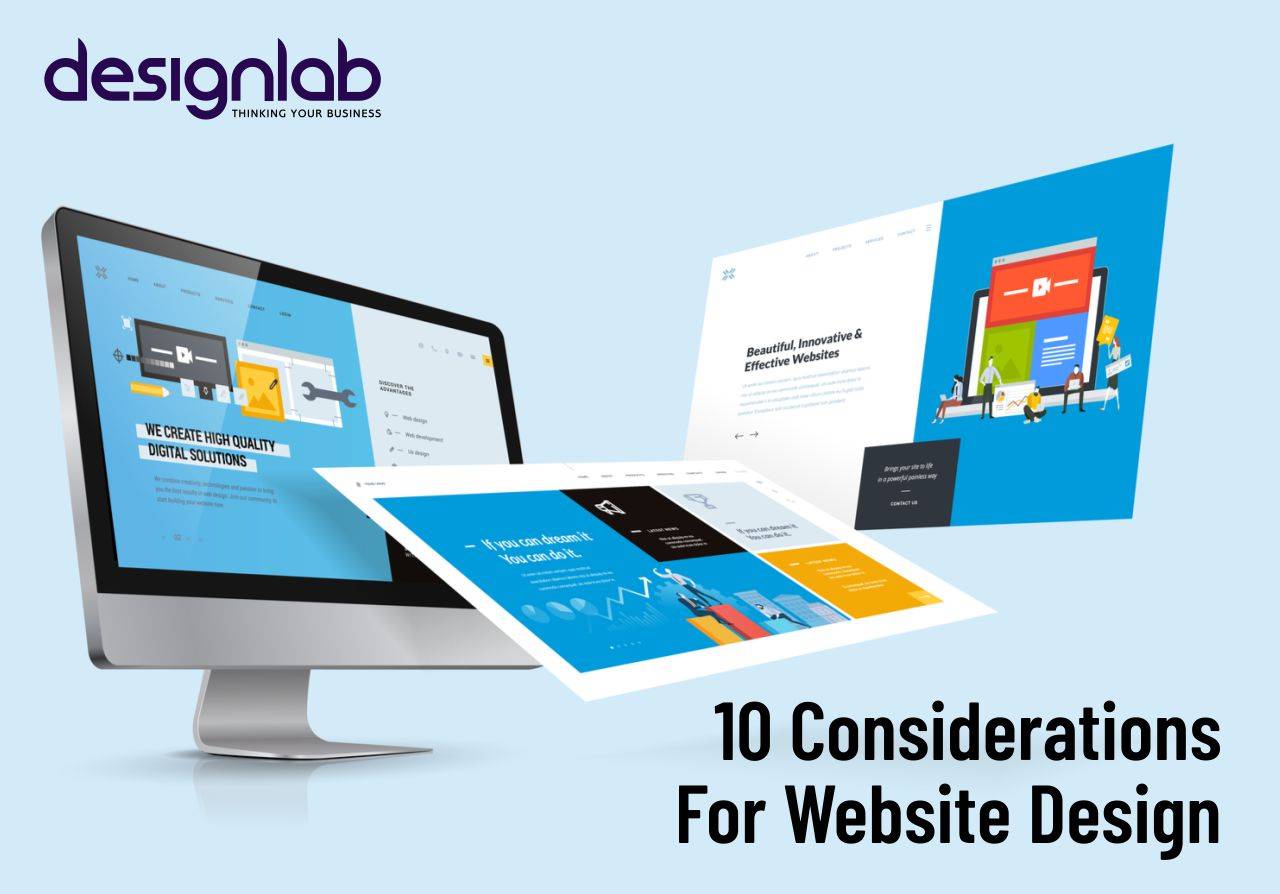
Websites play an important role in increasing the popularity of your business by informing consumers about new services that have entered the market. Making an investment to structure a new website for your business, whether small or large, is an intimidating and scary undertaking, as many factors must be considered.
because it is the location where clients will visit to learn more about them, your company, and you. While making/starting/reinventing a website, it is important to consider some of the key points that can enhance its performance and functionality.
If correctly constructed, websites may operate as lead generation machines, transforming online traffic into quantitative conversions.
You should definitely examine a few procedures before building your website for your business, which will finally contribute to the successful expansion of the firm.
1) Learn about the main users'
It may come as a surprise, yet many website initiatives are done without carefully assessing the user profile. If you want to create a website that meets the needs of your target audience, you must first understand what specific product or service they are looking for on your website.
It is common for enterprises to have many major user groups. A website designed for a doctor's clinic, for example, would target patients as its primary audience.
However, if additional clinic personnel visit the same website, they must be considered primary users as well.
If you want to be considered for a website in 2022, first identify your user audience and discover why people visit your website before contacting any website design and development business.
2) Make your website mobile-friendly
As people become increasingly reliant on their mobile devices, it is critical to make websites more mobile-friendly if you want to generate a large volume of traffic for your website. This is regarded as one of the most important website design factors.
As cellular devices account for around 51% of global online traffic, making any website adaptable to mobile devices will only result in significant losses for your business. Make certain that the design you select for your website is correctly optimised for how the various aspects required for your website will appear on mobile displays since the majority of users will access it from tiny screens.
3) Improve the visual brand
If your organisation has lately altered its logo or colour scheme that you use for branding, do you have visual branding guidelines papers?
These are the few things you should think about if you're intending on designing a website. Your website will become more appealing as you create clearer and more modern branding.
As a result, ensure that the team you choose to create your website is not solely accountable for your site's brand identification.
4) Color Scheme That Works
Customers underestimate the importance of colour palettes. Colors can elicit various emotional responses, such as calm, happiness, or frustration. When it comes to choosing colours in your website design, you must consider your company's specialty, target demographic, branding, and colour theory aspects. What colours will your target audience respond to?
What colours will your target audience like? Is it overwhelming or pleasing to look at if your colour scheme is similar to your logo and branding? Are you attempting to portray the personality of your company through a bright and energetic orange or a professional, quiet blue? Regardless of your choice, taking the time to discover the finest colour alternatives will leave a positive impression on your guests.
5) Ease of Use
Websites that are simple to use are more likely to pique the interest of customers and drive commerce. Displaying product and service information in a clear, succinct manner can improve usability. Make certain that your website includes all of the elements that a consumer would want for the site to be easily accessible.
Is it necessary for a reader to look for the opt-in form if they are reading your blog and want to subscribe to your email newsletter? Is your contact information easily visible? Is your website's design encouraging social sharing and additional involvement with your brand? These critical components must be considered while maximising your site's usability.
6) Code That Is SEO-Friendly
It's vital to have clear, SEO-friendly code whether creating new webpages or enhancing old ones. You may increase your total return on investment by making the effort to update your site's code. By giving a clear image of your site's content, SEO-friendly code functions as a guide for search engine crawlers. Certain CMS platforms, like WordPress, offer plug-ins that make it easier to clean up code and improve search engine results.
WordPress is a terrific resource for businesses who are trying to increase visitors to their websites because it requires minimal (if any) technical skills.
7) Responsive Sites vs Mobile Sites
According to statistics, the usage of mobile devices for internet searches has expanded dramatically in the last two years. In fact, 95% of mobile device users rely on their smartphones to find local items and services. Businesses must ensure that their websites are accessible from any device in order to successfully target this rising audience of mobile consumers. It makes sense for a major corporation with an existing web presence to create a distinct, mobile-friendly website that performs effectively on any device.
A firm planning the launch of a website, on the other hand, would be better served by selecting a responsive design capable of adjusting to any device.
8) Social Media Integration
Integration with social media is no longer optional; it is required. As technology makes information sharing more accessible, firms that do not integrate social media miss out on what has been compared to modern-day word-of-mouth advertising. Customers may use social media to promote your brand, provide reviews, and stay up to date on your company's newest developments.
With the inclusion of social sharing buttons on your website, you can simply disseminate written and visual material, such as product photographs and branded video, on sites like Facebook, Twitter, Pinterest, and LinkedIn.
9) Dependable Security
As technology advances, newer and more sophisticated security threats endanger the integrity of your website. Websites must prevent security breaches on both the front and back ends, from malware and viruses to malicious apps and the threat of hackers.
Websites designed to conduct online transactions, such as e-commerce sites, require additional security measures to safeguard customer data. Businesses must install SSL certificates on their websites to lessen the risk of browser-based attacks. It is vital to check the security elements incorporated into your site's structure and design during development. Businesses must also undertake frequent security audits or contract with a vendor who provides this service.
10) Offsite Evaluations
Local queries have received higher prominence as a result of modifications to Google's search algorithm. Review systems, such as Google and Yelp, may help firms generate quality leads. Customers are now frequently met with reviews about a firm on the first page of search engine results when they search for a local business or product.
Obtaining reviews on third-party websites increases the legitimacy of your business while making it easy for visitors to acquire insight into consumer satisfaction linked with your company. Claim your business profile on third-party review services such as Google and Yelp to ensure that customers can leave reviews about your company.
You may then construct a call to action on your website that encourages customers to leave reviews and directs them to that specific third-party review service.
Google provides an excellent method for linking your Google+ company page evaluations to your website. As long as you have a Google+ account and a qualifying business address, you may search for your business page and, if one does not already exist, create one. When Google confirms that you are the owner, your Google+ business profile will be connected to your website anytime it appears in the SERPs.
Bottom Line
Investing in a new website is a significant decision for any company, large or small. Your website is the online face of your brand; it is the location where potential consumers can learn more about who you are and what you do.
When done effectively, a new website will act as a lead-generation machine, converting online visitors into measurable conversions. However, if you miss the point, you may open a can of worms—a seemingly never-ending loop of changes and repairs that devour your time and money.
By keeping these 10 things in mind, company owners in all sectors may improve their chances of a successful website project by ensuring their needs are addressed and the overall design supports their goals.
We, at DesignLab, curate blogs on such issues and are available to help you in any way we can. As a matter of fact, you can contact us at any time to take advantage of our services.
2022 Research Agenda for Digital Marketing
Predicting marketing trends is an important aspect of this strategy. Unlike fortune-telling using horoscopes and cards, marketing trends for 2022 may be simply identified by examining the past and present.
Marketing trends do not come out of nowhere; rather, they are founded in current technical and societal growth. As a result, we can predict 2022 digital marketing trends by examining what movements marketers, brands, and technology companies are doing now.
The term "marketing" is continually evolving and getting larger. Customers' wants and technology are both fast evolving, and businesses must keep up.
Trends in digital marketing in 2022
In 2022, the blend of traditional marketing strategies taken in a new direction and wholly new and innovative concepts will become widespread. Let's look at the ten marketing trends that will characterise the next year and how you may use them in your own unique approach.
1. Virtual reality-based social media
In some fields, such as gaming and entertainment, virtual reality is already a popular technology. Marketers might use it by providing special VR experiences for companies or increasing product placement in VR games, for example. However, it is clearly evident that the next several years will see the explosion of social VR, In virtual reality, we may be able to communicate, work, and socialise with our avatars. That seems like something out of a science fiction movie, but Meta (previously Facebook) is making it a reality.
Facebook has been investing in virtual reality for some years, purchasing Oculus, developing games, and launching initiatives such as Horizon. This year, Mark Zuckerberg stated unequivocally that they intend to make virtual reality worlds a big component of their business.
How can brands make advantage of it?
VR intensifies and meaningfully enhances all of our social media experiences. Thus, no matter how you want to boost social media VR, keep in mind that it must be real and honest. You can't be excessively commercial or irritating since that would anger folks even more than normal.
2. AI and Machine Learning are used everywhere
As marketers have access to more internet data, AI will play a larger role in our job. It can help us handle massive amounts of data and act on it without having to spend time sifting, analysing, planning, and refining the approach. Awario's Insights, for example, evaluates social listening data to highlight the most essential patterns and areas of conversation so that you can incorporate them into your plan.
Conversational marketing is another fascinating approach to using AI. This is sometimes referred to as chatbots. They can be beneficial in some situations, but they have not proven popular with end users since AI is typically not sophisticated enough and frequently makes mistakes. Human customer service is still more practicable in practice.
How can brands make advantage of it?
Determine where AI and machine learning technologies may help your brand: data analysis, email marketing, conversation marketing, and so on. After that, seek for a tool to add into your current marketing approach.
3. Mixed-mode events
The COVID-19 epidemic touched almost every business. Many firms, particularly small ones, have been thrown into crisis mode. Companies are starting to reopen now that conditions have improved slightly, but there is still a strong likelihood that things may never return to normal. We may never be able to work, interact, shop, or live as we did before the epidemic. Attending social and professional gatherings is the same.
The transition to hybrid events is one of the digital marketing 2022 trends that emerged in the new normal.
How can brands make advantage of it?
The solution is simple: get into event marketing and host a hybrid event. Offline events such as workshops and seminars can be combined with large internet meetings for presentations, concerts, and the like.
Don't overlook the first trend on our list: virtual space may be an excellent place for organising an online event and making it as interesting as possible.
4. Video promotion
Video has risen to become one of the most popular types of content, and this trend shows no signs of abating. Consider the following advantages of video marketing:
- Customers enjoy seeing videos.
- They boost participation.
- It's a good approach to highlight new and existing items.
- It's simple to put together and inexpensive, especially when compared to visuals and copy.
Best of all, it has one of the best conversion rates of any marketing method. However, like with every other digital marketing trend, even continuing trends are updated. Video is no exception. Live videos and short videos will be the most popular kind of videos in 2022.
How can brands make advantage of it?
Check out new platforms and formats of content to ensure your video strategy is up to date:
- Try live streaming by becoming involved with Twitch marketing.
- Find new video platforms such as Vimeo or LinkedIn.
- And make short vertical videos utilising TikTok memes and trends.
5. Social responsibility of corporations
Corporate Social Responsibility (CSR) is an abbreviation for "corporate social responsibility," which is a long but relevant phrase. For years, social concerns have played an increasingly prominent part in social media. This importance will grow even further in 2022.
What does this mean for you and your business in particular? Don't only concentrate on uninteresting social media advertising. It is also critical that you take a public stance on topics such as environmentalism, diversity, social justice, and mental health. It is no longer sufficient to make one or two posts.
Customers want to know that you live the ideals you promote. These must be firmly established in your organisation. You will discover the issues your community is interested in, and you will devise a strategy in case communications fail.
How can brands make advantage of it?
Before taking a position on a social issue, be sure you understand your audience and what they care about. Your perspective must be consistent with their ideals and lifestyles; otherwise, you are either making a wholly irrelevant argument (best case scenario) or aggressively opposing them.
Use social listening to study your audience and track public reaction on certain social topics. This procedure will provide you with enough information to develop a socially responsible marketing plan that will not result in a reputation problem.
6. Data security and ad targeting challenges
Google said last year that it will discontinue cookie tracking in 2022. While that shift has already been postponed, its eventual extinction in 2023 will make efficient ad targeting much more difficult. If digital marketing strategists want to cope with the transformation when it occurs, they must begin outlining how they will modify their approach in 2022.
If the political will moves to protecting user data against huge tech corporations, the way we are used to advertise, analyse, and plan marketing campaigns will change significantly. Marketers will have to develop new ways to identify and reach their target audiences without the help of middlemen like Google and Facebook.
How can brands make advantage of it?
Invest in market research and non-invasive methods of gathering marketing information.
We've already described social listening as a method for gathering and analysing publically available data. It may investigate your brand, audience, or rivals online and provide you with loads of marketing information to help you design your approach.
7. Use of games
Gamification is a new digital marketing strategy that involves incorporating game elements into a website. All of the elements that make games interesting, addicting, and enjoyable are now being leveraged as marketing methods for businesses to improve consumer loyalty, brand exposure, and revenue.
A captive gamification experience taps into a player's emotions and simply illustrates the best actions an audience may perform to effect mutually defined goals.
How can brands make advantage of it?
Learn how to gamify your consumers' experiences, from your website to social media.
Make each level of your sales funnel as engaging as possible: Play social media quizzes and initiate challenges, build gaming experiences using Twitch, and gamify shopping experiences by giving bonuses.
8. Better targeting of influencers
For some years, there has been a greater emphasis on influencer marketing as organic avenues for content dissemination through search and social media have decreased. Furthermore, influencer marketing has the potential for enhanced audience engagement as well as the power of endorsements and recommendations, which we know are important factors in purchasing decisions.
In their study The Power of Influence, analyst Altimeter suggested that firms spend 25% of their digital marketing expenditures on influencer marketing, which they anticipated would reach $10 billion by 2020, a 5X increase.
Here are the influencer marketing trends to watch in 2022.
- Micro-influencers are on the rise.
- Increased emphasis on performance marketing
- Influencer marketing as an 'always-on' strategy
- Long-term partnerships with influential people
- Everything from amplifiers to communicators
How can brands leverage it?
As an alternative to a professional partner, begin treating influencers as a part of your brand. Current influencer marketing trends demonstrate the importance of building long-term connections with influencers and converting them into brand evangelists. The days of switching influencers from campaign to campaign are over; today you want them to stick with you for a long period.
Micro-influencers are another trend that is sweeping the market. While finding small influencers who fit your brand image can be difficult, there are plenty of tools to assist you!
9. Intelligent personalization
Personalization has been on the rise in recent years and will continue to do so in 2022. Brands give customers greater power over how they connect with them as consumers, such as personalising marketing to their specific interests or automating some transactions (i.e., Amazon recommendations).
Personalization examples are not restricted to advertising. It may be found in online buying, social media posts, and customer service interactions. This tendency is expected to continue for at least the next several years.
How can brands make advantage of it?
Find the sweet spot between customised and scary all-knowing marketing.
A nice example of personalised marketing is customised suggestions based on your customer's purchase history on your website.
Ads and emails citing sensitive information such as your customer's precise location or health conditions are poor examples of personalisation. For example, if you market pregnant items based on Google searches, your prospective clients may feel nervous or as if they are being watched. As a result, avoid customising based on sensitive information or themes.
10. Zero-click searches
So, what exactly is a zero-click search? When you have a query, you put it into Google and then click on the article that best answers your question or provides the information you require. However, the solution is sometimes suggested in a paragraph at the top of the result page.
These boxes, known as Position Zero in search engine results, frequently include an image as well as all of the information you were looking for displayed in an easily distinguishable box. You already know the solution; therefore, you don't need to read an article.
How can brands make advantage of it?
Consider how you may alter your page names to represent what searchers will find when they visit your site. Being the topic of a zero-click search indicates that you've made it halfway and that people are interested in what you have to offer.
Your next step is to get them to visit your website to learn more about what you have to offer!
Good luck with your marketing in 2022!
When you know where to look, predicting 2022 marketing trends is simple. Keep an eye on the industry around you, and you'll be able to notice trends before everyone else. Remember, marketing is constantly developing, and you must grow with it!
With today's design technologies, innovators may create goods and services that have the potential to improve the lives of billions of people across the world. Because new items are released on a daily basis, effective design is critical to being relevant in a competitive market. You may now, more than ever before, explore and reinvent your talents until you find what you actually enjoy. After all, you spend 60% of your waking hours at work, therefore you should love it.
We, at DesignLab, are merging the power of the internet with the magic of one-on-one mentorship to create an amazing educational experience that is inexpensive and accessible to people all over the world. Our objective is to assist you discover creative jobs that you enjoy and to help you become a master of your profession.
You may contact us at any moment if you want to learn more about this site, and we would be pleased to assist you!
10 Secret Business Branding Facts You Didn't Know
A method of recognising your company is through branding. It determines how your customers perceive and interact with your brand. A successful brand is more than just a logo; it's mirrored in every aspect of your organisation, including your customer service philosophy, staff uniforms, business cards, and physical location.
Your company's "personality" should be expressed through your brand, which reflects the traits, strengths, and core values of your company.
In-depth market research is necessary to determine why people should be drawn to your organisation in order to build a great brand. Customers will remember your business more easily and be more confident that your goods or services will meet their demands if it has a strong brand. Customers frequently remain brand loyal.
Brand Matters: Why
We all understand the importance of brands to global brands like Apple, Coca-Cola, and Nike. The value of their brand has grown to its highest point. Consumers are eager to buy because of how they perceive the brand, and their brands do the selling for them.
Branding, however, can be just as effective for B2B corporations, small and midsize businesses, and these industry giants. Particularly in the era of specialised marketing. It's likely that you have heard of the Casper mattress if you regularly listen to podcasts. When they first began in 2014, they were a completely unknown company. By 2018, they were prepared to start 200 physical locations at a time when industry titans like Mattress Firm were declaring bankruptcy.
Developing Your Business's Brand
There are material and intangible components that make up a brand. For instance, your company's logo serves as a visual depiction of it. It stirs feelings and expresses the character of your brand. Contrarily, albeit it isn't a tangible object, your identity is crucial to connecting with your audience.
The combination of these factors shapes how customers view your business. Therefore, you must spend time carefully designing each component to make sure that your company appeals to your target client.
- To better understand your audience, develop a personal
You've probably heard that the secret to writing marketing messages that resonate with your target audience is to understand them. a fantastic means of getting to know them? Make a buyer persona, which is a fictitious portrayal of the values and traits of your ideal client.
According to Van Tongeren, the purpose of brand assets, or "livery," is to visually convey the message each company wants to get over to its target market. "Knowing your audience and how you want them to see you is essential before you even consider the visual component."
Personas also describe the problems that your customers face and how your company can help them.
- Create a voice and an identity for your brand
Your brand may begin to take shape once you've determined who your target customers are. Establish your brand's voice, or the tone you employ in all marketing text and public communications. This is what gives your brand its identity.
Building your personas is akin to creating your brand voice and identity.
However, you're responding to inquiries about your brand rather than those about your target market, such as: What are your company's values, what do they stand for, and how do you want others to talk about you?
- Establish a dependable social media presence
Therefore, we are aware of your identities. We now know what to say and how to say it in a way that will resonate with them. Where are they, though?
You have a decent possibility of finding them on social media, and you shouldn't pass up that chance. Reaching individuals where they are already present is successful, and that includes where they are online, as we have previously discussed.
According to a 2020 Sprout Social Index survey, 89% of customers will make purchases from businesses they follow on social media. The survey also demonstrates that social media users are interested in finding out about new offerings from companies.
- Launch a business blog
The value of blogging has already been discussed, but it still needs to be highlighted. The "attract" step, which converts website viewers from strangers to visitors, is a crucial component of the inbound marketing flywheel.
A key inbound marketing step is starting a blog. By producing content that is relevant to what your target audience is looking for, you may more effectively contact qualified consumers like your personas. Making blog entries relevant to readers (and optimising them for search engines - here's how) is crucial for this reason.
"The success of HubSpot is directly related to our blog. In fact, before we had a product, we had a blog, "explained Lisa Toner, HubSpot's director of content.
- Give importance to client service
Most of us instantly think, "Unparalleled customer service," when we hear the term "Zappos." This degree of customer service was included into the online clothing retailer's fundamental business strategy.
What makes that so crucial? Making top-notch customer service the hallmark of its brand allowed Zappos to spend less on marketing and advertising. That's as a result of the word-of-mouth it generated among clients and potential clients.
Earned media is what you get when people speak about something you did that was noteworthy and your brand receives notoriety that you didn't pay for.
For instance, the first thing I do when purchasing on a new website is read reviews.
- Benefit from co-branding
When it comes to negotiating co-branding agreements, I'll never forget what Lisa Toner says.
She responds, "Larger organisations may have a huge reach, but what do they not have?"
You might not have the reach that Toner is referring to when you're first developing a brand. You can create it, but the process takes time. Until then, collaborating with a company that already has that reach is one method to bring your name in front of a larger audience.
According to Margot Mazur, principal marketing manager of strategic partnerships at HubSpot, "working with a co-marketing partner (an external brand) may be a really helpful means of increasing your audience while developing a positive connection with a partner."
- Hold a webinar or masterclass
What skills do the brains at your organisation often demonstrate? Are they email marketing experts? Do they have coding prowess? Do you consistently receive the title of "World's Best Brand Strategist"?
Leveraging these skills into a masterclass or webinar and promoting them online is a great strategy to expand your brand and generate leads.
You can locate audiences interested in the skills you're teaching by optimising your class with hashtags and clever subtitles. These masterclasses, which can last 45 to 60 minutes, give a general overview of your area of expertise and demonstrate how to execute it well.
- Create a compelling tagline for your brand
Your company's brand narrative and slogan serve as its introduction. Make a slogan that speaks to your target audience and is connected to your brand's history. The tagline condenses your company's most significant advantages or differentiators into a few intriguing words. The information is more difficult than it appears, and here is where most marketers fall short.
I must acknowledge that it seems tough to make one that remains relevant forever. It has to be enhanced, especially in a culture where people are constantly striving for the newest and greatest.
That is why organisations like Coca-Cola have begun altering their taglines more often. The United States was attempting to move away from alcohol at the time the Great National Temperament Beverage of 1906 was introduced. The catchphrase perfectly reflects the time's socioeconomic standing. The most recent, Test the emotion, is obviously made to appeal to younger customers. To engage with customers in this way, you should continually work on your brand's catchphrase.
- Exclusive advertisement
What if you add a little humour to the advertisement? Don't you agree that being a bit outlandish may help people remember your brand for a long time? I'm referring to the amusing Old Spice YouTube commercial called the man your man might smell like. Such humorous advertisements not only have an impact on the viewers but also go viral. They promote sales and are distributed online. Trying to make your advertisements stand out from the crowd, is the key message. According to an Insivi study, 90% of participants said seeing a fun film about a product helps them learn more about it.
- The essence of consistency and flexibility
Creating a unified brand identity requires adhering to the brand design decision you have made in every context. But it's also critical to maintain flexibility in a culture that's constantly seeking the greatest new inventions. Given that American consumers now care so much about their health, I won't be shocked if the Coca-Cola Company soon modifies its Test the Feeling motto. No one will be able to taste the taste of high-calorie, sugary drinks.
The Bottom Line
Building a trusted brand is the first step in running a successful business. Although reputation is difficult to build, it is the only thing that will enable you to advance in the corporate world. Nike charges $4000 for a pair of shoes, not because the shoes are better, but rather because of the brand. Building confidence in your brand name should be your first priority if you want to thrive in any industry.
Do you require assistance with branding? A branding firm called DesignLab focuses on brand identification, brand strategy, website design, and brand marketing. We can assist you in successfully branding your company. To find out more, contact us.
10 incredible strategies to boost the performance of your business's digital marketing
What is a digital marketing strategy?
A digital marketing strategy is a plan that describes how your company will reach its marketing objectives using online mediums like social media and search. The majority of strategy plans will include a summary of the digital marketing strategies and online channels you'll employ, along with your budget for each.
Why should you have a digital marketing plan?
It's crucial to have a digital marketing plan. You can count on one of our first priorities when working with a full-service digital marketing firm with experience, like WebFX, to develop a clever and competitive plan for your business.
Your firm lacks a road map for reaching its goals, objectives, and critical results without Internet marketing techniques. You are aware of what you want to achieve, but you are unsure of how. This frequently results at the beginning of an unsuccessful digital marketing campaign.
1. Search engine optimization (SEO)
Describe SEO
The goal of SEO is to make your website better so that it ranks highly for business-related keywords and phrases in search engine results. More people will see and learn about your website and company the more keywords you rank for and the higher you rank.
Why should your digital marketing plan include SEO?
Consider SEO to be a must for digital marketing tactics. No matter where they are in your purchase funnel, it catches every member of your target audience. The rationale is that practically every user uses a search engine to start their lookup for a new item or service.
Did you know, for instance, that 80% of shoppers conduct their product research online? Or, that more than half of users find a new business or product as a result of their search. That might be your company if SEO is one of your internet marketing techniques.
Consider the following to highlight the value of SEO as an internet marketing tactic:
- Only 25% of searchers click through to the second page of results.
- When a person conducts a search on Google, they often don't scroll past the first page of results. Why? They frequently discover what they're looking for, so getting your business to appear on the top page of search results is crucial.
- About 75% of searchers select the top result.
It's obvious that you can't rank on the second page of results when the majority of people discover their solutions in the first listing of search results. Out of sight, out of memory. Even if you have what others are seeking for, you are concealed from their gaze.
2) Use social media
There is a huge opportunity for firms who invest in social media given that fewer than 30% of businesses use it as a marketing tactic. Even better, social media accounts for more than 25% of a user's time online, making it the ideal platform for communication.
Other justifications for employing social media marketing include:
- Social media is used by more than 65% of consumers for customer service.
- Social media users use it for more than just sharing stuff with their friends and family. They also utilise it to engage with businesses, whether they're praising a successful purchase or asking for assistance.
- More than 70% of consumers make decisions about their purchases via social media.
Word-of-mouth referrals are effective regardless of the business, and social media now provides a platform for digital referrals. Inactivity on social media keeps your company out of these discussions.
That can cause customers to pass by your business. Users may have a lower level of trust in you if, for instance, your Facebook profile is dormant. This is especially true if you have no evaluations or unfavourable remarks from previous clients. Social media marketing enables you to alter that.
3) Create video tutorials
Making video lessons is one of the most efficient methods to promote your company. Give folks something to learn. Take them step by step. Lend them your hands. Step-by-step instructions are quite popular. You can increase your exposure and, eventually, your sales, more quickly the better you are at it and the more value you offer.
Today, Google is the most popular search engine, with YouTube coming in second. They go there whenever they want to learn anything visually. Most possibly innumerable times, you've done it yourself. So, simply ask yourself what you could impart to customers in your organisation to ease their pain points. What initially inspired you to start a business?
What is the most difficult part? Seeing yourself and even replaying your own voice. You no longer need to be seen on camera, but you'll probably need to be audible. Over time, you become used to it. You must start producing genuine and practical videos straight away because of YouTube's visibility and audience.
4) PPC (pay-per-click) marketing
PPC: What is it?
PPC is a type of sponsored promotion that uses an auction-based mechanism.
With PPC, you place bids on the keywords you want to see your advertising for; your ad is triggered when a person searches for your term. Then, these advertisements are shown above organic listings in search results. You then pay for that click if a person chooses to click on your advertisement.
One of the most economical forms of sponsored advertising is PPC.
PPC is a helpful online marketing technique for many firms who are just starting with digital marketing or seeking a quick boost. When your company's organic search result rating is many pages down, it might help to push your website to the top of the search results list.
Other than that, why should PPC be a part of your digital marketing campaign strategy? Think on these details:
With Google Ads, companies make $8 for every $1 they spend.
Google is a preferred platform for PPC ads since it processes more than 60,000 searches every second, or more than two trillion searches annually. That is why many businesses allocate a large portion of their PPC spending to Google Ads, which has a strong ROI.
5) Content Marketing
Content marketing is a wise choice for a digital marketing plan since it allows you to interact with people at every stage of the purchasing process and increases website conversion rates by double. The best thing is that it is 62% less expensive than conventional marketing strategies.
What are some further justifications for including content marketing in your digital marketing campaign strategy?
- In comparison to conventional marketing, it produces 54% more leads.
- A continuing, long-term approach with a strong return on investment is content marketing. Increases in your conversion rates as well as new leads and customers for your company are all included in that ROI. In order to achieve these objectives, content marketing targets each stage of your purchase funnel.
- More than 60% of users like businesses that produce content.
Users are incredibly powerful in today's internet economy. The messages from your business, whether they are informative or promotional, are up to them to read or ignore. However, many consumers respond favourably to firms' informative material, which is why content marketing is so important right now.
6) Email Marketing
Email marketing comes with a wealth of advantages. Because of this, more than 80% of businesses—including industrial facilities, retail establishments, and technological firms—use email marketing.
As a digital approach, email marketing offers a number of significant advantages, such as:
- It has an average return on investment (ROI) of $44 for every $1 spent.
- Email marketing gives a return that is unrivalled, with an average ROI of 4400 percent. This Internet marketing tactic has the ability to raise your income, brand recognition, or customer retention rates, as seen by its outstanding return. It demonstrates another thing: people enjoy email. For instance, weekly promotional emails are liked by more than 60% of people.
- Creates 50% more revenue than alternative lead generating techniques.
Email marketing is a go-to internet marketing method for companies who want to increase both leads and revenue. To optimize the effects of email marketing, further measures such audience segmentation, email design, and personalisation may be used.
For instance, effective segmentation may boost sales by up to 760 percent.
7) Voice Search Optimisation
Why should your digital marketing plan include voice search optimization?
Voice search is emerging as a novel and well-liked method of searching as more people buy smartphones and voice-activated speakers. As a consequence, it's one of the most recent digital marketing techniques that businesses may use.
A few other reasons to invest in voice search optimization are as follows:
- Nearly 50% of individuals use voice search on a daily basis.
Analysts predict that this percentage will rise even more during the following few years. Early voice search optimization adopters will therefore reap the biggest rewards because their websites will already rank for highlighted snippets, increasing traffic from customers in your target market.
- More than half of voice-activated speaker users expect brand-related material from brands, much like they do with email.
When speech-activated speakers offer these promotional alternatives to businesses, they will be interested in learning about your sales and new items, which is why investing in voice search optimization now can help your brand in the future.
8) Retargeting Facebook advertisements is a good idea
Facebook advertisements are one of the most effective ways to promote almost anything in today's world. You may easily and quickly target a very particular audience with Facebook. Targeting options include interest, age, relationship status, geography, and a plethora of other criteria.
However, obtaining excellent outcomes requires more than simply click-through traffic. Conversions and pixel-based retargeting must be your primary concerns. If you don't already know how to install the Facebook Pixel on your website, you must do it immediately. Even if you aren't running Facebook advertisements, a pixel may help you grow your audience.
9) Use LinkedIn properly
Does your LinkedIn profile include a video? Did you know that adding one is simple? Why not take a moment to introduce your company and yourself? Connect that to the summary of your profile. When done properly, this is a simple method of passively marketing your company that may produce startling results.
Start publishing on LinkedIn right away if you have a lot of contacts but aren't doing it now. You can access a sizable audience, particularly if your posts become popular online. A fantastic location to explain the entrepreneurial path is here. Tell experiences and discuss your struggles. Your potential audience when you go viral will be greater the more compelling your stories are.
10) Establish an affiliate scheme
The majority of individuals are unaware of affiliate marketing's potential. Affiliates may be a tremendous source of growth-fuel. However, finding the appropriate companions isn't always straightforward. If you want the larger affiliate to consider you seriously, your conversion rate must be high.
It can be challenging to navigate the affiliate minefield, in my experience. True tenacity and perseverance are required to succeed. After a few disappointments, the majority of us become disheartened, but when it comes to affiliate, you cannot let your emotions get in the way. Create an affiliate programme, then begin contacting potential affiliates who can help you.
Bottom Line
One of the finest methods to expand your consumer base and meet your company's objectives is through digital marketing. Additionally, it provides a range of tactics to accomplish your particular goals, including video, email, and social media. Digital marketing is the way to go if you want to raise sales, income, awareness, or customer loyalty.
However, how well you create and implement your digital marketing tactics will determine their effectiveness. For this reason, companies collaborate with DesignLab, a full-service digital strategy firm that offers unique, ROI-focused Internet marketing tactics.
Contact our prestigious team of strategists immediately to begin picking and creating your unique plan! Get a free quotation from us for your next digital marketing plan by contacting us online.
Inspiring concepts for your company's website design and development
There are several causes for feeling stuck on a project. Perhaps your most recent customer is incredibly evasive in their requests, and you have no idea where to begin. Or perhaps you've been working nonstop for a while and feel exhausted and uninspired. Perhaps you've been creating websites for the same kind of clientele without having a chance to use your creativity. The first impression that you make on a customer is greatly influenced by web design and development.
What is Web Design?
Different graphical components are created specifically for usage online as part of web design. Infographics, advertising, and logos may all be made by designers. Yet this video's main emphasis is on the aesthetic appeal and experience of websites.
The components of your site may be made by them using programmes like Adobe Photoshop or Illustrator. Making sure that the user is at the forefront of everything you produce is the focus of the burgeoning web design discipline known as UX design. UX designers ensure websites are responsive to multiple devices and have a clear, usable layout.
Designers may have some familiarity with coding languages like HTML and CSS, but a large portion of their job is concerned with how a website looks.
What is Web Development?
Web developers therefore work on making those graphics come to life while web designers concentrate on the aesthetics of a website.
The main functionality of a website will be developed using several computer languages, such as HTML, PHP, and Java. Functionality can include things like what occurs when a button is clicked or how the primary navigation loads when a user scrolls or clicks on it.
In order to bring your website up and accessible to visitors, a developer may work using a content management system (CMS). Typical systems include:
- WordPress
- Magento
- Joomla
- Drupal
10 Web design tips you can use right now
- Create a step-by-step procedure
Working without a process may seriously impair a web designer's flow, particularly when you're deep in the weeds, feeling overburdened, and having trouble coming up with fresh ideas.
Instead of making your brain work constantly in overdrive, develop a step-by-step procedure to clear your mind of this extraneous clutter.
Even better, make your plan and save it as a template in your task management programme so you can use it for all of your projects.
- Refresh Your Knowledge of Web Design Principles
It's simple to get caught up in how novel your ideas are while trying to come up with innovative web design concepts. However, no one has ever said that a website must be brand-new in order to be successful.
In fact, this topic is covered by a web design concept. According to Jakob's Law, users spend the majority of their time visiting other websites. This indicates that consumers like your website to operate similarly to all the other websites they are already familiar with.
Stop what you're doing and go examine the fundamentals of excellent user experience if you find yourself fixated on a website's novelty or experimental character. Going back to the basics can help you refocus on what is important, and if necessary, you can then add artistic flourishes.
- Investigate Current Design Trends
Spend some time looking up current design trends if, on the other hand, you're finding it difficult to go on after laying a strong foundation for your website.
It can be challenging to keep up with all of the prevailing trends because the face of the web is always evolving. If you start investigating them, you never know what could happen.
Start with the list of the most recent web design trends –
- Sophisticated serif fonts
- Humorous typographic effects
- Emojis
- Lighter hues
- Coloured negatively
- Textured black-and-white illustrations
- Black borders
- Simple forms
- Unique and inventive product images
- Collage artwork
- Continuous surrealism
- Mouse over gallery menus
- Concentrate on One Minor Aspect
Do you know what Hick's Law is? Another useful web design idea is this one. According to the statement, "Decision-making time rises with the quantity and complexity of options."
This applies to how alternatives are presented on a website, but it also applies to the situation you're in right now. When there are simply too many factors to take into account at once, it might be challenging to come up with innovative web design concepts.
A web design methodology should be established to aid with this. However, you may narrow your attention even more.
- Change Between Desktop and Mobile
If the amount of space you have to work with is limiting your creativity, there is another option you may explore. If you often begin creating on a desktop computer, try doing so on a tablet or smartphone instead. Alternatively, scale up to desktop if you're used to starting with one of the smaller displays.
You could only require changing the canvas size to achieve the ideal design for your website.
If you're having trouble determining how to format the content on the page, this would also be helpful. It might be challenging to determine how lengthy a header or paragraph truly is on a desktop. However, once you reduce it to the size of a smartphone screen, you'll see that there is still room for improvement in terms of a page's readability and flow.
- Try Extreme Measures
The fact that you haven't yet discovered the ideal style for a website might be one of the reasons you're stuck on it. Go to the extreme and see if it jogs anything loose instead of trying to refine the same notion you or your customer started with.
The opposing approach might not provide the precise solution, but it might give you the inspiration to adapt something that has already proven effective.
These are some ideas for experiments-
- Multi-page vs one-page websites
- Images versus drawings
- Modern versus vintage typography
- Design using more images versus text
- Analogous versus monochromatic colour schemes
- Animated versus non-animated
- Focus on a different niche website
As a web designer, focusing on a certain area has a lot of advantages. Building websites for a specific audience will make it much simpler for you to establish yourself as a top designer. Additionally, it might make your work simpler because you won't have to stay current on trends and best practices for every kind of website you could be required to design.
The fact that you work on the same kinds of websites repeatedly makes it natural to worry that you will run out of original ideas for them. If you're in this situation, taking on a job outside of your area of expertise can help you break free.
You'd benefit from a pleasant change of pace from working on this type of assignment. You would need to devise strategies for artfully incorporating menus, reservation systems, and a variety of media into the design. Additionally, you would have the ability to experiment with bolder colour schemes and typefaces.
If you're feeling exhausted, there's no need to fully change the focus of your company to a different market. Simply embark on one or two new projects to push yourself. Giving yourself that experience might be all you require to reinvigorate your creativity in your everyday job.
- Participate in a course or tutorial
It's stressful to be stuck on something because you don't know how to accomplish it or it's too difficult to build out. But rather than continuing to try the same uncomfortable or useless strategy you've already tried, press "Pause" and see if someone has a better answer.
On the web, you may find solutions to many design problems and obstacles, even some you would not have anticipated others to face.
Google may be used to search the internet for information. It could be useful to visit websites like StackOverflow or even Reddit. Courses and tutorials are going to be more beneficial because they delve into greater detail. There are a few resources in Elementor that you might perhaps find helpful.
- Examine Additional Creative Works
These days, there are many areas where you may acquire design inspiration. your inbox for email. your feed from social media. The sidebars of the websites and blogs you frequent are cluttered with advertisements.
However, instead of scurrying about in search of something to assist you emerge from a creative fog, uncover some bookmark-worthy design collection websites. You won't have to spend as much time looking for web design inspiration, and you'll always have access to the best, most innovative designs.
- Take a stroll
When you're feeling uninspired or stuck, sitting in front of the internet sometimes won't help the situation. 2014 Stanford University research found that walking encourages creative thinking.
Participants were compared in research that included both sat and various walking scenarios (e.g. on a treadmill, outdoors, etc.). It was observed that while someone was walking, their creative output rose by 60%.
While this specific study indicated that walking had health advantages whether you walk indoors or outside, it is still a good idea to disconnect from technology and go outside.
Conclusion
It's only normal to occasionally become stuck when your job is to create websites. However, do something different rather than keeping your head down and forcing the thoughts to arrive.
With the help of the ten brainstorming suggestions listed above, you're sure to generate some original and imaginative web design concepts that are ideal for your client's website.
The team at DesignLab worked very hard to find and compile relevant material for you after conducting extensive research on the subject. Therefore, feel free to get in touch with us if you wish to learn more about these subjects or have questions about them.
What separates web development from web design?
The stunning and effective websites you see online are the combined work of web designers and web developers. Web designers and developers are two distinct professions, yet newcomers to the field sometimes use the terms interchangeably. Small businesses that are not web-focused do not employ web designers; instead, they ask their web developer to design and develop the entire website. However, large businesses whose marketing relies heavily on their website employ both web designers and web developers to build a stunning, interactive, and effective website.
The distinction between a web designer and a web developer, as well as the functions they play when building a website, are discussed in this article.
Web Designers
Prior to creating or developing anything, Web Designer In Industry first creates a blueprint and a solid strategy for how things will proceed when workers on that project. A web designer is the first to provide the concept and overall layout of a website. They develop a strategy for how and where each component of the website will be placed as well as the overall appearance and feel of the web page. A web designer might be compared to an architect who creates the layout or plan for our website.
Although they are sometimes underappreciated, web designers are essential to the growth of websites; it is their responsibility to create user-friendly websites and offer the highest quality services.
The primary responsibility of a web designer is to conceptualise or construct an interface that will appeal to users and be rational enough to be put into practise by web developers. A web designer should have prior knowledge of how websites function and whether it is possible to create the website they are currently designing. Unlike a web developer, a web designer does not need to have expert knowledge of how websites work or are built; rather, they just need to design a website that could draw in more users.
What a Web Designer Does?
- A web designer creates the website's blueprint using programmes like Adobe Photoshop, Framer, or Sketch.
- A web designer has to be proficient in logo and visual design.
- A web designer needs to be able to create sophisticated websites with simple user interfaces.
- Additionally, they must create the ideal space for all of the website's components, including the graphics, buttons, and other standard forms.
- A web designer should endeavour to add new functionality to the website and alter the style of the site to reflect current market trends.
- A web designer should be aware of the appropriate colour scheme and font style for the website.
- A web designer should be knowledgeable about SEO in order to create websites that will rank well on popular search engines.
- A web designer must create a layout that is both balanced and reasonable.
Web Development
The code for a website is written by web developers using markup and programming languages, who are the programmers who give the web designer's layout life. Front-end developers and back-end developers are the two different categories of web developers. For some reason, front-end developers are regarded as web designers as they are responsible for creating the user interface of a webpage. This includes everything you see on a webpage and everything you may interact with.
Front-End Developers
HTML, CSS, and JavaScript are the trinity technologies used by front-end web developers to create a website's user interface. The task of a front-end developer is to implement the user interface (UI) that the web designer has created. The Front-End Developers are in charge of the website's buttons, font layout, topography, images, headers, and title.
Back-End Developers
Today's websites are all dynamic, which means that they all rely on databases to store and retrieve data. Back-end developers create the code for these dynamic websites. The back-end of a website can be built using a variety of tools and programming languages, including Java, SQL, Python, PHP, C++, C#, and others. For back-end development, programming languages are less reliable than front-end tools, and an organisation may modify its back-end tools over time.
Full-Stack Developers
A Full-Stack Developer works on several layers, but in a nutshell, we can say that a Full-Stack Developer is someone who is familiar with both front-end and back-end technologies. In large corporations, front-end and back-end development are handled by distinct teams, but small businesses that cannot afford to hire several developers are always looking for full-stack programmers that can write code for both ends.
Functions of Web Developers -
- Create the website's user interface utilising resources like HTML, CSS, and JS.
- A front-end developer's responsibility is to create an interface that will load quickly in any browser.
- A front-end developer's job is to design an interface that can accommodate dynamic content from the backend.
- Back-end developers work on the website's primary logic and database.
- The front-end and back-end developers ought to communicate openly and clearly with one another.
- The task of web developers is to create the precise model that the web designer has supplied.
What the future holds for web designers versus web developers
The actual job we perform evolves as we enhance and perfect the tools we utilise to do tasks. Therefore, in ten years, web designers and web developers will undoubtedly have quite different careers. Over the past ten years, even the skills needed to be a web designer have changed quickly, shifting from a predominance on visual elements (typography, colour schemes, graphic design, etc.) to a more functional and holistic focus (usability, information architecture, research, etc.) that ties a larger experience together. And it makes sense that these job titles may eventually combine the two, with overlapping competencies.
In reality, numerous designers and developers already have successful careers in both fields. In Episode 40 of the podcast UI Breakfast, Sacha Greif, the author of Sidebar.io, offers advice based on his own experience as a developer and designer. In her piece Being a designer-developer hybrid in 2019, Anastasia Kas, another accomplished designer/developer, also stated that "hybrid occupations are on the increase."
Using no-code solutions like Webflow, there are several duties that may overlap or be completed by either a designer or a developer:
- defining a project's scope,
- fast procedure bug fixes,
- updating a static website, and
- connecting low-level dynamic content.
What if ultimately the roles of designers and developers merge, giving rise to a new hybrid position called "builders"? Then, other disciplines might be prioritised in initiatives. For instance, the development of a telepsychiatry app may be overseen by a psychiatrist, with cooperation from developers. Or, a lender might be developed under the direction of an economist with the aid of construction professionals.
Numerous occupations will change along with no-code technologies. Tasks that formerly needed specialists will be able to be performed by non-technical individuals on their own. Because it will only grow simpler to create digital experiences, experts across all industries will continue to stand out for their curiosity and adaptability. And in such a setting, designers will need to change in order to evolve.
Career & Salary Factor
Finding work as a web designer is quite difficult because many businesses do not offer the position; instead, they only ask their front-end developer to create an interface. On the other hand, it's quite simple to acquire a job as a web developer, but you'll need to refresh your abilities over time because the technologies used to create websites change often, and it's conceivable that the tools you now know will become outdated in a year or less.
Web designers are typically paid less than web developers since there aren't as many opportunities available for them. Although the salary is dependent on the organisation, the experience of the designer, and the developer, the designer is always paid less.
Conclusion
Let's imagine that web development is a planetary system with web design as one of its planets. When creating a digital product, web design is essential because it guarantees usability, a positive user experience, and beautiful aesthetics.
Understanding the distinctions between back-end development and graphic design is not difficult after the concepts of web development and web design have been clearly established. The distinction between front-end and UI duties, however, is not as clear-cut.
As previously said, the duties, abilities, and tools that are more concerned with design and the aesthetics of the final output form the basis of web design. On the other hand, front-end development is primarily concerned with how well the design—which was created by web design—is implemented in the programme and how it interacts with the back-end.
One has to understand design concepts, design interaction, usability, fundamental coding, and even some SEO guidelines in order to become a web designer. Due to the role's versatility, certain technical and soft abilities are needed.
DesignLab is committed to bringing you more of these knowledgeable and educational articles. If you have any questions, please don't hesitate to get in touch with us.
12 Web Development Trends to Look Out For in 2022 and Beyond
Every year, the world of website creation evolves, making it difficult for certain firms to thrive in this digital era. As a result, in order to remain competitive, firms must keep up with web developments. And a strong online product is required to strengthen your position in this competitive digital market.
However, identifying the most successful web development trends that might work for your firm may be crucial. As a result, in order to save you time and effort, we have compiled a list of web development trends by analysing market demands in numerous IT industries. So, DesignLab is here to make your job easier and less time-consuming.
12 Important Web Development Trends to Watch in 2022
1) Progressive Web Applications (PWAs): PWA technology is the top web development trend on our list. It’s a website-like app with a full-native mobile app experience. It operates autonomously and communicates with clients like a native app.
Here are some of the benefits that PWA technology has brought to organisations and users:
- Installation is simple.
- Increasing device storage and power efficiency
- Reduced support and development costs.
- Easy upgrading and upkeep
- More flexible distribution and more rapid market entry.
Mobile devices accounted for 54% of worldwide internet traffic at the start of 2021. With the rising use of smartphones and tablets for numerous online tasks, it is critical to transforming web apps into PWAs. In addition to offering an unparalleled user experience, PWAs have other advantages, such as lower development costs and smooth provider maintenance.
PWAs will be written in HTML, CSS, JavaScript, React, or Angular by 2022.
2) Single-Page Applications: Single-page apps (SPAs), one of the most significant current innovations in web development, load a single HTML page in a visitor's browser and dynamically update content as needed without refreshing the page. The developer community, as well as Google, Facebook, and Twitter, have all embraced SPAs.
SPAs consume less server space and give information to consumers effectively on a single page without the need to wander around. They are also cost-effective and reasonably straightforward to construct thanks to the popular AngularJS framework. These advantages make SPAs a win-win situation for both developers and site visitors.
We should expect the SPA trend to continue through 2022, as online customers seek quicker and simpler app experiences.
Among the benefits of SPAs are:
- Offline assistance
- Debugging simplified
- Simple to use the navigation
- Bounce rate reduction and faster page load
According to research, SPAs may increase conversion rates by up to 37%, allowing firms to reach their target audience with relevant material. SPAs are ideal for firms looking to simplify user navigation and increase profits through faster page loading.
3) Dark Mode UI: The dark mode experience has grown in popularity and will continue to rise with its visual design pattern. An Android Authority survey found that 81.9 percent of respondents use dark mode on their phones, while 9.9 percent switch between dark and bright mode. According to another study by Polar, 95 percent of consumers prefer dark mode to bright mode.
Apple, Twitter, Facebook, Reddit, and YouTube have already incorporated it into their products, and many more are waiting in line to join forces with this trendy technology. Some apps have made this mode optional, allowing users to toggle it on and off through a toggle icon on the device screen, in the menu, or in the app's settings. But what exactly is a dark mode?
The dark mode is a color scheme that employs light-colored text or other UI components on a darker backdrop to alleviate eye strain when using a computer at night or in a dark environment. Most importantly, to conserve battery power. The UI maintains the minimal color contrast ratios required by a device screen for excellent readability in this mode.
The Advantages of Dark Mode –
- Less energy consumption: Using dark mode on smartphones with an OLED or AMOLED screen, around 60% of battery power may be saved even at 100% brightness.
- To make the UI content intelligible and accessible to all, the user interface employs white lettering with greater opacity on a darker backdrop.
- When reading or using any app in low light circumstances, this function reduces eye strain.
- Minimises Blue-light: Dark mode decreases exposure to blue-emitted light, making it accessible to everyone, including visually impaired people and those with sensitive eyes.
4) Chatbots Powered by AI: The pace of digitalization in recent years has increased the popularity of AI-enabled chatbots among organizations.
With conversational AI, Natural Language Processing (NLP), machine learning, and deep learning, chatbots have gotten more humanistic, intelligent, autonomous, and safe over time. Furthermore, it can manage complicated procedures and respond quickly. These bots are built using open-source tools such as Facebook Bot Engine, Microsoft Bot Framework, and Dialogue Flow.
The Advantages of AI-powered Chatbots
- AI Chatbots may provide 24x7 help and react to consumer concerns as quickly as feasible.
- Personalization: Unlike customer support representatives, chatbots may track and access a consumer's history of online interactions and provide a more tailored experience as a result.
- Increased customer engagement: The chatbot periodically offers recommendations to consumers and makes suggestions based on their inquiries.
5) Architecture without Servers: As the fastest-growing cloud computing paradigm, serverless architecture is already ruling the market. Developers may concentrate on the code rather than the infrastructure provisioning, scalability, and maintenance while using this paradigm. As a result, serverless-based apps may be implemented in a matter of hours.
Amazon and Netflix are two of the greatest examples of companies that have made the most money after implementing this design. Serverless services are provided by reputable companies such as Microsoft Azure, IBM OpenWhisk, AWS Lambda, and Google Cloud Functions.
The Advantages of Serverless Architecture:
- Simple integration of new features: New features such as AI chatbots, analytics, and machine learning may be easily added and updated at any moment.
- Reduced development costs: Because the servers, databases, and business logic are handled by cloud service providers, this is the greatest way to save money on development.
- Only pay for the resources you use: Businesses must pay for the cloud resources required to execute a specific application service.
- High app scalability and flexibility: serverless applications are designed to expand efficiently with increasing needs and user bases.
6) Voice Search Technology: By bridging the gap between humans and technology, this technology has brought about a significant leap in the tech industry. Voice searches are designed to be quicker and more accurate than text searches. Voice search technology may be integrated into any online site using the Web Speech API, which includes speech synthesis and speech recognition components.
According to Adobe, following the epidemic, there has been a significant increase in the adoption of speech technology for contactless engagements, with 91 percent of companies already investing in this technology. Grand View Research also predicted a massive 31.82 billion USD increase by 2025.
The Advantages of Voice Search Optimization:
- It provides a hassle-free user experience while looking for basic information using voice search technologies.
- Faster access to website information: It returns instant results for your search query and instantly loads the page.
- Voice search can accomplish numerous things at the same time, from navigation to setting up meetings and reminders.
- Increases customer loyalty: Voice search technology provides multilingual assistance, making it easy to use and increasing customer loyalty.
7) Internet of Things (IoT): The Internet of Things (IoT) is a networked gadget technology that does not require human intervention. IoT operates by connecting devices to the internet via intelligent sensors in order to exchange and gather real-time data.
Furthermore, with the aid of IoT, consumers can simply access any real-time data, whether it's about facts and statistics or a specific area. IoT is being used and proven in every industry, including manufacturing, logistics, and food and beverage.
Connected appliances, smart home security systems, autonomous agricultural equipment, wearable health monitors, wireless inventory trackers, and biometric cybersecurity scanners are just a few examples of how IoT is improving user experience. According to Statista, global IoT investment will reach 1.1 trillion US dollars by 2023, with more than 75.50 billion connected devices by 2025.
IoT Advantages:
- Improved client experience: By recording consumers' activities, IoT devices may provide an outstanding customer experience.
- Mobility: The Internet of Things transforms the way firms operate by allowing employees to work from anywhere.
- Increased efficiency and productivity: Businesses may use IoT devices to reduce repetitive and time-consuming processes, increasing efficiency and productivity.
- Predictive design to anticipate future behaviour: IoT-enabled devices may forecast future requirements and user behaviour and then act accurately based on the insights gleaned from IoT networks.
8) API First Development: When the need for linking external apps and goods to an existing app expanded substantially, API-First development was launched. This new technique was created to alleviate the time-consuming and labour-intensive process of developing APIs.
As a result, it has emerged as a critical component of this developing ecosystem for connecting technology and organizations. Programmableweb.com alone maintains a catalogue of over 24,000 APIs that may be integrated into any business application.
The Advantages of API-First Development:
- By utilizing API-first, internal development teams may concentrate on integration rather than building new features, hence shortening development time.
- The customer experience may be improved by integrating other services such as social login, Google Calendar, and so on.
- Reduced development costs: by integrating third-party APIs and incorporating the functionality of other products, development costs can be reduced.
- Increased adaptability: APIs enable organizations to harness the capabilities of other apps and share their services with third-party applications.
9) WebAssembly: The most prevalent challenge that most firms confront when designing a web application is performance. WebAssembly is introduced to address difficulties with sluggish performance caused by extensive JavaScript computation.
However, this powerful technology is not intended to replace JavaScript. It's not even in a format that humans can understand. It uses a binary code format (written in high-level programming languages) to compile code into bytecode that can be executed in any browser. To provide fast performance, this robust technology is used to execute code written in any language. The WebAssembly specification is supported by the Chrome, Firefox, Safari, and Microsoft Edge browsers, as well as the server-side JavaScript engine Node.js.
WebAssembly Advantages:
- Fast Performance: It provides native app-like web speed and complete features necessary for web gaming or other high-performance applications.
- WebAssembly applications can be run on any web browser from any location.
- It supports web apps written in any programming language, including C, C++, Rust, and Go.
- Developers may design web apps in any programming language and then convert their code to the WASM format to run in the browser.
10) Blockchain Technology: Blockchain is a distributed and open ledger technology that allows for secure online transactions by removing network intermediaries. By automating human operations, it removes the network's long paperwork process and allows for speedier transactions and trading. As a result, numerous banks and major companies are embracing blockchain technology.
Its influence is growing in supply chains, healthcare, real estate, intellectual property, and a variety of other areas. According to Grand View Research, the global blockchain technology industry will grow at a compound annual growth rate (CAGR) of 82.4 percent to $394.60 billion by 2028.
The Advantages of Blockchain Technology:
- Reduced Financial Business Cost: Because blockchain removes the need for liaisons and decreases the number of transaction contracts, the total financial cost is reduced.
- Secure Payment Transactions: Before a transaction can be recorded, it must first be authorised. These recorded transactions are subsequently encrypted and stored on the dispersed network, improving data security and lowering the danger of data hacking.
- Improved Transparency: This decentralised technology provides transparency by keeping transaction history or data in dispersed locations that require the approval of every network member for every single modification.
- Simple Integration of Blockchain-as-a-Service: Blockchain-as-a-Service (BaaS) enables organizations to integrate blockchain technology into their existing business applications.
11) Multi-Experience: Having an interactive online product is insufficient to persuade clients to purchase a service or product. Customers currently seek to gather information through different channels such as mobile, online, smart wearables, and IoT devices before making a purchase choice. As a result, it makes it more difficult for businesses to offer materials efficiently. Multi-experience applications are intended to connect with consumers across numerous modalities, digital touchpoints, apps, and devices in order to provide a consistent customer experience regardless of channel.
Advantages of Having Multiple Experiences:
- Speedy and efficient: With multi-experience, streamlining company operations becomes simple, ensuring an efficient and fast digital experience.
- Reduces development time: Simplified business processes and reusable code shorten development time.
- Rapid and controlled deployment: Businesses may submit data directly to cloud-based service providers, allowing for rapid and efficient adoption.
- Security: It provides a comprehensive picture of your software ecosystem on a single platform, lowering security risks and costs.
12) Micro-Fronted Architecture: Micro-frontend is one of the most effective frameworks for developing feature-rich web apps. Based on the functionality or commercial goals, this design divides the front-end codebase into smaller independent code components. All of these elements then work together to provide a unified user experience.
This design is ideal for complicated business requirements with several features and parts. Furthermore, it uses independent teams for each functionality, which expedites the development process. Micro-frontend frameworks include Bit, Webpack 5, Piral, Qiankun, Luigi, FrintJS, and PuzzleJS.
The Advantages of Micro-frontend Architecture:
- A micro-frontend design separates a whole program into micro-apps, making maintenance easier. Each micro-program has its own codebase that can be easily maintained.
- Scalability: New features may be easily introduced into micro applications without interfering with the overall operation of the program.
- Faster development and deployment: This design accelerates development by delegating micro-app development to independent teams, resulting in rapid deployment.
- Increased productivity: Dividing the frontend codebase into many mini-applications simplifies the development process and boosts productivity.
Conclusion
To fulfil the requirements and expectations of online consumers, web development is always evolving. Many of these themes are centred on improving the mobile user experience; others may be centred on improving UX for smart wearables or gadgets we haven't seen yet. Keeping up with web development trends will help you guarantee that your website constantly attracts and delights visitors.
In this article, we covered the most recent web development trends for 2022 that have the potential to change the way businesses connect with their clients. Each technology offers a unique set of capabilities that may increase your company's income and client engagement.
10 UX Design Trends for 2022 that Make Digital Products Stand Out
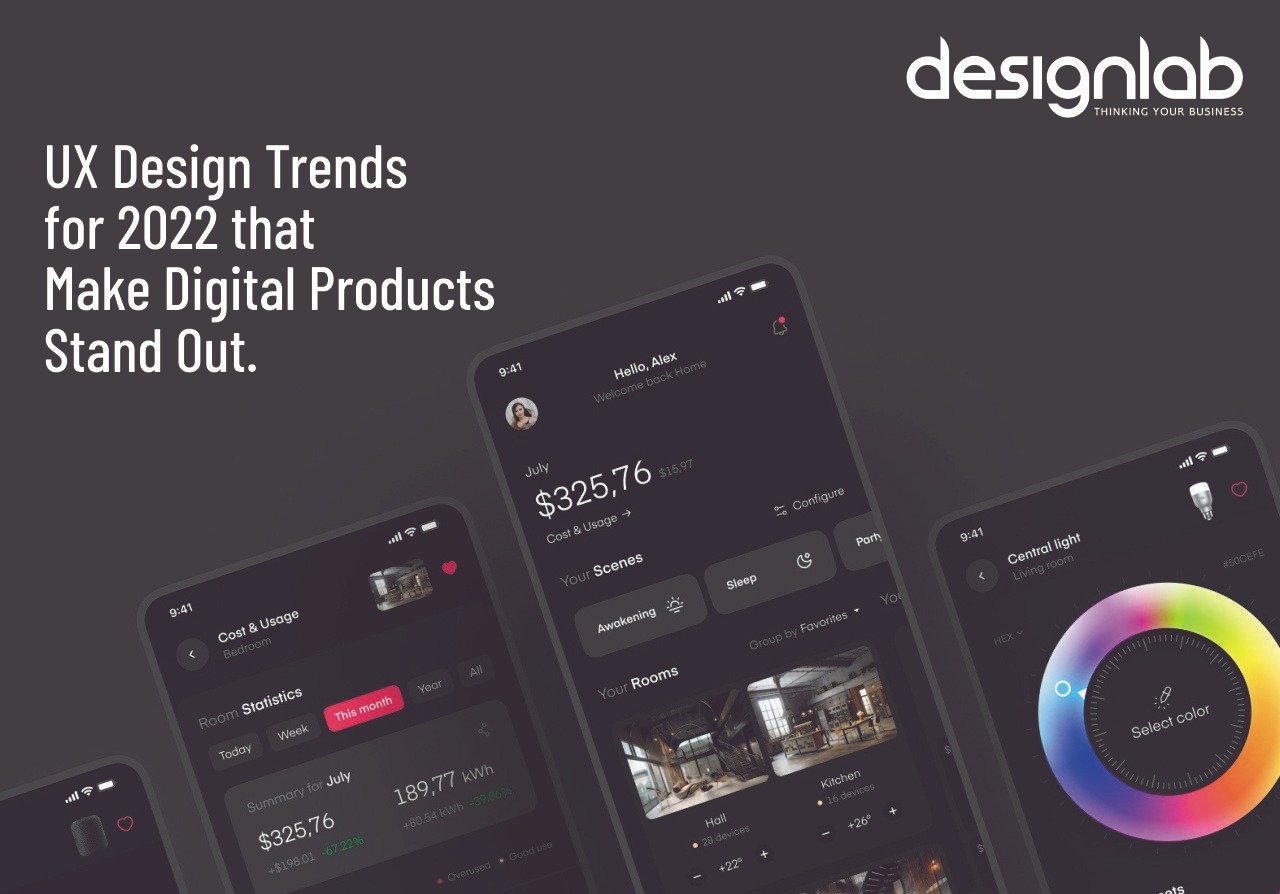
User experience design is the process of developing (digital or physical) items that are useful, easy to use, and fun to interact with. It all comes down to increasing people's interactions with your product and ensuring that they find value in what you're delivering.
The User Experience A design process is a design approach that takes into account all aspects of a product or service from the user's point of view. This includes not just the usefulness and accessibility of a product or movement, but also components like joy and emotion, which are more difficult to build and generate.
The consequence of content, research, design, and strategy, user experience design influences how a digital product or service is offered, sold, and utilized. In many circumstances, a user experience is the result of an inadvertent collision between code and preconceived notions about humans.
These days, design influences 94 percent of first impressions. Even the most beneficial website or product is made ineffective if it is included inside a bad or outdated design. That is why we must regularly monitor UX design trends and apply them to our websites/apps. This allows us to provide the best experience possible and turn first-time visitors into regular customers. Here are the newest UX design ideas for 2022 to make your design appear appealing, modern, and clean.
Top User Experience Design Trends
1) Anthropomorphic Animations - Animations are not a new concept in UX design. But, owing to several intriguing tendencies, they are becoming more organic, fluid, and striking. Anthropomorphism is one such trend, and it is expected to be one of the top UX design trends in 2022. Anthropomorphism is the practice of imbuing non-human things with human emotions, qualities, and intentions. This trait may be incorporated into animations by UX Designers to transform abstract forms into pleasant animated characters that replicate human-like situations.
Humans are naturally drawn to items that resemble them aesthetically and behaviorally. As a result, they relate better to anthropomorphic cartoons. It increases engagement and creates a more immersive user experience.
2) Password-Less Login - Passwords can sometimes leave you feeling more confused than secure. According to a poll of 2005 Americans commissioned by LastPass last year, this appears to be the case for many people. According to the poll, 57% of respondents forget their passwords right after they are changed. 65 percent feel the need to write down their password so they don't forget it the following time. As a result, we can state that forgetting a password is a client pain point that must be addressed. The true issue is with password-setting procedures that need special characters, digits, or upper- and lower-case letters. Though required for security reasons, these rules just add to the complexity and force users to reset their passwords on a regular basis. Transitioning to "passwordless" logins, such as Google, social network accounts, fingerprints, iris scans, or phone unlock patterns, is a straightforward option.
It is one of the rising UX Design Trends that many major firms have already begun to use. Although it was not as popular as other login forms prior to 2016, this notion is increasingly gaining traction. It is expected to replace passwords as the primary method of login within the next six years.
3) Individual Education - The internet era has been a boon to those who enjoy learning. It has ensured that learning is not limited to classrooms. Instead, it is freely accessible to anybody who wants to advance their education or seek a different job path. As a result, online learning has grown popular. One disadvantage of online learning is that it is totally dependent on the learners. Finally, they must motivate themselves and complete the modules on time.
However, UX is altering the situation. Remote feedback, psychological assessments, matching technologies, and scheduling tools keep students interested for a long time. They may now track their progress, establish objectives, and learn from their errors. In 2022, we will see an increase in the popularity of individual learning. It will help to close more gaps and replace packed lectures with a 360-degree, immersive learning experience.
4) UX Writing - Creative and purposefully adorned words no longer function since they merely add fluff. People want to hear concise information that will provide them with value, which will lead to increased customer engagement and conversions.
The goal of UX writing, often known as "Microcopy," is to utilize brief words to assist consumers to comprehend where they are, what they need to accomplish, the brand story, and how the brand can help. It is about talking less while hoping to have a greater effect.
Here are some pointers to help you make your microcopy stand out.
- Stick to the point and avoid equivocation.
- Provide the user with a goal before they continue to investigate.
- By not generalising, try to address the user directly.
- Add "present tense + active voice" to your microcopy.
- Using numbers when necessary is unquestionably a smart habit.
5) Air Gesture - Motion control is a new mobile design trend that encourages the use of body movements to complete an activity, such as a user displaying a palm gesture in front of the camera to take a selfie.
A lot has changed with the introduction of touch displays, as seen by the growing touch screen aspect ratios in mobile interfaces. Increased aspect ratios result in fewer bezels on the front, which results in a more natural gesture experience.
Despite the fact that Apple first introduced gesture control technology in iOS, the current UX trend (air gesture) takes this technology to the next level. You can make things happen on your phone without using a touchscreen by waving your hand or pinching your fingers in the air.
We can confidently declare that the gesture possibilities depicted in Fifteen Million Merits—one of the most popular episodes of the Black Mirror series—will soon become a reality. The most important benefit of employing gestures is their intuitiveness and sensitivity to touch. Thus, no matter how far the 'Gesture Trend' progresses, touch gestures will always play a role.
6) Augmented and Virtual reality - Virtual Reality (VR) refers to a completely immersive experience that separates the user from the outside world. Using VR headsets like the HTC Vive, Oculus Rift, or Google Cardboard. Users can be transported into a wide range of real-world and fictitious circumstances.
Augmented reality (AR) uses a smartphone's camera to overlay digital components on top of a live scene. Non-command user interfaces, such as augmented-reality interfaces, are ones in which actions are carried out using contextual information acquired by the computer system rather than explicit instructions offered by the user.
As new technologies capitalise on this expanding trend, the definition of technology will surely broaden to encompass much more than it does now, but the key to establishing a successful and effective augmented reality is understanding the users' goals and surroundings.
7) Biometric Authentication for a Secure User Experience - Biometric authentication is coming to keep devices safe and will be a major UI and UX trend in 2021 and beyond.
It is one solution that can take a security-first strategy for both organizations and end-users, significantly boosting User Experience. The prospective biometric authentication market is a revolutionary technology that has provided individuals with identities without the fear of being impersonated.
Iris scans, facial recognition, voice recognition, and even vein pattern identification are among the revolutionary biometric technologies that are exploding in the market. If your company requires a password for authentication, iris scans are the next step. If you already have an iris scan authentication system in place, go to facial recognition. The goal is to never cease progressing and inventing.
Google has been a forerunner in this field. Some of their web services now support biometric sign-in. It means that users may now sign in with their fingerprints, PINs, or even traditional unlock patterns.
8) Glass Morphism - While Neumorphism is popular, another UX trend is gaining traction. It's known as glass morphism. Glass Morphism is a design style that highlights light or dark items on bright backgrounds. Glassmorphic designs are easily identified by their semi-transparent backdrop with magnificent shadows and borders.
Here are a few more important aspects of glass morphism:
- Background blur creates a frosted glass look.
- Multi-layered approach with floating things in space
- Vivid colours that emphasise the blurred transparency
- Translucent objects with a slight light border
Glass Morphism style is inspired by Apple's design principles announced with iOS 7 in 2013. Apple revived the pattern in 2020 with the Mac OS Big Sur upgrade. This approach is popular because it allows designers to add depth to their designs while also establishing a clear visual hierarchy.
- To get the most out of the Glass Morphism UX trend, bear the following in mind:
- On light and colourful backgrounds, use it. They look great in the design.
- Use glass morphism sparingly. The style works best when only one or two pieces are used.
- Give your design components suitable size and boundaries to create the appearance of floating glass.
- Utilize glass morphism while keeping website accessibility in mind. Icons created in this manner are already divisive. Using this trend incorrectly might do more harm than benefit.
9) SVGs, Illustrations, and Abstract Geometry - While 3D animations are expected to be the star of 2022, another UX design trend is gradually gaining traction. Abstract graphics, ludicrous dimensions, SVGs, strange angles, and vivid colors are being used by an increasing number of UX designers.
The key aim of employing these graphics is to make a website/app stand out from the crowd. Furthermore, they create a welcoming environment that attracts visitors' attention and offers the greatest possible user experience.
Combine abstract graphics and SVGs with motion design to get the most out of them. It will bring your website/apps to life, giving them personality and ensuring that consumers remember them for a long time. Also, make certain that you try these examples with the ultimate aim in mind. They are useless if they do not address the problem and cause unneeded complications.
10) Motion Design - A well-designed motion effect may communicate a brand's message more effectively than a static image or simple text. People enjoy animations because they may bring a fun aspect to otherwise dull website designs.
Businesses have responded by combining a basic design with engaging and striking animations to create immersive design experiences. As a result, a new design trend known as motion design has evolved. Such designs keep consumers interested and relieve anxiety, preparing them to digest vast amounts of professional knowledge.
While scroll animations may be a lovely addition to any UX design, marketers should avoid using them only for decoration. Instead, they should address an issue by explaining it, simplifying it, or hastening the iteration process.
Motion-based design elements include transitions, animations, and even moving textures that approximate 3D depth. Motion defines navigation and provides dimension to interface design, resulting in a more natural experience.
Bottom Line
UI/UX design trends in 2021 will continue to focus on making the user experience less difficult, more diversified, engaging, and satisfying. So, while hiring a UI developer for your project, keep these newest trends in mind.
There is no need to blend all trends; simply using some of them can improve the appearance and feel of your website. As previously said, minimalism is one of the key trends for 2021, therefore let us adopt it while employing various design styles. If you are unsure about which trends are best for your company, you can always seek advice. DesignLab can happily assist you with improving your website or app design or creating a completely new vision for your business. Please contact or leave a message so that we can discuss the design details!
Multimedia Design and How it Has Changed Our World
What Exactly Is Multimedia Design?
Multimedia design is the art of combining several types of media. It may be found in video games, information kiosks, websites, and a variety of other interactive applications. Careers in multimedia design are available in a variety of businesses, ranging from Madison Avenue advertising agencies to Hollywood production organizations.
To merge two or more forms of media, multimedia design demands both artistic and technical talents. It is perhaps most common on the Internet, where you could come across a web page that combines music, animation, and text. The advertising and marketing businesses have embraced the trend of utilising numerous types of media to reach a larger audience. Innovations in multimedia design are also benefiting industries such as video gaming and education.
The Value of Multimedia
Multimedia is a combination of the words multi and media. The original twofold definition of media (medium) is one that stores information on items such as discs, CDs, tapes, semiconductor memory, and others. The second type of transmission is the transfer of information carriers such as numbers, text, music, images, and so on. As a result, the related phrase and multimedia are a single media, and the media is physically compounded by a single media. Multimedia includes everything you view and listen to. It has pictures, audio, sound, text, and other elements. This is often recorded and played back, displayed, or accessed by information content processing equipment such as computers and electronic gadgets.
There are two components of media that are present in all current technology. It is either hardware or software, or a combination of machines and ideas. Control systems and information are two conceptual divisions of multimedia technology and characteristics. The primary medium for media storage and exchange is the multimedia CD-ROM. The computer business cannot sell hundreds of gigabytes of multimedia programs for audio, visual, and text data without such a handy CD-ROM. We are no longer a passive audience when it comes to multimedia; we can control, engage, and have everything done to our specifications. We can no longer have pointless and direct access to key data in a report.
Multimedia can be stored, communicated, shown, and interpreted in several ways. In other words, it is an effective mode of communication. Multimedia plays a significant part in today's culture since everything has to stay up with the times. Multimedia is a fantastic technique for communicating since it is simple to communicate and comprehend what others are saying.
Multimedia’s Impact
1) The influence of multimedia on children under the age of ten: This is also regarded as the most learning age in a child's life. The toddler absorbs practically everything he sees or hears from his surroundings. As a result, multi-media training improves a child's cognitive learning, reactivity to the environment, and understanding of more complicated concepts than previously. However, this strategy works in a good way if and only if the material supplied to a youngster is favourable. A substantial quantity of data was lost before expressing it owing to the youngster's lack of imagination because the child had never seen the notion visually before.
By using a graphical depiction of the same notion, adequate data is not lost, and so the overall quantity of data that a youngster sees is boosted. This enormous volume of data must be given in such a way that the information has a beneficial impact. If a youngster cannot handle the increased amount of material, the information should be regulated and levelled to the learner's cognitive capabilities.
2) In terms of e-learning: E-learning is presently the most cost-effective and efficient method of learning. Multimedia is extremely significant in the realm of Internet-based learning for communication. For example, in order to master a computer program, we must first understand its fundamentals. The most significant method of communication is multimedia teaching, which takes the shape of a website or tutorials. The optimal situation for this sort of learning approach is distant learning.
When compared to the traditional chalk and speech technique, digital learning is faster. At least two mediums are used to offer training via tutorials or web pages, for example. The visual component is video, and the audio component is human speech. When these two criteria are combined, this technique has the same, if not greater, impact than the instructor-to-student teaching system.
3) Print and Electronic Media: The fundamental field of multimedia is electronic media, and media now dominates people's thinking. Every one of us has seen a variety of programs and articles in various forms of media. Most individuals would agree that our brain is more drawn to visual data than to simply text from the newspaper. There are several subfields in electronic media, such as cartoons, movies, news, and television shows, all of which contain both enjoyable and educational literature. We can witness the true influence of multimedia in this arena. This information exchange mechanism has a profound effect on the human brain.
The human brain is a database that stores information and memories from one's whole life. In which the majority of memories and integrated information are the consequence of media communication. Everything we see and hear in the media changes our way of thinking slightly. It typically has little effect on the brain.
4) Influence on Social Media: When we engage with one another, we establish a society. It might be an impersonal or distant interaction. Human behaviour is strongly dependent on his way of thinking, and social behaviour is all he or she observes and learns from his or her surroundings. As a result, the human brain is heavily reliant on perceived information and prior experiences, the majority of which come from the media. So, can you see the broader picture now? It is a hierarchical structure in which each node is reliant on its parent node. The media governs the mind, and using many mediums is the greatest way to manage the media, because when you receive only a few inputs at a time, you are somewhat altered from it, but if you receive a lot of information at the same time, you are greatly affected by it.
5) The Effects of Multimedia on Adolescents: This is the age when a person's character and personality are formed. The data that a human perceives from his surroundings is processed through an analysis phase. This analysis is based on prior knowledge, previous experiences, moral ideals, and personal interests. As a result, the medium of education and technique of delivery should be more responsible, because any alteration in human nature at this age is irreversible.
If a person sees and hears all positive and motivating behaviour through the means of information, he will work favourably and have a beneficial influence on society. However, if the technique and nature of the information are bad, the behaviour will be combative, inconsistent, and uninspired, and all of his/her talent, learning capacity, and everything will go to pot.
Where Should Multimedia Be Used?
Multimedia increased a simple, text-only computer interface, as well as production acquisition and retention of attention and interest in measurable advantages. In a nutshell, the goal is to increase multimodal information retention. When correctly built, it may provide significant and beneficial multimedia entertainment. Multimedia may be used in a variety of settings, including work, education, home, public spaces, and virtual reality.
1) Business - Presentation, training, marketing, advertising, product demos, catalogues, networked communication, and voicemail are all business applications for multimedia. The presentation is quite beneficial in many areas of business and life. Because they are essential in business for sales, training, teaching, lecturing, and generally entertaining a crowd. Presentation enables us to give public lectures and showcase our product or initiative to large groups of people. Oral, multimedia, PowerPoint presentations, instructional or training sessions, or simply giving a discussion on a subject to a group on a volunteer basis for enjoyment are all examples of presentations. This aims to make communication easier for small businesses and their workers, customers, and future customers.
We employ multimedia in corporate marketing to encourage clients to buy our items. Customers in business include teenagers, the elderly, and others. So, we may employ multimedia to make it easier for them to grasp. These are the most typical marketing methods for photo sharing.
2) School - Many schools are now using multimedia in their classroom instruction. This may take teaching and learning to the next level. Schools are urging instructors to employ multimedia in conjunction with their instruction in order to pique children's interests. If they can activate various types of information, the body can absorb and retain knowledge more readily. Furthermore, integrating multimedia can assist in meeting the demands of students with different learning styles. The practical possibilities for using technology to improve teaching and learning are unlimited, but the learning curve of software and hardware is reducing. The best multimedia projects can give a way to actively engage students in the learning process.
Students, for example, can collaborate in groups to develop a digital movie production. Projects like these normally only interest students because they are significantly more personal than writing a paper, even though they may work more on the video project.
3) Home - Gardening, culinary, house design, remodelling, and repair software, as well as genealogical software, are now available in the home. Although young people in Malaysia utilize multimedia more than senior people, elderly people in other countries are equally interested in learning about it. Finally, the majority of the multimedia project will be delivered via the family TV or monitor's built-in interactive input. Either on the ancient East-West Women Network TV or on a high-definition television set. Following that, home users can use their own computer to watch movies, such as a CD-ROM or DVD driver. We would like to put up a player that connects to a television, such as a Nintendo, X-box, or PlayStation machine. As a result, we should have multimedia at home so that we are not bored at home.
4) Public Place - Hotels, train stations, retail malls, museums, libraries, and grocery stores can be found in public spaces. We create multimedia in public spaces so that anyone may access it 24 hours a day, seven days a week. This is then routed to wireless devices like cell phones and PDS. Wireless is available anywhere and at any time, allowing consumers to conduct internet research at any time. This makes it easy for folks since they don't have to travel back home because they can do so online. This can save time while also enriching one's life.
5) Virtual Reality - Virtual reality is a multimedia extension that employs fundamental multimedia components such as visuals, sounds, and animations. Because it needs navigation feedback from a human, virtual reality may be considered interactive multimedia in its most comprehensive form. It is frequently used to refer to a wide range of applications that are typically associated with immersive, highly visual, and 3D settings. The simulation environment might be identical to the real world, as in pilot or military training, or it can be radically different, as in virtual reality gaming. This term will be slightly ahead of romantic interest. People tend to agree on wearing a suit with a virtual reality display and data.
Conclusion
The field of multimedia is not insignificant in and of itself. It is a full approach and instrument for communicating your ideas and thoughts to others in a more effective manner. Multimedia has a huge influence on our culture, and its use transforms it into a tool or a weapon.
DesignLab is glad to provide you with information on such topics and you are more welcome to approach us with your doubts.
The Importance of Web Graphics in Building Trust
In the realm of corporate websites, there's a recurring question: how important is excellent web design in the broader scheme of things? Is it beneficial to invest time and money on exceptional web design if you have a spectacular marketing plan, a strong brand identification, a solid sales staff, and a terrific product or service to offer?
Our clear response to these questions is yes. Why?
The response is a bit unexpected. It's not because a well-designed website is innately excellent, or because web design has a direct influence on your bottom line. It's more subtle: effective site design may dramatically increase client trust.
DesignLab has written an article about how to develop trust with your customers using design and web graphics.
Why Is Online Trust Important?
According to one study, a lack of confidence in online transactions causes resistance to online purchasing. The same study looked at the relative impact of website design components in establishing trust among customers with different cultural values. According to the findings, trust in online retailers is a method via which the independent components of site design may favourably affect purchase intentions.
Trust, in addition to purchase behaviours, may assist develop client loyalty over time. According to a 2019 Gartner survey, 88 percent of questioned B2B clients encountered high-quality information during recent successful purchase choices. People buy from organisations, websites, and brands they trust, and what better way to develop trust than with great design and content that demonstrates your company's authority and credibility?
Consumer expectations for websites are higher than ever before. As a result, no business owner can overlook the significance of web design, especially because a high-quality brand website is regarded as a critical component of an efficient marketing plan. If you manage a lead generation website, your company cannot afford to lose any prospective leads.
How to Use Design to Build Customer Trust?
1) Layout and Web Designing - It's astonishing how many websites ignore the influence that layout and web design have on trust. Your website is an excellent opportunity to make the finest first impression of your brand. Consider it this way. A consumer comes across a very nice display ad for one of your items, clicks on it, and then goes on an old and poorly designed website. They intend to leave right away. To begin with, your website's design is inconsistent with your marketing efforts, which has already diminished your chances of establishing trust.
If by some miracle, the customer decides to stay, their user experience will most certainly be subpar. If your design is bulky and outdated and navigating is difficult, you're not off to a good start in gaining that all-important consumer trust.
TIP: If you want to keep Google pleased, your site should load quickly and be responsive on both desktop and mobile.
A well-designed website should be simple to use and built with the user in mind. The first step in developing a trustworthy brand is to have an excellent website. If by some miracle, the customer decides to stay, their user experience will most certainly be subpar.
2) Credibility Indicators - If the goal is to acquire new customers, it is probable that they will be unfamiliar with your brand. When customers arrive at your site, they will look for evidence that you are a legitimate firm. To make your consumers feel more at ease, try including any of the following indicators:
- Testimonials - Did you know that 91% of consumers trust online reviews and testimonials just as much as personal recommendations? Potential clients are constantly seeking further information. So, if your consumers are complimenting your company for its product quality, customer service, or quick delivery times, don't be hesitant to publicise it! Make testimonials a part of your website design and highlight your top reviews.
Make the most of your positive reputation by publishing reviews on social media - in moderation, of course. Nobody enjoys a boaster! If at all possible, provide video testimonials. This will only improve your chances of establishing trust. We previously discussed why you should include video in your web design plan.
- Links to review sites - External review sites can be even more effective than testimonials in terms of generating confidence. While customers will continue to trust testimonial evaluations, they are aware that businesses will only put good testimonials on their websites. People who write on external review sites like Trustpilot generally do so anonymously, which can make the reviews appear more legitimate and less biased. Linking to external evaluations on Google and Trustpilot can demonstrate to visitors that you have nothing to hide! Include this area in your website's design.
Swiftpak's website is an excellent example of this since they have merged their testimonials and external reviews sections.
3) About Us Page - Unless your company is well-known, it's a good idea to have an About Us page on your website. Visitors often want to learn more about your brand before providing personal information such as email addresses, phone numbers, or even payment information. Your About page is also an excellent area to convey your brand's personality and value to potential clients. Many companies use their About page to convey tales about themselves in order to connect with the reader. Try not to list your accomplishments on your About page. Instead, focus your material on your clients and how you can assist them. Because the About Us page is one of the most frequented pages on a website, don't pass up this opportunity to create trust.
4) Contact Page - A lack of contact information is a major red flag. Visitors can quickly obtain a local business's location and phone number with a simple Google search these days, so consumers are understandably wary of websites that do not give their contact information. This is your opportunity to communicate with consumers, similar to your About page. Provide your consumers with chat boxes, email addresses, and phone numbers.
One of the most significant pages on your website is the contact page. There's no need to make it difficult for potential consumers to contact you. Provide contact information in reasonable areas, such as the footer, and strategically arrange contact call-to-actions around your website to assist your visitors. Provide contact information in reasonable areas, such as the footer, and strategically arrange contact call-to-actions around your website to assist your visitors.
5) Make use of genuine visuals - Imagery is arguably one of the most significant aspects of good web design, and it is frequently what distinguishes a website from its competitors. When it comes to selecting pictures for your website, you have two options: stock imagery or real shots. While stock photographs might be useful, the most effective websites are those that are rich in original, high-quality images.
Incorporating photographs of your staff or professionally produced pictures of your product or service is one of the most effective methods to establish trust right away. Consider the following tips if you're confused about how to add real photography into your site design:
- About Page - To assist develop a personal connection, take both group and individual shots of your team. Visitors will feel more confident conversing with someone new if they have some idea of what they're like beforehand.
- Location Photos - Show off your working environment if you want to impress others. Use these photographs on your website, but also share them on social media so that customers can get a sense of your business culture.
- Product Images - Product photographs of high quality are always useful, and not just for your website. Photograph your items for use on product sites, social campaigns, and homepages. Images taken in a studio atmosphere may be better suitable for marketing and sales, whereas homepage images may show people engaging with your brand's items.
6) Never underestimate the Human Factor's Influence - "When a visitor visits your website for the first time, you often have no more than a split second to establish a positive impression before that person surfs away," says SocialMouths. This wonderful statement may be slightly overdone, but not by much. Sites have between 6 and 10 seconds to catch visitors' attention and compel them to take action.
This is why including human considerations in design is critical. If a visitor can tell right away that a firm is made up of genuine people and has real, devoted customers, the visitor is far more likely to stick around long enough to become a trusted fan as well.
The crucial phrase here is transparency. Include components such as the Facebook "Like" box that reveals who has liked the company's Facebook page, rather than just social media buttons (though both are vital). You may also include symbols that show how many people are following the website on Twitter, the RSS feed, and other information.
7) Choose Colours That Speak Your Brand's Language - Not everyone is particularly skilled at creating colour schemes; in fact, few people are, and yet colour is one of the most potent methods of communicating tone and personality. Our best advice is to seek the counsel of an expert, such as a professional graphic artist, and ask them to create a colour scheme that reflects the tone and personality you want to express. And try as hard as you can not to offer any colours in order to eliminate your own tastes, but rather wait to see what your designer comes back with and then move from there.
8) Be open and honest in your conversation - You must be open and honest with your consumers if you want to inspire loyalty and trust. Customers desire detailed information that is free of bias. They dislike ambiguous language or statements that force them to read between the lines. Transparent communication is critical to effectively establishing brand trust. So, how do you write clearly?
Share product details, for example. What material are they made of? Where are they manufactured? Are they compostable? Be truthful, even if your packaging isn't recyclable. Visitors trust trustworthy businesses, and they will trust you much more if this information is freely accessible on your website.
9) The Influence of Whitespace - The most recent trends in creative web design highlight the liberal use of whitespace, which refers to the gap between all of your site's elements, including photographs, graphics, prose, lists, and forms. Our natural instinct is to fit all we can into as little space as possible, and in the early days of web design, this was the rule. However, today's users want to be drawn in, and just as good public speakers utilise pause to draw their audience in, whitespace does the same, capturing attention and drawing the eye to the things we want our visitors to focus on.
10) Relevant and useful information - As a ranking component, Google has long emphasised "high-quality content." But how can you tell whether your material is good? If your material is useful, this is a good place to start. To develop trust, you must be willing to assist your visitors (even if they are not currently working with your company). Providing useful, relevant material is also an excellent opportunity for your company to establish itself as an industry thought leader.
When generating material, keep Google in mind, but write for genuine readers. You're already on your way to establishing brand trust by providing useful, valuable content. Create content that both Google and your consumers will like.
Bottom Line
There are several advantages to investing in professional web design. But one of the most fundamental—and frequently overlooked—reasons is that good web design may assist your firm in developing a deep and trustworthy relationship with its consumers. And trust goes a long way: it inspires consumer confidence and loyalty, it influences purchase behaviour, and it eventually benefits your business. Building user trust through site design takes time and money.
DesignLab is always here to provide you with the latest information regarding these subjects to help you keep updated.
Apply These 6 Secret Techniques to Improve your Mobile App
The smartphone uprising has taken the industry by storm, resulting in an increase in effort being invested in providing a fantastic user experience to the consumer via apps. When people think of smartphones, Android is usually the one unified system that comes to mind. With more than 80% of the global market share, Android is the sole reason smartphones have grown as ubiquitous as they are. Android Apps developers have always sought out fresh and cutting-edge methods to provide greater solutions for their clientele. There are numerous problems that must be addressed during the development stage in order for the end-user to have an exceptional experience when using the app.
Mobile app performance optimization is critical because, as the world becomes more interconnected through the internet, the more our daily functions rely on the efficiency of the computers we carry in our pockets. The ease with which modern smartphone technology allows users to communicate with businesses via applications - and vice versa - necessitates better, more efficient app performance.
Customers and app performance have undergone noticeable improvements in the last few years. With increased reliance on smartphones, the desire for app availability for virtually any and every business imaginable has forced organisations to discover new ways of interacting with their customers. Slow, unresponsive apps typically result in annoyance, unhappiness, and poor reviews, all of which harm a company's reputation.
7 Android App Development Tips:
1) Create an Eye-Catching App Icon - Because your app icon is the first thing people see when they open the app store, the design you select is crucial to your success. Your software should stand out as eye-catching and recognised as people go through the app store. Make sure you select a design that accurately represents your app. It should include as much information as possible about what users would discover after installing it. That being said, you should keep the app icon as simple and unobtrusive as possible. You don't want it to be cluttered and confusing to the eye, so keep it simple.
The key to developing a memorable and recognised app icon is simplicity. If you don't choose a unique and bold shape, your app will wind up blending in with the rest, which means fewer users will be persuaded to download it. It's also worth noting that you should aim to combine your app's functionality into the design of the app symbol in some way. Spotify's app icon is an excellent example of a bold, one-of-a-kind shape that incorporates the app's function into the design.
They've picked two colours and a simple design, which makes the icon easy to identify. The black lines inside the green circle signify increased speaker loudness on top of that. Because Spotify is a music app, it immediately conveys the app's function.
2) Appropriately Name and Describe Your App - A decent title might mean the difference between your product being known by name and being referred to as "This thing on my phone." A catchy name on the app page can entice users to download your app.
So, if you want people to remember your app title, it must be original and acceptable. And, while no one can offer you the right name, here are some tried-and-true methods for naming your app:
- Use names that are not currently in use – Search thoroughly before settling on a name and clicking Publish, otherwise you can end up in court.
- Keep your app's name brief and sweet, easy to remember, and easy to spell.
- Make every effort to select a name that accurately describes what your app does. When seeking for anything to meet their demands, users should not browse past your app.
While app stores allow you 225 characters, you should only use about 25 of them. That's all that appears in a search result, so utilise those characters wisely. In contrast, your description is where you should be most strategic about ASO. It functions similarly to a website's meta description element; however, it is not searchable in the app store.
So, while you don't have to stuff it with keywords, you do have to be strategic about it. You can significantly improve your ASO by including crucial information, advantages and features, social proof, and a call-to-action.
3) Using Captivating Photographs and Videos - Your collection of photographs, app screenshots, and videos is one of the most crucial components of your app description. Your app store page should be visually appealing.
Photos connected to your software that showcase your most popular and required features will promote downloads right away. Users will often glance at screenshots from your app after discovering you in search results. A solid mix of these two factors is critical for convincing consumers to click the download button.
Here are a few examples of how you may utilise photographs to pique users' interest:
- Show consumers what your software looks like, not just splash screens.
- Make sure your screenshots show various features of the software in operation.
- Include explanations, subtitles, and arrows that demonstrate what users can accomplish within your programme.
- Put more focus on your app's most popular and required features.
- Persuade consumers that your app's design is superior to that of your competitors.
You may even create a movie for your app if you have the appropriate skills. If you don't have the necessary tools, you may engage a professional agency or look for mobile-specific video editors, such as the creators at Apptamin. And, if possible, have your software subtitled and translated in many languages.
4) Encourage User Feedback - If you can get favourable user evaluations from your app's fans, your downloads will skyrocket. Existing user reviews that proclaim your app a worthy download or state it delivers a fantastic user experience are "testimonials" that inform other potential users that your app is worthwhile to download. This can also increase your app's exposure in the app store.
You could be tempted to buy phoney reviews in order to boost the overall amount of attention your software receives. However, if the app store discovers you utilised this trick, your app may be suspended altogether.
Organic evaluations from actual users are considerably more important to your app than fake ones since they allow you, the developer, to learn as well. Not only will the comments help other consumers comprehend your product, but it will also tell you what needs to be corrected or modified. So, make requests to a wide range of persons with genuine clout. Popular YouTubers and reviewers on big tech publications with a wide readership are excellent candidates for your requests.
Mention that you're searching for input in your press releases. In some circumstances, the media sites you've given them to will already have someone on staff who is dedicated to app reviews.
Because you took the effort to notify them about anything relating to your product, they may return the favour by positively evaluating you. When a media publishes about you, contact every smaller source you've already contacted. Refer them to the new article, and they may create their own based on the early evaluations.
You may also provide people who post reviews incentives. This is an excellent way to boost the number of users that choose to do so. Coupon coupons, physical rewards, or redeemable points inside the app may all be terrific motivators for users to give you nice evaluations.
5) Improve Your Keywords - Remember how we discussed the distinction between SEO and ASO earlier? We've spoken a lot about ASO so far, so here's how to make sure your app is search engine optimised. Assume you have the finance software "Modern Finance." When selecting keywords, incorporate the word "finance" as many times as possible in any relevant material or descriptions discovered by search engines.
What additional phrases do you believe people will seek for when looking for the need that your software fills? Take the effort to conduct keyword research to determine which words receive the most traffic.
You may also utilise the standard Adwords Keyword Tool to look for lateral keywords to employ. Lateral keywords are those that Google suggests after you've found your app.
But keep in mind that you shouldn't just pick any term because it has a large search traffic. Any keywords you employ should be precise and relevant to your app and target demographic. If you stuff your descriptions with irrelevant terms, your app's trustworthiness will suffer, and your downloads will suffer as a result.
6) Reduce load time by resizing, caching, and compressing pictures - The larger the image, the longer it will take for your app to load. There are a few things you can do to improve the performance of your app. Compression, for example, reduces the number of bytes in a picture while maintaining the resolution.
Resizing photos helps you to properly fit images in your mobile app while saving the extra bandwidth necessary to display the entire original image.
Finally, caching downloads pictures from the network and stores them in the computer's memory. Once there, the mobile app will no longer have to load it from the external network every time, instead relying on its own internal memory.
Each of these options reduces the amount of work your mobile app must do to produce assets, resulting in a faster load time.
Important Takeaway
The most crucial components of your mobile app to consider are dependability, functionality, and user ease-of-use. Mobile app performance should be quick and complete, containing only information that is directly related to the app's function. Given the size of the mobile app industry in recent years, enhancing your company's mobile app will result in significant income and customer pleasure. While the mobile app market is flooded with alternatives for almost any need or want, you may still produce a distinctive product, which is why we encourage you to investigate the mobile app development lifecycle more.
The most crucial factor to consider is the customer's initial interaction with your app. When presented with a sluggish, unresponsive app, most users delete it quickly. With a successful, customer-focused app, you can keep your first impressions in the green. A mobile app may be a significant asset to your firm if resources and features are managed properly. DesignLab is here to bring to you tips to improve your game in the digital world, we would be more than glad to help you in any way.
App Development Secrets Revealed
App development may be defined as the process of creating a smartphone, tablet, or computer application. As a result, apps can be classified as native, hybrid, or HTML5 apps. In addition, for an app to function, it usually requires a network. Before creating an app, developers evaluate a variety of aspects such as screen size, target segment, setups, and system specs. Each component is important in creating an interface that is straightforward, sharp, and easy to use for the user.
Over time, the smartphone market has risen by leaps and bounds. Businesses could take advantage of this opportunity by developing AI-powered apps and working on mobile app development to engage with their customers.
In order to design an Android or iOS app, a lot of groundwork is required. From conception to completion, precise planning is required. As a result, it's critical to prepare ahead of time for crucial app features, identifying the target demographic, and creating a well-thought-out marketing strategy to reach out to consumers before beginning the construction process of an app. There will be various aspects to consider with each decision that has to be made along the process. The final app will only be a huge success if this is done. A successful app will be focused on properly doing the intended goal such that simplicity of use receives full points.
1) It's critical to do preliminary study - The foundation of any successful software is thorough background research. The first and most important step is to identify the underlying issue that you want to solve. Also, while your app may not be unique, it must stand out among the other applications on the market. Being distinctive provides you an advantage and allows you to stand out in the crowded mobile app industry. The success of the app is dependent on research. App development is a never-ending process in which the developer must continue to investigate and apply the app's concepts.
2) User Experience - Your app's User Experience (UX) is critical to its success. A good user experience may cut the time it takes to design a product in half. Users don't have the time or patience to grasp intricate procedures, hence UX is an important component of app development. You'll need an analytics team to help you figure out how people interact with your app. While reviewing the app, they must take constructive client comments into account.
3) Ingenious Design - The success of an app is determined on its design. Clear, clean designs that are aesthetically appealing and simple to use are preferred by people. You must have a clear idea of the UI UX design so that you can explain it to the app designer. You must understand what appeals to the target audience. To maintain continuity, you must examine the present colour schemes, typefaces, and logos. If you start from scratch, you may put on your creative hats and play around with the app design. The key to success is thorough background study. If your app is intended towards children, for example, bright colours and simple language might be appropriate.
4) The app should be shareable and aid in staying connected - The globe is shrinking and becoming a smaller, more intimate community. Users want all information to be available in real time. The applications have made it possible to connect individuals from all over the world and to share data. To be successful, you must share your app on social media sites such as Facebook, LinkedIn, Twitter, SnapChat, and Instagram. It's the quickest, simplest, and most cost-effective approach to reach out to users who will then tell their friends about the app. Both iOS and Android versions of the software must be available. Android users have nearly caught up to iOS users all across the world.
5) Offline Functionalities - In most cases, a mobile app requires a Wi-Fi connection to function properly. Your mobile app will stand out if it allows users to access some critical functions without using the internet. Your mobile app's offline features can help you attract loyal consumers by allowing them to engage with your business from anywhere, at any time. This greatly improves the user experience. You must tell the app development team to provide features for the app that can be used offline.
6) Choose from a variety of platforms - The platform you choose is a critical decision that must be made before you begin developing the app. Before you tell the development team to start working on the app, you need to make a decision. iOS, Android, and Windows are the three most popular platforms. The target audience will determine whether the programme should be built for an Android or an iOS UI. You may acquire an answer to the dreaded question by using Google Analytics. The app development firm must be certain of the platform that your target audience prefers. Once you have an answer to this question, you may give it a green flag.
7) Team of App Developers - Choosing the correct app development team is critical to the success of your app development plan. To create the app, you may either engage a trained team or seek advice from an app development business. It all relies on the strategy you choose to use for your app. You may employ app developers from the market if you want to do in-house development. If you decide to have the app produced outside of the company, you may hire offshore app development teams. Every level of growth must be well planned.
8) Selecting the Best Development Agency - When you decide to construct an app, this is the foundation. If you don't want to hire an in-house team of app developers, you'll need to find an app development business that can handle the task. The following are some of the most important factors to consider while choosing an app development company:
- The amount of experience they have in this field
- Have they worked on any comparable projects before?
- Is there adequate technological assistance for them?
- Will they make plans based on your mental process?
- Will they use constructive input or will they ignore it? They must be utilising high-quality software.
- The delivery must be completed within the specified time frame.
- Pricing must also be taken into account.
- You can draw conclusions based on previous client experiences and feedback.
9) Promote Your App - Because there are so many applications on the market, the chances of someone discovering your app are little to none, which is why you need a marketing and distribution strategy. We've found at Red that clients frequently make the mistake of allocating their whole money to development. We recommend allocating a third of your budget to app promotion. Good marketing tools vary depending on your target demographic, however social media networks like Facebook and Instagram are frequently used as a starting point. Before going on to more systematic marketing, it's critical to attract a first batch of people to evaluate metrics and determine the true worth of each person.
10) After the app has been released, it must be tested - After the first release, you must continue to test the app so that any issues that were not discovered during the development period may be easily identified. Once you're aware of the problems, you may immediately address them so that users have a pleasant experience. While it is critical to test your app before it is released, it is as critical to continue testing it after it is released. It is always preferable to maintain testing and enhance the user experience. It's critical to test your app for all of the stated characteristics, but doing so on a variety of physical devices and networks can be difficult.
While testing your software on various devices, the costs will play an important function. The answer lies in a method known as testing automation. Artificial Intelligence (AI) may be used to do this. The creation of AI-powered apps will save a lot of money. Data from a variety of physical sources may be saved and processed using cloud-based technologies, and the results can be shared thanks to the gadget's processing power.
11) Data Access - The programme must function flawlessly. During the product development stage, you must consider important variables such as app speed and use. Users will cease using the app if these settings are not up to standard. Furthermore, Android allows users to take control of their data, therefore the app must always ask for permission to access data. As a result, while developing an Android app, keep this feature in mind, as the programme may not work if the user refuses to provide access to data or location.
12) Make sure you understand your target market - Before releasing a new Android app, the developer must understand the target demographic. The emerging markets are the primary consumers of Android applications, although developing nations have lower purchasing power. If you intend to charge for the usage of the applications, you must consider the users' purchasing power. You will have a large number of users if your applications are free.
Affiliate programmes and the freemium model are two ways to make money. The geographical location is the next important thing to consider. There are some advanced nations where mobile usage is higher, and catering to these sectors might result in larger income.
Conclusion
The development of an application should be kept as basic as possible. You may make a helpful app that will be tremendously successful among users if you hire the correct developers and follow these tips. The process of creating an app must go through several stages. Ideation, planning, designing, app development, and final release are all included. The job starts with the brainstorming stage. It is at this point that the app developers will sit down with you and ask you several questions in order to define the concept. They must first get a clear understanding of the objectives for releasing this app. They must have a thorough understanding of the business strategy in order for the app's design to be in line with the company's objectives.
Following that, the target audience must be defined. It must be obvious who will use your app and what the primary idea is behind its use. Finally, you must be aware of all the business requirements as well as any limits. For example, you must be clear about your IT consumption, budget, and timetables ahead of time. You must finalise a realistic notion to connect with your aims throughout the planning stage. In the design phase, the developers will focus on the user experience. After that, they'll aim to incorporate branding and display an interactive app prototype. Finally, during the development stage, the real app is created.
DesignLab is working towards bringing you this sort of updated information, for any query you could contact us anytime.
Apply These 9 Secret Techniques to Improve Business

The key aim of starting a business is to build your brand and start growing. Regrettably, this does not occur overnight. Growth is a continuous process that involves hard effort, patience, and commitment. There is no particular step or secret formula for outperforming competitors or achieving rapid success in the sector. There are, however, tried-and-true methods for achieving growth milestones that may propel a company to success. We asked small company owners for their advice on how to expand faster.
Improvements to your small business must be made regularly to ensure its success and long-term viability. Things like continuously monitoring cash flow, employing social media for marketing, and identifying your strengths while seeking assistance in areas where you are weaker will help you focus on strengthening the aspects of your business that bring the most benefit.
It's sometimes helpful to maintain a checklist on hand to remind yourself of the essential actions you should perform daily.
1) Talk to Your Existing Clients - Your present customers, particularly those who are loyal to you and prefer you to the competition, might be one of your most valuable assets for enhancing sales and service. Simply conversing with your regulars may provide you with useful information about what you're doing well and where you're falling short. Furthermore, asking your present customers where they see you developing and what they appreciate most about your business gives them a stake in your success and fosters genuine relationships, all of which contribute to brand loyalty. Many individuals like assisting others and promoting wonderful items or services they appreciate, whether in person or through evaluations on your website or third-party review sites.
Encourage your pleased customers to leave a review, and use the "owner's reaction" option on the review site to thank those who do. Create a customer loyalty or referral program, rewarding consumers who bring you new business with a discount or a gift. Before making a purchase, 79 percent of buyers say they check for bargains through reward programs. Loyalty programs can reward customers for returning to a salon or purchasing a particular number of items in exchange for a discount on their next shopping trip. Customers that bring in new business through referrals may earn something comparable.
2) Concentrate on Creating Engaging Web Content - Your website is the public face of your company. The majority of shoppers — 84 percent, to be exact – do their research online before making a purchase, and an engaging website is their first destination. Provide a blog with well-written, relevant information to keep visitors on your site. Web users, especially those who are using your site on mobile, want scan-able material with intriguing headlines and pertinent information divided down into readily consumable bits. And if your website isn't mobile-friendly, you're missing out on a significant portion of the market. The majority of individuals will look for goods and services when they are on the go.
Your content might consist of a wide range of items. Videos demonstrating your items in action are popular and might range from a shop doing a sneak peek fashion presentation of new arrivals to a building project presenting the finished result. Having your own dedicated YouTube channel might also be beneficial. Professional, valuable material establishes you as a subject matter expert and a reliable source of knowledge.
You'll also show higher in Google's search results if you have new, relevant material. Google's and other browsers' complicated algorithms update frequently – 500-600 times each year – but original content on your website's blog tends to get the best results. Google Analytics collects information about your customers' browsing habits, which you – or your outsourced web developer – may use to create material that is beneficial to your consumers.
3) Streamline Your Processes - Take some time to do a self-audit of your company. Small company owners sometimes lack the time to expand their operations due to time-consuming "busy work." Begin assigning work that can be assigned to a manager or other essential employee. Concentrate your efforts on your company's long-term goals, such as more customized client engagement and networking for expansion.
Examine your everyday activities to determine whether they may be automated, simplified, or completed more quickly. Involve your best performers for ideas on how to enhance the way they conduct their jobs or consider outsourcing some tasks to a computer program.
When it comes to starting a business, many entrepreneurs believe they can do it all, and most owners/operators indeed wear numerous hats. However, if you become too preoccupied with the details of operating your business, you won't have time to acquire new prospects. Outsourcing, formerly assumed to be a tactic reserved for larger corporations, is becoming more widespread among small firms. A professional firm that specialises in one field and serves numerous clients can contract anything from site design to public relations, human resources chores, and IT demands.
4) Make Coupons Available on Your Website - Many customers — 97 percent of consumers, to be exact – browse online for the greatest bargains before making a purchase, with 92 percent stating they are always browsing. This means that if you don't have a coupon or a discount and your competitors have, potential clients will go elsewhere. With pop-up discounts that generate a feeling of urgency or "exit-intent" coupons that provide a discount when a new buyer gives you their email address, you may utilize your website to your benefit. Work with your web developer or hosting service to detect when visitors are about to leave your site and display the discount at that time, attracting their attention before they depart.
Use Facebook and Google consumer retargeting to entice customers to return to your website if your budget permits it. With so many alternatives, studies suggest that shoppers visit your website nine times before making a purchase. Retargeting refers to the fact that even if a consumer leaves your site and visits another, they will still see tailored adverts. This is accomplished through the use of a pixel that your web developer may place on your site to track how your visitors use Facebook and Google. This retargeted advertising might provide your clients with a one-time offer or a last-minute bargain, such as a discount that is only valid if they click through the ad to your website.
5) Make the Most of social media - You may offer limited-access promos for individuals who "like" or follow your business on social media by engaging with your customer base across many social media channels. These unique offers can take numerous forms, ranging from a barcode on your Facebook page to a text message advertisement to Instagram notifications of VIP specials. In addition, social media helps you to communicate with your clients in a more genuine way, which the millennial generation appreciates. The desire of this age for a more real brand relationship, with customized postings and the sensation of being heard, has led to a move away from faceless, big-box companies and toward smaller enterprises.
Brand loyalty is built through engaging with people on social media. You earn indirect recommendations from your followers when you ask them to tag you or "@" you in their social media postings. After witnessing someone they know and trust have a positive experience with you, their friends and relatives may be more interested in your company. 84 percent of individuals would rather have real-life user comments and evaluations from people they follow on social media or know through friends and family than a celebrity endorsement. New clients are more likely to test your product or service because of this aspect of trust.
6) Use Personalized, Targeted Emails - Despite the popularity of spam filters and email blasts, targeted, tailored emails are still one of the greatest ways for a small company owner to obtain a good return on their advertising spending. Most clients still prefer email marketing to other forms of ad campaigns, and the average return on investment for a small business owner is $44. The key is to use your customer email list to create a more focused blast rather than a spamming blanket.
Your social media expert may assist you in determining which sorts of emails appeal to which of your target consumers using Google analytics and data from your customer list. Your business plan should include a major client profile as well as a few secondary ones, each of whom may be more interested in a different product, service, or discount.
Make it simple for people to join up for your email list. The previously mentioned "exit intent" incentives are quite successful at getting people to join your email list. Make sure clients don't unsubscribe once they've signed up for your emails. This implies mixing up promotions with teasers of new blog content or YouTube videos, for example. Also, don't overburden your consumers with emails - three to five per month should do to keep them interested.
7) Combine your services - Consider giving a combined service package that addresses various areas of your consumers' demands if you provide several distinct types of connected services. Bundled services may benefit a variety of organizations, most notably professional service providers, but even some retail enterprises might provide a collection of things to be utilized together. A bicycle shop, for example, may include complete riding equipment or an emergency bag collection. Professional services, such as massage therapists, yoga studios, or salons, may find success by offering a discount when numerous sessions are purchased.
Depending on the demands of their clients, attorneys or CPAs may be able to provide bundled services. Many individuals associate bundled services with greater savings, and even if the actual savings are small, the perceived benefits are appealing. Allow consumers to customise their service options to match their specific needs, or provide a variety of retail products that may be bundled together for a discount. Allowing clients to switch out different items or services encourages them to buy bundles rather than giving a defined group where half of what is given is needed.
8) Reduce your chances of getting hurt - Starting and growing a business entails taking risks. Although it is hard to manage everything, there are several steps you can take to reduce internal and external dangers to your company's growth. Your company insurance provider might be a valuable resource in this regard. "Small companies must manage their growth to avoid interruptions that may bring their operations to a standstill," said Mike DeHetre, Travellers' vice president of product development. "Theft of staff data, customer information, and product designs, for example, may devastate a small firm, causing considerable expenses and losing consumer confidence and loyalty," according to the report. Data breaches and other cyber damages are not covered by every company owner's insurance coverage.
Data breaches and other cyber damages are not covered by every company owner's insurance coverage. Small companies should be prepared by looking for insurance policies that will assist them in recovering, such as those that will cover the expense of clean-up and lawsuits.
9) Be flexible - Many successful businesses have one thing in common: the ability to pivot fast in reaction to market shifts. An agile approach to development, both in your product and in your organization, according to Lanng, can help you expand more swiftly. "You can try multiple methods to company and find out what works best by enabling yourself to adapt and adjust rapidly," Lanng told Business News Daily. "It gives you the ability to fail, get back up, and keep going."
Manhead Items' founder and CEO, Chris Cornell, said his company's agility has been crucial in extending its customer base beyond its initial concentration on music merchandise.
Takeaway
Many firms fail to expand because their owners are bogged down by the details of day-to-day operations. Streamline your services as much as possible and focus on your consumers. Consider employing a professional social media management firm to assist you in maintaining a vibrant, active online presence, and analyze your Google Analytics regularly to verify that you're targeting the correct consumer profiles.
Growing your business requires you to think outside the box when it comes to generating new leads and getting to know your consumers so that you can develop exceptional offers and discounts that they desire and appreciate. Feedback from your website and in person, active social media involvement with customers, and networking to uncover new market share possibilities may all help your business develop naturally.
Best Website Development Tips You Will Read This Year
Can your visitors tell what your organization does within five seconds of appearing on your website? Is it possible for people to go to the blog quickly if they need to? Is your price structure simple to comprehend? Do you have a low bounce rate on your website? If you find yourself saying "no" to these questions, it may be time to reconsider how you've been creating and optimizing your website. When a website's design contributes to the user experience, functionality, and suitable complementing of information, it truly shines.
It's all too easy for even a competent website designer to overlook these improvements, assuming that they're the last thing on their totem pole of website priorities. A successful website, on the other hand, has both high-performing content and an amazing user experience, ensuring that your design exceeds expectations. The last thing you want is to spend time creating fantastic content for your blog or service pages only for it to go ignored owing to design errors, navigation challenges, confusing layouts, or conversion possibilities that were lost.
1) Have a Plan - Now that you've admitted that your website might need some work, it's time to go backward and devise a strategy for addressing those issues. Begin by charting your client's journey from the first time they visit your website to the point at which they become a customer. Consider which pages they will visit, what information they will read, and which offers they will convert on. This knowledge will aid you in creating a website that effectively nurtures leads through the sales funnel.
If you're having trouble compiling this information or don't have access to a CRM that can help you with this, you can always interview your clients. Request 15-30 minutes of their time to ask them a few questions (you can even offer them a $10 Starbucks or Amazon gift card as compensation). Interview as many individuals as possible, but don't overdo it. Then, using this information, devise a strategy. This will assist you in identifying your website's important contact points or spots where your users engage.
You should be able to map out the feelings, thoughts, objectives, pain areas, and possibilities that each touch point should elicit throughout these touch points.
2) Reduce friction by removing distractions - Certain aspects of your website will detract from the value and message you're attempting to communicate. Complex animations, excessively extensive material, and "stocky" website graphics are just a few examples. With an attention span of only eight seconds, you must make it crystal apparent to your user what they will learn on the page they are seeing, and your design must not detract from this. This begins with ensuring that you have a set of consistent brand rules to work with.
Font styles, colors, graphics, iconography, and logo usage should all be detailed in this section. It's simple for companies to struggle when developing sites if they don't have this. You'll probably see a lot of different colors and font styles and sizes being utilized, which might detract from your message or cause visual confusion for folks who are attempting to convert.
It's also vital to keep the number of on-page animations and interactions to a minimum. It might be overwhelming to browse across a website and see every button flashing or a section of icons each with its animation, which can distract readers from reading what's on the page.
3) Include social proof - If you're like most people who purchase on Amazon, you'll lean toward things with largely four to five-star ratings from individuals who wrote about their experiences with the item. By reading these evaluations, we acquire confidence in the product, knowing that it will deliver on its claims and fulfil our needs, prompting us to purchase it.
Your product or service, as well as your website, will be affected in the same way. Users are 58 percent more inclined to buy your product if they read compelling testimonials from genuine individuals, according to research. But, in terms of design, how should your testimonials appear such that they effectively build trust with your users when they view them? There are a few options available to you. However, you must first decide whether you want a written or video testimonial. Video testimonials are the most effective in the past. This is because the medium naturally holds your user's attention for longer periods and also helps to establish a stronger human connection by allowing them to hear voices and see real people's faces.
4) Make use of the appropriate stock pictures - We always prefer utilizing original photography for your website, but if that isn't possible, there are tactics you may do to aid in the selection of the appropriate stock photo. While stock photographs save you time by eliminating the need to create your graphics, many websites use photography that is clichéd. You'll also notice that several other websites may be using the same graphics, which hurts your trust. Users would "unconsciously reflect their unfavourable experiences onto these stock photographs, diminishing trust and increasing friction in the conversion process," according to the study.
Instead, look for photographs that show realistic scenarios in well-lit settings. Individuals in business casual dress conversing over a meeting table, over-the-shoulder shots of people typing on a laptop, and people sketching on a whiteboard in an open room are examples of this. Others will begin to accept these sorts of scenarios as legitimate. Instead of studio shots, look for candid shots taken in real-life situations.
5) Well-organised Navigation - Navigation is crucial while creating a website. It's simply a map that shows the most important destinations that people may visit. It's how consumers can quickly learn more about your services, products, blog, and other topics. Nothing is more frustrating than navigating a website that is unorganised or unclear. Overcrowding your navigation, employing ambiguous or misleading hypertext, and a lack of structure might make it difficult for your visitors to discover what they're looking for. Users have no motivation to stay on your site if they can't locate what they're searching for. Instead, they will very probably leave and seek out a rival that provides a superior user experience.
It's critical to ensure that your visitors can simply locate what they're searching for while enhancing your website's navigation. This would include reduced content, a clear navigation hierarchy, and a responsive design to ensure that the user experience remains consistent on mobile.
6) Allow visitors to scroll down your webpage - There was a time when we were hesitant to make our internet pages, especially your homepage, too long. This was done to avoid consumers not scrolling, so people were compelled to pack as much information as they could onto the most common screen size used to view their website. Those days, however, are long gone. According to 2018 research by the Nielsen Norman Group, the first two screenfuls of a website page, up to 2160px horizontally, accounted for 74% of total viewing time. As a result, there's no need to be hesitant about designing a more complete below-the-fold experience. Make the most of the space on your homepage.
Users will have a good understanding of what Zenefits can achieve for them and how clients have enjoyed using the platform by the time they reach the bottom of the page. If you want to learn more about the architecture of the greatest site, check out this fantastic infographic or this in-depth post that reveals more critical homepage aspects not included here.
7) White space isn't anything to be terrified of - Whitespace is an important design feature that serves to break up the page and make it more readable. White space, often known as "negative space," refers to the empty spaces around objects on a page that are devoid of content or visual features. Whitespace is also crucial in the design process and the placement of website elements. Less whitespace can suggest which parts are meant to be connected owing to their proximity, while more whitespace can dictate which portions are independent and direct the eye.
This allows consumers to focus on certain parts of a website page and quickly see where each portion begins and finishes. This may be quite useful for directing your user's attention to vital content like a call-to-action or value proposition. Check out these all-stars for more instances of websites that are doing this effectively to help you with your upgrades.
8) It's essential to optimize your website for mobile devices - It's more important than ever to optimize your site for mobile devices.
If you didn't know, 80 percent of internet users possess a smartphone, and according to Google, "61 percent of consumers are unlikely to return to a mobile site they had problems accessing, and 40% visit a competitor's site instead." If I were you, would I be a bit concerned? But it's much more than simply being aesthetically responsive. Customising your website to meet the requirements and desires of your visitors is a must. Consider why someone might visit my site on a mobile device. What would they be looking for? Is my background allowing them to execute those things with ease right now?
They also make it simple to accomplish what their website is all about: ordering meals. On the mobile website, the button for this is constantly visible, so you can order whenever you're ready without having to navigate to another page.
9) Make price accessible - If your site follows a similar pattern, or if it doesn't have a pricing page at all, your consumers will think the same way. I can't emphasise enough how critical it is to provide a price on your website. It "allows visitors to finish their research (as every contemporary customer desires) and, in the end, qualify or reject themselves, avoiding your sales staff from spending time on someone who isn't a suitable match." You could be concerned that rivals will just attempt to undercut you or that your price is too complex to display on your website, but in truth, you should be more concerned with correctly educating your prospects on why your pricing is the way it is and the value you provide.
If someone is only seeking the lowest possible price, they are most likely not a good fit for you. With this in mind, let's take a look at a website that does a good job of making prices stand out. Trello makes it simple for users to determine which price tier they belong in and how much it will cost them.
10) Make a self-selection experience for your customers - As someone who gets overwhelmed while buying on e-commerce sites, I can't tell you how relieved I am when I discover tools that can assist me in selecting the correct items for me. Self-selection tools guide users through a series of questions to arrive at a specified sort of outcome. These outcomes might be a personalized quote, a product, or a response to a high-level query (for example, 'what is my personality type?'). This type of tool may make it much easier for consumers to figure out what the greatest items or services are for them without having to scour your website for the information.
The product configurator for the best range oven from IMPACT client Yale Appliance is a less scary suggestion tool to look out for. This essentially merely filters through goods based on the inputs you choose.
Takeaway
Taking the time to implement these tips on your website can result in significant improvements in the performance, experience, and customer conversion rates of your website; however, once you've implemented some of these tips, you might think that the bigger project at hand is to redesign your website. Although this is undoubtedly the most difficult assignment to complete, you are not alone in your thoughts. So, if you're not sure if you should revamp your website or just want a general concept of what it comprises, I recommend downloading this definitive guide to keep in your back pocket.
This way, you'll be one step ahead of the game when a website redesign discussion arises in your company, and you'll have a better understanding of what has to be done. DesignLab is always here for you to solve any query related to such topics.
How to handle every branding challenge with ease using these tips
Isn't it simple to construct things? All you have to do now is continue to build on the framework so that it grows and evolves. When building a new house, for example, all that is required is the addition of extra bricks and cement. They will have built a robust home after a few days of putting these bricks together. Is it possible to do the same with a brand?
When it comes to developing a brand, as simple as that sounds, there are always some obstacles to overcome. Just ask any builder, and they'll most certainly mention a slew of potential issues, such as keeping everything waterproof and well-insulated.
Even while you won't have to worry about these precise architectural challenges when trying to establish your brand, you will run into your problems. Building a brand is, in fact, one of the most difficult components of most business owners' jobs. That's because you have multiple things to juggle at once; you might find that there are simply too many plates to keep in the air.
You'll need a commitment to quality that (deep breath) stands out, conveys your message, reaches the proper target demographic, and is well-received. When you add it all up, it may become quite a challenge!
Here are some of the most amazing tips to help you out with your branding challenges -
1) Getting New Clients - Customer referrals are the primary source of new clients for 51% of agencies, according to the survey. That hasn't changed much over the years, so setting up a referral program is a no-brainer for attracting new customers. However, agencies are relying more than ever on content and digital marketing to expand their client base.
Content marketing can help you generate leads, but you'll need to master your content development and digital marketing strategy. Start producing articles on well-known internet marketing magazines that you know your target demographic reads in terms of content. This will assist you in expanding your reach, establishing your authority and credibility in your field, and reaching a larger audience. Including co-branded marketing webinars in your content strategy is another option. Simply associate with a company that has a similar audience to yours so that you may both profit from the other's network.
Another option is to employ marketing automation and CRM software. This enables you to have a better understanding of where your prospects are in their journey, allowing you to give those personalized offers and material that educates and guides them down the funnel.
2) Retaining Current Clients - For 30% of agencies, the typical customer lifespan is only 0-12 months. And this is a significant issue, given that existing customers spend more and cost less than new customers.
So, how can you keep your customers on board for a longer period of time? It all starts with content once more. Send materials to your existing customers to help them get the most out of your products and services. Use milestones like birthdays and client anniversaries as an occasion to send offers and messages, and give customized perks, gifts, and/or exclusive promos.
Don't be scared to switch up your approach to different clientele over time. Make your customer retention techniques as unique as possible, and remember that when their plans change, so should yours. If you find that a client is on a package that no longer meets their needs, change it – even if it means they will pay less. It's preferable to keep a client on a lower-tier plan rather than lose them completely.
3) Keeping up with the Ad Platform Changes - Nearly half of the agencies don't have any full-time paid search employees, making it easy for ad platform updates to slip between the cracks. However, the ad platforms you're employing are at the mercy of your paid search strategy, and if you don't stay up, you'll fall behind.
Make a strategy for remaining current with platform changes, whether that involves adding this type of research to an existing team member's function or setting up an RSS feed so you're notified immediately and can conduct your research. Publications such as Search Engine Land can help you stay informed about new tools and current trends. Better yet, meet with your team regularly to discuss what's working and what isn't with your paid search campaigns. Not only will this make it more likely that you will notice changes sooner rather than later, but it will also hold more individuals accountable for tracking any changes.
4) Time Management - The most common problem agencies confront, after gaining new clients, is managing time. It's understandable: there's a lot to handle in digital marketing, and as the workload grows and becomes more sophisticated, teams and budgets don't always keep up.
Getting a project management solution is our first piece of advice for making better use of time. Platforms like Toggle or Basecamp can help you arrange your tasks and stay on track no matter how hectic your schedule becomes.
Other time-management suggestions include:
- Set a time limit for yourself when you're working on anything. Stop and move on to the next item on your list when you reach it, then come back to it later. Everything moves along faster this way, and you don't spend too much time on one task.
- Separate your initiatives into three groups: this week, next week, and this month. Then decide on a priority.
- Inquire for assistance! After all, isn't it true that teamwork makes the dream come true?
5) Improving Email Engagement - Email marketing can yield a 3600 percent return on investment (ROI). To get that ROI, you must enhance email open rates, engagement, and conversion rates. Unfortunately, enhancing email interaction is the biggest difficulty for 56 percent of marketers.
If you're having trouble increasing email engagement, your approach to this type of communication may be the issue. Today's subscribers respond to targeted, tailored, and meaningful emails that speak to their needs and preferences. If your engagement rates are dropping, it is possible that your message is to blame.
Personalization, according to 62 percent of savvy marketers, is the key to increasing email engagement. Take the time to get to know your subscribers and learn about their likes, dislikes, and preferences. Know what devices they use to read emails, what time zones they live in, and what the optimal time is to send emails to them. You'll be able to send more engaging, tailored, and timely emails if you do so.
6) Do you have enough Brand Awareness? - How will your target audience become a customer if they aren't aware of your brand? Maybe they've heard of you but aren't sure what you do or why they should start utilizing you. It's the equivalent of hiding your brand in a dark room and not telling anyone. Certainly not the best method to attract new clients!
We wrote a full post about brand awareness since it is so crucial. However, there is a simple solution to this difficulty. There are numerous options available to you:
- Get on board with influencer marketing
- Show off your social media prowess
- Make sure that any product packaging's branding shines out.
- Begin creating content that your target audience desires.
There's just one thing that can help: content marketing! Content is king, as has been said for years, and it still rings true. To make it work, you should provide a variety of content types, each of which tries to educate your audience about your business. Choose from a variety of blog entries, infographics, videos, webinars, and more. Don't be hesitant to employ information that will educate and inform your target audience.
SEO, social media, and marketing newsletters should all be used. These can assist in getting your material to the individuals for whom it was created.
7) Consistency is the key - Do you see that your brand is being misrepresented throughout your company? That you are unable to deliver on your promises in general and that your messaging is inconsistent? If this is the case, strive to provide more consistency to your platforms so that they all send the same message.
Make a set of brand standards and distribute them to everyone. When they deviate from the intended branding, no one can blame them. These standards should specify how the brand logo should be used as well as the tone that should be employed throughout all content. It's fine if the tone changes based on the channel, but make sure everyone is aware of the differences.
You could wish to organize a workshop to spend some time training your staff on the brand. You may bring everyone up to speed and leave happy knowing that everyone is on the same page.
One other great tip to improve brand consistency is to centralize your content calendar. Everyone will then be aware of which issues have been discussed and which still need to be addressed.
8) Brand Trust - A wide range of start-ups suffer from a lack of brand trust. Few individuals will order from an e-commerce company whose website is too suspicious. Companies will be hesitant to provide you access to their data if you are a B2B company offering big data services and do not appear to be legitimate. Even if you're an Airbnb host, people will be concerned about their privacy if their rooms are shared. Furthermore, you must identify additional sources of funding if you have not yet been financed by Y-Combinator.
Look for partners who have a strong brand. For this one, I'll offer you three examples. Airbnb was first hosted by Y-Combinator, which assisted them in raising funds from other investors. Your brand's reputation is important not only to customers but also to investors. Second, the German Fintech start-up Gini has partnered with several major German banks. These alliances allow them to gain access to banks' client bases and establish relationships with potential end consumers. Finally, in 2011, Square and Visa partnered.
9) Understanding Metrics - Part of your job as a marketer is to set goals and make sure they are met. While this appears to be a straightforward task, it can be difficult, especially if the team is unfamiliar with the key performance indicators (KPIs) for marketing success.
Consider this scenario: email marketers know that if their subscribers don't open their emails, their campaigns will fail. However, when email open rates improve, they don't brag about it. Why? Because an increase in open rates does not always imply an increase in revenue; the conversion rate is what truly connects action to revenue.
Organic traffic growth and click-through rates are essential anecdotal data to keep in mind. To get the most out of each campaign, though, you must set a financial objective and track the ROI.
10) Handling Negativity - There will always be an issue, no matter how hard we try to make every consumer happy with their interactions and transactions. In today's society, those issues are frequently discussed in public, on social media, or review sites such as Yelp or Google.
Complaints must be handled in a way that makes the rest of your customers feel like you treated the unhappy person fairly and with respect, and complaints must be handled in a way that makes the rest of your customers feel like you treated the unhappy person fairly and with respect. Never try to eliminate or conceal any angry clients; they exist in every firm. Instead, utilize them as an opportunity to show off your customer service skills and reinforce your brand as positive, even in the face of adversity.
It can be difficult to put together all of the parts needed for a successful approach. In many circumstances, working through the process methodically and creating a brand book that contains all of the parts of branding in one location can be beneficial. Everyone on the team will know exactly what they need to focus on to obtain the greatest results.
Remember that creating a successful brand takes time. To be successful, it must be respected by everyone in the firm and implemented consistently over time, but the results are well worth the work. DesignLab is open to all the queries regarding this article and we would be more than glad to help you in any way!
Trends For Updating Your UI in 2022
A vivid and engaging user interface (UI) is one of the most significant components of an impressive UX design. It demonstrates the taste of an application or website and shapes the client's experience. Different variables like ease of use, availability, believability, findability, want, worth, and value assume their part. In any case, a client experience (UX) plan is difficult to get right without a decent UI design.
A decent UI configuration relies upon numerous fundamental variables, like what the client needs and where the business is going. These elements develop every year as innovation and client conduct shift, and we see recent fads arising.
We are seeing something comparable happen this year. The change in customer conduct has brought new UI design patterns for 2022.
What are the Latest UI Design Trends?
1) Dark Mode: Dark mode, additionally called dark theme or night mode, is a light-on-dim variety that conspires those changes over the conventional arrangement. Carried into the spotlight with the official send-off of Android 10 and iOS 13, Dark mode has now become one of the most famous UI configuration patterns in 2022.
Presumed brands like WhatsApp, Instagram, Facebook, and Apple are utilising dark mode to further develop the design style of their applications and sites.
Studies have shown how exposure to blue screens can stifle melatonin emission, influencing sleep. Whenever we utilise an application in dark mode, it discharges less light, which diminishes the effect of application use on sleep and, by and large, eye strain. Particularly in applications that include long haul, dark mode can be a reasonable decision.
We suggest UI creators plan for both light and dark modes to help with client inclinations and availability.
In any case, remember a couple of things while planning for dark mode. In the event that it is mis designed, the dark mode can induce eye strain and make perusing in light troublesome. It is ideal to keep the topic adjusted, decipherable, and agreeable. The dark mode ought to offer a charming interaction and not irritate or divert clients.
2) Neumorphism: Neumorphism is in the middle between renditions of skeuomorphism and flat design and is getting forward momentum for its unobtrusive yet creative look. In this plan, the user interface (UI) components are set behind the foundation, i.e., like the watermark setting.
When the client chooses, that component distends out and seems as though it is emerging from the screen. Neumorphism utilises strong tones and mixes great differentiation and shadowing impacts.
When starting with neumorphic design, the general rule is to keep the foundation tone and UI components of a similar variety. Item plans dominantly depend on neumorphism these days to plan various viewpoints across the UI.
3) Advanced Micro-Interactions: Small moments where a client and the design interact to offer a result are called micro-interactions. It is like focusing on little natural subtleties that matter.
Micro-interactions are tied in with adding activity impacts to the articles on the screen to cause them to feel invigorated. It tends to be connected with a human-focused design since the client is the excellent concentration here.
SpeedTest uses miniature connections to make the generally dull task of checking the web speed effective and engaging. They might have picked another elective like showing an 'if it's not too much trouble, hang tight for a message' followed by numbers shown on the screen. Notwithstanding, could that have been amazing? With its high-level miniature association, SpeedTest gives a client an outline of how the speed test is occurring and keeps the client snared the whole time.
Thus, where everyone is investing energy and effort to make their design stick out, you can set a norm with cutting-edge microinteractions. So, drawing the crowd towards your brand is your most obvious opportunity. Adding micro-interactions would undoubtedly be a critical UI configuration pattern of 2022, bringing you certain light, leads, and genuinely necessary transformations.
4) Voice-Activated UI: The essential thought behind a voice-initiated interface is to wipe out the need to type through the interfaces.
Fortunately, individuals embrace this pattern with great affection, as it likewise is a suitable choice for individuals with availability issues.
Presently, even as search engine optimization explores voice-command based questions, voice-activated UI is only what organisations will gaze upward to. With ordinary updates and fresher headways, the competition among UX configuration groups is expanding like never before.
The main reason voice interfaces aren't actually utilised is that they are basically limited to "word acknowledgment" precision. Yet, presently, even that is changing, making it one of the imperative patterns in UX.
5) Animated Logos: We have likewise seen an astounding change in brand logos as of late. They're getting more inventive and dynamic, making energized logos a promising UI configuration pattern for 2022 and then some.
Here are the justifications for why vivified logos are turning out to be so famous:
- Energized logos will attract attention and make your image stick out.
- They further develop your site's SEO as Google inclines toward dynamic substance and pages with moving designs.
- Energized images can help you feature your image's main goal and values.
- To wrap things up, animated logos look great on the site.
To make the most of the energised logo UI configuration pattern, you can vitalize your current logos, and all you need to do is re-evaluate their elements.
6) Scrollytelling: Scrolling is dull, and clients are burned out on seeing pages loaded down with unending data. That is the reason you want a type of account that can add a little zest to your application or site.
That is when Scrollytelling becomes possibly the most important factor. An abbreviation for narrating through looking over, Scrollytelling is a UI design pattern in which we assemble an account through delineations, textual styles, and text scraps. It resembles recounting a visual story in which another part unfurls with each parchment. Another lively springs up, another item shows up, or another square of text surfaces.
Google uses Scrollytelling to make clients stay on their site and read the data.
Scrollytelling is a promising UI pattern. In any case, it requires a great deal of arranging. Not exclusively should you make phenomenal visuals, but in addition, plan your story while remembering your crowd. Any other way, the whole effort will be worthless.
Tappy Telling is a unique approach you can take for versatile applications. The methodology continues as before. The main distinction is that the story will be initiated when you tap and open the application.
7) Adaptive Design: With devices of various screen sizes arising, a UI designer's occupation isn't simply planning a bunch of symbols and vivid UIs. It has likewise become fundamental for them to plan for all screen sizes, including wearables, foldables, extra-enormous screens, and TV. It has prompted another UI configuration pattern for 2022 called the Versatile Plan.
In layman's terms, a versatile plan is a graphical UI plan that adjusts to various screen sizes. In it, we regularly utilise various fixed format sizes. When a framework distinguishes the screen size, it picks the most appropriate design for the screen.
A versatile plan is much like a responsive plan. The main contrast is that content has a decent format in a versatile plan while it moves powerfully in a responsive plan. In addition to basic words, a versatile plan utilises a couple of fixed formats. Then again, a responsive plan utilizes a solitary screen format and changes it as per the screen size.
Many brands like Nike, eBay, and Booking.com have embraced the versatile plan pattern to take care of the crowd on various gadgets.
The following are a couple of motivations behind why this UI trend is turning out to be so popular: A versatile plan can make your application or site dynamic. It can guarantee your plan looks immaculate all over. A versatile strategy can also help you improve your pursuit positioning, resulting in an exceptional client experience.
8) Delve into the Metaverse: For those who don't have the foggiest idea, the Metaverse is a blend of numerous sections of innovation, including computer-generated reality, increased reality, and video, where clients "live" inside an advanced universe. Its allies consider it the "following web" and say it has gigantic potential. Assuming Meta's arrangement works, we'll begin to see the AR and VR markets soar.
Meta plans to drive costs down on their Oculus headsets like the Quest. Greater business sectors mean more emphasis on growing new encounters on said stages, which can open new entryways for UX/UI planning. It is another jungle gym for development and innovative progression. These user interface patterns will include breaking new ground, as opposed to adhering to the matrix. Disregard the UI that is limited to screens. All things considered, you ought to underscore collaborations that vibe like they happen in this present reality climate.
As far as Augmented Reality goes, Google and Apple have proactively presented their own AR advancement stages: ARCore and ARKit, which mix the physical and computerised universes. There are different ways to deal with AI UI: Object-related, true articles that have fastened collaboration Fixed to screen space, where the client needs to situate the camera with a certain goal in mind.
9) Bolder Fonts: Font trends are not that fascinating to discuss since most styles match explicit ventures' looks. Design and note-taking applications frequently have serif textual styles, while tech items have sans serif. You get the point. Two patterns that will impact 2022 are brands' beginning to claim and acknowledge the tasteful use of bolder text styles and inktrap text styles in their UI. For instance, Discord and Nike had a mark revived in 2021 and it appears they share one thing, for all intents and purposes: they have stout textual styles on their pages. This look pleasantly skips off the negative space and puts a more grounded accent on titles.
10) Dynamic Colour Palette - Google rolled out Android 12 and with it the new UI: Material You. Aside from a big redesign, the standout feature for most of us was dynamic colour palettes. This means more customization for how your phone looks. Setting it up is easy: based on your wallpaper, it suggests a palette that could match it in colour, hue, and tone and create a good-looking and harmonious result.
This update was carried out in 2021, yet as we are probably aware, Android refreshes have a slower reception rate than iOS, and makers make their own variants of the OS too. A model is Samsung's One UI 4, which, on top of a ton of updates, has a dynamic variety range. Having it on Android, nonetheless, doesn't imply that iOS clients will have an element like this later on. Apple is truly unambiguous about what new features they are familiar with for iOS. Fashioners ought to remember that dynamic variety ranges with regards to UI. From 2022 onwards, such ranges have a high possibility of being a staple on Android as additional brands will have their own emphasis on this pattern.
Last year obviously dialled individuals back to thinking of something that is centred absolutely around visual perspectives. Many related articles notice things that have been moving for three years at this point, for example, narrating, dull mode, moral planning, extraordinary representations, intense typography, and so on. Since these components have been on the radar for a couple of years at this point, we can't say they are "patterns" any longer, but rather, common sense. There aren't many new and promising advances that can have a huge impact on UX/UI planning in general and significantly change how we use our gadgets.
These new UI configuration patterns will accompany us for quite a while, until they become standard. Getting ready is never something awful. In 2022, blended reality and foldable gadgets offer additional opportunities in UI configuration, so remain informed in these fields!
DesignLab is one of the best platforms to gain information on design-related subjects. We are available 24/7 in case of any queries. Feel free to ping us.
Top Mobile App Development Trends that you should know in 2022
The metaverse and the rise of blockchain integration for mobile apps have generated a lot of buzz in the general mobile industry. Similarly, there are intriguing advances in augmented reality, chatbots, and speech recognition on both the iOS and Android platforms. At the same time, notable advancements have emerged from Google's Flutter, an open-source UI software development kit, and Facebook's React Native development tool.
Despite the fact that there are more than five million mobile applications available, the need for new ones is still growing due to rapid technological advancements and people's desire for more innovative techniques. Without a doubt, our culture is becoming increasingly reliant on mobile devices and, by consequence, mobile apps. Technology advancements also allow for the development of new solutions as well as the enhancement of existing ones. In fact, apps account for about 90% of all time spent on mobile devices today, owing to the pandemic and all the time spent at home.
We wanted to talk about a few of the most critical mobile app development trends in this piece and try to understand how they can affect the future of mobile app solutions and technology.
1) The Metaverse
Is the metaverse's hegemony approaching? Many app developers should be asking themselves this issue and considering it as they design and create in 2022.
On October 28, 2021, Facebook announced that their corporate name would be changed to Meta. As one of the world's largest corporations declares its plan to focus on the metaverse, it's evident that mobile app makers will need to adjust their priorities as well.
The metaverse is a virtual reality environment where users can interact with a computer-generated world as well as other users. It's a hypothetical internet version in which you can exist in an almost infinite number of 3-D virtual environments.
The metaverse is one of the most recent technological revolutions, and mobile is expected to be its key platform. Metaverse mobile games are expected to reach £3.1 billion in 2022, according to a new study. For mobile game makers, the metaverse has a lot of promise. Mobile gaming and applications are also an excellent spot for metaverse developers and firms to concentrate their efforts, with an estimated $90.7 billion in consumer spending in 2021.
2) Blockchain
Blockchain, like the metaverse, is an innovation that will likely touch the broader mobile market in 2022. According to estimations, the worldwide Blockchain market will be worth roughly $20 billion in 2024. And blockchain is already making waves in the mobile app development industry.
Data security, transparency, reliability, implementation, and accessibility are just a few of the advantages of blockchain and cryptocurrencies in general for mobile app development. Because the technology is open-source, developers can recommend improvements that will affect the blockchain's implementation and operations. In addition, there is a potentially intriguing chance to leverage Blockchain to address in-app purchase difficulties.
However, given the current scenario, key corporations such as Apple and Google are likely to restrict Blockchain use for in-app purchases because it will weaken their dominance. The store market will most likely diversify at some point in the near future, but we don't expect any substantial steps in that direction in 2022.
3) Swift
Swift is a strong programming language for iOS. Apple presented a new, current and much clearer API for embedding simultaneousness in Swift applications.
They can be alluded to as 'async/anticipate APIs'. They empower the capacity to compose more secure and simpler to follow simultaneous code, which is an incredible improvement over past, difficult to utilize APIs. Apple have worked on the capacity for engineers to work simultaneously with these 'async/anticipate APIs' and their apparent viability shows that they are probably going to turn into the norm in years to come.
There have additionally been promising patterns connecting with Apple's SwiftUI. Today there is something else and more mix in heritage projects. Furthermore, new tasks are generally written in SwiftUI. SwiftUI is the UI system for Swift and it has gotten various new highlights somewhat recently including offbeat pictures, expanded List perspectives and backing for pull to revive.
4) AR Glasses
Apple's AR Glasses, according to recent sources, could be available in the near future. The AR glasses have been rumoured for a while, and there are hints that when they are released, they will alter wearable computing and personal computing. Smart Glasses have mostly failed to gain widespread acceptance, and they were formerly considered a humorous aberration.
The concept, though, has potential, and Apple's AR Glasses might be a game changer in the coming years. According to sources, this device's long-term goal is to replace the smartphone as the principal "computing" and communication device.
5) Ultra-Wideband API
Google implemented an Ultra-wideband (UWB) API to Android in early 2021. In the field of wireless technology, ultra-wideband is often recognised as an upcoming technology. Bluetooth and Wi-Fi have been used and relied on by cell phones for years, but UWB promises to be different.
UWB API allows for high-speed peer-to-peer data sharing and exact indoor location of smart home devices. Smart home ecosystems can be controlled and organised using UWB technology.
The Samsung Galaxy Note 20 is currently the only Android handset with UWB hardware, and Samsung's SmartThings app is the only software that uses it. Even while UWB is still in its early stages, there is a lot of room for mobile app developers to take advantage of it in the future.
6) Flutter Web Support
Flutter for the web has additionally grown altogether as of late. Vacillate Web support hit a steady achievement in mid-2021 and looks set to convey a variety of phenomenal web-explicit highlights soon. Presently, the Flutter group likewise coordinates a worldwide hackathon about creating Flutter for the web.
One of the primary advantages of Flutter for the web is that all that will look 100 percent as originators envisioned it based on all stages in conditions of UI, UX and liveliness. This is great for marked applications that have a characterized style guide. Also, one more advantage of Flutter for the web is the likelihood to port each of the parts utilized in versatile to the web eventually for customers.
There is a possible field to increase stages as the brand develops. Vacillate additionally has backing to create applications to work area stages including Windows, Mac and Linux. In numerous ways, the openness and adaptability of the Flutter system demonstrate that Flutter is finally ready to prevail in 2022.
7) Artificial Learning (AI) and Machine Learning (ML)
Mobile phones have been using AI and machine learning for facial recognition for quite some time now. However, application development businesses are progressively using this capability to improve user security, functionality, and overall user experience. Because of this tendency, mobile app security has been redefined. PayPal, Google Pay, and Apple Pay are examples of online payment solutions that use facial recognition and biometrics to identify and safeguard users.
Machine learning can drastically reduce the time it takes to design an app (ML). AI and machine learning, on the other hand, can eliminate errors that human programmers would have overlooked if they had employed them. A variety of existing apps, like chatbots and personalization of some aspects of the user experience, are now incorporating AI elements.
AI and machine learning will be used widely to deliver geolocation, a better gaming experience, and advanced software development to customers as a mobile app development trend in 2022.
8) Mobile Wallets
Another emerging trend in m-commerce is digital wallets, which are becoming increasingly popular in the digital era, right? Digital wallets are becoming more popular among modern consumers as a safe and quick way to make purchases. You've probably heard of MobilePay, PayPal, ApplePay, and Google Pay, and you're probably aware of their popularity.
However, most banks now have their own mobile wallet where you can do a variety of financial operations, including bill payments, online transfers, and online shopping. You may even use your digital wallet to substitute your card in supermarkets and physical stores.
Conclusion
In the previous few years, there has been a lot of exciting and hopeful advancement in the area of mobile app development. Designers, inventors, and developers continue to come up with forward-thinking, inventive solutions to common challenges. They also continue to iterate and incrementally improve on existing ideas to improve the mobile user experience. Whether it's machine learning, cloud computing integration, or augmented reality, today's developments appear to be influencing the creation of mobile apps for the next 10 years.
Another emerging trend in m-commerce is digital wallets, which are becoming increasingly popular in the digital era, right? It's always a good idea to keep up with the latest trends because it gives you an advantage over your competition. If you were to use old-school app development strategies and trends, your apps would not stand out. Mobile apps have undoubtedly transformed the way businesses operate, but they have also evolved into a means for enterprises to communicate with their customers.
We talked through some of the most prominent mobile app development trends for 2022 that you should be aware of in this article. So, keep a look out for such stories in the future, and stay informed.
So, watch out for future articles like this, remain informed, and on the off chance that you really want assistance constructing your powerful application, make it a point to contact our group of specialists and request a free meeting. DesignLab is always hanging around for you!
Top 10 Digital Marketing Trends
This is the era where more and more people are going digital due to accessibility and feasibility of the content provided all over the internet. It has become crucial for any brand/company to cater to the needs of their target audience by marketing their content in the right way. When it comes to indulging in catering to an audience, effective digital marketing plays a major role in upholding the brand’s value and reachability.
Any advertising that utilizes electronic gadgets can be utilized by showcasing experts to pass limited time informing and measuring its effect on your client venture. By and by, digital marketing ordinarily alludes to advertising efforts that show up on a PC, telephone, tablet, or other gadgets. It can take many structures, including web video, show promotions, web index showcasing, paid social advertisements, and web-based entertainment posts. Digital marketing is frequently contrasted with "traditional marketing" like magazine advertisements, bulletins, and regular postal mail.
DesignLab has done deep research about the ways of getting ahead in the competition in 2022 by keeping pace with the following trends-
1) PUTTING AI (Artificial Intelligence) TO USE
At the point when individuals contemplate computerized reasoning (AI) today, they could imagine computers that can address us like Alexa or Siri, or amazing activities like self-driving vehicles. These are extremely intriguing and eye-catching, however, the truth of AI is a really large number of instruments and applications running discreetly in the background, making our lives clearer via mechanizing basic undertakings or making forecasts.
In business today, the term AI is utilized to depict programming that is equipped for learning and getting better at taking care of its business without input from people. This means that while we've become used to utilizing machines to assist us with the hard work, presently they can begin to assist us with occupations that require thinking and independent direction, as well.
If you haven’t started to use AI as an important tool in your digital marketing segment of the business you might be falling down the curve of competition soon. A good chunk of marketers use AI to recommend their product/service wherever they desire which leads to good campaign optimisation.
2) CONTENT MARKETING
Assuming there's whatever draws in shoppers, it's quality content on sites. Regardless of whether this quality substance is a promotion or not doesn't exactly make any difference. Content marketing is as yet the first concern for anybody attempting to sell anything on the web. The nature of the content showcasing has generally made a difference, yet at this point, there have been a few changes.
Individuals are turning out to be increasingly more mindful of the presence of advertisements in their feed and it's repressing them from buying things. Content marketing is a method for making individuals ignore the promotion part of a video or post, while spurring them to make a purchase.
Content marketing — or if nothing else good content marketing — should be a ton of things. In the first place, it must be enlightening and pertinent to the individual you're serving it to. You believe that they should interact with it, be locked in by it, and think that it is useful. Second, it needs to serve an objective of some sort. Perhaps organizations utilize content just to bring issues to light of their image. Third, it truly helps to assume the content you make is engaging — in some capacity. You're requesting that individuals engage in what you're making, and we love to be engaged.
3) PERSONALIZED MESSAGES
Personalization, or the capacity to provide information to individual clients, is broadly expected to be one of the greatest marketing strategies. The act of utilizing investigation to cause personalized messages and product experience to feel extraordinary to every client. Customized promoting is significantly more than simply embedding the client’s name into the very showcasing email that goes to your clients as a whole. It's tied in with contacting the ideal individual with the perfect message at the perfect second with the right ideas.
Custom messages: Customers are 29% bound to open customized messages — and those messages drive 6x times a larger number of exchanges than nonexclusive ones.
Targeted limits: According to a 2017 report, more than 60% of shoppers say getting a rebate in no less than an hour of associating with a brand can assist with driving steadfastness.
Less non-exclusive promoting: With the ascent of personalization, purchasers are turning out to be progressively less tolerating of conventional advertisements: Impersonal shopping encounters baffle almost 3/4 of clients. Then again, more than 70% of customers answer showcasing just when it's altered to their inclinations.
4) VIDEO MARKETING
Video marketing is utilizing recordings to advance and market your item or administration, increment commitment on your computerized and social channels, teach your shoppers and clients, and contact your crowd with another medium.
In the United States, computerized video marketing is a $135 billion industry. That implies that people are understanding the worth of video and put resources into its creation and circulation.
Furthermore, on account of this development, you're presently behind in the event that you're not delivering marked video content routinely. However, on the off chance that you've never made a video for yourself, the beginning can be intense. That is where we come in!
It is important for all the brands or companies to keep their video content up to date in order to compete with their fellow companies.
5) NFTs
NFT represents a non-fungible token. It's, for the most part, fabricated involving a similar sort of programming as digital currency, as Bitcoin or Ethereum, however, that is where the comparability closes. Actual cash and digital forms of money are "fungible," meaning they can be exchanged or traded for each other.
Anyway, what are a few action items with respect to NFTs with regard to computerized advertising?
- NFTs can be seen as an approach to straightforwardly associate with your fanbase: proprietorship is an influential thought and lays out a nearer connection between your client and your image. For instance, NFTs permit performers to sell their music straightforwardly to the fans as opposed to going through streaming stages.
- NFTs can be anything computerized: a JPEG, a GIF, a 3D liveliness, a VR fine art, and so forth. Your image is not generally confined to offering actual items or administrations, yet virtual items.
6) INFLUENCER MARKETING
Influencer marketing is a kind of marketing that utilizes influence to elevate a brand to a bigger market. Influencers are assessment pioneers with a social following base. They show up as specialists or reliable wellsprings of data.
The influencers on different social media platforms, like Instagram, Facebook, etc, leverage their followers to get a brand collaboration in order to get paid for the advertisement.
Influencer Marketing is a once in a lifetime chance to brighten up your virtual entertainment posts. You can repost the influencer's content or urge their supporters to make client-produced content, as 24% of brands do. You can likewise involve bloggers' pictures for other showcasing channels, like designated promoting. To keep away from issues with copyright, remember it for the agreement.
7) USING CHATBOTS
With such a huge number of populations inclining toward computerization, it's nothing unexpected that bots are all over the place, particularly in the realm of marketing. While it's as yet important to be involved with any showcasing methodology, bots and robotization positively don't hurt with regards to overseeing processes and creating leads and clients.
One extraordinary computerization procedure is chatbot marketing. This computerized marketing procedure assists with robotizing client correspondence in a limited way before the client or customer is coordinated to a genuine individual for help.
This feature makes the platform more interactive through the screen and helps us understand the requirements of the customer so the brand/company could assist them with requirements.
8) VOICE SEARCH MARKETING
As of late, voice search has been overwhelming the search scene. It has turned into a mode of convenience for many, permitting regular clients to talk into their gadgets as opposed to composing keywords into a search query to find solutions. As per PwC, 65% of 25-49-year-olds address their voice-empowered gadgets something like one time each day. Discourse acknowledgment in our gadgets has additionally become very intricate and exact. Despite the fact that voice search has been around for quite a while and is anything but a totally spic and span idea, we've encountered an innovative leap forward lately with the presentation of voice colleagues like Amazon's Alexa, Google Assistant, and Siri.
Since voice search has made reaching numerous crowds fundamentally more diligently, seeing the exact thing clients are looking for and how they are looking for it is vital to making content that effectively draws in natural voice search traffic to your site. To upgrade your site for a voice look, we should now consider the contrast between a hunt that is composed and an inquiry that is spoken, as well as accounting for deeper search context and intent.
9) METAVERSE AND VR/AR
Metaverse isn't an innovation yet but an idea existing through different advancements. Any virtual space can be metaverse. We really want to remember this to comprehend the metaverse.
We can essentially portray the metaverse as a virtual world parallel with the actual world. Don't bother making it muddled. You can make a virtual person and give it a daily existence in this world. In addition, you can go between spaces. Like visiting sites on the web, you can visit stages on metaverse. That is the reason it's viewed as a universe.
VR, or virtual reality, is intelligent programming that places the client into a detail-rich, three-layered climate - that isn't actually there. The client wears an extraordinary headset to re-enact a genuine encounter that moves as they move. A famous use of AR is being found in the furnishings and decor industry. Organizations like IKEA make an AR application for buyers to see furniture at the solace of their own homes. They should simply point their phone camera at an area, and they can perceive how that household item will look in their home or office. This will assist them with settling on the ideal choice prior to getting it at the store or on the web.
10) SUSTAINABILITY
Sustainability at this point is not a trendy expression. An ever-increasing number of customers are requesting that brands improve and are keen on lessening their effect on individuals and the planet. A 2019 review by Hotwire even viewed that "47% of web clients overall had dumped items and administrations from a brand that abused their own qualities". Which is enormous.
Also, the 2020 COVID emergency just sped up sustainability development: like never before. Individuals need to know where their items come from, how they're made, in which conditions, and to help their neighbourhood networks.
What's more, fortunately, marks are beginning to get on board with the sustainability trend! Many organisations are currently more straightforward and ensuring they decidedly affect our planet.
Conclusion
The beginning of the year saw the proceeding ascent of TikTok, which has now assumed control over any remaining stages as the main web-based entertainment channel among Gen Z clients. NFTs and cryptographic forms of money proceeded with their force, igniting discussions about the fate of the money. Google reported it would get rid of outsider threats by 2023, passing on promoters and advanced advertisers under two years to explore new channels to arrive at their objective shoppers. What's more, most of late, Facebook changed its name to Meta in a gesture to the organization's aspiration to embrace the metaverse, a 3D virtual world.
All things considered, there are a ton of especially intriguing advancements in the digital world that will affect the manner in which we speak with our audience. You are free to contact DesignLab related to any information/query regarding the topics related to trends in Digital Marketing, we would be glad to offer you our service.
4 Trendiest Ways for Flawless User Experience
With this era going digital, we feel a need to keep up with all the technologies and algorithms in order to provide our users with a seamless user experience while browsing our website. When a consumer has all the resources of information available, it is important for a company to convey the idea of its product or service clearly within seconds before it changes its mind and hops off to other sites. To cope with the current competition, here are some of the quickest and most effective ways to improve your websites for a better user experience.
1) IMPORTANCE OF WHITE SPACE IN DESIGN
In this period where they say quality written content is the final deciding factor, we are frequently enticed to put down all the data we have investigated or have some familiarity with a specific subject. However, have we ever tried being in the shoes of the consumer of the content?
As content creators, we should measure how much of our content is consumable and easily consumable without much friction.
This brings me to a very important tool, white space, in a designer's bag which is a very underutilised and overlooked element of design. You might be amazed by the miraculous power held by this tool but the end of this article.
What is white space?
White space is basically the leftover space surrounding the main elements of designs in a composition. We have accepted this long back that the white space is THE central structure square of a good design. It doesn't have to be white all the time but it mostly is. This might be some colour or texture according to the requirement of the design and composition.
Some of the clients might consider it a waste of space but it is a very essential element in order to provide a balanced and legitimate design which feels open, fresh and modern leading to an improved visual communication experience.
Importance of White Space
White space is like the glue that holds all the lines, texts, fonts and elements of design in a structured and uncluttered manner which can transform a design and layout in a way that is easy on the eyes of a user, providing them fluidity while surfing the website.
- Emphasising on things that matter – A good design should be able to grab the user’s attention to the content without any hassle and they are to be given a reason to keep engaging with the content. As easy as it can be to over-design, it is important to maintain the clarity of your product without boring them out which adds to the good user experience.
- Be easy on the brain - Assuming a design is basic and clean, it will be alluring to most clients. Cluttering your website page with a ton of illustrations and graphics may look extravagant to you as an originator but studies have demonstrated the way that it can overpower a lot of clients which might prompt them at no point ever visit your web page in the future and it is additionally slower to stack on a not great web association.
A great example that implements white space intensively (and effectively) is the homepage of Google.com. Google’s iconic look is beautifully simple and has a calming effect. Because there’s no clutter, there’s less work for your eyes and mind. You can focus on what you came for search for.
- Increases meaningful interactions - Can we just be real for a minute, visitors are generally in a rush while browsing for the content they need, and having a lot of whitespaces will increase interaction by forestalling interruptions that slow the process of browsing down. Utilizing whitespace uniformly makes the substance in the plan effectively searchable and fundamentally further develops readability. A review demonstrates that appropriate utilization of whitespace between lines of sections and their left and right edges can increment perception up to 20%. This is where miniature whitespace makes a difference.
2) FOCUSING ON COLOUR
Colour is accepted to be a fundamental visual encounter for individuals as it is the most straightforward component to recollect with regard to experiencing new things. Any time we open our eyes, our visual faculties are barraged with nonstop optical stimuli, with encompassing sights battling for consideration. Colours work as a strong data medium and can be utilized to help the general human mental framework.
Colours are known to have physiological and mental properties because of which various tones hold various implications that fluctuate across various societies. This reality is incredibly influential for the UX plan of any organization on the grounds that the force of a brand is profoundly subject to this specific element. Colour is used as a major marketing tool when it comes to conveying their idea or product to the customers. It can improvise the usability of any software by guiding the user’s attention in the direction where it feels like, increasing the fluidity while browsing a site.
While colour psychology is an intricate subject, and the utilization of variety in UX configuration covers substantially more than simply making a range that looks decent, (for example, availability and the mental impacts of even various shades inside a similar tint); planners can continuously integrate better utilization of variety in their plans without expecting to re-evaluate their whole interaction.
Colour Psychology
Coca-Cola is red while AT&T is blue and this isn't simply an occurrence. The right utilization of variety is crucial to making a positive picture among your clients. Besides, variety assumes a tremendous part in acknowledgement. It sets off every one of the faculties, immediately conveying a message like no other specialized strategy. These are some of the psychological emotions attached to colours-
- Blue - Blue is the colour of the heavens and oceans and brings to mind peace and serenity. It implies trust, devotion, confidence, intelligence, intellect, faith and truth.
- Red - Red actually triggers the pituitary gland and speeds up the heart rate, hence causing the person seeing it to breathe more rapidly. This instinctive response makes red aggressive, lively, stimulating and attention-grabbing.
- Green - Green is a colour which is generally linked to nature, peace, well-being and freshness.
- Yellow - The colour yellow is associated with the sun and hence communicates confidence, positivity, light and warmth.
- Purple - It brings to mind mystery, superiority, mysticism and royalty whereas the colour lavender evokes reminiscence and sentimentality.
- Pink - A bright pink brings to mind youth, fun and enthusiasm and is recommended for less expensive or fashionable products for women or girls whereas lighter pinks are more associated with romanticism.
- Orange - Orange is another cheerful colour and promotes liveliness, fun and energy.
- Brown - Brown is an earth colour which brings to mind straightforwardness, steadiness and resilience.
- Black - Black is seen as the most serious, formal and bold of colours and in effect, black is really the complete absence of colour and light. It is commonly used and associated with prestigious, sophisticated and expensive products.
Find a well-balanced colour theme
The UX designer should be well aware of balancing the interface in an interactive and easy manner. To find a well-balanced colour theme is an essential part of the initial ideation process of any project. The user shouldn’t be overwhelmed by all the elements being thrown at his face at once and that is why harmony, which is also a part of the principles of design, plays an important role in structuring in design.
Here are a few simple rules that can help you with that-
- The 60-30-10 rule- The 60-30-10 is an extremely basic rule for making even variety ranges. The thought is basic — when you pick another variety range, the 60% of the range ought to be committed to one tone (typically, it's an unbiased variety), another (integral) variety makes up 30% of the range, and a third tone (complement) is utilized for the leftover 10% of the plan.
- The rule of max 3 colours- "Try not to wear multiple tones in an outfit any other way you'll seem to be a comedian or a parrot" — is normal guidance that individual beauticians provide for their clients. Except if you're a specialist in joining tones, it's smarter to restrict the complete number of varieties you use in your plan.
Assuming that you think your plan needs more tones, attempt to utilize hazier and lighter varieties of currently chosen tones.
Colour palette generators simplify the task of finding well-balanced colour schemes. Here is a list of colour palate generators.
3) USE IMAGES WISELY
With regards to UX plan and client experience symbolism, whether on sites, portable applications, or some other computerized item, numerous creators pick pictures utilizing their own stylish sense, consolidating them with microcopy and the remainder of the point of interaction such that appears to be legit corresponding to the item reason and marking. The pictures take up a crucial amount of space and it is supposed to be related to the content in every way to avoid any disconnection while browsing the site.
Whenever you see similar conventional pictures across banners, applications, flags, websites, messages or any advanced media, you know subliminally that something is off: your cerebrum responds to the un-unique picture, to the confounding picture you thought you saw elsewhere, to the computerized piece that doesn't catch your eye since it is a similar picture you have been seeing again and again and it has become data contamination.
UX Design and Images
- Sensory Imagery in Design - Lately, the area of tactile promoting has drawn in the consideration of the corporate and scholarly universes, for the most part in advertising and psychology. In the book Sensory Marketing: Research on the Sensuality of Products, Aradhna Krishna characterizes tactile promoting as "subliminal triggers that influence how individuals pursue buy and utilization choices." That assertion is similarly appropriate in item configuration projects for all intents and purposes in showcasing.
- Boosting Mental Stimulation through Imagery - Advertisers and Marketers have long urged shoppers to utilize their creative minds with trademarks, for example, "Think different" (Apple) and "Just do it" (Nike). Those basic and snappy expressions, nonetheless, don't consequently convince individuals to envision utilizing the item without unequivocally requesting that they do as such.
As per concentrates on comprehension and insight (referenced above), it was observed that just modifying how an item is outwardly introduced urges individuals to envision connecting with the item, and thus builds the chance of a buy.
- Consideration, Sensation, and Insight - The initial stage for understanding how individuals connect with reality lies in the mental cycles of consideration, sensation, and insight.
Consideration is a psychological cycle that chooses specific improvements on which to concentrate and lays out connections between them. When utilized shrewdly, those boosts are submitted decisively in request to cause the onlooker to notice specific data. It's fundamental to pick the best client experience pictures conceivable on the grounds that individuals' eyes are attracted to many promotions and sites consistently, and a couple will catch their consideration.
Ways to improve UX through images
- Priority to content - Before finalising the images to be used, try writing down all the emotions contained in them which will help you find your perfect image that reflects your ideas of the product or service.
- Layout – It would be easy for you to capture/find the image which describes your idea if the layout is decided beforehand. It would provide you with a clear picture of the alignment and colour composition.
- Be specific – It is never a good idea to put a ton of elements in your web design which leads to confusion for the user. Be very clear with the idea you want to convey to the audience.
- Tell your story – Using images is one of the best ways to grab users’ attention, that might be for a few seconds, and guide them through your product or service.
- Use relevant images only – Using images that contain a lot of image weight and are not directly related to the context may not seem appealing to the user, leading to a bad user experience.
4) OPTIMIZE YOUR PAGE SPEED
Consider it along these lines: you need to go to an eatery and try their renowned pasta, yet their administration is really sluggish, and on top of it, the Spaghetti isn't that great by the same token. Couldn't this frustrate you? It's the same way with sites. Somebody lands on your page, and that feared stacking symbol stays there for over three seconds. Assuming clients struggle with observing what they came for in any case or the given data isn't fulfilling enough, there's a high opportunity clients won't ever return to your site from now onward.
At the point when they don't get it, they normally bob. Slow page load is a hindering encounter for the client and it very well may be a wellspring of disappointment. Frequently clients basically lack the opportunity and willpower to stand by.
As per Section.io, an additional five seconds of page load time can expand your site's "bob rate" by over 20%.
Ways to Improve the page loading speed
- Choose a performance-optimised hosting solution - One of the most awful mistakes you can make is settling with unremarkable facilitating to get a lower month to month rate.
Modest facilitating frequently means lacklustre showing. It can mean dividing assets among various sites on an over-burden server, which can wind up stressing your page stacking times.
- Reducing redirects - Too many redirects on your site can truly hurt stacking times. Each time a page diverts elsewhere, it drags out the HTTP solicitation and reaction process. There are one or two methods for diminishing redirects in WordPress. One is to abstain from making pointless ones while building inside connections and menus. Another is ensuring your Top-Level Domain (TLD) settles with a limit of one redirection.
- Cache your web page - Caching is perhaps the best method for accelerating your pages. Reserving stores duplicates of your webpage's documents, limiting the turnout required for the server to produce and serve a page to a guest's program.
- Compress and improvise your images - Pictures assist with upgrading the presence of your website pages and increment the nature of your substance. In any case, huge pictures can likewise defer stacking times.
These were some of the most essential points to look at if someone is looking to upgrade the User Experience of their respective websites. We at DesignLab are making every effort to analyse different techniques and algorithms in order to provide the best service possible. You can contact us at any hour for service. We have well-trained developers looking after your requirements and fulfilling it in the most satisfying way.
How Micro-Interactions in UI UX Designs Increase User Engagement?

One of the best ways for businesses to stay relevant in the modern world is to keep their customers engaged and provide unique, valued experiences for them. Reacting naturally across a wide range of displays and devices is as important as great content. Micro-interactions, on the other hand, frequently go unnoticed as a powerful engagement driver.
When a user does a given activity, they get a little animation or visual reaction. As an illustration, think of how the "Follow" indicator populates upon clicking to follow a Twitter account, or how a brief burst of color appears after you "Favorite" a Tweet you've liked. In the beginning, these exchanges may appear little, yet they have a substantial psychological influence on consumers and are founded in human psychology.
Micro-Interactions Play with the Human Emotions
Micro-interactions happen all the time without us even noticing it. You're experiencing a micro-interaction whenever you do a basic, fast action with an interface (such as swiping your phone screen to 'snooze' your alarm in the morning).
There is always a beginning and an end to every interaction. As soon as a user completes an activity, the interface notifies them that their goal has been accomplished.
A Miniature Animation for Changing the Volume
Using a micro-interaction, you may send a message to the user letting them know that something has happened. The user receives some type of confirmation once the activity has been completed, letting them know that they have achieved their goal.
Using micro-interactions, users are guided to where they may alter or interact with aspects of an interface. A micro-interaction consists of four essential components:
- This is what causes an activity to begin. There are a number of ways to accomplish this, such as clicking or swiping. The following are the guidelines for responding: The answer is based on the user's input in the micro-interaction.
- Providing feedback: This tells the user that the activity was accomplished.
- Whenever a loop concludes, whatever comes after it becomes the new beginning. If you click the "Share" button on a social network post, you'll receive an email message and see a new post on your own profile as a result.
- Micro-interactions may sound simple, but there is a psychological reason for their significance: individuals appreciate knowing that they've done something perfectly. When done well, a micro-interaction may do this in a short period of time.
Good micro-interactions involve the awareness that the user may not see them, but this does not mean they are insignificant. As a general rule, these minor indicators help to reduce the amount of ambiguity in the user's life.
It's all about the micro-interactions: They make or break apps
Micro-interactions have a place on websites and desktop programmes, but their true potential lies in mobile apps. Without micro-interactions, touchscreens would be cumbersome and difficult to use, and badly designed micro-interactions will drive users away.
As many applications as there are to choose from, many of them have the same features or perform the same activities as each other.
Warning Miniature Animation
A favorite weather app, a favoured social network, or other apps on your smartphone are likely to be based on personal choice. Be sure to take the time to figure out what you appreciate about the applications in question, and why. Micro-interactions are likely to blame, as you'll discover.
How well an app responds to user inputs is a major factor in determining which ones you like the most. Despite their simplicity, these are the features that pique the interest of users and keep them interested. Several variables must be taken into account while creating micro-interactions for your website:
Repetition
Anxious micro-interactions are not possible. Micro-interactions can be bright or hilarious in certain apps with the intention of delighting users, although this isn't always the case. After a few uses, novelties and quirky micro-interactions might become unpleasant and bothersome, pushing consumers away from the product.
To avoid being an annoying distraction, make sure your micro-interactions' feedback is apparent enough for users to digest it.
Preferences of the User
Making micro-interactions more customizable is a terrific strategy to assure their long-term viability. Haptic feedback, for example, is a popular feature on smartphones, where you feel a small, rapid vibration when you hit the letters on the keyboard. They signal to the user that a letter has been successfully struck.
However, some people may become irritated by the vibrations and find them annoying. Micro-interactions that allow users to turn features on and off are a terrific way to keep people interested in your product.
Simplicity
Overthinking or complicating micro-interactions is a death sentence because of how little they are. Overly complicated or baroque feedback will rapidly become tiresome to users.
A micro-text, interaction's colors, and other design components shouldn't be more complex than the activity it's intended to support. To be effective, you need to provide precisely the right amount of feedback.
Harmony
Make certain that all of your interface's visual elements are in sync with each other, especially those that produce micro-interactions. If you want to bring attention to the portions of an interface that can be manipulated by a user, you don't need to make them particularly bright or gaudy.
Details
Micro-interactions are so minute that there is no reason for them to be imperfect. Before launching your micro-interactions, make sure they perform well and are aesthetically appealing.
Additionally, you must take into account the unique experiences that various users will have with these micro-interactions.
Miniature Interactions Make Us Happy
Even though it may seem paradoxical, the most effective micro-interactions are those that go unnoticed when in use yet are immediately apparent when altered. A well-designed micro-interaction may withstand repeated use and integrate into the overall design of the interface.
User interface micro-interactions are no exception to this rule, since straightforward replies are popular in many areas of life and human interaction. A basic design is likely to receive the most positive feedback from the public.
Final Thoughts
Micro-interactions are more important than you would think in mobile app design. It's simpler to optimize your app's micro-interactions for more meaningful and engaging user interactions when you take the time to examine your own personal preferences and behaviours. When it comes to daily activities, more and more individuals are relying on smartphones and other mobile gadgets.
Keep these tips in mind as you look for fresh methods to keep your app's users happy and engaged. You can keep users engaged with your apps by creating meaningful micro-interactions that also show reliability. Apps are downloaded and used for a specific purpose by users. Micro-interactions are the little things that help users know whether they're doing things right when navigating and using apps.
Although at first glance, they may appear to be inconsequential minutiae, the truth is very different. Engaging your consumers on a fundamental level requires the utilization of micro-interactions.
All You Need to Know About Designing for Enterprise UX

The term "Enterprise User Experience Design" relates to the design of enterprise products' user interfaces (UX). What exactly is a product for the enterprise? It is the employees of the company who utilize an enterprise product, not the customers who walk down the street. This includes things like human resources management software, inventory monitoring software and intranet sites. All of these items are aimed towards businesses.
Organizational User Experience vs. Individual User Experience
An enterprise's problems are quite complicated. The demands of people living in various types of residences and at various income levels vary widely. The UX design of business goods has more constraints and obstacles than those of customer-facing products.
As a result, the designers of corporate product designs will be under much more pressure because it's so easy to predict whether or not a product will succeed. Developing an enterprise relies on the creation of enterprise goods.
Good EUX design will assist the organization meet its business objectives and boost its return on investment. A bad design, on the contrary, will not only have a negative influence on employees work, but also increase the cost of production, which will finally be added to the spend of end customers.
Designing for EUX differs from designing for UX in the traditional sense in three key ways.
- It's more difficult for UX designers to suit the needs of users with varying skill sets.
- Secondly, EUX is getting more restrictive. There should be a consideration of the company's objectives, technological circumstances, company culture, and staff habits. Aside from making most choices, the committee is also in charge of product design.
- EUX makes it simpler to get user input. Most corporate products are limited in their ability to focus on user experience because of these limits. Although employees at an organisation are also users, they have a smaller number of options than customers in the street. Customer-facing products may be replaced, but for an enterprise product that has a poor user experience design, employees may have little choice but to keep using it.
Tips to Know About Designing for Enterprise UX
Despite the fact that designers in the EUX field encounter additional difficulties, you should not be alarmed. EUX can still be avoided by following a few simple guidelines:
Keep it Simple!
When the requirements of the consumers are too sophisticated to handle, the best option is to keep things simple. Durian isn't everyone's cup of tea, but most of us aren't going to turn down a piece of candy. In user experience design, simplicity is the only constant. Mock plus, an easy-to-use medium-fidelity design tool, is useful in achieving simplicity.
When necessary, use your position as an advocate and educator to educate others.
The second criterion was that EUX designers should be well-versed in the needs of the company's workforce. However, this does not imply that you should slavishly adhere to them. However, when it comes to the design of a product, the decision rests solely with the product's creators. You'll have to take on the role of educator and advocate at this period, and be sure to communicate your design concepts effectively.
Normal UX and Enterprise UX both have the same user experience goals, objectively speaking. EUX isn't difficult if you follow the three guidelines we outlined above.
Be aware of your audience's demographics
The first guideline of UX design is "user-centred mentality," which states that the end users of an enterprise product are workers. When it comes to EUX, how can you accomplish this? In order to get a sense of the company's culture, you must first understand its business objectives.
Communication with company employees should be done willingly whenever possible. You need to know what they're trying to get over to you. No matter how you look at it, people don't need to master your design language in order to communicate with you.
Plan for non-linear flow patterns
For business UX and UI design, designers confront a daunting problem of constructing complicated, non-linear processes. Many different jobs, UX personas, responsibilities, security types, and other considerations go into these workflows. A consistent and recognized experience is our objective for each of these elements.
However, the tricky thing is not to compel users into predetermined workflows and circumstances. Allowing experts and professionals to make judgments and utilize the platform as they see appropriate is essential for those users.
An individual well-versed in Microsoft Excel comes to mind. Since they've been using this programme for about a decade now, they've mastered it like the back of their hands. As a result, they have a unique approach to problem-solving and working together. Limiting such users by imposing strict and linear workflows might have the opposite effect of enhancing their efficiency.
If something isn't broken, don't repair it
UX design, whether for a business or not, must incorporate new ideas and concepts that push the boundaries of what has been done before. We're always on the lookout for fresh approaches to age-old issues. Many times, we have the option to take a risk and come up with novel solutions.
With regards to corporate UX, we must be more cautious and cautious in our experiments. When it comes to enterprise software, design ideas that go against the grain aren't always welcomed.
It's not always a good idea to "reinvent the wheel" when the goal is to produce high-quality work in a short period of time. Even more so than with consumer software, it's critical to keep an eye on your competitors while creating for the enterprise.
Creating a product that stands out from the competition in the corporate software market is all about creating a user interface that seems natural and intuitive to the user.
This is not to argue that corporate goods never see the light of innovation, but the expectations of our customers frequently limit how far we can go. If you made it this far, we'd like to thank you with a graphic that sums up all of the points made in this post. We're crossing our fingers that it'll be put to good use.
An overview of the best practices in business user experience design
As long as the "don't make me think" principles remain, it's important to identify the scenarios in which they can be somewhat modified.
Even if there are certain constraints in the enterprise user experience industry, these constraints force us to be even more innovative. We, at DesignLab, have the capacity to make the future of work even more interesting and promising by working within these limitations.
Best App Store Alternatives For iOS Users in 2022
iOS and Android are the most popular app shops in the world, but they aren't the only ones that provide the finest free programs. Other than Android and iOS, there are a number of third-party app shops that provide the finest features and the best programs for free.
To help developers get their apps out there, we've compiled a list of the greatest third-party iOS app shops.
But why would you choose a different app store?
The App Store's revenue sharing arrangement may not be as lucrative on iOS devices as it is on the App Store's competitors. While this may be the case, third-party app shops typically offer more profitable software agreements and pay substantially for downloads.
Apart from that, third-party app shops seldom charge a listing fee for applications. If your app is featured as an app of the day or if it is offered advertising discounts or deals, it will be promoted more effectively.
Applications that are included in the "recommended apps" section of these alternative app stores are highly sought after. Apps that didn't make the top ten lists in the Apple Store can now be recognized here. Visit Website for Android and iOS Mobile Application Design and Development: https://www.design-lab.co.in/
Best App Store Alternatives For iOS Users in 2022
BuildStore
With more than 15,000 daily active users, this app shop is one of the most popular third-party customized app stores. Since 2013, iOS users have been able to sideload modified applications and games without having to jailbreak their device. As of now, there are over 300 games and applications that are regularly being updated.
Every month, around 20-30 new applications are made available. Some of these programmes aren't available on the Apple Store, making BuildStore a one-of-a-kind source for them. Apps that contain viruses will not be accepted by the store. Also, all of the apps are manually tested, and you cannot harm your smartphone while using BuildStore.
300+ applications, "Request an app," no need for additional tools or particular expertise, easy account restoration, 24x7 online customer service and more are just some of the features.
AltStore
AltStore is one of the greatest third-party altered app stores for iOS devices. This app shop differs from others like TutuApp and TweakBox in that it does not rely on developer certifications. Users may download and install.ipa files from any software or game that isn't accessible on the Apple Store with this app.
There are currently just a few programmes available in the Maltstore, but the creator, Riley Testut, plans to add more apps in the future. AltStore may be used to install IPA files that have been downloaded.
AltStore, on the other hand, needs sophisticated firewall and Wi-Fi settings expertise to function. A Wi-Fi connection is also required for the platform in order to perform tasks such as app installation and update.
iPhone/iPad/iPod Heaven
On the iOS paradise web page, this platform provides hundreds of programmes that are among the finest in the iOS app stores. These programmes may be downloaded as an IPA archive or installed straight from a web browser. Using iOS Heaven, no additional iOS store is required. Several applications may be found on its website.
It's simple to use, and the loading and downloading speeds are lightning-quick. It's a web app that lets you simply download your favorite applications.
EonHub
If you're looking for a way to install unauthorized applications and games on your jailbroken iPhone or iPad, this is a great option. This app store has more than a thousand programmes and games, all of which are completely free of charge.
It is possible to shop here without having to jailbreak your iPhone. This site's user interface is straightforward, and it's updated on a regular basis to reflect new material. It's also easy to use and constantly updated with fresh material. In essence, EonHub allows users to swiftly and easily install third-party content without the need for a jailbreak or other software.
Simple to use, no jailbreak required, regular updates, and no need to install; you can simply open the app in the browser and start downloading applications and games directly from there.
CokerNutX
Apps, settings, games and more can be found in abundance on CokerNutX, one of the most recent independent iOS software shops. You may download and use CokernutX without having an Apple account, unlike the official iOS software store. Downloading applications is not restricted by a user's location.
Downloading thousands of applications and games is simple with CokerNutX, one of the most popular third-party iOS software shops. It's gorgeous and simple to use, doesn't require a jailbreak, is free, and works with every version of iOS, including iOS 13 (the most recent).
It is compatible with all iOS versions and does not necessitate a jailbreak. SSL encryption is accessible for free, and it's straightforward to set up.
Xabi
All the newest iOS versions and devices are supported by Xabi Xabsi, an alternative app store for the iOS platform. If you don't want to rely on the Apple App Store, you may use these applications instead. Many unique programmes are not available on the official Apple app store, such as Xabi. Using this third-party app store, however, may need jailbreaking your iPhone.
It's simple to use and works with all of Apple's iOS devices. It is possible to use Xabi for free or pay for premium features.
Tweakbox
This app shop is an alternative for iOS. Users don't need to use the Apple app store to install custom apps. It's simple to use and visually appealing. Tweakbox is a collection of programmes and games that aren't readily available on Apple's official app store.
All programmes and games are available for free, and they are protected by SSL encryption. Tweakbox is compatible with every model of iPhone and iPad. It's simple to use, and there are thousands of games and apps to choose from on it. In addition to supporting all iPads and iPhones, Tweakbox has an easy-to-navigate UI.
Valley App
Unlike Apple's App Store, this new service offers a wide range of programmes, games, ringtones and more that can be downloaded for free. AppValley is a safe and secure platform that provides regular updates. It is compatible with iOS 13 and does not interfere with Apple's built-in security mechanisms. This programme does not necessitate the use of a Jailbreak.
App Valley is a simple-to-use app that can be installed in a few minutes. If you have an iPhone or iPad, you can use this programme to download hundreds of free applications and games that aren't accessible in the Apple App Store.
Getjar
Millions of apps are available on this platform, and they may be downloaded both through the corporate client and from the mobile site. Advertising is the major drawback of this site. Getjar is one of the top third-party iOS app stores and can be used to safely download games and apps on your iPhone.
Fast and secure downloads are provided by Getjar, which is easy to use. The app store has millions of applications.
Final Thoughts
So many excellent alternatives to the App Store are available. Some features are only available through the official Apple App Store, so keep that in mind. In order to reach a larger audience, third-party app stores might be an excellent method of doing it.
Downloading and installing programmes has some inherent danger; as a result, you should use caution at all times. Before installing any third-party app store, make sure you do your homework and check out the reviews.
Key Elements of Great Web Design
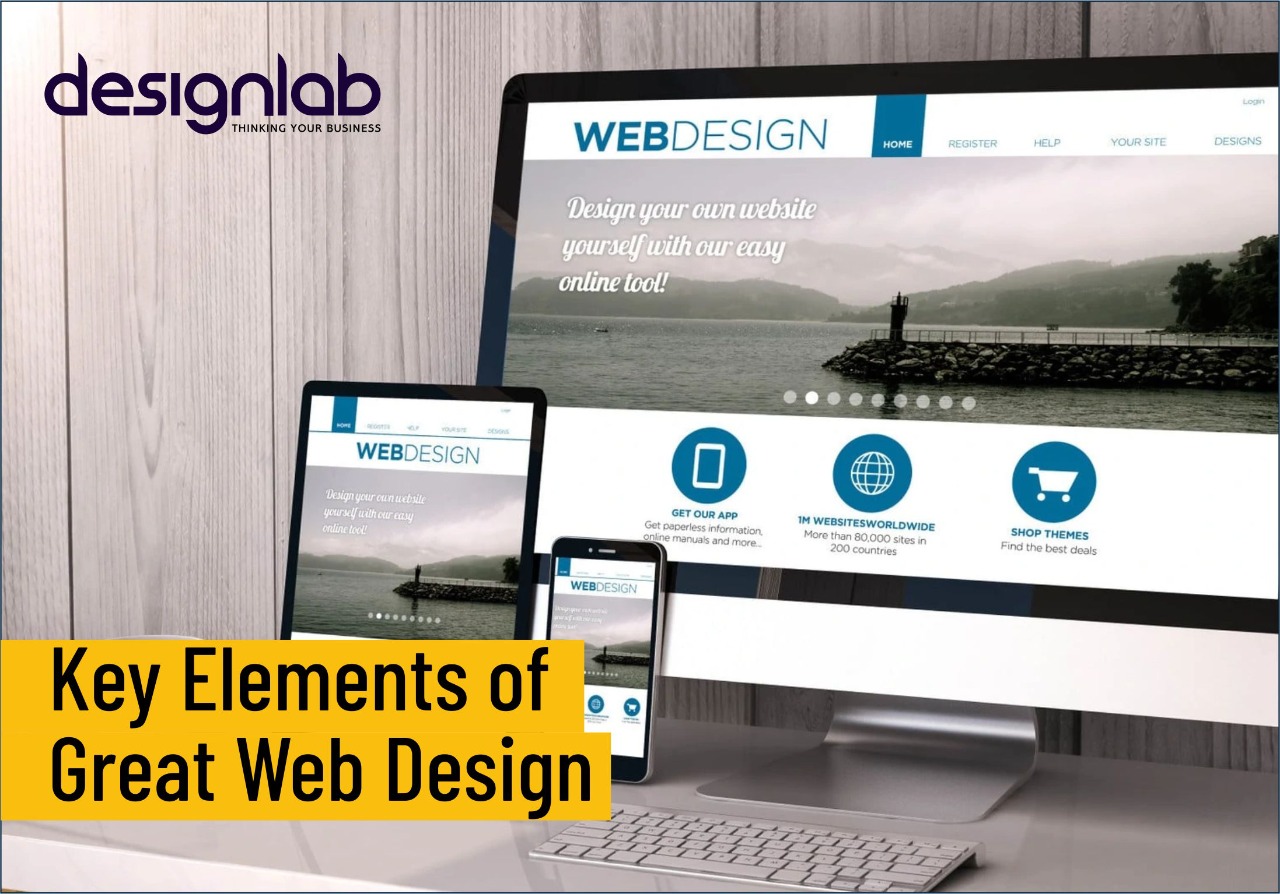
When you're attempting to include your business goals, marketing objectives, and branding into your website, it can be difficult to know what to include. In addition, the success or failure of your website will be influenced by how these aspects are optimized for the user's experience.
Conversions and revenues have increased by up to 200 percent when websites are created with user experience in mind. A list of things to keep in mind when planning and developing your website, as well as things to keep in mind when maintaining your site, has been put together.
7 Key Elements of Great Web Design
Mobile-friendly
Increasingly, commerce is conducted on mobile devices rather than traditional PCs and laptops. The more time your audience spends on your website, the more likely they are to transact business with you. This is why responsive websites are so important.
If your website isn't mobile-friendly, 57% of internet users claim they won't even promote your business to their friends or family.
Any device that can connect to the internet, including tablets, should be addressed when designing for responsiveness. Internet usage on tablets surged by 30% in 2016 and is likely to continue growing.
Nearly two-thirds of all online time is now spent on mobile devices, therefore making your website mobile-friendly is critical.
Design that is easy to use
Your target demographic and clients should always be at the forefront of your mind while creating a new website. The success of your website is largely determined by how well your users are able to navigate it.
Search engine rankings are also affected by the usability of your site. If visitors leave your site without doing anything, Google will conclude that your site isn't appealing to them. Consequently, your natural ranks will be adversely affected.
Consider integrating the following user-friendly components to keep your organic ranking high:
- A page design that emphasizes the most crucial aspects of your website.
- Site navigation is clearly visible on the front page.
- Search function on the website
- Filling out a form
- A well-thought-out design
Optimized for Search Engines
To be successful online, any business must consider SEO (search engine optimization), yet this is something that is often overlooked until after the design of the website has been completed. Your pages must be adequately optimized in order to compete with the hundreds of thousands of currently existing websites.
When a website is developed to be search engine friendly, it is constructed in such a way that the search engines can simply crawl and scan the pages on the site, gathering information on how your website should be ranked.
It's possible to get a little technical here. In order to improve your website's search engine rankings, Bloomtools builds search engine-ready websites and offers ongoing SEO services as an option.
Speed of the web page
People's first impression of you when they visit your website is how long it takes to load. Users of the Internet have become accustomed to obtaining timely information. Up to 40% of visitors to your website will abandon it if your pages take more than 3-5 seconds to load, thus speed should be at the top of your website design priorities.
Creating a fast-loading website is all about keeping your pages light and useful. Avoiding flashy products, music, and large-filed films is a good way to achieve this.
Imagery that is visually appealing
The visuals are important. We briefly touched on the necessity of a visually appealing design when it comes to the usability of your website previously.
Another important feature of this element is the use of relevant, high-quality images that best showcases your company's offerings, be they services or goods. Customers will be less likely to complete a purchase if they have a negative impression of your company based on the quality of your first impressions.
Your items or services can also be found by search engine crawlers with the help of an internet professional.
The general usability and user-friendliness of a website are critical to its success. If you plan, develop, or redesign your website with the characteristics listed above, you will have the highest chance of being successful online.
It's important to have compelling material
A good strategy to keep visitors on your site is to provide them with interesting information. In the end, people are seeking information, and 38 percent of visitors will abandon your site if the material is unpleasant.
In order to maintain user interest, it is important to provide material that is useful to your visitors, helps to develop your authority, and creates your authority as a subject matter expert. Visitors may learn more about your business and become clients by utilizing content.
TikTok videos and audio files are included in the list of material that can be placed on your website. When it comes to content, it's not just about providing visitors with something to read, but also providing them with something of value, information, and even fun.
Your content's layout is equally important. In order to be successful, your material needs to be simple to skim and simple to read. Make a list or a list of crucial facts in bullet points to do this.
Prompts to take action
Users will find your website easier to use if you include calls to action, which will also improve conversion rates. You may use a call-to-action on your website in a variety of ways, from a purchase now/add to cart button to social network sharing buttons, "read more," or subscription signups.
Call-to-actions are designed to help you reach your company goals, increase leads, and enhance profit margins by clearly directing the user to do a certain action. To find the best places for your calls-to-action on your website, talk to a professional web designer agency like DesignLab.
Conclusion
There are a plethora of factors that go into a successful website design, but these 10 stand out. Think about how to best utilize white space while still providing easy access to important information such as the about us, contact us, and other calls to actions. Make or destroy your entire website design by paying attention to these sometimes ignored aspects.
Progressive Web Apps for e-commerce – Everything You Need to Know
Many businesses have reaped the benefits of Progressive Web Apps since their debut in 2015. They're able to attract new users while still providing an interesting experience for existing ones. Companies like Twitter, Trivago, Alibaba, and Walmart have seen their conversion rates more than double, and their revenue has grown at a quicker rate than at any time in the company's history.
Many small and mid-sized firms are drawn to the PWA success stories of these corporate giants. Businesses of all sizes may now benefit from Progressive Web Apps, which allow them to deliver an app-like experience to a far bigger audience on the mobile web, making this a must-have technology.
What is a Progressive Web Application?
PWAs are web applications that give a native app-like experience to consumers by making use of today's most cutting-edge web technology. It's the technology that will make online and native applications interchangeable and replace them with a single app.
It was previously thought that native applications were superior to the mobile web because they provided a more immersive experience for the end-user. When it comes to performance, a Progressive Web App is as quick as a native app, and it can be added to the home screen of a smartphone, send push notifications, and run even when the user is not connected to the internet.
Features of Progressive Web Apps
- No matter how bad the network is, they'll still load in a flash. Even if you don't have a working internet connection, you'll still have a quick and dependable experience thanks to these devices.
- When your website takes too long to load, clients will leave and you will miss out on sales. PWAs are lightning-fast to load and nimble in their responses to user input. An improved website's conversion, user experience, and retention rates are all boosted when it runs more smoothly.
- With them, you get a genuine native app experience, complete with web-based features such as the ability to send Push Notifications and display on the home screen.
Why a Progressive Web App is Necessary for Your Business
In an age when mobile traffic has surpassed desktop traffic and presently accounts for 60% of all traffic, businesses must do everything they can to keep their customers happy as they buy. Only 16 percent of overall conversions come from mobile visitors, despite the fact that mobile traffic is expanding at a rapid pace.
If you're starting or expanding an online business, you should consider offering your products and services through a Progressive Web app rather than just a traditional online store. They are uncommon and exciting opportunities to get ahead of the competition because the bulk of e-commerce websites have not yet adopted this new technology.
Excellent speed and responsiveness
The average loading time of online sites on mobile devices on 3G networks is 19 seconds, while on 4G networks it is 14 seconds. This is nearly astonishing.
The primary goal of a Progressive Web App (PWA) is to provide the user with an incredibly quick and fluid experience. Page load speeds are improved by using 'native-style' web caching and web speed advantages. A real 'instant' speed experience is provided by PWAs, which may be loaded in as little as one second and immediately grab the attention of the user.
Progressive Web Apps also consume less space on both the business' server and user's device, resulting in faster loading times, less data consumption, and less storage space required for the user.
By placing the app on the user's home screen, the app is more likely to be used
With the same features as native apps, Progressive Web Apps deliver a highly engaging user experience. Installing Progressive Web Apps on the home screen puts them at the fingertips of users.
The average number of apps installed on a smartphone in a given month is close to zero. Apps aren't something that people do.
To use a Progressive Web App, all you have to do is click on a link and accept a prompt. Placing the website on the home screen turns it into a "genuine" app from the perspective of the user. Downloading from an app store isn't necessary with this method, although it saves time and effort.
As a bonus, the PWA does not need to be updated after it has been put on the home screen. Because PWAs are always being updated in the background, your consumers will always view the most up-to-date information.
Push notifications are a great way to keep users more engaged
Push Notifications may be sent from a PWA to mobile devices just like they can from a native app. Businesses can connect with their customers where they are most active: on their mobile devices, resulting in a more enjoyable user experience for everyone involved.
It's impossible to ignore these signals, even if they're so little. With Push Notifications, a company doesn't have to spend a lot of time or money collecting email addresses or other contact information before engaging with their audience as they would with more traditional forms of marketing like emails. They also stand out from the crowd.
Almost all online activity is performed under a pseudonym, with no personal information (email addresses, phone numbers, etc.) associated with the user. Almost every company is hoping to convert this into a sweet spot.
It is possible to boost your search engine rankings with PWAs
Everything in a PWA can be indexed by search engines because it is web-based. Google and Bing may connect to, distribute, and rank any material included within a PWA. Comparatively, search engine robots cannot explore native apps. It is now possible for people to access the most advanced digital items at any time and on any device thanks to the dissolution of the web and native divides.
However, the importance of technical SEO cannot be overstated. It is critical that Progressive Web Apps (PWAs) are implemented correctly. Because of JavaScript's flexibility, Google treats a single published page as a JavaScript site when considering Progressive Web Apps.
AJAX and JavaScript websites can be crawled and indexed by Google just like PWAs can, but the search engine's ability to identify, crawl and reliably index JavaScript-based material has historically been weak.
Fortunately, there is no need for concern. With server-side rendering, PWA developers can guarantee that the website is indexed properly, which can be done easily by providing PWAs with the required architecture to obtain the best SEO results possible.
Faster innovation and continuous delivery are the results of lower development expenses
Currently, businesses with an Omni channel, multiplatform approach construct, manage, and promote as many as four systems: their (responsive) website, their Android app, their iOS app, and in some cases, even their Windows 10 native app(s).
To design, maintain, and sell a Progressive Web App (PWA), there is no need for anything but the PWA website itself. As a result, one platform may serve all channels and be designed, managed, and supported by a single group. When it comes to reducing the cost of production and the time it takes to get a product to market, this method is an excellent choice.
PWAs provide new possibilities for improved user experiences
Users may immediately see how much better PWAs perform in terms of speed, efficiency, slickness, and overall use. This includes everything from background loading into their home screen to surfing in full-screen mode, loading pages quickly, and making little use of storage space on their device. Because of the user's increased satisfaction and the fact that they've completed their responsibilities, they'll be more likely to return to your app in the future.
What is SEO Automation and the must-have Automation Tools?
When it comes to doing the things you must do on a regular basis, time is money. At least if they're done by hand, they are. From the initial investment to the implementation, many effective SEO tactics need a significant amount of time.
It's impossible to ignore the truth that time is money in today's world. It doesn't matter if you work for a marketing firm or as a freelance SEO. In this tutorial, we'll show you how to use eight SEO automation tools that may help you get the most out of your time and resources, so you can focus on what really matters.
What is SEO Automation?
To begin, let's examine what SEO automation is in reality. Search engine optimization (SEO) automation refers to the practice of employing software to automate processes that would otherwise have to be done manually. You may save both time and money by utilising SEO automation solutions. These are two priceless resources for any business or marketer.
Automating tedious SEO chores frees up the time of savvy digital marketers, allowing them to focus on more strategic work for their customers and their websites. Productivity may be increased by the use of automation.
Is It Possible To Automate SEO Tasks?
What, therefore, can SEOs automate to save time? Depending on your level of technical skill, you can automate a wide range of jobs. Off-the-shelf solutions can automate monotonous SEO activities. Despite the fact that these tools require some configuration, they're simple to use and may save you a lot of time.
SEO Automation tools like Semrush are in this category of SEO software that can assist you in a wide range of jobs and provide the data you need to take your campaign to a new level of success.
If you want to automate processes that are specific to your business or routine, you may utilize scripting languages like Python. However, the majority of SEO chores can be automated, such as:
- Tracking a person's whereabouts
- Crawling of the Internet
- Tracking for mentions of the brand and new links
- Reviewing your link profile's quality
- Reporting
- Log files for analysis
- The study of the purpose of the keywords
- Scalable generation of meta descriptions
Okay, so some of these jobs can be automated using custom scripts, but the point is to get you excited about the possibilities.
What You Need to Know About SEO Automation Tools
With the aid of SEO automation tools, you may automate operations that would otherwise have to be completed manually. We'll take care of everything from monitoring your site's search engine rankings to conducting a technical assessment. Here, we'll take a closer look at six of the platform's automation capabilities that might help you operate a little more efficiently:
Position Tracking
We've all had to do that at some time in our careers and it's something we all need to assess and monitor (despite the many debates around whether or not we should be tracking rankings at all).
Rankings are still an essential KPI that we should monitor on a regular basis, even if simply to show progress on a long-term objective. In addition, the Position Tracking Tool may aid you in automating this process by using a list of keywords that we've found or that you've created on your own.
You may also set up reports to be delivered to your mailbox on a regular basis so you can keep tabs on your progress. Automating a simple operation like this may save you a lot of time each month, even if it's done at the most basic level.
Reports
During the first few days of every month, have you ever spent time creating SEO reports for internal or external stakeholders? As crucial as this duty is, it requires a significant amount of time away from other productive activities that may help your business develop.
Reports not only prove the value of your efforts, but they also show you where you're succeeding and where you may improve your approach. These reports allow you to run a flexible strategy and change course if necessary in order to achieve your goals.
The drawback is that reporting requires a lot of time. This is especially true if you're constructing them by hand. There's a strong probability the program can automate the process of reporting on whatever it is you require. Once again, we're freeing up time that might be used to help the business develop.
Brand monitoring
Any time your brand is mentioned (or your website is linked to), you want to know about it straight away, right? When you're always searching the Internet for remarks and links, you're wasting time that could be better spent doing anything else.
Brand Monitoring's ability to provide mentions and links directly to your email makes it an ideal tool for finding mentions and links in the SEO world.
With a single list of mentions and links (and a quick method to check which ones are connected and which ones don't), you can then evaluate the data and take steps to change those that aren't linked into ones that are.
It's a great strategy that everyone should be doing, but discovering these references soon enough to act on them is often the most difficult part. Your efforts might be focused on a link reclamation plan after automating the finding of brand references.
Site Audit
It is critical to stay abreast of any changes in SEO-related jargon. Getting the rankings you deserve will be difficult if Google cannot effectively crawl and index your site. Manually compiling all of the faults found during a crawl is possible, but it takes an inordinate amount of time.
With the help of an automated technical audit, you may more easily uncover faults that could otherwise go missed. Once you've set up your crawl, you'll be given with a slew of data from the tool's analysis of more than 130 variables. Instead of wasting time attempting to find the faults, you can use the audit tool's recommendations to solve the ones that are already there.
Backlink Audits
Auditing your current connections is an equally vital but time-consuming process in addition to keeping tabs on new links and making efforts to obtain them.
There is a risk of poisonous links if you don't keep an eye on your current links. If there are a lot of toxic linkages, they can and do cause difficulties. Keep an eye on the quality of your link profile and take steps to remove or disavow any that you consider being artificial.
It is up to you to let the program examine the links that lead to your site and notify you of an increase in links with high toxicity levels. Instead of doing the analysis by hand, you may put your time and energy into cleaning them up.
Improve Your Website’s UX Design for Maximum Conversion Rate with these steps
Creating an easy-to-navigate website/app/system is one of the most important aspects of a good user experience. A user's conversion can be influenced by the placement of any number of little elements on an interface. The product's user experience is owned by all of these components working together.
Improve Your Website’s UX Design for Maximum Conversion Rate with these steps
UX strategies to improve user experience and enhance conversion rates are provided below in this article.
A page that loads quickly
How can you tell what's quick enough? Customers who don't want to wait more than three seconds before leaving a website, according to a 2009 survey, a supplier of content delivery networks. It's poof if it takes more than three and a half or four seconds for your site to open.
DoubleClick, a Google subsidiary, conducted a fresh study in 2016 that reaffirmed similar findings. Sites that take more than three seconds to load are abandoned by 53 percent of mobile visitors. You only have 3–5 seconds to make an impression on a visitor. The consumer will grow impatient and go to another site if yours takes more than ten seconds to load (mostly your competitors).
The CTA (Call to Action) Button Design and Positioning
UX is heavily influenced by where you put your call to action. CTAs that are difficult to see, read, or click have a poor effect on user experience and conversions. Many websites have the objective of promoting a product, service, subscription, or registration. In order for a CTA to be effective, it must be placed in the right spot.
There's a lot of discussion on the internet regarding how color affects consumer behaviour. When it comes to CTA (call-to-action) buttons, it's widely accepted that CTA buttons in green are more successful than CTA buttons in red. When it comes to conversion, color doesn't matter nearly as much as you may think because it affects perception more than anything else. This is when contrast and visibility come into play.
In order to increase conversions, you need to pay attention to your CTA wording. CTA headlines and buttons are often overlooked by companies since they don't pay attention to what they say. At the bottom of a lot of web pages, you'll find a "Submit" button. Even though this is suitable in some cases, CTA buttons and headlines offer a big chance to enhance conversion with excellent writing.
Use only the best and most original photos
Adding images to a webpage quickly enhances its visual appeal, making it more inviting to the eye. Your picture choice, however, can have a significant impact on how well or poorly your website looks.
Whenever possible, avoid using stock photographs in your work. Stock pictures are inexpensive and simple to use, yet often do more harm than good. Even if stock photographs appear professional, consumers will quickly learn to recognize them as such and lose interest in using them.
More people come to original photographs since they are more relatable, and the user can identify with them. When compared to stock photos, which are often used and lack attractiveness.
This is the last point to keep in mind when constructing a website: employing stock photographs conveys the impression that you haven't put much work into it. Moreover, it doesn't appear to be original because it may have been used elsewhere.
Visibility and Optimization of Textual Content
Consider the fact that your visitors and leads don't really read most of the content on your website. Short attention spans necessitate that any material they consume be simple to read and understand. When people can't understand your material, they won't know what to do.
White space or negative space on your website might actually help you develop a beautiful website design, according to me. That's correct, of course! However, in spite of its importance, it is still so underappreciated in terms of website design.
White space surrounding text and headers has been shown to improve user attention and enhance the user experience. The use of white space improves the readability and usability of your material. While white space may be useful, it must be used in moderation. Increasing the amount of White Space on a web page has been shown in several studies to enhance click-through rates.
Guest Login
These days, customers are apprehensive about disclosing their personal information on a public website such as yours. Only a few of them would be interested in establishing a long-term relationship with you, even if they liked your products enough to purchase them. Despite this, a large number of online retailers still force customers to sign up for newsletters or other services they aren't interested in. This has a devastating effect on conversion rates because customers would rather not deal with newsletters, promotional offers, and upsells than deal with the hassle of purchasing.
Automate the creation of a user account and the assignment of a random password when they make a purchase and send the information with the order receipt to their mailbox. When customers don't sign up, you still want them to buy your goods and services, right?
Animations and transitions should have the right length of time
Users are drawn in by animation, which can be used to direct their attention. A good idea, provided the user is paying attention to what they're supposed to be looking at.
Animation that is placed in the wrong place or at the wrong speed can be a distraction from the content. In order for users to be able to notice when elements change state or position, the animation duration should be slow enough to not cause waiting.
The object that has travelled the shortest distance should be the first to come to a halt among those moving at the same speed. Bigger offsets mean slower movement for smaller things, so they should be moving more slowly than larger ones.
Have consistent color palettes based on the company's brand
Colors should be limited to reflect your company's brand when creating a landing page or any other web page. Your user may become confused and lose focus if you use an excessive number of colors in your design.
You'll be able to create a more balanced design if you only use one or two colors but use their respective shades and hues. Colors, like emotions, can be compared to this. Any visitor to your website who sees a page with an excessive number of colors will be dazzled.
The 60-30-10 rule is a good one to follow when it comes to interior design. You should use 60 percent of your palette for the primary color, 30 percent for the secondary color, and 10 percent for the highlighting color.
It's not always necessary for your UI color to match the company's brand identity, but it's a good way to ensure that the user experience is consistent and that the product is easier to identify.
Develop Autocomplete and Search Suggestions
How many drop-downs or autocomplete suggestions does your site's search offer to users as they type? Your users will benefit from these strategies because they will spend less time and keystrokes on their searches and find more relevant search terms. User satisfaction increases when tasks are made easier for them.
Allowing users to click on suggestions and be taken directly to search results reduces the amount of time it takes to find what they're searching for. With autocomplete, users get immediate feedback, which helps them find what they're looking for and convert faster.
Best Prototyping Tools for UI/UX Designers
Prototyping, which is an important part of the user experience and user interface design process, allows us to test ideas before they are completely developed, resulting in a better user experience. Designers can develop either a high-fidelity or low-fidelity prototype, depending on its intended use, which allows them to test a feature, application, or website before releasing it to the general public.
Best Prototyping Tools for UI/UX Designers
Because of the multiple prototype tools that are accessible to designers, there is no shortage of ways to demonstrate your idea to others. But which one is the most suitable for your workflow, your team, and your product in particular? These are the top tools for UX/UI designers to use in order to construct the optimal interactive model for your design concept or product concept.
Adobe XD
When it comes to UX/UI designers, Adobe XD is one of the most popular tools since it is an all-in-one prototyping platform that can be used for wireframe creation as well as immersive prototype creation for website designs, sports, smartphone applications, voice interfaces, and more. The ability to collaborate in real-time across platforms while receiving useful comments and feedback from clients is a significant advantage.
Sketch
Sketch is one of the greatest programs available today for creating all types of user interfaces, including mobile, web, and code assistance, which is why millions of programmers all around the globe rely on it to develop their interfaces.
Sketch facilitates a fluid production process, allowing designers to create high-quality designs with ease. Think of it as a more advanced and well-supported variation of the popular software Figma (albeit it is only accessible on iOS).
Figma
Figma is a drag-and-drop editor that makes it simple to generate wireframes and working prototypes for any project. It also offers a lot of immersive components that may be used to animate prototypes.
The majority of designers are already familiar with this well-known web-based user interface design tool. While Figma is best known as a user interface design program, it also includes software for fast prototyping. An additional feature is the availability of plugins such as Figmotion and Auto flow, in addition to the Arc Tool and Vector Networks programs.
Webflow
Webflow is becoming increasingly popular because it allows developers to work more quickly by delivering clean, semantic code and designs, which speeds up their work. For designing zero-coding sensitive websites, this tool is a well-known prototype approach that has been used for years.
With its pre-built features, designers can quickly and easily build high-fidelity designs that Webflow can convert to a fully functional website for production. Or, to put it another way, Webflow enables you to prototype while simultaneously developing a live website.
Axure RP (Rapid Prototyping)
Axure RP combines prototype capabilities with SVG import, Sketch and Adobe XD integration, and other features. From Adobe XD, you can quickly and simply share Axure RP prototypes and artboards with others.
You can also gather feedback at the top of your screens. While transforming static photos into dynamic Axure Cloud prototypes, the interface allows you to study the layout, get CSS snippets, and download components from the server. Axure RP also makes it easier to provide thorough documentation, automate redlining, and improve handoff to developers without the requirement for coding skills.
Mockplus
Mockplus is another piece of software that is designed with prototyping in mind and is excellent for cross-team cooperation. In addition, Mockplus, one of the fastest-growing prototype tools on the market, provides for rapid design and revisions to that design as needed.
While designers are organizing their processes, developers are gathering snippets of code to use in their projects. All of this contributes to a far more simplified project collaboration process.
Mockplus provides plugins for Axure, Sketch, Adobe Photoshop, Figma, and Adobe XD, allowing you to prototype any project from a variety of platforms and applications. Mock PlusCloud also features desktop programs for Windows and Mac, as well as mobile applications for iOS and Android. All projects are synchronized to the Mock PlusCloud, so collaboration isn't restricted to those who use the same operating system as you are.
Claritee
A powerful visual wireframing tool, Claritee allows you to convert your ideas into visually appealing designs that can be shared and worked on collaboratively with your team in real-time. The tool is rather simple to use for designers and project managers, as well as for marketers and anybody else in your team who wants to offer feedback on the project.
InVision
InVision is another online application that is mostly concerned with architecture. It includes all of the materials you'll need to make the transition from wireframing to user interface design. InVision also has useful tools for integrating cooperation and prototyping quickly and efficiently.
InVision, like some of the other tools described above, allows designers to make real-time design changes and get immediate input from teams, while also helping them to manage their workflow.
Framer
In addition to its flexibility, Framer is well-known for its immersive UI, effective layouts, and easy templates. Due to the fact that it is a code-based prototyping platform that makes use of CoffeeScript to construct prototypes, it goes beyond the usual drag-and-drop nature of designer dynamics.
One disadvantage of this program is that the interface and workflow might be unnecessarily sophisticated, forcing developers and designers to put in a significant amount of effort to become familiar with the software.
The Origami Studio
Origami Studio is a desktop program for the Mac operating system that was developed and is now in use by Facebook. The mobile app version of the program is also available, which allows you to view your prototypes on a real device.
This prototype tool was first introduced by Facebook in 2013. Initially, it worked with Quartz Composer, but that element of the Xcode environment wasn't the most efficient for prototype purposes. As a result, Facebook launched Origami Studio last year.
The tool is, for all means and purposes, a reincarnation of their earlier prototype tool that operates within their own environment. The relocation has significantly improved the platform's speed, but it is still only available to Mac users, which is sad.
Visit DesignLab Today for Best UI/ UX Designs
The learning curve, amount of fidelity, and (maybe most significantly) how these tools will operate for your complete team should all be considered when deciding which application to utilize for your next project. Generally speaking, the more comfortable and easy-to-use a tool is, the more time you'll have to communicate and develop with your team. Visit DesignLab to know more about UI/UX and prototyping services.
5 Lead Generation Website Design Best Practices
Are you trying to increase your website's traffic and revenue? Lead generation through web design is a viable option if you're interested in making your site more appealing to your target audience and generating more business leads. To help you construct a stronger lead-generating website, we've put up a list of five recommended practices.
5 Lead Generation Website Design Best Practices
The user's experience should be the primary concern
Creating a website lead-generating design that resonates with your target audience is essential. You need to build the site for your audience, even though it belongs to and promotes your company. Because, after all, they're the ones who've landed here.
The experience of the user must always come first. Focus on building a website that makes it simple for your audience to locate the content they're looking for. So, what steps should you do in order to make your website more user-friendly?
Slow-loading pages are a no-no for users who expect to get their information as quickly as possible. To learn how to speed up the loading time of your website, use tools like Google PageSpeed Insights. A digital marketing firm like DesignLab can help you if you don't know how to optimise your page speed on your own.
Many organisations believe that they must fill every square inch of their website with text, images, or multimedia. It's true that using white space to break up a crowded page and make it more pleasant to look at and navigate is a fantastic idea. White space may be used to create a more user-friendly design, making it easier for visitors to navigate your site.
Decide on a website design that is appropriate for your business
The aesthetics of your website are an important best practice in lead-generating website design. Because 94 percent of initial impressions are based on-site design, your design decisions are critical. In order to keep your audience engaged, you must have a design that attracts their attention and keeps them on your website.
When designing a website, keep in mind that your target audience will assess it based on how it appears. To be effective with user-centred web design, adhere to the following recommended practices:
Make sure you have a style guide in place: Having a style guide in place can help you generate pages that are consistent. Leads are more inclined to believe in your brand if your website has a unified design.
Developing a set of brand standards will assist you in determining the colours, fonts, and image styles you want to use on your website.
Increase your credibility by including references to others' experiences
User suggestions are trusted by 92% of consumers, according to a recent study. Visitors need to have faith in your brand if you want them to become potential customers. It is a terrific strategy to develop confidence in your business to share the stories of people who have had success with it.
It is possible to develop trust with your audience in a number of ways, including adding customer reviews to your site: It's a good idea to use testimonials to demonstrate to customers how much they like your company. Using them as part of your web design can assist potential buyers get a sense of what others have to say about your products and services.
One of the best ways to illustrate how satisfied customers are with you is by including Google reviews on your website. It's a good idea to have Google reviews for your firm so that customers can get a sense of what it's like to do business with you.
This helps your customers feel more comfortable with you by providing them with testimonials and reviews. You instil confidence in them by reassuring them that if they pick you, they will receive the greatest service. As a terrific way to generate more leads for your company, this is a recommended practice in website design for lead generation.
To encourage visitors to take the next step, use a call to action button
Call-to-action (CTA) buttons are another critical component of a good website lead-generating design. It's critical that you give a mechanism for customers to go forward in the purchase process when they browse your site and look at your products and services. There are CTA buttons to help. Including call-to-action (CTA) buttons on your website can assist you in converting visitors into leads.
Your call-to-action buttons must "jump" off the page if you want to develop an effective lead-generating website. Your target market should be able to simply locate the button and go on to the next stage in the purchasing process. Make your website stand out by using colours that are eye-catching.
Your CTA wording should be appealing enough to persuade site visitors to click and take the next step, so don't use simple CTAs. Don't rely just on "click here" or "download now" as your CTAs. In order to get people to download your free guide, you'll need to make it more helpful and appealing.
To get the best results, you need to select the proper button shape: often, organisations go for a rounded rectangle, rectangular rectangle, or an extended oval rectangle. Your audience's reaction to several button shapes might help you determine which one is best for your page.
It is imperative that you employ CTA buttons to encourage consumers to contact your business, sign up for emails, and download information. Creating interesting and obvious CTAs is a great way to encourage people to take the next step and become leads.
Make your site more visually appealing by including images
If a visitor arrives at your website and is met with a sea of material, they may be discouraged from exploring further. Including images in your lead-generating website design is a must-do best practice. Your viewers will find it easier to absorb information on your site if you use visuals to break up the content.
Customers that have a positive experience on your website are more likely to convert into leads. Incorporating images into your site's design can help you achieve the following goals:
If you're using stock photographs on your website, you're doing yourself a disservice. When it comes to adding images of actual people to a website, stock photos are a convenient option. However, it's definitely worth the effort to photograph your own employees and utilize them instead.
Aside from the fact that it creates a personal experience for site visitors, it also helps them feel more connected to your company.
Implement these best practices for lead generation now!
Investing in web design for lead generation is essential if you want to start building your business online. By following best practices for lead generation website design, you can assist your company in creating a website that is designed to attract and capture leads. Are you struggling to come up with the correct website design to generate leads?
Take some of the burdens off your shoulders by contacting DesignLab! If you have a vision for your company's website, our award-winning design team can help you bring it to life. Please contact us if you'd like to learn more about our web design services.
Top 10 Ways to Boost Your App Downloads
Apple's and Google's app stores each offer more than 4 million apps to choose from, giving customers a wide range of choices for everything from mobile shopping to entertainment to health to productivity to personal finance. For small company owners and marketers, it is more crucial than ever to develop a marketing strategy for their mobile apps as the number of apps on the market grows.
It only takes a little amount of buzz to get your app noticed and used by a wider audience. As a result, how can you make your software stand out in a crowded market? Here are 10 ways you can improve the number of people who download and utilize your app.
Top 10 Ways to Boost Your App Downloads
Prioritize the optimization of the app store
App store optimization (ASO) is something that most marketers are familiar with, but app developers that want more downloads need to learn more about SEO (ASO). Software Store Optimization (ASO) focuses on making your app more visible in the marketplace.
Optimizing the keywords in your app's title and description is critical for search engine optimization. When submitting your app to an app store, be selective about the categories you choose. Keep your app's target audience in mind while choosing a category.
Your app's ranking will rise automatically as more positive feedback about it is received. In-app reviews can be boosted by prompting them at important points. Consider your intended audience's location while writing your app description.
Translating your app store description into another language or picking photos that are relevant to and acceptable for that location may be necessary to reach a wider audience. As a result, make sure you're often interacting with your app's users.
Popularity on social media might have an impact on how high your app is ranked. Incorporate your app's social media presence into your company's postings.
Select an app icon with a pleasing visual appearance
Visual cues influence consumer behaviour. Because of this, your app's icon should not be an afterthought. Since a potential consumer will notice your app's symbol first, you should make an effort to design an eye-catching icon.
The icon you select should be instantly recognised as well as attractive to the eye. At the same time, it needs to be a clear depiction of your app's purpose. A good icon should clearly communicate to the user what they may expect when they launch your programme.
Make a demo video
Even after reading a brief description and looking at a few screenshots, not everyone will be able to discern the full value of your product. A video demo of your software is another technique to get people interested in downloading it.
Your app's "what," "how," and "why" should all be explained in a 30-second video. Give special attention to your product's most popular features and its ease of use. You should post your video on social media and your website, as well as to the app store, as soon as you've finished making it.
Analyze the results using attribution and analytics tools
Measure and attribute downloads so that you may learn and invest in the channels that are most productive and make the required modifications to the channels that aren't working out as well as you would like.
It is possible to link the installation of your app to a certain advertisement, target audience, or platform with the aid of a mobile attribution tool. Adjust, AppsFlyer, and Kochava are three popular mobile attribution tools.
Create a website and a blog and post regularly
More than simply a great app, you need to make sure it's easy to locate if you want to do effective mobile app marketing. It's a good idea to have a blog and/or website associated with your app, according to Neil Patel, a marketing guru.
People often begin their hunt for answers to their difficulties on the internet. If you don't have a presence on search engines, you're missing out on a significant chunk of your audience.
The information you supply in your app store listing may be expanded upon by creating a website that is SEO-optimized. Use a blog on your site to show off the various ways your software may be put to use and to attract people who are looking for information on themes relating to your products.
Make use of mobile communication channels
Another approach is to reach out to your current customers via their mobile devices. Using mobile-specific channels, such as in-app messaging or push notifications, you may deliver a personalized message to your consumers at the perfect moment.
A new feature you've just published or a section of the software that's difficult to understand may be helpful. If you utilize in-app messaging and push notifications, you may get your current users to help promote your app by getting them to post about it on social media, suggest a friend, or provide feedback in the app store. It's a terrific method to keep consumers interested and to spread the word about your software.
Promote on social networks
Social media has more than 3.5 billion users globally, therefore promoting your app on one or more of these networks is essential. Over 70% of internet firms utilize social media for their mobile app promotion, according to Mobile App Daily. However, where do you even begin to begin?
Determine who you're trying to reach as a first step. For corporations and industry professionals, LinkedIn and Twitter may be good places to market your software. Individual customers who have expressed interest in comparable items or services can be found on Facebook and Instagram. Create pre-launch social media campaigns with hashtags and use them to raise awareness of your brand or to highlight new and enhanced features.
Using in-app tracking is a great way to keep track of your customers
You may utilize the information you gather from existing users to improve your product and your marketing strategy in order to boost the number of downloads and user engagement with your app.
A software development kit (SDK) is required to connect to your app's data in order to use any of the many in-app tracking solutions available. Custom tagging and behaviour monitoring are common features that provide you with the data you need to enhance the user experience and boost downloads.
Make sure your app has deep linkages to it
Creating deep links inside your app that allow users to quickly descend into the mobile experience is another approach to significantly improve the number of downloads of your app.
As a result, people will be able to locate and utilize your mobile app more easily, regardless of where they find you. The metrics they provide can assist you to learn more about how and where your app is being used.
Ad retargeting is a viable option
Ads may be targeted to visitors who have visited your site but haven't yet downloaded your app, which is one of the numerous advantages of having a separate website for it. It will begin to appear on Google, Facebook, and other Google Ads-enabled websites to remind visitors about your app.
It is estimated that consumers who encounter retargeting advertisements are up to 70% more likely to convert, while the click-through rate of these ads is around 10 times greater than display ads.
We at DesignLab can help you with boosting your app downloads for different kinds of apps. Our skilled developers can help you in meeting the requirements of your choice. For more details, visit DesignLab. https://www.design-lab.co.in/contact-designlab
App Store Optimization: The Ultimate Guide

Optimizing the app page and the search page are the two most important aspects of App Store Optimization. It's easier for your potential customers to locate you if you appear high in the search results.
It's like being on the top page of Google — you're more likely to get seen.. It's difficult to stand out in a sea of apps in the app stores. Once you've designed an app, the hard work is done for you. After then, it's your responsibility to make the public aware of its existence and assist them in locating your business.
As part of ASO, app names aren't simply about branding. Mobile apps containing relevant terms in the title were 10,3% more likely to be found in search results, according to TUNE (Mobile App Analytics Platform).
Choose the right app name
In the App Store, titles may be as long as 255 characters. That implies that you can utilize a lot of keywords and phrases in your content. Be careful, though, not to inundate your potential customers with irrelevant phrasing.
The name of your app should be a balance between a memorable name and relevant keywords. If your app's title is too long, the user will only see a portion of it in search results.
It's critical that your app is appropriately placed in the app store because so many people utilize the category system to find new apps. Users will appreciate this, but it may also help your app rise in the app store rankings. Many determine which category to put your app in since it can be used in several other ones? We've come up with a few solutions to this problem.
First, decide on a few subcategories that seem to best suit your application. Analyze the results after you've done this. Consider the number of applications in each category and which ones are your main rivals. The next step is to select a category where your app has the best chance of ranking highly.
Use the App Description to entice your customers
App descriptions should be written in a way that attracts and retains users rather than a search engine. Your app's description should pique the interest of the user and entice them to download it. Briefness and clarity are the watchwords of a good explanation.
First three phrases should be eye-catching since a buyer is likely to research a few other apps before making a purchase decision. The "similar applications" area of the Google Play store is not to be confused with the adverts for related apps.
Your app's icon is the first thing your users see when they open the app
While your App Icon may just be a minor portion of your App Page, it's quite important. When a user opens an app, the first thing they see is the app's icon. When a user downloads an app, the app icon is the first thing they see every time they open the app. If you want to get people to open your app again, you need to make it stand out from your competition.
Display Your App in a Storytelling Style Using Images and Videos
For iOS apps, you can post up to five screenshots, and for Android apps, you may upload up to eight. In terms of search rankings, screenshots and videos aren't going to have a direct impact, but they're going to drive downloads.
Your app's screenshots are the first thing customers will see, so they need to convey a compelling tale about what the app does and is capable of. Users will only view the first few screenshots, so pick wisely when the website loads.
Because they are aesthetically appealing and provide consumers additional information, screenshots are essential. You may utilize screenshots, for example, to showcase your app's top features, advantages, and how-to instructions.
With an App Store, you can increase your organic user acquisition. This is a promotional video app descriptions and pictures alone aren't going to cut it anymore. Your app store website should include a promotional video if you want to attract more users.
Simply said, video is the most effective medium for converting website visitors into customers. It's a fun and easy method for potential customers to learn about your app or game in just a few seconds. For those unfamiliar with the concept, think of it as an advertisement.
Make sure to incorporate the finest aspects of your software or game in the promotional film. Include a tutorial on how to operate the app. There are a handful of advantages to this. First, it increases the likelihood that a user will download and use your app, and it also increases the likelihood that a user will continue to use your app.
Localize
The process of localization of your software would include not just designing your app page in the App Store or Google Play store, but also optimizing the entire app to run in several languages. Another reason for clearly defining your intended audience up front is to account for the fact that not everyone using your service will be fluent in or comprehend English.
Adapting an app for a new country's culture, customs, and habits is not only translating the app into a new language. Consider the varied search terms that people in the UK, US, and Australia could use to find your app.
Rank Your App in the Search Engines
Publishing an app to the app store and hoping consumers would find it isn't enough. To get your app into Google Search, use App Indexing. Installed users will be able to open your app and get straight to the content they're looking for.
You should utilize the same URLs in your app as you use on your website to have it indexed by Google. As a result, Google will index your site's links in search results.
The App Listing should be updated often
When you release new features or update your app, it's crucial to keep the app listing up to date. As new features are added and issues are resolved, encourage your users to download and install the latest upgrades.
Engage with your users by responding to their posts in the comments section. Maintaining a positive connection with your customers means responding quickly and effectively to any negative feedback that comes your way.
Encourage your users to leave feedback and comments on your site, and reward them for their efforts. The easiest approach to gather feedback from your users is to ask them, which you undoubtedly found annoying when it first appeared.
It's important to remember that Apple has extremely strict App Store Reviews Guidelines, and your apps will be deleted from the store if you try to fool your users or manipulate ratings.
Final Thoughts
It is imperative that you focus on App Store Optimization (ASO) as part of your overall marketing strategy. Trying and failing is a constant occurrence. It is imperative to be data-driven in today's world. An app analytics platform can help you learn more about your customers.
The best way to learn what works best for your app, game, or audience is to conduct a series of tests. All the pieces of your user acquisition jigsaw must fit together for your marketing spending to pay off.
We at DesignLab can help you with the app store optimization for different kinds of apps. Our skilled developers can help you in meeting the requirements of your choice. For more details, visit DesignLab.
How to Increase B2B Sales with Content Marketing

What strategies can you utilize to enhance revenue with content marketing? Are you seeking for practical suggestions that can help you grow website traffic and revenue by a significant margin? You've arrived at the correct location!
Content marketing is a one-of-a-kind digital marketing resource that falls under the umbrella of inbound marketing. It assists marketers in reaching their target market with their brand message, goods, and services, among other things.
As a result, more than half of those who answered the survey stated that creating visual content is a major priority for their content marketing strategy. Blog postings are already being used as an aspect of content marketing strategies by 81 percent of marketers, according to the same study.
As a result, captivating material may be found in a variety of formats, but the goal of any content marketing strategy is to boost website traffic and increase sales as a result of the content. Therefore, we have compiled a list of effective content tactics that will enhance your website traffic while also increasing revenue.
How to Increase B2B Sales with Content Marketing
Create evergreen content on a consistent basis
When you say "first-class" you're referring to the finest of the best, and in this case, the best of your blog material. It may be compared to a college graduation speech that garnered a standing ovation for its accomplishments. It is necessary to go through the brainstorming process before settling on a theme for your speech while preparing it.
The reason for this is that the majority of website visitors spend little more than 15 seconds on a page. Therefore, the reader will be convinced of your point of view within around 15 seconds of reading the content. Take, for example, the assumption that your primary title is outstanding and that your introduction is compelling.
Your evergreen content should have, among other things, a snappy title, subheadings, and the correct keywords that are relevant to the user's goal in order to increase search engine exposure.
How Using Evergreen Content Can Help You Sell More
Every day, Google receives 3.5 billion requests for information. Furthermore, since 2010, Google has continuously maintained a 90 percent share of all searches conducted on desktop computers around the world.
Now it's time to put everything back together. Whenever customers look for services or items that are similar to what you're selling, Google will supply them with different bits of information depending on the search phrase they enter into the search engine.
They will be able to make a purchasing decision based on the information they have gathered. In contrast, if you generate first-class or evergreen content that has the correct keywords that are relevant to consumers' search queries, Google is more likely to show them with your material.
Make use of product listings to increase sales
One of the most effective methods to employ content marketing to increase sales is through the strategy of listing your items.
Making a list of the things you're offering is not enough; you also need to provide valuable information about the products to assist consumers in making informed purchasing decisions about the products.
Instead of providing customers with the same information as your rivals, be innovative and provide consumers with relevant product data to help your content marketing campaigns succeed. It will not only help you raise sales, but it will also enhance your search visibility and Google ranks as a result of this strategy.
Take an active role in discussion forums and online communities
Are you a member of discussion forums or social networking sites? If you've been ignoring these content marketing channels, it's time to get back into the game and be active. Discussion forums and communities are interactive platforms where users may obtain useful information on a variety of topics that are of particular interest to them.
The members in these online communities have the opportunity to ask questions and receive helpful responses from contributors who may be experts in their respective industries. In other words, the specialists will provide meaningful information that is tailored to the interests of the users as well as the requirements of the wider community.
Also, you may direct them to your product and services website, from where they can make an informed purchasing decision. Being an active participant in forums and groups also contributes to raising your brand's awareness, which will ultimately result in more sales for your business.
Increase Sales through User Generated Content
If you are a seasoned marketer, you may already be aware of the benefits of user generated content (UGC) and why it should be included in your content marketing strategy. To be clear, user-generated content (UGC) refers to any sort of publicly available content that has been created by consumers.
They do not need to visit your blog or website in order to develop the contents. You may gather user-generated content (UGC) by soliciting feedback from customers or conducting online polls. User-generated material may be gathered through forums and group conversations, which are also excellent sources of information.
Aside from that, social media conversation sessions will provide an abundance of content from members of your target demographic. Other methods of collecting user-generated material include the usage of branded hashtags and encouraging consumers to contribute their own personal stories.
What is it about user-generated content that makes it so effective?
Because user-generated content (UGC) helps company owners better understand their consumer personas, it is extremely successful. In fact, one of the most compelling reasons to include user-generated content into your marketing strategy is that it serves as solid social proof.
This is due to the fact that the content pieces are provided by pleased consumers. Individuals who have utilized your products or services and are pleased with the outcomes have been identified.
Provide more opportunities for customers to interact with you
The ability to reach your target audience through your blogs is an important piece of the equation. However, keeping consumers coming back for more intriguing material is another story altogether. In order to better serve your ideal consumers and potential purchasers, you must increase the number of touchpoints or points of contact available to them.
In an ideal situation, you are the first point of contact for your brand. If you do not provide customers with several points of contact, they will be unable to reach you or connect with you. As a result, by making additional touchpoints available to consumers, you may successfully improve their customer experience (CX) and make it simpler for them to communicate with you.
Pay Attention to Your Buyer Persona
Investing time in developing your buyer personas will help you gain a better knowledge of your target market and how to direct your content marketing for the best possible outcomes. In this case, your buyer persona is your ideal customer, as determined by market research and information gathered from existing customers and clients.
In order to produce and distribute content pieces that resonate with your target audience, you must first identify the proper prospects. You may evaluate your blog and content marketing strategy as soon as you identify your target audience, making necessary revisions to ensure that your blog and content marketing strategy are meeting their demands.
In order to attract quality leads and clients who are prepared to pay for your products or services, you must first establish a strong online presence.
Final Thoughts: Learn how to use content marketing to boost your sales
Knowledge, expertise, and creativity are combined to form a measured effort that results in effective content marketing methods. Your content strategy is the product of this collaboration. As a result, make the most of the situation. Additionally, online traffic is important to the success of your content.
Don't forget to improve your material for search engine optimization (SEO) before releasing it. Additionally, call-to-action buttons should be used to convert site visitors into leads and paying clients. As previously said, content marketing is not a one-size-fits-all approach. As a result, different forms of material should be used to encourage readers to become clients.
In order to achieve the greatest results, make the suggestions above your own and include them into your content marketing strategy. What information are we missing from this article? Please share your thoughts in the comments section!
We at DesignLab can help you with content marketing for different kinds of businesses. Our skilled professionals can help you in meeting the requirements of your choice. For more details, visit DesignLab.
7 Ways to Gauge Your Company’s Growth

As a business, we understand how critical it is to identify what works and what doesn't in your company's operations. Business is unpredictable, and the only thing you can bank on is that everything will change at some point in the future. You must regularly evaluate your company's performance to understand what is working and what isn't working. So, how do you evaluate the success of a tiny business?
If you want to be successful in your small business, you must understand how to measure it. Being an entrepreneur is a long and winding road. Every aspect of your life is a work in progress, and you will never be completely done.
You've had both accomplishments and failures in your life. Prepare to measure your firm so that you can track your progress and identify important small business milestones.
7 Ways to Gauge Your Company’s Growth
Take it from me: when it comes to gauging company performance, you need to have a strategy in place. Here are a few examples of ways for evaluating business success in your organization:
1. Examine the financial statements of your company
When it comes to determining the success of your small business, you must look at the amount of money it is making. When it comes to running a business, money is critical. Your company will fail if you don't have it. You will be able to expand your company and pursue your entrepreneurial dreams as a result of this. What is the amount of money that comes into and leaves your company?
For a small business, the income statement, balance sheet, and cash flow statement are the three most important financial statements to understand and use.
In addition to presenting your company's earnings and losses over a certain period, the income statement also assesses the profitability of your company over that same time period. The balance sheet depicts the financial health of your company by calculating how much you owe and how much you possess. Furthermore, the cash flow statement demonstrates how liquid your company's cash is.
When it comes to evaluating your company's success, it is necessary to examine its cash flow. Check over your financial accounts if you want to see how lucrative your company is currently operating.
2. Conduct a Customer Satisfaction Survey
Customer satisfaction is an essential metric for measuring the performance of a small business. If your consumers are dissatisfied with their purchase from your company, they are unlikely to do business with you again.
How do you determine whether a consumer is satisfied? There are a variety of methods, including surveys, reviews, and even asking, "Did you find what you were searching for?" There are a variety of options.
We are all about client feedback and making sure that our customers are satisfied with the software that we offer. As soon as we receive customer feedback, we put it on our company's website. In this manner, others will be aware of what genuine customers have to say about our products.
3. The average number of new customers you receive
Knowing how many new clients your company receives is a terrific method to gauge the performance of your company and anticipate future growth. If your company is experiencing stagnation with the same 25 consumers, it may be necessary to rev up your marketing efforts.
Check to see if the folks who are purchasing from your company are already clients. Create a client list that includes email addresses so that you can keep track of your customers. You'll be able to quickly keep track of the number of new consumers you receive each month or year in this manner.
Calculate the average number of clients you receive from each new business activity, such as introducing new goods or increasing your marketing efforts. By taking an average of your new consumers on a regular basis, you can determine how successful your firm is at attracting new clients.
4. Carry out Performance Evaluations
Let's not forget about the people that work for you. Employees are critical to the success of every organization; without them, it would be impossible to manage and expand the company. One approach to determine the success of a firm is to conduct performance evaluations to check how your staff is faring in their jobs.
We make an effort to do performance evaluations twice a year. They provide me with insight into how satisfied our staff is with their jobs, as well as how efficiently they execute duties. Performance evaluations assist employees in identifying areas for improvement and provide me with further information into their workload.
For example, you could have an employee who has a lot of free time on his or her hands. You discover that the employee is dissatisfied with their job as a result of their desire for increased duties after conducting a performance evaluation. You may then assign additional responsibilities to that employee in order to make them happier and enhance workplace productivity without having to expand the number of employees on the payroll in the process.
5. Keep abreast with market developments
In order to evaluate the performance of your own company, it is sometimes necessary to understand how the market is performing. You and your rivals may be underperforming because there is a slowdown in activity in the market.
If the profitability of your company declines, don't be depressed. It's possible that this is a result of the national market and is beyond your control. If demand for your present product or service has been placed on hold, a period of decreased profitability may be an excellent opportunity to offer new items.
6. Identify and evaluate your own expectations
Which of the following best describes how you feel about the success of your company? According to one survey, 55 percent of small company owners are content with their decision to become small business owners.
Considering your personal satisfaction is vital while evaluating your own company performance, even if you don't consider it at the moment.
7. Make amendments in your products and services as per market research
Customers provide feedback that allows us to enhance our goods. Our consumers know exactly what they want, and by listening to them, we can figure out how to meet their demands.
Customer requests have influenced the development of many of the features we have added to our program.
When evaluating the performance of our company, we strive to take our own viewpoint into consideration. Even though we know the statistics are excellent, we are not sure whether they are where we want them to be. Make certain that you are satisfied with your development to support overall success.
Digital Marketing Trends in 2022: Latest Trends You Must Know
The epidemic has left marketers in a shattered environment. This is not all — in the face of changing business models, new technological uses, and regulatory shifts, what worked in the past may no longer function today. After a pandemic, marketers still need to develop ways of digitally engaging customers while using the potential of technological advancements.
The year is 2022, and the question is, how might digital marketing contribute to corporate growth? See what we at DesignLab as the top digital marketing firm recommend by clicking here!
Trends to Watch in 2022: Digital Marketing
Marketing departments throughout the world are gearing up for a successful 2022 as we reach the autumn season. With this in mind, here are seven digital marketing trends you and your team should implement:
A New Era in AI Emergence
A growing number of businesses, including retail, finance, and healthcare, are already implementing AI marketing strategies.
The majority of the time, artificial intelligence (AI) in marketing automation is used to automate basic tasks like tracking website traffic and suggesting keywords that can improve a company's organic search results. Examine how AI may be used in conjunction with SEO and other digital marketing methods in 2022. Artificial Intelligence (AI) is capable of amazing things.
Influencer Marketing
More than two-thirds of marketers say they spent more than 20% of their budget on influencer content in 2020, and the market is expected to grow to $15 billion by 2022.
As AI becomes more widely used in influencer marketing, everything from identifying influencers to implementing influencer marketing will become more automated.
Virtual Events
In the aftermath of COVID-19, virtual events became the foundation for re-engaging with consumers and prospects. Marketers have a decision to make now that consumers are starting to feel more comfortable coming together in person again.
Is it time to go back to things that only happen in real life? Are there customers who prefer watching live events from the comfort of their homes and would prefer that we stay virtual?
It appears that a mixed strategy is the best solution. In 2022, make sure your live events have used technology like AR and VR to offer an immersive experience for people who choose to attend online.
AI-enabled virtual assistants
The popularity of AI-enabled virtual assistants is on the rise, too. Voice search shopping is expected to reach $40 billion in market value by 2022, with voice assistants accounting for 18% of all consumer expenditure.
Your company probably already has a virtual assistant in place to handle customer support tasks, such as responding to client enquiries via social media, email marketing, and other online platforms, using automated programs. Virtual assistants, sometimes known as "chatbots," provide a slew of advantages.
Customers' inquiries can be answered by chatbots without the involvement of a corporation.
The chatbot's AI gives it a distinct personality, making it more engaging for customers.
Customer engagements are increased by giving a tailored and entertaining experience through the use of chatbot technology.
Content and SEO will stay evergreen
Do you want to make a name for yourself in your industry? Next, make sure your PR and SEO are all in sync. Your company's visibility and authority will rise as a result of this alignment. It's not clear to me how this method works.
Let's get started with your B2B content first. Once you've established yourself as an expert in a variety of areas, you may leverage public relations to establish your authority by having people cite or otherwise acknowledge your high-quality work. In the end, you want to make sure that your created material is being linked to under certain categories that you may own.
Mobile-first advertising
Internet use has increased significantly in recent years. Internet usage among adults has risen by 5% in the previous several years, as expected, according to Pew Research. Why do you think this is? According to the world of marketing, people's purchasing habits have evolved through time, and this includes how they access the Internet.
Businesses need to generate mobile-friendly content in order to rank better in search engines as more consumers use smartphones and tablets to look for products and services online.
The design of your website may be simplified by making it responsive to different screen sizes. The use of AMP (accelerated mobile pages) speeds up the loading time of information on mobile devices.
Third-Party Cookies
Consumers are seeking better privacy safeguards and control over their personal data, and there are alternatives to Third-Party Cookies. As a result of this move, Google will no longer accept cookies from third parties in the future. What can and should modern-day marketers do? To begin, focus on acquiring and utilizing first-party data to the fullest extent possible.
CRM tools, polls, and interactive content are all going to be more and more important in the future of marketing.
The Importance of Fast-Tracking Marketing
Because of the continuing epidemic, the playing field for marketers has obviously shifted! Prior to 2020, 45 percent of corporate event organizers stated that they intended to continue spending on product launches and VIP client events. The majority of respondents (approximately 18%) also expressed the desire to spend more money.
Some 52% projected that "normal" would not return until the second quarter in 2021 when the epidemic struck, leaving marketers scrambling for new methods to connect.
Rethinking their strategy for the year, marketers had to rapidly and (in some cases) unsuccessfully pivot their plans. This means that marketing teams may see a rise in the need for agility in the future years. As a result, marketing and other departments will no longer operate in silos, and a greater emphasis will be placed on the need to prepare swiftly and efficiently.
See what our digital marketing services have to offer. You'll find all the information you need right here!
In today's increasingly interconnected world, your marketing strategy must reflect this. We provide bespoke solutions by combining modern marketing tools and technology with a focus on the end-user experience.
In our strategy, media and digital advertising, we use data to grow your business, connect people. It's a combination of data mining and prediction models, together with analytic and social insights, that we use to give meaningful business insights.
Do you need some help in the approach for your digital marketing? We're here to lend a hand. Get in touch with DesignLab now to get started!
The 7 Biggest Artificial Intelligence (AI) Trends In 2022
 Trends In 2022.jpeg?timestamp=1642248026288)
During the past several years, we've witnessed a huge increase in the use of artificial intelligence in business planning across the board. Machine Learning and Artificial Intelligence, as well as the pandemic crisis, have already accelerated the digital transformation process, which will reach new heights in the year 2022 and beyond.
Sundar Pichai, CEO of Google Inc., firmly asserts that artificial intelligence would have a far larger influence on civilization than fire and electricity. Even though it seems a bit hyperbolic, what it really means is that by the year 2022, significant breakthroughs will have taken place in this field, leading to the establishment of new standards for comparison. Even we at DesignLab, as the top web development firm, can vouch for this.
The 7 Biggest Artificial Intelligence (AI) Trends In 2022
In the year 2022, artificial intelligence will have a significant influence on the following seven fields.
Workforce augmentation
Machines or robots may one day replace human labour and perhaps make certain jobs outdated or useless. This is a rising danger. Even if it isn't true, and we're fully aware of it, using robots to crunch data and relying on AI for data interpretation and extraction makes it even more important for human labour to operate in tandem with such technologies.
It will motivate workers to improve their abilities and adopt a more analytical mindset. Some functions, such as marketing, are already employing intelligence to determine which leads should be pursued and which ones should be dropped, as can be shown by looking at their work.
Artificial intelligence is used in engineering teams to discover preventative maintenance, therefore correcting a problem with a machine even before it happens. This suggests that clever AI-driven technologies will be available for people in any industry, allowing them to work more effectively.
Intuitive linguistics
Language modelling is another field that has seen a substantial increase in the use of machines. Human-machine communication is achieved by utilizing a language that both parties can comprehend. We're also investigating the possibility of turning human languages into computer codes that can be used to run programs.
GPT-3, an application from Open AI, is an excellent illustration of this. One hundred seventy-five billion parameters – variables and data points – are supposed to make it the most sophisticated language model ever devised. Open AI is rumoured to be working on a significantly more advanced successor to GPT-3, which will be dubbed GPT-4. Since GPT-4 is expected to have a parameter count of roughly 100 trillion, it will have 500 times the power of GPT-3.
Applied Artificial Intelligence (AI) in Cybersecurity
Cybercrime and cyber-attacks are on the rise, despite the fact that the World Economic Forum has designated them essential. Cybercrime continues to be an issue as more and more machines are involved in every aspect of our daily life.
The reasoning is straightforward: as you add more devices to your network, the greater the chance that an attacker will be able to compromise your system and steal your data. We can also notice that networks are becoming more and more complicated on a daily basis. Artificial intelligence has a lot of potential in this area.
Smart algorithms may be used by AI to detect trends and anomalies in network traffic and flag questionable activity. The field of cybersecurity will see a significant amount of AI growth in the near future.
Artificial Intelligence (AI) and the Metaverse
The word "metaverse" was invented to describe an environment, a digital environment in particular, where different people may work and play together. Like the internet, it's a virtual world, but this one is built by people for other users. Thus it offers incredible experiences.
Since Mark Zuckerberg announced that he was working on a project that would combine virtual technology with his social media platform, Facebook, there has been a lot of talk in this area. Artificial Intelligence will undoubtedly play a significant role in the metaverse, but this is not explicitly stated.
Create places that you can be a part of and give you a sense of home. This will enhance your creative side. Eventually, people and AI robots will work together in these spaces to complete a variety of tasks and activities.
AI that does not require any programming at all.
The lack of AI experts who can create the necessary tools and algorithms is one of the greatest difficulties enterprises face today. This difficulty may be solved by offering simple and intuitive interfaces, which can theoretically be utilized to develop complicated systems based on Artificial Intelligence.
No-code tools for online design allow users to simply drag and drop modules and features into a page, resulting in a finished website in seconds. Similar to this, no-code AI solutions can assist in the development of intelligent applications by merging and injecting data into pre-created modules.
The technologies of Natural Language Processing (NLP) and Language Modelling (LM) may be utilized to provide voice-based instructions for a variety of jobs.
Autonomous cars controlled by artificial intelligence
Cars, planes, and boats are all examples of systems where AI will act as the system's "brain." This will empower travel businesses to provide customers with outstanding experiences. AI-driven automobiles like Tesla offer a breathtaking driving experience.
Additionally, the AI engine included inside the vehicle helps to avoid collisions by anticipating potential hazards ahead of time. Every year, almost 1.3 million people lose their lives in car accidents. AI can play a vital role in preventing this from happening, given these sobering numbers.
Tesla has confirmed that its vehicles will be self-driving by 2022, and this has been confirmed by the company. In 2022, there is a slim chance that it will be commercially accessible. IBM's Mayflower Autonomous Ship (MAS), which is due to be launched in the near future, features an artificial intelligence component that we expect to be used in ships.
Artificial intelligence as a tool for creative problem-solving.
Using artificial intelligence to generate music, video games are nothing new to any of us. Models like Google's Brain and GPT-4 are predicted to transform AI in creativity and redefine new limits, allowing us to better understand the possibilities.
When it comes to everyday jobs like writing headlines and designing logos, we'll soon see the use of artificial intelligence. Despite the fact that creativity is a human trait, we're seeing more and more examples of robots taking on these duties.
While we know what AI is capable of and how individuals may utilize its potential, there is always a debate as to whether AI is necessary for any given situation or work. I'm not sure that's something we can consider at this point, given how pervasive AI is in our daily lives.
5 Things No One Told You about Business Growth
In the United States, more than 400,000 new enterprises are founded each year. There are a few distinct characteristics between firms that succeed and those that fail. When you network and delegate duties, you free up time to focus on the most crucial component of your business: growing it and making money.
It might be challenging to stand out in a market where 400,000 new firms are founded each year. This will benefit both you and your consumer. Separation and expansion of your firm will be pushed by understanding your organization, clients, and their future demands now!
Take these five keys to expand your business to heart, take action, and manage your time, money, and resources wisely, and you'll be on your way to success in no time. To help your business develop, here are five tips.
Examine and adapt to your business's growth
Ninety per cent of people check out internet reviews before going to a business, according to research. Customer reviews bolster your business's credibility. An organization’s reputation will improve as more consumers leave evaluations. More than 80% of individuals would pick a product or service based on client feedback.
Customer loyalty is a terrific way to expand your business and make it even more successful. A company is only as good as its employees.
As a result, people are looking for professions that feel recognized for their efforts. They are also on the lookout for a business that shares its views on national and global concerns.
Determine who each of your workers are. Customers and staff alike want to support a firm that grows and improves with each new customer.
Networking is the king
Networking in the business world may achieve a good return on investment (ROI). The gym, the grocery line, family get-togethers, and other places with an engaged audience are all good places to network.
Business networking associations such as BNI and industry-related organizations like Chambers of Commerce can provide excellent networking possibilities. Don't just come up for a cup of coffee and swap pictures of your kids. To ensure that everyone understands what you're trying to accomplish and how they may assist you, don't be afraid to help others first.
The Power of Social Media
One of the world's fastest-growing sectors is social networking. Social media is here to stay, according to predictions of a 25 per cent increase in the next five years. Social networking may help you grow your business.
Businesses on social media are missing out on a potential audience of 1 billion. Customers and staff alike will be able to interact with your company when it is connected and showcased. It's no secret that most employees want to work for companies with whom they agree.
People will be more likely to associate your brand with a personable face on social media, which in turn will lead to increased brand affinity and long-term consumer loyalty.
Do You Have to Be at Work? Who has to be at work?
Working from home or hiring a freelancer can be a cost-effective approach to boost productivity and save money. Businesses may save money by using the internet to do business! Almost two-thirds of the global workforce says they work from home at least once a week.
The flexibility to work from home saves the company money on office space. Choosing the ideal applicant for a position doesn't have to be limited to those who live near the job's site.
For company owners, the best use of your time is to learn about new technologies, build marketing campaigns, and uncover new avenues for growth instead of putting your time and effort into the daily running of the firm. Try to find methods to outsource non-essential tasks so you may concentrate on producing more money.
Maintaining Sustainability is equally important
Environmental concerns are now viewed as a global danger by consumers. Consumers and employees alike are calling for a shift in policy in the face of potentially irreparable environmental harm. In the long run, organizations that adapt to the requirements of the next generation will not only attract new clients but will also prosper financially.
Despite the fact that sustainability challenges will never go away, it's up to businesses to take action now!
Grow Together With Your Clients
Everyone associated with your company, from consumers to employees/staff, should feel valued and rewarded for their commitment. Building connections built on trust and confidence pays out in spades when you take the time to get to know some of your customers and to express gratitude to your staff for a job well done. Make sure your workforce is focused on providing excellent customer service.
The majority of these tactics are free or inexpensive to adopt, and even advertising may be quite cost-effective if it is done correctly. Publicity does, after all, provide the greatest immediate returns on investment (ROI). Customer and staff loyalty built on the foundations of innovation and appreciation are the hallmarks of a long-term company strategy.
Do you need some help in the approach for your digital marketing? We're here to lend a hand. Get in touch with the DesignLab now to get started!
Some Additional Tips to ensure Business growth
Make sure your business is future-proof and grows with your clients by following the steps outlined below:!
- Having a clear vision and a well-thought-out strategy: A company's vision serves as the bedrock upon which all other parts of its operations are built. Goal-setting and other essential managerial behaviors are set in motion by an inspirational vision.
- To have a nice time, it must have a beginning and end: It should lay precisely exactly what has to be done at a specific time. You also need to be able to track your progress toward these goals and measure your success.
- Approaching Execution with Discipline: Despite a lack of structure, some companies are able to thrive. However, I believe that long-term business success necessitates some measure of self-control and self-discipline. It is essential for businesses to have a clear mission and mechanisms in place to ensure consistency and accountability. The services of a business coach may also be used to create a strong sense of discipline in the creation and implementation of a business strategy.
- The ability to handle one's finances in a competent manner is also: To gauge the relative health of their company and make sound financial decisions, business owners must have a basic understanding of finance and be open to seeking assistance from specialists, such as an accounting firm. To be more particular, they must be able to read and comprehend basic financial statements, determine their break-even thresholds, and effectively manage their cash flow.
- Maintaining a distinct selling point is essential: There are two key motivations for developing an individualized selling proposition. To begin, it provides a solution to the question "Who are we?" for a company. And it enables the business to focus on its core competencies. The second reason is that it gives prospective customers a clear picture of the company's capabilities.
Final Thoughts
In our strategy, media and digital advertising, we use data to grow your business, connect people. It's a combination of data mining and prediction models, together with analytic and social insights, that we use to give meaningful business insights.
Do you need some help in the approach for your digital marketing to grow your business? We're here to lend a hand. Get in touch with DesignLab now to get started!
UI/UX Trends 2021 in Mobile Apps Design
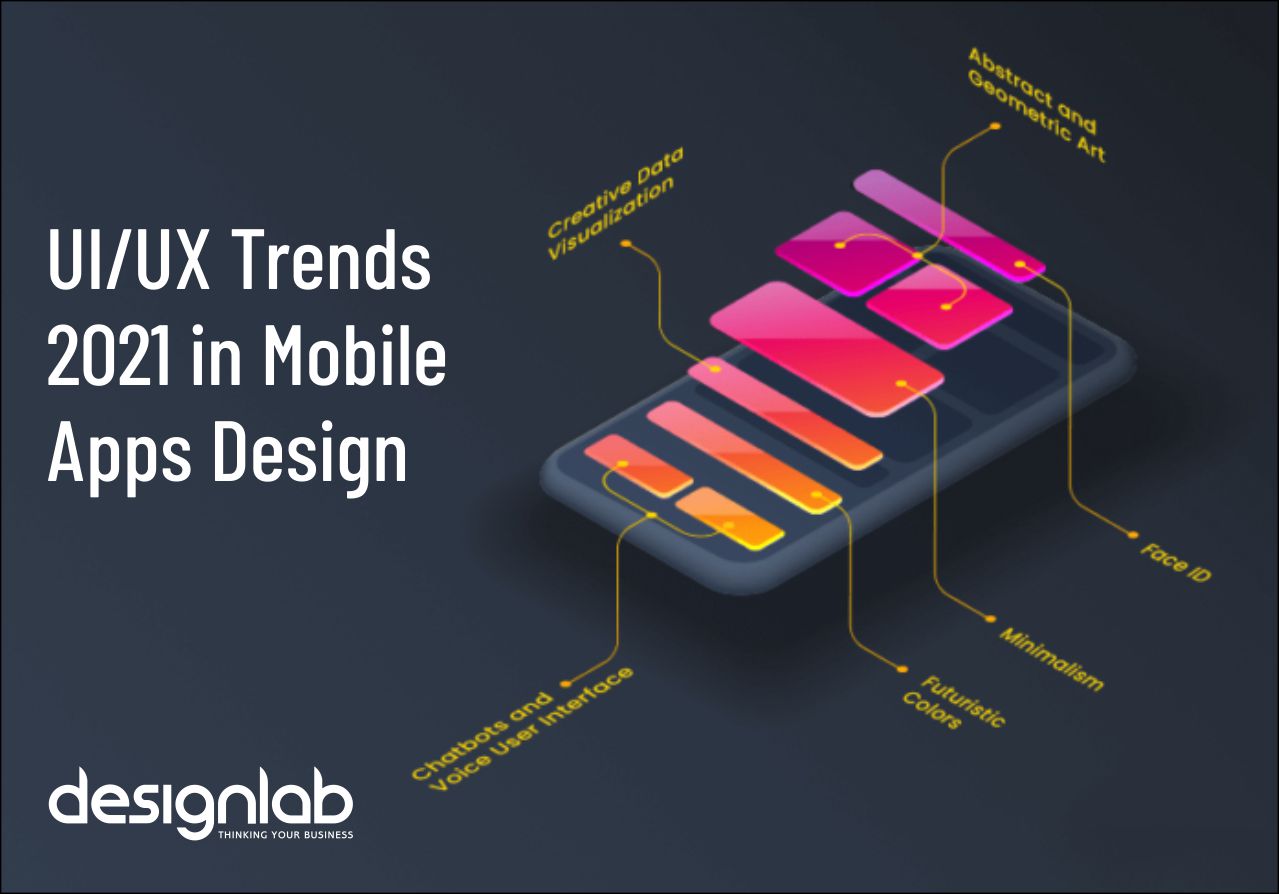
Any app's UI, or user interface, is its most significant component.
How will you know if you've created the ideal app design if you don't know how to test it? To answer that, you'll need to be up to date on the most recent trends in mobile user interface design.
The following are some of the greatest mobile app design trends to watch for in the year 2021.
UI Design Trends for Mobile Applications
UI/UX specialists have recommended the following mobile design trends. Using these might help your applications get seen by more people. Let's get started, shall we?
1. Augmented and virtual reality technologies (VR)
AR & VR mobile UI designs are among the most popular mobile UI design trends or one of the most recent mobile UI design trends.
The rationale is that contemporary programmes may integrate ever-increasing ranges of functionality. New possibilities have arisen as devices and networks improve in performance.
The increased level of interactivity in AR/VR apps and games is one of the primary reasons they are so popular. People are captivated by AR/VR and have eliminated the barriers between the actual world and the fantasy world.
This kind of AR/VR mobile app design opens up a wide range of possibilities:
- AR will make using Maps much simpler; more apps will be developed, particularly for visitors, gamers, and learners. AR delivers a fantastic user interface experience.
- For the creative touch, use imperfect visuals and fonts.
- Because of its compassionate touch, this UI design approach is being adopted. Imperfections are used to produce a magnificent and eye-catching appearance in this one of the greatest contemporary trends.
Freehand typefaces appear more unique than the typical hackneyed approaches. Irregularities and imperfections add to the authenticity of the images.
Icons and logos may be made distinctive and personalised with this tool; it can also make creative UI designs (App Interface design). It's possible to get help from the best mobile app design businesses and the finest UI/UX Trends 2021 in Mobile Apps Design. Visit DesignLab today!
2. 3D Elements
Because smartphones' hardware capabilities are improving, 3D components in applications are no longer a performance burden. In the past, 3D components or characters were mostly used in the game business. However, lately, 3D is being utilized for education, entertainment, presentations, etc., to boost apps UI design.
The use of 3D components enhances the UI's visual appeal. 3D apps will become more popular now that AR has been included. Shortly, these will be the most prominent UI design ideas.
3D components are projected to be used in a variety of ways in the future:
- Icons and transitions in 3D for an animated user interface
- Virtual and augmented reality games and apps
- Animated virtual assistants and 3D Chabot’s
3. Micro interactions
Tech giants have adopted the notion of micro interactions. There are so many options available in these programmes' user interfaces.
Apps become more engaging and user-friendly when they include micro-interactions. The app provides a wider range of alternatives for users to choose from. Micro-interactions include things like "likes," "reactions," "save," and so on.
Use of Micro interactions in Mobile App Design based on recent trends
App developers may give more functionality to one page of an app rather than build many pages thanks to micro interactions. Micro interactions are typically classified into Feedback and Loops.
It's possible to get help from the best mobile app design businesses and the finest UI/UX Trends 2021 in Mobile Apps Design. Visit DesignLab today!
4. Apps with Dark Mode Interfaces
The dark mode is becoming more popular to provide consumers with a more relaxing experience while using applications. Users don't have to bother native settings to adjust the brightness or turn the screen off.
Apps have already included this capability. Using mobile phones in the dark or at night is safer since users may avoid damaging their eyes from the bright light.
Even in low-light or gloomy environments, users' eyes are protected; the appearance is improved since other parts of the User Interface are highlighted; the device's battery life is prolonged.
5. UI Touches with A Nostalgia-Inducing Retro Feel
It's never too old to get retro. As long as your app is for marketing or e-commerce or has hundreds of episodes to watch, you may use a vintage look. Icons, typefaces, and colors in this magnificent style may keep consumers riveted to their screens because they are so visually appealing.
Magazines and literature-based applications are the most common places to find vintage themes. Retro mobile applications user interface design is predicted to take over more sorts of apps in the future because of its growing popularity.
Retro UI is expected to be used in the following ways:
- These vintage motifs are increasingly prevalent in camera apps and innovative marketing and information-based apps.
- An application's user interface may be aesthetically stunning with the right mix of antique graphics and cutting-edge animation techniques.
- Using Retro UI, create the greatest mobile apps possible.
It's possible to get help from the best mobile app design businesses and the finest UI/UX Trends 2021 in Mobile Apps Design. Visit DesignLab today!
6. User Interface Storytelling
Storytelling is a great technique to keep the user engaged and interested. Having tales on the app's pages keeps the user engaged for a long period. App developers may use storytelling to increase conversions by using the power of words.
Storytelling, on the other hand, has to be visually attractive. If you think your audience would be more interested in your content, including infographics, typefaces, icons, images, animations, or even movies, do so. When building a narrative for your UI, think about the user's point of view.
If you want to keep your customers entertained as they use your app, you may use storytelling to do it. It can also be used to educate them about the success stories of other app users, and it may even influence them into purchasing the product.
7. AI-Based Latest UI Trends
Users of applications may expect tailored interactions from their apps. Artificial Intelligence (AI)-powered UI designs can monitor user activity and personalize user experience.
These applications can anticipate users' needs and provide them with what they want. Apps like Netflix, Amazon, Spotify, and others use artificial intelligence (AI)-based interfaces.
For example, AI may be utilized for learning applications by offering users recommendations and shortcuts to help them master complicated equations based on their solution patterns; this trend will positively impact users' brains.
It's possible to get help from the best mobile app design businesses and the finest UI/UX Trends 2021 in Mobile Apps Design. Visit DesignLab today!
8. Chatbots
Chatbots are a new trend that app developers are embracing. An easier-to-use UI is made possible by these chatbots. These applications are handier for their users since they just need a command to go to the app.
Developers are working hard to make their programmes more accessible. As a result, this is a future that you should be a part of. There are many amazing instances of app UI design in applications.
Voice-activated chatbots or voice-activated mobile app chatbots Disabled users may benefit from using VOI-based applications, which are quicker to use since they rely on natural speech instructions rather than keyboard input.
9. Animated user interface
So much creative flexibility can be gained by using animated interfaces in applications. Animated transitions, floating letters, and walking chatbots may enhance the appearance and feel of an app, making it more attractive.
Developers are now free to make their applications as aesthetically attractive as possible when smartphones can run hefty programmes.
UI Design Trends for Mobile Devices:
- The following are some possible outcomes. mobile design trends such as the use of animated interfaces
- It can be used in mobile app design to generate scroll-based transitions and animations for visual storytelling.
- It's possible to use animated transitions to activate app features and switch between pages in a more visually appealing manner.
10. Stunning Graphics and Illustrations
The use of visually appealing photos may boost the aesthetic attractiveness of the UI. For example, high-quality images may be used to develop mobile apps and construct pages around them in an e-commerce app.
Using a high-quality UI for your mobile app may lead to more conversions than normal. The goal is to persuade them to buy something. To this end, high-resolution photos are quite beneficial.
Web/UI/UX Design App is used to develop aesthetically engaging app interfaces; product catalogues are shown, and clients are encouraged to purchase them.
Final Thoughts on UI/UX Trends 2021 in Mobile Apps Design
There is a lot of rivalry in the app market right now. It's not anticipated to slow down any time soon, though. Make sure your app looks decent before you start creating it. Modern mobile app customers are more concerned with the app's design and UI than its functionality.
As a developer or company owner, it's possible to get help from the best mobile app design businesses and the finest UI/UX Trends 2021 in Mobile Apps Design. Visit DesignLab today!
9 Social Media Trends You Need to Know to Plan Your 2022
Despite the busyness of social media in 2021, 2022 is expected to be even more hectic. And to help your business thrive and engage, keeping up with the social media trends is of utmost importance.
But worry not! We have got you the 9 Social Media Trends You Need to Know to Plan Your 2022. The following paragraphs outline our predictions for social media in 2022, along with the tactics marketers should use to provide a seamless consumer experience.
9 Social Media Trends You Need to Know to Plan Your 2022
1. The use of short videos will shape video metrics.
Short videos and live streaming capabilities, such as those introduced by YouTube with YouTube Shorts and Instagram with its declaration that video takes precedence over still photographs, have been more popular since TikTok took over the social media landscape.
If a link playback results in a conversion, marketers need to investigate this. Data from social media is being linked to sales or other metrics.
Plugins for business data solutions like Power BI and Google Data Studio are good places to look for correlation capabilities in reporting or third-party alternatives.
If you want to know more about social media marketing and want the best social media marketing and digital marketing services, visit DesignLab.
2. Influencers of all kinds are becoming more prominent.
A new kind of influencer has emerged as a result of the abundance of creative tools: the Creators. Creators vary from typical influencers in that they use these technologies to create their own unique content.
As a result of the outbreak, our perceptions of what constitutes useful information have shifted. Due to the restricted collecting choices during the epidemic, makers have earned a significant number of followers.
What Does This Mean for Marketers? Marketers now have to contend with two distinct types of influencers when it comes to building brand equity and maximising engagement. A micro-influencer opportunity is provided by creators, who may demonstrate the value of a solution.
If you want to know more about social media marketing and want the best social media marketing and digital marketing services, visit DesignLab.
3. The Main Feed's Evolution Has Begun
Social media platforms like Facebook and Instagram have long used algorithmic feeds to provide news to their users. As a result, there has been an outcry for platform strategies that concentrate on providing value to the people who use them rather than the attention-seeking techniques.
Several alterations are in the works to enhance the personalization and privacy of postings.
It was recently announced that Twitter's product and feature plan would see a two-fold increase in income by 2023.
Such moves reduce the company's reliance on advertising income while at the same time providing new features that purport to better serve its clients.
What Does This Mean for Marketers? Marketers should prepare for an increase in the number of features designed to improve consumer satisfaction. However, the majority of these features will be trialled before being sent out to the general public. The following trend shows why this is the case.
4. Social media accounts will be a hot topic
As the impact from the Facebook documents and the discoveries establishing Instagram as a detrimental effect on young users grows, so will public demands for social media platforms to account for their actions on them.
Exactly what type of legislation will be enacted is still up for grabs. Legislative progress will be shown via antitrust discussions. In the UK, authorities told Meta to sell its Giphy purchase due to antitrust concerns, limiting the capacity of big platforms to duplicate features from smaller platforms or outright buy them.
This isn't like Twitter's purchase of Periscope, which was quickly dismantled. Because of this, smaller platforms might remain a viable option for advertisers.
Expect more repercussions in 2022 to influence the digital media marketing strategies used by businesses to engage with their consumers.
5. Social Media Is Still Dependent on Ad Revenue
While the ad-supported news streams themselves are becoming stale, the money they generate continues to soar. According to eMarketer, despite a stagnant growth rate, Twitter's ad income in the United States will reach $2 billion by 2021.
This means that marketers should not stop promoting new ad features just yet, since digital advertisements are still likely to be a successful way to communicate with customers throughout the customer journey. However, as the need to show return on investment grows, more solutions will become available.
If you want to know more about social media marketing and want the best social media marketing and digital marketing services, visit DesignLab.
6. The competition will heat up because of slimmed-down media models.
We've all heard of the well-known social media sites with large followings. Even though it has been widely criticized for its business methods, Facebook, for example, recorded a rise in daily and monthly active users year over year in its earnings report.
There have also been new sites that provide media models that are reduced in order to make it easier to govern and safer for communities to socialize. Surprisingly, not all of them are social media hubs.
Instead of depending on algorithmic suggestions for interaction, all of these platforms want to empower users to build genuine relationships with their favorite artists or communities.
There's no demand for a "next Facebook" platform. Therefore it's unlikely to happen anytime soon. Generating money is a problem for businesses that have pared down their operations. An opportunity for both platforms and influencers to benefit from subscriptions, gratuities, or ticketed events lies at the end of the line.
Both Twitter and Spotify may be able to make use of these advantages more quickly, either for their present business models (podcasts on Spotify) or for new products that may be developed in the future (such as Twitter Tips).
In the end, this means that marketers must develop customer experience alternatives that don't look like attention-grabbing material in order to make use of these platforms.
7. Customer service will rise along with social commerce.
Since we've already spoken about it, we'll keep adding new social commerce capabilities to keep pace with the way consumers purchase products and services.
Even while customers have become used to making purchases and reserving appointments online, they now expect speedy service when they have questions or concerns about their orders or orders in general. Customer service-focused social media platforms have been around for a while. The outbreak has simply expedited the spread of these distribution methods.
In order to get the most out of new social media platform capabilities, marketers should focus on improving their customer service.
8. Augmented reality
People are beginning to become excited about augmented reality (AR), but there are still some worries. Consumers' reactions to virtual and augmented reality have been varied, according to a number of surveys (AR and VR).
"According to Bizrate Insights, almost four out of 10 US people have not utilized or are not interested in utilizing AR and VR when buying. Only 23% of those who haven't shown any interest in it have "According to eMarketer, this is the case.
As the metaverse becomes more competitive in 2022, scepticism may change. The metaverse for Microsoft Teams, Mesh, was introduced at the same time as Facebook's rebranding as Meta.
9. Correcting Social Media Metrics for Mental Health Issues
There is a newfound understanding of the negative effects social media use may have on one's mental health because of the epidemic. People may feel drained, tricked, and fatigued as a result.
How to react to a crisis on social media is an ongoing experiment. The hate numbers for videos on YouTube, for example, have been removed from the site's public view. Even though the number of dislikes isn't a conversion indicator, keeping it secret is an effort to reduce bullying.
Final Thoughts
We hope that these 9 Social Media Trends You Need to Know to Plan Your 2022 can help you business in a whole lot of ways. If you want to know more about social media marketing and want the best social media marketing and digital marketing services, visit DesignLab.
Top Digital Marketing Trends in 2021
Global turmoil in 2020 will have a major impact on the digital marketing environment in the following year. By embracing new technologies and huge social movements, brands are confronted with a whole new landscape of customer behavior.
Why are Top Digital Marketing Trends in 2021 essential for your brand?
There are a lot of moving components in digital marketing. SEO and social media may help you gain more traffic and awareness, as well as establish a brand. Using marketing automation will allow you to spend less time on tedious tasks and more time engaging with your customers.
You may find yourself "crossing the line" on search engine results pages when managing PPC. As new technologies and strategies emerge and algorithms like Google and Facebook's continue to change on a regular basis, many Top digital marketing firms and agencies (like DesignLab) find themselves constantly reinventing themselves to stay up.
Top Digital Marketing Trends in 2021
Digital marketers and their clients must prepare for a sea of change since "everything is different now,". Even we, DesignLab, as a Digital Marketing agency, in Pune confirm this. In 2021, there will be Top Digital Marketing Trends to keep an eye out for:
1. In Google search engine results pages, pay attention to the "Featured Snippet"
The "Holy Grail" of SEO has traditionally been to appear as high as possible on relevant Google searches. When it comes to competing with more and more sponsored content, Google's paid clients have benefited from everything from the "Shopping" results to the "Map Pack" results to highlighted YouTube videos.
With the introduction of the latest feature that can be incorporated in digital marketing as well, the "featured snippet," Google may now attempt to answer the user's inquiry without the need for the user to click on any links.
For digital marketers, this raises a problem—if customers can receive answers without clicking anything, how can one put the brand motto in front of them?
The "featured snippet” aims to provide just enough information to pique the user's curiosity and encourage them to click for additional information. So one doesn't need to worry!
2. Voice Search SEO
SEO's next frontier is voice search. There is a growing trend of people using voice-activated AI assistants as walkie-talkie search engines on their PCs or cellphones.
The results of voice searches differ from those of text searches, as SEO specialists are learning. In order to gain a larger proportion of the organic market, we predict that the year 2021 will see a rush to unlock the code of SEO for voice search. To know more about Top Digital Marketing Trends in 2021 and implement them in your business, visit DesignLab today itself!
3. Auto Bidding for Google Ads
Since its introduction in 2016, automated bidding on Google Ads has been steadily increasing in popularity.
2020 may be the final year you manually tune your Google Ads to achieve ideal results if you are a digital marketer. A human digital marketer cannot compete with automated bidding when it comes to fine-tuning and optimizing an ad.
Digital marketers may become outdated as a result of this. We do not think so, as long as they can commit more time and attention to other digital marketing channels—not just advertising, but the entire brand awareness, which is far more difficult to automate.
4. Segmentation of the Target Market
However, in 2021, study states customer segmentation will reach unprecedented heights.
Since Google and Facebook have so much information on their customers, these firms have a better grasp on them than even the most sophisticated brains. Segmentation done by hand is quickly becoming out of style. Big digital ad algorithms can micro-segment the right audience based on just 100 or so encounters.
Of course, the aim is to increase customer engagement and retention, which lowers advertising costs and increases client lifetime value. To know more about Top Digital Marketing Trends in 2021 and implement them in your business, visit DesignLab today itself!
5. Shoppable Posts on Social Media
More than half of Instagram users who saw a sponsored IG post purchased at least one thing, according to data, a digital marketing research firm.
We expect social media to become an increasingly important channel for e-commerce transactions, with more and more integrations that allow consumers to make their purchases without having to leave the application.
6. SEO for Image Search
Because of the revolutionary image-recognition AI technology Google Lens, search engine marketing has moved from words to images and videos.
This is only the beginning of Google Reverse Image Search!
Google now allows users to enter photographs into the search engine and get a wide range of contexts.
Photograph a plant and use it as a search term to determine whether or not it is toxic. Alternatively, they might geotag a friend's Instagram photo and submit it to their own Instagram account.
For digital marketers, image-searching is a new source of traffic that can be tapped into and used to promote their clients' businesses. To know more about Top Digital Marketing Trends in 2021 and implement them in your business, visit DesignLab today itself!
7. Non-Linear Customer Journey
Customers have come to anticipate a more integrated experience from businesses, especially since more and more transactions are taking place online. This includes buying, checking in on social media, waiting a week before making a purchase, and everything in between.
2021 will see a shift from the linear customer journey to a more dispersed constellation of touchpoints that make brands ubiquitous in the consumer's everyday life.
8. Messaging about "values" is the tenth most important topic
During 2020's societal upheaval, public awareness rises to the surface. Consumers want to know where the firms they buy from stand on a variety of topics, including politics, race and gender identity, and traditional values.
Instead of attempting to please everyone, we want corporations to take a position in order to polarize their audience into fervent supporters. Yes, there will be a few ferocious critics.
But when it comes to brands, it may be safer to wear their ideals on their sleeves and connect with like-minded individuals. To know more about Top Digital Marketing Trends in 2021 and implement them in your business, visit DesignLab today itself!
9. Keep Arm’s Length to the Ad-Blocker
Some 27 percent of Internet users are predicted to employ ad-blocking software by 2021, resulting in considerable income loss for many digital marketing gurus and their clients. We expect a high-stakes chess game to begin among digital marketers as a result of this.
We are all familiar with the dynamics of an arms race. The ad blocker makers will have to enhance their products and repair the flaws because marketers will find ways to get around the ad blockers. Just on cue for marketers to uncover new vulnerabilities to exploit.
Become a digital marketer in 2021 instead of a hacker if you enjoy thwarting security measures and bucking the system.
Example of Top Digital Marketing Trend
Snapchat pioneered the concept of "ephemeral" material, which is content that disappears after a certain amount of time (typically 24 hours). More than one million posts and photos are created every day by Snapchat users alone.
Other social networking sites became aware of Snaps' success and responded by creating their own versions, such as Instagram Stories and Facebook's MyDay. Consumer attention is being eaten by ephemeral information, and digital marketers will have to go outside the box in order to get their hands on it.
Because ephemeral content cannot be reused, automating it is more difficult. However, with so many people looking at ephemeral information, it cannot be overlooked. Thus knowing Top Digital Marketing Trends in 2021 can help you boost your business, and DesignLab can help you with it!
What Strategies Do You Have to Stay Ahead of the Digital Marketing Curve?
The digital marketing industry is always evolving, and new trends are constantly changing the way businesses sell their products and services. New and fascinating ideas in digital marketing and these Top Digital Marketing Trends in 2021 mentioned will help you emerge year after year as technology advances at an ever-increasing rate.
Digital marketers who stay on top of the latest developments are better able to serve their customers and remain competitive. As a result, digital marketing agencies like DesignLab can help you stay ahead of others in this digital era. An effective method of gaining this information and expertise is to enroll in digital marketing courses.
Top 5 Brochure Design Trends For 2021
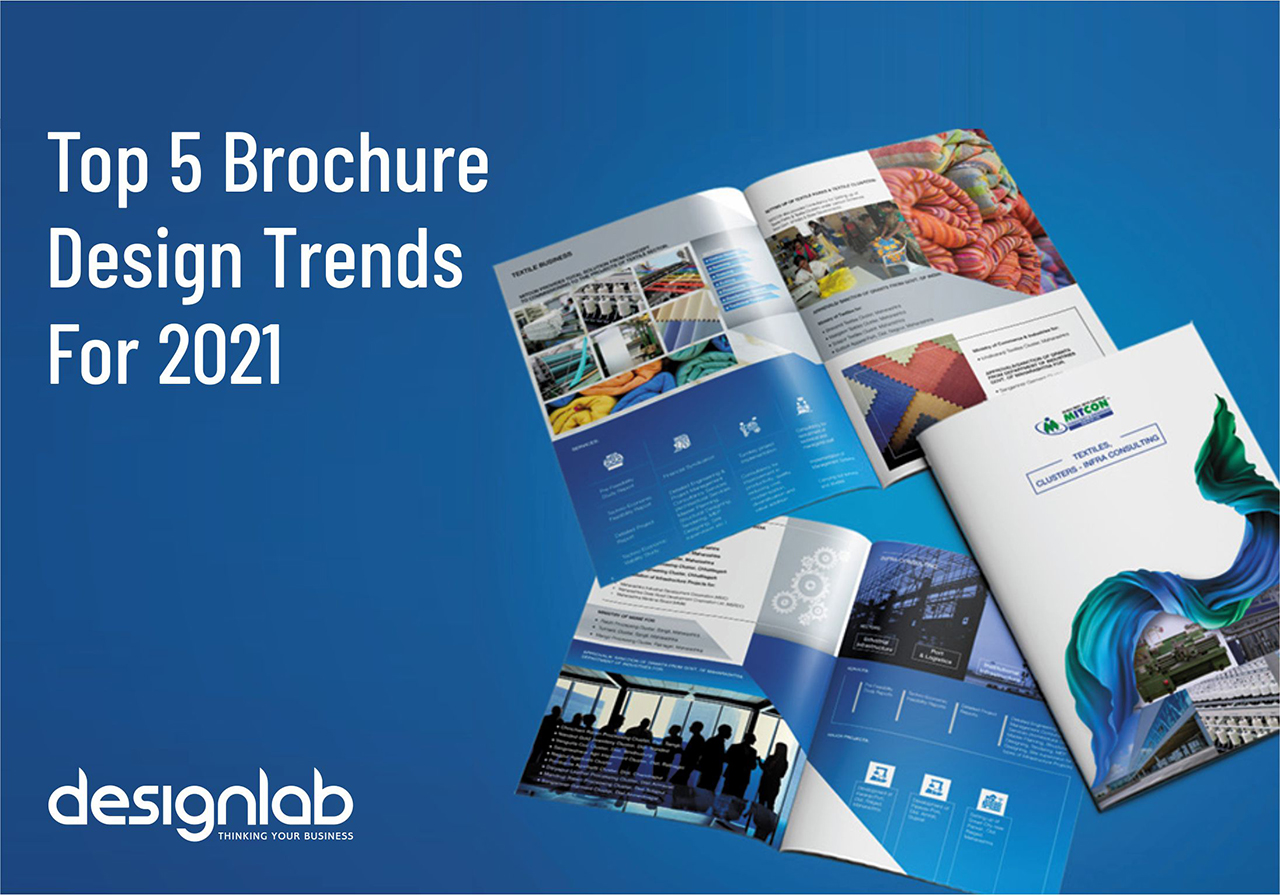
The conventional means of marketing have not been completely supplanted by digital marketing.
Brochures have not fully faded away, and they remain an important marketing tool. Several brochure design services companies specialize in creating and designing high-quality and visually appealing brochures.
However, just like any other design trend, brochure designs come and go throughout time, much like any other type of design. And, as a result, marketers are continuously on the lookout for new ways to get the attention of their customers.
Designers are particularly compelled to produce products that stand out as a result of this. A new brochure design trend emerges every year to provide enduring visuals for your marketing materials. So, what can we expect from this year's designers in terms of new ideas?
Why to update yourself with the Top 5 Brochure Design Trends for 2021?
It is important to keep up with current design trends if you develop a brochure for your firm. Your design needs to be eye-catching because the average duration a person spends looking at print content is 2.4 seconds.
Every year, new and old design fads develop and disappear. Some trends last for years, while others go away in a matter of months. Print, digital and virtual media can be mixed, and the borders between them blurred.
Comparing Brochures vs Pamphlets
Pamphlets and brochures are often mistaken for one another by the general public. Even though they appear to be the same, it is critical to recognize the difference. For a future event or campaign, you may rapidly determine which of these two will be most effective for your target audience.
Promotional materials such as brochures may be used to market a variety of goods and services. Bi-fold, tri-fold, or accordion folding are all options for putting the pages together. In the printing process, the paper is always of the highest quality.
Pamphlets, or flyers, are often informative and focused on a certain topic. They are printed on lower-quality paper and have a significantly smaller format than brochures.
What is the significance of design trends?
It is becoming increasingly difficult if you want to reach your target audience in a world where each individual sees hundreds of commercials every day. One of the most important aspects of today's marketing campaigns is well-planned and executed design.
Design trends may help your company's brand stand out from the crowd. Emerging trends, in general, present a sophisticated approach to attracting attention to a design. When it comes to design, it is all about experimenting and seeing what works best. A new trend arises if it performs extraordinarily effectively on a variety of tasks.
Designers and their clients have a wide range of options to choose from this season because of the wide range of styles. The top brochure design ideas for 2021 include typographic simplicity, psychedelic designs influenced by the 1960s, and more.
Designers at a top brochure design firm like DesignLab may use these styles and design components to produce one-of-a-kind brochures.
Top 5 Brochure Design Trends For 2021
You should know a few things if you are planning on creating brochures for an event or your company in 2021.
1. OUTSTANDINGLY ARTISTIC IMAGES
Although adhering to the rules at times, the usage of a variety of colors in typefaces indicates a tendency toward visually appealing components with pictures and colors.
The visual images are particularly well-known for creating stunning digital brochures. Using a combination of images and rich color, these brochures will have a strong impression when printed.
The most effective visuals are those that clients can relate to and understand easily. In addition, printers' progressive capabilities will encourage designers to experiment with more color, bleeds, and image options that work well with the printing options and paper they have chosen.
Brochure Design Firms like DesignLab Make Use of Illustrated Brochures
Curiosity is piqued in the minds of buyers by the use of illustrations in product design. The message is conveyed in an eye-catching and innovative manner.
There will be a variety of graphics used by brochure designers by the year 2021 in order to provide a unique perspective. They will also employ graphics to reach out to a certain demographic and spread a message about the business.
Customers' attention is more likely to be piqued by graphics that look more artistic than previous representations of services or items.
2. DETAILED VINTAGE
The impact and accessibility of vintage art have always been enormous. There is little question that this trend will persist beyond the year 2021. In 2021 and beyond, designers will look forward to incorporating retro components more enthusiastically in brochure design trends.
Retro-inspired designs have a long-term influence and convey the sense that a company has a long-term goal entrenched in the past while also anticipating the future. The vintage aesthetic is very effective in the beverage industry, where it is vital to maintain market dominance.
3. TONED-DOWN COLOR SCHEMES
The brochure design service providers might do the same, or you can choose a palette of subdued hues. Customers adore the newest color craze: muted tones. They create a feeling of oversaturation, which is what draws people in and keeps them interested.
Vibrant hues do not give you the same sense of confidence. Customers might also feel safe and nostalgic while using muted hues. Wellness and health businesses frequently utilize subdued color portfolios for this same reason. Designers at a top brochure design firm like DesignLab may use these styles and design components to produce one-of-a-kind brochures.
4. WARRING AGAINST A GRID WITHDRAWAL
They cannot dispute that brochure designers have had a love-hate connection with the grid for a long time. Sometimes, the grid takes center stage. Truth is honest. It all comes down to their sense of humor. In certain cases, designers want to avoid the grid entirely, like a commemorative plaque.
Despite the fact that a few designers continue to use the grid in their logo designs, more and more designers are moving away from it in favour of a more free-form approach. The result is a unique yet visually appealing brochure design that defies convention.
Specifically, a design that demands attention. Designers at a top brochure design firm like DesignLab may use these styles and design components to produce one-of-a-kind brochures.
5. LOW-COST MANUFACTURING
'Less is more' continues to be a popular mantra in an era of minimalism. This will have a long-term effect on the design of brochures in 2021. Quality control and printing should be less of a worry for designers that specialize in designing brochures with limited graphics. By avoiding reverse type, they improve readability.
There is less chance of ink spreading if the background is whiter. Designers at a top brochure design firm like DesignLab may use these styles and design components to produce one-of-a-kind brochures.
Final Thoughts on Top 5 Brochure Design Trends For 2021
Top 5 Brochure Design Trends For 2021 include employing drawings, subdued color palettes, and basic design, avoiding the grid and emphasizing visual pictures and historical details. Designers at a top brochure design firm like DesignLab may use these styles and design components to produce one-of-a-kind brochures.
Choosing a design trend for your next project might be a daunting task because many options are out there. Although it may seem trivial, choosing a design style is an important first step in every project. You should choose a design style that will appeal to your target audience and make you stand out even more.
So to get started on these Top 5 Brochure Design Trends For 2021, visit DesignLab today only!
5 Reasons to Digitize Your Business
Entrepreneurs face a variety of difficulties, including shifting customer preferences, advancing technology, and the expansion of rival enterprises. It is easier for new firms to come up with novel business models since they may apply fresh ideas to an existing one.
The ability to establish their niche and beat out the competition allows them to generate money. At the same time, established firms confront the problem of adapting to these developments or risk being overtaken by their competitors.
Examples of companies that have failed to innovate include Blockbuster Video, Toys R Us, Netscape, etc. Adapt or perish is the adage!!
Digitizing corporate processes and operations is a new technology trend in response to these issues. There are many Reasons to Digitize Your Business.
In order to deal with new business difficulties, such as better ways to communicate with your customers, a better model for what your customers desire, and an improved customer journey and lifecycle through your business, such an attempt may entail organizational and internal reforms.
What is digital business transformation?
Traditional corporate practices are being replaced by the adoption of social, mobile, and digital technology, which we define as digitalization.
Business operations and procedures are improved as a result of this adoption. In contrast to this, some see digital transformation as a bridge between customer demand and the products and services offered by businesses.
It is the adoption of new and enhanced digital tools and methodologies for business processes that is referred to as Digital Transformation. It has a direct influence on the efficiency and quality of service delivery to customers.
As a result, organizations can flourish through a combination of traditional operations and experimentation with new technologies.
Traditional Methods were overtaken by digital transformation.
When it comes to governance, operations, and general administration, many firms rely on paper documents. However, the digitalization of these papers is essential. Increases operational efficiency, improves workflow, and promotes customer and public impression of a firm by converting paper documents to digital ones.
To make matters even more secure, digitalization assures that electronic copies of paper records will always be available. Affected businesses include those in the health care, banking, and legal sectors.
5 Reasons to Digitize Your Business
A company's efficiency and profitability can be boosted significantly by digitization, but like other big enhancements, digitization comes with costs and hazards.
It is, fortunately, possible to eliminate these drawbacks with good research, administration, and control of the process by businesses. Entrepreneurs in the 21st century should consider turning digital for a number of reasons, including these 5 Reasons to Digitize Your Business:
1. It will allow you to be more flexible with your personnel plans
As a result of digitization, workers may work from home or from other locations. Additional advantages include the possibility to reduce a company's environmental footprint dramatically.
A company's ability to retain employees can be boosted by allowing them to work from home.
An additional benefit of digitization is that it may help companies save money by reducing the amount of office space they need.
2. Using this service will save you time in the long run
There is an annual cost to a company that exclusively uses paper documentation of thousands of dollars in staff time spent maintaining, locating, and updating these documents. In many cases, the information included in these publications is only useful in a certain context.
Rather than having employees sift through enormous volumes of extraneous text and data with the aim of locating the exact piece of information they need, it makes sense to convert them to digital form for as-needed electronic searching.
3. It will assist you in the event of a crisis
Prepare your business for any tragedy or emergency by preserving paper records in a cloud-based storage solution. In the aftermath of a natural disaster, it will be considerably easier to restart corporate operations if critical information is still accessible online.
Do not waste time and effort searching through a jumbled mess of potentially compromised documents when you will be focusing on disaster management as CEO.
4. Ensuring compliance is simplified
Most firms confront a wide range of compliance concerns, from the state, municipal, and national governments, as well as industry regulatory bodies.
Many rules and regulations have been passed by the federal government over the past few decades governing the usage of papers by businesses.
These rules may address issues like client privacy, financial accountability, or record-keeping practices. Non-compliance penalties can be severe for companies who lose original paper documents without electronic backups.
5. It will make your business more efficient
Information governance is becoming more and more important to businesses (IG). A simple definition of IG is that it is a strategy for storing and retrieving all of a company's operational documentation.
The entire efficiency of managing and dealing with both physical and cloud-based components is increased by a well-structured IG policy. In the event that a document's physical form is damaged or lost, its digital counterpart can still be accessed through the use of an IG plan.
Using this approach, personnel at numerous service points within an organization can have immediate access to shared data. Formalized office procedures for dealing with information as a critical resource are also beneficial.
Project cost overruns cost organizations billions of dollars every year because of poor-quality data, according to recent research. The more information you have access to through digitalization, the better your chances of improving the quality of the data they include.
What are the best ways for firms to undertake a digital shift?
You may get a Digital Facelift for your business by contracting with a company that understands your sector and the issues you encounter.
Businesses are able to meet the need for change while still being able to focus on their core operations thanks to these services. As a result, organizations are able to achieve the greatest potential results while reaping long-term benefits.
Finding the proper digital company transformation strategy and technologies is critical for success when a firm undertakes a project like this, this aids in cutting costs and increasing profitability.
There are a slew of options here. Businesses have two options when it comes to implementing change: they can either do it themselves, deliberately and methodically, or they can outsource it to a third party.
Final Thoughts
The number of full-time employees required to manage and handle paper records can be reduced by digitization.
In addition to reducing or eliminating the expenses of transporting documents from one location to another, electronic files significantly reduce the amount of time needed to locate and retrieve essential information.
Nearly two-thirds of American firms in a recent poll saw a good return on investment within two years of implementing a digitization program. So what are you waiting for? Visit DesignLab for more.
How Voice Search Will Change the Digital Marketing Landscape
It is no secret that the Internet has become an essential part of our personal and professional life, but how we use it is constantly expanding. However, it is vital to note that the Internet's immense size and rapid growth have made it a crucial part of our internet use. 90% of all data in the globe was produced in just two years!
Voice search, on the other hand, is a relatively new addition to the market. Why should marketers care about voice search? As we will see below, voice search is becoming increasingly popular and can transform digital marketing as we know it.
What exactly is voice search?
For example, a voice search is a form of technology that identifies your speech so that you may search for items by simply voicing your query out loud rather than entering it into the search bar. Since the rise of smartphones and other portable gadgets, the number of people using them has increased.
- Search a search engine using speech recognition technologies if desired.
- For example, ask for the latest sports score.
- Look through your computer's files for any videos or audio files you may have.
- Start a program or make a specific selection in the menu.
- Specify what you want.
- Make a phone call.
But this is not an entirely novel software concept.
There has been a long history of speech recognition software, dating back to the 1950s.
Customers may now be sent to the appropriate service department via the voice receptionist, thanks to the same software used back then.
You may also be familiar with the concept of voice typing. However, this frequently led to additional time spent fixing typos in the written word. When users could not understand how speech recognition software helped them because it saved them little or no time and made certain chores even more time-consuming, there was a period of distrust.
Since then, it has been evident that certain corporations have invested a significant amount of money in creating and refining this software. As a result, the software can now recognize the distinct tones and dialects of human voices. In reality, most systems delivering this sort of software currently have an error rate of less than 5%.
What is the purpose of voice search?
Are voice-activated search systems just another "fad" that will come and go, even though several industry-leading devices are on the market? No, that is not that way at all. It is estimated that 35 million people in the U.S. have used one of these gadgets on at least one occasion every month.
Consumers are simply integrating voice help into their daily lives, according to a recent survey by Google. Google found out about it:
- People's lives are being made easier by voice-activated speakers.
- A voice-activated speaker is like having your assistant since it allows you to multitask, perform tasks faster, and get rapid answers to your inquiries. It saves you a lot of time and effort.
- Amazon Echo has sent an email outlining the various things you may ask Alexa:
- Incredibly Useful Emails
1. The center of the house is a voice-activated speaker
With 52% of respondents saying they have them in their living rooms, 25% in their beds, and 35% in their kitchens, people make them the centerpiece of their daily lives (22 percent ).
Every day, people use voice-activated speakers.
More than two-thirds of those who use these gadgets feel they have become an integral part of their everyday lives. To get things done fast, they utilize them to create reminders, check their commute times, set alarms, and more.
2. Humanistic technology can be found in voice-activated speakers
Thanks, please, and sorry is frequently used to express gratitude for machines, as if they were real people. More than 40 percent of respondents say they feel like talking to a real person or even a friend while using their voice-activated device.
3. Brands can put their best foot forward with voice-activated speakers
Users of voice-activated devices appreciate brands as part of their whole experience. When it is relevant to their lifestyle, they are open to learning more. According to Google, if you use a voice-activated speaker regularly, you are more likely to use it to purchase it in the next month.
Fifty-eight percent of those who use a voice-activated speaker regularly said they use it to manage or create their weekly shopping lists.
At least once a week, 44 percent of people who use their voice-activated speaker typically order household products, food, and other necessities via it. Is it not conceivable that these statistics will climb as the popularity of these voice-assisted gadgets grows?
4. Everything has been optimized for screen-based outcomes when it comes to SEO
However, if you remove this screen, all of this hard work is pointless. In fact, Google Home and Amazon Echo are already causing more of a stir among consumers than the likes of Siri on smartphones.
The way we get to the top of the rankings will look radically different if you imagine a world where you are only given a few options, or maybe even just one. If you want to be the most relevant search result, how are you going to do that?
Yes, search results can be sponsored. For the time being, we do not know much about what is going to happen, and as we all know, Google likes to make its own rules whenever it wants to.
Use these marketing hacks to get the most out of voice search
Despite the fact that voice search is still a bit of an unknown, you may still get ready for the changes that are about to come. You can do a few things right now to make sure your company is ready for voice search.Among them are:
1. Think about what the person is trying to accomplish
There are several differences between searching with your voice and typing it, and the most common one is that you are more likely to be quite particular. The cost of a product, the hours of operation of a local store, the availability of a certain product, and so on are examples of this type of information.
2. Answering these questions is an important part of creating the content for your website
Do not hide any of this information from search engines by concealing it in pictures or by using HTML to make it easier for spiders to access this stuff.
3. Make use of keyword phrases that have a long, descriptive phrase
That voice searches are generally more exact and detailed than written searches is also crucial. They have a more conversational feel to them and are more likely to mimic the sound of a person's voice. In order to rank effectively for these sorts of inquiries, you should ensure that your content incorporates these key phrases and conversational keywords.
Although 70 percent of all web searches use long-tail keywords, their importance does not diminish. Ad campaigns that target long-tail keywords, which are less expensive to bid on but have higher click-through rates, are a good place to start. Why?
The more relevant search phrases you appear for, the more likely it is that the user will find your material valuable. There is a lower chance that they will click on it and immediately leave the website.
4. Your Google My Business page should be updated
It is critical to keep this data current for voice search SEO, especially if you want to get "near me" queries. Try to make it as complete as possible, including information about local parking, hours of operation, and so forth. Also, you may wish to include photographs.
Your consumers will appreciate the more information you can provide them with. Your site's spiders will be able to find this information more readily if you make it easy for them to obtain it.
Final thoughts
You simply do not ignore voice search anymore, whether you are already embracing it or just getting around to it. Given the overwhelming probability that this trend will intensify over the next several years, the time to get ahead is now. Visit DesignLab for more.
How Mobile Apps Can Help Optimize Your Business Prospects
In the last decade, technology has advanced tremendously, and the world has been turned upside down as a result. There is no kind of life that has not benefited from the advancement of technology. Users profit from the addition of functionality to a compact device such as an e-reader or mobile phone.
The operator's burden can be minimized by utilizing equipment that features software that allows them to specify the job based on its intended use. The applications are in vogue at the moment. Because it is fast and does not require any human interaction, they are always busy.
The Use of Mobile Apps in Various Industries
Businesses, food industries, and other field occupations use the software. When used in a corporate setting, the app has the potential to reach millions of individuals because of the portability of a hand-held device. Thus, attracting a larger audience is critical to the success of commercial apps.
Any entrepreneur's main goal is to build their firm. Consequently, it is only possible to nurture a firm that is always growing and developing. A businessman's life might depend on it. Where software helps the firm to generate enormous growth and goodwill.
Apps are software that may be used on a mobile phone at any time and in any location to perform a variety of tasks. For the exact purpose at hand, they have been crafted to perfection.
Net banking
Net banking, which might involve money transactions or card blocking, is the primary function of bank apps. When it comes to making payments and other financial transactions, the user does not even need a bank account to utilize these applications.
Ecommerce store
We can witness the rise of Amazon and Flipkart, for example, if we look at the expansion of online shopping applications. In part, this is due to the widespread use of its mobile applications, which allow users to place orders without having to leave their homes. They become a necessity for most individuals, and they simply do not live without them.
It is the responsibility of the app developers to ensure the seamless operation of mobile phone apps. There will be no purpose for applications that do not work and have flaws in their construction if they do not meet the user's needs and do not reach out to the public. There are a variety of features that are necessary for selling online, including return policies and exchange policies.
It is a simple feature, yet it is frequently accessed. Because of this, applications should provide all of the features that a user needs. As a result, the app developer should pay attention to what the user wants and build the app properly so that it may reach a larger audience and the app's users can also recommend the app to their friends if they are entirely pleased with the app. The applications may play a significant part in the company's growth and development. Let us talk about it.
The benefits of using apps for business growth
Nowadays, cell phones are a common sight. For the company's growth, they play a significant role. To reap these benefits, your firm should spend time developing a mobile app.
1. Make it easier to get in touch with you
Because the business is not mobile, it cannot be carried to the customer's door. However, by using the app on a mobile device, customers would be able to contact the business from any location. This means that the apps will be able to connect with a large number of users simultaneously, regardless of location.
It is the primary advantage of developing an app for any business that can reach a large audience and enhance growth. For a firm to thrive in today's economy, it has to be accessible to as many individuals as possible.
2. Enhance the company's reputation and revenues
It is essential for the company to boost sales and goodwill in order to remain competitive in this industry. Since numerous users may engage with each other simultaneously, the amount of traffic can be properly handled.
The more people utilize the service, the better the company's reputation will be. The applications will eventually aid the company in sustaining itself in this competitive industry by providing efficient services. As a result, it is possible that the apps are an essential component in promoting the firm and enhancing its reputation in its industry.
Yes, apps are without a doubt a user-friendly feature. Even while mobile applications have their drawbacks, they can only be used when the mobile device is completely linked to the Internet. Apps will not work in situations where you cannot connect to the internet, therefore the task might be canceled. However, the applications are best suited to this culture.
3. Become familiar with your former customers
For businesses, the most important benefit of using apps is the ability to engage with their customers. The prior client's information can be kept on file at the business and retrieved as needed. If the company has access to the data from the applications, it may promote the company's new products and services to its previous customers.
App alerts and other features given by the application allow customers to stay up to date on the latest bargains and offers.
As a result, the applications assist to establish a long-term relationship with the consumers and might draw attention to the company. It also draws customers to the firm because of its constant announcements about it.
4. Interacting with a smaller number of people
Any corporate function may benefit from mobile applications, which save up employees' time and improve the accuracy of human interactions. As a result of the internet banking apps, which customers may use at any time and from any location. You do not have to adhere to the bank's 9-5 schedule when using the app.
For modest transactions or tasks, this app requires fewer bank officials because it can be done via apps more quickly and effectively. A simple and uncomplicated program may be used to lessen the commotion in the bank or any other establishment. Access to these applications may be obtained from any part of the world.
Invest in an app today itself
Competing in today's market requires small businesses to keep up with the latest trends and have a strong mobile presence. Build a mobile app if you also want to improve your brand and make your services more accessible to your clients.
Businesses across the world are going to create apps for their business so that they may push it to a new level and reap the benefits of these applications for themselves and their customers.
Investing in mobile applications is usually a smart idea because they expand your company's potential.
In today's world, most individuals utilize mobile applications on a regular basis. In the event that you have a successful business but do not have a mobile app for it, you will be missing out on a number of wonderful prospects and excellent publicity.
Conclusion
Using mobile applications has become an essential component of our company. Promotes your company to a higher level. From a commercial standpoint, there are several advantages to developing mobile applications, including increasing your company's prospective clients as well as revenue. Your software must have a user-friendly layout and unique features that help it stand out from the rest of the pack.
The finest mobile app development firms in India can help you construct the greatest mobile applications for your business if you are also interested in doing so. For more details, visit DesignLab.
What is the Difference between AWS and Azure
Every firm has to have a way to store its data. Conventional storage systems ruled the technical world in the past, where data was stored on physical storage devices. Organizations, on the other hand, have become more concerned about the safety and security of storing critical data in one location.
When technology revolutions began, businesses began moving away from traditional storage devices and toward more advanced and efficient cloud storage options. Because of cloud storage platforms, firms do not have to worry about losing their crucial business data anymore. The use of the cloud has revolutionized the way businesses store and manage their critical data. The internet is used to access data stored on cloud-based storage services.
A cloud service provider is a company that provides network and infrastructure services for the cloud (CSPs). There are two major cloud service providers, Amazon and Microsoft, respectively. Microsoft Azure is a different service than Amazon Web Services.
What is Amazon Web Services (AWS)
Amazon Web Services (AWS) is a cloud computing platform provided by Amazon. To help organizations grow and thrive, it provides a range of services in many areas like computing and storage. Many applications in the cloud can benefit from the utilization of these domains in the form of services.
To achieve a scalable and successful outcome, these services are designed to function together. You may find a wide range of AWS services, such as infrastructure, software, and platform on the AWS platform (PaaS).
Founded in 2006, Amazon Web Services (AWS) has become one of the most popular and widely used cloud computing platforms. There are several advantages to using a cloud platform, such as cost savings and a decrease in managerial overhead.
What is Microsoft Azure
A cloud service platform developed by Microsoft, Microsoft Azure offers a wide range of services, including computation, storage and networking as well as a variety of databases and other functions that help organizations grow and improve their operations. PaaS, SaaS, and Infrastructure as a Service are three types of Azure services (IaaS).
These services are used by developers and software personnel to construct, administer, and organize cloud-based services and applications. As of 2010, Azure is a Microsoft product.
To become one of the most popular cloud service providers in the commercial sector, Analytics, computing, networking, database storage and web application are just some of the cloud services and functions that may be seamlessly integrated into your environment to achieve both efficiency and scalability.
What is the Difference between AWS and Azure
In the majority of cases, AWS and Azure serve as the primary cloud platform of choice. They are, nonetheless, distinct from one another. Some important contrasts between them will be discussed below.
- Pre-configured images are available for AWS EC2 customers, however Azure users must pick a virtual hard disk and specify how many cores and how much RAM they need to establish a virtual machine that is pre-configured by a third party.
- Second, AWS provides temporary storage, which will be assigned and demolished once an instance has started and finished, and S3 object storage. Temporary storage may be provided via page Blobs for virtual machines, as well as via the use of Block Blobs for object storage in Azure.
- However, Azure's Virtual network may be used to establish isolated networks, subnets, route tables, and private IP address ranges similar to AWS's VPC. This is a major difference between the two services.
- In contrast to AWS, Azure allows for the use of hybrid cloud systems, whereas AWS does not.
- In contrast to AWS, which charges by the hour, Azure charges by the minute, which provides a more precise pricing approach.
- As a result, AWS has a wider range of features and customizations as well as a wide range of third-party tool integration. Azure, on the other hand, is a Windows platform and can be readily linked with on-premises Windows servers to create a hybrid cloud environment that is familiar to consumers.
Services that may be compared between Azure and Amazon Web Services (AWS).
1. Computational Power
In AWS, computers are utilized to do calculations, processes, and computations. Users can grow thousands of processing nodes via cloud service providers. When it comes to managing software containers using Docker or Kubernetes on AWS, the company relies on ECS and EC2 container registry.
Virtual machines are used for computing in Azure, and in order to scale to a significant extent, virtual machine scale sets are employed. It makes use of the Container Registry and the Container Service in the Docker container to manage the program.
2. Networking and connectivity
VPC is used for networking, while the API is used for cross-premises communication. Elastic load balancing, or ELB, is used to distribute network traffic. Azure utilizes a virtual network for networking and content delivery and a VPN gateway for the cross-premises connection. An application gateway is used to distribute the load during content delivery.
AWS uses Simple Storage Service, i.e. S3, which has been around longer than Azure and provides a wide range of documentation and tutorials for users to learn from. In addition, it enables data archiving and S3 occasional access through Glacier.
Azure employs a Storage block blob, which contains blocks and uploads big blobs efficiently, for storage purposes. Storage cool and storage achievement are used for data archiving.
3. Databases
Databases are available in both SQL and NoSQL solutions from all cloud providers. RDS, a relational database service provided by AWS, is used in conjunction with RDS. For DynamoDB and Elastic ache, it leverages NoSQL and caching. These databases are used by Azure to store relational data. For NoSQL solutions, Cosmos DB and Redis Cache are used.
Both AWS and Azure feature comprehensive database services, regardless of whether you require a relational database or a NoSQL database.
There are six prominent database engines supported by Amazon's relational database service (RDS).
- Amazon Aurora\sMariaDB
- SQL Server by Microsoft
- MySQL
- Oracle\PostgreSQL
- In contrast, Azure's SQL database is based entirely on Microsoft SQL.
- NoSQL and relational databases are compatible with both platforms. They are readily accessible, long-lasting, and easy to reproduce.
Despite the fact that AWS has more instance types available, Azure's interface and tooling make it simple to conduct a variety of database operations.
4. Deploying of applications
Using a cloud service provider is advantageous in that it is simple to install an application. Using PaaS features, developers must deploy their applications on a variety of virtual servers.
Apps may be deployed to different servers using a variety of techniques in Azure. Container service, functions, batch, cloud services, and so on are examples of these technologies. Elastic Beanstalk, Batch, Lambda, and the Container Service are all AWS offerings. However, it lacks a number of app-hosting functionalities.
5. Open source contributions
For open source developers, AWS is a fantastic choice since it permits Linux users and provides a wide range of integration options for open source apps. Azure provides the possibility for corporate customers to sign on to the Azure cloud platform and run the.NET framework on Windows, Linux, etc. using their existing active directory account.
6. Pricing
Choosing software solutions is not always a matter of going with the best option available, but rather of going with the cheapest one. Fortunately, AWS and Azure both offer prices that you do not have to worry about pitching to higher-ups.
In order to give you a flavor of how AWS and Azure's systems can work with your on-premise applications, they both provide free starting levels. However, the pricing structure is vastly different once you have signed up.
If you do not like the service, you may cancel or amend your contract at any moment. AWS costs by the hour, with instances available for purchase.
Final Thoughts
It is clear that both AWS and Azure have excellent capabilities, and it is difficult to choose one over the other based on the comparison and differences above. In terms of flexibility and functionality, AWS is a better option than Azure, but when it comes to integrating with Microsoft's cloud platform, Azure is a good option. As a result, businesses are free to select from a variety of cloud platforms to meet their specific needs.
Guide to Saving Money with Mobile Apps

Maintaining a tight budget, reducing expenditures, and putting money aside for the future may be difficult tasks – but your mobile phone can assist you in accomplishing these objectives.
Mobile couponing applications, budgeting apps, and even investment apps may provide you with immediate savings, insights into your spending patterns, bill reminders, and other benefits directly on your phone. Some even let you make money simply by purchasing groceries or filling up your gas tank, which is very convenient.
But which applications are the most appropriate for you? Here are our top ten choices for smartphone applications that may help you save or perhaps make a significant amount of money.
Eight money-saving smartphone applications to help you save money
1. Ibotta
Ibotta brings a fresh perspective to the concept of clipping coupons. On the contrary, when you fulfill offers made available by the mobile app, you get cashback instead of saving money on your purchase.
Sign up for Ibotta, choose the deals you want, and then start shopping. After you've made your purchases, scan your receipt to see if there are any deals available that you may have missed out on. Your cashback will be credited to your account, and you will be able to pay out whenever your balance reaches $20.
To make things easier for yourself, you may link your loyalty cards to the mobile app and eliminate the need to scan receipts. Purchases may also be made directly via the mobile app itself, allowing you to earn even more cashback while shopping at online stores such as eBay and Amazon.
2. RetailMeNot
Store coupons, online promo codes, discounts, and cashback deals are available via the RetailMeNot app, which has more than 5,000 retail partners and 70,000 brands globally.
Using the app, you may search for discounts by shop, brand, category, or area, among other criteria. Choose one that appeals to you and provide the barcode or discount code to be eligible for the promotion.
Throughout the year, RetailMeNot has unique deals centered on various holidays, making it a useful tool to keep in mind while you're out shopping. It also provides cashback on gift card purchases, as well as a medication savings program that sends discounts to your phone straight from a third-party vendor. Want to make an app like the ones listed above? For the best Mobile App Development services, visit DesignLab.
3. Mint
Mint is a budget and spending tracker developed by Intuit that is intended to assist you in keeping track of where your money is going and making wise financial choices.
You enter your bills, bank accounts, credit cards, and investment accounts into the app. It then takes care of the rest. Mint consolidates all of your financial information into one location, allowing you to quickly view future invoices, get reminders when payments are due, classify your spending, create budgets, track your purchases, and receive alerts when questionable transactions occur.
Create a budget, which may involve setting aside money for a particular goal. Then, using Mint's features, make wise spending choices throughout the month in order to get closer to your financial objectives. In addition, make use of the bill-management features, which may assist you in avoiding being charged late penalties if you make a payment on time.
4. Groupon
Product discounts and deals are accessible both locally and online via Groupon. These discounts and deals are available for a short time on goods, tickets, gift cards, meals, travel, and experiences.
Try searching for and discovering a deal that interests you. Pay via the Groupon app, and you'll either get a coupon that can be used at the time of purchase or be able to make an order that will be delivered to your home.
Groupon is linked to a number of different savings programs, including Ebates. When you can, combine deals to get the best deal possible. Consider Groupon's Deal of the Day and Extra 20 percent Off checkout coupons, which are updated on a daily basis and may save you even more money. Want to make an app like the ones listed above? For the best Mobile App Development services, visit DesignLab.
5. GasBuddy
The GasBuddy app takes the guesswork out of finding the greatest bargain on petrol by comparing prices from several gas stations. It may be used to discover the most affordable gas in your region.
Select your desired grade of gas and search for the most competitive pricing. Enter a city or zip code, or use the map to find your location. Also available is the ability to activate location services, which will provide a list of pricing in your local vicinity.
The free GasBuddy Pay with GasBuddy program provides you with a five-cent per gallon discount when you pay at the pump using their card, which is linked to your bank account. Upgrading to the Plus or Premium payment plans may save you up to 20 cents per gallon and provide you with free roadside assistance, but both programs need a monthly membership charge to participate.
6. Digit
Digit assists you in establishing and achieving savings goals by monitoring your expenditure and automatically putting money away for your benefit. A $2.99 monthly membership cost is charged after the first 30 days of using the app for free.
Connect Digit to your bank account, and then set up savings goals for yourself. Your expenditures, checking account balance, and future payments are all tracked by an algorithm in this application, which calculates a suitable amount to take from your checking account and deposit into your savings account.
Among the incentives offered by Digit are up to $5 in referral prizes, as well as a 1 percent yearly cashback return depending on the average amount of money you have in your app account. It also sends you daily text notifications regarding the activities on your checking account. Want to make an app like the ones listed above? For the best Mobile App Development services, visit DesignLab.
7. Acorns
A Mobile App Development called Acorns allows you to round up every purchase to the closest dollar and put the excess change into a retirement account, according to the company. The app has three different price tiers: $1, $2, and $3 per month.
To link your Acorns account to a bank account, debit card, or credit card, click here. Make a purchase using a connected credit card or bank account. Following the choices you've set up, Acorns rounds up the price of each purchase to the closest dollar and automatically invests the excess change in your account.
Increase the effectiveness of your investment by setting up a recurring amount of money to be sent from your bank account to your Acorns account to assist you in making more investments more quickly. You may also take advantage of cashback incentives from companies such as Airbnb, Lyft, and Barnes & Noble to make extra investing money.
8. GoodRx
Using GoodRx, you can check prescription costs at more than 60,000 pharmacies and discover savings possibilities on your prescription medications.
Run a search for each of your medicines, and you will be presented with a list of pricing and discounts available at pharmacies in your neighborhood. Coupons may be delivered straight to your phone or email account, where you can then print them. When you go to pick up your medicines, bring the coupons with you.
Even if you have prescription coverage via your insurer, GoodRx may be able to provide you with rates that are less expensive than your copays. You may also use the Mobile App Development to discover discounts on your pet's medicines, which can save you money. Want to make an app like the ones listed above? For the best Mobile App Development services, visit DesignLab.
Final Thoughts
A lot can be accomplished with these smartphone applications in terms of working toward your financial objectives, whether they be establishing a financial safety net, cutting costs, or even purchasing a home.
Simple actions may result in significant savings over the long run, and applications like these make it simple to take action. Want to make an app like the ones listed above? For the best Mobile App Development services, visit DesignLab.
Best Practices for Mobile App Development
Creating trust in today's technologically advanced and computer-driven world is possible via a variety of techniques such as password sharing, zero-knowledge proof, asymmetric keys, end-to-end encryption, and so on.
Furthermore, there are certain generally recognized recommended practices for developing safe mobile applications. In order to guarantee the dependability and integrity of our apps, we at DesignLab adhere to industry-standard mobile app security best practices and use a rigorous security testing approach.
Mobile App Development is booming today
The number of mobile apps now available on the market has reached an all-time high. Evidence of this may be seen in the widespread availability of smartphone applications for anything from shopping to contact management to personal information to relevant projects and upcoming events. Online mobile app distributors such as the Google Play Store, Apple App Store, and Windows Store are among the most popular.
A growing number of multinational corporations and organizations are adopting mobile application technology to improve their interactions with customers and boost staff efficiency. Even companies who have never utilized apps in the past are now attempting to get into this market.
Mobile App Development is the need for today’s business
Mobile applications have now become a required answer for any business. Most significantly, mobile applications have become an integral part of everyone's daily lives, with some even being used to send critical information.
The issue of whether mobile apps are safe is one that many companies and consumers continue to ignore.
Mobile applications continue to be the most popular target for harmful behavior. As a result, businesses should take precautions to protect their apps while still reaping the many advantages that these applications offer.
In this section, we explain a mobile app security checklist that you may use when developing your mobile applications.
8 Things to Consider When Developing Mobile Applications
It is especially important in the era of Bring Your Own Device (BYOD), where workers often combine their professional and personal interests into a single device, that mobile app security problems be addressed. Here are the eight mobile app security best practices to follow in order to build apps that are not vulnerable to hacking:
1. Encryption of the source code
Mobile malware may readily identify flaws and vulnerabilities inside a native mobile application's source code and design since the majority of the code of a native mobile application is on the client-side.
Attackers often use reverse engineering techniques to repackage well-known applications into rogue apps. These applications are then uploaded to third-party app stores with the aim of attracting naïve consumers.
It is possible for your organization's reputation to suffer as a result of such threats. When developing an application, developers should exercise caution and include technologies that can identify and remediate security flaws.
To avoid manipulation and reverse engineering assaults, developers should make certain that their apps are strong enough. It is possible to protect your application from these assaults by encrypting the source code, which will make it unreadable to the attacker.
2. Penetration tests
Testing your application against randomly generated security scenarios before every deployment has shown to be a consistently excellent practice. Mobile application pen testing, in particular, may help you avoid security risks and vulnerabilities.
System flaws must be identified and closed as soon as possible. Since these vulnerabilities have the potential to develop into significant dangers that provide access to mobile data and functions, they should be addressed immediately.
3. File-level and database encryption – Make provisions for data security
It is built so that unstructured data is saved in the local file system and/or database inside the device storage when it comes to accessing sensitive information via mobile applications. But since data in the sandbox is not properly secured, there is an enormous opportunity for possible flaws to be exploited.
Implementing mobile app data encryption using SQLite Database Encryption Modules or practicing file-level encryption across different platforms are two ways to guarantee security in the sandbox environment.
4. Data in transit should be protected
Security must be provided to ensure that sensitive information sent from the client to the server is not compromised by privacy breaches or data theft. An SSL or VPN tunnel, which guarantees that user data is secured with stringent security measures, is strongly recommended for all online transactions.
5. Use the most recent cryptography techniques available
When it comes to meeting the ever-increasing security standards, even the most widely used encryption algorithms such as MD5 and SHA1 are often found to be inadequate.
In order to keep up with the newest security algorithms, it is critical to utilize current encryption techniques such as AES with 512-bit encryption, 256-bit encryption, and hashing algorithms such as SHA-256 wherever practical. To guarantee flawless security, you should also do manual penetration testing and threat modeling on your apps before releasing them to the public.
6. Authentication to a high degree
Security breaches are caused by a lack of high-level authentication. Developers should build their applications in such a manner that they only accept passwords that are composed of alphanumeric characters and not other characters or symbols.
It is also preferable to make it a requirement for users to change their passwords on a regular basis as a precaution. The use of biometric authentication such as fingerprints or retina scans may help to improve the security of highly sensitive applications.
It would be suggested that users be encouraged to utilize two-factor authentication in order to prevent data breaches.
7. The Backend Should Be Protected
The client-server architecture is used by the vast majority of mobile apps. To protect against malicious attacks on backend servers, it is essential to put in place appropriate security measures.
The majority of developers believe that APIs can only be accessed by the application that has been designed to do so. Because API authentication and transport methods may differ from one mobile platform to another, you should double-check all of your APIs to ensure they are compatible with the platform for which you want to develop.
8. Keep sensitive data on hand as little as possible
It is preferred by developers to store sensitive data in the device's local memory in order to keep it safe from users. Sensitive information should never be stored since doing so may raise the risk of data theft or misuse of the system.
Using encrypted data containers or key chains is preferable if you have no other choice than to store the data. Make sure to include an auto-delete option, which will automatically remove data after a certain amount of time, to further reduce the log size.
Final Thoughts on Mobile App Development
With the growing threat of criminal activity, Mobile App Development security problems have undoubtedly become a top focus for developers. In turn, consumers become cautious about installing untrustworthy applications.
The recommended practices listed above should alleviate your concerns about developing a secure mobile application for your clients.
In order to guarantee the dependability and integrity of our apps, we at DesignLab adhere to industry-standard mobile app security best practices and use a rigorous security testing approach.
The creation of mobile applications should be about innovation and originality while still providing a safe user experience, in our opinion. In order to offer you the safest and dependable mobile apps possible, we have large testing practices and Proficient mobile app development experts on staff.
Take Your App from An Idea to The Marketplace with these steps
The following post is for anyone who has ever found themselves seriously considering developing a mobile application but has no idea where to even begin.
When you live in a society where it appears like everyone has a great app concept, the reality is that there is plenty of opportunity for creativity and fresh ideas in the industry. However, to turn your concept into a reality, you'll need to keep the following points in mind. For more information or for any discussion related to the mobile application, visit the website: https://www.design-lab.co.in/website-design-development-company-in-pune
1. Prepare a draft of your app concept on paper
Description: Explain what your program will be about, what features it will have, and what value it will provide to its customers.
You should jot down any ideas you have for your app's design, name, marketing, and monetization techniques, or anything else that has to do with the development of your app. The plan does not have to be extremely extensive, but it will be valuable when developing the business concept.
2. The Study of the Market
Before creating the first line of code, the most critical step is to ensure that your idea has been thoroughly thought through. In addition, while market research is unquestionably the most strategic course of action when your app is still just an idea, it is also the course of action that has the potential to save you money in the long run.
If you want to take the first step in getting your app concept off the ground, start by conducting some free research. That's right: it's completely free! You can get information on the total addressable market (TAM) for your app idea by searching for it on Google, which is everyone's favorite search engine.
You'll come across competitors as well as potential features along the route. You'll also begin to develop the specifics of your app concept and what makes it stand out from the crowd.
People who are at this stage of the process are encouraged to talk to others and perform Voice of the Customer surveys, which will ultimately result in the Mobile App Development of a value proposition statement.
3. Following that, there is a partner
After conducting your due diligence and feeling secure in your decision to proceed with the development of your app, it's time to select a partner who can assist you in bringing your vision to fruition. In your search for a development business, we recommend that you prioritize the following characteristics:
What is the Mobile App Development team's reputation like? How much experience do they have? How many mobile applications or custom software projects have they previously managed or developed? I'm curious to know what their clients think of them.
Relationship: What methods do they intend to use to communicate with you during the project's duration? Will there be a weekly check-in call with the team? Will they assist you in strategizing your idea's development, providing recommendations on feature priority, consulting with you on growth methods, and more?
Results: Do you think they'll be able to help you with your problem? Is this business partner capable of assisting you in achieving the results you seek?
Our team DesignLab has worked in a variety of roles for several top technology businesses over several decades. As a result of our extensive expertise, we are well-versed in all aspects of the app development process, from technical concerns to project management to product-market fit and all the critical questions you might not think to ask. We've gone through the process so that you don't have to.
We, at DesignLab, understand how all of the Mobile App Development elements work together, which allows us to approach your end product with a well-informed perspective. Build excellent client connections via which we guide you through every step, value your feedback, and collaborate on the process.
4. After that, construct
The development of your app can now begin, provided that you have thoroughly validated your app idea and picked the most appropriate strategic partner. In accordance with your individual requirements, the process might comprise everything from wireframing and user testing to aesthetic and interaction design.
As development progresses, you should expect a great deal of testing to take place through the use of periodic beta releases that are delivered to your device by the development business. Furthermore, you should anticipate a great deal of testing on their end as well.
Remember to include marketing in your plan.
It would be simple to conclude this piece by referring to the following step and calling it a day. However, the reality is that successful apps will not take off and will not have a realistic chance of thriving unless they have a solid marketing strategy in place.
Meanwhile (and, frankly, for a long time after that), you should be developing and carrying out your marketing strategy and plan. Your marketing strategy, which includes everything from a website to social media to press kits, may make or destroy your app's prospects of success.
5. Finally: Obtaining a startup loan
It's time to cross the finish line! To some extent, yes. When the Mobile App Development and testing phases of the project are complete, it will be time to launch your app, and we've put up a comprehensive checklist to ensure that the process goes smoothly. You can find the checklist here, here, and here.
As soon as that initial release is available in stores, you should rejoice!! What a fantastic achievement! But keep in mind that this is only the beginning of the process. Your app will need to be cultivated regularly once it has been launched if you want to see an increase in your audience (and, consequently, your business!). You'll have to fix issues, create new features, adapt to new technological obstacles, and do a slew of other things.
6. Locate possible investors and make a case for them
For example, if Google or Apple have not yet contacted you, it indicates that you will need to seek out the appropriate investors. The following are a few pointers to get you started:
Make a list of tech businesses that are interested in purchasing app projects.
If you want to sell the software (rather than just receive some funding to help your organization expand), you'll need to hunt for IT businesses that are interested in purchasing other projects as well. For more information or for any discussion related to the mobile application, visit the website: https://www.design-lab.co.in/website-design-development-company-in-pune
The quickest and most straightforward method is to conduct an online search for tech unicorns and investigate recent acquisitions and investments. Don't confine oneself to a single country or location, either. Your buyers can be located anywhere in the world.
Select the companies that are relevant to your company's operations.
Take a look at the company's profile, read about its most recent acquisitions, and try to figure out whether or not your software fits into their business strategy and Mobile App Development roadmap. Concentrate your initial list of potential investors on the businesses that are relevant to your app.
Locate the most appropriate contacts.
Verify whether or not the company's website contains contact information for those in charge of business development or capital investments. In addition, you can search LinkedIn for company representatives who have created profiles on social networking sites.
In an ideal situation, you would be able to interact with and contact a person who is in charge of business acquisitions. Through the various contacts that are available on LinkedIn, you can also identify a necessary person to contact through the platform.
7. Contact the potential investor and make your pitch to him or her
Once you've compiled a list of all of the essential contacts, you'll be ready to begin pitching the companies. Your particular choices determine the communication channel you choose.
After starting with LinkedIn messages and emails, you can go to phone conversations and in-person meetings to complete the process. In addition, representatives from those companies can be seen at startup events and meetups.
Keep in mind that you should avoid disclosing too much confidential information about your app. Your prospective buyer will conduct due diligence on your property. If you believe you will want legal aid, make sure you enlist the assistance of an experienced attorney.
Final Thoughts on Mobile App Development
To summarize, given the fact that tech giants do not reward for just Mobile App Development ideas, you should reconsider submitting your app concept to Facebook, Google, or Apple in the future.
These businesses purchase ready-made solutions that have the potential to boost their own products and enable them to compete more effectively against their competitors.
In addition, keep in mind that numerous other companies all around the world are eager to purchase high-quality work.
Nonetheless, don't expect to get wealthy overnight: generating millions of dollars in revenue from the sale of your app concept will need a lot of hard work, including developing the app itself and ensuring that it continues to expand. For more Mobile App Development ideas, blogs and services, visit DesignLab.
Best Android 12 Features to have in your Smartphone
You might be interested in learning more about all of the new Android 12 features that could be added to your smartphone (or tablet) as part of a future operating system update. However, while Google had already released the first Developer Beta version of Android 12 a few months prior, the entire set of Android 12 features were officially revealed on May 19 during the company's Google I/O 2021 event.
These enhancements were made available with the Android 12 Developer Beta 2 upgrade, published later in the day. In this comprehensive article, we have documented all of the Android 12 features, including design changes, new functionality, and updates to existing functions that have been compared.
Mobile App Development: Best Android 12 Features to have in your Smartphone
Prior to this year's release of Android 5.0, there weren't many new user-facing features to be found in new versions of the operating system. This year, however, things are a little different. This is one of the most significant Android updates ever released. For more information or for any discussion related to the mobile application, visit the website: https://www.design-lab.co.in/website-design-development-company-in-pune
Consequently, there are several noteworthy innovations in Android 12 worth mentioning in this article. Listed here are the most notable Android 12 features that will be available on your smartphone later this year.
1. New camera and microphone indicators have been added
In keeping with its privacy-focused approach, Google has also included new signs in Mobile App Development that indicate when the camera and microphone are being used in conjunction. The indicator will be shown in the upper right-hand corner of the display screen.
This is similar to the functionality found on Apple's iOS platform. When the camera or microphone is activated, a green (for the camera) or an orange (for the microphone) light will appear in the corner of the screen. And if you tap on it, it will tell you which app has lately made use of it.
As an additional option to this, you can scroll down the Quick Settings menu, where you'll find toggles for both the camera and microphone permissions. The authorization can be revoked by tapping on either (or both) of the buttons. It may be found without having to exit the program and search through the settings.
2. Dashboard for Personal Data Protection in Mobile App Development
Throughout the last few Android releases, Google has emphasized privacy. However, with Android 12, you'll have access to a slew of new privacy features. This includes the new Privacy Dashboard, which you can see below.
The Privacy Dashboard will make its debut in the second beta, which will be released in June. However, it will serve as a centralized location where you can view which apps are utilizing which permissions.
In addition, how frequently and when exactly they are utilized are important considerations. As you can see in the screenshot above, it will display the rights that you use the most, such as Location, Camera, and Microphone. And how many different apps have made use of them in the last 24 hours. It will also display the others, which may be found under "See Other Permissions."
When you tap on one of these permissions, a list of the apps that used it and when they used it will appear. You'll see a button at the bottom of that screen that allows you to manage that permission and withdraw it from certain apps if necessary. Click on that button to proceed. This will make it easier for users to keep track of which apps are using certain permissions as a result of this change.
3. The long-awaited double-tap gesture has finally arrived
Throughout the developer previews of Android 12, we have seen a lot of allusions to a double-tap gesture that could be implemented in the final version of the operating system. And now it has arrived. The Back-Tap gesture can be modified by navigating to Settings > Gestures > Back Tap.
Taping your phone's back twice will allow you to perform various actions, including taking a screenshot, accessing Google Assistant, playing or pausing media, viewing recent apps, showing alerts, and opening a specific app. You can choose from virtually any app that is already loaded on your phone.
4. The Quick Settings and Notifications sections have been given the standard makeover
If Google didn't make changes to the Quick Settings and Notification panel, it wouldn't be a new version of Android. The way the Quick Settings and Notifications function in Android 12 is very similar to how they worked in Android 11.
However, the Quick Settings have been redesigned to be more pill-shaped. As a result, instead of receiving three across, you will receive two across. As a result, these toggles are larger than previously, but they can also provide you with more information in that region.
The brightness toggle has also been made a little thicker, making it easier to maneuver around. The media controls are located directly beneath the Quick Settings. When you are listening to music or watching YouTube, this message appears on your screen.
Next, the notifications are the same as before, albeit with a few cosmetic changes. There's a little whiter space around the content in the notification, and it takes advantage of rounded corners, which is a perfect match for the displays found on most modern smartphones.
You can still make changes to them if you so desire. The notification shade is also no longer translucent, which is a nice touch. Whether you are using dark mode or not, the background is either white or black.
5. Material You
As of right now, this is arguably the most significant change that you'll notice when you upgrade to Android 12. The new design, which Google refers to as "Material You," is based on this concept.
Material You will eventually be implemented across all Google's products, but it will first appear on Android devices. To put it another way, it is Google's new customized design language.
6. Themes that coordinate with your wallpaper
Along with the debut of Material You, Google is also releasing some new customizable themes to the Google Search interface. Even though it is not included in the initial beta, Google has stated that it will be accessible this fall. In other words, it'll probably emerge in the final stable version of Android 12.
Essentially, the colors of these themes will correspond to the colors of your wallpaper. Through color science, Google can match your wallpaper by changing the accent colors of the clock, widgets, and quick settings to match your background.
However, unlike conventional themes, this is not only available for the home screen, quick settings, and the settings app but also the entire system. However, it will be system-wide. This includes third-party applications. Of course, developers will have to make changes to their apps to operate with Material You. On the other hand, Google apps are expected to support it by the fall of this year. We'll believe it when we see it, believe it or not.
7. You have complete control over which media apps appear in Quick Settings
Google added media controls to the Quick Settings in Android 11, making it easier to modify playback depending on what you're listening to or watching. With Android 12, you can now choose which apps appear in the app drawer.
Go to Settings > Sound & Vibration > Media and pick or de-select the media apps you wish to remove from the list of those available.
8. Increasing the brightness of the display at night
Dark Mode (also known as "night mode") allows you to use your phone more comfortably at night without straining your vision. That said, Google has incorporated a new Android 12 that will improve the experience even further. It's referred to as "Extra Dim."
It is currently not included in the Quick Settings by default, but you can include it if you choose. And it performs precisely as you would expect. The display becomes significantly dimmer as a result of this. And it's a noticeable difference, to boot.
9. The power button has been integrated with Google Assistant
Google is following in the footsteps of Samsung and Apple by letting you activate Google Assistant by holding down the power button for a long period. However, there is a significant distinction in this case. This is not the default action. To accomplish this, you'll need to navigate to the Gestures settings.
As a result, you may now access Google Assistant by holding down the power button for an extended period. Alternatively, you can continue to swipe up from the bottom corners to attract the Assistant's attention as before.
Bringing everything together to make it better for Mobile App Development
Google is also concentrating on making Android devices operate better together with one another and even with items from competitors. For example, it will include a new built-in Android TV remote control in the future. This will allow you to operate your Android TV devices and make it easier to log into your apps on your television.
Google is also working on Mobile App Development for making your smartphone become a car key. It is now collaborating with BMW and will collaborate with other automobile manufacturers shortly to make this a reality. It will be compatible with both NFC and UWB, albeit only Samsung devices currently support UWB.
Google is also making it easy for Mobile App Development to access images taken with your Android smartphone on your Chromebook, thanks to the introduction of Chromebooks in 2015. You will have immediate access to them. Akin to capturing images with your iPhone and accessing them immediately on your Mac or iPad.
For more details on Mobile App Development and best services on Mobile App Development, visit DesignLab.
When is the Best Time to Hire an SEO Service Company for Professional SEO
Companies that used to do their SEO in-house find it increasingly difficult to achieve quantifiable SEO success today. Therefore, user intent research, content marketing expertise, and a working understanding of Google's ranking objectives are necessary components of a contemporary keyword strategy. When it comes to SEO, a marketing team may need more than one or two SEO professionals. But when? When is the right time?
Hiring an SEO Service Company may be a difficult and time-consuming process
In the best-case scenario, your partner increases organic traffic to your website, improves your search engine rankings, and assists you in generating more leads and sales for your company.
In the worst-case scenario, your SEO partner uses black hat methods to create the impression of success, then departs before the penalties take effect, leaving you with less traffic than you had before—and months or years of cleaning ahead of you.
To identify a competent SEO firm that follows best practices and generates the results you want, considers the following questions and the characteristics to look for in their responses:
1. Strategy for SEO, and how the SEO Service Company ensures that it produces results?
There are three main aspects of search engine optimization, and the most successful SEO firms consider all three to be essential components of a complete search engine optimization plan.
- Technical SEO considers coding, site structure, site performance, and other variables that may affect your search traffic and conversion rates. The goal of a technical SEO evaluation is to ensure that search engines can crawl your website and its content and evaluate and analyze redirection, among other things.
- User experience (UX) is the process of optimizing the content of your digital assets for your target audience. During an on-page SEO audit, an SEO professional will examine the elements of your website that are visible to users, such as the content, navigation, and keyword optimization.
- Off-page SEO is the process of increasing your search engine visibility through gaining links, establishing your brand online, and increasing the popularity of your website and its content.
- An SEO agency will search for chances to improve your domain and page authority via inbound links to your site from other high-quality sites to conduct off-page SEO strategies.
2. How does the SEO Service Company tailor that approach to our company's brand, business, industry, or niche market?
SEO is not a one-size-fits-all solution. Your SEO partner should be aware that your company needs a customized strategy tailored to your industry, business model, and objectives, among other things. Search engine optimization (SEO) for a small local company seeking clients from a dozen zip codes needs a completely different strategy than SEO for a large multinational corporation with a worldwide market.
It is advantageous to have previous experience in your field, but it is not a necessity.
More essential is the capacity of the SEO firm to explain how they will modify the overall strategy to cater particularly to your specialty. Effective SEO service companies keep abreast of major developments and modify their strategies and methods as necessary to remain competitive. We at DesignLab offer the best SEO Service in different niches in Pune.
3. What are the measures the SEO Service Agency uses to define "success" for you?
While an SEO Service Agency may come to the meeting with certain, broad objectives in mind, their success metrics should be based on what success means to you personally and your business. No SEO Service Agency can guarantee first-page results, and those that make such claims are most certainly using black-hat SEO methods. However, although using these methods may temporarily increase your traffic, they will eventually result in a penalty, accompanied by substantially decreased traffic and rankings.
Legitimate SEO experts will tailor their strategies to your specific objectives. They may prioritize keyword optimization or content development if you are seeking to boost traffic. They may suggest improving your local company profiles on directory and review sites if you seek to increase local traffic.
4. How long will it take before we see any tangible results?
Effective SEO takes time, but it shouldn't preclude a seasoned firm from providing you with a period in which to expect results. As a general rule, you can expect to see results from genuine SEO methods within six months of beginning your campaign. The health of your website will determine whether or not you will get benefits sooner than expected. For example, repairing technical mistakes and oversights may result in significant genuine SEO improvements in a very short amount of time.
5. How does the SEO Service Agency address the mobile environment?
When discussing the overall strategy, mobile should, in an ideal world, be included in the discussion. Because of Google's announcement last year that they were in the process of transitioning to a mobile-first index, mobile optimization has become more essential than ever.
Look for firms that have a procedure in place for performing a mobile audit of your site, and make sure your SEO agency can explain persuasively why mobile is an essential SEO factor for your business.
6. How should search engine optimization be integrated into the entire marketing strategy?
SEO and content marketing work hand in hand and activities like public relations and social media marketing may be utilized to generate links cost-effectively and efficiently. Your SEO partner should be very open to collaborating with your other marketing teams—as well as with other teams as needed, such as your web development and sales teams—and should have a basic plan for integrating their efforts with your existing marketing initiatives in place before you begin working with them.
7. What methods do SEO Service Agencies use to perform keyword research?
When interviewing potential SEO firms, make sure they allude to user intent and discuss the tools and methods to identify keyword intent throughout their conversation. If the whole discussion centers around the number of searches for a keyword and the density of that phrase, it's probable that they're still using out-of-date marketing methods. We at DesignLab offer the best SEO Service in Pune.
8. How do they go about generating links and using influencer marketing?
However, although some SEO service agencies may guarantee you thousands of links within a few weeks, the truth is that such links will be of low quality. Link-building in the modern-day is more accurately characterized as link-earning. It is carried out via the creation of high-quality content that generates inbound links naturally and the development of connections with influencers and editors.
When it comes to link-building, your SEO firm should explain its efforts in terms of relationship-building and quality rather than quantity and expediency. Effective SEO service companies keep abreast of major developments and modify their strategies and methods as necessary to remain competitive. We at DesignLab offer the best SEO Service and link-building services in Pune.
9. What equipment does the SEO Service Agency have?
Knowing precisely what tools an SEO firm employs isn't necessary; but, knowing that they can explain why they use those technologies is essential in determining their effectiveness. The legitimate SEO expert will have various tools at their disposal that they use to perform audits and accomplish jobs.
10. How do they report on progress?
To verify that the SEO business has a legitimate technique for documenting their success toward your agreed objectives, request to view a sample report produced for another customer.
You've previously established your particular objectives, so inquire how they would tailor the progress report to meet your specific objectives and key performance indicators (KPIs).
Effective SEO service companies keep abreast of major developments and modify their strategies and methods as necessary to remain competitive. We at DesignLab offer the best SEO Service in Pune. Keep an eye out for businesses that cannot provide comprehensive information on how success will be evaluated and reported on.
Invest in an SEO Service Company that Produces Results
Effective SEO service companies keep abreast of major developments and modify their strategies and methods as necessary to remain competitive. We at DesignLab offer the best SEO Service in Pune. Also, keep in mind that the ultimate goal of a search engine is to deliver high-quality results to consumers, which means that successful SEOs should be more concerned with the quality of results for users rather than with ranking criteria and the number of links.
The history of logos and evolution of Logo Design
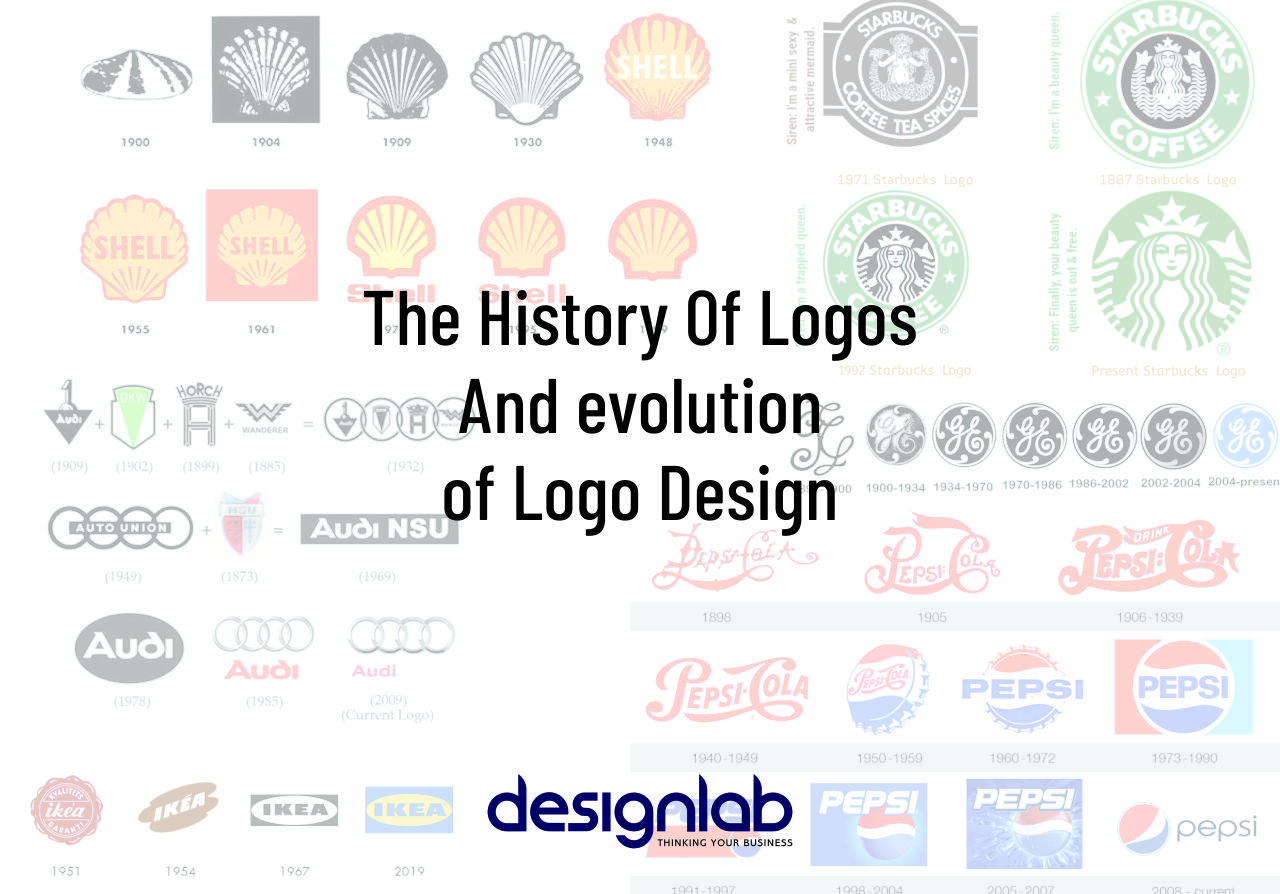
We live in a Brand Era, in which branding is fashionable, and striving to the Paul Rand style of logo crafting is about as trendy and current as writing your invoices with a quill, according to some people. Yes, logo design is just one aspect of the strong force known as brand identity, which comprises many other factors. The origins of logo design and Logo Design Company may be traced back to the origins of human expression.
Without Logo Design Company, a branded design environment may effectively convey complex brand meaning to its audience. Some “brand gurus” or “brand evangelists”, on the other hand, seem to take pleasure in making exaggerated statements just to appear startling or innovative. Logo design is still alive and well. Technology’s advances and the turbulence of our century’s sectors are forcing its place in our society to shift.
Perhaps the loud discussion calls for a closer look into the origins of logo design, the status of the art at the moment, and where it is going in the future. We as a Branding Design Service agency will discuss What is the source of a logo’s ultimate strength and influence? What if we’re so preoccupied with figuring out what the Brand Era means for our clients, we can’t see what the Post-Brand Era will look like?
Symbolism in Logo design
The basic power of symbols has always been and will continue to be the essential aspect of logo design. Symbols and signs (including the alphabet) have meaning in logos because they are based on millennia of signification in human literary and visual language. When a Logo Design Company chooses to employ a picture of an apple, for example, he or she is drawing on decades of powerful symbolic representation. Creating a logo with symbolic resonance is to engage in the tradition of social discourse that has gone before it.
Fragment of a vase
Vase fragment dating to the third millennium B.C. In many ways, the characters shown on this vase resemble those seen in the cave paintings of Lascaux and modern iconography such as the Puma logo. These resemblances show the harmony and unity of human communication over vast distances in both time and geographical places.
The ability to see the broad picture of human communication and mythology is necessary to communicate successfully with designs. As we know it now, Logo design is a technique that gained prominence throughout the twentieth century with companies and businesses. Visual communication is not much different now than it was in the 15th century when a royal court evoked identity and unity via the employment of family crests, uniforms, and religious symbols to represent themselves.
As a result of semiotics (the study of signs and symbols and their application or interpretation), human communication is addressed in terms of signifiers and signs. Language, pictures, tastes, and smells are all examples of signs, which are objects that have no inherent meaning unless we assign them to them. Through the investment of meaning in all manner of signs and symbols, we see, interpret, and interact with the world around us.
Greek Signature Seals are a kind of seal that is used to signify a person’s signature
Wealthy Greek people used signature seals from the fifth century B.C. in Greece These molded stamps to sign or approve official papers. The practice of using an animal picture to identify oneself has a long history that predates well-known animal logos such as those used by Lacoste and Penguin.
Symbols are extremely subjective and depending on the context in which they are used. Taking the swastika as an example, it has been utilized by different civilizations worldwide for over 5,000 years to represent a range of positive connotations, including good luck, life, and the sun. It also symbolizes power and strength.
Even top experts may differ on whether or not a specific logo is a masterpiece or an atrocity, which illustrates how elusive the idea of meaning can be in logo design. The subjective aspect of meaning in logo graphy is one of the things that makes it so beautiful and fascinating to practice.
Identity of the company
The Industrial Revolution significantly increased the reach and power of mass manufacturing and also the marketing techniques employed to promote it. Corporations discovered that a simple identifying symbol was no longer adequate to differentiate themselves from increasing competitors in expanding marketplaces.
Instead, the logo was now being employed as one component of a wider system of visual components that served to identify the full output of a company, which was growing in size and power at a rate that had never been seen before.
The Era of the Brand
Some consider Nike to be the epitome of effective Branding Design Service. According to some, it is the poster child for misleading marketing, sweatshop labor, and unethical corporate methods. Others disagree.
Having brandished a logo around the globe in recent years, the twentieth-century approach to branding has become antiquated. It has progressed from being a mark of excellence on a product to being a visual distillation of a cultural ideal — one that is capable of accumulating or expressing brand equity in a range of marketing settings while also inspiring strong customer loyalty.
The term “brand world” and “branded landscape” are now used interchangeably by “brand evangelists,” who employ a variety of high terminology to describe their creations. As a best-case scenario, this type of language represents a creative brand strategy that may help companies define themselves in today’s corporate culture, which is characterized by volatile economics and fast technological development and therefore requires constant adaptation. As a last resort, this kind of conduct is an effort to pull the pompous wool over the eyes of a new customer, using grandiose rhetoric to push the sale of poor design and generic brand strategy.
What after the brand era and Branding Design Service?
This is an age in which the brand is larger and more powerful than ever. Brands have grown in importance to the point that some individuals get logo tattoos (physically branded with a brand). Sportswear companies such as Nike have turned themselves into lifestyle choices that customers may incorporate into their own identities.
As businesses go into nanotechnology, synthetic life generation, virtual reality, and other emerging technologies, they will be able to further distance themselves from the visible world.
A notable example of this is the MTV logo, which debuted a logo that could change costumes throughout each performance. What other way may a logo defy the rules to adapt? Could we decentralize the logo by exploding it? Is there a method to do this? If branded goods exist at a molecular level that is undetectable to the human eye, might they be capable of projecting an external holographic image of their own brand?
We, as a Logo Design Company believe that just creating a logo for a customer is not sufficient to work as a brand identity designer. Standing on the cultural sidelines or designing with our heads buried in the sand are equally undesirable options. We must be students of the shifting cultures in which we live and work. The use of design to enhance and navigate the futures of the industries, people, and causes in which we believe is essential.
What’s in Store for You for Branding Design Service at DesignLab?
For the time being, the field of brand identity design is flourishing. It is possible to have both branded design environments and conventional logo design in the same space without conflict. As has always been the case, innovative thinking will be at the forefront of the future in Logo Design Company. The quicker technology pushes our society, the more designers willing to take risks will be required.
Whatever the future holds, one thing will stay constant. As graphic artists and designers providing Branding Design services, we can infuse meaning into the world around us via our work. At DesignLab, Logo Design Company we give raw information a more expressive face. People’s inborn urge to see and comprehend the environment in visual terms is something that we can understand and encourage.
SEO Strategies and Resources for Voice Search Optimization
The way individuals seek information online has evolved dramatically in the last few years. People increasingly utilize Voice search optimization to discover what they’re searching for online, whether via their tablet, smart phone, or voice assistant (such as Google Home or Amazon Echo).
i-Phone users depend on personal assistant Siri to get what they need. At the same time, Google Voice search optimization is popular on Android devices, and Microsoft’s assistant Cortana assists users in navigating their PCs, cell phones, Xboxes, and other devices.
Before we move on to the SEO strategies, let’s discuss some statistics on Voice search optimization:
- According to Hit wise, almost 60% of searches are now conducted on a mobile device. Many of them are conducted through the voice search feature—to locate nearby restaurants, get directions, buy goods, check the weather, and more.
- As marketers, we must consider voice search's effect (and will continue to have) on SEO.
- Gartner says that 32% of people are interested in hands-free technology that limits contact.
- According to Perficient, 55 percent of smartphone users utilize voice search to ask queries.
- According to eMarketer, 39.4 percent of US internet users use a voice assistant at least once a month.
SEO Strategies and Resources for Voice Search Optimization
Here are some key tips to help you optimize for voice search.
Recognizing Voice Search
First, it is critical to realize that voice search is more natural and conversational in tone and that it is most often done on a mobile device for local search reasons. Voice searches are often lengthier than text-based inquiries because they are more natural.
Voice search is all about providing on-the-go results in the user’s present location. Let’s get started with those tips now that you understand how Voice search optimization works.
Recognize the Behavior of Your Customers and Devices
Marketers must go further in understanding their customers and their behavior, much as Voice search optimization engines use data, location, and a plethora of other data points to understand the context of searches. Real-time data along with consumer insights research can. https://www.design-lab.co.in/
Take mobile and local
It is becoming crystal clear that we are moving toward a mobile-first future where both devices and people will be mobile. Therefore, it is important to remember that mobile and local are inextricably linked, especially when it comes to voice search optimization. Consumers may do local searches while on the go using their mobile phones and tablets.
As a result, voice search optimization enables users to ask questions that are specific to their location. Users and search engines should comprehend information on your websites, such as instructions to physical locations and XML sitemaps. Users on desktop and mobile devices should have different experiences, thus optimize for “near me” searches on mobile devices, for example. Finally, ensure that your mobile strategy is sound and that you are concentrating on improving page speed and loading times as much as possible.
Make Your Content Scanning-Ready
People using mobile devices to search the internet are seeking information that has been tailored for this platform. Ensure your material is readily accessible, scannable, and free of distracting pop-ups or advertisements that may prevent users from finding the information they need. To break up your material as much as possible, use concise phrases, brief paragraphs, and strong headings.
Take control of Google’s ‘My Business’ listing
If you haven’t yet claimed your Google My Business listing, now is the moment! Claiming your Google My Business page is an excellent method to provide Google with more information about your company, such as industry, phone number, location, business hours, and so on.
Examine the Official User Guides
It’s worth reading the official voice search optimization guidelines for each major platform. Approach it as if you’ve just purchased your first Windows, Android, or iPhone smartphone, and study the instructions to learn how to get the most out of your experience. While the information may seem simple, keep in mind that many people will be using voice search optimization for the first time.
Concentrate on Long-Tail Keywords
We’ve previously discussed how individuals use more “natural” speech when using voice search, so targeting long-tail keywords is essential. To do so, you must “consider how others talk.” How would you phrase certain questions? Or what kinds of spoken inquiries may entice them to visit your website?
This may be a different form of long-tail than you’re accustomed to. It is more about natural speech than keyword variants. You must be aware of and target as many variants as possible. To delve further into searcher intent, it appends search phrases with words like “for” or “with”:
Utilize Google Search Console to discover which searches
You may also utilize Google Search Console to discover which searches are driving visitors to your site. There is no way to identify whether inquiries originated through voice or text-based search at the moment, but Google has indicated that this may change in the future.
Another strategy is capturing and recording the kinds of inquiries that customers and prospects ask you/your customer care personnel. Once you’ve compiled a list of queries, begin developing content pages centered on those lengthier, more conversational words.
Make FAQ (Frequently Asked Questions) pages
You may also utilize the customer and SEO data you’ve gathered to build FAQ pages that concentrate on those long-tail keyphrases. Try to combine frequently asked questions on the same page and write as naturally as possible. Go with that technique if you need to generate several pages to seem more genuine.
You want search engines to have the greatest opportunity of retrieving answers/information from your site; therefore, anticipate direct, long-tail queries. To meet Google’s rich snippet criteria, you should provide some short responses at the beginning of each piece of content. It may seem to be a difficult job, but developing unique pages and content snippets centered on particular semantic queries may help your site appear not just in voice search results but also at the top of any text-based search as highlighted snippets.
Boost Your Microdata
Make it as simple as possible for Google to crawl and comprehend your website. This increases the likelihood that the search engine will utilize your material to respond to voice search optimization inquiries.
In order to do this, you must submit a sitemap to Google that includes information such as pricing, directions to your physical location, shop hours, and your address and phone number, in addition to your Google My Business information. Then, utilize microdata to assist Google in understanding what this content means. Make markups for a variety of usage scenarios. https://www.design-lab.co.in/
Recognize the Diverse Ways People Use Voice Search
If you’ve ever used Siri, Cortana, or OK Google, you’re undoubtedly guilty of teasing these personal assistants. The idea is that understanding how people engage with voice search is essential because it provides us insight into how users interact with these technologies.
While most of the responses you read will most likely be unrelated to your company, some may offer you ideas on improving your site for voice search. You may even be able to infuse some comedy into your content and connect with consumers in a whole different manner.
Voice Search optimization in the Future
Let us return to our first question(s). What did we discover? Is voice search optimization more practical, convenient, or fashionable than text search? All of the above. Voice search optimization is more efficient, convenient, and simple.
Voice search optimization continues to grow in popularity with each passing year. Its influence on consumer behavior is incalculable, and digital marketers must plan for it to live up to user expectations. As the world of search continues to develop, marketers must adopt new tactics to stay up. Follow the advice in this article to stay ahead of your competition when it comes to voice search.
Packaging design? These are the questions you should be asking before starting it
Before making a purchasing choice, every customer, regardless of demography, age, or need, with a product's Packaging Design. Packaging Design may have a significant effect on a buyer's choice. Long-term, loyal consumers will result from the proper Pouch Design. Low sales and significant losses may result from poor packing.
As a result, all businesses must create high-quality Box Design that reflects their purpose and creates a positive first impression on prospective consumers. What questions should you ask yourself before starting on a path to Pouch Design with this goal in mind? We've put up a list of questions to ask DesignLab, Packaging Design agency, and to assist you to handle the briefing with your client:
These are the questions you should be asking before starting Packaging Design
What are the major characteristics of the product?
Asking your customer to describe the product's key characteristics in-depth should be the beginning point for your idea and design work for the new Packaging Design. Gathering all of the information clearly and accurately will provide you with a wider perspective and the chance to create a Pouch Design that is more suited to the product and emphasizes its strengths.
What distinguishes it?
Typically, customers respond with a list of their product's many qualities. Request that your customer responds with a single word describing the actual uniqueness of the product (or, at least, its most important feature). In other words, attempt to determine why a prospective customer would pick that product above the competitors. The answer to this question will assist you in determining the essential information that must be conveyed through Packaging Design to the Packaging Design agency.
What is the product's retail price?
You and your customer may decide how much money you want to spend on packing based on the product's selling price. There is no hard and fast rule, but in general, the greater the cost of the product, the more money you may spend on its Packaging Design to market it and enhance the customer's sense of its worth.
Who is the intended audience?
To put it another way, who is the average customer? You must understand if the product is intended for a demanding audience, who are ready to pay more in order to possess an exclusive product, or a price-conscious audience who want to save money.
You must choose the kind of Pouch Design depending on the characteristics of the target audience as well as other marketing considerations such as communication mode, pricing, and sales channels (small shops, supermarkets, exclusive boutiques). In reality, the Pouch Design should be tailored to the average consumer and "work" in tandem with all other components that contribute to reaching the intended target audience.
How and where will people buy your product?
It is also critical to consider where your goods will be presented. Is this something that will be purchased virtually? Will it be available on shop shelves? Is this something for a high-end boutique? Understanding the context in which your product will be marketed is important to understand how it must fit in while also standing out from the crowd of competing goods for consumers' attention. You want to ensure that your product blends in with its surroundings while still making a statement.
What are the brand criteria that must be met?
While it may seem apparent, it is critical that you establish branding components and needs early on. Failure to do so may result in Label Designs that do not match your brand or are too far outside of your core brand, causing customer confusion in the market. Is there a certain typeface or Label Design that must be used? How will they be integrated into the rest of the Pouch Design? These kinds of questions must be addressed explicitly to your packaging design agency early in the Label Design process.
What are the competitors' names?
Once you've gathered all of the accessible information about the product, compare it to the products of your rivals. This exercise may be extremely beneficial since it enables you to learn how rivals position themselves on the market and, as a result, discover a method to distinguish your client's product and make it stand out with the appropriate Pouch Design.
Colors such as white, blue, and green, for example, are often used in the dairy sector to convey a feeling of freshness. Why not attempt to break this unwritten norm and propose fresh, less often used colors and Label Designs to pique the interest of prospective customers?
How much money do you have set up for packaging?
Your packing budget must be established in order to prevent accidents and disappointments. Some of the expenses involved with creating your new Pouch Design will be one-time, while others will be ongoing charges based on the number of items. Thinking about this ahead of time will enable you to quantify the bottom line and prepare for the future. This will also make your procurement department pleased since it will show that you are staying within your budget.
What is the ideal packing structure for your product?
What kind of Box Design will work best for your product? The form of your Box Design may make a significant impact in terms of visibility, price, and overall success. When it comes to buildings, you'll have lots of options. Consider hard set-up boxes, conventional cartons, telescopic cartons, and many more options!
Will the packing be main or secondary?
If you operate in the food business, it is essential that you inquire if the Box Design is main or secondary. If primary – that is, it comes into direct touch with the product – the materials and finishes used must adhere to strict guidelines. Cardboard, glue, and ink, for example, must be acceptable for contact with food. In this instance, you may use this extra feature to inform the buyer that the Pouch Design is food-safe, suggesting that the company is concerned about consumer health.
Will the package be manually or mechanically filled?
If the goods will be packed in an automated facility, get a copy of the machinery's operating instructions and the Box Design based on technical requirements. On the other hand, if the package is filled manually, you will have more design flexibility. In this instance, for example, you may choose a package with an automated bottom to make the process of manually filling the boxes easier.
What are the product's physical characteristics: weight, size, shape, and texture?
The physical features of the product influence structural design decisions (such as form, size, material type, and paperweight). For example, when designing packaging for a liquor bottle, bear in mind that the weight will be concentrated on a small area. Therefore the bottom of the box must have an automatic or dovetail groove to hold the weight of the bottle. On the other hand, if you're creating Pouch Design for a big product, such as a huge cake, you'll need to figure out a feasible method to carry the box.
What are your product packaging's logistical and structural requirements?
When considering the Label Design for the packaging, it is essential to consider the requirements first. How robust should the packing be? Does it need to be child-resistant because of the contents? Is it necessary to have several compartments to segregate specific items? Consider the requirements first, and then design around them.
Is it necessary for your packaging to have unique IDs or iterations based on several SKUs?
Unique IDs are sometimes required for Box Design for safety, tracking, or inventory reasons. Consider where they will be shown on the Box Design if necessary and how this will affect its appearance.
How does the packaging of your product fit in with the rest of your brand and products?
Also, consider if your package should be a supplement to or an expansion of an existing product range. This may need a study of the Box Design of the other product in order to find methods to complement it while yet making it distinctive. Your Packaging Design agency would be able to answer these.
Final Thoughts on Packaging Design agency
Answering these critical questions will help any package design journey get off to a good start. Customers' loyalty and business will increase if appropriate Box Design, Label design and packaging design is used. Rely on DesignLab, Packaging Design agency’s expertise and creativity to help you solve these difficult issues. Our skilled Packaging Design agency staff can assist any business in developing a Packaging Design, Box Design, Pouch Design, Label Design that meets the requirements of both the company and the consumer. We can help any brand create a fantastic first impression by using the most up-to-date print technology and the most creative Packaging Design, Box Design, Pouch Design, and Label Design.
Designing a brand logo? Check this out
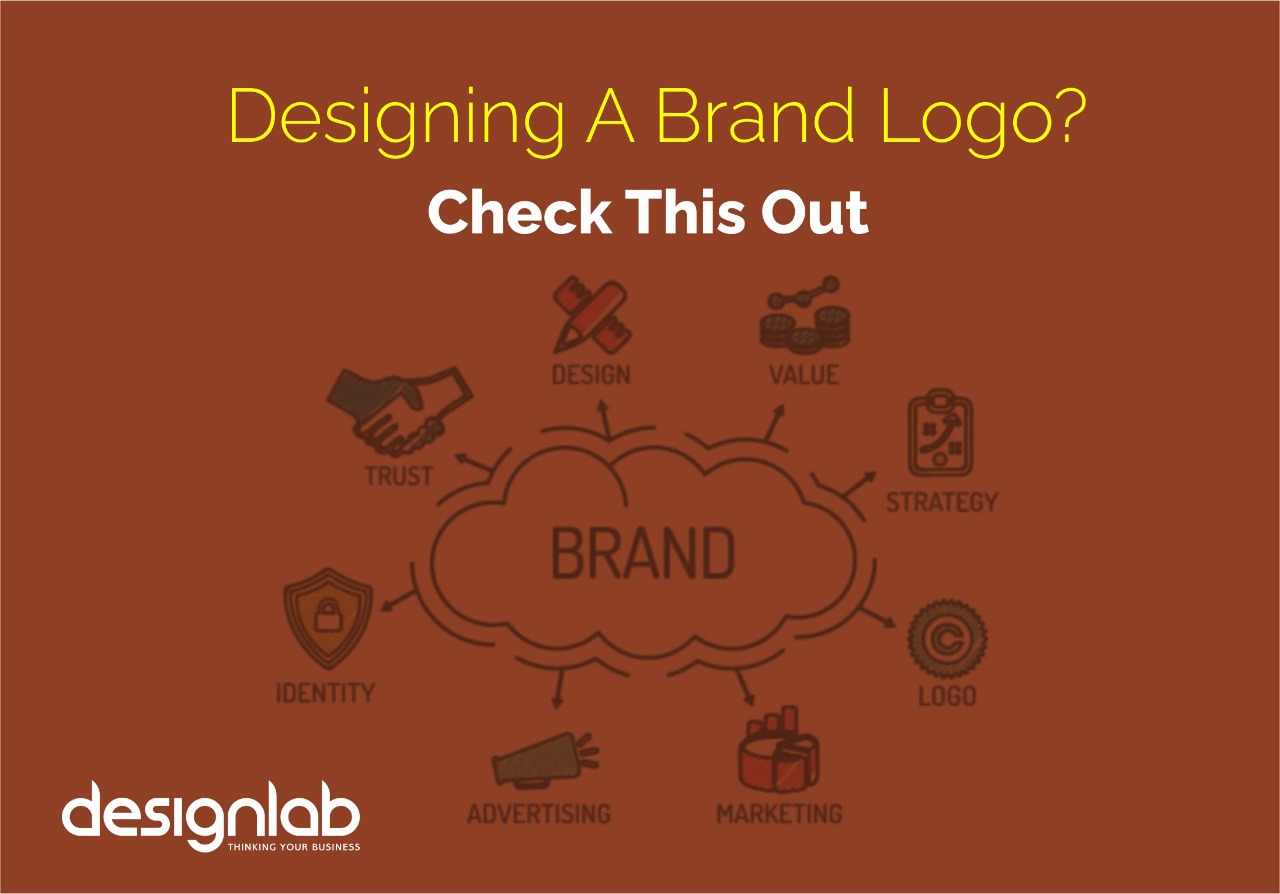
The significance of a logo cannot be overstated since one single picture generates brand recognition, marketing possibilities and conveys your company's message to the rest of the world. With so much riding on your logo, you can't afford to get it wrong.
How do you know whether you've created the correct logo? You may begin by determining which questions to ask. So if you are designing a brand logo, we, the best logo design agency, DesignLab, suggest that these are the creative questions that you should be asking first.
12 Questions a logo design agency can answer before creating a logo:
As the best logo design agency, we have noted a list of the following questions that can assist you in determining if your logo meets all of your company's requirements. Ask yourself these questions to see whether your design communicates the greatest qualities for your company. First, make a list of what your business stands for and how your logo may reflect it.
1. Which of the following best represents the company?
Is your company primarily concerned with the sale of children's clothing? Are you an SEO company that specializes in local internet businesses? Is your firm able to provide local companies with logistics and shipping services?
For example:
- Consider a single picture that best symbolizes your business, regardless of its emphasis
- For example, a cheerful face may represent a children's apparel company
- While increasing graphs or arrows are appropriate for an SEO agency.
- To represent what they provide, most coffee businesses use a picture of a cup and steam.
Take your inspiration from this and go in search of the perfect picture, typeface, or color.
2. Who is your target market?
When creating a logo, one of the essential things to consider is your target audience. By determining your target audience, you may remove logo aspects that you know will not work and concentrate your design choices on those that will.
A logo created for the elderly will not function as well for children under 20 and vice versa. Therefore, logos aimed at children should use vibrant colors, while logos aimed at house purchasers should be consistent, flat, and professional.
3. Which Font Is Most Appropriate for Your Brand?
Have you ever wondered why all memes utilize the same font? It's because people often connect typefaces with a particular feeling or concept. All you have to do is look at the competitors and the overall industry. Newspapers, for example, often employ Times New Roman, Helvetica, or Century Old Style for printed goods. To get assistance choosing the best fonts, don't hesitate to take help from the Top Logo Design Agency, DesignLab.
4. What colors work best for your brand?
Colors should not be chosen on a whim. Choose hues that aren't only your favorite. Keep in mind that colors have a psychological effect on your target consumers regarding branding and company.
- Green is often used to represent serenity and development, which is why nature companies and eco-friendly logos make extensive use of it.
- Choosing red as the main color of your logo, for example, emphasizes a concept of youth, aggression, and strong choices.
Choose a theme for your business, a feeling you want to communicate, and then choose a hue that best conveys that emotion to your audience in a single look.
5. Who are your rivals?
A logo aims to help consumers recognize your brand and comprehend what your company provides at a glance. By looking at your rivals, you may begin studying which components fulfill this purpose for your business.
Your next step should be to take a step back and determine if you want to follow the trends of your rivals or try something new. Do you wish to follow in their footsteps or stand out? If yes, visit DesignLab, the Best Logo Design Agency.
6. Which Logos Speak to You?
Do you believe you have a fantastic concept for your logo? Can't think of anything good to say? The next stage is to look for inspiration in different logos. These do not have to be logos from the same industry. So take a look around and make a list of the most memorable logos you can think of.
Look for similar components and figure out why these are the logos that appealed to you. For example, they may all utilize a color you like or a typeface that works for you. You may then integrate these components into your logo.
7. Is it visible in all sizes and colors?
A frequent design error is to start with a draught logo with many colors and corners. It may appear fantastic in color, but when converted to black and white or shrunk to fit in a tiny icon box, the logo becomes unrecognizable.
This is why it's critical to start with a monochromatic logo. This ensures that you initially concentrate on its silhouette. You can guarantee that the logo remains identifiable regardless of size or color by doing so.
What is the significance of this? First, keep in mind that you may need to reduce the size of your logo for letterheads or icon pictures.
You will not be the only one to utilize your logo. Advertising firms with which you collaborate may use your logo in monochrome or a single, flat color for a poster. In addition, bloggers may need to resize their logo to suit the dimensions of their blog articles.
8. Is it distinguished by a memorable design or gimmick?
Some logos are still relevant 20 years or more after they were first introduced. They do this by answering the criteria on this list and applying a distinct and distinctive design philosophy. Others use a clever gimmick to distinguish their emblem from the competitors. For example, a popular trick is to hide a picture in a logo.
For eg:
- The arrow in Amazon's logo goes from A to Z, representing how they sell everything you can think of.
- Hershey's Kisses' logo has hidden Kisses in the space between the letters K and I.
- Baskin-Robbins, known for its 31 flavors, has a logo that combines portions of the B and R characters to create the number 31.
To create such memorable designs, visit the top Logo Design Agency, DesignLab.
9. Does the Design Suit the Situation?
You should also consider if your logo design is acceptable across the board. This is why your design team should include a translator. In English, a logo design may seem harmless, yet it may be insulting in another language.
A logo should also not include any objectionable images. Some logos seem harmless, but the designers neglected to notice underlying improper images that others may perceive owing to a lack of understanding.
There's the Kids Exchange logo, which many mistook for "Kids Exchange" owing to a lack of space and the incorrect font type.
10. Is the design by the budget?
None of these suggestions or queries will be useful if your budget allows for an intricate logo design. What exactly is an expensive logo? Logos with vivid colors and large sizes are costly to produce. Exquisite designs may be appealing, but hiring artists to copy and draw them will be costly.
11. Is It Eternal?
Check to see whether your logo design is current. If it is, you should think about revamping it. Today's trends will fade, and your logo may no longer be current in a few years. Examine the FedEx or Coca-Cola logos. Because of their timeless design, their logos have survived the years. As a result, they remain relevant despite shifting trends.
Do I Need to Hire a Professional Logo Design Agency?
The last and most crucial issue is whether you should employ a Logo Design Agency. Yes, hiring a designer may seem to be costly. However, the investment pays off since you will no longer have to remodel every few years. You may wind up with a logo design that will be associated with your business for decades.
Create the Best Logo with the Top Logo Design Agency
These are the most important questions to ask while creating a logo. By answering each one, you may eliminate design elements that are harmful to your brand. You may create the appropriate picture, font type, and color to help your brand's identity and reach.
Don't just stop there!
We, at DesignLab, promise that if you come to us now, we will assist you in creating a logo. Don't be afraid to call on the top Logo Design Agency to help you build your brand with a distinctive logo.
Remarketing vs Retargeting: Which is better for Digital Marketing
You may find yourself comparing retargeting against remarketing when you develop marketing tactics to draw existing and interested clients back to your organization. However, both are excellent approaches for those with interest in your brand to re-engage warm prospects.
And although these two techniques overlap, the precise approaches utilized to get clients into your sales funnel also have important distinctions. DesignLab is a digital marketing agency in Pune, providing social media, SEO, SMO services. We are here to show you a comparison retargeting with remarketing to find what's appropriate for your brand.
Similarities and Differences Retargeting vs Remarketing
Re-focusing and Remarketing are two leading techniques that provide a full marketing plan for the customer cycle. Each of these puts your brand in front of warm audiences and leads, and clients in the funnel.
Retargeting and Remarketing are comparable because they have the same objectives:
- Target people who know your brand already
- Engage eligible audiences who make a purchase most likely
- Strengthen brand awareness and awareness
In the techniques employed to achieve such aims, the contrasts between retargeting and remarketing. Retargeting employs bought publicity advertising mainly to reinvigorate publicity visitors to your site or social profiles. Remarketing employs email mostly to re-engage previous consumers with your brand previously. Get tailored services as per your brand requirements. For more details on digital marketing agencies in Pune, social media, SEO, SMO services, visit DesignLab.
Let us look at the entire definitions of retargeting and remarketing to examine further the distinctions between these two kinds of marketing objectives.
Retargeting, what is it?
Retargeting is the identification process and then digital publicity targeting those who have taken action online (e.g., visit your website or social profile). Retargeting offers online and shows advertisements to audiences based on prior behavior, such as pages viewed or time spent on the site or their engagement with your site.
You encountered retargeting when you visited a website and then saw an ad for the brand during visits to a different website or when you were browsing through Facebook.
How efficient is Retargeting?
ReTargeter's analysis indicates that during their first visit to a website, just 2 percent of visitors convert. This implies that visitors to the website for the first time will not conclude. Thus, the first time a visitor views your website, you may not accomplish your conversion aims.
Retargeting is here to rescue the day. Retargeting might take you back to your website and your landing page, which increases the scope of transformation. Although you cannot immediately convert the target client (in this case: you), regular ad displays assist in developing a brand identity and encourage you to purchase. For more details on retargeting, a digital marketing agency in Pune, social media, SEO, SMO services, visit DesignLab.
Remarketing what it is?
Remarketing refers to the practice of contacting and re-engaging current or past consumers based on previous purchases or activities. Typically, Remarketing uses emails to reconnect to the public. For remarketing, a customer mailing list is necessary, but for retargeting, it is not necessary.
The definitions of remarketing and retargeting are rather unclear because remarketing sometimes includes remarketing methods and retargeting as a general phrase. Google refers, for instance, to its ad-retargeting instruments such as Google Remarketing Tools.
However, remarking relates mostly to the strategy of reconnecting via email with existing or previous consumers. Remarketing is often done as part of a wider marketing retention plan.
Examples of marketing include sending emails that highlight specials or deals with customer-related items. Promote items and services complementing previous buys of the consumer. Present fresh offers relevant to prior purchases of the consumer.
How efficient is remarketing?
Like retargeting, remarketing is also an efficient means of translating warm people. An eMarketer survey shows 81% of customers are more inclined to buy more via targeted emails. A similar Campaign Monitor study has demonstrated that segmented email campaigns may provide a huge revenue gain of 760 percent. For more details on remarketing, a digital marketing agency in Pune, social media, SEO, SMO services, visit DesignLab.
Retargeting Ads Optimization Tips:
Here are some short recommendations for optimizing your ads:
Ad frequency is moderate:
How often your reverse advertisements are displayed to prior users? Moderate the ad frequency accordingly, based on the behavior of your target audience. Although it is essential for developing awareness to remember your brand's prospects, overplaying may also make it irritating.
Make many copies of ads:
Make a good combination of various ad contents and creativity while producing your display advertising. For example, different variations of the same product diversity your advertising and make your target audience familiar honestly with your brand, USP, product characteristics, price, and more.
Regulate ad news:
How long should you wait till you replace them on various platforms? Think of these sentences throughout search retargeting publications. Think about them. Please display them adverts too fast, and you risk upsetting them. Show advertising too late and may not be relevant anymore.
Tips to improve an email campaign for Remarketing:
Here are some short suggestions for optimizing your emails:
Write fascinating emails:
Whether you write cart reminders, email a new product, or announce a SEASON SALE, be sure to send your emails in a captivating, concise, and on-the-spot manner.
Send fast updates/alerts/call:
New changes need to be delivered to a user rapidly. Send a quick email if a person has left an item on his/her cart for a whole day. Since your prospects already intend to buy, you should urge them to do so quickly with timely email alerts.
Remarketing vs Retargeting: Which is better for Digital Marketing
There is no better strategy for marketing. Either remarketing or retargeting depends on your specific business demands and urgent marketing goals.
Start the search retargeting campaign on the following terms:
- You draw people to the site but don't generate enough transformations.
- You want to create awareness of your business and get to know individuals.
- You want to transform individuals who engage with your website into customers for purchases.
By keeping your brand identity in mind, you want to nurture potential consumers early in the purchase cycle. If your requirements fit under the parameters stated above, you can execute Facebook advertising and search retargeting ads via Google. For more details on digital marketing agencies in Pune, social media, SEO, SMO services, visit DesignLab.
Start an advisory remarketing campaign on the following terms:
- You have no funding to attract new clients to ads.
- You are currently and previous clients with an active email list.
- To convert consumers to the bottom of their sales funnel showing strong indications for the purchase purpose.
Final Thoughts
When you compare retargeting with remarketing, realize that both have the same objective: to involve and nurture people who have demonstrated interest in your brand before. The distinction is that they re-engage these audiences in marketing efforts. Retargeting employs advertising for visiting and doing specific measures on your website or social networks. Current or previous customers get an email from Remarketing.
Best Digital marketing agency in Pune, Social media, SEO, SMO services
The primary distinction between retargeting and remarketing is the marketing techniques for re-engagement of the public. However, you don't have to choose to retarget vs. remarket. Both techniques may be used simultaneously to enhance your outcomes and increase your sales funnel's potential. DesignLab is a digital marketing agency in Pune, providing social media, SEO, SMO, SMM services. For more details, visit DesignLab.
How to Improve Web Page Speed to Increase Website Performance
Because millions of websites are used every day for various purposes in today's digital environment, organizations are focusing more on increasing their website's capabilities and agility to achieve business prospects. Unfortunately, many of these websites aren't user-friendly right from the start.
How can poorly optimized websites be harmful?
Poorly optimized website performance is plagued by a slew of challenges, including poor loading times, lack of usability, and user incompatibilities, to name a few. These difficulties indicate that your website is not only losing conversions now but that this loss will be amplified in the future, resulting in poorer site outcomes. The result — a lot of potential is squandered due to a few seconds delay. As a result, top website development companies can help you escape this issue.
What is loading time?
The overall time it takes for your website to load in front of visitors is referred to as loading time. As a result, a website that takes longer to load for users may lose visitors and conversions, resulting in a high bounce rate. As a result, improving website performance from an SEO standpoint allows you to set new benchmarks in the consumer acquisition journey.
How to Improve Web Page Speed to Increase Website Performance
Are you looking for ways to improve? If you want to improve your website's performance and loading speed while also improving user-friendliness, keep reading the following points by the top website development company, DesignLab.
The following are the most basic methods for enhancing a website's performance. You may dramatically increase your site's speed and general performance by focusing on a few distinct strategies.
Here are the twelve effective strategies for increasing your website's speed and making your hard work pay off in the long term to beat your poor performance.
1. Upgrade Your Web Hosting Plan to Improve Your Website's Performance
Most first-time website owners, it's safe to say, choose a standard hosting plan. These hosting options are simple, inexpensive, and beginner-friendly, and if your website remains the same, they may be a good fit. However, if you provide progressive content, your site will grow and eventually face a backlash.
Here, upgrading your web hosting plan is the best option. Then your users will be satisfied, your SEO will be strong, and your website will be able to expand and evolve as you need it to.
2. Enable browser caching if you want to get the most out of your browser
This minimizes the burden on your web server, which in turn reduces the time it takes for your users to load your website. When you visit a website page, your application downloads all of the material on that page in the same way as typical static documents such as CSS and JS files do.
Furthermore, your browser begins downloading them again when you navigate to another page on the same website. In any event, if leverage browser caching is set, it will only download the unique content of the web page and serve static files from your software. You may speed up the website speed optimization process this way.
3. Remove any unnecessary Plugins
An excessive number of plugins can make your task more difficult and perplexing than it needs to be. This can create security holes that others can use to gain access to your website's backend. If you have any plugins installed that you don't use or think are unnecessary, you should deactivate and remove them.
4. JavaScript and CSS Files Should Be Minified
Minification is a technique for reducing code while increasing the size of your web pages and content files. It's one of the most used methods for reducing site load times and transmission capacity usage.
5. GZIP Compression is Enabled
Your website may perform better in terms of loading time and speed if you enable GNU Zip or GZIP. GZIP compresses your web pages on the server-side and sends them to your users' browsers. As a result of your user inquiry, these files are uncompressed and served from the browser.
It can help you reduce the size of your website page, which reduces the time it takes to download the file, reduces the amount of information the user sees, and improves your ability to render your pages quickly.
6. Replace any Broken Links
Google's search results are based on hyperlinks. The ability to connect the site's pages is a crucial feature. When everything is in order, each link on our site will take you to the exact location you need to be.
However, broken links on your website don't always make the best impression. To avoid these potential entanglements, you should examine your entire website for broken links on a regular basis.
7. HTTP Requests Should Be Reduced
The longer anything takes to load, the more HTTP requests there are. Furthermore, larger files will take much longer to exchange. The simplest way to reduce the number of HTTP requests on your pages is to avoid using a lot of images, content, CSS, Flash, and so on.
8. Website Development Company suggest Optimize Your Photographs
The importance of visuals in connecting customers to your products has been demonstrated. Clients will abandon your website if it takes more than 3 seconds to load, which can dramatically increase your bounce rate and, in the long run, affect your conversions. Page load speed, SEO ranking, dialogue, and user engagement all benefit from image optimization.
9. Change the look of your Website
The subject of your website might also affect page load time. If your website theme contains sophisticated code, your site will stack slowly no matter how good your server setting is. Build it with a mobile-first mindset. Top website development companies like DesignLab, can help you create a fresh design in minimal time.
10. Make use of a Content Delivery Network (CDN)
The main goal of employing a CDN is to improve your site's performance and provide a better user experience. CDNs, on the other hand, not only provide a speedier experience for your website's visitors but also help to predict site crashes in the event of high traffic.
11. Website development company suggest Use a Reliable Content Management System (CMS)
Your CMS is the core of your website, which is the focal point of your entire internet marketing approach. A content management system (CMS) eliminates the middleman and allows you to update and change the material on your website.
You'll get the ability to make your site more unique, up-to-date, and profitable to your users as time goes on. WordPress is the most dependable CMS for all of your content management needs, as WordPress developers such as ourselves can attest.
12. Improve the Performance of Your Database
One approach for improving your website is to optimize your MySQL database tables. This is something you should perform on a regular basis, especially if you use WordPress or another CMS that heavily relies on database usage.
Conclusion:
It has never been more important to have a fast website than it is today. There are tools and top website development companies like DesignLab to fine-tune your optimization and improve the appearance of your website. Users expect websites to load quickly; if you fail to meet their expectations, you risk losing a significant amount of website traffic, as well as your loyal users and money. So, to the best and error-free websites, visit the top website development company, DesignLab.
Reasons why Package Designing is so important
You know your competition never sleeps, especially in the Consumer-Packaged Goods industry. You're always trying to be the first to market with the next big thing, polling your target demographic to see how you can enhance your products and launching creative marketing campaigns that elicit strong emotional responses from your customers.
But have you considered how your package design affects your target market and the impressions it creates about your brand? If not, now is the perfect time to consider how your packaging design might help you expand as a business. 70% of shoppers feel packaging has a direct impact on their purchasing decisions. But the best packaging design company in Pune, DesignLab, has something for you.
Where Does Packaging Design Begin?
A good design tends to reflect the product as well as the company's originality and personality. However, packaging design entails more than just making a product pleasant to the eye. From the shape of the box to the materials utilized, not to mention its functionality, there is an entire science behind it. One of the essentials to remember when making packaging, for example, is the protection it provides to the goods. It's pointless to make a package physically appealing if it can't achieve what it was designed to do in the first place.
Package Designing: Reasons why Package Designing is so important
We'll go through the advantages of developing a powerful and unique packaging design in this article.
1. Your Brand Is Reinforced by Great Packaging
One of the most crucial aspects of CPG design is to ensure that your brand is always reinforced, whether it's on your website, business cards, or, of course, product packaging.v
Your package design might also help you stand out from the crowd. Having a one-of-a-kind design with elements like custom font, hand-illustrated artwork, and even reusable packaging will help you stand out whether your product is at eye level or not.
The more often your target market sees features like your logo, corporate colors, and even your company's motto, the easier it will be for them to recognize your brand. A customer needs an average of 5-7 "impressions" to recognize and remember your brand. A customer's perception of a brand, on the other hand, is formed in less than one second. To build brand awareness, it's critical to keep your branding consistent across all of your digital and physical assets.
Packaging can assist you in doing so, and the product packaging is frequently the first impression people have of your brand. To get help with package designing in Pune, visit DesignLab.
2. It safeguards your goods
Nobody cares how good your last marketing campaign was or how "cute" your packaging is if it can't protect your products during delivery or even on the way home from the store. Good packaging finds the proper mix between design and function, allowing your product to shine.
Yes, following packaging trends such as sustainability, retro/vintage branding, and minimal packaging design are all excellent ways to draw attention to your products. However, it's also crucial to remember that excellent, safe packaging is still the first concern, especially in an age when every customer can post an online evaluation of your products.
Things like a transparent piece of a bag or box or displaying the "real shade" of a beauty product on the packaging might assist persuade ideal customers to choose your product without jeopardizing the product itself.
3. It Enhances Your Social Media Presence
Unboxing films and product haul provide you the opportunity to show off your packaging design to possibly thousands of new viewers. This implies that you'll want to make sure your target market is driven to buy for themselves and share with their friends and followers. Also your product packaging is just as important as the product itself.
Good packaging will go a long way toward increasing your own number of followers — and revenues. We recommend sending a few complimentary samples of your best-selling products to industry influencers. Simply ensure that your package contains creative components, is fully branded and includes your social media account names first. If you are looking for packaging design companies in Pune, visit DesignLab.
4. The quality of the product is reflected in the packaging design
The design of your package is a direct reflection of the product inside. Packaging can assist your customers in forming an impression of the type of "experience" that your items provide to people like them. Packaging using sleek black-and-white photos, for example, might convey a sense of luxury.
Telling your brand's story somewhere on the packaging and even inviting your customers to join the conversation by using a hashtag to connect with your brand for a long time showing customers you care — and that your products are of high quality.
Consumers view your packaging design and elements as a reflection of your company's success, which may seem silly at first. They'll move on to your competitors if it doesn't appear that you put a lot of thought and creativity into your design. Packaging, particularly in the CPG industry, allows you to be transparent with customers. So consulting a packaging design company in Pune can help you in a lot of ways.
5. It Creates an Emotional Connection with Your Target Market
Finally, with your package design, don't overlook the importance of color psychology. Colors, believe it or not, may readily elicit an emotional response from your target market. Red, for example, can evoke feelings of vigor and urgency (which is ideal for fitness supplements and foods). On the other hand, Blues and greens evoke feelings of nature, which is ideal for eco-friendly cosmetics.
Your target market will be able to identify with and "see themselves" in your brand if you use certain fonts and even central images on your packaging. Consumers become brand ambassadors when they feel a strong emotional connection to a brand. Furthermore, packaging design accounts for over 34% of impulse purchases, so consulting a packaging design company in pune can help you earn more.
6. Sustainability
Before making a purchase, more and more people consider the carbon footprint, reusability, and recyclability of packing materials. The packaging design determines how easy it is to separate materials from one another and thus how easy it is to reuse and recycle the packaging. Making more with less not only saves resources but also reduces the amount of material available for consumers to handle properly.
Consumers being aware of the environmental consequences of their actions. They consider the packaging's carbon footprint before purchasing a product. The packaging labeling that provides clear information about the product's and packaging's environmental consequences and recyclability will undoubtedly capture consumers' attention.
Are you ready to improve the look of your packaging?
We're confident that this article has caused you to rethink whether your present packaging design genuinely assists you in promoting your brand and connecting with your clients.
Packaging design companies in Pune: DesignLab
Keep in mind that your packaging must be an integral part of your overall marketing strategy. You want to take your packaging design to the next level, but you don't know where to start. Then the best packaging design companies in Pune can help you.
We can assist you with this at DesignLab. We believe in recognizing problems and developing innovative solutions that get people talking about your products.
8 Logo Design mistakes to avoid
Creating a logo for your company is akin to hiring a lawyer to represent you in court. The attorney works on your side to show you in the best possible light in court. She presents you, explains who you are, and persuades a panel of judges that you are the best version of yourself.
8 Logo Design mistakes to avoid
The same is true when creating a logo. After all, it speaks for your firm, serves as a first introduction to your brand for customers, and symbolizes what you do. While many of us haven't had the misfortune of sweating in a courtroom, we know what it's like to make a good first impression and try to win people's favor.
There are some things you should avoid when designing a logo in order to generate a good first impression! Have you considered what your logo design should look like now that you know what not to do? If you're still undecided, don't panic. Visit DesignLab for more information on Logo designs.
1. Going into this blindfolded
Nobody expects you to be an artist in addition to being a small company owner. However, before you begin designing your logo, you must first complete your homework. You can get to know the logos of some of the best-performing companies in your area or browse through a list of generic logos until you find something that appeals to you.
A high-quality photographic logo, like a building company logo, will have distinct design best practices than a freelance writer from a finance firm. You'll miss out on both industry norms and potential ideas for your own designs if you don't take a peek at what your competitors are doing.
2. Forgetting Who You're Talking To
What role does your target audience have in the design of your logo, you might wonder. Your logo design should pique your audience's interest and cause them to see you in the best light possible. If you don't include them in your logo design, it's like failing to put the grapes in a bottle of wine: you'll end up with nothing functional.
Assume you wish to engage a firm to provide entertainment for your child's birthday celebration.
You've heard good things about them, so you go online to learn more about them — only to discover that their logo is a gravestone on a black background. What are the possibilities that you'll still take them? Always keep the target audience in your mind during the logo design process so you can build a logo that will entice them rather than repel them.
3. Only Considering the Trends of Logo Design
You'll come across a slew of design trends while you conduct your study, and you could be tempted to include them all in your new logo. This would be a major blunder. Within a year, trends become cliches, and the last impression you want people to have of your company is that it's out of date and garish. This isn't to imply you shouldn't follow trends. There are plenty of logo design trends that will help your logo stand out and leave an indelible impression on the world.
On the other hand, your company's logo should be ageless, as a logo that conveys to your audience that your company is current. However, many of the design industry's trends fade quickly after their fifteen minutes of fame, so consider what's here to stay before becoming trend-friendly. To help you with the best Logo design, visit DesignLab.
4. Font Selection at Random
If your logo doesn't have an icon, your audience will most likely glance at (and judge) the words first. One of the common mistakes individuals make is to pick the first font they see without thinking about it. Fonts have significance, and you want that meaning to be communicated to your clients, whether you're trying to convey elegance and sophistication or friendliness and accessibility.
Also, you have the option of including a tagline in your logo that is written in a different font than the main text, which is also acceptable. There are, however, a variety of ways NOT to pair fonts, so familiarise yourself with fonts that belong together before deciding on a group of typefaces.
Also, the colors in your logo, like fonts, will deliver a statement to your audience about your business. Even if you adore purples or browns, that isn't a good enough reason to incorporate them into your logo.
5. Embracing the Mess
While surfing the universe of logo design elements, you may become connected to a color palette or a font family – which is fantastic! They do not, however, all belong to your logo. For your audience, simplicity equals effectiveness, whereas clutter equals confusion. Your company's name or initials, an icon, one or two fonts, and three colors at most should all be included in your logo.
There's nothing else you should put in your logo beside a tagline; don't even think about using trademark symbols like TM or copyright. Remember that a crowded logo will detract from the message and turn customers away.
6. Using the Incorrect File
A high-quality file might mean the difference between a logo being overlooked and a logo being praised. Once you have your logo design, you'll definitely want to use it everywhere, which may need resizing to fit the context.
A vector file allows you to enlarge your logo as many times as you like while maintaining its quality, which is very useful for printing it on merchandise or business papers. If you ever wish to edit your logo in Adobe Illustrator or other design tools, you can utilize a vector.
7. Being Unreliable
You must keep to your design once you begin branding with your logo. As your audience becomes more familiar with your brand, they'll begin to link your logo with it and look for it in the future. Not only that, but they'll come to trust you to deliver on your promises because your logo will serve as a symbol of your dependability.
So don't start changing the typeface or changing the colors of your logo to match the season. Trust us when we say that your audience will value consistency in the long term. Visit DesignLab to get the best aesthetic logo design that resonates with your brand values and name.
8. Poor Positioning of Logo Design
While this is a post-design blunder, you may avoid it entirely by planning ahead of time. You'll want your logo design on anything that has to do with your company, whether it's the homepage of your website or printed items. Many people, on the other hand, brand haphazardly with their logo, without considering how it appears - an obvious mistake.
Final thoughts on Logo Design mistakes to avoid
We learn by making mistakes, but if you limit them to a minimum, your logo will be more effective. Have you considered what your logo should look like now that you know what not to do? If you're still undecided, don't panic. Visit DesignLab for more information on Logo designs.
Corporate branding: How corporate branding is so important to a business
Branding is responsible for everything we know about every product we use. It's the link that connects the business and the client. Consider the world's most well-known brands. Google, Apple, Nike, and Coca-Cola are some of the most well-known brands in the world.
Each has its brand, and this isn't something that happens by chance. Brands take advantage of your emotions. They appeal to your personal taste. They even have an understanding of your ideals. Even if you aren't aware of it, the end outcome is brand loyalty. For more details, visit DesignLab.
What is Corporate Branding and How Does It Work?
Customers can relate to a company and recognize a variety of product offerings throughout time, thanks to corporate branding. Because the buyer has a predetermined notion of the product's quality, reliability, and purpose, effective branding reduces the need for huge marketing initiatives for each new product.
There's a reason why people line up for days outside Apple stores to get their hands on the next edition. There's a reason why people prefer Nike to Adidas and Pepsi to Coca-Cola. On social media, brand battles erupt, with accounts like Wendy's employing their witty sense of humor to engage with customers and insult competitors. It may appear that their social media manager has gone rogue, but it's most likely a well-executed branding exercise.
So, what are the benefits of corporate branding for your company? You don't have to be the CEO of a multibillion-dollar firm to be concerned about corporate branding. It's something that should be at the heart of your entire web approach in order to help you connect with them on a personal level. Allow us to assist you in establishing a strong brand for your company, visit DesignLab.
Why is Corporate Branding important for your Business
We're all seeking to connect with people, whether we're in the B2B or B2C world, and savvy corporate branding is one of the most effective methods to do it. Branding is essential for any small business, startup, partnership, or corporation, and here are ten reasons why.
Assist your company in standing out.
There will always be tough competition, no matter whichever industry you are in. Whether you're competing directly or indirectly, you must find a way to stand out. It's not only about your tone of voice or how you engage with your audience when it comes to branding.
All visual aspects, such as your logo, typefaces, brand colors, and picture selection, aid in connecting with your target audience. The end outcome is such a brand that your customers can recognize from a bus stop to a Facebook advertisement.
Your name, logo, internet presence, product/services, and appeal to the public are all linked by United Branding. Therefore, make your marketing abilities and material consistent across all mediums. Customers, clients, potential partners, and stiff competitors will receive a consistent and unambiguous message as a result of this. For more information and enjoying the services, visit DesignLab.
Asset
A brand is a valuable asset. What you show the public is a significant part of your business. The value is equal to the revenue and sales. There's a lot on the line: money, creativity, and time. The gap between revenue/sales and debt/liquidation will be determined by branding.
Sales
When it comes to sales, branding will help your company generate money and sales. The success of your branding marketing strategy will determine how much money you make. Customers will be enticed to try you out, and your outcomes will determine whether or not you sell more.
Deliverance
A proclamation is what branding is. You hereby declare that you will fulfill your obligations and the company's claims. Everything that the firm stands for should also be diffused across the corporation. Otherwise, the company will become disjointed, and customers will become perplexed and distant. Don't state it on your brand if you're unwilling to make promises you can't follow.
Perception
Perception branding allows businesses to show their true colors by allowing customers to see who they are. This is your time to be forthright and honest about what this firm stands for. You'll stand out from the crowd with your style, feel, and message.
Preference
People are more loyal to companies with a strong brand presence than those companies that do not have such brand presence. Customers will never forget the link that brands make with them, which is packed with fond memories. That connection isn't something one can plan for; it is something that just happens with time.
Loyalty
Customer loyalty is built on strong branding. Customers that have been loyal to you in the past will continue to support you in the future. They will share a favorable word with their friends and acquaintances. Their clout will bring fresh employees into your company.
Make your values known.
If something is important to you, it is almost certain to be important to someone else. So your company's branding can be utilized to communicate what's most important to you, such as environmental protection or labor rights. While some businesses will be hesitant to make a statement, there is a lot of benefit in being polarising.
Some firms take this to the extreme, and their attitude to social and political concerns can sometimes result in negative headlines. Lush is an example of a corporation that has made political and social action an integral part of its corporate identity. While taking a stand can backfire at times, they have gained a lot of brand loyalty due to their bravery.
Trust
Customers will learn to trust you as they become more familiar with your company. You must give clients a cause to try you out to earn their trust. Because the first consumers will influence how many more (or less) you will obtain, the branding must be perfect. They'll keep coming back for more if you provide:
- Exceptional customer service.
- A great online experience with the product/services.
- Positive online communication on social media.
Extension
Branding can reach a large number of individuals through a variety of channels. It reaches individuals in a variety of ways, including physical, online, mobile, and specialized markets. It covers all of the items and services you currently sell as well as those you aim to market in the future.
Protection of your brand protects you against competitors fighting for your company. If you don't supply it, they'll easily duplicate what made you famous and claim it for themselves. They might sell similar or identical items to you, but they won't be able to steal your sense of style and individuality.
Last Words on Corporate Branding
Your brand will help customers recognize you. The fine line of the importance of corporate branding cannot be overstated. Branding shapes customers' impressions of you and the business's blueprint. May your company's name be connected with happiness, comfort, loyalty, and enduring impressions.
The initial stage in the branding process is usually the creation of a new company logo.
Companies, on the other hand, frequently overlook the importance of properly branding their company. Allow us to assist you in establishing a strong brand for your company, visit DesignLab.
Everything you need to know about B2B Lead Generation in Digital Marketing
What is Lead Generation?
B2B lead generation in Digital Marketing is the process of discovering and picking the attention of potential customers in marketing. It's the first step every company must do before making a sale.
Identifying potential clients entails locating businesses that could be interested in the product or service your company provides. Capturing information from these connections and putting it into your sales funnel is what initiating interest is all about. With a sale, a lead may be transformed into a client. Because it depends on the unique sector or niche, B2B firms will typically have varied criteria for what is deemed sales qualified leads.
What is Lead generation associated with?
Lead generation is typically associated with advertising, although it isn't restricted to paid channels or techniques. Lead generation may be classified as any online or offline method that creates interest in your website or business.
Email, social media, event marketing, email marketing, cold calling, pay-per-click advertising, and content marketing are the most frequent methods utilized.
How does B2B Lead Generation work?
A well-designed website that is completely optimized and aimed toward creating interest in your services is one of the most significant aspects of modern lead generation marketing. It might be tough and time-consuming to generate leads. The concept, on the other hand, is rather straightforward.
You must develop a website or landing page that promotes a product or service and ensure that it is seen by the appropriate audience. Then, using a call to action, encourage those folks to fill out a form or provide their contact so that you may contact them later. It's not always easy to make this happen.
The procedure may be split down into many phases, each of which will need meticulous preparation, adequate funding, and professional execution (with a lot of trial and error involved to get it right). Learn how to develop and implement the ideal lead generating plan. Visit DesignLab for additional information on how to get started.
Why does your Business need Lead Generation?
Marketing used to be about expanding your business by reaching out to people and introducing them to your business and products, but the rise of the internet has changed everything.
- Companies have had to adjust to a shift in consumer behavior to be successful in the digital era.
- Inbound marketing in Digital Marketing is about getting the appropriate audience to come to you rather than putting a product in front of them and disrupting them while they go about their everyday lives.
- As a result, the leads are considerably more powerful and have a better probability of being turned into paying clients.
- Potential clients are generally less angry or distrustful of a sales team when using this customer-focused technique, which leads to a better experience.
Lead generation is typically associated with advertising, although it isn't restricted to paid channels or techniques. Lead generation may be classified as any online or offline method that creates interest in your website or business.
Working of B2B online Lead Generation
Any strategy of generating interest over the internet is referred to as online lead generation in Digital Marketing. While internet lead creation takes longer to start producing results than traditional marketing, the leads generated through online channels and Digital Marketing are cheaper and effective.
You'll need a well-optimized website with a strong, consistent brand message running throughout to create leads online. Because online visitors seldom land on your homepage (unless they're particularly looking for your brand), every page on your site must be organized. It should also be consistent with your brand's image and customer- focused.
The importance of custom landing pages targeted to your target audience cannot be overstated. These are the pages helping the user to ‘land' on when visiting your website for the first time. They must cater to a certain niche or goal.
The consumer should be at the center of your whole online lead-generating campaign.
- What brings them here?
- What is the best way to get in touch with them?
- What can we do to assist them?
- What are they looking for?
If you only think about yourself, you'll be far less likely to succeed in the long run.
Common forms of online lead generation are:
- Content Marketing
- SEO
- Email Marketing
- Social Media
- PPC
- Video Content
To get assistance with these lead generation processes, visit DesignLab today.
Whom should you target for Lead Generation?
It's all well and good to generate traffic, but if you're generating the incorrect type of leads (those who are inappropriate and will never buy what you have to offer), your efforts will be for naught. So, how do you figure out who you should target and how to get in touch with them?
- The first step is to determine your market – the broad group of people you want to attract with your product – and then consider which business model would work best for you.
- Who do you want to reach out to? This will have a significant impact on your entire tone of voice and communication strategies.
Are you a B2B firm focusing on other businesses, a B2C company focusing on consumers directly, or a B2B2C company focusing on employees?
- Once you've determined your target market, you may further segment it into customer profiles, or ideal consumers that are a good fit for you and your company.
- To do so, examine your current client base to discover who provides you with the best profit margins and with whom you love working. Concentrate on attracting more customers like them.
Are Lead Generation Companies worth it?
You will always be the greatest individual to create leads because of your knowledge and love for your industry. Outsourcing parts of the sales process, on the other hand, maybe able to ease some of the strain and streamline your sales funnel.
Because generating leads is a complex and time-consuming process, you must consider how valuable your time is.
- If you decide to use a lead-generating business, there are a number of things to consider when selecting a supplier.
- What do you hope they'll provide you?
- What KPIs will they track, and how do they compare to your own goals?
- Do they have experience in your line of business?
- What is their level of responsiveness?
- What would it be like to work with them, and will they be a good match?
Final Thoughts
The procedure of Lead Generation may be split down into many phases, each of which will need meticulous preparation, adequate funding, and professional execution (with a lot of trial and error involved to get it right).
While internet lead creation takes longer to start producing results than traditional marketing, the leads generated through online channels and Digital Marketing are cheaper and effective. Learn how to develop and implement the ideal lead-generating plan. Visit DesignLab for additional information on how to get started with your tailored Digital Marketing needs.
Responsive web design and development can help in your SEO. See How
Let us begin this blog with some quick facts. More than 60% of websites do not take advantage of responsive web design and development. This means two-thirds of website owners don't have a well-designed website. That’s a pity!
Then where lies the problem?
Well, to be honest, you are missing out on a lot of opportunities and benefits. To start with a few, you can improve your SERP rankings by enhancing your SEO (search engine optimization) approach (search engine results pages). You must be at the top of the Google results page if you want to gain an advantage over your competition. To achieve this responsive web design and development, visit DesignLab.
Continue reading to learn about the top ten web design and development and SEO advantages of responsive web design and development.
Top 10 SEO Benefits of Responsive Web Design and Development
1. Responsive Web Design is always multiple devices friendly
If your website can be viewed on any screen size and resolution, search engines will have an easier time crawling and indexing your content.
When customers switch between tablets and laptops, responsive web design adapts to varied screen sizes. Your website should be able to adapt to diverse types of users.
If your website isn't responsive, search engines like Google will have to crawl and index numerous versions of it to make sure it works on different devices. Get responsive web design and development today, visit DesignLab.
2. Web Design and Development to Improve Website Speed
Internet users want web pages to load in no time, as stated by the technology magazine the Wire. You will face a problem if your website takes more than a few seconds to load.
When people are on the run, they don't want to have to wait for a website to load.
Because there are so many websites that load immediately, users will go elsewhere if yours does not. People will feel annoyed with your website, and they will most likely not return after a bad online experience.
3. Websites favoring Mobile Design are boosted up
Google has been using "mobile compatibility as a ranking indication" on SERPs since 2015. This move happened when it was revealed that mobile devices now account for over 60% of Google searches.
You can ensure that your website is fast for your users on any device by using a responsive web design. Google can give a faster loading time if your website does not include large files.
Over the next few years, mobile searches are likely to rise. To increase your SEO rating, you must change your website to be more responsive to mobile services.
4. The Bounce rate is reduced significantly that boosts SEO
Have you ever lingered on a webpage for a few seconds before clicking away?
One of the most significant causes of a greater bounce rate is an unresponsive web design and development. Your bounce rate is the number of times users view one web page on your website before leaving your site. Google crawls websites to track bounce rates and improves your SEO ranking as a result.
You can ensure that your visitors stay on your website for longer by ensuring that it has a high-quality web design and development.
5. Boosting your Backlinks
It's not about the number of links to your site, but rather the quality of those links. Backlinks are a sign to Google that you're offering high-quality content to your users. As a result, they improve your SERP ranking.
Link-building is an important part of any SEO plan. The higher the quality of backlinks to your website from reputable and authoritative sources, the better.
6. The Responsive Website creates a better user experience
Another strategy to boost your SEO results is to enhance the user experience on your site. You must ensure that visitors can explore your website without difficulty. Users must be able to locate the web page or information for which they are searching.
You can enhance the amount of time your users spend on your website by improving the user experience. People don't abandon websites that they like. For getting the best user experience, get your web design and development services done from DesignLab.
7. Lots and lots of Social media shares
The goal of every website owner is to have their material go viral on social media. But how can your consumers post material on social media sites like Facebook or Twitter if they can't view it on their phones? After all, mobile devices account for 80% of social media activity. You won't be able to reap the SEO benefits if your website isn't responsive.
8. Control over Google’s Algorithm
Did you realize that Google controls over 85% of the search engine market? When it comes to SEO, Google's word is final. As a result, when Google favors sites with responsive web design on search results pages, it becomes a must for all websites.
Two tips that you should implement
Organizing content
This also entails maintaining consistency in your business and local listings. Keep your company's name, address, and phone numbers consistent across all platforms.
By making sure all of your web content is on a single domain, Google can crawl, index, and organize your content effectively.
Avoid similar content on the website
You must create the same material twice if you have different websites for consumers on different devices. That'll do a lot of damage to your SEO!
PPC Ads are cost-effective
PPC ads and expensive digital marketing tactics can cost a lot of money. Having a single responsive website is a far more cost-effective way to improve your SEO rankings.
DesignLab provides you with such cost-effective responsive web design and development for SEO benefits.
You can't focus your efforts on a single website if you have many domains. You can increase the responsiveness of your website by consolidating your connections into a single domain.
Final Thoughts on Responsive Web Design and Development for SEO
The responsive site design has a lot of SEO advantages. You just cannot afford to pass up the opportunity to improve your Google rankings. DesignLab provides you with the best responsive web design and development so that even you can enjoy these SEO benefits for your website and rank well in your niche. On top of that, this is one of the best cost-effective investments to make in the long run.
With that stated, sign up for DesignLab e-newsletter to get the most recent updates on the ever-converting international web design and development. Visit the official website: https://www.design-lab.co.in/
The Evolution of Marketing since the Industrial Revolution
We have been seeing this demonstration of marketing since we commercialization has started with the progression of time. That’s when we have seen the development of marketing. Marketing is a demonstration of affecting individuals to purchase a product or administration.
The idea of marketing is tied in with utilizing various measures to guarantee a consistent rise in the benefit of any business. Whether you are a small business, brick and mortar store, or a medium business, your brand can get a whole new makeover with digital marketing. Get the best digital marketing services for your business today. Visit DesignLab.
Importance of Marketing
Before we get into the idea of marketing and comprehend its advancement let us initially comprehend why marketing is significant and for what reason do we need to examine the development of marketing ideas.
The current generation is getting smarter and they will buy your products, only if you can persuade them at their best. In case they are uncertain about your product, they won't buy it as simple as that. So, you should convince them about your product in the most ideal manner which ultimately portrays your marketing efforts.
Your marketing efforts are not just meant for bringing the traffic and clients, But it also helps in re-focusing on them. You will succeed in keeping a sound connection with your clients through your marketing efforts.
Regardless of how great your product is or how much quality assistance and services you are giving, it might be even easier for you if individuals know about your brand reputation. Your business will shatter if your marketing group can't work as expected. Utilize the right marketing procedures and put them at the sweet spot to get the most. Get the best digital marketing services for your business today. Visit DesignLab.
Evolution of Marketing
Indeed, when we are discussing the marketing idea, it has consistently been changing for a long time and there are still a few changes that are going on at the present moment. The development of marketing has gone through a ton of changes.
Why you should know the evolution of marketing
This will help us get a clearer picture of how things changed and what changed we need to incorporate into our business. So let’s dive deep into the different eras of marketing, what were the main features of that era and what actually brought a transformation to another era.
Trade And Production Era
During the mid-nineteenth century, there was no doubt that products within the business region were simply the staple of the economy. Those were the times when things were really straightforward without a doubt.
All that was made was finished with the hands without a doubt. In this way, there was no uncertainty that making products for exchanging for eg: barter system was the principal idea of marketing. In any case, with the industrial revolution, the trade era reached a conclusion and brought forth a totally new era.
The manufacturing was done in the most productive and powerful way. This was the production era where the fundamental focus of the marketing was on the production of more merchandise and subsequently large-scale manufacturing as a vital factor. Thus, the marketing origination turned significantly less difficult.
Sales Era
The competition started to emerge with the sales era and there was no uncertainty that the businesses were not effectively ready to sell the products that were mass-delivered. Thus, the organizations thought that it was harder to give the products to the clients. Thus, the idea of marketing in this era began to focus on the promotion of the products to sell them in the most ideal manner.
The Relationship Era
The sales era likewise offered a path to the relationship era where the connections, relationships were made among organizations and customers. The businesses began to focus on the necessities and prerequisites of the clients all the more so they could construct better associations with them.
Digital Marketing Era
With the assistance of the web and social media, the advancement of digital marketing came to exist in the most ideal manner. Digital marketing became an integral factor during the 1990s-2000s and we have seen its incredible elements in this business world till date. There were times when conventional marketing efforts were causing genuine annoyance for advertisers.
Individuals could connect in the most ideal manner to the organizations and they could remain completely in touch with one another also. Various kinds of social media and correspondence are the fundamental segments of this era and there is no uncertainty that there are a ton of astonishing things to come in the advancement of marketing with the difference in occasions too.
Disadvantages of Conventional marketing
The conventional marketing methods restricted our reach and it turned out to be very difficult for businesses to allow their product to reach the incredible elements of the world. Digital marketing has opened various freedoms for us to give our product the best openness that it needs. Get the best digital marketing services for your business today. Visit DesignLab.
Since the whole world is going digital and around half of the total populace is dynamic on the web, we can contact a colossal number of audiences through digital methods. The advancement of the web and our lifestyle has been the essential explanation for the unprecedented development of digital marketing that we are seeing nowadays.
The utilization of mobile phones is a boon
Development in the utilization of cell phones, the web, and other innovative gadgets has added to the advancement of digital marketing. Social media gave the advertisers a window through which connecting with their designated crowd turned into simple work.
Individuals began utilizing cell phones more regularly than any time during the previous twenty years and this leads the advertisers to investigate this as a chance to contact countless audiences. Businesses begin seeing the distinction that digital marketing was making to their sales. Content marketing, Website design enhancement, and other digital glossaries were being reviewed and search engines likewise continued getting more brilliant step by step.
The ultimate evolution of marketing
The digital marketing that we realize today has gone through various stages. The extraordinary nature of digital marketing is the aftereffect of such countless refinements that it went through during the previous twenty years. Presently there is an enormous necessity of human assets in digital marketing regions in different fields like Copywriting, content author, Website design, etc.
Final Words on the evolution of marketing
We ought to understand the significance of marketing and the evolution of marketing. This will help us get a clearer picture of how things changed and what changed we need to incorporate in our business. Without a doubt, marketing is the foundation of business and we will see various elements of it in the forthcoming future.
Whether you are a small business, brick and mortar store, or a medium business, your brand can get a whole new makeover with digital marketing. Get your marketing campaign customized today. With that stated, sign up for our e-newsletter to get the most recent updates on the ever-converting international web design. Visit website: https://www.design-lab.co.in/
Why and how digital marketing can prove good for your brand
With the rise and evolution of technologies, brick and mortar stores, small businesses and medium businesses are doing their best to keep up with the race. The race for gathering an audience and converting them into leads is the magical thing that will ensure the success of your business in this stiff competition.
Even after getting tons of visitors to your website, if you are unable to convert them into sales, there will be a downfall of your business. So it’s the digital marketing tools, techniques that help you survive in this stiff competition. For getting the best digital marketing services, visit DesignLab.
The following reasons will definitely convince you as to why digital marketing is effective in terms of a marketing channel and in terms of investing ideas as well. So let’s get started.
1. Digital marketing is budget-friendly than traditional marketing
As per Gartner’s Digital Marketing Spend Report, 40% of users claimed that using digital marketing tools helped them save up to a huge extent and served to be budget-friendly for their promotion tactics of services.
So, 28% of businessmen shifted their center of investment from traditional marketing to digital marketing. Since small and local businesses are short of resources and capitalization, it's better to use digital marketing. For customizable budget-friendly digital marketing services, visit DesignLab.
2. Gives room for conversion
Conversions are the heart of business success. If the metric for business growth is something, it is measured by the conversion. Rather than the percentage of web visitors that get converted into sales, leads, or even subscribers. Digital marketing schemes are most optimized towards conversion rather than anything else. The tools include email marketing, social media marketing, SEO.
3. Direct interaction with the target audience
Digital marketing tools give you the benefits of directly engaging with your customers. For eg: In social media marketing, the few modes of engagement are likes, comments, shares, saves, etc. The benefit of this interaction is that you will get a proper insight and analysis of what your targeted audience actually wants from you. This interaction happens in real-time and your ability to handle it will decide the fate of your business. Once you get to know what your customers want then you can create better relations with them, provide them with a good experience thus gaining customer loyalty.
4. Generating better revenue
The study with IPSOS Hong Kong proves that using digital marketing strategies gave a better revenue growth, up to 2.8 times more to the businesses which were initially stuck with traditional marketing. Just decide for yourself, It's quite obvious that if the conversions are high, revenues generated will be higher. This will lead your workforce to expand up to 3.3 times to leather markets both locally and abroad.
5. Caters to mobile-centric customers
Mobile communication is ready to shatter the wave of the next zone of communication. It is done by smartphone, tablets and Ethernet devices. A study states that over 91% of adults in the US have a gadget or mobile device at a reasonable distance from them. Within no time, mobile has been the trendiest wave of communication channels.
Everyone prefers mobile, right from reading the news to sending messages. Versatile devices have advanced from being simple options for workstations and PCs to impacting their buying choices. Digital marketing gives you the option to play around with those tools and use them to the maximum. This is one of the best reasons why digital marketing is good for your business.
6. Builds brand reputation
Brand reputation is everything. Right from giving good reviews on different review websites to leveraging good social media techniques, brand reputation is what attracts your customers. It helps the audience to know more about your brand, what all you sell, what will be your new products, your next move and every relevant question. They start looking up to you. On top of that, if you are successful in delivering what you promised then eventually, the audience will get converted to customers and finally payable customers.
These sales and payable customers will help you interact with other sites as these people are most likely to tell other people about your business. Even though in the world of digital marketing, word-of-mouth still prevails and this will open doors of various opportunities for racing bigger, marketing standards and sustaining business growth. To get started with building a brand reputation for your business, visit DesignLab.
7. Provisioning better ROI for investments related to marketing
If branding is enhanced and the review generated is better, the Return of Investments (ROI) will be even better. In traditional methods, the cost is high for small businesses and the success rate can be difficult to measure too. Whereas digital marketing can be monitored and the results can be easily generated. As soon as the target audience then provides their contact details, you can send those emails or SMS to subscribe to newsletters, get free eBooks, and make a purchase or access to free training programs.
8. Earning People’s Trust
In the Nielsen Global Online Consumer Survey involving 25 thousand consumers coming from 50 countries, 90 percent of them claimed they would trust news about a particular brand, product or service if that information comes from people they know. The direct interaction involved in digital marketing, helps in generating people’s trust. Once you successfully instill the trust in one of your customers, that one customer can act as an ambassador to 5 other customers.
Apart from that Digital Marketing tools also include and preserve the testimonials, social media signals, social proofs of the actual customers, and their reviews. These customers are basically their present clients, or previously they can purchase something from them, or avail a service provided by them. Upon getting references from people they know, and then getting to look at these social proofs with a good social media following, in turn, will make these sets of “referred audience” have faith in your brand and will help them be favorable against you.
Final Thoughts on How Digital Marketing can prove good for Your Brand
So the ultimate gist is that even if your website has tons of visitors, there won't be any results unless those audiences get attracted to your services and make a sale. By now you must have realized why Digital Marketing Is Good for Your Brand. Gone are the days when business owners actually thought that Digital Marketing is just for multinationals with adequate assets needed to run an online marketing campaign. Whether you are a small business, brick and mortar store, or a medium business, your brand can get a whole new makeover with digital marketing. Get your marketing campaign customized today. With that stated, sign up for our e-newsletter to get the most recent updates on the ever-converting international web design. Visit website: https://www.design-lab.co.in/
10 Secrets about Website Designing
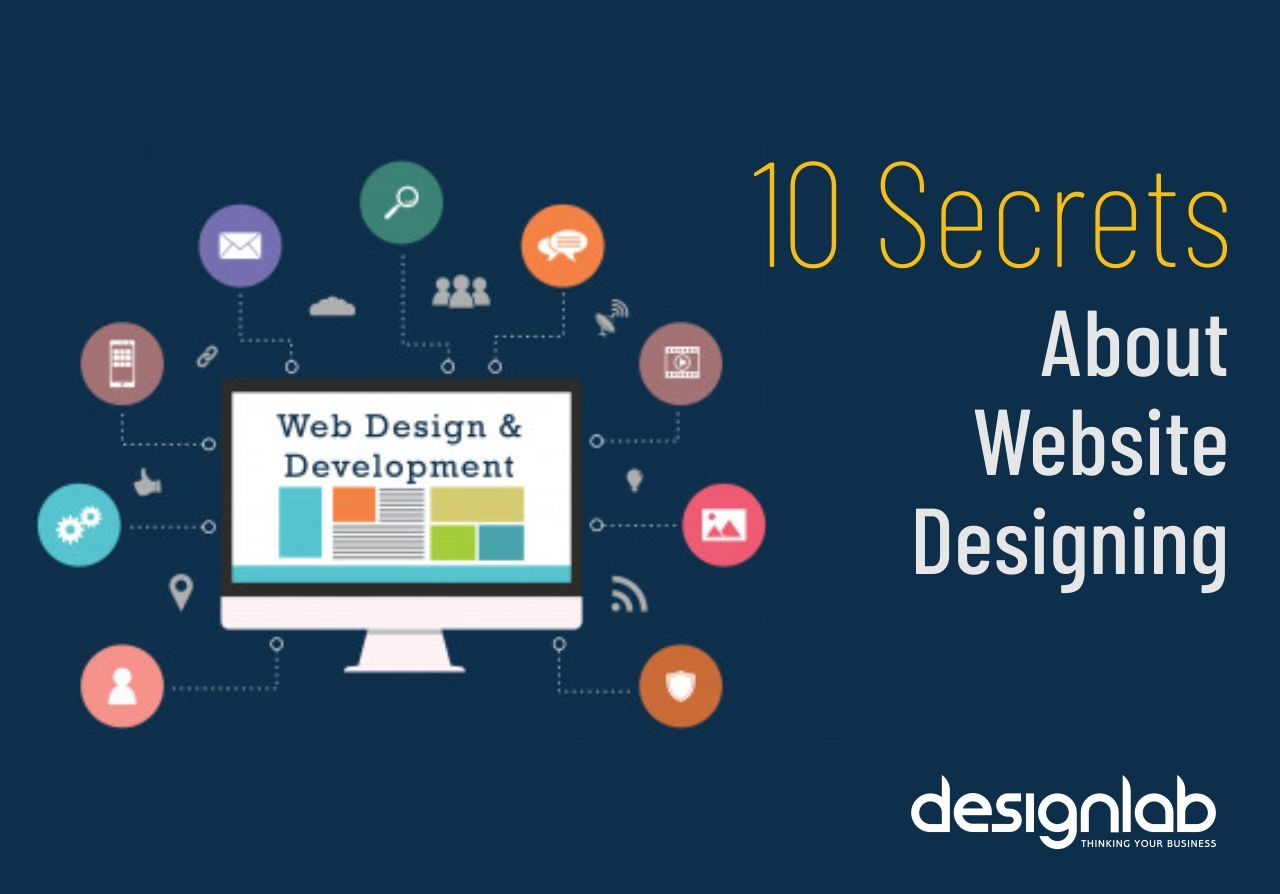
Which as a Website Designer or an Organization You Must Know
Being a web designer, you know that your work isn’t just limited to coding. Web designing is an international market and of course, you want to reach the heights. Also, website designing happens to be one of the most important aspects behind the success of a website. At least 50% of people believe that. So it’s obvious you need to have creative imaginations and some secrets about website designing. Visit website: https://www.design-lab.co.in/
10 Secrets by Design Lab About Website Designing
These 10 secrets about website designing by DesignLab will help you make that bit of difference which will help your company generate good revenue, but with time, will help you be the ideal website designer. So let’s deep dive into those 10 secrets about website designing.
1. Psychology Plays an Important role
Just because psychology plays an important role doesn’t mean that you need to be trained or certified in psychology. Just reading a few books, articles can serve the purpose. Since web design revolves mainly around user experience and user interface, try to understand how a customer will respond to the interface.
Is the interface user-friendly? Is it colourful? Does it give aesthetic vibes? A study claims that 50% of people believe that web design is an important aspect and marks the credibility of a website. It is because the design has the power to build up strong emotions. It is not only limited to colourful pictures but also the typography, illustrations as well.
The little space, clarity in vision can make a lot of impacts. So visual effects form the main foundation in persuading and convincing people. So, learn a bit of psychology for that purpose.
2. Beauty lies in simplicity
The less is the substance, the more is the speed. You don’t want to lose a customer right? Put content and links front and centre by eliminating clicks. Create a customer-centric simple website. Don’t make the customer play hide and seek on your website. Probably he won’t have the patience to do so.
3. Site speed is a necessity, not an option
Remember that over 60% of people switch over to a different website if the loading speed is more than 3 seconds. Site speed influences everything, right from bounce rate to customer retention to conversions and generating leads and revenue.
This secret about website designing is the least debated fact in the field of web designing. However, ensure that you or your organization is doing sufficient investment in website designing.
4. Marketing and Web-designing go hand-in-hand
Just take an example. If your client is looking for an eCommerce platform, then their main motive is to gain a market. That market will be primarily established by web designing. The main motive isn’t about displaying the picture of the products. But as in what will be the best way to make a person buy it.
To know that, you need to have a fair knowledge of marketing. What gets the customer clicking on a Call To Action button? What irritates the buyer? What does the buyer love? These questions can help you understand the market scenario and design the website as per the business requirements.
5. Presentation Matters. So is scrolling
It is always a secret about website designing which not many follow. If you have lots and lots of information, then rather than creating a different page for every heading, compress the details in one page and include a slider.
Nowadays, owing to social media usage, customers prefer sliding much more than clicking. Include a sliding option and see visible results. By the way, do you observe that here marketing is and understanding your customer is playing an important role? Surely, as a website designer, you do!
6. Understanding your Audience
What is the aim of the website? Who are the main visitors of the website? If this information isn’t in your pocket, then you are on the losing side of the battle. Do proper research on your customers, their requirements.
This secret about website designing is the most neglected fact in the field of web designing. However, don’t make this mistake. Ask questions to yourself from your client’s perspective. In this process, you will learn about their main focus. Are they providing sufficient information? Are they buying products? Are they interested and excited enough to know about your latest product?
7. Updating your site frequently
A stale website can never attract fresh customers. If the content remains the same with time, remember to lose a customer daily with time. Give your customers a reason to visit your site back. Whether it’s blogs or new products or new visuals, every update matters. If you are running out of ideas, share the latest news, the work-life of your employees or share your story. https://www.design-lab.co.in/website-design-development-company-in-pune
8. Under Promising and over-delivering
Don’t try to go beyond your limits just to convince or boast yourself in front of someone. You are the only one who can define your skills, your potential and your ability to complete a task on time. Promise only what you can deliver.
No one will be happy if you promise the world but offer the Atlas. The situation will even worsen in a time of urgency. However, if you’re able to reach your targets sufficiently before time while meeting the quality objectives, it’s a plus point.
9. Never Work alone
Being a web designer, you will have to interact with a number of developers, to make the work possible. So you need to understand the logic behind the code, its implementation and what can be the best and optimal solution in connecting with the backend.
If you are an introvert, we would suggest you come out of your cocoon and communicate clearly. Talk, express yourself. Give suggestions, take advice and discuss. Collaborate with your clients. Understand their requirements. If you feel you might get stuck at a place, do let them know. In this process, you will come to learn many new things as well.
10. Use the right listing order
Ordered and unordered lists, both are an awesome way to make information more accessible. However, keep the serial position effect in mind. The serial position effect states that usually, the human mind remembers the bullet point in the beginning and the end, and tends to forget the middle section. So it’s essential to keep the highly important information at both ends.
What are your Favourite secrets about website designing?
These were a few secrets from our side which we think should be in the sleeves of every designer. Nevertheless, sharing is growing. Feel free to comment on your favourite secret in the comment section below and let this website designing community grow. With that stated, sign up for Design Lab’s e-newsletter to get the most recent updates on the ever-converting international web design. Visit website: https://www.design-lab.co.in/
What Do Experts Say About Branding?

“A brand for a company is like a reputation for a person. You earn a reputation by trying to do hard things well.”, by Jeff Bezos, CEO of Amazon.
A slippery concept which many entrepreneurs and businesses fail to realize. It is called “ Branding”. Much more different than what marketing is. Many people confuse it with logos and website designing. At the same time, people confuse it with social media reputation.
Maybe one can define it to be an amalgamation of all the above-mentioned figures. It's more about developing strategies to capitalize on your brand. But how to achieve it? DesignLab will be explaining to you the simple yet most neglected tips that businessmen often tend to forget while building a global brand.
Do experts think unique branding is really essential?
In today’s hyper-competitive industry, unique branding forms a key point for each brand. A study states that 50% of the startups fail in the first fiscal year and 8 out of 10 entrepreneurs don't make it to their goal after 18 months. Why? Not leveraging the power of branding.
So what do experts say about branding and how to achieve it?
These are the few tips that branding experts and successful businesses follow in order to win over the art of branding.
So let’s get started with these:
1. Defining your brand
The most simple yet important questions. Ask yourself. What is your organization’s mission? Are your customers getting any benefits upon using your services and products? If yes, what do they think about your company? If not, what might be the reasons and loopholes for this setback?
Do the research your company needs. Once you have decided on it, get a great logo and use templates for your brand standards (Visit website: https://www.design-lab.co.in/) for more information.
2. Understanding customer behaviour
Customer behaviour has no fixed rule. Owing to differences in the culture they hail from and the habits that they have inculcated over a period of time. Owing to this customer behaviour should be addressed as a group or a cluster rather than just individual decision-makers. To observe the accurate trend in customer behaviour, one needs to accurately decode the trends for the business type.
3. Portray yourself efficiently
Positioning yourself properly signifies that the business is aware of its competition, weakness and strong areas. An accurate decision of a brand’s Unique Selling Proposition (USP) is the deciding factor between standing out or giving up.
4. Understanding what your brand name signifies
Every brand or product has a hidden symbol behind it which makes it unique from the rest. This helps users get a clear picture of what the brand revolves around.
For example, the brand name Design Labs signifies that the company is a hub with most activities revolving around the designing aspect. However, the name isn't the only key factor here. Parameters like colour, translation in other languages also do play an important role.
5. Good business partners can make a huge difference
The recommendations of a good partner always make a difference. These are the people with a reputation and don't misuse your name. Most importantly when legal proceedings are concerned. Try working with an attorney in protecting intellectual property overseas and filing trademark and several patent protections.
6. Thinking beyond limitations. Be dynamic
With every second passing by, there is a change. Change in the economy, or change in trend. During such times of changes, your brand should be able to pivot itself due to expansion and demand. For example: Suddenly the demand of your product became very high owing to the addition of a new feature.
To meet the disruptive demands, your supply chain should enhance the survival of your brand. Outdated business philosophies are a disease in today’s dynamic industry.
7. Leveraging the use of tech-based solutions
Technology is a boon. The use of technology has severely enhanced and customized the art of brand management in several ways. For example, impacting the zone of Custom Relation Management (CRM) systems.
A brand should be open to technological know-hows and accept those updates in technology over time. Investing in technology for brand reputation is the best investment ever.
8. Take the advice of custodians
If you aren't aware of this term, let us inform you that custodians are basically consultants. They guide and act as an advisor for local brand marketing teams on several strategic dilemmas.
Their prime focus is to ensure consistency in brand positioning with adherence to brand values, objectives and guidelines. They follow the best practice of marketing tools and localized communication and have a piece of good knowledge of their application.
9. Define your organizational structure
Brand management can also be ensured when there are well-defined organizational structures. Divide your organization into the sales team, developer team, Q/A, consulting and customer service.
This is the art of problem-solving too, Where a complex problem is divided into small chunks and tasks are divided accordingly. The functioning and the tech team need to have core values to hold the accountability of actions and provide highly efficient results.
10. Your website’s user experience can affect your branding
50% of the people’s thought process is driven by visuals and illustrations. Aesthetic vibes are so powerful that people usually portray them. Your appearance to the entire community of netizens can affect your brand positioning.
Thus it is better to associate with the best website designing firms who can customize your website as per the industry-standard as well as maintaining your brand’s values as well. Your website, and promotional materials, all that should integrate into your logo-, gives your brand the voice it needs. TO know more about website designing, Visit website: https://www.design-lab.co.in/
11. Maintaining consistency over time
Who doesn’t like consistency? Even a high school teacher expects her bright student to consistently be bright. Same with businesses as well. Since customers always become selective about a product or service they like, they expect their brand to perform well all the time and come up with some new ideas.
No doubt you might get some backlash at some point in time. But it depends on how you are able to manage it, analyse it and come out of it. Surely it would be a learning experience.
Final thoughts on experts advice on branding
“Brand is just a perception, and perception will match reality over time. Sometimes it will be ahead, other times it will be behind. But the brand is simply a collective impression some have about a product.”, Elon Musk, Tesla.
A company raises their standards with its brand name and fame. Thus expert advice states that branding is 90% behind a company’s success.
Why Prefer Digital Marketing Over Traditional Marketing?
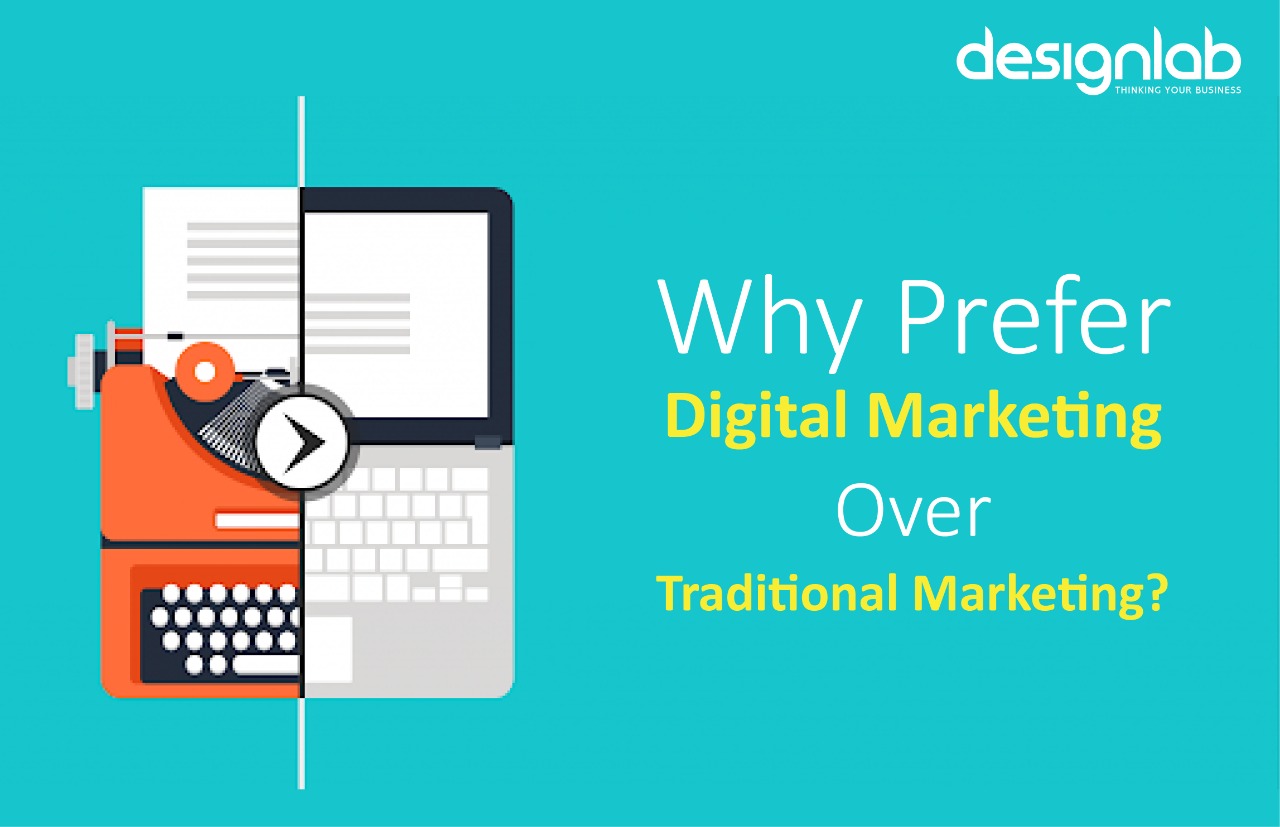
While having an advertising and marketing budget is vital for any small business, it’s similarly important to spend it in the proper route and make the maximum of it. How do you recognize where to spend it in terms of digital marketing vs traditional marketing?
By gaining readability at the digital marketing vs traditional marketing aspect, a business can get a better plan of which marketing method is appropriate and how its miles need to be applied. For example, if you decide to use social media advertising to construct your brand and grow your patron base, you can do it yourself or recruit a reputed digital marketing firm.
Digital Marketing vs Traditional Marketing: What is Traditional?
Traditional advertising and marketing are nothing new because it’s a form of marketing that we were exposed to at one factor or another. It is a convenient mode of advertising that helps to attain a semi-targeted target audience with diverse offline marketing and promotional techniques.
The world is in a digital age, and tens of millions of people spend a lot of their time poking around digital structures. Businesses are becoming increasingly privileged to this truth and consequently leveraging on the recognition of these platforms to promote their items and offerings. Marketing is all approximately connecting with customers inside the right place at the proper time, and if your customers are plentiful online, then that is where you should go.
Low cost
Marketing and advertising costs are one of the biggest economic burdens that organizations must undergo. While huge companies won't have so much trouble shelling out millions and thousands for marketing and commercial, for small agencies, this could be impossible or an unbearable nightmare. Marketing through digital platforms gives an extra cheap alternative to the conventional method. They create a lot of effects yet cost nothing.
Easy to measure
The successor in any other case of a digital marketing campaign can easily be ascertained. Compared to traditional methods where you have to wait weeks or months to evaluate the veracity of a marketing campaign, with a digital campaign you can recognize almost without delay how an ad is acting.
Email advertising and marketing software permit users to tune the performance of their emails; they are able to understand what number of had been added, what number of have been studying and learn all about their conversion quotes. Google Analytics is a completely powerful tool for measuring specific desires to be accomplished on a website or weblog. Google AdWords manager allows users to display the performance of their ads on Google seek; they could understand how many people viewed their ads and learn all approximately their conversion prices.
Huge return on investment
Nothing subjects extra to a business than the return on the investment it makes. Digital advertising offers a massive return on small investments. Email advertising or jogging advertising and marketing campaigns on social media structures price little when compared to standard marketing techniques.
Easy to share
Most digital marketing channels function sharing talents that permit campaigns and articles to be shared with multiple followers. This enables to create a multiplier impact and has the ability to notably improve sales results.
Easy to adjust
The knowledge of the overall performance of an advert will tell a commercial enterprise on a way to proceed. For an ad marketing campaign that is appearing well, it is easy to make investments greater in it with just a click. But for an advert that isn't delivering as predicted, it may be adjusted as a result or stopped altogether simply.
In traditional advertising, it is more rigid as a mountain of paperwork needs to be signed and in maximum instances, those agreements are on a protracted or medium-time period foundation. So even supposing a marketing campaign isn't always performing as hoped, subscribers will nonetheless watch for the expiration of the agreed period.
Precise Targeting
The traditional means of marketing use the spray and pray approach, where an ad runs over a platform with big attainment with the hope that some folks that love what they see, pay attention, or read might make a fantastic method. Marketing over digital systems, however, allows for targeted campaigning wherein commercials are supplied to clients primarily based on their alternatives or preliminary action. Take, as an example, transactional emails (order confirmation emails, receipt, password reset) which will only be sent to customers following their action towards the business. In other words, customers get only what they ask for.
Social media systems typically own a completely clever algorithm that studies and collates user choices. Such that precise ad campaigns are shown only to users with a selected inkling. This allows to grow the likelihood of sales as well as further reduce down at the fee of marketing.
Brand improvement
Businesses can use their digital systems to build their business enterprise’s emblem and reputation. A properly advanced website, a blog proposing great and beneficial articles, a social media channel that is notably interactive are some of the methods by which a business can construct its brand.
Segmentation
Not only does marketing over digital platforms allow campaigns to be targeted at unique clients, but it also lets in consumer segmentation. Segmentation is the technique in which big purchaser agencies are in addition broken down into smaller businesses of customers in keeping with a particular classification. Segmentation increases the probabilities of income, as well as cuts down on fees.
Take, for an instance, e-trade keep that has launched new offers for women’s clothing. Using virtual platforms, offering, for example, e-mail advertising solutions, permits the business to ship emails to women on my own. And if a proposal is to be had only in certain regions, residents of given areas can be the only ones who will get the email.
For segmentation to work effectively, adequate information must be collected from subscribers. Visit website: https://www.design-lab.co.in/
Where Website Designs are Headed in the Next Five Years?
With new strategies, technology, and movements constantly arriving at the scene, our experience of where things are going is more unsure than ever. And so, we wanted to research what the landscape of web design may seem like in some other five years or so.
5 years from now one thing will be certain.
Websites will look, feel & operate in a completely different way to how they do now.
From small visual trends & responsiveness to a complete overhaul on how we use them.
As we pass closer to the mid-21st century, it's indisputable that web design turns out to be increasingly more crucial. As individuals live more and more of their lives online, virtual consumer reviews may be the rock on which almost every large organization is built. But there's one mild hassle.
"There's a call for a desirable software program but broadly speaking, there aren't enough exact good developers to construct the one's things, "And although there were, infrastructure is something that takes plenty and plenty of time and attention – time that might be higher spent on constructing functions for customers."
Developer tools will change the game
As we pass in the direction of the mid-twenty-first century, it is undeniable that web design is going to turn out to be more and more essential. As humans stay more and more of their lives online, digital person stories will be the rock on which nearly every huge organization is built. But there's one moderate problem.
There's a call for top software programs, widely speaking, there aren't sufficient excellent developers to build the one's things, and despite the fact that there have been, infrastructure is something that takes masses and masses of time and interest – time that could be better spent on building features for customers.
But here's the best news: to plug that gap, we're presently seeing an explosion in developer equipment. Pusher's tools, for instance, make it clean to build real-time capabilities into programs, so they update automatically without users having to refresh the browser.
We need to act as a force multiplier, to help cease the reinventing of the wheel across the enterprise.
Data meets design
The future is going to be all about bringing design and data together, talking about designing an experience that's helpful to the user and leverages data and analytics to make that personalized and contextualized.
Smarter website designs
Now that smartphones are commonly used for web browsing than laptops or computing device PCs, adaptability has grown to be critical. In 2023, with smarter sites that steer clear of ‘regular’ templates and tired formats, you may anticipate net layout to have long past a whole lot in addition down this road.
Only one branch of this tree is Responsive Design. Other patterns are set to be increasingly famous, inclusive of voice-optimized interfaces, chatbots, and context-precise page variations.
Based on variables including the place of the visitor, the form of computer they're using, and the alternative offerings they are logging into, websites can already be tweaked. They might be plenty extra versatile as they get smarter and extra self-sufficient. For example, a push notification that is sent to their smartphone will provide them with a different deal or a connection to the website of the enterprise while a purchaser passes through an actual international store. It combines online advertising and marketing with the presence of bricks and mortar.
Augmented reality web design
Users could stroll down a traditional excessive street with AR, look at a retailer, and gain instant offers from their website. With the statistics pulled from the net from their wearable tracker, they may walk through a restaurant and spot what’s on the menu.
This will push sites to come to be more flexible and minimalist, or as a minimum adaptable sufficient to show site visitors throughout the pinnacle of the globe, all without becoming evident. This isn't always in itself a clean juggling act; it's far simply that the structures concerned have changed. Designers and builders will want to get a grip on this era, equipped for while larger tech-focused websites begin pushing it via their personal websites, apps, and platforms – it will likely be a design feature that everybody will need and is in reality up there in relation to predicting the future of web design.
Voice interface technology
Voice interfaces are likely to be embraced over the subsequent 5 years as customers accept a more realistic, conversational approach to speaking with websites. This implies that during the design manner, in addition to while generating content material, the voice would be taken into consideration. Sadly, the thoughts of voice interfaces are entirely one-of-a-kind, which affords an apparent impediment to builders.
AI and automation will come to the rescue and are already being used to trade the way questions are replied by way of voice assistants. The search engine optimization age’s brief, focused, keyword-driven techniques will give way to a time when long-tail search phrases are a lot more effective. In order to mirror this, content strategies will alternate, with FAQs pulling in visitors greater effectively than beyond keyword-packed posts.
The voice ought to unencumbered sites and cause them to depend much less on established, rigidly formatted content, despite the barriers to adoption. Voice is also visible as an assignment to standard SERPs together with Google, a commercial enterprise that is anchored on this hands race itself.
If computerized web design centers of a better grade may be provided for designers of websites than is provided for the majority to apply then website online designers would possibly experience a need to buy the right of entry to those to stay beforehand of the game. There are already future question plugins to be had for developers who use WordPress for his or her site design.
Most drastically, these future-focused systems, plugins, apps, and tech would more than probable complement, not a replacement, conventional interfaces that we already use, this could cause much less havoc however, it’s vital that you live ahead of the curve to save you from falling behind. With that stated, sign up for our e-newsletter to get the most recent updates on the ever-converting international web design. Visit website: https://www.design-lab.co.in/
10 Secrets about website designing
On the Internet, web design hints are a dime a dozen. Many humans have critiques on what the Ideal website looks like because, to a certain period, design is subjective. What one person likes; others may locate hideously.
At an identical time, web design is one of the most important elements for the fulfillment of a website. In reality, nearly half of humans say that the design of a site is their main thing for judging an enterprise’s credibility. As an effect, it also affects conversions, jump price, and greater.
You will have heard the announcing “first impressions be counted”. Well, this reality of lifestyles additionally applies to your business enterprise website too. Getting those first impressions wrong could emerge as costing your enterprise wherein it hurts the most - the lowest line. Before you're thinking about a brand-new website design or website refresh it, you ought to examine these 10 Secrets to understand what sincerely subjects and a way to keep away from expensive plan botches.
1. Try not to Go Over 30% Innovation
The mystery here is that 30% is the bounty with regards to development and creative thoughts. Graphic and innovative designers have a 60/30/10 guideline of shading, 60 being the predominant and 30 the new. An excessive number of creative and innovative things on the double can confuse customers and clients, stir up the known with the new, adding gradually to the generally recognizable when the new gets known – add something extra.
2. You Need to Understand Psychology
You don't need to be an analyst or have to be a psychologist to intrigue and get some background and examine some articles and books. Attempt to see how website traffic responds and consider design, User Experience, and User Interface configuration are important. Add to this the indispensable design configuration plays in setting up trust in a brand, with practically half of individuals asserting it as the main factor in building up believability. Design influences feeling (with colors as well as typography, pictures, illustrations) special visualizations are the excellent inspiration in influence. Also, we need space, clearness of vision, and a message. a little exploration can have an immense effect.
3. Get Comfortable with The Audience
Who is this site focused on and what is the point? Except if you have this data you are facing a losing conflict. Exploration your customer's customers, ask yourself the inquiries they need answers to. Come at the situation from their perspective. Is it true that they are being educated? |Are they purchasing? Would they like to get some answers concerning your most recent item? Would they like to understand what you do, what your identity is? and so forth At that point center the site around that thought, the site is there to do a task, it doesn't make any difference how cool it looks if it doesn't do the work, it has fizzled. Achievement will bring you more work, cool will get you fans - this is business.
4. Sell, sell, sell
Every website is promoting something, maybe no longer manifestly however they're. You need to understand what this website is promoting and how. Not each website is direct e-commerce, but the owners have a motive (every so often even they don’t understand it) however because the designer needs to maintain this in thoughts, you want to apprehend it. When they are saying “we need a blog with a groovy design” what’s their agenda? Do they need to earn money from advertisements or generate traffic for another website that is selling something? In any other case do they want to do the arena a favor by spreading statistics with an artistic imaginative and prescient? It is, for certain, no longer the latter. You might be promoting a picture, professionalism, concept, credibility, logo identity, and feel, but you need to recognize what you're selling.
5. Web Design Is… Marketing
All web design is advertising -to a certain quantity. Your customers want an e-commerce platform to sell pants, the net design is their high advertising. Don’t simply add a few images to view the pants and somehow work them into your design. The focus, the intention is to provide their merchandise within the nice light and to get people fascinated enough to buy. To do which you need to recognize a few things approximately advertising and marketing – what annoys the customer? What gets them clicking on a Call to Action button? You design, you spin, your marketplace, you create the appearance, you create the texture… Massive activity, however possible.
6. Collaborate
You aren't operating FOR your client; you're operating WITH them. This works great when it works each way. They should provide you with sufficient statistics, ideas, functions, and ambitions however equally, you are the professional. You have the experience and the understanding, don’t be shy to offer advice, you realize what works and what doesn’t – teamwork is a two-way partnership. Agreeing to anything may get you into problems in the beginning and similarly disappointments down the road. Adding an expert center puts you in a more potent position and leads to a long period of running relationships.
7. Presentation is Everything
When you present your website design to your customers, you're offering them your joint vision. It wishes to get them excited; they want to experience what you sense; it desires to create power and a buzz. This is greater than simply any other step within the method, this is the make or smash. Put the effort in to get it right, discover a few cool mock-ups, make an animated video, to expose them to what your website design will appear to be in existence. They want to depart the meeting saying they couldn't wait.
8. Under-promise and over-deliver
If you promise the world but deliver an atlas, nobody is going to be satisfied. Promise what you may supply regarding competencies, potential, and time frame, be upfront and lay your playing cards at the table. If you don’t meet your objectives it leaves a poor sense. If you surpass them, it’s a major plus.
9. Admit your errors
You aren't faultless. If your consumer says that something isn't working for them, they could probably be wrong and simply they could be right. Check it out, in case you are right, explain it, with courtesy and accept that they have been right to contact you. If there's trouble, don’t try excuses, admit it, and put it right. Even if it’s an exceedingly minor false impression, it’s higher to maintain on good terms and get it executed. Admitting a mistake is not a sign of weakness, in fact, in commercial enterprise, it's miles visible as energy. By being energetic and now not defensive you display transparency and credibility, the clients understand that errors occur, however, if they realize you're there for them after they do, they’ll come back. And it keeps the lines of conversation open.
10. Don’t work on my own
As a web designer, your work is strongly linked with the work of website developers, a good way to work in your design later. To a certain quantity, your work is simplest as accurate as theirs. A knowledge of what they do, how the code is carried out etc, will now not best help your layout but additionally enhance your courting with the developers. Our tip is… discuss ideas with them, take on board suggestions, and communicate certainly…. Build a piece of information. If you realize a good development crew, recommend them to your patron, both parties will recognize it and refer to paintings both ways. @https://www.design-lab.co.in/website-design-development-company-in-pune
WHICH DIGITAL MARKETING STRATEGIES GENERATES THE MOST LEADS?
Statistics show that billions of people are involved in this incredibly huge market to make this world digital where everything is available with the ease of just one click. There are numerous digital marketing strategies, and sometimes it can be very overpowering when marketers out there who are attempting to choose cannot decide which one to focus on. Advertisers/Marketers searching for these strategies need to have an unmistakable comprehension of their business, and socioeconomics before picking a particular or maybe more digital marketing strategy that will be successful for their necessities.
Hence, it can be challenging to assess which strategies will deliver you the maximum leads, and the ones that work best will rely on your enterprise’s desires and brand. So how can you determine with a purpose to convey you the highest first-rate leads on your investment?
Let’s see some best Digital Marketing Strategies that will Generates the Most Leads:
1. Search Engine Optimization (SEO)
Search engine optimization (SEO) is the procedure of improving the quality & quantity of a website, site visitors to a website, or an internet web page from engines like google. SEO targets unpaid visitors (called "organic" or "natural" outcomes) as opposed to direct visitors or paid site visitors. Unpaid site visitors may originate from one-of-a-kind types of searches, along with photo seek, video seeks, educational search, news search, and enterprise-precise vertical SERPs.
2. Content Marketing
Content is the most ideal approach to convey quality data about your product and administrations. It comprehends the psyche of clients and dissects what the customer very to know. This assists them with making significant substance and taking care of the correct data into it. Additionally, with these clients can discover answers to the inquiry essentially by visiting your site. Along these lines, the clients can take the correct purchasing choice and in setting aside their time and money. Likewise, the substance doesn't have a time span of usability. Whenever it is presented, it will proceed to educate potential clients for a long time. This offers numerous benefits to the organizations and assists them in achieving the most extreme benefits that any organization can appreciate.
Utilize Content for Lead Generation
There are numerous methods of producing leads, however, one attempted & tried technique is by giving important composed substance and disseminating it properly. At the point when you attach your websites and articles to a particular offer employing a presentation page, you support your change potential. As indicated by Entrepreneur, bloggers are multiple times bound to have a positive ROI, and organizations have similar kinds of results.
3. Email-Marketing
Even though it might be one of the more established strategies or just an old technique, email marketing can be an exceptionally incredible asset when attempting to arrive at possibilities or upsell existing clients. It's essential to adjust your email marketing system by fitting your informing to target explicit portions of your client information base. At present, marketing automation is a famous technique to assist advertisers by sending emails that are high-targeted, to leads. Adjusted with your CRM, leads can be set into a work process so once they round out a site structure, they are sustained with content that coordinates with their particular advantages. This could incorporate subsequent messages with incredible substance and a CTA (Call to Action) to buy/subscribe to your blog.
4. Social Media Marketing
Social Media Marketing can be an amazing channel for lead age. To be fruitful at securing leads through social media, you should put time and exertion into building a drew-in crowd so you can change over those people into leads. The primary test is sorting out which platform is appropriate for your business. You can run paid social advertisements on Facebook, Twitter, LinkedIn, Instagram, and even Pinterest or YouTube.
Mostly, internet users are on Facebook and Instagram, including youth and adults. So around 84% of marketers decide to utilize these stages to drive traffic and secure leads.
Facebook eliminates the contact and brings down procurement costs, giving a vastly improved client experience and ideally driving more leads for your business.
5. Utilize Content to Show Authority and Authenticity
-Get individuals with live chats or webinars or one-to-one interactions.
-Offer continuous learning and training as a piece of your brand's central goal, regardless of whether it's about the actual brand or about a reason it's nearby.
-Use podcasting and composed meetings to produce content on a conversational even out and guarantee that you have SEO-improved, legitimate substance out there on the web.
-Post your live and different recordings to your site and even install them in promotions. Video is one of the top converters, and it doesn't need a high spending plan to utilize well.
-Furthermore, remember the feeling-based storylines. Stories that appeal to the genuine individuals behind your organization can be advantageous. They cause your organization to show up more friendly and congenial, building trust. Buyers are searching for more significance behind their buying propensities. Give them a valid justification to keep picking you.
6. Stay Quick-Witted.
Focus on shifting and changing SEO patterns by keeping up with the latest trends and strategies. Focus on your KPI's (key performance indicators). Step away from vanity measurements – that is, don't focus on the numbers that aren't totally urgent pieces of your drawn-out progress. Use KPIs to gauge achievement, yet don't have them made permanent.
Also, set up ceaseless spans for examining, getting, estimating, and afterward revealing. See how to separate basic measurements if it would seem that something isn't working.
7. Make sure you have your eye on the result as well.
In marketing, there is frequently such a lot of accentuation put on the product and the "numbers" encompassing it (benefits) that occasionally individuals dismiss the need that the product satisfies.
Although, we've just named a small bunch of leads generating strategies, whichever you decide to explore, be certain you continue to test. This will help you acquire an inside and out comprehension of how to successfully plan and execute computerized promoting efforts to move the primary concern. Design Lab - Graphic Design Services & Best Logo Design Agency in Pune @ https://www.design-lab.co.in
7THINGS ABOUT BUSINESS GROWTH ANYONE WOULDN'T TELL YOU
All businesses have got right of entry to an extensive pool of knowledge - whether that is their knowledge of customers' needs and the business surroundings or the capabilities and skills in the staff.
The manner a business gathers, shares, and exploits this knowledge can be imperative to its capability to expand efficaciously. This does not simply observe large multinational organizations. Knowledge control can advantage anybody from a nearby newsstand to a manufacturing company.
Business owners have various dreams while they're beginning out, which include fast increase and reputation for their fledgling enterprise. But in a single day success is not frequently the same old: There's no particular "special sauce" to feature to the recipe for immediate results, and nothing is guaranteed.
However, there are methods to reach growth milestones that could catapult an enterprise to achievement.
- Hire the Right Persons
Before you can even think about your enterprise's boom trajectory, you want to make sure that you have a solid workforce that allows you to achieve it.
"With a small enterprise trying to grow, it's essential to have the right members at the desk.
Finding the right Individual that will help you run your business is important, and a venture for many enterprise owners. Growing businesses generally tend to attract the best person. The opportunities and hurdles that a successful, developing enterprise can provide for their team of workers make them very attractive. Being a part of a developing enterprise is often an invigorating and professionally fulfilling experience.
Also, once your enterprise has reached the point in which you're delegating control and operational selections to others, the commercial enterprise now not has to rely on you. This lets in you extra time to devote to personal pursuits.
- Be Adaptable
One trait that hit business frequently has is not unusual is the ability to interchange directions quickly in response to improvements within the market, each in terms of your product and your enterprise, will assist you to develop greater quickly.
"By permitting yourself to adapt and alternate quickly, you are able to test unique tactics to business and find out what works pleasant."
- Focus on your Customer Experience
Customers' perceptions of your enterprise can certainly make or spoil a business. Deliver great experiences and commodities, and they will quickly sing your praises on social media; mess it up, and they may tell the world even faster. Fast growth relies upon making your current clients happy with their experience.
Compared with big organizations, small businesses are nimble, and often better able to see, count on, and respond to their client's desires.
"The maximum a hit small business exploits this advantage, by way of bringing new and modern products and services to market greater speedy and growing and nurturing long-term customer relationships."
- Increase Stability
As businesses develop, they have a tendency to become more stable. An individuals' business with limited streams of revenue is a whole lot less stable than a business with various places and dozens of people on staff.
This balance is likewise partially because of the manner your commercial enterprise is perceived. As your business grows, people believe that you are much more likely to be around at some stage in the lives of their products to supply spare elements and honor guarantees. If you grow your enterprise you are likely to promote more products and services to this market segment.
Expanding your operations across diverse markets and places additionally spreads your concentration risk from market fluctuations and downturns. As does growing your supply base.
- New Markets, Competition, and Innovation
Many small businesses fail because they do no longer offer a great satisfactory motive for a person to switch from their present-day supplier to the new services or products. If you’re suffering from the tight competition and an undifferentiated proposition, then expanding into new markets may be the answer.
Expanding into new markets can assist your business to establish a presence in locations wherein there's a particular want in your products or services. This can assist to lessen the impact of saturation and difficult opposition in your existing marketplace.
If you’re looking to live within your present market, a circulate to larger premises or new locations might also boom your manufacturing capability and assist you to drive away your competitors.
Growth also can take the form of innovation. Investing within the redevelopment or enhancement of your supply can differentiate you out of your competition and increase your possibilities of persisted success.
Growing your commercial enterprise enables you to set up a more powerful brand identity, further assisting to stave off opposition. Franchising, licensing your products and services, or increasing into carefully chosen new product regions lets you spread your brand. As the range of locations and product increases, your brand identity develops, and your revenue grows.
- Respond to Market Demand
You’ve carried out in-intensity market analysis and realize that your products or services are nicely desirable to the desires of the current market. Your analysis has proven that the marketplace is massive and focused enough to need sufficient of your product at the charge you want to preserve your growth aspirations.
In this case, developing into other locations, and taking up an extra group of workers will let you build for your current achievement. You can boom your market share, and capitalize on your growing brand fairness to doubtlessly come to be a market leader.
- Attend Networking Events
Attending networking events permits you to hook up with like minds, many of which have specific views and insights which you wouldn't find elsewhere that let you grow your commercial enterprise. The connections and relationships that come from attending networking activities may be useful for years to come.
Growth isn’t just essential for an organization—it’s in reality important. Without a persisted increase, operations will stagnate. This can bring about reduced standards of the first-rate for services or products, reduced customer support, poor worker morale, and a bunch of other troubles. Also, growth can “improve your business’ credibility, allowing you to increase your supply base and increase balance and earnings.”
All compelling advantages won by way of the pursuit of business growth!
Effective growth additionally helps stave off the potentially adverse effects of fluctuations inside the market and national economy. @ https://www.design-lab.co.in
HOW BRANDING IS GOING TO CHANGE YOUR BUSINESS STRATEGIES?
Branding, by definition, is a marketing practice in which an enterprise creates a name, image, or design this is effortlessly identifiable as belonging to the enterprise. This facilitates to recognition of a product and distinguishes it from other products and services. Branding is essential due to the fact not best is it what makes a memorable influence on clients but it permits your customers and clients to understand what to anticipate from your enterprise. It is a way of distinguishing yourself from the competition and clarifying what it's far you offer that makes you the better desire. Your brand is constructed to be a true illustration of who you are as a commercial enterprise, and how you desire to be perceived.
Branding is surely important to a business because of the overall effect it makes on your business. Branding can transform how people understand your brand, it can Inspire new business and increase brand awareness.
Let’s see how Branding is going to change your Business Strategies:
- Branding Gets Recognition
The most essential purpose branding is important to a business is that it's how a company gets recognition and becomes recognized to the customers. The brand is the most important element of branding, specifically in which this component is involved, because it is basically the face of the corporation.
- Branding Increases Business Value
Branding is essential whilst trying to generate future business, and a strongly hooked up brand can increase a commercial business's benefit by giving the enterprise greater leverage within the industry. This makes it an extra attractive funding possibility due to its firmly installed location inside the market.
- Branding Generates New Customers
A suitable brand will have no trouble drumming up referral enterprise. Strong branding commonly means there is a nice impact of the company among clients, and they're in all likelihood to do commercial enterprise with you because of the familiarity and assumed dependability of the usage of a name they can agree with. Once a brand has been well-mounted, word of mouth will be the corporation’s nice and best advertising approach.
- Improves Employee Pride and Satisfaction
When a worker works for a strongly branded company and honestly stands in the back of the brand, they will be extra glad about their task and have a better diploma of delight within the work that they do. Working for a brand is legitimate and helps in excessive regard among the general public makes working for that corporation extra fun and pleasurable. Having a branded office, which could often assist personnel feel greater happy and have a sense of belonging to the enterprise, may be achieved through using promotional merchandise on your desktop.
- Creates Trust Within the Marketplace
An expert look and well-strategized branding will help the business enterprise build acceptance as true with purchasers, potential clients, and consumers. People are much more likely to do work with an enterprise that has a bright and professional portrayal.
- Branding Supports Advertising
Advertising is every other factor of branding, and advertising techniques will immediately imitate the logo and its aspired portrayal. Advertising strategies together with the use of promotional merchandise from trusted organizations which include Outstanding Branding make it clean to create a cohesive and appealing advertising and marketing approach that plays properly into your branding dreams.
- Connect with a New Audience
The largest advantage to freshen the appearance and experience of your brand is the capacity to attain new clients. When you focus on new elements of your business and promote them successfully, people will take word. Branding can provide the stimulation your commercial needs to create a new increase in an ever-evolving marketplace.
- Set Yourself Apart from Your Competitors
As you develop your business, your abilities might also begin to without delay take care of those of your industry competitors. Branding can be the only manner to set your agency’s offers and techniques apart. Differentiating your brand shows ability customers that your services are precise—and which you’re the professionals. Branding your agency to have its own voice, appearance and experience will assist set up your business as an industry chief with a persona that appeals to your audience.
- Stay Current
Branding has one easy goal: to hold your brand present day. Design tendencies(trend) play a primary role in how potential or contemporary customers understand your company and all it has to provide. Ensuring that your appearance is continually in advance of the curve indicates your customers which you take note of the tendencies(trend) within your industry.
- Reflect New Goals, Products, Offers, or Values
It’s tough to exhibit how your organization has grown while your brand doesn’t imitate it. If you’ve grown to offer new commodities, grown to include greater offerings, or set new goals on your enterprise, then branding is an extremely good way to expose that your enterprise is evolving.
- Boost Your Bottom Line
The blessings of branding will no longer handiest influence your overall inbound strategy, but they will make your organization more worthwhile. Reaching new potential customers, standing out from your competitors, showcasing your expertise, and increasing the impression on and reach of your services and products are all effective methods to boom your earnings simply by way of giving your emblem and new look.
Your brand is your company tradition. It is the identifying mark of who you're and what type of revel in you promise to provide your customers.
By the end, you have to be able to examine your very own situation to see if it's far indeed time to do not overlook a branding strategy.
Your brand is made from a conglomeration of factors, which includes marketplace capability in addition to marketplace differentiation, brand awareness, relevance, culture, associations, and fairness. The most important element to summon yourself while identifying whether or not it's the right time to rebrand is that if you can enhance any of the above elements to make your clients happier. Corporate Branding Agency @ https://www.design-lab.co.in/business-corporate-branding-company-in-pune
Branding is a good way to change your target market, so if you feel as if your business isn’t appealing to the customers you want, change things up!
An Expert Views About Business Growth
Having a growth method in location is essential to make sure that your business hits its milestones or meets its goal. What are the excellent ways for a younger enterprise to enforce a strategy and control boom? Here are some suggestions from an expert for business growth
Hire the Right Team
Nothing is more crucial for a business boom than hiring the proper individuals, says Paul May, founder, and CEO of Buzz Stream, a link-building website. May says employers have to have a “very rigorous hiring system” to locate the proper human beings for the employer and the task. Afterward, the employer should offer adequate technical and highbrow aid to these human beings to preserve them and permit them to achieve success.
There are not any magic components for hiring the proper human beings, but full-size interviewing, checking references and searching at prior paintings enjoy greatly help. Your employer can also put in force an internship application to recruit the great expertise sparkling after graduation.
Any Plan is Better than No Plan
Having a terrible plan is better than having no plan. This is a chunk of advice extensively attributed to Peter Thiel, the mythical co-founding father of PayPal and one of the first investors of Facebook. What marketers can take from this piece of recommendation is that it’s important to devise for the boom. If you're too concerned that your plan is terrible and put in force no plan at all, the growth you desire for will maximum probably now not show up. Don’t count on to “wing it” concerning the future of your business enterprise. Keep in mind that your opposition could have a booming strategy even if you don’t.

Narrow your Focus
This ingenious piece of advice comes from John Turner, the founder, and CEO of Usersthink.com. He says it’s important to note the difference between scaling up and doing many things–the two don’t necessarily mean the same thing. It is possible to hurt growth by focusing on too many products, which end up being subpar because the resources are shared unequally. Turner’s advice is to focus on a few things that your company is good at; master these core products and then experiment with other things. That’s scaling up.
Know your Market
Seth Shaw, CRO of Wrike, an online project management software, cannot emphasize enough the importance of having an information analytics group. If you don’t recognize your market,
you genuinely don’t realize a way to develop. He says a facts-pushed marketing strategy is sure to be stronger and greater successful in the end than one that is pushed by using whims.
In the age of Big Data, if your corporation does not religiously accumulate market records such as patron shopping for habits, you’ll omit out the possibility to get to know your customers intimately. If you don’t understand your clients, your advertising plans and new tasks are certain to fail.
Self-Fund as long as Possible
The remaining piece of recommendation comes from Martin Sen, CEO of Davinci Virtual Office Solutions, who encourages business owners to self-fund for so long as possible. Outside buyers and assignment capitalists can meddle in your business plan and you could lose attention, which is the worst issue that may happen to an agency looking ahead to boom.
Find Employees eager for 2nd chance
Often, we listen that agencies want to go to the following level, however can’t for the loss of a group of workers. Explore possibilities consisting of “justice-involved” people, who often have acquired a few educations and/or certification at the same time as they were incarcerated. They expect access-level positions, are eager to paintings and can have extra motivation to “show up and deliver” because of reporting to probation/parole officers. For groups, there may be extra incentives for hiring those people, including tax credit, and there are assistance packages to further increase those new employees. Kelly Asbury, Director, SFCC Small Business & Technology Development Center.
Use 60/20/20 Approach to Time Management
In place of spending one hundred% of your time knocking out tasks through the “Whack-a-Mole” approach, I recommend a strategic technique to time control. First, use 60% of it slow to proactively awareness on duties that sincerely upload fee for your business or cannot be carried out by using others. The different 40% of a time should be divided into two categories: 20% on planning and 20% on strategizing. Planning is dedicating time to resources and schedules for the operation of the commercial enterprise; strategizing is time evaluating how you may enhance your commercial enterprise's overall performance, your customer experience, or your profit version. Shawn Lynam, Business Advisor, South San Diego SBDC.
Dig Deep into your Numbers
As a long-time enterprise, you must be the usage of accounting software. Once you apprehend the fundamentals, what else can your degree? Understand your inventory turns and dive into your cash waft. Now is the time to begin to measure your business and use metrics to take your commercial enterprise to the next stage. —Kayla Rossiter, Business Development Specialist, South Central Minnesota SBDC
Build and Leverage Cyber Security
Businesses need to put together and beef up their cyber-infrastructure, not genuinely to be geared up for the next risk, however, greater importantly, to place their companies to take advantage of the opportunities supplied by a robust records protection posture. The overwhelming cascade of messages communicated to small commercial enterprise proprietors emphasizes the ongoing danger that malicious software programs and cybercriminal factors pose to the security in their digital facts.
Businesses need to mission themselves now to harden their business’s statistics security infrastructure, positioning and strengthening their enterprise to be ready for the requirements expected from a large company and government entities. Consider statistics security now not a lot of protection in opposition to danger, but as an investment to grow in a virtual financial system. —Mark Lupo, Business Education/Resilience Specialist, University of Georgia SBDC.
Make Strategic Acquisitions
As an enterprise, you grow via controlling charges and maximizing profits. As you purchased small groups which are ancillary services, you now not best manipulate the fee of your number one enterprise, however, you benefit the customers and customers of these ancillary organizations—not to mention the introduction into new regions of business or industries, not in the beginning served by you, thru an accomplice they have already got grown to believe.
—Donald C. Robertson, Sr., PTAC Counsellor, Missouri Procurement Technical Assistance Centers, St. Louis County workplace.
It may also assist you to respond to market demand, permitting you to grow your marketplace percentage and capitalize on your developing emblem. It often spurs innovation, helping you to distinguish inside the marketplace and stave off opposition.
Growth also can raise your enterprise's credibility, permit you to expand your delivery base, and grow balance and income. However, to be successful and sustainable, growth must be strategic and has to happen for the proper motives. Marketing Strategy Consultancy Pune @ https://www.design-lab.co.in/
10 SECRETS TO INFLUENCE A WEBSITE
Building or rebuilding your website? You can do it! How do I attract more visitors to my site? What is the best way to turn site visitors into customers? Will my site merge with my current CRM? The idea of creating or rebuilding your website can be frustrating but managing your product's presence in the fast digital world is possible.
A well-designed website that captures and transforms prospects will generate revenue for your business. If your website is not making money… or at least paying for itself here are the top 10 secrets we have used over the years that can help turn your site into a profitable business tool.
SECRET No.1: PRETTY SITES DOES NOT GET YOU SALES!
High conversion sites do not have to be good. Some of the best sites I have ever seen have not changed at all. So, do not get caught up in aesthetics before refining your conversion strategy and user experience. A well-designed digital brochure site can be outdated and does not work in today's market.

The design should be purposeful and help guide the visitor through the site to the desired result. Now that we have released the cat in the design bag about good sites, let us be clear, a bad site can cost you. Bad sites are recorded, overwritten, compiled, and confusing. Bad sites can also include outdated site styles, and/or misuse of colors, fonts, and effects. Simple and effective strategies combined with good design are a win-win!
SECRET No. 2: DESIGN FOR YOUR USER
You know your customers better than anyone else. Your site should reflect that. Create a site that delivers the amount your customers want. They came to your site for some reason. Make it easy for them to find what they need.
SECRET NO. 3: PSYCHOLOGY IS THE KEY
You do not need to remove the therapist’s bed but digging into your customer behavior is essential to increasing the performance of your website. Good designs influence user actions and responses. All colors, shapes, fonts, images, and visuals on the page will influence the response.
SECRET No. 4: YOU DON’T NEED TO SPEND A FORTUNE
Your clients do not care how much you spend on your site. You can find web designers at every price point who create oppressive sites that transform sales. It depends on what you want to achieve with your site. Do your research and have a plan in place so that you can involve the best person in developing your site. Your site should make you money, and any investments you make should come back often. But remember that you get paid, and good services that achieve results may require more money.
SECRET No. 5: WHITE SPACE WORKS
Believe it or not, the adage “little is too much” carries with it a fact. White space is a solid element of technical design. It is more than just providing the use of a clean and complex environment. Visual spaces can help direct your visitors to your site, lead them to your favorite activity call, or highlight something more important. When you get distracted, you can focus on important things. This saves time and prevents site visitors from being distracted or losing interest. Used properly, white space can be your friend. Digital Marketing India @ https://www.design-lab.co.in/digital-internet-online-marketing-seo-smm-smo-sem-services-in-pune
SECRET No. 6: FASTER PAGE LOAD TIMES IMPROVE RANKING
Time is money, and your visitors should not wait for your site to load. In general, the average user's attention span decreases especially with the increase in mobile users. You have a few seconds to catch your site visitors, and if your upload time is lazy, they will leave. Keeping all content updated allows the design and functionality to work together to improve the user experience.
SECRET No. 7: BRANDING IS A SPECIFIC SKILL
Many designers do not specialize in it. Your site should convey the uniqueness of your unique product type - basic prices, market segments, and messages. There are great designers and amazing developers, but it’s rare to find a creative store that focuses on making a brand. Your site is an extension of your product and product. Choose a professional who understands the strengths of your product and can help you maximize the strength of your product type.
SECRET No. 8: AUTHORITY
People trust reliable and experienced professionals. So, by showing that you are an authority in your niche with content and other credentials on your website that influence people to act because they are more likely to trust a trusted and knowledgeable expert. You can use the following design elements to show your Authority on your website...
● Have your best blog post to help position you as an expert, your writing can help to withstand.
● You can use your photos to present from the stage or even wear a suit, or a uniform.
● Indicate your certification, qualifications, industrial organization logos, etc.
● Designing a professional website will help determine how your prospects see your business.
SECRET No. 9: LIKING
People buy from people they know, love, and trust. They buy from people like us and from people who pay us. This is one of the most important reasons to use the video on your website and put your personality out there! Here are some building blocks you can use to help have more people like you…
● Have ‘face and camera’ videos on your website, for people to know, your face shape and body language, etc.
● Do not be afraid to put your personality out there!
● Engage with your audience through the chat window, blog post comment, and social media. Be as helpful as possible!!
SECRET No. 10: CONSENSUS
We call this social evidence. We may do as many dos. This is also called herd behavior. People often turn to others to see if things are working so having evidence or case studies from existing customers will help to prove that your products or services are working. Here are some building materials you can use for social proof...
● Have the business logos you helped. Keep it gray so they don't compete with your main 'Call to Action! Use: 'as it appears in' or 'as it sounds' in the log categories.
● Show before and after examples, etc.
● Indicate the studies conducted by existing clients and emphasize the results.
● Use numbers: Indicate how many customers have bought from you, how many downloads, how many people you have helped, etc.
Every little thing helps you get to where you want to be. These 'secrets' are really good tips that can influence your website or take care of it automatically. It is a stepping-stone to success, and once you have done it, you can make your own rules. But until then let us go through the tried and tested methods that we know work. Design Lab India @ https://www.design-lab.co.in
Why your social media post should include creativity?
Social Media Optimization can help your innovative process by breaking your daily routine, exposing you to a diverse audience that will help you see things diversely, and will help you clear your mind, and inspire you to create creative content. Everything that will directly help develop and promote your creativity.
Social Media Marketing allows us to unite with everyone in this world, which means that platforms may introduce us to youth with diverse cultures and creeds. This can contribute to the increase in art due to the expression of ideas from the outside world.
Innovation requires you to step out of your comfort zone and allow you to do research and ask questions. So, use social media to your advantage and learn about things you won't find in everyday places.
Social media marketing strategy has the potential to allow businesses of all shapes and sizes to harness the power of the Internet to significantly increase brand awareness. However, because so many people use Facebook, Twitter, and other platforms, it can be challenging to really beat it with your audience. This is why it is so important to create unique and creative content.
When we consult with customers, one of the most common and important problems we face is their failure to change. Out-of-the-box thinking and producing innovative and creative content is where the parts of your creative and analytical brain meet.
Here are some types of social media and what they are used for:
- Social Networking - Connect with people
Examples: Facebook, LinkedIn, Twitter.
- Social networks are sometimes called “relationship networks,” which help people and organizations to connect to the Internet to share information and ideas.
- Now, and especially since the advent of the mobile internet, these networks have become centers that transform almost every aspect of modern life - from reading stories to sharing holiday photos to finding a new job - to the public.
- Media sharing networks - Share photos, videos, and other media
Examples: Instagram, Snapchat, YouTube
- A major affiliate network, these sites are critical to brand awareness, lead production, audience engagement, and your other social marketing goals.
- Social Media sharing networks give people and products a place to find and share media online, including photos, videos, and live videos.
- Lines between social media networks and social networking sites are shrinking these days as social media networks such as Facebook and Twitter add live video, augmented reality, and other multimedia services to their forums. However, what distinguishes media sharing networks is that media sharing is their purpose and their main meaning.
- Forums - Share news and ideas
Examples: Reddit, Quora, Digg
- These networks can be excellent sources of market research. Well done, you can also advertise with them, though you will need to be careful to keep your ads and posts separate.
- Forums are one of the oldest forms of communication.
- Earlier we connected with our university friends on Facebook, we discussed pop culture, current affairs, and asked for help in the forums. Look at the wide availability and large user numbers of forums such as Reddit, Quora, and Digg and you will see that the public's thirst for knowledge combined with wisdom remains unquenchable.
- Blogging and Publishing Networks - Publish content online
Examples: WordPress, Tumblr
- Content marketing can be a very effective way to engage your audience, build your brand, and generate leads and sales.
- Blogging and publishing networks provide individuals and products with online publishing tools in formats that promote discovery, sharing, and comment. These networks range from many traditional blogging platforms like WordPress and Blogger to microblogging services like Tumblr and interactive social media platforms such as Medium.
- If your promotion strategy includes content marketing (and if not, you might want to think about it), your business can gain visibility by keeping a blog. A blog not only helps to increase information about your business and generates content that is more relevant to your social channels such as Facebook; it can also help record a niche for your product as a thought leader in your industry.
It can be challenging to find new ideas for social media where you have to post something every day on multiple platforms.
But new, quality content that attracts user’s attention and keeps them informed is important. People will be happy to see what you post next, which makes them more likely to engage with your post - and perhaps have a customer.
With this cheat sheet of ideas for solid content on each major social platform, you will be at the forefront of the curve. And you will never find yourself staring at an empty content calendar again.
Here are a few suggestions to help you create new, refreshing, content
- Different social experiences
After all, this is social media. You want people to start talking! You can do this by voting, questions, live video streaming, and many more creative ways to invite your audience to the conversation.
- Creating and posting videos
Video works for many reasons. First, you present the content in a way that pleases the consumers. Second, many social media platforms prefer video, especially their mobile apps, which is where most social media users go. Finally, the video allows potential strategies to be postponed in other ways, such as after-party visits, tutorials, and more.
- Apply new visuals with new colors
Sure, you want to keep up with your company's branding, but the right graphic designer knows how to turn an original tool into something new and exciting. Discover how to create new photos, videos, live streams, GIFs, and more.
- Add podcasts and blogs
These two interactive features can help you position yourself as a reliable source of information for your industry through new media methods. Blogging and podcasting are the most popular ways businesses share their story with audiences. The best part is that once you write one, the other is done with it.
The content ideas above include social, creative, and informative tools to allow your audience to discover a new idea for your product. This is the best part of communication - there are always new and fun ways to engage your audience. Start creating today!
Answer to most frequently asked questions(FAQ) on Logo design
 on Logo design.jpg?timestamp=1617099607863)
Wanted a unique, creative logo design for your brand? But knows nothing about it?
Well, keep reading and you'll get an answer to the most frequently asked questions on Logo design.
Let's begin...
What is logo design?
Logo design is a kind of graphic design in which designers create recognizable visual content for your business.
That's it.
Yeah, logo design is just that.
If you want an example of the best logo design, recall your favorite brands and check out their logos. That graphic designing is nothing but logo designing.
Why do I need a logo?
Logo speaks up for your brand. You need the best logo design for the success of your business — you need it to create a brand identity.
It helps your business to stand out among the crowd — to be recognized among the crowd — and to be remembered among customers.
Unique, creative, simple, and the best logo design is the core element of your brand identity.
How do I choose the right logo designer for my business?
It's not easy to find the right logo designer where every third designer mentions them as the best logo designer. But, it's not even harder.
By doing your homework, you'll end up choosing the best logo designer for your business.
Is it possible to make a change to an existing logo?
Definitely yes!
Who doesn't appreciate the refreshments in visual content? Re-designing a logo is like a refreshment for your business. Even bigger brands used to modify their logos.
And, you too can easily do it by hiring the best logo designer. They'll guide you with each and every step to meet your logo design requirements.
10 Powerful Digital Marketing Strategies You Probably Aren’t Using
Digital Marketing is like a never-ending ocean filled with different marketing strategies, marketing elements.
But among all, few elements always emerge as a foremost choice of all digital marketers; Powerful strategies that you may have missed.
Presenting your user-generated top 10 Power Digital Marketing Strategies @ https://www.design-lab.co.in/seo-smm-smo-digital-marketing-company-in-pune
They are….
● Voice Search
● Visual Search
● Affiliate Marketing
● Referral Marketing
● Video Marketing
● User-generated content
● Live experience
● Shoppable Posts
● Chatbots
● Gamification
Let's get into detailed information about each strategy…..
1. Voice Search
Let be honest, among all your daily search, which type of searches you love the most….
Voice search or normal text search?
I know your answer.
It's a voice search. And, why not? We all love the comfort of not typing long texts.
This is what happens with most of your target audience too. They love doing voice-over normal text search, which made it one of the trendiest 2021 digital marketing strategies.
Even Google now promoting a voice search in different languages with the tagline
" kisse bolna ho ye pata ho to bolne se sab hota"
meaning
"if we know whom to say, we can do anything by speaking".
Not only Google but trends of Alexa, Siri, Cortana also makes a voice search the next big trends of digital marketing.
So, you need to care that your contents, website, products, services, or anything rank for voice search. For that, create content by using a keyword that your customer may use while voice search.
It's important to note that keywords used for normal search and voice search are quite different.
Let's say, if I'm looking for a Chinese restaurant then for a normal search I'll type "Chinese restaurant". But in the case of voice search " Where is the closest Chinese restaurant?"
2. Visual Search
While moving around the road, you like one product but you are not able to understand the product name. Know nothing about it, but damn curious to more. Maybe you want to buy it. How will you do then?
For that Google had introduced visual search where simply by uploading that picture, you get complete details of that particular product. Not only details but it helps to know everything that you should know and also show you more similar products to encourage your buying mood.
With visual search, google turning the user's camera into a search tool.
So optimized your services, products in a way that they should rank on visual search.
Tips to leverage visual search
● Upload high-quality images tagged with descriptive keywords
● Introduce an image search into your online inventory
● If your target market uses Pinterest, consider advertising here
3. Affiliate Marketing
Affiliate Marketing allows others to do marketing for you and drive you leads, for which you pay them a certain pre-determined commission or a fee per sale.
Amazon and Flipkart are some of the best examples of affiliate marketing. More than 50% of their leads occur from their affiliate.
4. Referral/Affiliate Marketing
Referral Marketing is similar to affiliate marketing with the only difference that you encourage users to share referral codes in their circles.
5. Video Marketing
Video content is the marketing strategy that offers one of the highest conversion rates of any form of marketing.
Customer spends more time on watching videos than on contents which increase the engagement rate. As video content allows people to see the face behind the brand, it also helps you to build a trusted impression.
With the increasing demand for videos, Google also promotes video content. Page/website containing videos are 53X more likely to get a first-page spot in search results. Having video content improves SEO and can boost your business’s ranking.
6. User-generated content
User-generated content (UGC) is one of the best ways to build a trusted impression among the audience. And, it's a cost-effective way that requires negligible investment compared to other types of content.
Appropriately moderated, user-generated content can be a powerful tool for your website's SEO.
Live experience
7. Shoppable Posts
Why is automation booming? Because it allows people to do nothing in that particular case.
The same strategy should be followed to convert your target audience. Optimize your strategies in a way that contains as much fewer clicks/actions as possible.
One of the best ways of doing this a shoppable posts. It allows your customers to buy your products services directly through your shared social media posts.
Instagram, Pinterest, and Facebook have all introduced ways for e-commerce stores to create shoppable posts. Using a native integration, they’ve made it easy to tag and shop products directly in your posts. For online retailers, this is a great way to drive traffic to product pages.
By introducing this feature, you can reach a wider audience, convert more customers.
8. Chatbots
Chatbots - a cost-effective 24*7 customer service. With convenience to shop from anywhere, people need immediate customer support to rectify any issues related to purchasing.
In that case, chatbots are the best way to provide immediate assistance with common questions they may come across, to collect more details about customers, and provide personalized recommendations.
9. Gamification
As the number of smartphone users tremendously boosting, gamification appears as a new trending strategy of branding.
Gamification means rebuilding your branding and marketing strategy with the game features. As games are fun, addictive, it helps you to generate more customer engagement, increase brand awareness, build customer trust.
You can use this feature for advertisements to convert more customers.
As it provides a clear call to action in the form of a prize or reward, it ultimately helps you to generate more sales.
Few examples of Gamification
● Spin the wheel to get discount or bumper offers
● Scavenger hunt – find everything and get a reward (a discount, free download, etc.)
Conclusion:
This list of strategies is not only a powerful but also a trendy choice for 2021 Digital Marketing. Make sure you involve these strategies to reach the bull’s eye.
In case you are not sure, need expert help with the digital marketing of your brand. Connect with me and my specialized digital marketer team at Design Lab @ https://www.design-lab.co.in/contact-designlab
Answers of Frequently Asked Questions on Digital Marketing
Digital Marketing is the next big choice of every Entrepreneur. And, why not? It can make or break your brand.
When it comes to digital marketing services, many questions pop up in your mind.
For that, here I answered the 4 most frequently asked questions on digital media marketing.
What is Digital Marketing?
Anything which includes internet marketing is called digital marketing.
Definition for the same….
It's a process of using the Internet and leveraging online platforms such as social media, emails, search engines for marketing. It's basically a virtual interaction with your audience.
What are the benefits of Digital Marketing?
Digital media Marketing benefits you in infinite ways. And, here listing a few...
- It gives you higher returns.
- Allows you to connect with a global audience.
- Effective digital marketing strategies allow smaller companies to compete with bigger brands.
- Helps you to create an irresistible online brand.
- Allows you to stay updated with real-time results.
What does a Digital Marketing Company/Agency do?
Digital Marketing agencies help your brand to win an online battle.
You can't deny the importance of an online reach and continuous increase in competition.
In this fierce environment, they keep your brand alive — keep it in front of a reader's eye — by performing all crucial elements of internet marketing.
How do I choose the right Digital Marketing agency?
Handful shells to find the right Digital Marketing agency…
- Clear your goals and objectives.
- Tally goals with the expertise of the agency.
- Inspect their credibility and legitimacy.
- Review their social media presence.
- Ask for portfolio/ Similar Work samples.
- Talk to their previous clients.
- See the ease of communication and transparency.
Well, if you want to design effective branding, call us on +91 9822234768 with an expert from DesignLab for digital marketing.
Guide to business growth

Thinking to expand your business?
But, confused, where to start? How to start?
I got you covered everything. Just keep reading.
In the end, you'll get answers to most of your questions.
Let's start!
Prepare your goals and objectives
Either you own a start-up, or want to expand your business, you must have goals and objectives depicted on your mind, and the sheet of paper.
As Benjamin Franklin says -
“If you fail to plan, you are planning to fail!”
No business and no growth are possible with proper planning. Keep your objectives and goals clear.
If you don't know your goals, vision, mission, you won't be able to find the perfect growth strategy for you.
Many entrepreneurs blindly follow digital marketers to achieve dream outcomes. And, if strategies don't work well, you believe them as less knowledgeable.
However, you forgot that you're equally responsible for it if your goals are not cleared.
Choose the marketing strategy
Marketing is the only way to bring your content in front of your audience's eyes. If your business lacks the correct marketing strategy, it can ruin all your efforts.
You need to give a special effort to find your best marketing strategy. Infinite marketing strategies are present in the market, but you need to choose the most suitable strategy to make your business successful.
How will you find the best marketing strategy? After all, you are not a marketer.
To find it, you don't need to be a marketer, rather consult with some of the best marketers and then analyze each of their points. Try to match those points with your needs. With this, you'll get a rough idea of what your marketing strategy should look like.
Tell these points to your digital marketer to then design an actionable approach.
Use Google My Business (GMB)
Google My Business pages are amazing free tools to increase your website ranking.
- Claim it.
- Complete your business profile.
- Add keywords in each section of the profile.
- Master dashboard.
- Post relevant content regularly.
- Post any updates/ events/ anything.
- Respond to all reviews.
- Keep your profile updated with current trends.
If you'll keep your profile updated and post regularly, it will automatically increase your ranking for relevant keywords.
If you can rank your GMB listing in these top 3, you can pull in large numbers of highly qualified leads day in and day out without needing to spend a dime on ads.
Google My Business combines all your different Google platforms into one central place, which includes your Google+ profile, Google Maps profile, your Google reviews, access to data on Google Analytics and Google Insights, and more, And, thus can provide you an amazing result.
Set up Email Marketing
Email Marketing is one of the easy, cost-efficient, and proven ways of marketing. It allows you to nurture your customer and thus increases the conversion rate.
Capturing contact info for additional marketing and “lead nurturing” is the best way to sell.
When people visit your website, give them an irresistible reason to leave an email address. It can be anything like a free trial, free consultation, free guide, best discount offer, or any best offer.
For example, HubSpot offers a free feature-packed email marketing tool that’s suited for growing businesses. The tool allows you to create professional marketing emails that engage and grow your audience, which provides visitors the best reason to leave their email addresses.
Once you get their email addresses, use them to nurture your audience before selling anything. This increases the chance of conversion rate.
Here are some other benefits of email marketing
- Communicate globally
- Easy to automate
- Easy to segment
- Higher conversion rate
- Easy to set up and run
- Easy to track and optimize
- Build immediate communication
Set up for branding
Branding is one of the most important aspects of any business — large or small, retail or B2B. An effective brand strategy gives you a major edge in increasingly competitive markets.
Branding helps you to leverage audience, company revenue — simply by putting a correct strategy into action. However, it's important to understand that Branding is long-term action and you cannot achieve it within a short period.
And, in the race to achieve it in a shorter duration with minimum efforts, you probably ended up with the wrong meaning of Branding.
Here's a short and quick introduction of….
"What is branding?"
Branding is what you do to establish your business reputation. It is your tone of voice, your messaging, and your visual identity.
Business owners and marketers must understand that you cannot start branding a product or service without having a clear, well-understood brand already in place.
Few tips on Branding
- Maintain a conversation with your customer
- Personalized with your audience
- Let them know your purpose
- Don't sell them, help them
- Let them enjoy your products, don't just tell them
- Branding through Word of Mouth
See what your analytics says
Analytics made it easier for entrepreneurs to visualize real-time data. You'll easily find out what works for you, and what's not.
You'll be able to decide plans according to the results, to make it more profitable.
Conclusion:
Starting up a business is easy. But to make it successful, you need consistent smart work, commitment, a leadership mind, and, always up to challenges and risk.
It's not easy to make a multi-billion company — but is not impossible — it is something, which you too make. You too can convert your business to the next bigger brand.
Use the above guide to make this process favorable for you.
In case of any help, feel free to contact me at DesignLab.
How helpful, you find this guide? Want to add anything else to this list?
PS: You have all the knowledge to make your business multi-billion. Just start. :)
5 ways to get your customers to your website
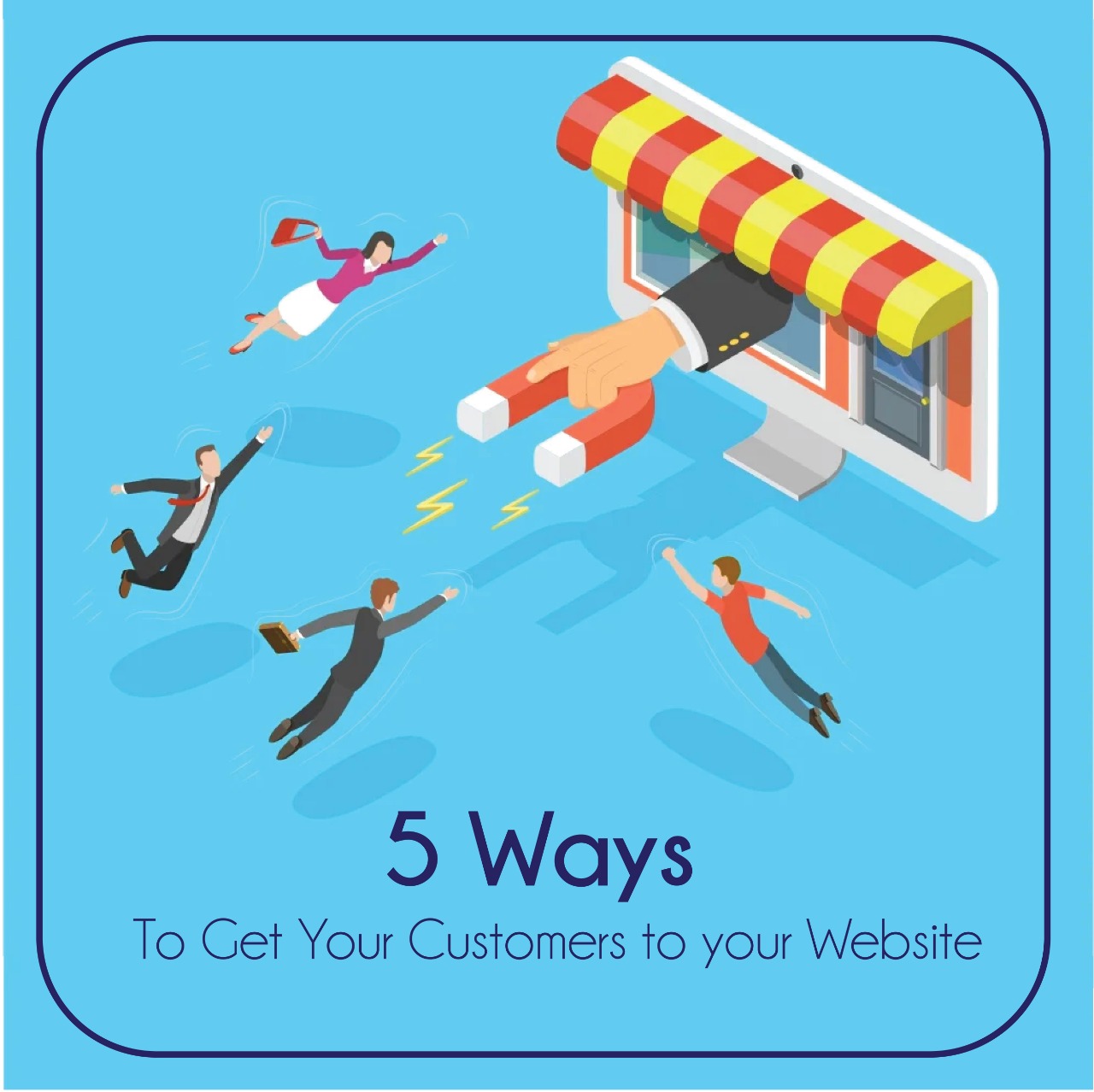
Want to do your first sale?
Want to grab your first potential customer?
Want to generate your first lead?
Well, to achieve this you need good traffic on your website.
Because
No traffic = No leads/ No customer/ No sell
Traffic = Many leads/ Many customers/ Many Sells
So trafficking plays an important role to achieve your goals and flourish ROI.
Increasing your website traffic is not an easy task. Because there is not any hard and fast rule to achieve high trafficking in websites.
But, certain elements play a crucial role in increasing website traffic, which you must know.
Here are 5 out of all essential to increase website traffic:
- SEO (Search Engine Optimization)
- Content Creation
- Leverage Social Media
- Paid advertising
- Analyze your website
Let's dive deep into it!
1. SEO (Search Engine Optimization):
If you want to generate organic traffic, then SEO (Search Engine Optimization) must be the heart of your strategies.
SEO is a deciding factor to increase your website ranking, thus help you to achieve more potential customers (not Visitors).
To increase website ranking, 3 types of SEO taken into consideration:
* On-page SEO
* Off-site SEO
* Technical SEO
On-page SEO:
It allows you to make SEO-optimized pages. so that those pages can rank higher for relevant search.
You get a chance to optimize any pages for a particular keyword from which it can drive you, potential customers.
Off-site SEO:
Off-site, SEO checks your relationship with other relevant websites.
To build a relationship with other best-sellers of your niches, or authorized websites, you need to collect backlinks from them.
The higher the backlink you have from authorities, verified, famous websites; the more the ranking of websites increases.
Technical SEO:
Technical SEO considers your technical elements. It includes technical features you involve in your website except for contents and backlinks.
It improves the site's readability — making it easier for search engines to understand your website and crawl it higher.
2. Content Creation:
Content needs everywhere — irrespective your business is online or offline.
And, if you're running an online business then the content is your word of mouth. Because, with this only, others will understand your website, your business, your mission, your vision.
If you do not have properly articulated content — congratulations — you are officially telling your customers to never visit your website again (harsh but proven truth).
If you want to convey your message or want to show that your website is authentic and useful, you need content.
But, here's the catch, no matter how valuable your content is, if your readers don't find it, it has no value. And, there is only one way to bring your content in front of your reader's eyes — by making it SEO optimized.
SEO optimization helps your content to rank higher on relevant searches, thus increased visibility and boost traffic.
There are two types of content you need to consider for better results….
- Video content
- Text content
3. Leverage Social Media:
Now it's time to leverage your social media accounts to gain organic traffic for your website.
In 2021, social media platforms are the foremost choice of every marketer to increase any brand value. So, you too can use it to gain organic traffic.
Here are some tips to derive website traffic from social media accounts
- Create a keyword-driven social media profile.
- Give clear and benefit-driven CTAs.
- Design clear share buttons.
- Share content on social media which increases curiosity to know more.
- Make them land on your website to find the best answer to their curiosity.
- Provide solutions to their most desired problem which directs them to visit your website.
4. Paid advertising:
Paid advertising — trendy option to boost immediate traffic.
If done with proper strategy, it'll be a rewarding method for bringing in traffic to your website and rallying leads
Here are a few tips to make your paid advertising actionable.
Decide the format of an ads
Before starting with paid advertising, do competitor research and trend research to see which formats of ads work better for your target audience.
Understand your target audience
Understanding your target audience is important, especially for platforms that offer multiple demographic options as you create ads. Reaching the individuals that are likely to want your services means you have to examine what groups your potential audience fits into.
Create a landing page
The landing page is an attractive way to direct your audience towards your website. You can add all the essential elements on the landing page which urge them to visit your website.
Set a budget
Paid advertising is something that you will do for a while. Don’t expect to be finished in a week or two. You need to give it time and finesse your plan to get the best results.
So, set the half-yearly or annual budget.
5. Analyze your website:
You have tried all essentials to increase website traffic, but still not able to get your dream result, why?
That's because your website not serves the best user experience, or not able to serve audiences what you promised them. There can be any reason, and you have to find out that reason.
Well, apart from any other glitches which your website lacks, here are two important glitches which you must rectify for better results.
- Check out the responsiveness of your website
- Check out the loading time of your website
Check out the responsiveness of your website
Responsive web design has dominated websites for the past few years. Responsive web design is a site that can adapt the screen it is being used on, regardless of what device it is.
Google also prefers responsive websites to rank higher.
Check out the loading time of your website
In this era, people don't prefer sluggish website or which needs requires 50 seconds to load. If your website takes such a long time then modify it to load in 2 to 5 seconds.
Wrapping Up:
With this blog, you'll understand that getting more trafficking in your website doesn't require millions, but needs some creativity.
You need to be creative at each stage of your marketing and be open to an experimentation experiment. And, follow all the above tips. Now you're all set to get more traffic to your website.
Enjoy trafficking!
Well, if you need any experienced personality to achieve your dream result, then connect with my team at DesignLab. We're such professionals, who are fond of marketing.
Call us now for an instant boost in your website traffic.
10 Latest developments in branding
Personalization is must
Personalization is not a trend but a necessity in 2021, to build a brand. Your customer mustn't find you spamming their feed.
Be authentic. Don't be salesy, promotive. Rather be helpful, informative, connect emotionally, and try to give them a personalized experience.
Storytelling is the best component to add personalization to your content. Subaru does more than just sell cars in its advertising. Each advertisement tells a story about an adventurous lifestyle. In one advertisement, a blind artist who works at the Enchanted Hills Camp and Retreat in Napa, California guides sighted people on trails.
Long term marketing plan
The key difference between Small, Mid-sized businesses and Big businesses is - bigger brands work to achieve their long-term goals along with small-term goals. While, Small-mid sized business owners provide maximum efforts and budget to achieve short-term goals - which is why they always drop back.
Thus, be smart to plan a branding strategy with a bigger picture.
When it comes to a long-term marketing strategy, it is important to remember that you're in a marathon, not a race or a sprint. It may be frustrating or confusing to not see immediate results, but the ROI on a successful long-term marketing strategy will pay off.
Integrating cross channel for branding
Cross-channel marketing is one of the best ways to keep your brand in front of your customer's eyes. It helps you to create a personalized and stronger bond with target audiences.
Through cross-channel marketing, you can pick up your marketing on another channel from the exact point where it stopped on the first channel - thus can easily grab them.
With the increasing number of marketing channels like Facebook, Instagram, Twitter, Giphy, Tiktok, etc, having an efficient cross-channel marketing strategy is a necessity.
Video contents
In this pandemic, where we all are restricted in our house, video calls, zoom meetings are some of the most preferred ways to experience human touch. Because of this, trends in video content are tremendously increased.
In fact, in a recent report of video content, 5 billion hours of video content, watched daily, while on Facebook, 100 million hours of video content are watched a day.
People love to watch videos over text and audio. It makes content personalize and interesting. And, you can easily add emotions to your content.
Also, it's not harder to interfere with the video content in a marketing strategy.
Bonus Tip: People preferred watching How-to and Informative type content. This can be a boon for SMEs to increase brand awareness.
Internet privacy and data security
Security is a matter of concern for every customer. As the world goes online, the gain in cyber-crimes is enormous. To avoid this, users are aware of basic cyber malpractices and how to avoid them.
Your target audience cares a lot for their data and thus wants you to take care of their shared data.
If they observe a red flag with your brand, they'll immediately leave to never come back again.
Use online and offline marketing approach
In 2020, due to pandemics, the growth of digital-only marketing is massively increased. However, this trend found to be changed in 2021.
People love to see online and offline marketing. When you'll integrate a combined marketing approach in branding, you'll be one step ahead of your competitors.
Influencer marketing
Influencer marketing is one easiest way to make rapid growth in your branding. Though, it is a bit costlier, but, the results in worth's each penny.
According to the recent report of Backlinko, 9 out of 10 branding campaigns include influencer marketing as a must-have element in the branding approach.
Marketers say that ROI with influencer marketing is far better than any other channel.
Localizing brand presence
When your target audience includes different countries, cultural nuances, and variations - you want to build an irresistible brand with all of them without fear of big loss, then localizing the brand is the only option for you.
When you localize your brand, your customers are more likely to listen to what you have to say and share your content more. Your conversion rates may increase too.
Burger King used this trend to grab more Indians by introducing Aloo Tikki, which earns them irresistible brand value.
Go for native advertising
If you don't know, what is native advertising?
Here's a quick introduction.
Native advertising is a kind of paid advertisement that engages your readers without realizing, that they are exposed to paid advertising.
When social media is your prime advertising platform over banner, Hoarding, offline, or Television ads, then the native advertisement is the best option for you.
In online advertising, two types of ads are preferred most - display ads and native ads. And, among both, native ads reveal a 52% more engagement rate than display ads, which increases continuously.
E-commerce is best to set up your brands
With the pandemic and restrictions to be in the house, the growth of online shopping increases remarkably. People love online shopping.
Before the pandemic, few people preferred online purchasing with the frequency once a month, which now changed to a go-to option for all shopping.
New populations are persuading toward it. So, if you want to sell anything, then it is advisable to have your e-commerce where people can seamlessly buy any of your products.
Conclusions:
Linking your branding strategy with the current trends is the best way to get success in branding. However, it demands continuous effort and smart work to stay updated.
With my shared branding trends of 2021, you can make it slightly easier.
Also, if you don't know how to put these branding trends of 2021 to work for your brand, do connect with us at DesignLab, where we help you sort out any and every branding problem.
Also, let us know, which 2021 branding trend you love the most? And, let us know, any other trend names on the list.
10 Ways to build the right website for your business
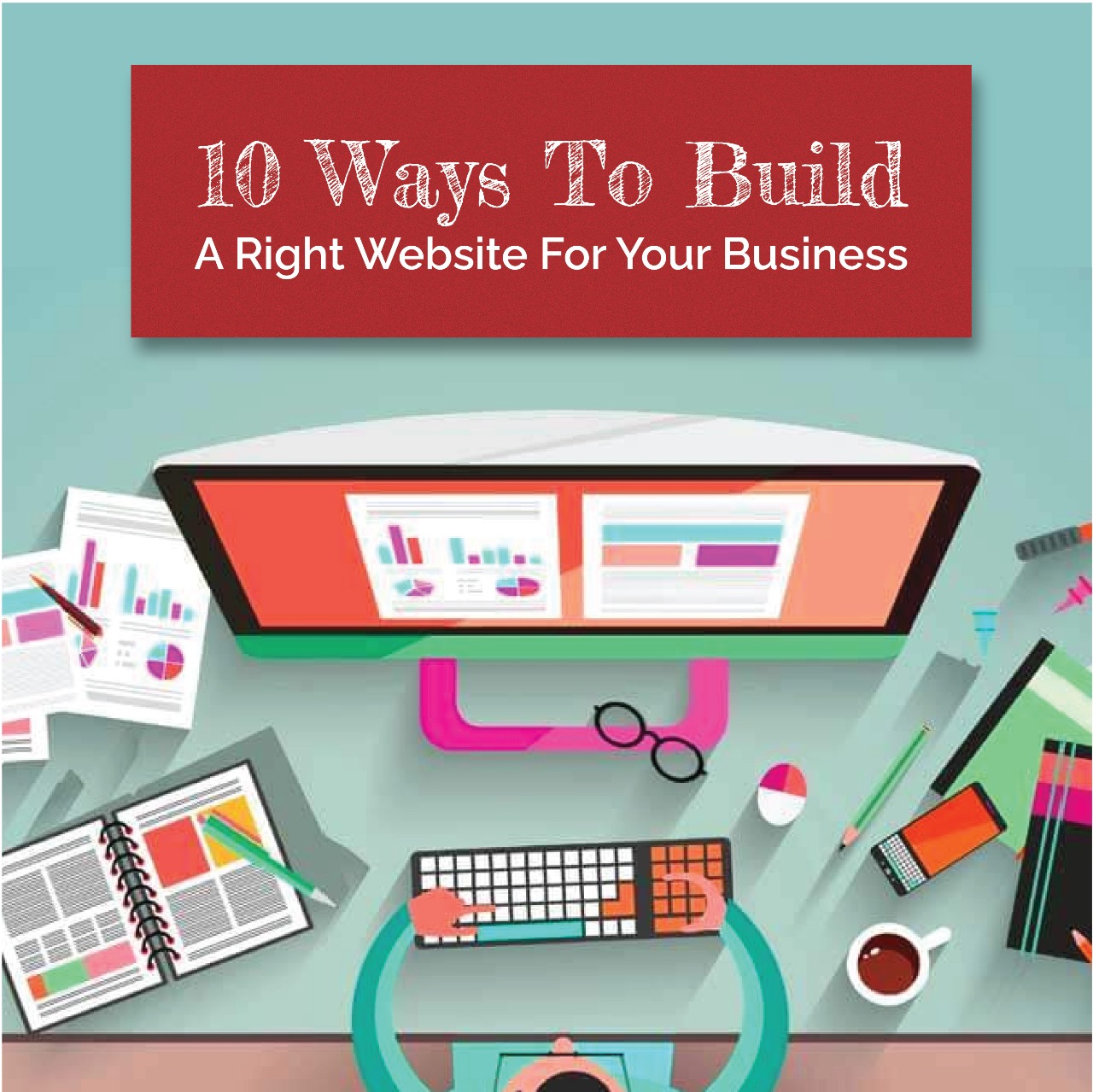
Define Your Goals
Everyone has a primary purpose of a website building. Define that primary purpose, along with all other goals that you want to achieve with your business website.
If you want to have a truly successful website that generates leads and makes money, then you need to be setting goals.
I know personally when I hear someone talk about setting goals, I roll my eyes and let out a deep sigh.
But yet, there are some great advantages to setting goals such as bringing focus and being able to measure the success or failure of an objective.
Also, it helps you to define your budget for website building.
If you simply follow the consultancy advice, they'll end up adding all the features to your website (which you don't need), making it irrelevant and costlier.
Choose a most desire Domain name
Deciding the domain name is another crucial aspect of your business website. Because the domain name decides the URL of your website.
It should be short, descriptive, and easy-to-remember, steer clear of abbreviations, acronyms, and numbers, if possible, avoid customer confusion.
Also, you need to decide on your top-level domain or TLD. This is the suffix at the end of your domain names, such as .com, .net, or .biz. However, nontraditional TLD names have grown in recent years. These TLDs can be based on location, such as .nyc, or type of business, like .marketing, .agency, or .law. While these can be descriptive, .com is still the main go-to. Read our article on choosing a nontraditional TLD for more information.
Once you end up choosing the most desirable domain name for your business website, check out its availability and purchase it from popular domain registrars.
Purchase safe and secure web hosting
Completed deciding your website goals and domain name, what next?
Well, now it's time to spend money to buy safe and secure web hosting for your website.
Web hosting provides a server for your website where all data is stored for the public to access all the time. Thus, you must buy safe, secure, and good tech support web hosting. It may demand you to pay a little higher but that's okay if you want to give the best yet safe and secure experience to your users.
There are two types of web hosting available viz Shared less-expensive web hosting. As the name suggests, you share servers with other websites and have to compete with them for faster loading.
Another one is dedicated web hosting which is quite more expensive than shared web hosting. But in this, you get your private server and won't have to compete with other sites.
Implement Content Management System
Content Management Systems (CMS) is important to maintain all your digital content. Choose a CMS which caters to your needs.
Good CMS will help you maintain your site, and you don't need much technical knowledge to use it. You should choose a CMS that is designed for your unique needs; different systems are used for different reasons, such as user-friendliness, extensibility, and budget.
Free versions of CMS are available. But if you are a dedicated entrepreneur who wants to expand your business; never choose free versions.
WordPress, Drupal, Joomla! Squarespace, Six are some of the popular CMS systems which offer you the best experience at good prices.
Display all essential pieces of information along with a clear Business Description
Your website should display who you are and what you are doing. The website should convey all the information about your business.
Visitors shouldn't feel confused when they visit your small business website.
Make sure your main homepage banner (also known as a "hero image") and subsequent banners are visual representations of your services, and also that you have an introductory text blurb near the top of the page that describes who you are and what you do.
Additionally, make sure both your main and footer navigation menus have "About Us" page links easily accessible so people can click them and read more about your business in-depth.
Work on User Interface
As I always say "your website will succeed only if it can impress your customers". And, if your website isn't able to provide the best experience then all your money worth nothing.
Thus, work hard to enhance the user experience. Make sure your small business website interface leaves a positive impression that drives results.
You can do so by implementing the following suggestions:
- Use an attractive layout and easy to read fonts.
- Make sure your graphics are compressed and optimized for fast loading. If your website is slow, search engines like Google will penalize your ranking.
- Research the competition to see how they have designed and optimized their websites; implement similar components that will work for your small business website.
- Publish easily accessible contact information.
- Incorporate obvious call-to-actions
Test and publish your Website
Before announcing that your site is live on the web, make sure it works on all major browsers, like Internet Explorer, Microsoft Edge, Firefox, Safari, and Chrome.
Click through each page and feature on every browser to ensure images show up, links are correct and the format looks smooth. This will take some time, but the effort you put in now will save you future complaints from visitors who can't access certain features.
Also, make sure that your website displays properly on mobile devices such as smartphones and tablets. Because now it's an era of responsive Websites. And, believe it or not, but most of your users prefer mobile for daily searches.
Optimize it for SEO
SEO is an essential practice that makes your website successful. It helps your website to rank higher, this increases visibility and traffic on your website.
SEO is an extremely important ongoing process that can mean the difference between showing up on the first page of search engine results pages (resulting in large amounts of free traffic to your website) or page 300 (resulting in no traffic).
Conclusion:
Website building is not an easy task. It requires a good amount of research and patience. Use the above tips to make things easier.
But it's important to understand that you can't make a rocking website on the first try. As I said, building a successful website requires patience.
If you're getting frustrated with something, take a deep breath, relax for a minute, then google your problem.
Or, connect with any experts which can guide you all the way to get the most desirable website for your business.
If you are looking for any experts to build your business website then I'm waiting for you at DesignLab, Connect with us.
Also, if you have any questions about website building, feel free to ask in the comment section. I'll answer every question.
Do not hold back your business growth
Everyone has some bad habits. But our bad business habits can seriously affect our professional goals and even the profitability of a business.
So when bad habits hinder your business growth, get up - let's fix it.
To help you in this, here I had compiled the common bad habits - which can cause your great loss.
Here they are...
- You Lack trust
- You're not improving consistently
- You don't have the right direction
- You're not in the right place
- You're not marketing
- Your website
- You may not spend enough time on your customer
- You do too much advertisement
Let's learn each in detail...
You Lack Trust
According to the study, 45% of organizations lack growth because of a lack of trust.
Trust is the key element to build your business. If you don't trust others or if you have broken trust, then it's the biggest reason - why your business is not growing.
Lack of trust in leadership is a red flag that your business may have a “toxic” culture.
You may have heard that organizations with great cultures have increased performance. That's because they respect the term loyalty. They trust others and also, they work hard to gain the trust of others.
Believe it or not, but a trusted relationship impacts your ROI.
You're not improving consistently
Continuous improvement is critical to enhancing your business growth. Because the term growth is not possible without implementing the Improvement.
If you want to grow your business then continuous growth is a must. And if you lack improvement then your business is going to suffer badly.
It's because the competition in this era is pretty tough and one cannot win this competition without being open to improvements.
Work hard to improve the product and services of a business, improve your work culture and connect your brand with your ideal buyer.
Let it be anything, there's always room for improvement. Improve yourself, improve your work culture and include improvements in your daily routine.
You don't have the right direction
If you're trying hard but still not getting results then you are probably not in the right direction.
To attain a targeted goal for your business, planning, and direction is important. Expecting success without proper planning is similar to finding ways in the dark. I know it's a cliche but it's true.
Planning and direction are very important to ultimately earn a profit for the business.
However, it's important to note that planning doesn't mean reaching toward the goal. In several cases, individuals do not have an idea of what to do, as well as how to use their potential. As such, planning should work together with direction.
You're not in the right place
Deciding where to locate a business has always been important. Location plays a huge role in attracting and retaining the best employees, many of whom keep a close eye on where they're based to optimize work-life balance.
Good location decisions can significantly boost a company's long-term performance. Poor ones can cost millions in lost talent, productivity, and capital.
The most important way location affects the success of your business is how easy or difficult it is for customers to reach you.
Businesses that are difficult to go to will often lose their customers. That's why you need to choose a location that will make it suitable for your customer's needs.
To determine that, be sure to understand who your target customers are and how they will come to your place.
You're not marketing
While many people think of marketing being synonymous with advertising, marketing is a broad concept that encompasses a wide range of elements that a company must do to ensure effectiveness.
The lack of proper marketing in any of these areas can impact a company's bottom line.
While your business could grow on word of mouth alone, investing in a diverse marketing plan will expedite the growth you're looking for.
During an unforeseen period like the coronavirus, marketing is increasingly important.
For example, more users are on social media while spending time at home, giving you a chance to communicate service changes as well as sell to them.
Regardless of where you choose to invest, your business will need marketing to grow and thrive, both during current events and beyond.
Your website
The evolution of the internet made internet presence an important element in your business growth. And a credible online impression is not possible without professionally designed, lead-catching, sales-increasing, brand-differentiating websites.
So, if you're lacking a website, indirectly you are hindering your business growth.
Studies have shown that 97 percent of consumers search for local businesses online, while 94 percent of B2B buyers research companies online first.
And, having a business website doesn't require high investment. It just needs you to do good research to hire an expert website developer.
You may not spend enough time on your customer
Most of the marketers focused only on the top of Marketing funnels which requires a good amount of time and money - while they ignore a huge part of the funnel which doesn't require expensive advertising, and it's hampering their growth.
Spend a good portion of your marketing time on your customers.
Customers are essential for your business growth. Connect with not only to generate leads but to build a long term relationship. Give your ideal buyer time an utmost priority.
You do too much advertisement
Doing advertisement is best to grab your ideal buyer, to increase awareness but running too much will cause you an exactly opposite result.
Too much advertising may be turning consumers away. With the evolution of the digitized world, the frequency of advertisement is significantly increased. They're tired of seeing advertisements. They don't want it.
However, it doesn't mean that not to spend a single penny on advertising. Spend wisely. Don't make your customer feel frustrated.
They need helpful content, not a frustrating advertisement.
Conclusion:
As you priorities big goals, mistakes to grow your business, you may avoid some of the common bad habits which Hold Back Your Business Growth.
Improve the above-pointed mistakes to remove common bad habits. Put your efforts to solve these common mistakes for a big change.
Well, if you want to grow your business and want to get some awesome results, connect with Growth Hackers of DesignLab.
Do you want to add anything to this list? Share your worst experience in business growth? And how you fought that?
How to Get Your Digital Marketing Done Faster?
Is Digital Marketing not working for you?
Are you working hard to get the proper results?
If so, keep reading, you'll be able to tackle these digital marketing problems easily with this compiled list.
So here they are...
Make SEO your Best Friend
SEO (Search Engine Optimization) is crucial in digital marketing. Without SEO, internet marketing is dead.
While preparing a marketing strategy for your business, incorporate SEO in every stage of marketing. It helps you to rank higher on search engines.
Websites that rank higher get more click through.
SEO increases website visibility and thus promotes brands. It helps in increasing user traffic, conversion rate, thus helps you in increasing your ROI.
Also, Google prefers SEO Optimized websites only.
Incorporate contents strategy with SEO. Incorporate your social media accounts and website with SEO.
Make SEO your Best Friend in every state of digital marketing.
Have a Mobile-optimized website
The tremendous increase in the use of smartphones to grab any information urges everything to be mobile-friendly.
Your potential customers use a smartphone. And, if your website doesn't provide the best experience in the device which they use - then, it has No value. It won't help you to get customers.
Audiences tend to leave the website immediately if it gives a bad user experience, or takes too much time to load and if it isn't a mobile-friendly website.
With the launch of the mobile-first indexing feature by Google, Google's algorithm primarily focuses on ranking your mobile version website. Thus, helps you to increase visibility and user traffic.
Know Your Target Customer
To ensure a bright future for your business, you should connect with your ideal audience.
Every product and service has a particular buyer persona and to ensure the growth of your business, you should know, whom you're targeting.
People prefer brands that have deeper knowledge about their needs. They don't like irrelevant ads, services, or products. They don't want to connect with brands who don't know their ideal buyer.
Thus, rather than target any audience, find out your buyer personas and target those who qualify your buyer personas.
This also helps you to earn a good ROI and helps you to create a credible impression in your industry.
Create an Email list
Irrespective of social media platforms and SEO, in email marketing you don't have fear to rank higher or else getting neglected. You jump on their inbox. You talk to them personally. It's not news feeds or any social media content, thus they feel more confident in replying to you.
According to QuickSprout, email subscribers are 3x more likely to share content on social media.
Also, your customers share their email id because they want you to share useful content, updates with them. So don't spam them.
Work to enhance the user experience
User experience can be defined as the understanding of user needs to help and create products and services that provide a meaningful experience to the customers.
Be it finding answers via search engines, booking flights, ordering food, online shopping, internet banking, or checking with friends, etc. execution of all these needs a good quality of user's online experience, and that makes a huge difference.
For the businesses that want to attract and convert their interests into revenue, UX is the key part of their success and survival.
When you work to enhance the user experience, you're investing in the long term relationship. You tell your customers that they're of utmost importance to you.
Leverage social media accounts
Social Media is a great way to digitally connect and interact with your target market 24/7. It allows you to create a loyal community for your brand.
Now, social media evolved to be one of the most powerful marketing channels for businesses. That's quite logical.
Because every person scans their social media accounts at least once a day. And this makes social media platforms having 3.5 active million users.
Nowadays, even people avoid brands that don't have a good social media presence. Thus if you avoid it, you are wasting an excellent opportunity to connect with your target audience.
Closely Watch Your Analytics
Almost the other end of the spectrum from creativity is analytics, but that's exactly the combination you need for digital marketing success.
Google Analytics is perfect for understanding the critical elements of your website and how visitors navigate through it. If you're trying to learn how to gain insights from Google Analytics, you can use the Google Data Studio to give it a test drive using data from Google's e-commerce site.
For analytics outside of Google Analytics, several great tools exist. You can use individual analytics from each social network (ie. Facebook, Pinterest, etc), you can bring them all to one place by using a dashboard program such as Cognos (from IBM), or you can pay for a more powerful tool to gain more insights
Prepare a well-planned strategy
Digital marketing is an ocean filled with different techniques, concepts, etc. And it's very crucial for your business growth. It can make or break your brand. Thus you must optimize this tool wisely.
Your every stage in digital marketing should be pre-planned, should be wisely chosen. If not, then you'll be going to lose a huge investment.
So, a digital marketing plan must include all the necessary information and be practical. If you dedicate time, care, and resources, the results will be worth it.
If needed, hire an expert.
Don't hesitate about the experiment
When you invest time, money, and effort into marketing campaigns, you want to get the highest ROI possible. This is where marketing experiments come into play.
Don't bound your strategies in rules, regulation. Be open for experimentation. Show your creativity.
Experiment to see what works and what doesn't. It can be a new product, a different type of post on social media, or a new call to action (CTA) button on your landing page.
Experiment. Experiment. Experiment.
But don't be foolish in experimenting. Thus, the experiment wisely.
Conclusion:
Digital marketing is not an easy thing. It requires a continuous effort to achieve goals with a mindset to expect challenges.
However, to make it slightly easier, these tried and tested tips will be worthy for you.
Also, if you want to make your business successful, connect yourself with digital marketing experts of DesignLab.
What else should you add to the list?
The History of Branding
In this tech-savvy era, Branding is essential to outstanding your products and services. The power of Branding is like, it can make or break your business.
Not a single business is successful without branding.
It is important to gain recognition, increase business value, gain new customers, and build credibility, increase employees' pride and satisfaction.
Before you dive deep into modern branding, you should know this History of Branding.
How who, and Why this concept of branding generated? The journey of Branding From 2000BC to the 21st Century.
The History of Branding
The term branding was introduced in 2000BC and with the definition as "Branding is all about depicting ownership".
In the early stages, mostly farmers and craftsmen do branding of their cattle and goods respectively. Later on, many ancient civilizations made use of branding to sell their goods to the masses.
Ancient period marketing was like the opening of a marketing revolution. These days, the main purpose of marketing and advertising is to bring awareness to illiterate people.
Bigger merchants use to do marketing with a kind of pictorial signs and paintings. You can find these ancient paintings or depictions on the walls of the city of Pompeii. Countries like Egypt, Greece, and Rome, offer various options for tourists to explore the ancient period marketing.
After the decline of feudalism, the creation of the functional and cultured community was encouraged. Trade was established between the east and west, craft guilds.
In this middle emerged in business, so to control trade, guilds made it mandatory to brand goods with proprietary marks.
This era also promotes various new marketing techniques like block-printing, paper money, and a moveable type of printing, 10,000 Chinese characters.
And these developments promote various early branding forms, as printed wrappers, signboards, and printed advertisements. However, printing was still a long process.
Due to the emergence of a middle- class, and the development of English words, German businessman Johannes Gutenberg comes up with the best marketing invention in this era, The Printing Press Machine. And with this, branding got its best fortune.
Demand for advertising, announcing information, and promoting goods, is significantly increasing.
Do you know?
The first English language advertisement was in the form of a leaflet of book promotion.
The first advert appeared in a newspaper in 1625, in England.
The first American advertisement was published in the Boston Newsletter.
With the industrial revolution in 17000, trademarks are essential. The government made it mandatory for all kinds of merchants, to have specific trademarks to show their goods and services ownership. This initiative also helps them to build credibility in the early market after the industrial revolution.
However, advertising agencies began to appear in England in the 1800s. Agencies started building different creative for companies, to reach their prospects.
As many people did not read newspapers, other advertising tactics were used, including the use of banners on hand-held poles, people wearing placards, and umbrellas with signs on them. Companies began to promote their brand names through attractive packaging and eye-catching slogans.
Advertising and branding became more successful with the rise of literacy rates, the invention of typewriters. Due to the use of mass media, and the innovation of telephones, postal networks and railways made communication over long distances easier than ever before.
But the present branding forms changed. Let me move you from the History of Branding to the Present of Branding.
The present of Branding (Breathe the ding the n 21st Century)
The 21st century has seen an explosion of brand offering, which presents the consumer with an overwhelming amount of choice. The appeal of a brand is greater than it has ever been.
Consumers have an extraordinary amount of choice. Thus the brand with a well-known and trusted brand creates touchpoints that help consumers to simplify their decision-making process.
Marketers realized that building and reinforcing the image of their brand is key to growth and profitability. Because, unlike any product or service, proper branding lasts forever.
This makes branding in the 21st century everything.
And this is all due to the evolution of a Digital World. Your brand will receive Zero-value if it fails to build its impression in an online world.
However, it is important to note that having only a good online impression, will also be worthless. Rather one should have a proper balance between offline and online branding.
Here is the list of field to ensure a proper balance between offline and Online Branding
- Digital Marketing
- Videos and Presentation
- Exhibition
- Showroom and Office Environment Design
- Signages
- Online Advertising
- Newspaper, Hoarding Advertising
- Website Design
- Print Media
- Brochure/ Leaflet/ Flyers
- Corporate Branding
Conclusion:
Branding is a term that was introduced since the market commences. As time passes, its importance increases and now serves an essential part.
Its presences in the 21st century are like any business without branding is Not Possible. And if you want to increase your brand awareness or want to create one for your business, but don't have any idea, call our experts of DesignLab
Spike your business revenue with DesignLab.
5 Qualities your best website should have
Nowadays, creating websites is an easy thing with readymade temples.
But, are template-based websites enough to market your website? Are they enough to create the best online image with your target audience?
Website is the first impression of your business with the audience, so it should be attention-grabbing and can provide a seamless experience; which isn't possible with readymade template-based websites.
To enhance your website experience, here I have compiled the list of Top 5 qualities that your website must-have, along with guidelines.
1. Usability
Work to enhance user experience!
Users are the utmost important factor in generating leads. When you design a website to give a seamless experience to users, then only it can easily stand from the competitor's website.
With a large number of websites or options available to your target audience, they can easily leave your website and can move to any other who takes care of the user experience.
Well to avoid it start building a user-friendly website. Use these tips to make one: The website should be accessible to all users
A user-friendly website should be accessible to all kinds of users including the blind, disabled, or elderly. This makes your website available to a wider audience. Use 508 website accessibility guidelines to make one.
Mobile Friendly
The use of phones for browsing is tremendously increasing. So, if you want to increase website visibility then it should be mobile optimized.
You can use the Google Mobile site tester to check this.
Also, to make your website mobile-friendly, create a responsive website so that it can optimize for all devices including mobile.
Planned Information Architecture
Information on your website should be well articulated. It should be easily identifiable to your target users.
Nowadays, the website trying to add various information to it, but it shouldn't be overwhelming. Thus, it's important to spend time in planned information architecture.
Error Handling
Error handling and description of on-screen messages are very important for good usability. However, it is often overlooked.
Correct handling of errors at a code level ensures the website is robust and free from bugs. Displaying the right error message improves the user experience and overall usability.
Fast Load Times
In this fast-paced world, no one has time to stop and wait for 30 sec. Websites should be loads within 3 or 4 seconds. Users want everything quickly.
If your audience visits your website, respect their time with fast loading user-friendly websites. A typical customer will only wait for a few seconds for your page to load, after which they will most likely navigate away to a competitor's site never to visit again.
Third-party website plugins and widgets including website tracking, social media, to be some of the most common factors that affect website speed. Try to limit their use.
2. Content
Content is a king and one shouldn't underestimate its power, rather use it properly to enjoy its immense benefits!
Most of the newbies make mistaken of creating modernize visual, sleek websites, with almost less or zero content in them. On the flip side, every bigger brand uses well-articulated content.
Search Engines rank websites to user's search, as per content in it. Website content can be used to convey information to your target users as well to Search Engines.
Here are guidelines to make awesome content on your website
- Clearly label topics and break your text up into small paragraphs. Don't bore your visitors with visually overwhelming text.
- Convey all information in a humanize tone; including chatbots.
- Make it easily scannable.
3. Navigation
No website can be creative if it isn't an easy to navigate website!
If your user is unable to navigate all information easily then there's is no use for investment. Because most of the visitors immediately leave the website if they'll reach the information, they want it.
Be sure that your visitors can locate the necessary information as soon as possible, without searching through heaps of extra information. Navigation should assist the user in finding all the information they are after before a call to action can be made.
Here are Pro tips for this
- Cut down the number of clicks into 3 steps to get their information destination.
- Enable the search facility for easy navigation.
- Make it clear, structured, and intuitive.
- Link the logo to the Home Page.
4. Security
A 100% secure website can help you to build a trusted online reputation!
As technology increases, the chances of stealing sensitive information of yours and your user is increased.
If your website doesn't offer good security then hackers, cyber thieves can easily access all data, thus misuse it. So it's your utmost priority to keep all user’s data secure.
If users find a red flag on your website, they'll immediately leave it to never come back again.
Here is thee the pro tip to make your website super-secure:
- Choose the web host which can offer you a web application firewall (WAF) and denial-of-service (DDoS) protection.
- The Content Management system should defend and ensure minimal security gaps.
- Examine and manage third-party plugins and add-ons.
- Set automatic backup.
5. Review and testimonials
Reviews and testimonials can be a good marketing tool!
You're not alone in the market to provide the service, there are many others.
How will you stand out? Why audiences should listen or work with you?
Well, you can answer this simply by showing reviews and testimonials. These reviews not only influence decisions, but they can also influence your ability to get into the search results.
Here are tips for reviews and testimonials on your website
- Don't add take reviews and don't make all 5-star reviews.
- Show your 2, 3, or 1-star review, this will help to create a trusted impression.
- Influence your every to leave feedback.
- Use rich snippets to show testimonials and make every accessible.
Conclusion:
Having a beautiful, attractive website is not enough to increase the ranking of your website; however, a website with all necessary elements embedded in it can do.
And that’s just the tip of it. Creating a high-quality website isn’t a “set-it-and-forget-it” thing. It’s an ongoing process of tweaking, polishing, and testing to create something great enough to rank on the first page of Google.
Well, if you want to make one enhance your business, then connect now with experts of the DesignLab.
Do tell me, what's your favorite quality of a website? And what else you want me to include in this list?
Top 9 Reasons Why Google Ads Are Important For Your Brand?
Digital marketing is all about reaching potential customers in the right place with the right message at the right time. Using an advertising platform can help you to achieve this, but it can also be a huge waste of money if your campaign is using irrelevant keywords or reaching the wrong audience.
The good news is that if you've been thinking about launching a Google ads campaign, you've come to the right place.
Let's dive on in and take a closer look at the benefits of using Google ads to bring in more traffic.
However, if you want to learn more depth about Google Ads benefits then check out this guide.
#1 Google Push Your Ads
Not too long, google used to show Google Ads on the right-side column of search engines while now it pushes almost all its ads above the organic search results. If you’re targeting some localized keywords, your organic results could get pushed down even further when Google decides to display Maps results.
It doesn’t just end with ads in the search results. Google shows ads in Shopping results in the right column of the search results and, occasionally, at the top of an image search.
However, it doesn't mean that having Google Ads can replace SEO. No, don't think so. Nothing can replace the power of organic search leads.
#2 Allow you to expand keywords list
You should always be open to expanding the possibilities with your keyword list. This can help you zero in on the things your customers are naturally searching for. With Google Ads, you can easily analyze the performance of every keyword.
Expanding keyword research will also benefit other parts of your campaign. As you discover more words that perform well and have a high conversion rate, you can begin to adapt your SEO efforts to incorporate those keywords and topics.
#3 Allow you to be flexible with your spending
Google Ads allow you to control your maximum spent per day. You can easily cut and can expand your daily spending.
Imagine you're running any ads that work well, but you hit your budget cap too early, you can shift more of the budget that way. If you’re getting a lot of clicks, but no one is converting and making a purchase, you can lower that cap a little. You’ll still get the impressions but won’t have to spend quite so much on ads that don’t have immediate returns.
#4 Testing
An Ads campaign allows you to test almost every aspect of your efforts, from the ad text or image to the landing page and the time of day it’s presented to searchers.
It’s all about making informed decisions. Everything is measurable, and you can see what is working and what isn’t. You can quickly remove the underperforming ads from the lineup and switch them out for something new and more efficient.
#5 Google Ads are flexible
Ads give you the ability to specify a range of variables, from keyword match types to the exact times and locations it’s published. Also, you can add extensions like contact number, product or service page with Ads.
Google Ads allow the feature of remarketing through you can target visitors of websites. There’s always a chance they’ll see your ad a few days later and reconsider their decision.
#6 You can build a Brand Awareness
The key advantage of search engine advertising is that you can tap into a huge potential audience.
When a brand first starts, one of the biggest initial challenges is brand awareness. Back in the day, building a brand was a long, slow process that took time, money, and perseverance.
These days, anyone can build a business if they can wrap their head around Google Ads Express, Facebook ads, text ads, and the intricacies of Google's display network.
This is good news for savvy marketing gurus because it levels the playing field. Whether you're an international brand or a local business, you have access to the same pool of potential customers.
Smaller businesses, which don't have the luxury of employing a full-time advertising specialist, can also search for Google partner brands and hire someone to research keywords and set up an advertising campaign on their behalf.
#7 You can schedule Google Ads in advance
One of the best features of Google Ads is advance scheduling.
Marketing and advertising are all about sending the right message to the right people at the right time. And with Ads, you can easily do it by scheduling your ads campaign.
For eg: If you want to promote a pizza brand then you can schedule its ads during lunchtime and group deals at night.
#8 It helps you to reach mobile Customer
Since the last few, Google gives more weightage to mobile optimization. Let it be your website or ads, if it is mobile-optimized, you can generate good leads.
Google Ads gives you loads of mobile optimization options and allows you to target with both text ads and image ads.
For example, if you market a local coffee shop mobile ads are a perfect fit. Your customer might be looking for their caffeine fix while they are walking through your neighborhood.
#9 You can run multiple ads campaign simultaneously
Let's say you're an event planner and you want to market your services for...
- Wedding planning
- Corporate events
- Fundraisers
You could set up different marketing campaigns - one for each of your targeted services.
You can then set up multiple ad groups for each campaign. In your ad groups, you can target different keywords.
For example, in your “Wedding Planning” campaign, set-up three ad groups to target:
- Wedding dresses - and related keywords
- Honeymoon destinations - and related keywords
- Pre-nuptial lawyers - and related keywords and many more.
Conclusion:
Google Ads is consistently seen as one of the best ways to reach your prospective customer, drive traffic to your business, and ultimately increase sales.
But there's no point in starting a marketing strategy unless you know what you're doing. So for this, I compiled this list to help you to know better about Google Ads.
If you want to know more about Google Ads, you can read the part-1 of this article.
Also, if you're planning to run Google Ads to 100% best results, connect with an expert of DesignLab on +91 98222 34768.
Top 10 Things you should know about Branding
Branding is a crucial element of growth for any business — small, medium, large, retail, B2B etc. An effective branding strategy can give your business an unexpected success. It tells your audience what they can expect from your products and services, and it differentiates your offering from your competitors'. Your brand is derived from who you are, who you want to be and who people perceive you to be.
Branding helps you to convey your brand story, product or service benefit, unique selling point to target customers. Thus creates an irresistible impression.
Branding helps you to leverage audience, company revenue — simply by putting a correct strategy into action. However it's important to understand that Branding is long term action and you cannot achieve it within a short span of time. And there are certain things that you should know about branding, even though you're not a professional marketer or designer.
In the business-to-business space, branding can feel “soft.” But the truth is, the digital world has made us all more consumer-like, regardless of the business we are in. We have expectations that have been set by digital experiences, and we anticipate those expectations will be met whether it’s on the retail side or the B2B side of the equation.
To meet the new trends and demand of Branding, here are the list of 10 things, which you should know!
#1 Logo Design
#2 Brand Guidelines
#3 Color Palette
#4 Content
#5 Tone
#6 Website
#7 Personality
#8 Campaign
#9 Invest Smartly
#10 Strategy
#1 Logo Design
Logos play an important role in branding. For a startup, an effective logo is a brand calling card. With it you can win consumer heart and mind and can easily connect your target customers with your business. Logos are similar to the iceberg.
There are infinite guidelines to design heart winning, amazing logos. But at the end, clearly positioned, simple, distinct yet easy recognizable logos wins the game.
#2 Branding Guidelines
Branding is a long term action. You should be consistent with your branding. With Branding Guidelines, you can easily maintain this consistency.
Branding needs to be very consistent and treated with careful intention in order to uphold properly. Brand guidelines are like your owner’s manual on how to use your brand. They are a set of rules and restrictions that will be referenced by anyone that works on your brand, whether internal employees or outsourced contractors from another agency.
#3 Color Palette
Color is such an integral part of branding that dramatically communicates the whole look and feel for your brand. Psychology has discovered that people perceive colors in certain ways and respond subconsciously. The implications of colors effecting people’s emotions are so widespread that understanding those connections could increase the effectiveness of your company’s branding methods.
#4 Content
"Content is king!"
In this digitized world, without content, you cannot deliver any message to anyone. So it's an important yet irresistible element of branding. You should plan your content strategically to support your brand.
Whatever type of content you use as copywriting, photography, advertisement, videography — all of your content must deliver the core message of your brand. It should be persuasive enough to grab their attention, value-added enough to reward their time of reading.
#5 Tone
Tone defines the way your brand speak to your audience.
It’s not so much what you say as how you say it that makes it so impactful. Establishing a tone for your brand and staying consistent with it throughout every piece of communication will help your audience understand your mission and empathize with it. Is it serious and somber like the Truth campaigns or is it light-hearted and fun like Dairy Queen?
#6 Website
How will you feel when you don't find an official website of your brand? Weird, right!
This is what your target audience feels for your brand if they don't find any proper website. However, it is important to note that websites should be professional and user friendly. Your website should show relevant to your business.
Studies show that companies with well-built websites that focus on user interface and user experience design generate way more customer traffic and increased conversion — thus, reap benefits of accelerated revenue.
However, to find the best match, it is recommended to hire a professional web designer.
#7 Personality
Consumers are more likely to purchase products/services from a brand whose personality is similar to their own — so it is important to be strategic in all your communication.
Developing your brand personality will help your business to express its key values to attract the right audience.
#8 Campaign
Campaigns are great for spreading a positive message among the target audience. You can make it personalized as per your target audience. Motto of branding campaigns is to promote a positive message over an extended time so that whenever it comes time for people to make a decision or a purchase, they will remember your positive message and consider going with your brand. Associating your brand with a higher mission can attract loyal customers.
#9 Invest Smartly
Align your branding budget with measurable sales goals. Branding, sales goals and budget are interconnected. You have to clear sales goals first, to determine the proper budget of branding. Invest smartly on branding.
Branding brings sales. Sales build revenue. You track and reach your goals. Your brand should be able to accomplish your business goal, enhance your business plan and withstand the passing of time.
#10 List is infinite, customized it at per your requirement
You can find the infinite list for effective branding. But it is up to you to find your best match. Don't experiment with 1000+ suggestions that everyone tells you, rather observe your target audience and your goals to pick up best methods of branding for you.
Conclusion:
Branding is not easy. Even though you aren't an entrepreneur, you should know the basics of branding. And for this, here I had compiled the basic things of Branding that you should know.
Well, if you want to design an effective branding, do connect with our experts of DesignLab.
What you'll add, in this list?
Is Branding Still Relevant?
Branding is one of the most important aspects of any business, large or small, retail, or B2B. An effective brand strategy gives you a major edge in increasingly competitive markets. But what exactly does "branding" mean? How does it affect a small business like yours?
Is it still relevant?
Well, yes!
Branding helps you to leverage audience, company revenue — simply by putting a correct strategy into action. However, it's important to understand that Branding is a long-term action and you cannot achieve it within a short period. But in the race of achieving it in a shorter time, you're probably missing the right meaning of branding.
What is Branding?
Branding is one of the most misunderstood terms. You may often think that the terms brand and branding are similar.
But, No. These two are different.
Branding is what you do to establish your business reputation. It is your tone of voice, your messaging, and your visual identity while Brand is what you and your company do, what it represents. Business owners and marketers must understand that you cannot start branding a product or service without having a clear, well-understood brand already in place.
Once you complete your research of finding your Brand then only you can strategize branding — In branding, your main goal should not only to build an irresistible brand but also to grab your target audience (remember you cannot available for all). So work only to attract your target audience. However, it doesn't mean that your branding should design in only a customer-friendly way. At the same time, your branding should able to clear your brand story.
Here are a few points that relate your branding to the current scenario
Maintain a conversation with your customer:
Remember the days when consumers received branding and marketing messages, then made their purchasing decisions without ever interacting with brands? Those days are gone. Don't just sell; serve first. Don't just speak; listen, too. Don't just publish messages; receive them, as well.
Personalized with your audience
It's an era of social media. Those days of purchasing products by receiving messages are gone. Your customers buy your product after their interaction with your brand. So leverage your social media accounts to engage them.
Let them know your purpose
Your target customers don't want the best products and services. They don't believe your products or services as best until you prove it. You have to tell them why you are providing, what cause(s) you're supporting and how the funds they spend with you will be spent or invested. This trend is a hybrid, born of a genuine concern for the state of the world, as well as a need for new criteria in the decision-making process them these best services and products.
Don't sell them, help them
The world has become more complicated, not less. As customers navigate all the resources at their disposal, making it quick and easy for them to get the answers they need will help build affinity and repeat business.
Let them enjoy your products, don't just tell them
Mostly advertising companies tell you to show your brand as big, fancy, and relevant to your target audience. Make a fancy logo.
Increasingly a brand is defined by what a product delivers, not by how the marketers tell us how we should feel about it. Don’t tell me, show me. Spotify gives me easy access to a world of music. Do I care what it looks like? Probably not, once it has a great user experience. It would probably work equally as well as a white-label app. For the user, the brand is defined by what it does, not by its logo or color palette.
Branding through Word of Mouth
Branding through Word of Mouth always help you more than any other method. I worked with different brands and I've seen a massive increase in branding through back branding (word of mouth).
Conclusion:
Branding is always an inseparable part of the growth in the digital era. Even though you're a big player. However, branding is a boon for small and mid-sized entrepreneurs. Growth of your brand is not possible with branding.
The only thing you need to take care of is — you're in digitized world, where things become online, marketing principles have been changed — so change your branding style. Give it a new look, new way, new approach.
Also, if you want DesignLab to help you in Branding, give us a call on +91 98222 34768.
Do you think the logo is just a symbol and name? No, it's science

To formulate the best logo, it should be a symbol, or a text, perfect combination of colour schemes, fonts and the list of tips goes on!
If the logo can speak after listening to tips of formulating best logo design, its reply would be like…
“Sorry, but you don't understand me! Please don't create myths”
Do you believe that logo is just a design which you can define as a symbol, text or combination of colour schemes?
Definitely, No.
Do you remember the downfall of the GAP's logo? How quickly it abandoned the endeavour after it met with a furious backlash from followers on Twitter and Facebook? It suddenly changed its iconic and classic logo without any consultation campaign with their loyal customers — which results as their greatest downfall.
Thus, here's my point proved. If it's a matter of only symbols, fonts, colour schemes, the text, then surely, GAP wouldn't have faced this fall.
To get the science behind the logo you've to understand the intellectual and logical activity including the organized study of the consumer faith and company's impression.
Here the term consumer trust means how they perceive you? What do they feel about your business?
Let me explain with an example of Logo Shape Consumer Perceptions.
People find the use circles shape more comfortable, trusted, and flexible, sensitiveness, while triangle shape as a less comfort, more of hardness, less flexible, sensitivity.
This is because the logo shape has a big part to play in consumer perception, it can also be accentuated or reduced by accompanying visual imagery in an advertisement. This is due to how mental imagery is processed by the recipient.
Generation of mental images happens in what psychologists call the visuospatial sketchpad of working memory. This sketchpad can be constrained if opposing visual imagery or ad headlines differ from the inference drawn from the logo shape.
Learning a science behind the logo is super easy — only when you avoid wasting time on experimenting with myths of logo design.
Here are the 3 common myths of logo design which you should listen at your own risk.
There is no other design format more misunderstood and mystified than logo design. I'll share a few…
#1 A logo must have a symbol
Not really. Some of the most famous logos have no symbols at all, just well-crafted types as SONY, MICROSOFT, FedEx and the list goes on.
The definition of best logo design doesn't necessarily require a symbol. However, this is not to say that logos should not carry symbols. Sometimes a symbol can become more memorable and ubiquitous than the company name itself, such as the case of Apple, Nike or Pepsi.
But if you're just a startup then try NOT to have a symbol for your brand. Because, symbols are not just another hindrance, a superfluous decoration which doesn’t add value or meaning.
#2 A logo has to be “timeless”
This sentence itself a myth.
Everything has an expiry date, and so the Logo design has. From time to time, they need to undergo plastic surgery to make them look less antiquated and more in line with current trends. Companies like Shell, IBM, Xerox, Volkswagen and Coca Cola changed their logos nearly a dozen times so far, improving their look with each iteration.
So don’t worry about creating a timeless logo. Create something that works now and there will be plenty of time to improve it later.
#3 A logo has to be likeable
There is nothing in the world which has No haters. Everyone has its perception level, thus judge things accordingly. So it doesn't matter that you have been liked by everyone or not.
Purpose of logos is to provide a unique signature that will become associated with the qualities of the company.
However you want your logo to make the best logo for your business then here are few pross that will land you a fantastic, desirable, unique and signature logo.
So let's begin….
#1 Keep it simple
Simplicity is a key ingredient for logos because most consumers only focus on a logo for a short time. A simple design can express your brand’s personality concisely and effectively.
The best reason for using a simple logo design is that you focus on just one attribute (main attributes) of your brand. So with this, you show up your core brand value to your audience.
Simple things are easy to remember and thus they'll understand and learn more about core values of your business.
#2 It should be dynamic
A good logo can be used in a variety of ways, shapes, and situations. For example, a logo you can only use in one size online is not very good, as it limits the ways you can expose your brand to the world. On the other hand, choosing a logo that can be resized, printed, or placed on different media makes your brand significantly more visible.
On a design level, keeping the clutter to a minimum and opting for a simple design will instantly make your logo more versatile. Having too many lines, flourishes, elements, or colours can create a complicated design that will scale poorly. Instead, keep in mind that you have limited real estate, and focus on saying more with less.
#3 Don't overdo the colour
Colours schemas are crucial in determining a brand’s message. For example, if you use red as the main colour in your logo, it will send the message of the brand being aggressive, passionate, and energetic. This means that your brand intends to target young customers. If blue is the colour of the feelings of intelligence and togetherness. This is the reason that most of the social channels such as Facebook have logos in blue.
So keep it simple and don't overdo with it.
Conclusion:
You may think that logo design is hard. But No, the truth is, it is very easy. Simply by following the basics principals which I shared you, of logo design, you can come up with the rich, desirable design.
However, if you want us to design your logo or want a free consultation on it - give us a call on +919822234768.
Website is the face of your brand
How you will feel when you want to interact with any brand, but couldn’t find any information on your favorite online space?
You'll surely don't want to know more about it!
This is what your loyal customers feel when they don't find you online. The online world is another virtual world, where your audience finds and interacts with favorite brands.
Consider how often you use the internet. Not just to browse social media or update your Facebook status. Every time you come across a question you don’t know the answer to, trivial or otherwise outcomes your device for a quick search. More than that, you use it to make purchases, find locations to order services, schedule meetings, everything. You probably use the internet dozens of times a day that you aren’t even aware of, such as when you send a text, access your GPS, use an app, game, or plugin on your device. Use a credit card reader or tableside touchscreen menu, you’re using some form of internet.
On average, we spent at least 10 hours a day on the internet. Consider that, you may realize how many potential customers you're per day. You must realize that your potential customer – whoever they maybe – will have their first meaningful interaction with your company, online through your website.
If your website isn’t modern, or worse, it’s not there at all, you’re doing a disservice to yourself. Think about something you’ve been interested in that only had an outdated or clumsy website.
Optimize Online World through Appealing Website
There are several things you can do to increase your digital visibility and presence. But one of the most basic things is to have a good website ready. And this is where it all starts.
On your website, you are the master of what you want to tell. Of course, it is obvious (and necessary) to provide the most common contact information such as an address, telephone number, and mail. But also, you can go in-depth to tell about the company's services.
Even being a solopreneur, a Website is a must for you
As it knows that all companies must have their website. This is true for solopreneur too. Being a solopreneur, you need to work hard to promote yourself.
Unlike larger companies, solopreneur people rarely have a dedicated marketing budget that can be used to attract visitors. Therefore, it is more about getting things down on a personal level, and here is an attractive website the absolute best means.
An impressive website with a personal imprint. And of course with clear contact information, so that customers can easily get hold of you, is perfect.
Let's find out the 5 quick tips, to optimize the website as your Brand Identity.
It is sufficient to have a good website that has a nice design, functions as a business card, and which describes the most common services.
But to get on point, your website should be a conversion optimizer and for this here are 5 quick tips on it.
Impress your customer in the first visit
Your website should deliver your message, objective, and should be directly attached to potential customers. Also, I like to have good and catchy text ready on the landing page.
Create an ABOUT US page
About us is one of the most important and productive parts of your website. It's the best section to tell more about your objective, mission, and history. This helps your audience to know more details about your business and thus helps you to create a positive impression.
It creates security when the visitor can specifically read about you or your business. It increases the likelihood of creating a sale.
Unique Selling Propositions (USPs)
Briefly explain why visitors should choose you. Write that you are the best in the industry, best in the test, highly rated on Trustpilot, recommended by X, or something completely different: As long as it is true and as long as it is appealing.
Make a clear, attractive Call to Action (CTA)
Your Call to Action should be positioned, mentioned and it should give a personalized touch to your potential customers.
Make it clear to the visitor how he/she progresses in the process. If you sell a product online, it will be with a large and nice "Add to basket" button. If you sell a service, or if you have a physical business, then it should be a contact form, a large number phone number, or a button that says "Request offers".
Make your website responsive
Make your website friendly to all devices. Significant visitors are from mobile. Therefore, it is more important than ever with a mobile platform. Otherwise, you risk that visitors just leave the website after a few seconds when using their smartphone or tablet.
Conclusion:
Website is important in brand building. It provides more credibility to your business and provides a new exposure to your website. Thus, it's important to have their website to grab the target audience.
If you need a brand new website or if you just want to update the old one, please feel free to Contact Us.
Why are Social Media Platforms Important for Brand Awareness?
Social Medias are one of the most preferred platforms for marketing. It just makes sense. Because it's a platform with tons of people and thus giving you the potential to be seen by more and more people.
However, not all brands can establish their brand and, be more likely to just another face in the crowd, doesn't it?
The reality, though? If you’re struggling to stand out as a brand, you’re not alone.
No, seriously.
Because you do the same mistake as done by other strugglers.
Let's be more precise.
Are you using social media to increase sales?
If your answer sounds 'Yes', then this is why you're still struggling. And so I’m writing this blog to tell you why are Social Media Platforms Important for Brand Awareness? Not to increase sales.
Based on data from Sprout’s Social Index, brand awareness represents social marketers’ top priority right now.
With more and more people taking to social media to research and sound off on brands, getting your target audience’s attention is easier said than done.
70% of marketers prefer to increase brand awareness with social media. Second to this is sales/lead generation (59%), which is likely to reflect the larger goals of an organization and may not be suited to social media for every company. Other goals that marketers have for social media include increasing community engagement (48%), growing the brand’s audience (46%), and increasing web traffic (45%).
These figures show that while social media is increasingly becoming a space for selling or for directing traffic, it is still predominantly all about increasing awareness.
Priorities your investment in Social Media
While having a presence across several social media platforms is the best option, understanding where to put the bulk of your investment is vital. With the main goal for marketers when it comes to their social strategies being increasing brand awareness, it’s no wonder that over half (54%) prioritize which social platforms to invest in based on potential audience reach and this is the biggest reason.
Understanding Consumers' Motivation
The easiest way to Increase Brand Awareness and to gain more and more people is to be consumer-centric. After all, what's the use to provide the wrong content to the wrong people. Brand awareness will be unsuccessful if you try to put your brand to Non Interested people.
So it's important to understand consumers' motivation and post the content as per their likings and habits. Doing this will lead to an increase in your potential followers.
The Sprout Social report also includes information on why consumers take certain actions (Follow or Unfollow), which should always be a base part of targeting an audience.
According to the report, 50% of consumers follow brands on social media to learn about new products or services, which is the biggest motivation. This can be best for you if you're product and service are unique or innovative.
Over a third (36%) follow brands to be inspired, showing that aspirational content is still a big deal, while 35% look for educational content. Both of these reasons provide strong ideas for content and can help you produce a varied strategy.
But don't produce sales-y content too much, this can be a powerful reason to Unfollow your brand.
But what types of Posts lead to more engagement?
Here is the answer
Relevancy in content and targeted Consumers' likings is most important.
Apart from this, the report says posts that entertain are more likely to be liked or shared on a platform. This means that posts that aren’t necessarily about the product or service on offer but that shows the personality of a brand are more likely to see greater engagement.
Inspirational posts are also in great demand. On the flip side, posts with discounts and sales offers are less likely to get Share, Commenting, or likes.
So the post should be
- Educational
- Inspirational
- Informative (but not sales-y)
Several experts do a great job of letting you in on who is talking about you and your industry. You’ll be able to see where your brand is mentioned and on what networks. That way you can plan a course of action and use it to build your brand awareness.
3 step to increase Brand Awareness through Social Media Campaign
Let's be honest, there are several effective ways proved by experts, to be best for a social media campaign. But among all, here I'm going to share only 3 steps that matter most!
Step 1: Be Visually Stunning
They do say an image is worth a thousand words… and it’s true. Visuals are appealing. People will stop scrolling to stare at something if it’s interesting.
You can find ways to incorporate your brand into images too, to help make your logo or name more well-known. After all, you first have to start with brand recognition before you can work towards achieving brand awareness.
Paid Ads campaign is a great addition to it. You use paid ads and campaigns wisely, you have great potential for increasing brand awareness.
Whether you try your hand with influencers, referral marketing, or simply promote your content, you can reach a specific goal, in visually appealing ways.
Step 2: Work on Each Social Media Platforms Wisely
If you're using all social media platforms then it's important, that you give proper time to optimize each platform.
Even if it’s to talk about the same thing. You need to make the message native to the platform for the best chance of it catching someone’s eye.
You’ll need to consider what else should be done for other platforms as well.
Step 3: Enable two-way communication
If you participate in engagement yourself, others will see that it’s not just a one-way street. By doing so, you’ll also likely see an increase in your social currency, and find that people are more likely to mention and recommend you.
Conclusion:
Even though, people use social media platforms to boost sales. Social media is key for boosting brand awareness, but to do this, you need to have a good understanding of your audience. This allows you to create relevant content – which shouldn’t all be sales-focused – and deliver the right type of customer service.
Overall, social media is not all about sales, but it's about, engagement contributes to your return on investment and how to tie this to your strategic goals.
If you're interested to optimize social media platforms, to build strong Brand Awareness, then get your free consultation on it. @https://www.design-lab.co.in
Tell me your favorite social media platforms, to build strong Brand Awareness, in the easiest way? So that I'll help you to leverage that more effectively.
Why Google Ads are important for your Brand?
When you search any term on Google Search Engine, you'll find some small rectangular featured snippets, what's that called and what's the exact use of it? Those snippets are nothing but Google Ads (One of the easiest yet transparent ways to increase your sales).
Let me get deep into it.
Like other social media platforms, Google does help small, medium, and large entrepreneurs to increase their sales, to double their ROI with Google Ads (official ads by platform). There are a lot of marketers and business owners out there who have heard about Google Ads (formerly known as Ad Words) but aren’t sure if and how it can work for them. We believe that Google Ads – Google’s enormously successful pay-per-click (PPC) advertising system – can work for almost any type of business.
Using Google Ads (or any PPC platform) requires time and money, but thousands of businesses have found that it’s time and money well spent because Google Ads delivers measurable ROI. Every penny you'll spend is worth here and will serve you 10*times faster leads.
Here are the 5 Reasons to clear your doubt that is; Why Google Ads are Important for Your Brand?
1. AdWords works faster than SEO
One of the best reasons for using Google AdWords is that it works faster than SEO. Both SEO and Google AdWords are search engine marketing strategies to generate more traffic and leads. But, a well-optimized AdWords campaign can work much faster for a business to get the much-coveted first spot in search. It gives instant leads at the cost of your penny, unlike SEO which requires a lot of hard work but provides a low lead. But here, I didn't mean that SEO is not useful, because it isn't.
With AdWords, there is a better chance of driving more traffic and leads instantly. Additionally, the platform is more transparent, thus you know exactly what is happening with the ads.
On the other hand, search engine optimization, though very beneficial, is a long-term process. To rank for any keyword, it requires a lot of perseverance and a lot of well-written articles, and backlinks. And even then, it takes a while for them to gain the necessary authority.
Let's not get deep into the debate of Google Ads and SEO.
2. Reconnect with visitors of your website
The coolest reason to use Google AdWords is reconnecting with your website visitors. Let me elaborate.
You might have window shoppers on your website. These are people who have visited all the pages on your website but haven’t taken any action. How do you remind them of you and what you could do for them? Enter Display Remarketing and RLSA campaigns.
a) Remarketing on display network: This helps advertisers target visitors on different advertising-supported websites using banner images. Assume you run a travel business and a visitor is looking for Thailand packages. But for some reason, he decides to leave without purchasing. You can just create a remarketing list like the one below to target him.
Similar to remarketing lists, you can create suppression lists as well (as shown above). These suppression lists ensure that you target new leads and not run ads for those who have already converted.
b) Remarketing on the search network: RLSA stands for Remarketing Lists for Search Ads. As the name indicates, it runs remarketing campaigns on the search network, much like display remarketing. Additionally, the advertiser needs to add keywords in this campaign. By doing so, Google ads can match the user’s search query with the keyword and remarketing list. This will help Google to show relevant ads for each search query.
3. Tackle your competition better
When someone searches for something related to your product/services online, and you aren’t running ads, but your competitors are, then that means trouble for you. You’ll lose you at least one prospect every minute.
You need to keep an eye on them to see how they are promoting their business, what kinds of ads they run etc. The transparent system of Google AdWords helps you do this. Grab the opportunities that come your way and make yourself stand out from your competition.
4. Explore more using your ads
Confused with the title? As I said, there is a lot more to explore when you link your Google AdWords account with your Google Analytics account. AdWords is a great platform but it won’t let you know what people do after clicking the ads. But, Google analytics would help you understand,
How long a visitor stayed on a page?
How many pages have been visited?
The bounce rate of your landing page
Details about new visitors and returning visitors and much more.
By linking them together, you will have a lot more data in your hand. An advertiser can measure the complete performance of the Google ads and can pause the non-performing keywords/campaigns/ads. So that you don't need to waste money on any nonperforming AdWords.
5. Increase brand awareness
Google AdWords, in addition to boosting traffic, clicks, and conversions, is also an efficient way to tell people about your brand. to verify this, Google partnered with Ipsos to run a study across 12 verticals, right from automobiles to retail. It was discovered that search ads lift top-of-mind awareness by an average of 6.6%.
Now you got a clear point that why Google AdWords is important for your brand. Then without wasting time, start your Google campaign now.
Conclusion:
Ads are always an effective way to connect and convert a prospect, for almost anything and everything and Google Ads always rocks among any other advertising platform. This makes it one of the demanding and successful marketing strategies at a lower rate. So you should try it now.
But if you're beginners or an entrepreneur who has a lot of other tasks to maintain, then you must have opted for any Google AdWords Expert. And yes, you can connect with them easily, simply by connecting with DesignLab. Our experts work for decades to make Google Ads more effective and guarantee you a 100% success rate.
Tell me, which reason you like the most to start your Google AdWords? Or do I need to add more reasons to the list?
Don't search for the best, experience the BEST branding strategy
Do your casual searches include the results of "Best Tips to expand online business", "The best way to increase online presence", "Best Marketing strategy", "Best Branding Strategy" or "The Best Branding in 2020"?
If so, then let me tell you two things
Firstly, your searches are almost similar to other billions of small and mid-sized entrepreneurs.
Secondly, you don't need to search these questions again, once you read this article.
So, actually what you are getting from this article?
It will be 3 proven, personally experienced, most desirable yet most practiced ways/hacks/tips to make your branding strategy one of the best branding strategies in 2020.
This means you "Don't need to search for the best rather you can be the best".
So let's move on!
Everyone including you and me, just love to be the best in every step of life. So it's generic that being an entrepreneur, you want the best branding strategy for your business. This type of strategy can help you to increase your audience reach, boost your business profile, can help you to connect with your audience or prospective customers more effectively, it helps you to achieve almost all your business goals.
On the flip side, if you have a poorly designed, not well researched, and optimized Business branding strategy which can ruin your almost all business goals and objectives. So it's important to carefully design and execute your branding strategy.
And whatever business you are running, whatever is your products and services or industry and whoever is your targeted audience, these 3 tips/ways/hacks will be worth for you
The 3 tips/ways/hacks are:
1. Advertisement Campaign
2. Use Video to connect more deeply
3. Environment Graphics
So, these are my must include 3 hacks which can make your branding strategy the best branding.
What to know, how?
Let's get into detail about each section.
#1. Advertisement Campaign with print media
Successful marketing campaigns make use of a variety of strategies, and traditional print media still has a huge role to play – particularly in building brand awareness.
Authorities such as Scientific American have published studies suggesting that print marketing media may leave a deeper neural footprint than those seen on screen. That’s to say that the physical handling of printed material may help promote a deeper emotional engagement with its message and in the context of marketing may therefore help customers and prospects to remember and bond with a brand.
Also, it is found that traditional print advertising delivers the highest ROI of any medium – $3.94 is returned for every $1 spent.
But the problem is what type of print media you should prefer for a better and effective approach.
Depending on your business type, target audience, or your goals, you can use many print media in your advertisement campaign but the most effective print media, which can be used by almost all businesses are Hoarding Attractive Magazines and a front-page sale copy on Newspaper.
Use these print media in your advertising campaigns and easily connect with your audience.
#2. Use Video to connect more deeply
As the popularity of video content is high, using a video for branding nowadays is one of the hottest topics.
With the rise of new video platforms and formats such as IGTV, TikTok, and stories, there are also huge untapped opportunities that you can take advantage of to boost your branding. Also, the barriers had been dropped effectively. Nowadays it's not that hard to make videos with good quality to attract your customers.
Whoever is your prospective audience or whatever is your video content type, just make sure that your every video adds value to the audience. It should be highly obliged, engaging enough to grab your prospects.
Even though you are a newbie for creating video content for branding then you can come up with professional, engaging content. The only thing you need is a proper strategy for what type of content you need to upload.
Moreover, there are two most common video types that every business owner needs and which can be effective for your business too. They are corporate video, Product video.
How Corporate Video and Product Videos can be helpful?
The main motto of corporate videos is to increase brand awareness and to promote your business.
Since people are falling in love with video content nowadays, it becomes damn easier to grab those audiences. Corporate videos are designed to be exciting ways to deliver otherwise boring or long-winded information that would lose traction with an audience if delivered as a speech or presentation.
Unfortunately, most companies do not have the experience or resources that top corporate video companies do and end up carrying that same unpolished experience right into their video.
The main objective of Product Videos is to have a clear picture of your product to your audience. With this type of video, your audience would be able to understand everything about your products in a better way.
Also with engaging, convertible video content, you can not only engage your prospects but can make the urge to buy your products, just with one piece of video content.
#3. Environment Graphics
Your space can make or break how current or future employees see you as an employer of choice and how potential customers see you as a valued partner. Because the workspace is a silent player that plays a significant role to connect your brand.
And to make your workspace more connective and professional, what other better option than Environment Graphics.
Conclusion:
Things that are value-added and enough effective for your target audience will automatically become the best. So stop searching best in other branding strategies and make your branding strategy the best with proven and most effective tips/ways/hacks.
If you want to grow your brand with the best branding strategies, then give us a call or visit DesignLab.
If you connect with us, then I want to tell you two things
Firstly, as I told you, you don't need to search for the "best…" type of questions again.
Secondly, as you are going to connect with one of the leading marketing firms, you will be the next "Best Branding Strategy Holder".
Also, do tell me that among my shared solution, which you are going to use?
Why Facebook Ads are Important for Your Brand?
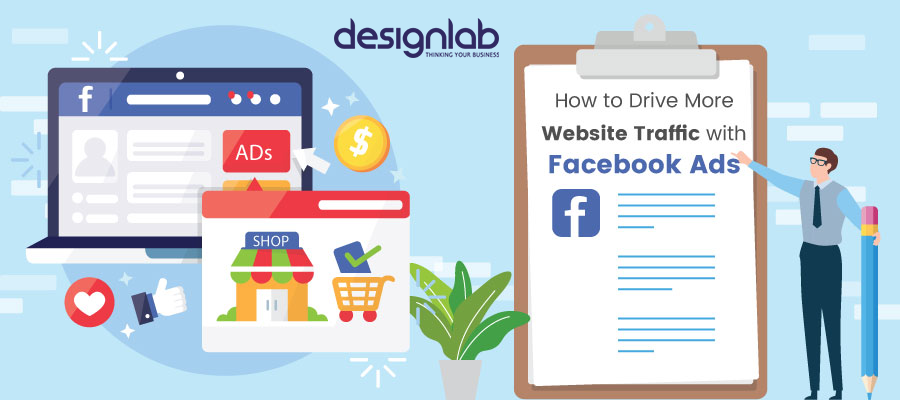
As Covid-19 forced us to stay at home, people (like you and me) become more attracted to social media platforms. Well, this includes your potential customers too!
Unlike any other platform, activity on social media platforms is huge.
So this is a perfect time to use social media platforms. It can be the best investment for you to achieve any of your goals. From Marketing to brand awareness, to develop a strong online presence, social media platforms are worth to use.
As a modern-day marketer, it is easy to get caught up in the hustle and bustle of what every other marketer is doing; whether it be creating videos, blogging, email marketing, search marketing, SEO. And so you tend to give a fraction of time to leverage each platform which makes chances of getting results is quite low.
Instead, if you'll spend this time to leverage social media platforms, you'll achieve the best result. And you know among all other social media platforms, Facebook Ads always rank #1 for marketing and brand building.
There are billions of people who use Facebook every day, and if you place a targeted ad on the platform, your chances of reaching them skyrocket. This is a necessity — organic traffic on Facebook is almost non-existent. We’ll talk more about that later.
If honestly confess, you are probably missing a huge portion of your audience if you are not leveraging all of the benefits of Facebook advertising.
In case the benefits of Facebook ads are still vague to you, let’s talk more about why you need to be investing in them. Here are some of the benefits of Facebook ads that you need to know.
#1 The Facebook Advertising Platform Offers Robust Analytics
The only platform which offers Robust Analytics (Mark this Sentence).
Like any other platform, Facebook has no limits when it gives you reports and analytics about the performance of your ads. It provides tailed information about every action of your Facebook Ad Campaign.
You’ll never have to guess about what’s working and what isn’t. You’ll see them already neatly laid out for you right within Ads Manager. All you have to do is analyze them and determine your next step.
Facebook provides you with detailed metrics about your weekly reach, post engagement, page likes, and which posts have the best performance. But it doesn’t end there. Gain insight on things like clicks, conversions, and even sales.
And honestly, this is just the tip of the iceberg.
You'll find all the data analytics and thus can adjust your ads based on what’s needed, instead of having to guess or finding out later on that your investment was for nothing.
It gives you so much power when it comes to tracking and measuring the progress of your ads.
#2 Create Ads Catering to Your Specific Objective
Facebook made Advertisement Campaign much easier to do. It provides you with step by step guidance to create Facebook Ads.
It allows you to choose the kind of ad, target your audience, and set a timeframe and your budget.
Whether you want to post engagement, website clicks, page likes, or something else entirely, you can create an ad-based around that. That is Facebook supports you to build your Customised Ads. Since the ad is customizable, you can create something that will reflect your brand and target audience for a better response.
This also tells Facebook how it should be optimizing your ad to deliver to you the best results possible.
#3 You can 2x or 3x your reach with Facebook Ads
Entrepreneurs often ignore investing money to leverage social media platforms like Facebook, which is a waste.
Even when I don't realize the real power of Facebook, I often used to ignore it or rather used to opt for an organic reach without actually knowing about its really (confirmed by Mark Zuckerberg).
That is if you’re running a business page, then only the smallest fraction of your followers see what you post (if you opt for organic reach). It may sound extreme, but it’s completely true.
Over the last couple of years, Facebook has been decreasing business pages’ visibility in news feeds — a frustrating algorithm update for business owners everywhere.
If you’re going to use Facebook for marketing in any capacity, you must use ads if you want your potential consumers to know about your business. You don’t need a big budget, but you do need a budget but the return you’ll see will be worth every single penny.
#4 Facebook Ads are Highly Effective
No one would have guessed in 2004 that Facebook would become what it is today. With more than 2.2 billion monthly active and close to 1.5 billion daily active users, Facebook is a major part of people’s lives.
It is considered one of the most effective online advertising channels. In a survey by Kleiner Perkins, it was found that 78% of American consumers say they’ve discovered products on Facebook.
It is steadily growing and thus can help you easily to multiply your ROI at a low cost.
#5 Facebook Is Adding New Features Every Month
Facebook is constantly adding more features and improving the user experience for both advertisers and normal Facebook users. This is why Facebook has sustained growth for so long, by providing more Value.
Even now, we saw many changes on the platform that impact advertisers from new carousel ads for Instagram stories to categories for dynamic ads. With all of these Facebook updates, we can expect that Facebook continues to make its ad network more powerful and easier to use.
Conclusion:
In this digitized world, it's worth your business to invest money and time to leverage your social media accounts, especially Facebook.
Facebook is continuously growing as people across the world get more access to the internet and in future, this will increase, thus people tend to get more attracted towards Facebook.
So it's worth to compel Facebook to boost your business. For this only I shared the top 5 reasons to use Facebook ads for your brand.
Also, if you are new in this field or know a little bit about it then you just need an expert social media manager to unlock the full potential of Facebook ads. And the best thing is, you can easily connect with these experts by clicking here www.design-lab.co.in
Which of my shared justification do you like the most to set up your Facebook Ads?
Surprise your customers with these amazing branding ideas

Surprise!
Ahh... this word
It can bring smiles to any face. Yes, any face including your potential customers. So why don't you give them a surprise? Surprise by enhancing your brand ideas, surprise which makes your customer thrilled and excited, surprise which makes your customer more engaging and enjoying, surprise through which you can create a strong trusted bond.
But how to achieve this?
Don't worry I am here to tell you some amazing Branding Ideas through which you can thrill your potential customers.
Before moving on, here are some reasons why you should thrill your customer.
In the current scenario of Covid-19 where people are stuck inside their houses, need some refreshment. With most activities shut down and people now practicing social distancing to prevent the spread of coronavirus (COVID-19), this is probably the most testing time for most brands to connect with their audience.
Building a connection with new customers and maintaining your pre-existing ones will be no more difficult than it has been in the recent past. With most organizations already dealing with a slowdown, if not a complete shutdown, marketing during this period will need a lot of creativity and tact to ensure that the message of the brand is effectively communicated.
However, after the lockdown, your brand needs to be more creative than today. Your customer should feel refreshed and excited once they visit you or connect with you after lockdown. And, this will also help you to stand out from your competitors.
I think now you are clear and excited to get my amazing idea.
Now, let's move toward those ideas which can bring your customer thrilled.
Let's began
Give a new personalized touch to your website
If your business is online then you might know the importance of having a personalized website. However, if you don't have any then make one because without your website you are lagging behind the real competition. You are probably losing a huge part of your customer.
Websites help to create a stronger bond with your audiences and they often visit there to know the latest updates or any. But this time when they visit, make sure that your website helps to experience them a new personalized touch. Let them know how important they are for you and how much effort you put to keep them engaged and to create a strong bond with your newly renovated Website.
Unlock the Power of Animated Presentation
You may not aware of animated presentation, so here's a short description of
What is an animated presentation?
When I say animated presentations, I don’t mean basic PowerPoint animations such as their infamous fade transition. No. I mean presentations that make your brand look a million bucks. With slick motion graphics, animated elements, and sound design, these PowerPoint presentations not only stand out from the crowd but make your brand memorable to your target audience.
Why you should use an animated presentation?
If a presentation aims to make your brand memorable or provide valuable information to either internal or external clients then presentations have to leave a lasting impression on your audience.
Research shows, the human brain is more engaging towards visuals than text, thus most brands use visual messages than text messages to create a long and lasting impression.
How you can use an animated presentation?
You can use it to transfer almost any information to your prospects or to grab a new one.
Showcase your real business potential with refresh Environment Graphics
You know the importance of effective, personalize, and happy office environment signages or other signages.
Environmental signage provides orientation throughout the built environment. Effective signage assists visitors – especially first-time visitors – in navigating their way through facilities in a wide variety of industries, including healthcare, governmental, library, educational, and retail. Environmental signage elements also act as a signature for the project’s identity, and as an extension of the brand.
If environment signages can help you in such different ways to Attract your customers, it's important to provide them a new attractive and enhancing look and thus creating a more impressive impact on your visitors. Just think, how people will love it when they visit you after lockdown and will find some refreshing yet more attractive signages.
Create an impact through Enchanting Logo Design
Attention spans are short these days – especially consumers.
As things stand, companies have about 2 seconds to convince potential customers that their products are worth any consideration.
A logo can quickly grab viewers’ attention and communicate a company’s core values interestingly. That short attention span – you know, the one that causes consumers to judge your business by its appearance – can work to your advantage, if you have a solid logo to speak for your company.
Even in this lockdown, various bigger brands like Google Fiverr had changed its logo, making it more attractive and attentive. So it's your time to give your business logo a new enchanting look.
It should be more attractive and conveying for your brand and your targeted audience.
Use the potential power of Brochure/ Leaflet/ Flyer Design
After Lockdown, things will not be the same. People are adjusting as per new normal and thus we will explore some new experiences.
Then let's create some new experiences for your customers through the New Design of Brochure/ Leaflet/ Flyer Design. As things will be almost new for each of us then let's let your customers explore some new experiences in your brand.
Thus, renovate your brochure/leaflet or Flyer Design to grab them.
Conclusion:
The current scenario of Covid-19 forced us to live with a new normal. However, for your customers, you can create some amazing reasons to connect with your brand. For this, I helped you with some amazing Branding Ideas to renovate your brand and can thrill your customers.
Hope you love it!
Also, if you want to take expert help in the execution of any above ideas or for a free consultation on this, feel free to reach out here.
Among all my shared ideas, which you love the most? Comment Below
Don't search for the best, rather be your best branding strategy holder
Do your casual searches include the results of "Best Tips to expand online business", "The best way to increase online presence", "Best Marketing strategy", "Best Branding Strategy" or " The Best Branding in 2020"?
If so, then let me tell you two things
Firstly, your searches are almost similar to other billions of small and mid-sized entrepreneurs.
Secondly, you don't need to search these questions again, once you read this article.
So, actually what you are getting from this article?
It will be 3 proven, personally experienced, most desirable yet most practiced ways/hacks/tips to make your branding strategy as one of the best branding strategies in 2020.
This means you "Don't need to search for the best rather you can be the best".
So let's move on!
Everyone including you and me, just love to be the best in every step of life. So it's generic that being an entrepreneur, you want the best branding strategy for your business. This type of strategy can help you to increase your audience reach, boost your business profile, can help you to connect with your audience or prospective customers more effectively or t to sump up, it helps you to achieve almost all your business goals.
On the flip side, if you have a poorly designed, not well researched, and optimized Business branding strategy which can ruin your almost all business goals and objectives. So it's important to carefully design and execute your branding strategy.
And whatever business you are running, whatever is your products and services or industry and whoever is your targeted audience, these 3 tips/ways/hacks will be worth for you.
The 3 tips/ways/hacks are:
1. Advertisement campaign
2. Use video to connect more deeply
3. Environment Graphics
So, these are my must include 3 hacks which can make your branding strategy a best branding.
What to know, how?
Let's get into detail about each section.
1. Advertisement Campaign with print media
Successful marketing campaigns make use of a variety of strategies, and traditional print media still has a huge role to play – particularly in building brand awareness.
Authorities such as scientific american have published studies suggesting that print marketing media may leave a deeper neural footprint than those seen on screen. That’s to say that the physical handling of printed material may help promote a deeper emotional engagement with its message and in the context of marketing may therefore help customers and prospects to remember and bond with a brand.
Also, it is found that traditional print advertising delivers the highest ROI of any medium – $3.94 is returned for every $1 spent.
But the problem is what type of print media you should prefer for a better and effective approach.
Depending on your business type, target audience, or your goals, you can use many print media in your advertisement campaign but the most effective print media, which can be used by almost all businesses are hoarding, attractive magazines, and definitely a front-page sale copy on newspaper.
Use these print media in your advertising campaigns and easily connect with your audience.
2. Use Video to connect more deeply
As the popularity of video content is high, using a video for branding nowadays is one of the hottest topics.
With the rise of new video platforms and formats such as IGTV, TikTok, and stories, there are also huge untapped opportunities that you can take advantage of to boost your branding. Also, the barriers had been dropped effectively. Nowadays it's not that hard to make videos with good quality to attract your customers.
Whoever is your prospective audience or whatever is your video content type, just make sure that your every video adds value to the audience. It should be highly obliged, engaging enough to grab your prospects.
Even though you are a newbie for creating video content for branding then to you can come up with professional, engaging content. The only thing you need is a proper strategy for what type of content you need to upload.
Moreover, there are two most common video types that every business owner needs and which can be effective for your business too. They are corporate video, Product video.
How corporate video and product videos can be helpful?
The main motto of corporate videos is to increase brand awareness and to promote your business.
Since people are falling in love with video content nowadays, it becomes damn easier to grab those audiences. Corporate videos are designed to be exciting ways to deliver otherwise boring or long-winded information that would lose traction with an audience if delivered as a speech or presentation.
Unfortunately, most companies do not have the experience or resources that top corporate video companies do and end up carrying that same unpolished experience right into their video.
The main objective of product videos is to have a clear picture of your product to your audience. With this type of video, your audience would be able to understand everything about your products in a better way.
Also with engaging, convertible video content, you can not only engage your prospects but can also make them urge to buy your products, just with one piece of video content.
3. Environment Graphics
Your space can make or break how current or future employees see you as an employer of choice and how potential customers see you as a valued partner. Because the workspace is a silent player that plays a significant role to connect your brand.
And to make your workspace more connective and professional, what other better option than Environment Graphics.
Conclusion
Things that are value-added and enough effective for your target audience will automatically become best. So stop searching best in other branding strategies and make your own branding strategy as the best with proven and most effective tips/ways/hacks.
If you really want to grow your brand with the best branding strategies, then give us a call or visit on DesignLab.
If you connect with us, then I want to tell you two things
Firstly, as I told you, you don't need to search the "best…" type of questions again.
Secondly, as you are going to connect with one of the leading marketing firms, you will be the next "Best Branding Strategy Holder".
Also, do tell me that among my shared Solution, which you are going to use?
7 Most Common yet Costly Google Ads Mistakes That You Need To Take Care Of
Your Google Ads is now ready to go live.
Hearty Congratulations!!
But wait, are you 100% sure that this Ads campaign will bring you huge targeted customers, Leads, and Sales. Being a human, we always want more from any of the paid digital marketing strategies. And so with this.
But before you want the best results or more results from any of your paid digital marketing strategies. It is important to take care that your strategies should be proven and with the correct approach to grab your targeted customers and can help you to generate more leads and sales.
So if you are running a Google Ads for your business you need to take care of all the strategies you are going to put before it will go live. Because you may have spent a huge amount on Google advertising.
However, this amount can be wasted if you did not care about all the common mistakes that many of us come across. In my past times, even I suffered from this same mistake which I don't want you to repeat.
For this, I had listed the 7 most common yet costly Google Ads mistake that you need to take care of
#1. Default campaign targeting options (Search Network & Display Network)
#2. Not Adding Extensions
#3. Poor Keyword Research
#4. Not Tracking
#5. Ignoring Search Partner Traffic
#6. Having No or Less Ad Variation for Each Ad Group
#7. Avoiding the Search Term Report
#1 Default campaign targeting options (Search Network & Display Network)
When creating search network campaigns, you have the option to choose Search Network, Display Network, or both. Believe it or not, when done correctly, this dynamic duo can work together to get better results than you can get from doing either one alone.
But if you are choosing either of them, then Search Network is more worthy than Display Network. It is because Google will try to place your ad on relevant websites. But it will not appear to people who are actively searching for you while with Search Network you can easily connect to prospective customers who are actively searching for you.
#2. Not Adding Extensions
From 2018 onwards Google Ads allows you to add extensions to target your audience more effectively. But even in 2020 many of you avoid using it which is your biggest mistake.
Using ad extensions can be an extremely effective way to increase your clicks. You can add site link extensions, you can add callout extensions, structured snippet extensions, message extensions, location extensions, and price extensions are other types of useful extensions you can use.
Tip: When targeting mobile customers, it is recommended to use call extensions or message extensions through which you can enable mobile users to call you or send you a message, right on their mobile phones.
#3. Poor Keyword Research
One of the most important elements of the successful ad campaign is a strong keywords research. But most of you often don't do it properly and then come up with a poor keyword research result in worthless ad campaigns.
You can’t select keywords based on what you believe people are searching for, or based on what you would search. It is imperative to use tools such as Google’s Keyword Planner to find the right and relevant keywords for your account.
And for 90% avoid the broad match keyword as they will bring in a lot of irrelevant traffic driving up your costs and CPA while reducing your overall account rank.
#4. Not Tracking
Understanding the definition of success is important, but unless you’re tracking the results of your advertising you’ll never know if your ads are profitable.
I know many of you are still avoiding it and it is understood as you may get busy with other important stuff. But this one is your mistake as you are ignoring your targeted customers which will result in your low conversion rates.
#5. Ignoring Search Partner Traffic
The Search network is a combination of Google.com and Search partners like AOL, Ask, and even Amazon.
If you find that your performance in the Search Partner network is poor, you have the option to turn it off. And, while there’s no way to figure out which partner websites are working and which ones are not working, you can still optimize your Search Partner traffic.
Login into your Google Ads campaign to see if you’re making this mistake. Google Ads can be overwhelming, but when you’re looking at the right reports, then things start to look a whole lot clearer.
#6. Having No or Less Ad Variation for Each Ad Group
It’s easy to think that you have that one ad that’s just going to crush the competition and outsmart Google’s Ad Rank algorithm.
Your one ad may have all of that ad group’s keywords beautifully intertwined to create the most compellingly enticing message known to man -- But the reality of the matter is that in the field of marketing, testing is KEY.
Remember, the testing never stops. I say that because ad fatigue is a real phenomenon that beginners aren’t typically aware of. And so this same mistake I did as a beginner.
TIP: It is recommended to produce three ad variations per ad group. Once you create the three variants, let the campaign for a couple of months. Then collect the data and analyze the performance of each ad variation for each ad group.
#7. Avoiding the Search Term Report
Once you have put all your efforts into researching and discovering the keywords you wish to target, your job is completed. This is where you do one little known yet common mistake. With this, you are simply avoiding the best opportunity to grab right at low CPC.
The search terms report gives a visual into the actual search queries that are triggering your ads, based on your targeted keywords. This allows you to see what visitors are searching for and can provide insight into any gaps between your keywords and actual search queries.
Conclusion
Google Ads is one of the trendiest ways of paid advertisement which helps you to directly connect your potential audience. But numerous Google Ads campaigns result in Zero return.
This is because you are also doing the same mistake as done by others. So to avoid this and make you Every Ads campaign successful, I had you this 7 Most Common Yet Costly Google Ads Mistakes That You Need To Take Care Of.
However, this can be surely if its ad campaign will plan and run by the Experts. At DesignLab, we are a team of experts who can help you with the Successful Ad campaign under your budget. Share your first mistakes while running Google Ads Campaign?
7 Best Tips for Google My Business Optimization
You might have spent a huge amount on your business promotion or to gain more potential customers or to build your online presence.
These all you get from only SEO. SEO always plays an important role, so it is very costly and you might need a good amount to increase your SEO ranking on Google Search Engine.
But with Google My Business, you can freely put your business name on Top Google Search Results.
That it is your freely available SEO tools which help to rank higher.
But this is possible only if you use the proper yet best strategy for Google My Business Optimization.
So here's my most powerful yet practically proven 7 Best Tips For Google My Business Optimization
1. Complete Your Full Business Profile Accurately to get it verified easily
2. Stay Tuned With All the Suggestion and Updates
3. Engage Your Potential Customers with regular and attractive posts
4. Respond and Write all Questions and Reviews Genuinely
5. Use Relevant Emoji’s On Business Profile
6. Set Up The Messaging System
7. Maintain Your Profile With An Effective Google My Business (GMB) Strategy
GMB is a free and official SEO tool launched by Google Inc.
Getting on Google My Business can increase your website visibility which in turn will help you to increase your potential customers. It helps you to rank organically in Google’s Local Pack, Local Finder, Google Maps, etc.
People are more attracted to the online search to find anything over any service.
This is obvious as with an online search you can find the best service provider nearby very easily and quickly.
Study shows 80% of all searches happen on Google. And 60% of people who do local Search from Google end up visiting the chosen on the same day.
Also for local business, it is not easier to get rank on the first page but with proper GMB optimizations, you can easily increase your listing rank for the relevant search.
1. Complete Your Full Business Profile Accurately to get it verified easily
Accuracy and consistency is an important factor to build a strong enough customer relationship.
Especially for potential customers who come to know about your company through an online search.
So while creating your business profile for Google My Business, you must complete all the required fields which are relevant for your business.
Make Google find no offense from your profile since it can reject your GMB profile permanently. No spam and No manipulation like redirecting to any different websites rather your official website with any wrong and irrelevant information.
Doing this can only be helpful to lose your potential customers.
2. Stay Tuned With All the Suggestion and Updates
Google is always used to add new features to enhance your and your customer's experience.
And so helps you with new suggestions and updates for better Google My Business listing.
Google offers basic data to fill out on your business profile to make it easier to connect with potential customers.
However if you don't fill it, someone else can do that. That is Google offers a feature where anyone can suggest or edit a change; this includes your competitors too.
And the worst part is that these suggested edits are made live on your current business profile automatically.
Many owners even don't know about this feature and just ignore these changes without actually knowing about it.
However, to grab attention over these changes google sent you some notifications of updates and suggestions which you might generally ignore.
But if you stay tuned with all these updates, you can easily manage these changes.
That is you can discard the change that you don't want and can keep the changes that you liked.
3. Engage Your Potential Customers with regular and attractive posts
Contents are an important yet trendy way to keep your potential customers engaged with some cool yet attractive stuff.
And you can do this regularly with Google My Business Posts.
Google Posts are almost like “mini-ads” or “social media posts” that show up in Google search in your Google My Business listing (in the Knowledge Panel and on Google Maps).
The suggestion is to create relevant content that shows relevance to your business, products, services, or events.
However, if you have no Ideas to create attractive content, you can connect with any GMB optimizations expert for this.
4. Respond and Write all Questions and Reviews Genuinely:
Q&A is one of the best ways to build your trusted impression on your audience or prospective customers.
In this, you can easily answer all the questions of your customers or can respond to all your genuine reviews. Isn't it very cool?
It's like google is offering you a direct way to attach emotionally with your prospects.
Answering all questions would even help you to get a new audience.
But then too, I don't why many profile holders do not take care of this opportunity to grab customers.
According to a study done by getting Five Stars, 25 percent of locations on Google Maps have questions (and many of those questions are probably STILL unanswered).
5. Use Relevant Emoji On Business Profile:
Peoples especially Millennium love using emojis while searching, chatting rather than normal words.
So to enhance their experience google had launched new features to index emoji-relevant search results. (In fact, you can now search Google by “tweeting” an emoji at it!)
It helps your post to look attractive and also increases your local SEO. Isn't it a great feature?
6. Set up The Messaging System:
The message system on your GMB is another great feature to establish a good relationship with your customers.
With Google’s new My Business Messaging feature, you can now message your clients directly through your Google local panel in mobile search.
However you might think, how will it be going to help you with SEO?
The Messaging system provides your prospective customers with another platform to reach out to you in case of any query.
It might be possible that you may forget to add some essential details.
So with this feature, customers can directly reach out to you for an instant guide.
Also, this feature allows you to tag your business with geo-specific locations to attract your target audience.
7. Maintain Your Profile with An Effective Google My Business (GMB) Strategy
Google always looks for an engaged searcher and the best service provider likes to enhance the overall experience.
And this is possible only with a great content, proper strategy to rank on top three GMB listing for relevant search results.
So maintain your profile with an effective GMB optimizations strategy and make proper use of all features to increase your SEO.
Conclusion:
Google My Business is one of the most powerful ways to boost a business' online visibility and local search optimization.
And this is possible only with proper yet proven strategies.
So I helped you with some of my practically tried and tested 7 Tips for better Google My Business Optimization.
However, with an expert, you can achieve your dream success with your GMB profile.
With 7 years of experience, Designlab helps to bolster your GMB and SEO Ranking Under your budget.
Let me know your best GMB Optimisations in 2020?
Grab Customer Attention with these Creative Branding Strategies
Creativity always helps you to find something new or somehow a valuable way to get your work done effectively yet easily. And when you'll put this creativity while planning a branding strategy, it can readily boom your business.
But the question is that, how can you put some creative yet effective ideas in your branding strategy to grab people's attention? How can you stand out among your competitors? Or what are the best creative methods to gain people's interest?
To help you with these, here I am with some creative yet effective ideas to rock your business with the long-lasting customer's attention.
Corporate Branding with
> Corporate Identity
> Logo Design
> Stationery Design
Print Media with
> Brochure/Leaflet/Flyer Design
> Products Catalogue Design
> Corporate Profile Design
Digital Marketing with
> Social Media Post Design
> Search Engine Optimization
> Social Media Marketing
Branding is a key component of your business to spread awareness among your target audience. Good branding can change how people perceive your brand, it can drive new business and increase brand awareness. And there are various methods of doing Branding but the strategy with the above-mentioned methods can help you to build the best impression on your prospective customers.
So let's get deeper into it!!
Corporate Branding:
- Grab Customer Attention with these Creative Branding strategies
- Corporate Branding should be an essential component of your branding. This is because it can simply help you to put a great impression on your overall corporate identity. The scope of Corporate Brand is much broader than products or services branding. It covers all the aspects that raise your business identity as a trustworthy corporate identity.
- It helps customers relate to a business and identify a wide range of product offers over time.
Effective branding minimizes the need for large marketing initiatives for every new product as the consumer has a pre-set understanding of the product’s quality, reliability, and purpose.
There are various methods of doing a Corporate Brand but the most effective, essential, and creative methods are Corporate Identity, Logo Design, and Stationery Design.
Corporate Identity:
It is important to know the right way to represent your business, your products, or your services properly to the public. It is the primary goal of corporate communications to maintain or build your image to the public. Corporate Identity can be done with ways like product design, advertising, public relations, etc.
Corporate identity includes all of a company's visual aspects and design elements, reaching from logos to social media assets and stationery. Brand image is instantly recognizable due to a strong corporate identity, and this creates a lasting impression for customers.
Logo Design:
A logo is much more than just a combination of colors, fonts or texts, etc. It is a point of recognition about your products and services among your customers or audience. A well-designed logo can easily convey your message to your potential customers.
However, with some extra effort or proper investment in Logo Design, you can easily come up with the best yet creative logo design for your business. Creative design can even help you to stand out your business among the crowd and can readily grab public attention.
However, to get the best design, you should opt for an expert who can properly mix up your idea and requirements with some creative logo.
Stationery Design:
Stationery design is often one of the final elements you get to after going through the process of branding or rebranding your company. It is something that will be in many cases customer first interaction with your company.
It can be with the letterhead, compliment slips, and business cards. Depending on the customers your business serves you might also want to consider branded envelopes, notepads, presentation folders, and much more. And if it is designed with a proper approach then you can put a lasting impression on your target audience.
Print Media:
Print Media is often considered as one of the advertising ways of marketing and you might think that comparisons to other advertising methods like television, online campaign, Print Media is outdated and outdated.
But according to the survey, businesses had performed even better when they use a printing strategy on Branding.
Let me tell you the key point of having Print Media as your brand component:
> After a few exposures, online media can be less effective than print where it always puts a more lasting impression on the public.
> According to a study, the parts of the brain responsible for absorbing and storing visual information were more active when impacted by print media compared to digital media.
> Study found that the average person uses 21 percent more cognitive effort to process information through digital platforms than they do with print media.
So it is easy to grab people's attention with some effective print media like Brochure/Leaflet/Flyer Design, Products Catalogue Design, Corporate Profile Design.
However, it is worthy to say that print media can be the best choice of marketing when you use Along with all-important online advertising campaigns. Using either of them will not be going to get you an estimated lead.
Brochure/Leaflet/Flyer Design:
If you want to connect your customers with some new services or products or news then the best yet effective way to grab their attention is Brochure/Leaflet/Flyer Design.
It will simply make your news super attractive and attentive with catchy headlines and the perfect combination of font, content, color, bullets, etc. You can convey your message with a creative and attention-grabbing design.
Products Catalogue Design:
Grab Customer Attention With these Creative Branding strategies Catalogues involve important and specific information about your products and services.
Who are you? What is your product about? What are your services? You can clear all these queries with an attractive product catalog design.
Yet it can easily convey your products and services with some interesting and eye-catching ways. Also, it is one of the trending tools to generate leads.
Corporate Profile Design:
Storytelling is one of the proven methods to engage customers with your content. So Corporate Profile is very to that where you can engage your customers with your objectives, mission, success, ethics, values, and beliefs in an interesting manner.
It is a professional, well written, well designed short description about your company and its factors. A well designed corporate profile can help businesses to project the distinct image of a product or service provided by the company.
Digital Marketing:
The most creative, most trendy way of grabbing your right customers!!
Whether it is large businesses or small businesses, Digital Marketing is always been the #1 choice of marketing. And it is even logical since you grab your potential customers beyond boundaries and in cost-effective methods.
However, Digital Marketing itself is an ocean of different elements where all need to be experts properly and together to get excellent results. So you need to choose the best yet proven elements of digital marketing.
You and your competitors might already be using digital marketing as your branding strategy.
But to step ahead from your competitors, use these most effective methods like Social Media Post Design, Search Engine Optimization, and Social Media Marketing as an essential component of your branding.
However, it is tougher to find the expert for each of the above-mentioned methods to have a proven Branding Strategy. But with Designlab you can easily connect with the Highly Experienced Team to assist you in each step to get your customers.
We are your creative team that will create branding material that can easily grab people's interest. Our mission is to provide cost-effective yet best Printing and design solutions to our customers!! Give a call to assist you.
Conclusion:
Grab Customer Attention with these Creative Branding strategies Creativity in Branding can effectively grow your business revenue and can grab new customers easily. Also can help you to create a lasting impression on your prospective customers. And with the proven creative methods of branding which I shared can stand out among your competitors. So you can easily grab public attention with these Creative Branding Strategies.
However, would like to know what will be your creative idea to grab to target customers?
What others can't tell you about the laws of marketing?
“GOOD MARKETING makes the Company look smart,
GREAT MARKETING makes the Company feel smart”
At a fundamental level, Marketing is the process of understanding your customers, and building and maintaining relationships.
WEALTH = MARKETING + GOOD STRATEGIES
Fundamentals of Marketing:
Marketing is about sending the right message, to the right person at the right time.
The technology may change but the basics of marketing do not change.
The selling techniques that we use today still rely on the infamous four P’s of marketing: Product, Price, Place, and Promotion.
Let’s take a brief look at each of the 4 P’s that power every form of marketing technique:
1. Product (Commodity):
A marketer’s first task is to understand what the product has to offer or its Unique Selling Proposition (USP).
What makes a product valuable to a consumer?
While making any product, you should first do Marketing and do the market research about what the customer wants and then make your product. Then that Product will be more refined.
Generally, people do the opposite of this process and they will make a product first and then do marketing and market study that is the reason why many products fail.
2. Price (Cost):
Pricing is a simple concept to understand but has deep psychology that businesses need to embrace. Pricing is what the customer is willing to pay for the Product or Service that your business offers.
3. Place (Channel):
Place refers to where the customer can access your product or service. The right Placement of a product matters a lot for the success of the product.
4. Promotion (Communication):
Promotion means any activity or action taken to sell or promote the product. Promotion plays an important role in getting more business or sales.
Businesses need to integrate their marketing strategies and include all those basic elements to grow their Business.
“Business has only two functions — marketing and innovation.” — Milan Kundera
There are 2 types of Marketing, Traditional Marketing, and Digital Marketing. Digital marketing vs. Traditional marketing
Traditional Marketing:
First, we will see how Traditional Marketing works. In some businesses still, traditional marketing is used. Some businesses have the type of services/products that should go with traditional marketing.
Businesses should have a better idea about which type of marketing they should use. While traditional marketing uses traditional media like magazines, newspapers, etc.
Traditional marketing still plays an important role in people’s lives along with the ever-growing need to step out to the Digital world. Traditional marketing may have evolved over the past few decades, but the fundamental aspects remain the same.
Digital Marketing:
In the age of social media, Marketing’s definition has changed and people are going more digital. Not only is digital marketing sometimes more cost-effective than traditional, but also it is a more effective way to connect with the target audience globally. Digital marketing is one of the most essential aspects for businesses these days.
It is all dependent on what kind of business you are in, and what your goals are. According to that, we can choose the marketing method. Your objective may be to display the website on the first page of search engines, Lead Generation, Branding, and many more……
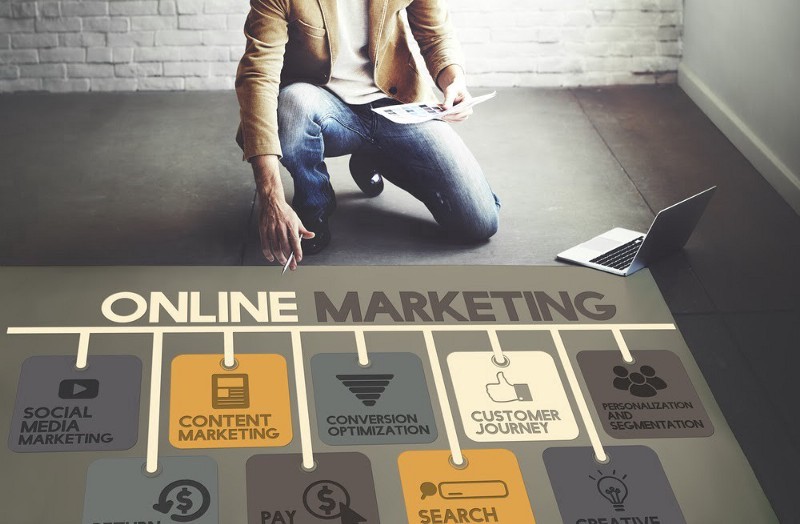
After seeing Traditional Marketing and Digital Marketing, in our mind, we have a question ‘Which marketing should we choose for our business?’
The debate between traditional and digital marketing is long-lasting.
It ultimately comes down to which one fits the needs of your company. When trying to choose between traditional and digital marketing, why not look at both if it is suitable for your business?
If your brand is new and you have to make your brand then you have to go with both Marketing methods.

CATT Marketing Funnel
CATT stands for Content, Attention, Trust, and Transaction. This is a model for building your personal brand.
“Wealth = n ^ CATT” [n = Niche]
Niche — Niche is the area where you have the passion and interest about and expertise and specialization.
Niche = (Passion + Interest) x (Expertise + Specialization)
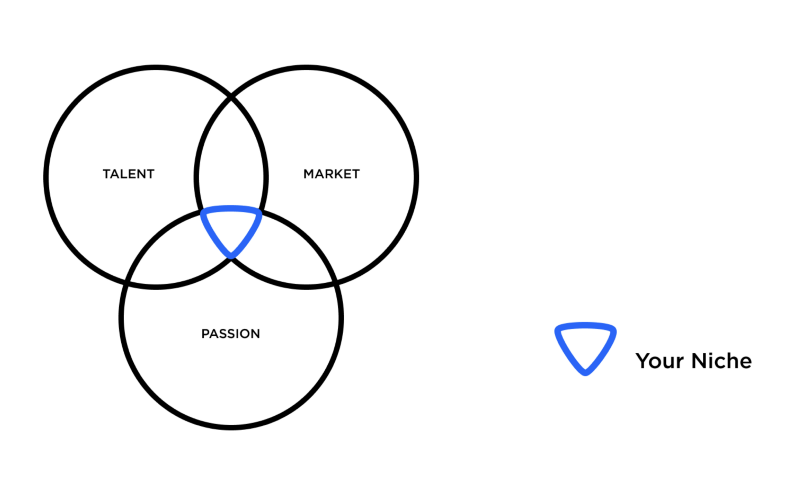
Niche marketing involves targeting a specific demographic, where you might have several products or services.
Niche selection is very important to get success and after SUCCESS you will obviously get WEALTH.
Content — if you write content, it should be simple and people should get attracted and read your content. Content includes Blogging, Social media Posts, Videos, Live Webinars, EBooks, etc. Content plays a very important role in this Digital Era.
“Content is king.” — Bill Gates
Attention — after writing your content it should catch the attention of people using different ways like SEO, Social Media, Search Engine Marketing (PPC), and Referrals.
Trust — after writing content and driving Attention to your audience Trust building is important. We can build our audience’s trust by giving them Value, Some useful Videos, EBooks, Free Webinars, etc.
Transaction — Now after building Trust, Conversion is easy. Because she is already familiar with you and feels like a friend. Now convert your lead into Customers with the sales method.
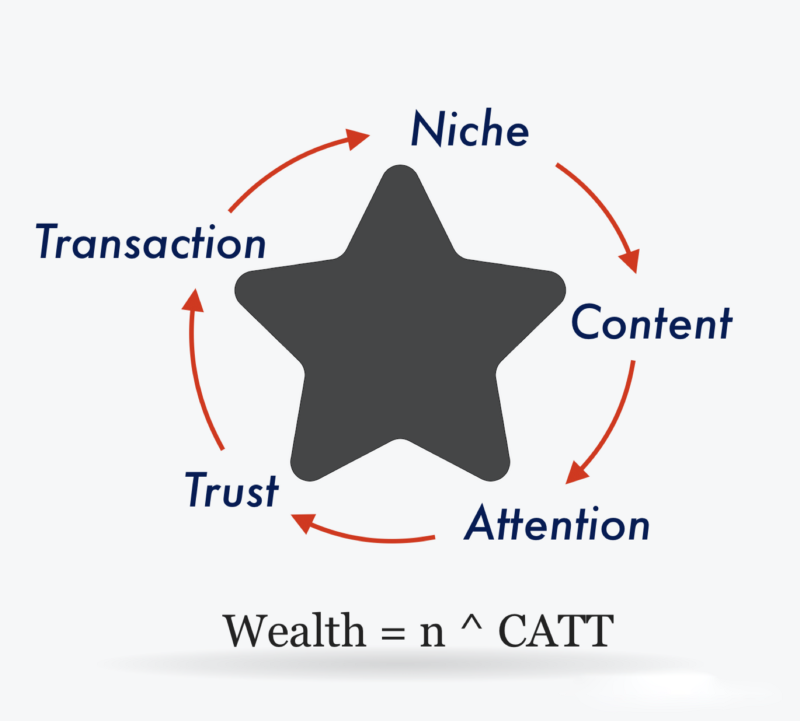
Integrated Digital Marketing
Integrated Digital Marketing is the integration of multiple marketing strategies to form a collective online approach for your business.
The idea behind Integrated Digital Marketing is that a single strategy doesn’t have a huge impact on its own. It is the best way to build an online presence.
Some of the integrated digital marketing methods are:
- Search Engine Marketing (SEM / PPC) — Paid Traffic
- Search Engine Optimization (SEO) — Organic Traffic (It is not ‘Free Traffic’ you have to earn it)
- Email Marketing
- Social Media Marketing
- Display Marketing
- Content Marketing
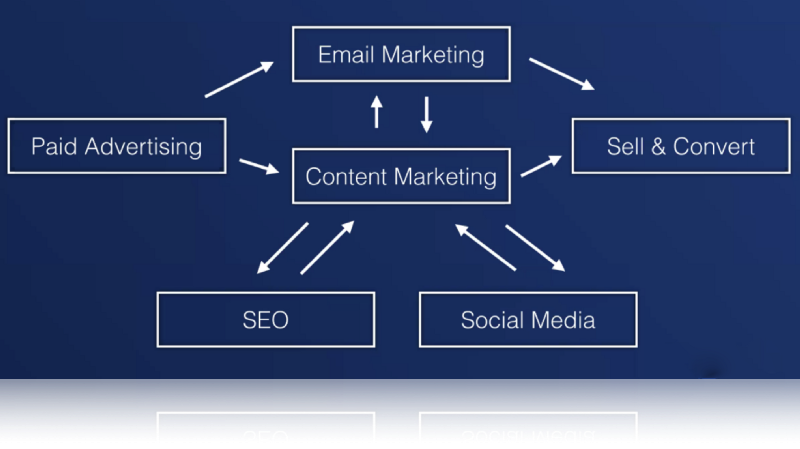
Personal Branding: Mass Trust Blueprint
While building a personal brand, you will be staging who you are and what you stand for. Your personal brand is the digital mirror of who you are. A Personal brand becomes an influencer and the brand ambassador.
“Your personal brand is a promise to your clients… a the promise of quality, consistency, competency, and reliability.” — Jason Hartman
Without writing you cannot build a personal brand, so write as much as you can.
When you write you understand it better. Communication is also an important aspect of building a personal brand.
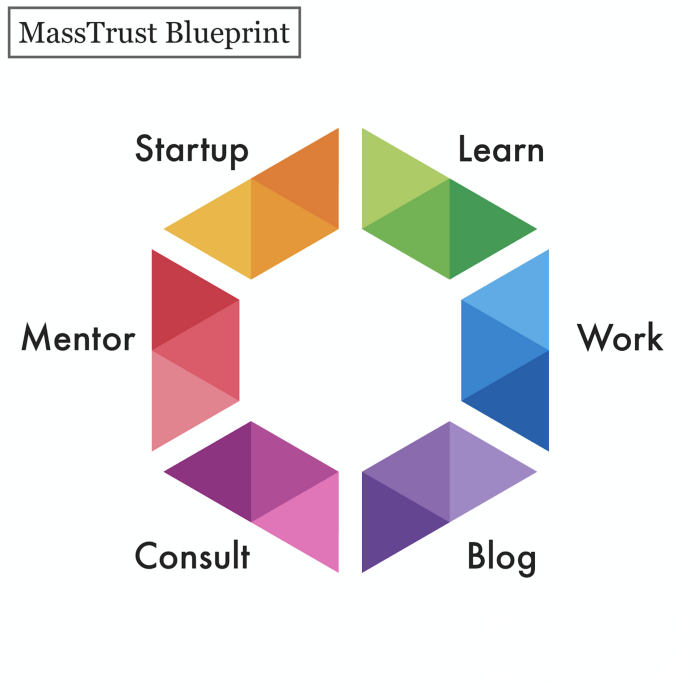
Transformation/Evolution of Personal Brand:
Learn — you should be a lifelong learner. For learning, you can read books, articles, blogs, and watch videos/courses. If you have a learning attitude you will get lots of resources.
Work — after learning you should implement your learning in your work (Job/Freelancing). While doing work you get a clear idea about your learning.
Blog/Write — Blogging is a skill that will improve after writing more and more. You need to write frequently and reach a point where writing becomes your second nature.
Consult — after writing or blogging you should go into the consulting field. Start consulting to businesses. In this case, you will get multiple clients with fewer efforts.
Mentor — to become a Mentor to someone, you should have a lot of hard work and commitment. Mentoring will help you scale your understanding. Mentoring is basically consulting to 100 or more than 100.
Start-up — after mentoring, you can start your startup. Before reaching the start-up stage you already have a lot of experience, knowledge, and business strategies. So you can do your business well. And, then you have to continue this cycle even if you don’t do a job.

Conclusion:
If we implement the above marketing things in our business-like integrated marketing, you will notice big changes in your business. Content marketing is one of the most effective lead generations, branding and sales.
“Keep Reading, Keep Learning, and Keep Writing.”
What should be your Branding Strategy Post Lockdown?
The pandemic leads to lockdown in almost every part of the world. I hope you are fine in this Pandemic and at a safe and secure place. Hope you are following all the basic guidelines for COVID-19. Following these guidelines are now mandatory for us to stay safe.
This lockdown and pandemic has changed the way of your living and working. It has interrupted in almost every aspect of life, this includes your business too. Almost everything after this lockdown has been changed. This includes your customers’ choice also, didn't it?
So what about you’re branding strategy? Are you following the same traditional branding strategy? Don't misunderstand it. I am not going to introduce some new strategies here rather I will tell you why and how some innovative strategies can put your business ahead after lockdown. Why you need to upgrade your Branding style? Rather than following the same traditional one.
You might hear about the 360 Degree Branding effort which tries to include the brand identity into a holistic approach so that the brand is in touch with and visible to the customers at all times. When customers are not reaching you or you don't direct contact between you and your customer. Believe me, you are losing 50 customers every day.
But with the 360 Degree branding, you can stay in touch with your customers. And what's better than to stay active with your customers all the time if you are not connected with them directly. This readily helps to boost up your sales.
360 Degree Branding activities are marketing activities that take into consideration brand identity and take an inclusive approach so that the brand is presented at all points of consumer contact.
For instant let's take an example of the campaign which is active currently. Nestle had tied around the Maggi crisis with the 360 Degree Branding approach in India.
Print media ads could have kept the consumer’s posted on progress, PR could have leveraged the transparency while online platforms could have reinforced the brand context through engaging campaigns using a carefully integrated approach for 360 Degree Branding is a must.
It helps Maggi to maintain its identity during the magi crisis. So it is basically strategic planning and steps that clarify your present position in your business and secures your future positions. Since it directly tries to approach your customer's mind.
This is why you prefer changes in your branding strategy after lockdown. It is generally a combination of various elements like email, advertisement, PR, website, Social Media, etc. Let's get deep dive into it…
Advertisement
Advertisement is one of the most used elements of 360 Degree Branding. It is a marketing communication that employs an openly sponsored to promote business, ideas, products, or any services.
Communication through advertisements can set up on a wide platform that includes traditional media such as newspapers, magazines, television, radio, outdoor advertising or direct mail and new media such as search results, blogs, social media, websites or text messages.
So you can connect with your customers and can create a good impression on your current customers. It also attracts large new customers every day. That helps you to acquire potential customers easily.
Presentation
Presenting your product in front of your buyers is always an art. There are different ways through which this presentation can be done. But nowadays for presenting your product, its values, objectives are possible only through online ways. This lockdown and pandemic have restricted your boundaries. But this online media is like a boon for you that helps you to connect to your customers directly irrespective of your boundaries.
Presentation through this online world is then surely a great way. It not only helps you engage your customer but also helps you to clearly define your product with some captivating slides. It helps to generate curiosity among your customers regarding the product. It helps you to maintain a good business relationship with your customers.
Print Media
Whatever be the branding campaign strategy, print media always play a huge role particularly to create brand awareness. It's important to understand that building a corporate identity is not same as marketing products for selling. If you will be able to create a good corporate identity then, you can emotionally connect with your customers. Print Media Remains An Excellent Way To Build A Brand.
Thus print media in 360 Degree Branding strategy is always used to strengthen the customers. Physical handling of printed material may help promote a deeper emotional engagement with its message and in the context of marketing may, therefore, help customers and prospects to remember and bond with a brand.
But it is worthy only when you use a proper approach. Depending on the type of business or your requirement you can choose any option. It can Corporate Profile Design, Brochures, Leaflet, Product Catalogue Design, or any other physical design. But the important point while building a brand is to maintain your consistency. That is every piece of print marketing material must be consistent in the use of Logo, Colour, Fonts, Typography, Images, and most important – The Message.
With an experienced professional you can easily maintain this consistency and can boost up your business.
Exhibition
Over the years presenting a stall in an event or trade show is always an easy method to have a wider approach and so it is widely used in 360-degree Branding. It can attract a huge audience including your prospective customers. But it should be well enough to stand out among all stalls. Professional Service Providers can help you with a proper approach to reach out to your goals with the best suitable exhibition.
- Exhibition can be a great way to introduce your brand to a new audience.
- Help to increase trust with your brands.
- Great way to launch new products with a wider approach.
However, post lockdown exhibitions should be present by following basic COVID-19 guidelines. So that audience feels free to connect with your stall.
This is just a small glance of 360 Degree Branding. As it is the most innovative idea that covers everything about you’re branding to create the best business identity.
If you are looking for such a professional and expert agency who can help you stand out from your competitors. After this lockdown just enhances your branding strategy with the best innovative solutions.
DesignLab is an India's leading 360 Degree Branding Service Provider Company. With 8 years of experience in business, we assist you with the highest quality work. And the secret of this success is only because we focus totally on customer requirements and their goals.
Our experts create a strategy after analyzing your requirement, market trends, analysing your potential customers and their demand. So that we can create a business identity that can be trustworthy and long-lasting. Contact us for more details.
You can click the below button to contact us: http://www.design-lab.co.in
Comment, what's your first strategy for your business post lockdown?
How to choose and pursue any business
Being an Entrepreneur we always think to Expand Our Business, to Increase Company's ROI and to turn it into BRAND. However, this is possible only when we follow Modern Trends and Technology to Boost up Our Business. In this Digitally Dominated Century, Peoples are Crazily attracted toward Online World. Thus, Digital Marketing is the Best Way to reach out Customers Globally and to increase Our ROI, Fame Of our Business. So for all this Website is an important part to represent you in Online Platform.
DesignLab being a one of leading Website Design and Development Agency in Pune understands Customer requirements and serves a Best Website Design with 100% Customer Satisfaction.
Why To Choose Us
DesignLab aims to provide a Creative, Professional Website Design. We believe that every organization's needs a different approach to maximize Leads thus we design a Website that ensures your Digital Web Presence and Search Engine Optimization Compatibility. Through our decade of experience we develop an eye-catching website that uniquely express your Business and helps you to stand out ahead of your market Competition.
Our Features
- Responsive Web Design and Development
- SEO Driven Website
- Security and Reliability
- Customized Website
- Experience and Expertise
- 27*7 Services
- WordPress
- Reasonable Rates
Website are developed as:
- Static Website
- Dynamic Website
- Static Website Design
- Dynamic Website Development
Our team at Design, follows that customer is a first priority and our team works hard to Satisfy Customer Needs. Thus, to get Professional Website Design to increase your ROI, please get in touch with us +91-9822234768 or visit: http://www.design-lab.co.in Our team will Happy to Assist you.
Branding is an important contribution to setting up a business online
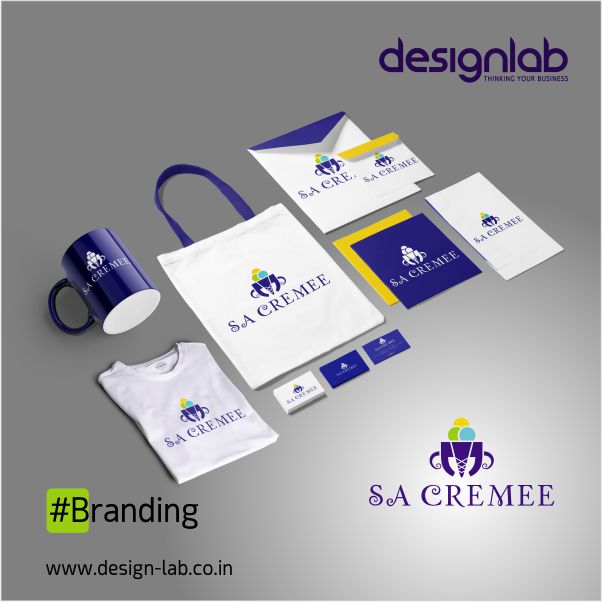
Branding is an important factor to setup a Business either in Online through Digital Marketing or Offline field. DesignLab uses all the latest and effective tools in Branding to turn your Business into Brand. We take care of your Business of online Branding i.e good web presence. Branding is simply a set of important tasks from Packaging Design to Logo Design, From Brochure Design to Creativity.
Based on Pune India, DesignLab are a creative branding design agency that have helped consumer's brand grow and get noticed. We simply a team of creative, enthusiasts team that take every project as challenge to build our reputation.
No fancy trademarked processes and no hidden extras. All experience but with the flexibility that large packaging design agencies cannot deliver. Whether a big brand redesign, NPD launch or simple packaging/ branding updates.
Our Corporate Branding
— Corporate Identity
— Logo Design
— Stationary Design
— Corporate Guidelines Manual
For any Query feel free to Contact Us. We will always there to Assist you and get your queries clear.
Print Media
— Corporate Profiles Design
— Brochure/ Leaflet/ Flyers Design
— Packaging
— Products Catalogue Design
— Logo Design
Get Connect with Us. VISIT US. Enjoy Our Services.
How to choose any business, choose from DesignLab
Being an Entrepreneur we always think to Expand Our Business, to Increase Company's ROI and to turn it into BRAND. However this is possible only when we follow Modern Trends and Technology to Boost up Our Business. In this Digitally Dominated Century, Peoples are Crazily attracted toward Online World. Thus Digital Marketing is the Best Way to reach out Customers Globally and to increase Our ROI, Fame Of our Business. So for all this Website is an important part to represent you in Online Platform.
DesignLab being a one of leading Website Design and Development Agency in Pune understands Customer requirements and serves a Best Website Design with 100% Customer Satisfaction.
Why To Choose Us
DesignLab aims to provide a Creative, Professional Website Design. We believe that every organizations needs a different approach to maximize Leads thus we Design a Website that ensures your Digital Web Presence and Search Engine Optimization Compatibility. Through our decade of experience we develop an eye-catching website that uniquely express your Business and helps you to stand out ahead of your market Competition.
Our Features:
— Responsive Web Design and Development
— SEO Driven Website
— Security and Reliability
— Customized Website
— Experience and Expertise
— 27*7 Services
— WordPress
— Reasonable Rates
Website are Developed as:
— Static Website
— Dynamic Website
— Static Website Design
— Dynamic Website Development
Our team at Design, follows that customer is an our first priority and our team works hard to Satisfy Customer Needs. Thus, to get Professional Website Design to increase your ROI, Please get in touch with us 91-9822234768 or Visit: http://www.design-lab.co.in Our team will Happy to Assist you.
Take your business to the next level with branding
Large number of entrepreneurs set up their business online everyday. It can be any field, people are eagerly endorsing their business online to increase their ROI. A huge transformation, advancement in recent years in Digital Marketing attracted peoples more toward this. Thus it is important to set up your business online. But at the same time, the level of competition is tremendously increases. Since customers are allowed to choose from a huge number of options. So it is important to plan the business in such a way that it should always catch customers attention. Proper strategic branding can help you to solve all your problems and thus take your business to the Next Level.
DesignLab provides you a complete solution with your branding. Our highly designed team, work hard to achieve your goals, study deep about your organizations and customers requirements and then come up with a proper professional branding strategy. Branding is not a single task but a complete set of tasks that includes various elements.
Brand Development
This is very important as proper brand development increases your everyday leads and thus achieve to gain your organization A good fame. Whether you are a startup or need brand refresh, we are here to help you. Our creative team of designlab makes a feel, look and logo that perfectly gives your brand a unique identity.
Logo Design
Logo is a first visual appearance of your product and communication vehicle for your products. It simply represents your vision, uniqueness of your product. Our highly trained team of DesignLab makes a perfect combination of thought, skills, font, colour and provides a fresh creative, professional looking Logo Design for you. So what are you waiting for, Experience Best Branding Design with designlab.
How To Increase ROI From Your Business

Being an entrepreneur the utmost thing we want is getting a more and more ROI. This can be only possible when we move with a strategy to enhance business. Also, people nowadays are getting more attracted towards social media platforms. It often found that consumers first search about products or anything in an online portal and then switch for the step to buy it. Thus it is very important to make a good web presence of your products, your organization, your business. Proper Branding Design of your products can help you increase your ROI, help you to make a good web presence, help you to stand out from your competitors. We at the DESIGNLAB take cares of all these requirements and work accordingly. We believe that Branding Design is an opportunity for us to show our creative, innovative ideas.
Branding Design is not just graphic design but a Visual Appearance of your products, your vision to the customer. Thus we first study about your products, your organization, current market need, your customer approach, then only our expertise team members of DESIGNLAB finalize a perfect, professional and cooperative Brand Design for you. Our Logo Design are highly attractive, simple and professional. We design a Logo for your business that actually turns your business to a Brand. Our approach of perfect combination of font, color, knowledge of your products will able to replicate your thoughts. We Design a Brand in such a way that it helps you stand out from your competitors and thus help you build your as a Brand.
Overview of Benefit:
- Proper CMS
- High Return
- Customize your Brand Design
- Highly Affordable
- SEO Driven
- Mobile Design
- Speed Optimization
- Well combination of all elements
- Clean and professional Logo Design
- Tech Support
DesignLab offers you to customize your Branding Design. Try our Free Demo of our work. Feel free to visit our website https://branddesignlab.net/about and learn more about our features that are made only for your convenience. You can also contact to our customer care service in case of any inquiries.
Providing creative brochure and packaging design services
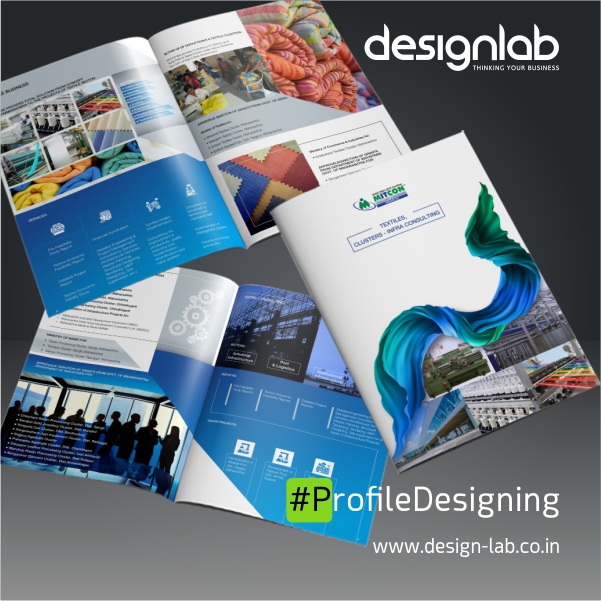
Need to revamp your business look? Need to create a mark for your new startup? Need a professional corporate Brochure Designer. Here we are! There are many other companies in a market that doing same business, thus to create your unique identity you should be stepped ahead of your rivals. It is only an effective marketing that gives your products a remark in a market.
Providing trustworthy information, vision, features of your products in a well-designed manner is the key feature to attract customers. Brochure Design, Leaflet Design, Packaging Services in Pune provides you a complete solution to attract customers effectively with the help of our ability to create a benchmark solution.
Brochure Service in Pune provides you a well deserved, attractive but unique with a well representations of product information. We often allows you to customize your brochure, leaflet or packaging service according to your requirement. Brochure, leaflet service in Pune accompanied by highly skilled expert that do a proper analysis of your organization, your product's features and market trend of your field business. Thereafter, it comes up with the best, unique and attractive solution for your business by providing you all its services.
We provide you with a various service as:
- Brochure Design
- Leaflet Design
- Flyer
- Packaging service
Brochure Design and packaging services in Pune provides you with the best service that convinces your customers.
Overview of Benefits:
- Cost effective
- One stop solution
- Premium quality
- Create a unique design
- Information Rich Content
- Best typography
- Highly skilled expert
- Proper analysis
- Color Design
- Attractive packaging services
- Revamp your business
- Revamp your products look
So if you want to utilize products with a proper marketing strategy. We welcome you to get the solution of your problem in the best deserving way.
Our branding technique based on customer needs and expectations
Designlab the Pune located designing solution agency, which gives a wide range of designing support for all our valuable clients. At the designlab, We have experienced designers for logo design and corporate branding. Our objective to give an eye-catching logo design who ready to represent the company and brand value before your business targeted audience. We describe emotions with designs and our group specialists to represent the company in a distinctive manner. We help to keep up the company branding and hold the interested customer for quite a while on your product and services. Our agency is a leading service provider of corporate branding and advertising.
Your brand logo is your digital identity we help to clarify the company profile and class
Our designing team analyzes the market and audience interest, we work to make a strong strategy to design the brand logo very catchy and easy to understand the perception of the related organization. Behind our design, we clear the message and services of the company. We work for customer interest and satisfaction. Our branding technique based on customer needs and expectations. Our powerful design concept will explain everything to the customer.
DesignLab Pune is the top-rated and demanding agency for corporate branding and logo designing services. Our designed logo and branding designs can easily explain the company services and our logo can maintain the class of company and brand.
Why Branding and Logo Design are Important for your Business
In today's digital era BRANDING is very important as it helps to recognize products globally. People are often attracted towards the branded things easily, branding helps to create impressive performance in markets and thus ensures a high return. Branding Services and Logo Design Services helps you build the best customer experience with engaging branding service.
Logo Design
Many owners often think that only Branding of their products will help them to sustain in these highly competitive markets, but to sustain your business appropriate Logo Design matters equally. Logo Design helps your customers to understand your company, product, mission, vision, values and many more. It is an artistic combination of font and color thus creates a unique identity for your products. Branding Services And Logo Design Services helps you to create a customized, artistic logo for your organization that represents your products and organizations.
Why to Choose
Branding is not just a word that you can make just by spending a good investment or simply you can ignore it. Proper Branding of a product through proper approach, engaging content, attractive website, easy accessibility of a product, loyalty among the customer, attractive logo, consistent with your logo and trends are the key features of a proper branding. Branding Services and Logo Design Services provide you a one stop solution for your business. With highly skilled design, well experienced employees they provide your best services which you can customize according to your needs.
Overview of Benefits -
- High return
- Proper customer approach
- Creates your unique identity
- Help to recognize you globally
- The Best logo design experience
- Proper business statements
Thus, you should hire the best branding agency to establish yourself in such a highly clustered market by hiring best service providers.
We introduce you to DesignLab, one of the best branding agency in Pune they do logo designing, branding with 360 degree solutions.
We design a visual representation of ideas and messages
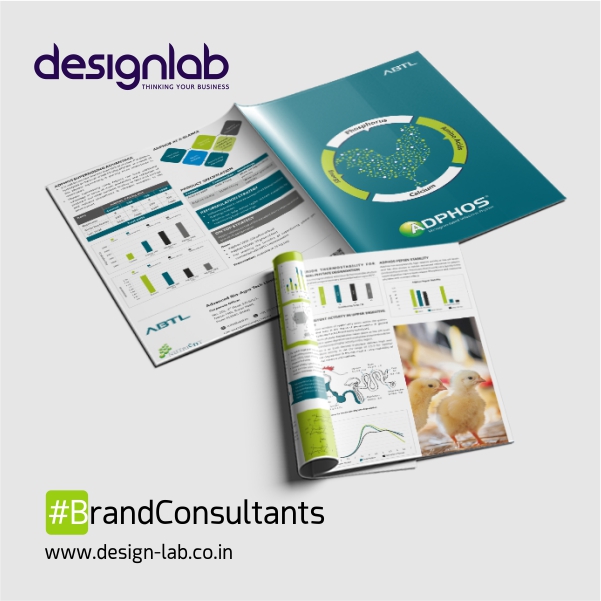
Graphic designers at designlab give remarkable graphic design services to clients in many segments of business; we work with corporates in IT, hospitality, event management, healthcare and institutional clients. The work from the group designlab is versatile as our clients are varied.
Our work is based on branding. Commencing from the logo, we create total branding solutions. Adapting branding to a full scope of graphic design services, Designlab conveys graphic design work that has high impact and conveys results.
Team designlab collaborates with clients to make a particular message to a targeted audience through a far-reaching scope of Graphic Design Services in Pune. Our Graphic Design Services are applied to various artistic and professional teaches that emphasis on visual communication and presentation, for example,
“Graphic design for posters, flyers and advertisements, branding, marketing and advertising. Our graphic designing services reach out to magazine cover design, product design”
All our Visual Communication and Graphic Design Services utilize inventive ideas to make and combine words, symbols and images to make a visual representation of ideas and messages.
Designlab is a full-service graphic designing organization in Pune. Our group of exceptionally qualified and professional graphic designers in Pune are experts in understanding your requirement and converting them into powerful designs.
Capture your authentic embodiment with an immortal and unique custom logo we are one of Pune leading business logo design companies. Our reputation has been built on delivering quality logo designs at affordable prices with exceptional service.
We are gladly associated with numerous significant brands and advancing the relation onwards with our prompt openness at each prime city of India.
We gross extraordinary love among advertising market players through catering essentially imaginative ideas and solutions alongside utmost loyalty to our esteemed satisfied and delighted clients. Having enormous involvement with the advertising arena, we are rediscovering the epitome of excellence.
Graphics indicate to the nature of your services and to your brand
Graphics indicate to the nature of your services and to your brand, they make your information additionally interesting to read and progressively digestible, they add visual appeal to the information on the page, maintaining watcher interest and consideration. Our services cover all your graphic design needs.
DesignLab is a Brussels-based Graphic Design Studio and Communication Agency in Pune, India. Represented considerable authority in the creation and usage of Corporate Communication. Our mission is to create a beautiful design to inspire individuals for positive change. DesignLab is the top designing company for logo design, brochure design, and packaging design.
Logo design - A logo is your online brand identity. At DesignLab, we comprehend what your business should be projected by means of comprehensive brand identity which we give through our business logo design administrations. Visuals are recollected more than words or numbers and logos are most observed and recalled visuals.
Brochure design - brochure and inventory are the most significant tool of promotion for any company. they are the genuine representative of any company, from any field or offering any products or services. brochure and inventory are an excellent tool for presenting your company, its products, and services to your prospective buyers.
Design is the best service provider of brochure designs for corporate offices and businesses.
How the brochure is important for business?
The brochure must appreciate specific features to affect your objective buyers and to acquire effective outcomes from them. being attractive, bringing a clear message are, at that point, an absolute necessity. high-quality, professionally-designed brochure and inventory will assist you with advancing your products and services in the most elegant way.
Packaging design - In the consumer's mind, good packaging design is a reflection of a good brand. A brand that is reliable, quality and worth the purchase price, and critically worth returning for. The packaging is the basic association among shoppers and your products at the exceedingly significant point-of-purchase. Successful packaging must be visible on the shelf, engaging and plainly communicate your USP and key benefits.
We bridge the gap between design, marketing and technology
“Role of graphics in business and branding”
The well-designed Graphics are utilized to focus on the most prevailing human sense. Along these lines, it is imperative that they are designed well and considering the right goals. Cautiously and well-placed graphic Designs in limited time materials can be utilized to subtly and adequately impact the viewer in a proposed way.
Moral of the above paragraph ‘good design leads to good business’
Designlab offers total graphic structure administrations to promote your company or brand. Our graphic designing group brings professional answers for every one of your needs: logo, promotions, packaging and substantially more. Utilizing the latest software, well-honed creative instincts, depth of expertise and huge resources, we offer graphic designing service of the highest order.
We provide our services to clients in India and abroad like the USA, UK, and other foreign countries. Understanding each company's unique requirements, we develop solutions that work, ensuring that it stands out with an aggressive edge.
Designlab is a full-service realistic designing company in Pune. Our group of highly qualified and professional graphic designers in Pune are experts in understanding your requirements and changing over them into effective designs. They incorporate features, for example, easy navigation, fonts in pertinent hues, and many more.
Graphic designing is an art or a creative plan to accomplish goals with the utilization of images, words or symbols. Graphic designing assumes a significant job in building the first impact on clients, vendors and different entities. This procedure involves logo designing, branding, etc. Through Graphic designs, an individual or an entity can capitalize on communicating their innovative ideas and portrayals. Our fundamental services are-
- Corporate Identity and logo design
- Business Cards and Stationery Design
- Corporate Profile Design
- Brochure / Leaflet / Flyer and Packaging Design
- Product Catalogue Design
- Magazine, Newspaper, and Hoardings Advertise Design
- Office and Showroom Environmental Branding
- Signage and way-finding design
Why do you need to choose the DesignLab for designing solutions?

Yes, we know you are finding the place or perfect and dedicated agency for your business logo designing, packaging designing or branding brochure, etc.
At the designlab, we are offering professional work of business logo designing and branding solutions.
What is the specialty in our services-
- We are providing affordable prices for logo design services.
- With the logo package, We are providing a user guide.
- Committed for premium projects.
- We always create a logo for each type of company.
- Innovative and creative designing services for business branding.
- Maintenance support for the entire duration of the logo designing service.
Our designers always design in an array of logo styles like Iconic Logo, Textual Logo, Emblem Logo, and others. At the design lab, we have expertise in designing service, which is related to business branding, branding brochure designing, logo designing, packaging design they deliver excellent service that resonates with the essence and objective of your business.
What is the role of branding brochure design for business promotion?
“Outstanding brochure design can generate leads and thousands of your prospects to come and connect with your business”
A brochure conveys information about an organization, communicating its goals with clarity and a creative mind in an outwardly appealing manner. Brochures help increase an organization's exposure to a for all intents and purposes unlimited audience.
Designlab represents considerable authority in designing world-class corporate brochures (for example medical, healthcare, travel, and many more like all big and small business) fliers for offers and even business folders.
Logo's Designed by Design lab logo designers communicates your brand personality effectively
The team at DesignLab - the best and notable logo design service company in Pune, India progress in the direction of creating a custom logo design and establish the first connection as the initial step in the branding process.
Logo design assignment for us includes name, logo/mark, tagline, graphics, shapes and colours. Successful logos are simple, easy to recall, and works in any medium-offline and online. As a major aspect of a company's brand identity, a logo should supplement the company's message strategy.
We chip away at interpreting the brand with the logo we develop. Make a reflection of brand or product and services to support instant acknowledgement and association.
Our brand specialists work with trained logo design team investing time and effort in exploring trends and patterns in the clients' territory of business activity. Armed with the resulting knowledge our skilled branding experts and logo designers embarks to design the logo, customizing fonts and evaluating every single possible mix that would loan your business a meaningful, distinct and unique identity.
Design lab is a custom logo design service company in Pune that makes special and stylishly pleasing logo designs for customers in India and abroad. During our time of industry experience, a specialist group of in-house logo designers and creative illustrators, we ensure that each logo design we make turns out as a piece of marvel, that works ideally for its owner.
Why is logo designing important for a brand company?
Your logo communicates ownership. It can tell the world/potential customers who you are, what type of product you sell or service you provide or what benefit you offer to your consumers.
Distinguishes you from the competition. A good logo reflects who you are, but it should also distinguish you from all others. A good logo should dare to be different. The logo should be distinctive and interesting enough to be memorable. Their placement on products would make finding them on a crowded shelf quite easy. Placing your logo on all of your marketing, packaging, products, social media, website, etc. is a way to advertise your brand and your message consistently, whether it’s in the store, online shop everywhere you want to be. If you’ve developed your brand message and successfully tied it to your logo, everything you do and create becomes associated with the logo and the brand.
Logo designing services that ensure to pass on your business or branding personality effectively. Make a reflection of brand and administrations to help moment recognition and association. Our branding specialists take care of your target audience, your business, and color scheme to suit your business. Our concentration is to develop and maintain the TOP branding level for your business. We develop your logo design based on your needs and business branding.
DesignLab is specialized in logo design and corporate identity with near about all logos trademarks. As an innovative Logo Designers in Pune, We at DesignLab known as Best Logo Design Company in Pune and offers unique and creative logos at a highly competitive price.
#importanceofbranding #Branding #LogoDesign #designlab #logoimportance
Environment graphic design(EGD) is a vital part of your Identity
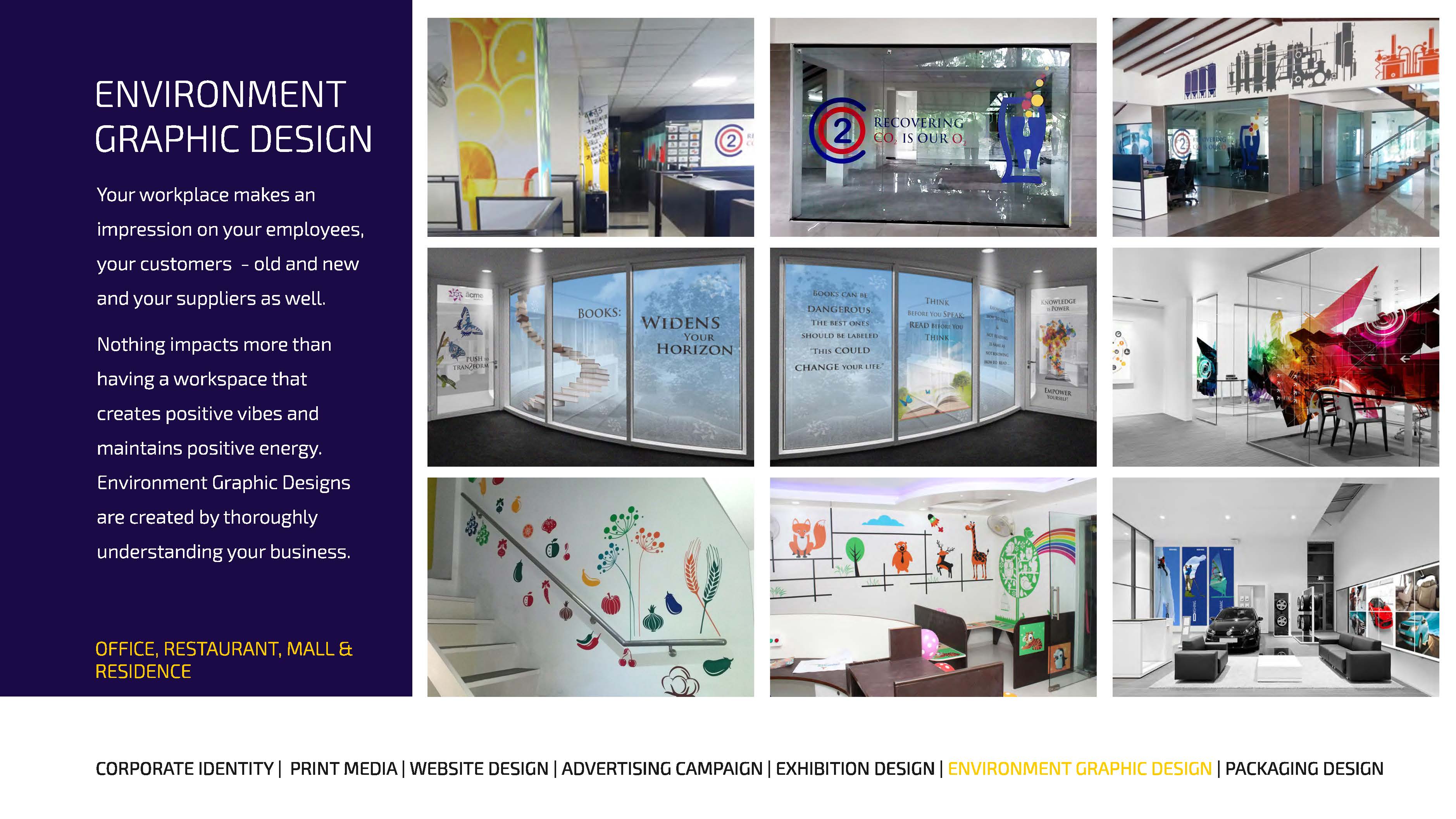
Environment Graphic Design is an order that includes various elements of graphic design, architecture, interior design, landscape design and industrial design. DesignLab utilizes a multidisciplinary way to deal with impart branded stories and breath life into them in the built environment. We activate places and make highly composed and productive navigation solutions.
Inside Environment Graphics, DesignLab works in various highly concentrated practice areas, including wayfinding design,architecture, interior, landscape, placemaking and brand identity.
We fuse technology, art, imagery, architecture and storytelling to make environments that reinforce brand character, add to positive client experiences and associate with audiences in significant ways. We design and transform spaces. We make connections that make meaning. We pose inquiries, take risks, imagine, refine and afterward make it real.
Our graphic design services make better client experiences through clear and compelling environment graphics and designs. We specialize in signage and illustrations for wayfinding, identification and visual stimulation — the "architectural language" that imparts significant data about the offices to the two visitors and occupants.
Our services incorporate brand personality development, environmental graphic design, signage, and wayfinding. We offer the talents of experienced experts trained in environment graphic design and industrial design, empowering the association's different designers to share ideas and coordinate graphic design seamlessly into the architecture and landscape. The outcome is an all the more fully-integrated, higher-performance item for our clients.EGD connects people to a place.
Creative Corporate presentation makes easy to reach your customer
DesignLab is a group of talented designers with 8+ years of designing experience, We customize the corporate presentation design to reflect your corporate branding. Our custom made presentation slides, formats, layouts, and presentation design helps you to convey the correct impact to your audience.
whether you are presenting your innovative ideas in a conference room, in a board meeting or in an auditorium, it is significant that the message gets a pass in a crystal clear and memorable manner. Our team of master designers transforms your ideas and thoughts into creative designs extemporizing on each aspect. Our PowerPoint presentation designs, just as other service offerings, will bring high-worth to your inputs at affordable costs.
DesignLab is a Corporate Presentation designing and Company profile design company based in Pune, India. Our aim is "to support our clients in the graphical part of their everyday corporate presentations consequently giving the viewers the optimal message with highest professional standard quality in the shortest time".
Our Graphics team, Corporate Presentation Designers and Company profile designers who are experts in presentation slide production/reformatting task) work for Global customers to support all their everyday presentations for their small business discussion to top management meetings. e.g. Steering Committee, Board meetings, and project proposals, etc
It is difficult for you to find equivalent good creative corporate presentation design service with alluring rates anywhere on the planet. Our production team is well qualified and professionally trained by our specific trainers. We assure speedy turnaround time even without earlier reservation of capacity. Corporate profile Designing and Keynote presentations with custom made presentation slides, layouts and templates to transform your content into a visual journey beyond graphics.
Your brand will help your client demand and delivery- join us
How you communicate and how you represent your business in front of your clients- its all depend on your web design. Excellent web design also helps to convert your site visitors into clients. if you are planning to develop your website in a proper manner and apply your own design on your web portal. let us help you do it right.
You need to analyze your field competition, you need to plan a proper strategy, you need to make your representation very powerful, but the thing is in this race you are not alone the top class digital design lab organization will complete all plans and ideas, strategy and expectations very successfully.
Our skilled web design and website development team build your level in the competitive world. Our years of IT solutions experience have led to a results-driven process that ensures successful outcomes.
Just by creating key points can the achievement of a web project be measured. Digital design lab in-house, award-winning web and graphic designers perceive the way that convenience, usefulness, and perception are the three significant variables of an application interface or website. We work with you to guarantee that your digital marketing objectives are acknowledged with the designs we make. We work with you to build up a client experience which conveys an incentive to your website visitors.
We know you get one opportunity to make your business impression, a digital design lab will create a path to achieve your business goals. We provide services in Website Design and Construction, Smartphone & Tablet Responsive Design, E-Commerce Systems, provides an amazing UX, eye-catching design, custom web development, CRM development, dynamic development, software development, etc. Our highly experienced team will maintain and deliver the 100% quality in work with 0% error.
How great packaging design can help your business
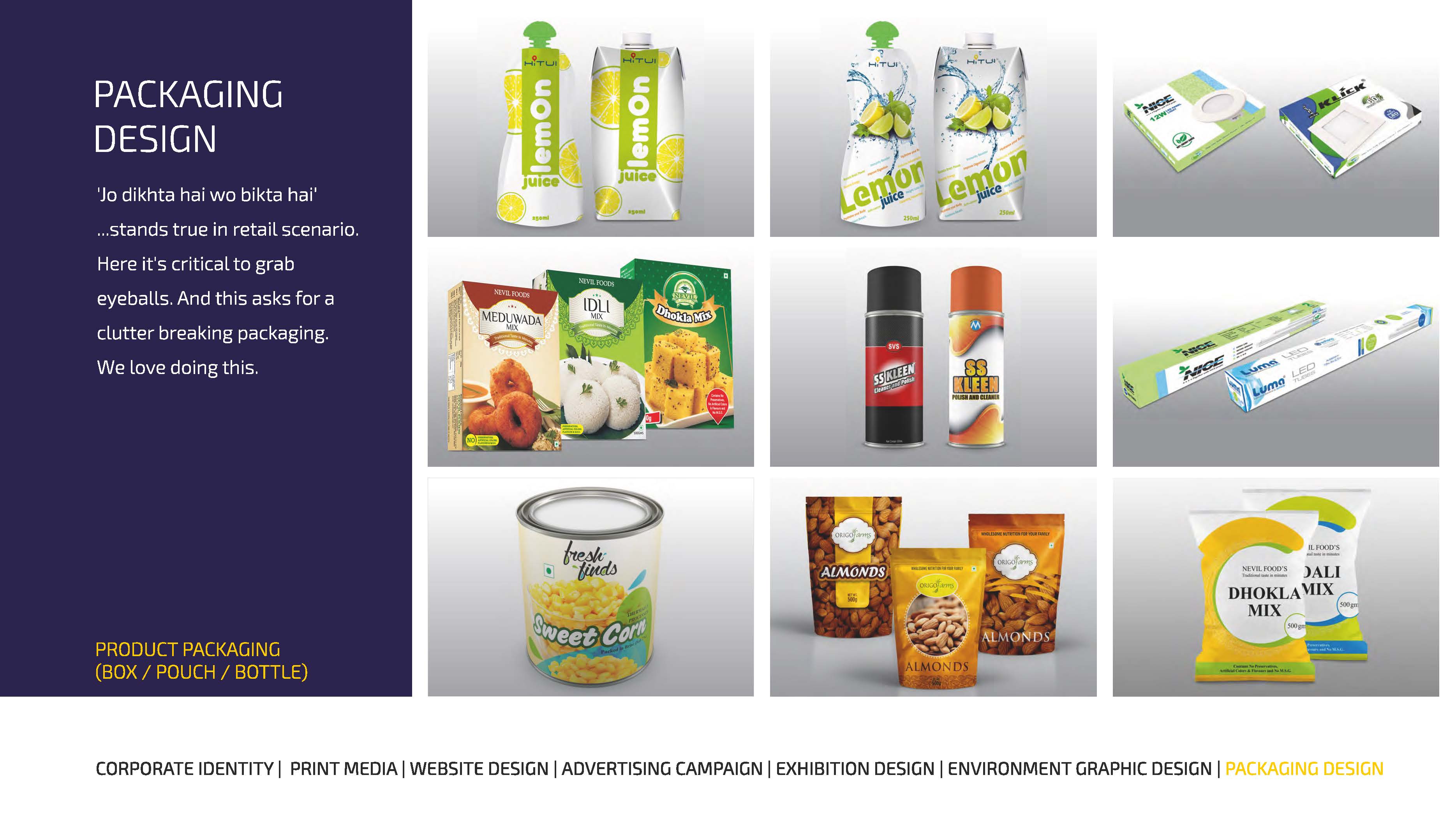
"Jo dikhta hai wo bikta hai"... stands true in retail scenario. Here it's critical to grab eyeballs and this asks for a clutter breaking packaging.
If you want to make a big impact in the growth department, you might need to leave behind your old packaging. This is especially the case if your packaging hasn’t changed much over the last 5-10 years, and your sales have seemingly come to a standstill.
As the younger generation starts making their own buying decisions, they’re likely looking for brands and products that they can relate with. If your packaging looks like it came from the Stone Age, you’re passing up an entire generation that might have otherwise bought your product.
The goal with your protective packaging is to appeal to as broad of an audience as possible.
Branding your company on your packaging always comes first, so keep your logo and colors in mind before moving on with new art. Your packaging presentation needs to remain consistent with all aspects of your brand.
Advertising Campaign to develop your brand some steps ahead
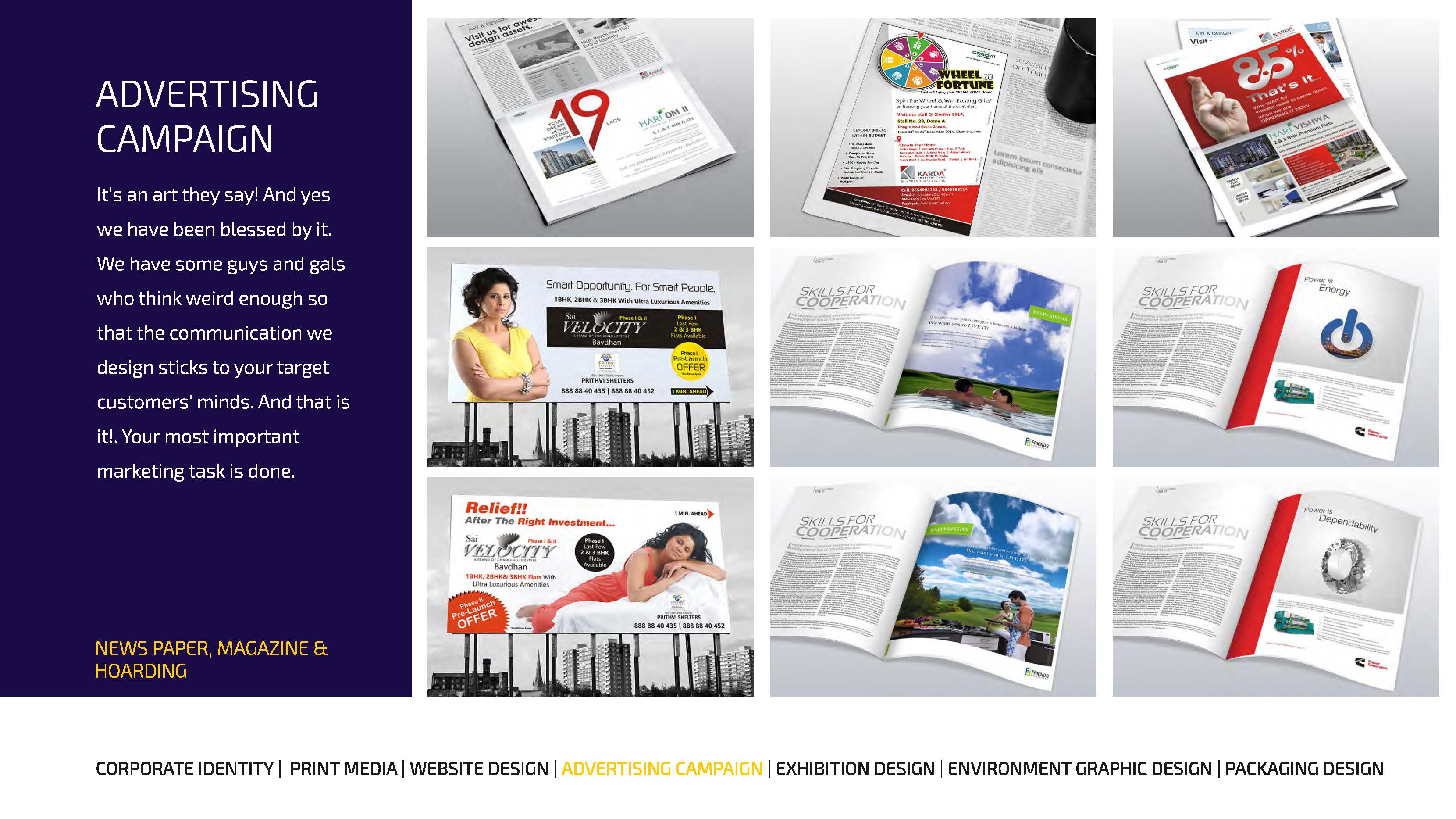
It's an Art they say! and yes we at DesignLab have been blessed by it. We have a team, who think weird enough so that the communication we design sticks to your target customers minds and that is it! Your most important marketing task is done.
Advertising campaigns help business owners and their teams outline the best strategies and tactics for promoting the company's products and services. Whether you offer a product or service or plan to promote your product offline or online, an advertising campaign can guide you through the process. Before you develop your advertising campaign, take note of your company's position in the market and determine where you'd like to be. Design your advertising campaign keeping the values, features, and benefits of your product or service at the forefront of the campaign.
Look at what your competitors are doing, as well as past, current and future trends.
Identify the purpose of your advertising campaign, before you begin planning it. You may develop a campaign to make customers aware of a new product or service you're introducing to the market, you may want to introduce customers to a new use for an existing product or service or you may have a special sales promotion. Decide the time for launching your advertising campaign for maximum effect.
How can print media (brochure, Pamphlets, Flyers) help you to promote your business
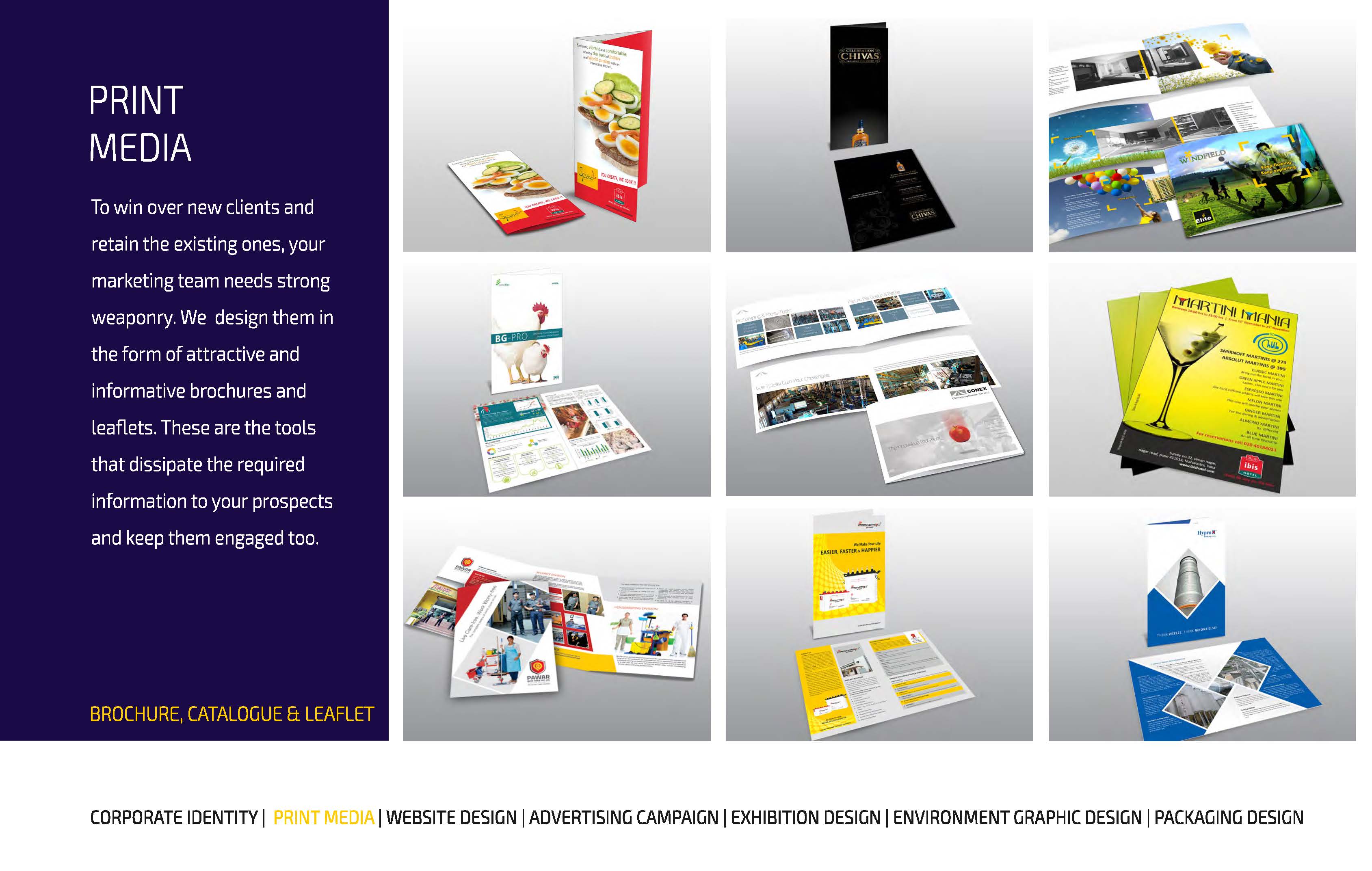
To win over new clients and retain the existing once, your marketing team needs strong weaponry. We at DesignLab, design them in the form of attractive and informative brochures and leaflets. These are the tools that dissipate the required information to your prospects and keep them engaged too.
Marketing isn't about using one medium. It's about getting and keeping customers. Yes, internet marketing can help you can do that, but only if you use it in conjunction with other tactical tools. Also, there are thousands of potential customers that are extremely cautious about placing the important business or buying an expensive item from an unknown online vendor. That's one of the reasons why, to succeed, every online company must have brochures and other forms of printed sales literature to hand out to customers and prospects.
A brochure that is well-designed can go a long way in establishing a strong image for your brand. And with such credibility, your business cannot help but grow. Having a strong image allows you to ask for higher prices for your products and services in the market, and people are often ready to pay because you have a good and established image.
A typical flyer has plenty of space to accommodate all your relevant business details and benefits that a customer can enjoy when using your products and services. Given the unlimited options, you have today, you can have as much space as you want to develop a compelling brochure for marketing your organization.
Pamphlets can be a great way to introduce a new product or service, and be very helpful in keeping you in touch with your customers, reminding them that you are ready to provide the best products and services to meet their requirements. So, you see a pamphlet design can actually be helpful in getting your business in momentum.
Flyers are also something that is readily accepted in the market. You can find several people who actually find them useful. So, if you are a company which is not using the medium of the flyer, you are possibly losing out on a good customer base.
Importance of corporate identity for a business
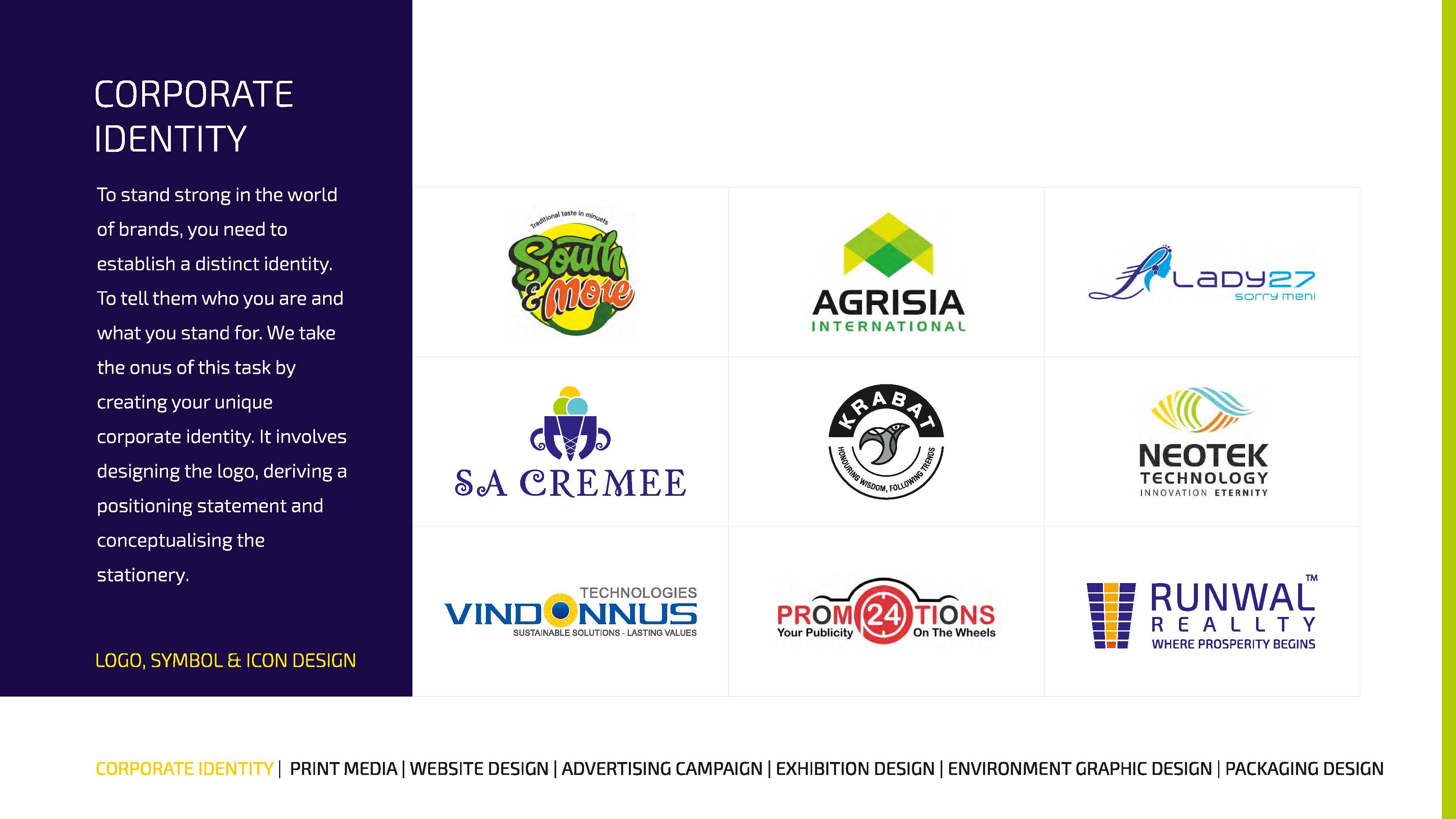
To stand strong in the world of brands, you need to establish a distinct identity, to tell them who you are and what you stand for. We, DesignLab take the onus of this task by creating your unique corporate identity. It involves designing the logo, deriving a positioning statement and conceptualizing the stationary.
A logo is the most visible aspect of the Corporate Identity of a business. Thus, a good logo differentiates your organization from the competition & provides the highest visibility. The logo is the brand promise to your customers from your side to provide the best possible services with the highest quality.
It leads to the differentiation of the brand image in the marketplace which can increase the sales rate.
A strong Corporate Identity is essential for every business organization as it helps in the interaction of the customers & the company. Customers usually get great help in understanding the business with the help of its Corporate Identity.
It includes several supporting devices, such as the company letterhead, business cards, website, etc. It creates a single & clear visual identity for an organization.
If your brand is weak, work on strengthening it. Review your web presence and work to build a strong online presence to drive more qualified traffic to your business.
A strong brand identity clearly communicates your promise, message, and values. It is the perception the world has of your business. It creates an emotional connection with your target audience and highly influences whether they want to do business with you.
A strong & effective Corporate Identity helps an organization in attaining its business goals & in many other ways as well.
Remember that your brand is developed through entire customer experience and needs to be reinforced consistently through your website, social media profiles, sales tools, promotional items, customer service, messages and other aspects of doing business with you.


